Transportation in Bolivia - Bus, Micro, Minibus, Taxi, Trufi
Information

Transportation in Bolivia - Bus, Micro, Minibus, Taxi, Trufi

Transportation in Bolivia can be chaotic and difficult to understand for the traveler. Read here a brief overview of the main modes of transportation in and between cities.

Updated: July 4, 2026

Bolivia's strange land and public transportation explained


The bus or "flota" is the most common and economical way to travel between the cities in Bolivia.

However, on some routes, it can be a dangerous means of transport. Accidents of these kinds of vehicle are frequent (crashes, overturns, going off the road, etc.).

Your safety depends more on the driver that happens to drive the bus than on the company you choose. A law has recently been passed (in 2010) that penalizes bus companies in case of accidents caused by the consumption of alcohol by the drivers. (A rather common occurence.)

International Buses (flotas internacionales)

These buses are usually comfortable (with bed-like seats, bathrooms, television, snack service, etc.). They are not very expensive and are usually safe and organized. Staff often explains to the foreign passengers the entrance and exit procedures at the borders.

Intercity Buses or "Flotas"

If you wish to depart from La Paz to other departments of the country, you should go to the central station (located in the center of the city). If you want to travel to the Yungas (Coroico, Chulumani, etc.), you must go to the Villa Fátima station. If your destination is Sorata or Lake Titicaca, you should go to the bus stop (buses and minibuses) near the General Cemetery.

The buses that depart from the central station, in general, are comfortable and well equipped. The buses that depart from Villa Fátima and the General Cemetery are not of the best quality, even by bolivian standards.

It is recommended to arrive at least half an hour ahead of the departure time to board the buses departing from the La Paz Bus Terminal.

Main bus routes in Bolivia:

Frequency Travel Time (hours) Distance
La Paz - Oruro, every day (every hour) 3 hours 225 Km
La Paz - Copacabana, every day 3.5 hours 165 Km
La Paz - Sucre, every day (in the afternoon) 14 hours 500 Km
La Paz - Tiawanaku, every day 2 hours 60 Km
La Paz - Potosí, every day (in the afternoon) 7 hours 550 Km
La Paz - Cochabamba, every day (every hour) 6 hours 350 Km
La Paz - Coroico, every day 4 hours 90 Km
La Paz - Cuzco, every day 12 hours 625 Km
Potosí - Villazón, every day 12 hours 360 Km
Potosí - Sucre, every day 3 hours 165 Km
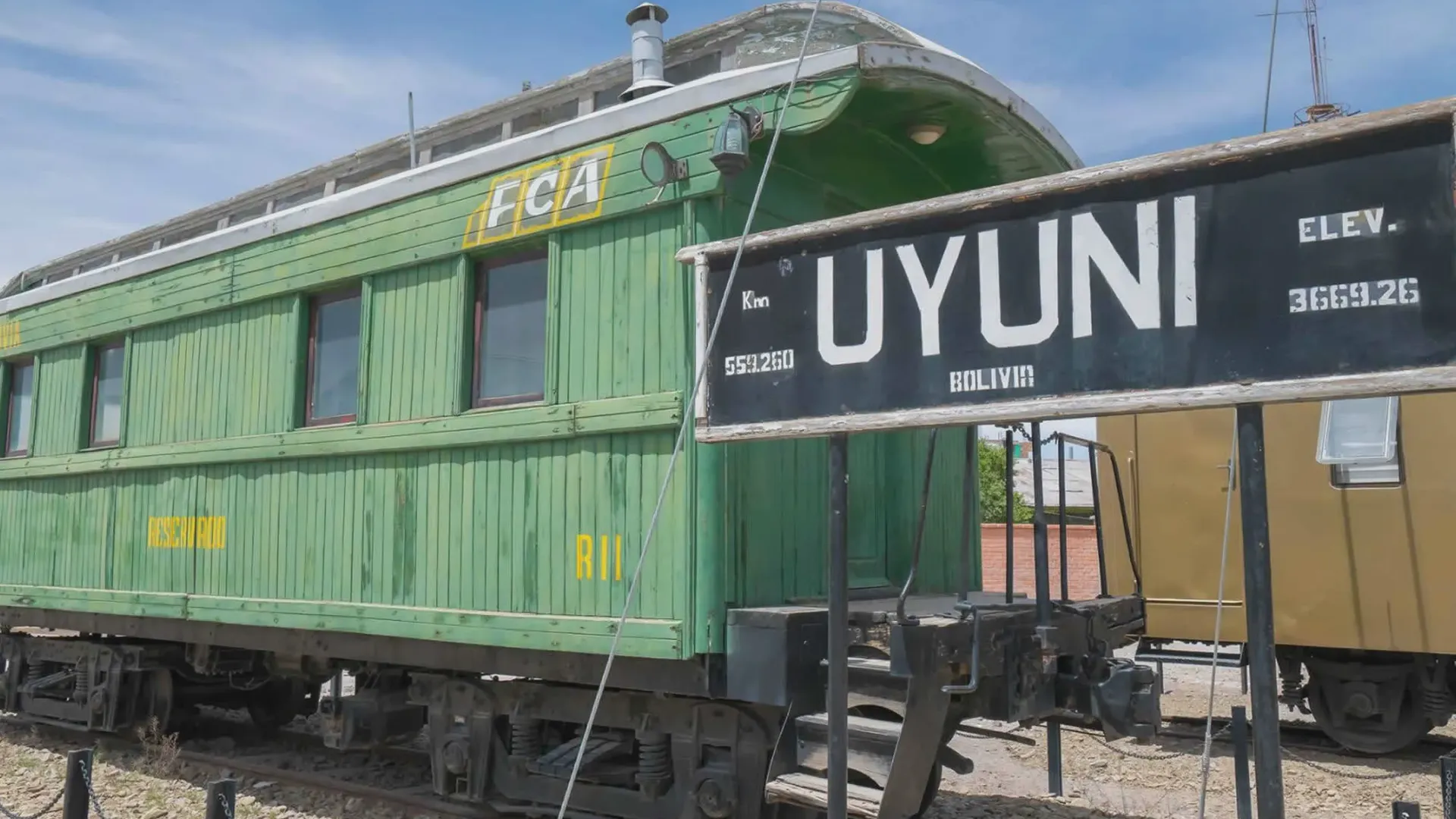
Potosí - Uyuni, every day 8 hours 210 Km
Potosí - Tupiza, every day 8 hours 300 Km
Sucre - Cochabamba, every day 12 hours 280 Km
Sucre - Tarabuco, every day 1 hours 55 Km
Copacabana - Puno, every day 2.5 hours 130 Km
Santa Cruz - Yacuiba, every day 10 hours 550 Km
Santa Cruz - Cochabamba, every day 8 hours 445 Km
Santa Cruz - Trinidad, every day 8.5 hours 550 Km
Oruro - Uyuni, every day 7 hours 310 Km
Villazón - Tupiza 3 hours 85 Km
Trinidad - Rurrenabaque 14 hours 360 Km
Bermejo - Tarija 4 hours 165 Km

Micro (city bus)

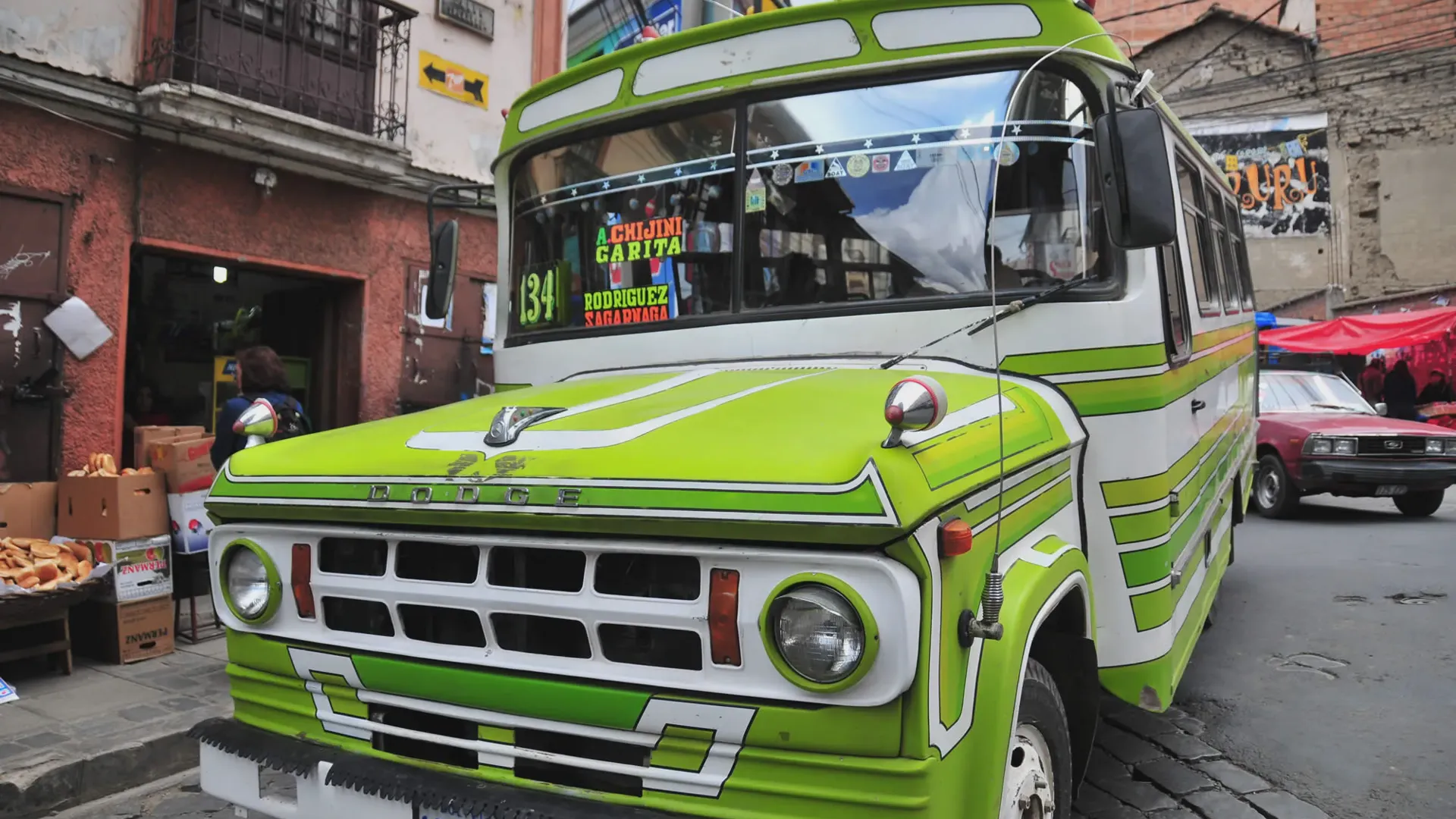
This is the most common means of transport in the cities of Bolivia (especially in La Paz and Cochabamba). For the most part, the buses are models from the sixties mostly of the Dodge and the GMC brands. They are organized by numbers or letters (according to their route) and carry two posters on the windshield (one indicates the number or letter and another specifies the route).

When boarding, you must pay the driver the cost of the ticket (about 20 US cents) and to get off, you need to shout "Me quedo (I stay here)", "Bajo (Down)" or "Esquina (at the corner)" about one block (50 meters) ahead of your destination.

Minibus (small urban bus)

The minibus is common in the cities of La Paz and El Alto. The route is displayed on a sign that hangs from the windshield. The minibuses are characterized by the presence of a "voceador" who is the person in charge of collecting the fees (between 16 and 23 cents) and to announce (shouting through the window) the route and destination of each minibus.

Trufi

The trufi is a kind of collective taxi that has a predetermined route (written on a sign that hangs from the windshield). It costs about 33 cents.

Cab

There are two types of taxis: the radiotaxi and the normal taxi:

Radio taxis are cars that communicate with a central operator, through a radio, and offer the service of answering your phone call, pick you up at your hotel and take you to your destination. Major hotels, normally, have their own radio taxi company. It is the safest way of transport and, also, the most expensive (1 to 10 USD, depending on the distances).

Taxis are normal cars that circulate on the streets and neighborhoods. Be careful at night, as some criminals disguise themselves as taxidrivers and look for drunk or lost tourists.
Tours Including This Destination

View All Tours →
San Pedro de Atacama to Uyuni Shared Tour
3 Days
Potosi
Featured
Potosi

San Pedro de Atacama to Uyuni Shared Tour

An attractive budget option for visiting the best attractions of the Uyuni area and the Eduardo Avaroa Reserve starting from San Pedro de Atacama.

San Pedro de Atacama - Uyuni - Calama Private Tour
3 Days
Potosi
Potosi

San Pedro de Atacama - Uyuni - Calama Private Tour

Take an exciting excursion into Bolivia from Chile and discover the wonders of the Uyuni Salt Flat and the Eduardo Avaroa Reserve!

Frequently Asked Questions

How many days do you need in Uyuni?

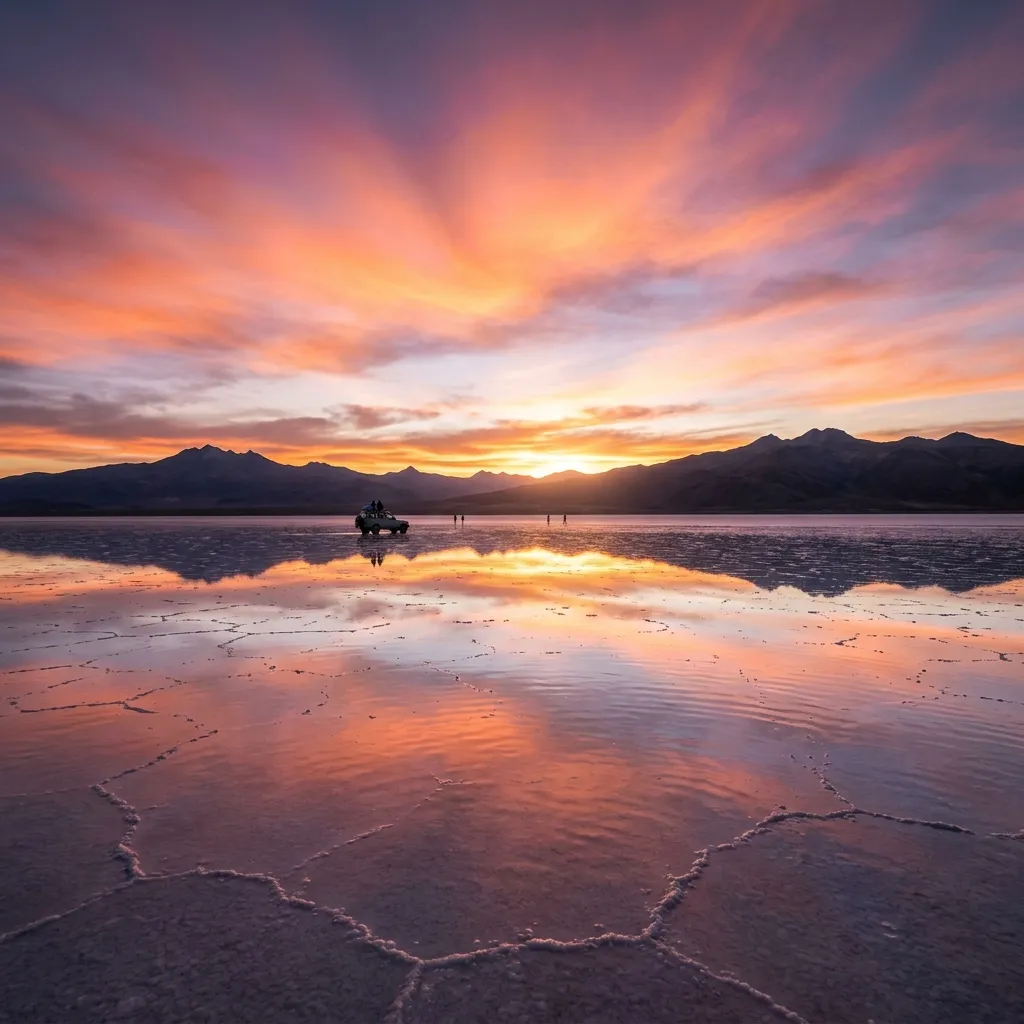
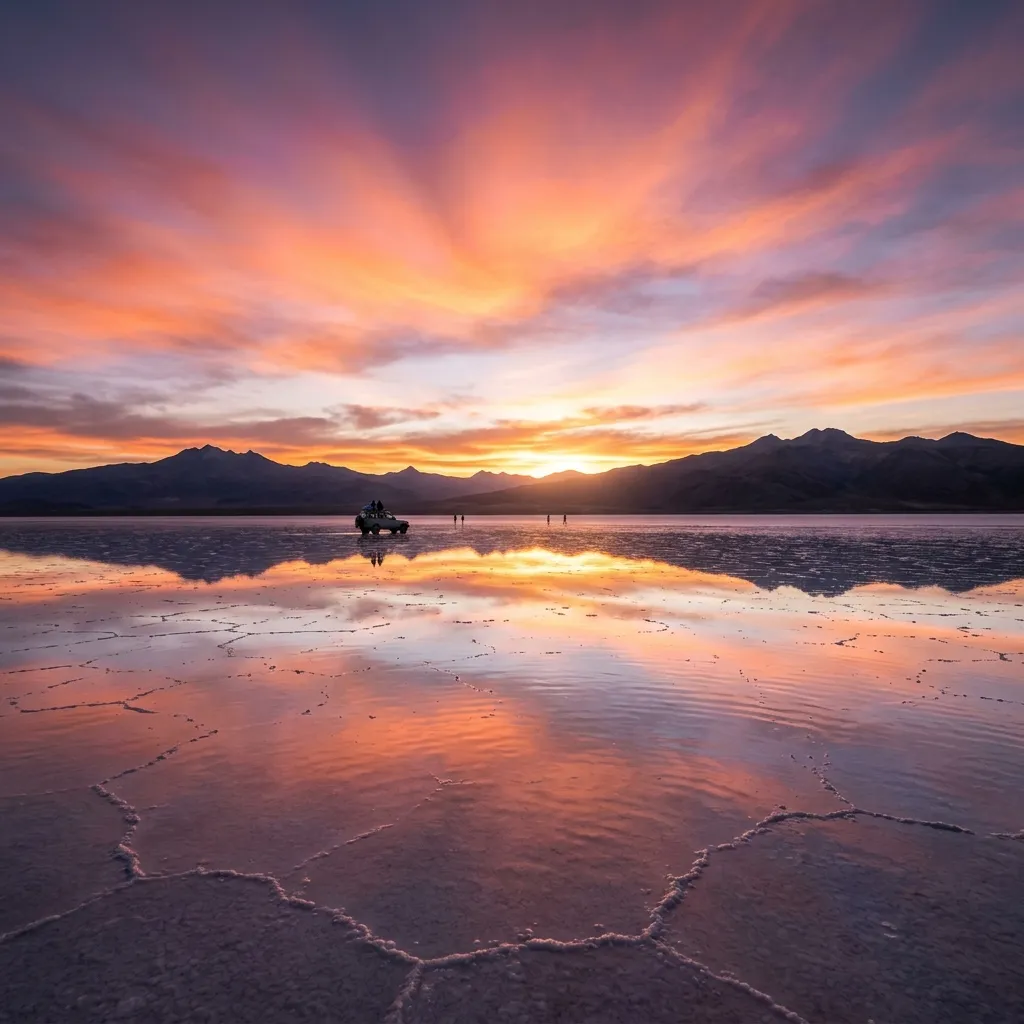
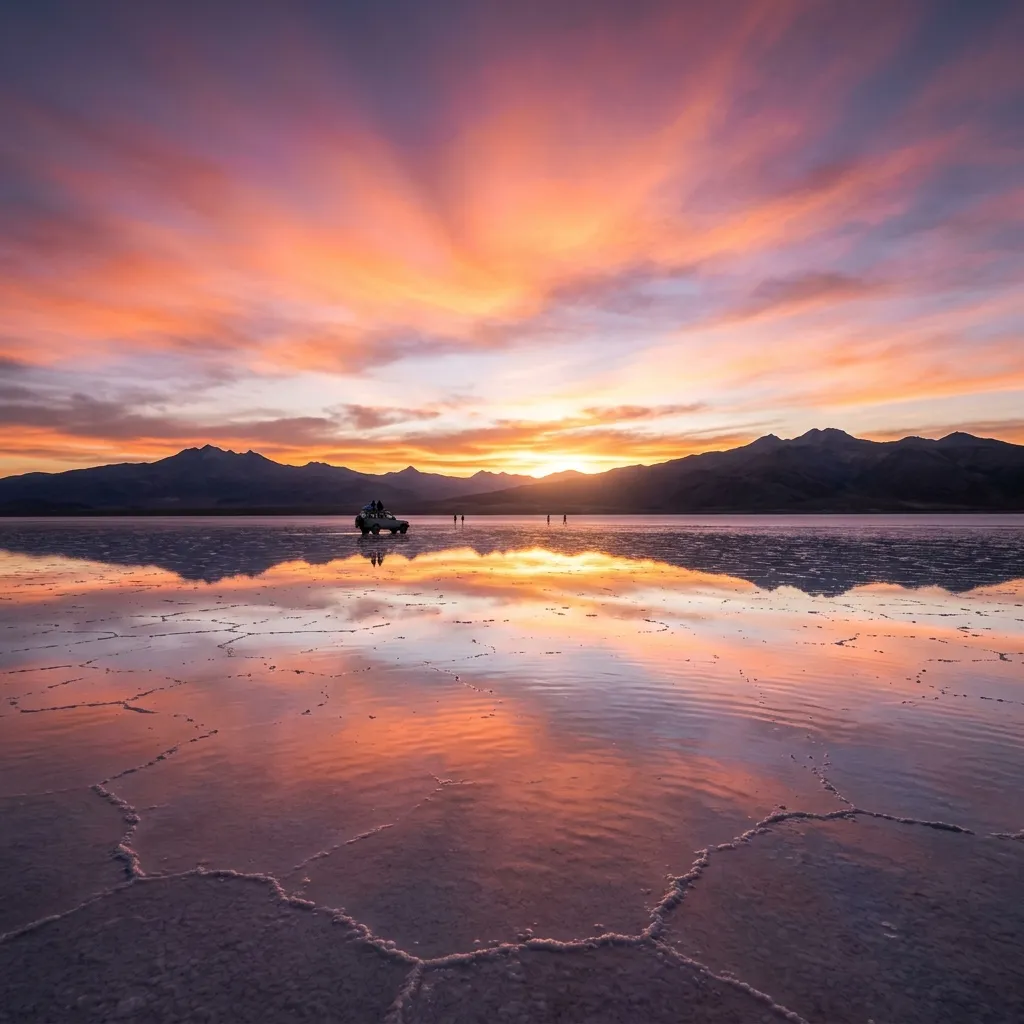
The honest answer is 3 days for most travellers. One day gives you the salt flat — the hexagons, Isla Incahuasi, and a sunset. Three days gives you the entire region: the salt flat on Day 1, then the Eduardo Avaroa National Reserve on Days 2 and 3 — Laguna Colorada, Sol de Mañana geysers, flamingos, and the chain of coloured lagoons that most people describe as the highlight of their Bolivia trip. If you genuinely only have one day, go — but know what you're choosing to skip.

What is the best month to visit Uyuni?

October is the best single month for most travellers. It is dry, warm enough at night to be comfortable, uncrowded compared to the June–August peak, and the daytime light is excellent for photography. If seeing the mirror effect is your priority, February offers the highest probability — but with more rain, crowds, and potential access restrictions.

What should I do for altitude acclimatization?
Rest on day one, hydrate often, and avoid heavy activity in your first 24 hours.
Can you see the mirror effect in April?

Sometimes, yes. April is a transition month. In years with heavy rainfall, mirror conditions persist into early April. In drier years, the surface begins drying in late March. A knowledgeable local guide will know where remaining water pockets are. Late April is often recommended by Uyuni-based operators as a sweet-spot month — possible mirror, warmer nights, fewer tourists, and lower prices.

How cold does it get in Uyuni area?

During dry season nights in June, July, and August, temperatures regularly fall below -10°C and can reach -15°C on the open salt flat. Daytime is warmer — typically 13°C to 17°C in winter. From October through April, nights are significantly more manageable, rarely dropping below -5°C.

Is Uyuni worth visiting in July?

Yes, but go prepared. July is peak tourist season — book everything well in advance. The cold is serious and should not be underestimated. The trade-off is dry, clear skies and the best stargazing conditions of the year. If cold weather doesn't bother you and you've booked ahead, July is a spectacular month to visit

Where can I see flamingos in the Uyuni Salt Flat?

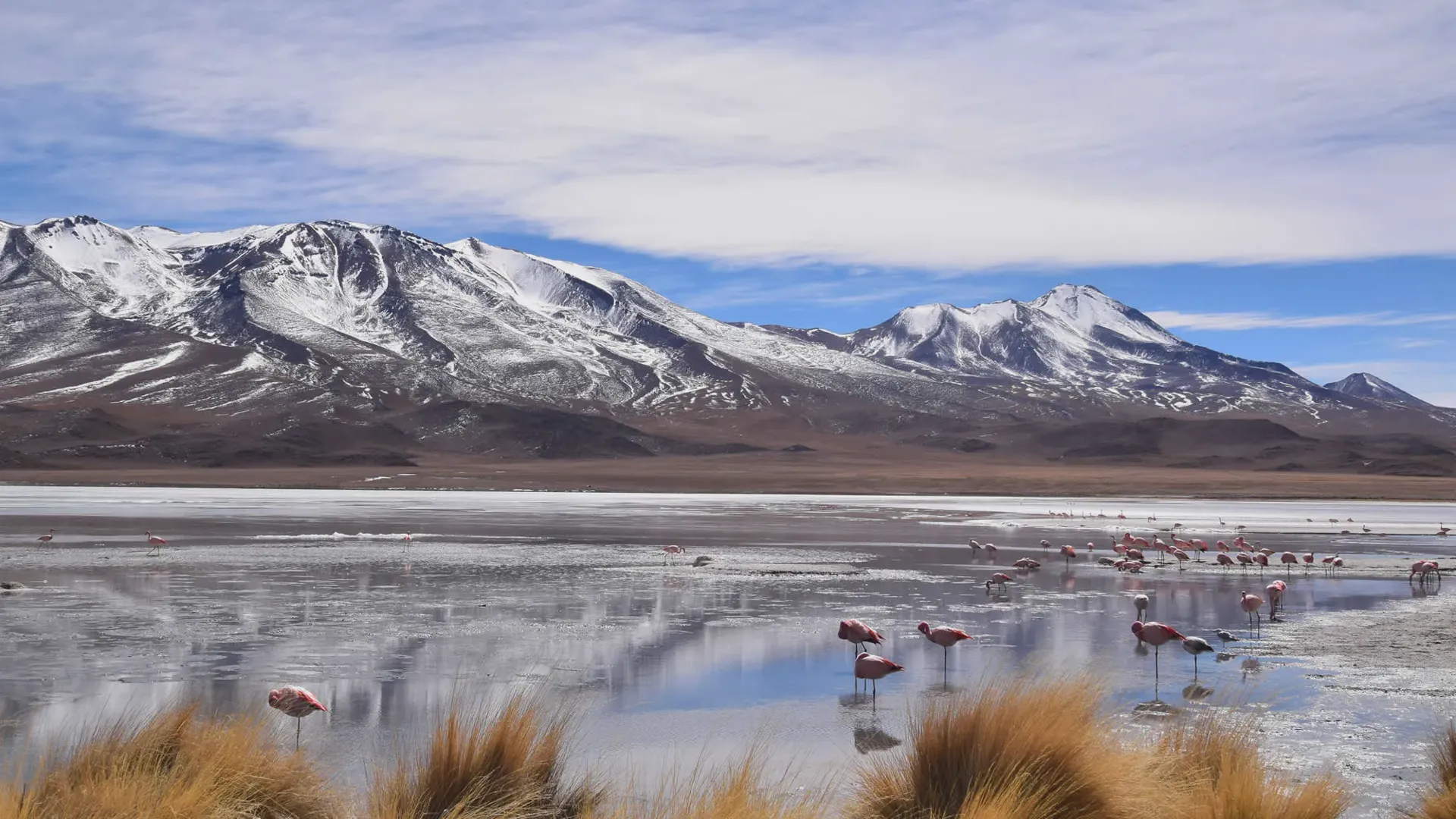
The flamingos are not on the Salar de Uyuni itself — they gather at Laguna Colorada in the Eduardo Avaroa National Reserve, approximately 4 hours south of Uyuni. Around 25,000 flamingos of three species (Chilean, Andean, and James) congregate there between November and March for breeding season. This reserve is visited on the standard 3-day Uyuni southwest circuit tour.

Can tours run year-round at the Uyuni Salt Flat and the Uyuni area?

Yes, with some limitations. Dry season tours operate across the full flat with no restrictions. Wet season tours adapt routes to water levels — some areas like Isla Incahuasi may be temporarily inaccessible after heavy rain. The Eduardo Avaroa Reserve southwest circuit occasionally closes during peak rainfall. Reputable operators monitor conditions daily and adapt accordingly.

Can you visit Incahuasi Island during the rainy season?

Generally no. When the salt crust dissolves into soft, muddy brine, heavy 4x4s risk sinking. Island access is typically restricted by park authorities between mid-January and late March.

Nearby Places & Attractions

Salar de Chiguana
Attraction

Salar de Chiguana

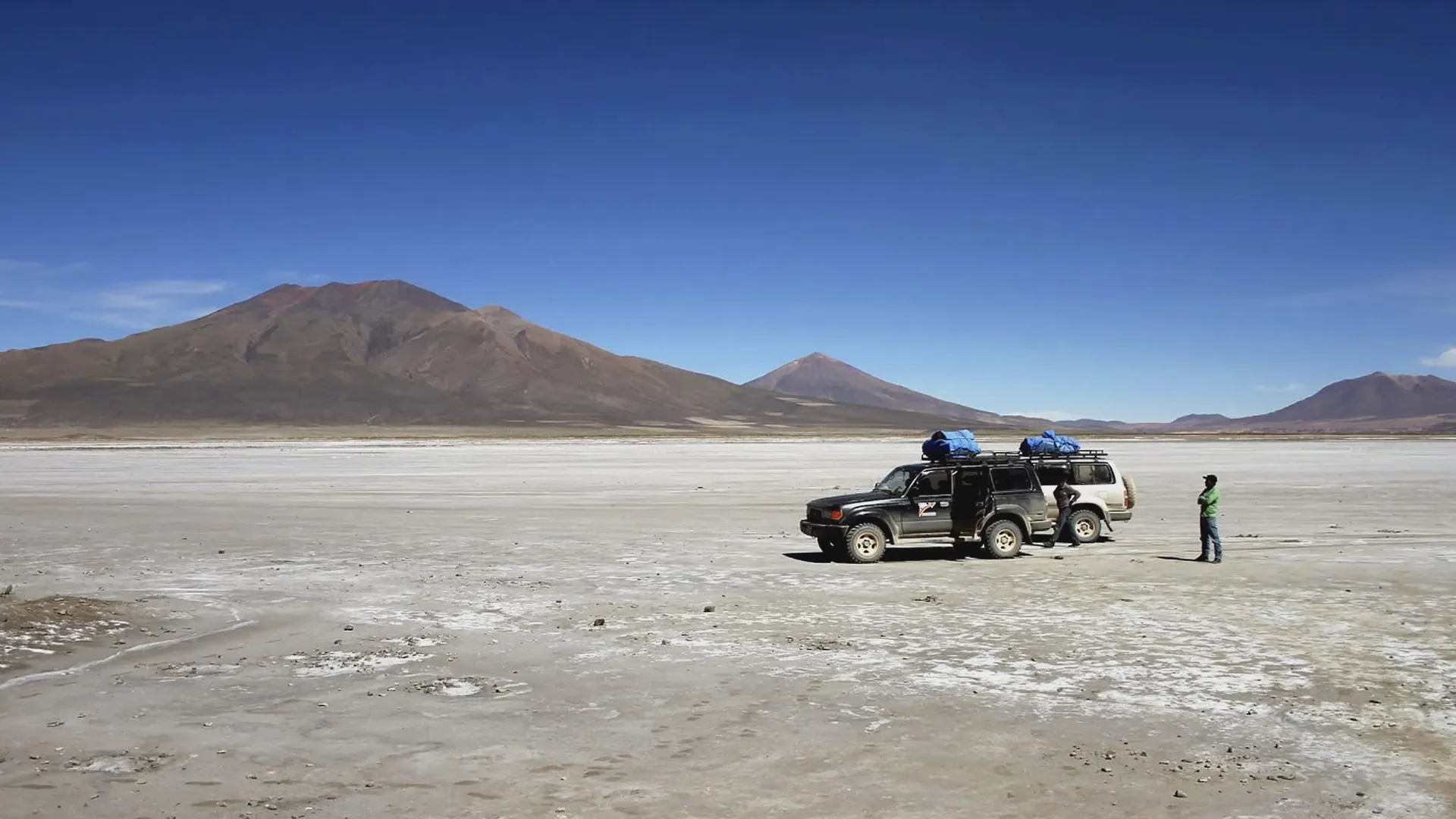
The Salar de Chiguana, not far from the border with Chile has a salt base, covered with brownish dust.

Salvador Dalí desert
Attraction

Salvador Dalí desert

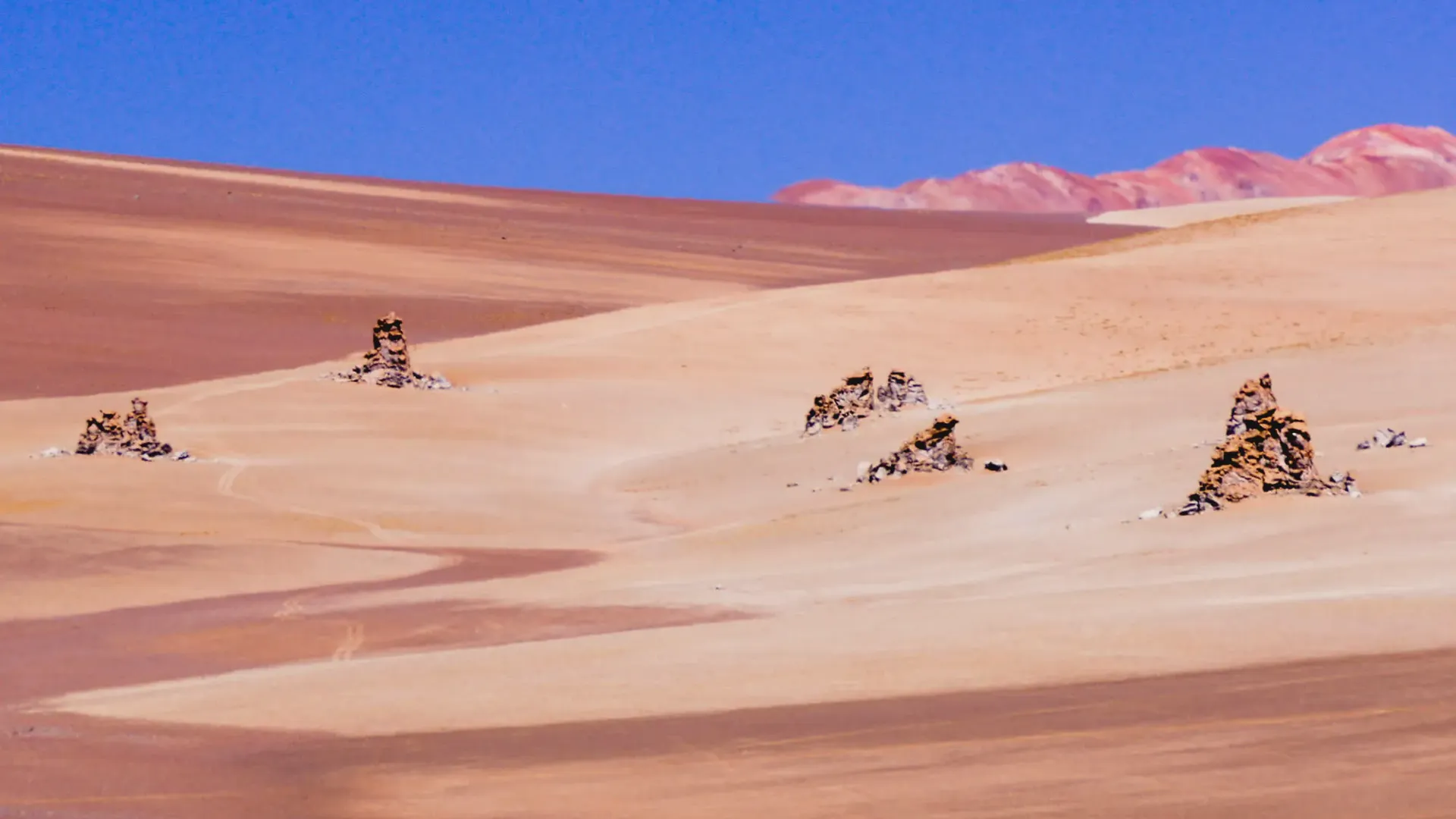
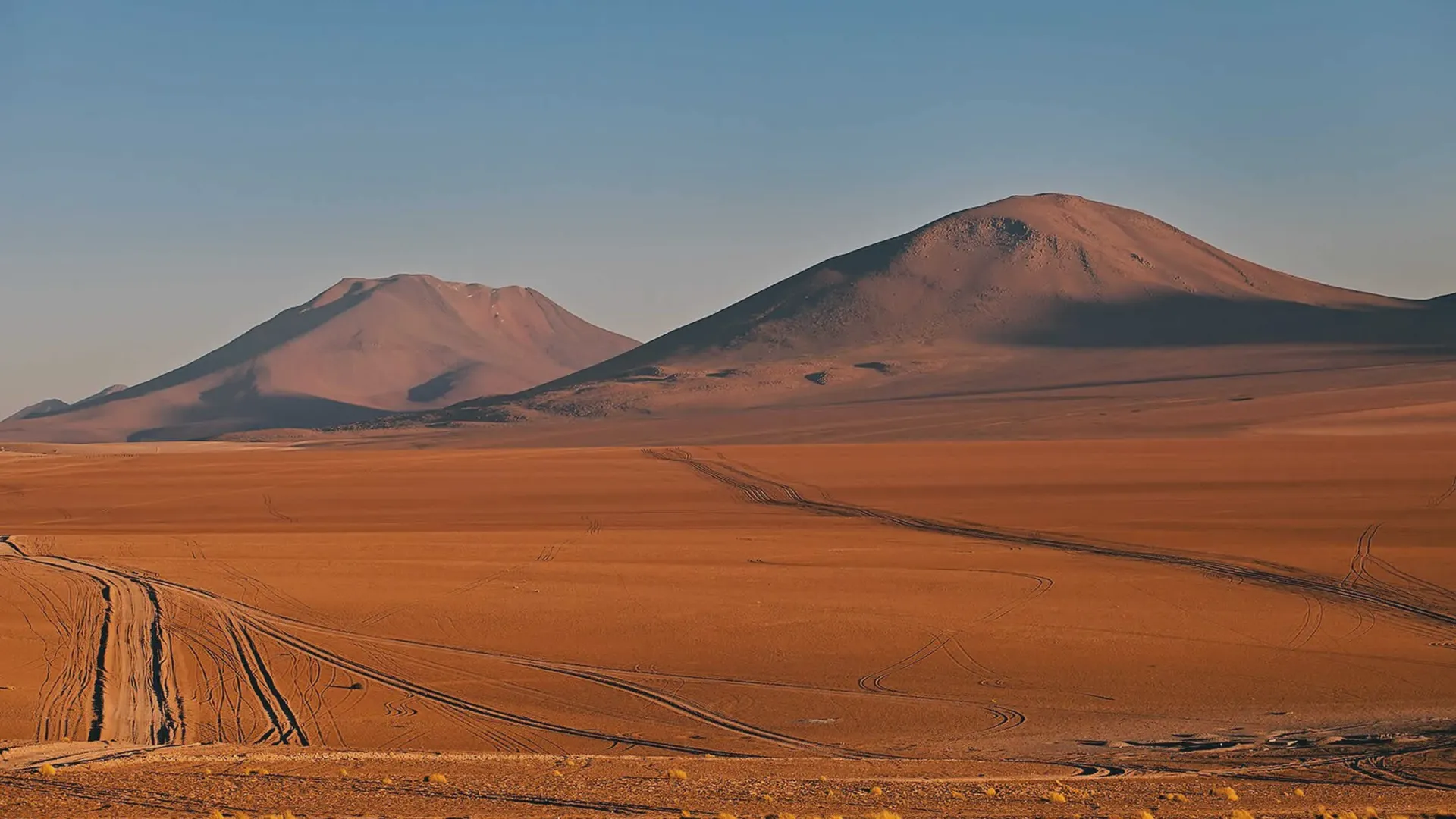
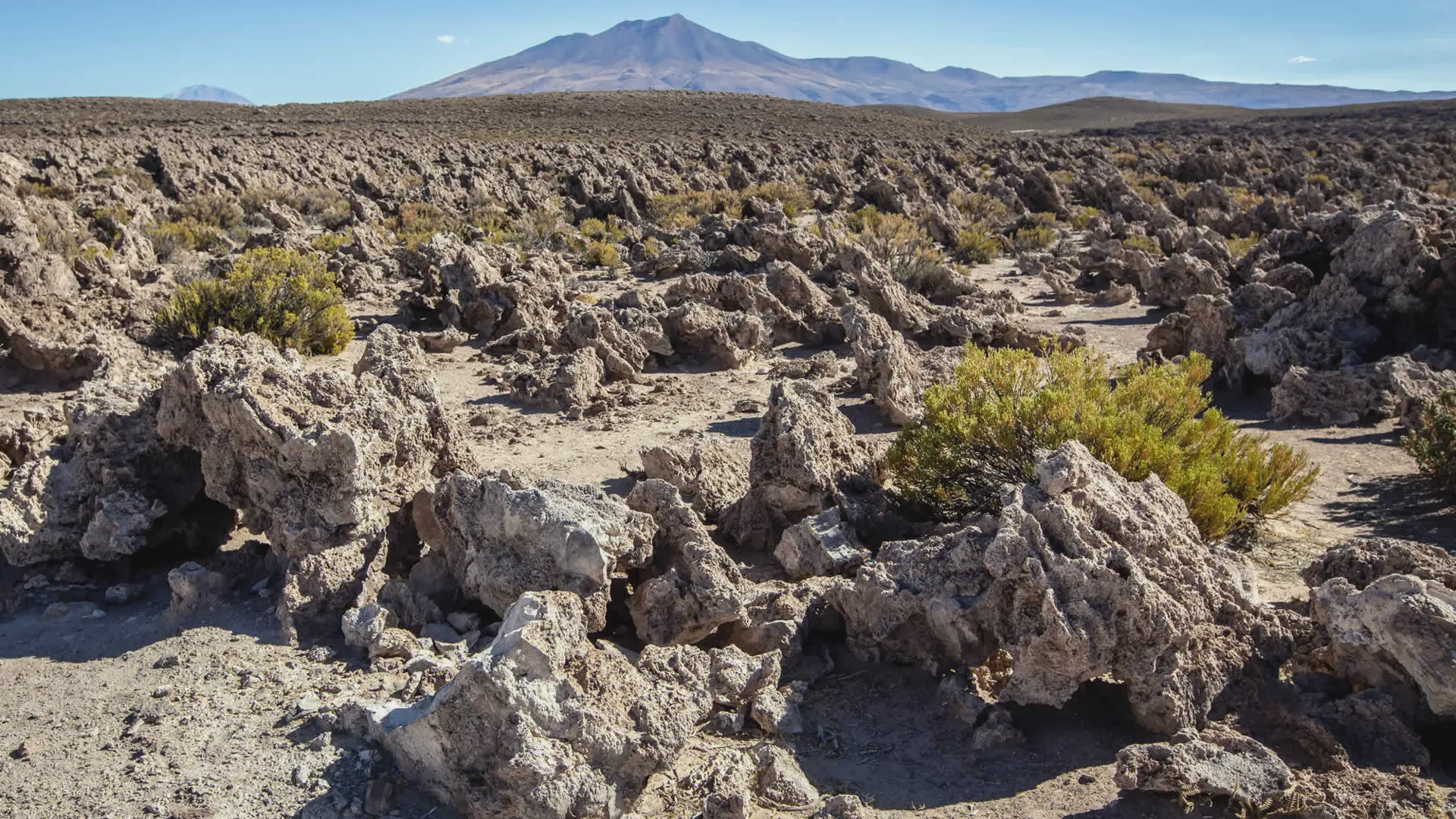
Salvador Dalí Desert (Desierto Salvador Dalí), also known as Dalí Valley (Valle de Dalí), is an extremely barren valley of southwestern Bolivia, in the Potosí Department.

Red Lagoon
Attraction

Red Lagoon

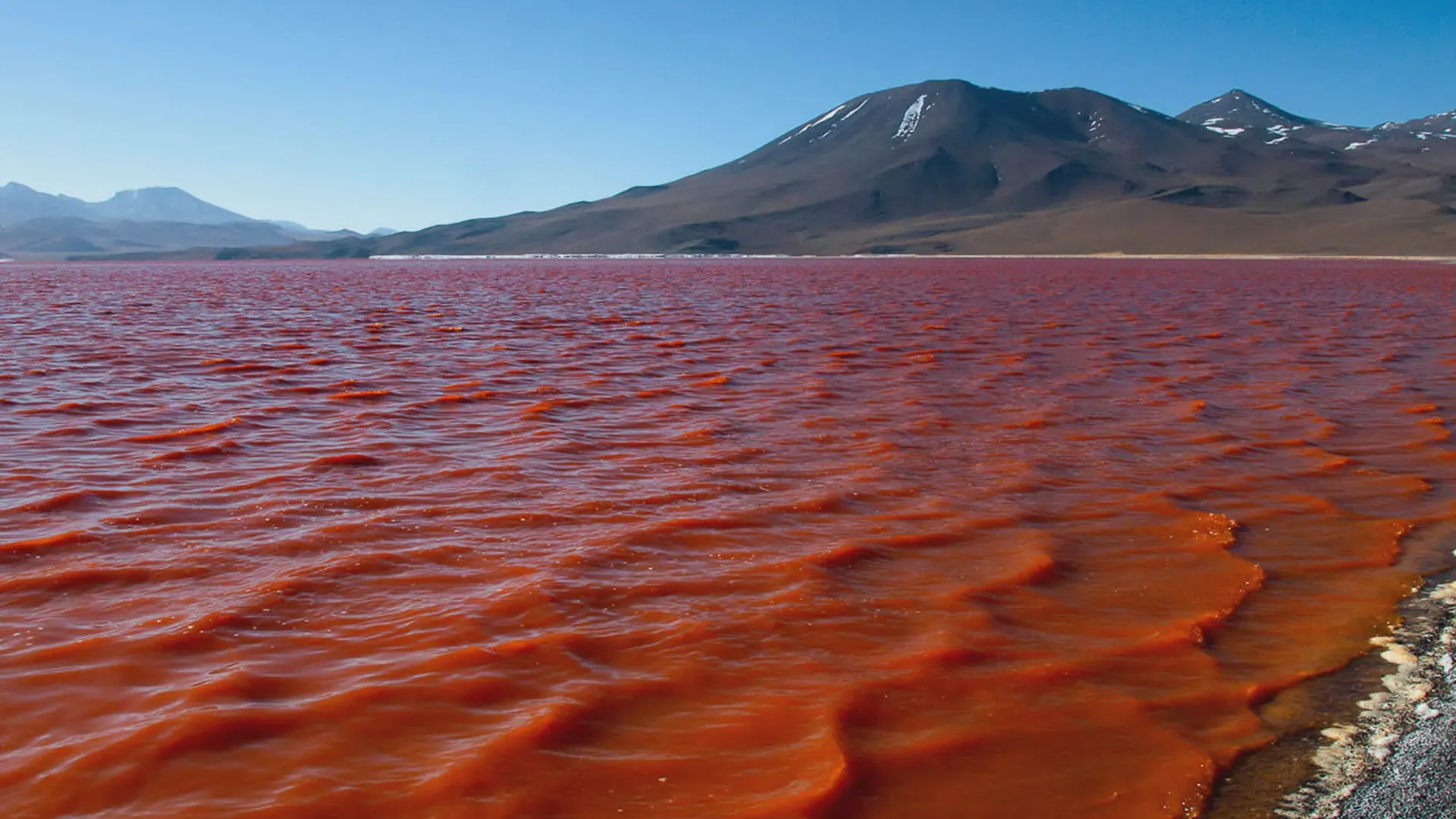
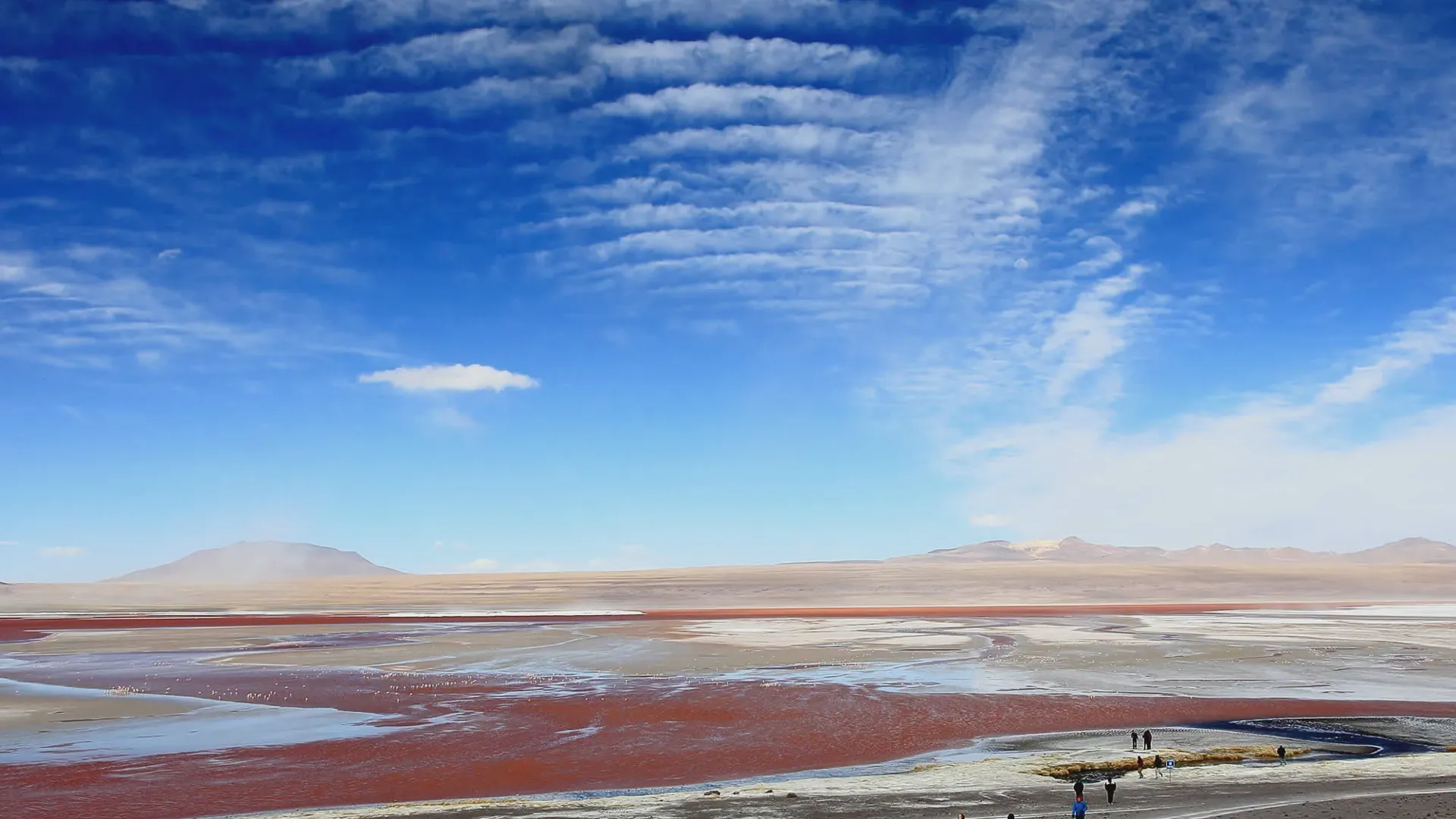
The Red lagoon (Laguna Colorada) is a shallow lake within the Eduardo Avaroa Andean Fauna National Reserve and close to the border with Chile. The lake is famous for its strong red colour caused by algae that provide food for large flocks of pink flamingos.

Green Lagoon
Attraction

Green Lagoon

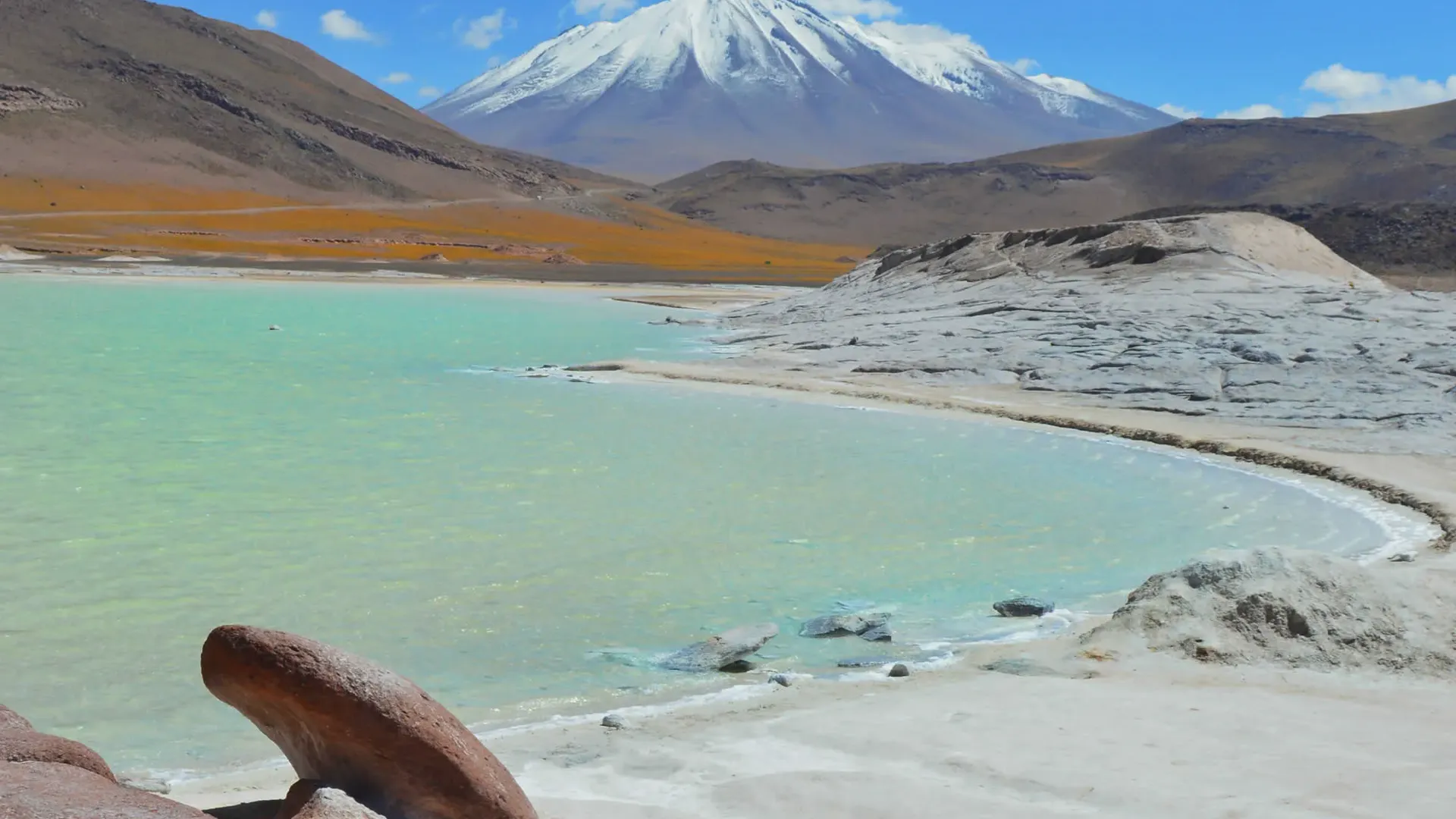
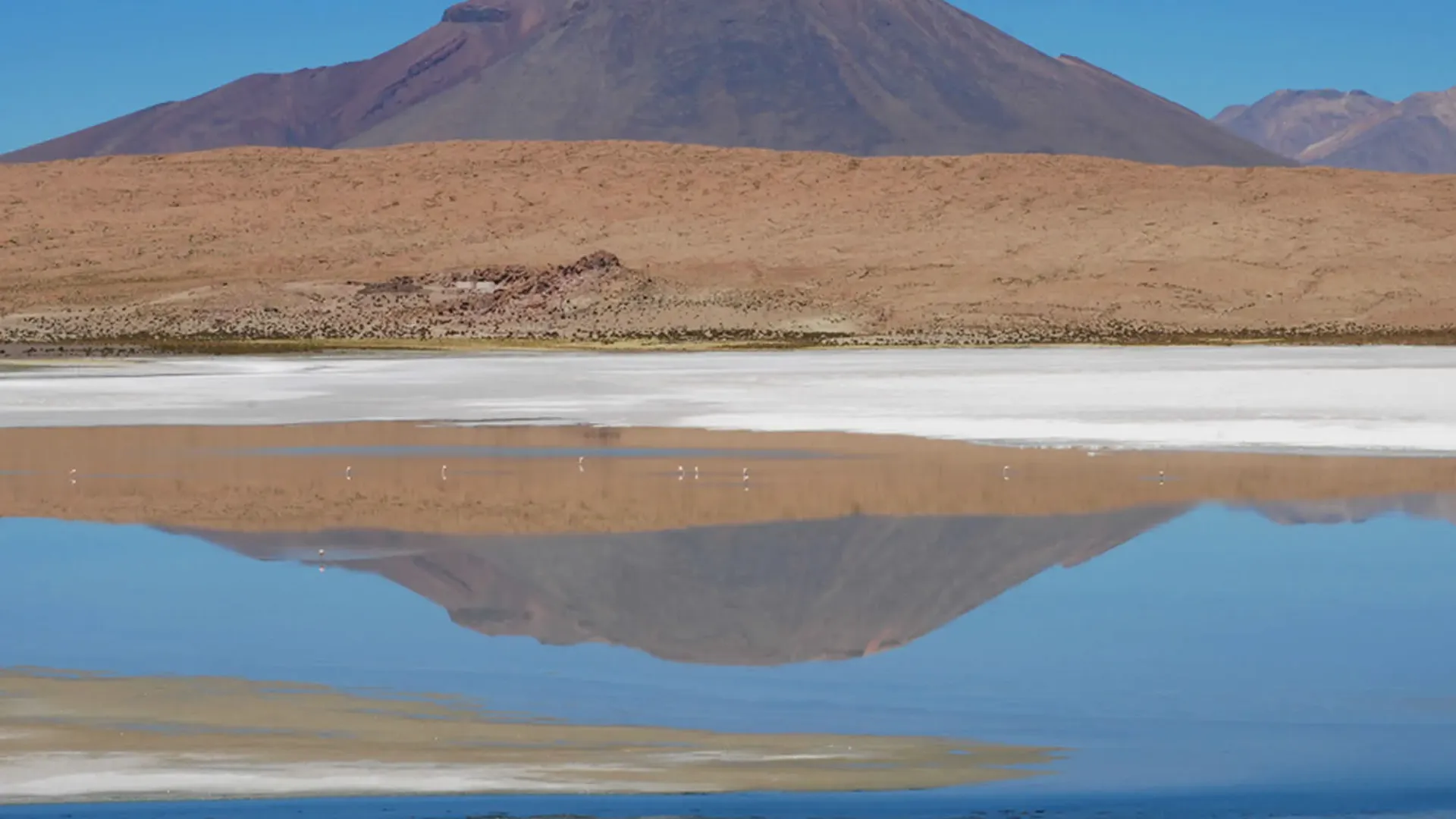
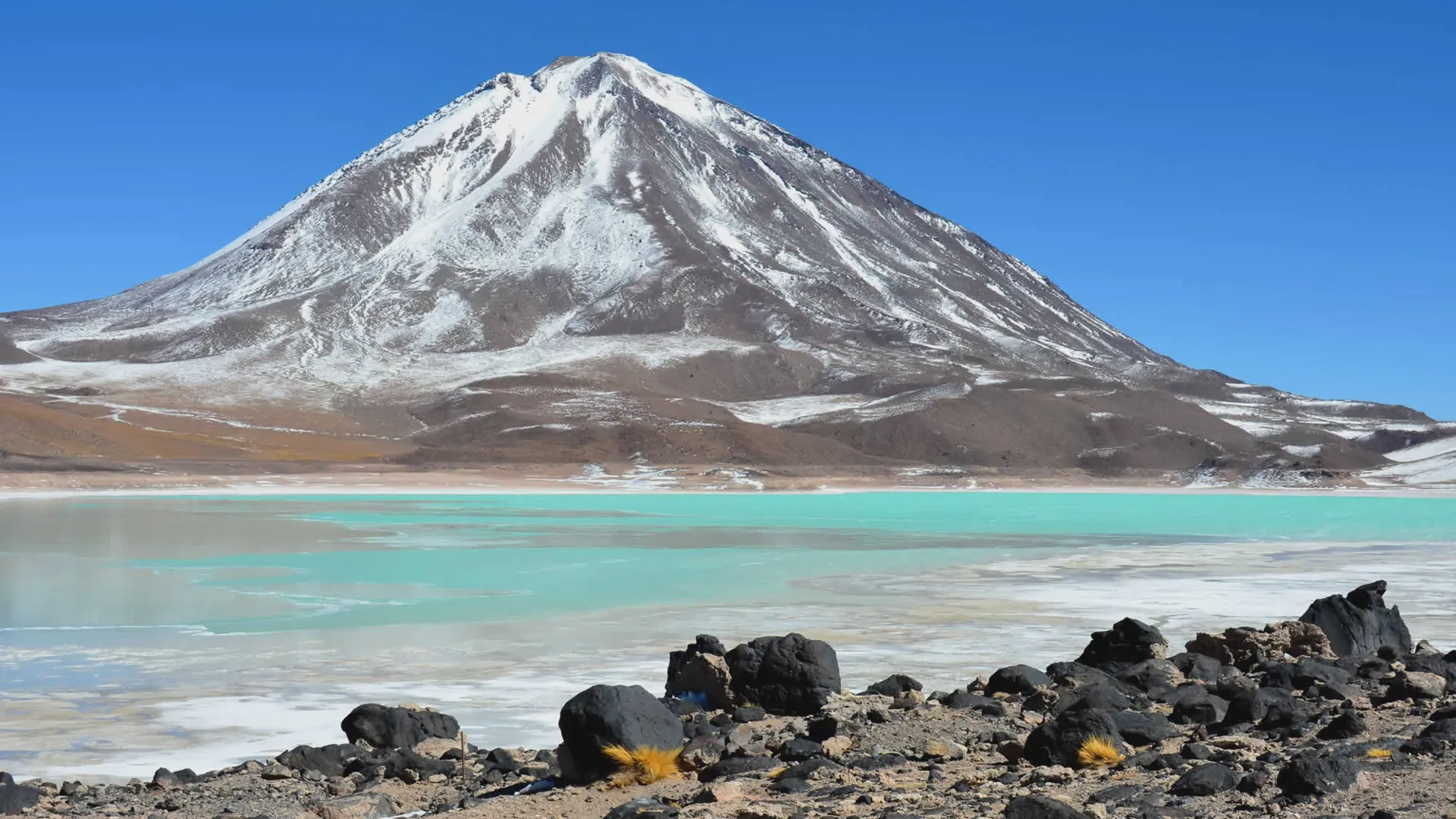
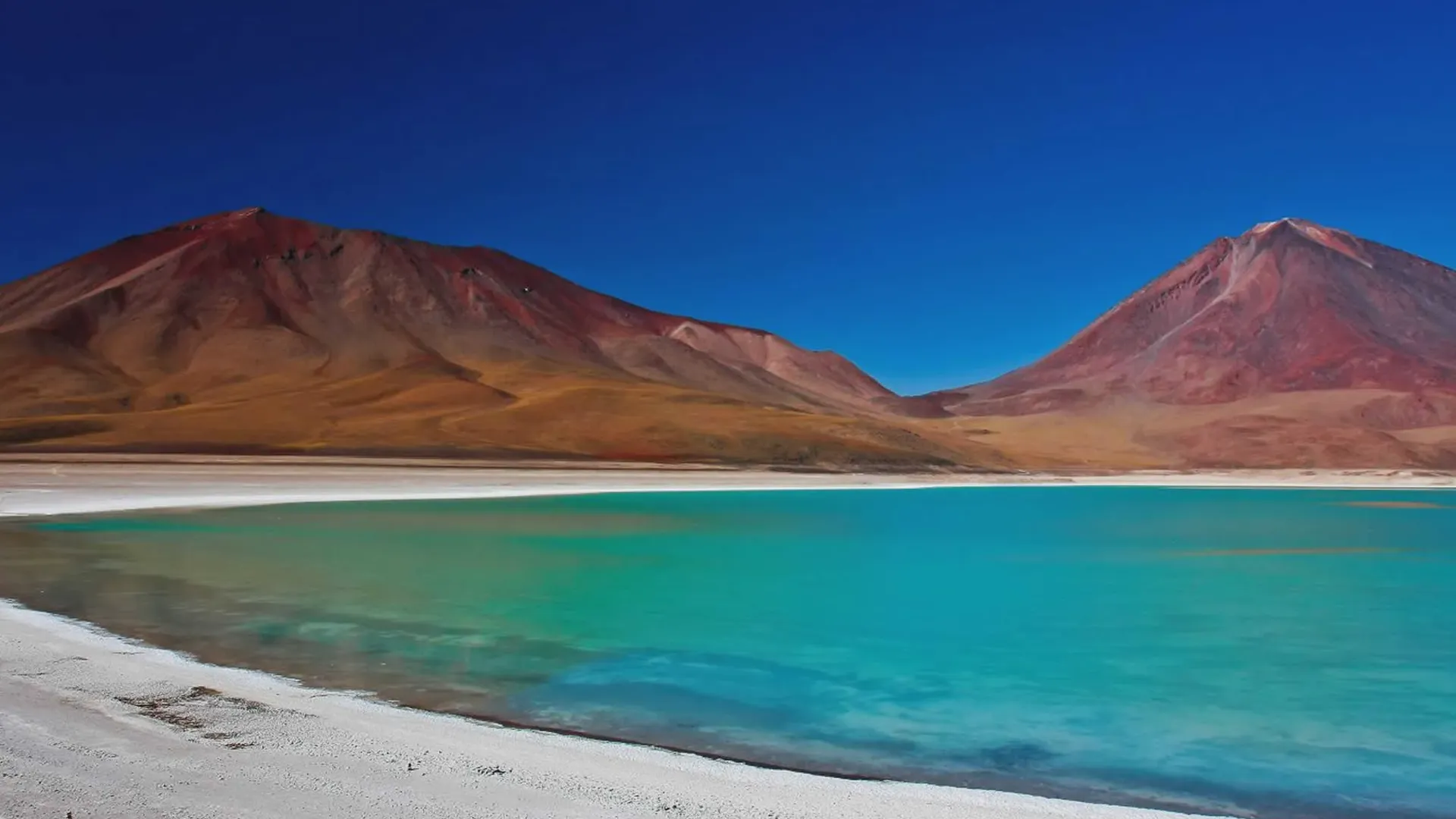
Green lagoon (Laguna Verde) is a high-altitude mineral lake in the Eduardo Avaroa Reserve, known for its beautiful green color. It sits at the foot of 2 volcanoes, Licancabur and Juriques, which straddle the border with Chile and are reflected in the water when the weather is calm.

Rock Tree
Attraction

Rock Tree

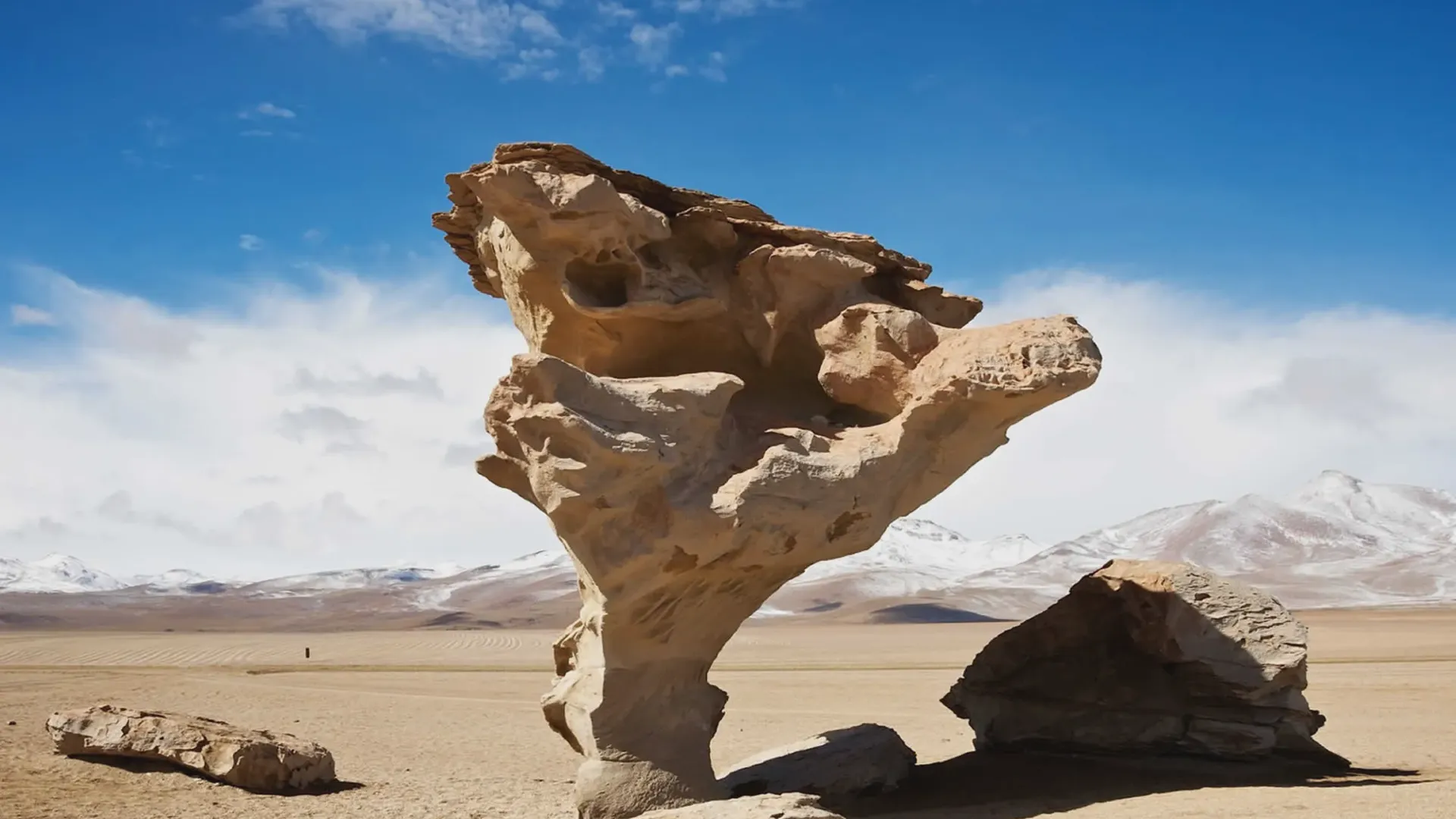
The Rock Tree (Árbol de Piedra) is a tree-like rock formation in the Siloli Desert desert that offers great photo opportunities!

Andean Fauna
Attraction

Andean Fauna

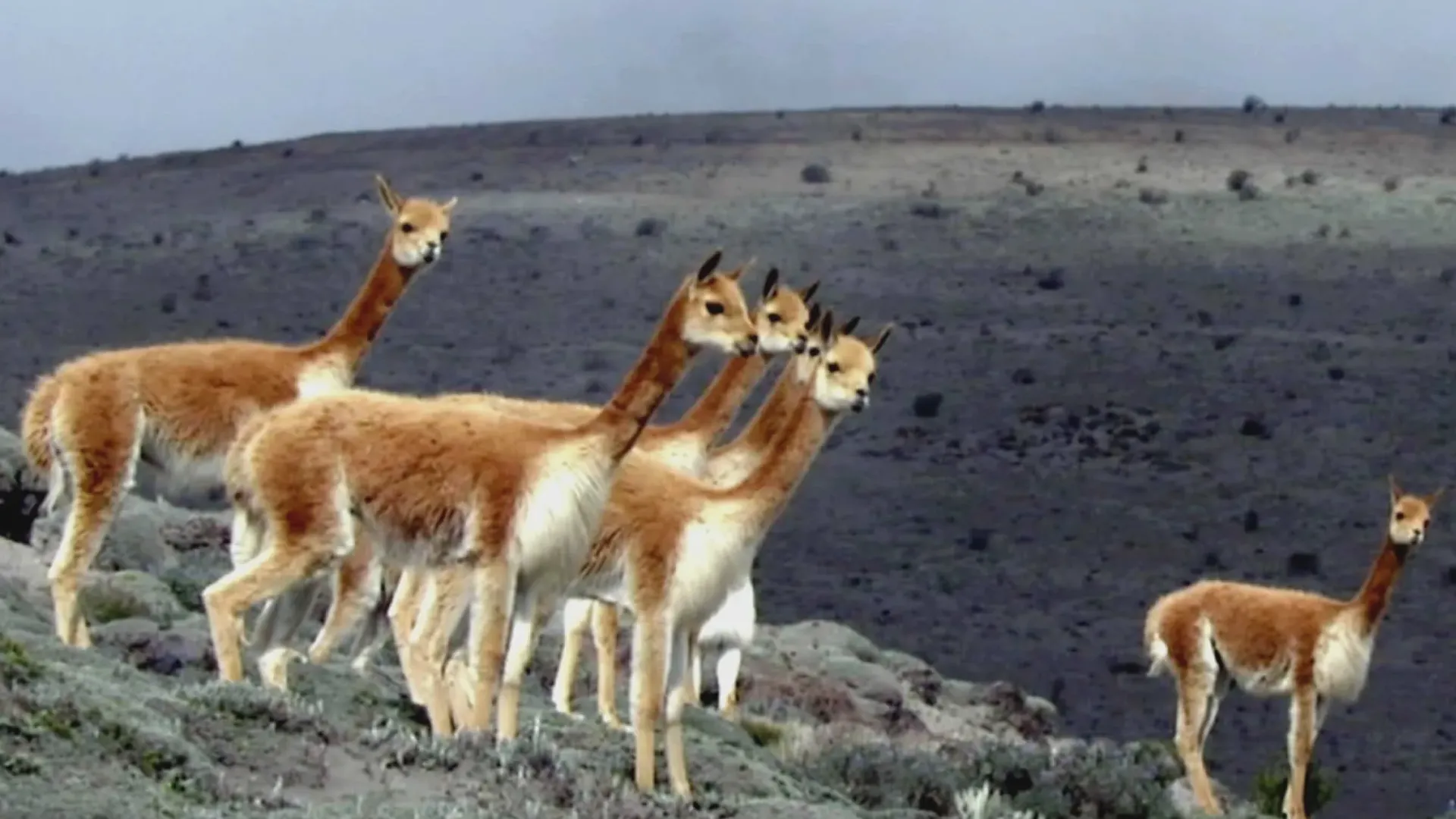
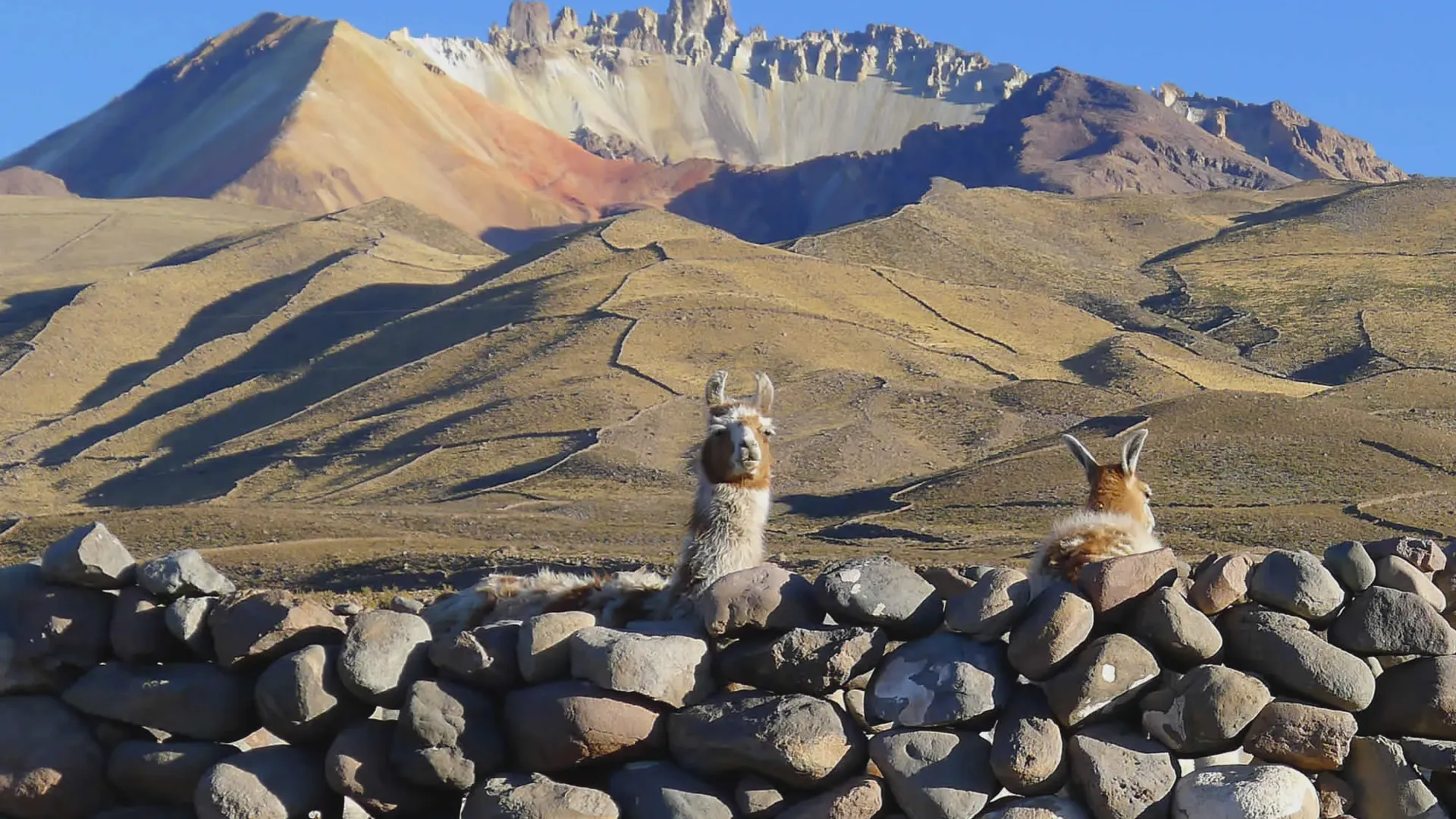
The Andean fauna populating the surroundings of the Uyuni Salt Flat and the amazing lagoons is diverse and rich. During the most popular tours to the Eduardo Avaroa National Reserve it is possible to observe these species in their natural habitat and be amazed by nature.

Ready to visit Transportation in Bolivia - Bus, Micro, Minibus, Taxi, Trufi?

We can help you organize the perfect trip to this incredible destination.