Written & Fact-Checked by Gabor Kosaras
"I have personally mapped 4x4 overland routes across the Salar de Uyuni and Eduardo Avaroa Reserve for over 15 years. All park entrance fees, road accessibility notes, and border crossing advice below are updated monthly based on direct driver logs."
Before You Go
The five questions worth answering before you book anything.
Best Time to Visit
Mirror season vs. the dry salt flat — how to pick.
How Many Days Do You Need?
From a rushed day trip to a full 4-day circuit.
What to Pack
Layers, sun protection, and what tours don't tell you.
Weather & Temperatures
Why nights drop below freezing even in summer.
Altitude: What to Know
3,656m, and how to acclimatize before you arrive.
Is Uyuni Safe?
What travelers should know, kept current.
How to Get to Uyuni
Explore the different ways to reach Uyuni from La Paz, Sucre, Potosí, and Chile, including flights, buses and private transportation.
By Air
45 Mins · $$$$45 minutes from La Paz. Direct commercial flights land daily at Joya Andina Airport (UYU).
By Bus
10 Hours · $10 hours from La Paz. Overnight sleeper buses run daily from La Paz, Sucre, and Potosí.
By Private Transportation
8 Hours · $$8 hours from La Paz. Door-to-door private 4x4 transfers with professional drivers and custom stops.
Getting to Uyuni from Major Destinations
By air (~45 min), bus (~10 hrs), or private 4x4 (~8 hrs).
Overnight bus, roughly 7 hours.
The shortest overland leg, around 3.5–4 hours.
Cross the Chile–Bolivia border at Hito Cajón, usually as a 3-day tour.
Same border crossing as San Pedro, with the convenience of Calama's airport.
What to See
Fifteen premier regional sights and landmarks — click through for the full guide to each.
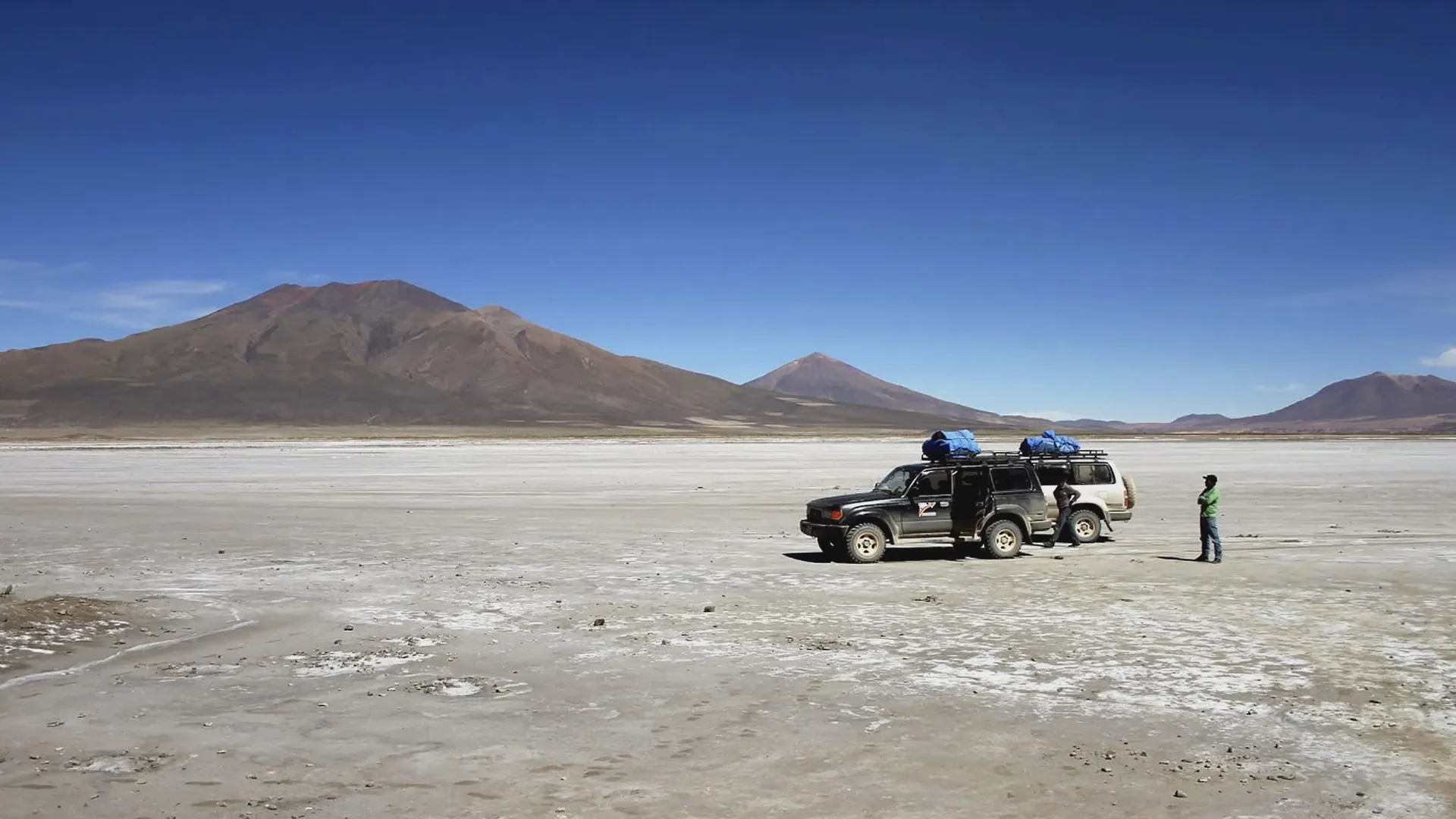
Salar de Chiguana: 2027 Guide to Bolivia's High Salt Basin
The Salar de Chiguana overlooks the Ollagüe volcano and the Tomasamil hill.
Explore Salar de Chiguana in southwest Bolivia. Plan your route past Ollagüe Volcano with practical transit and logistics.
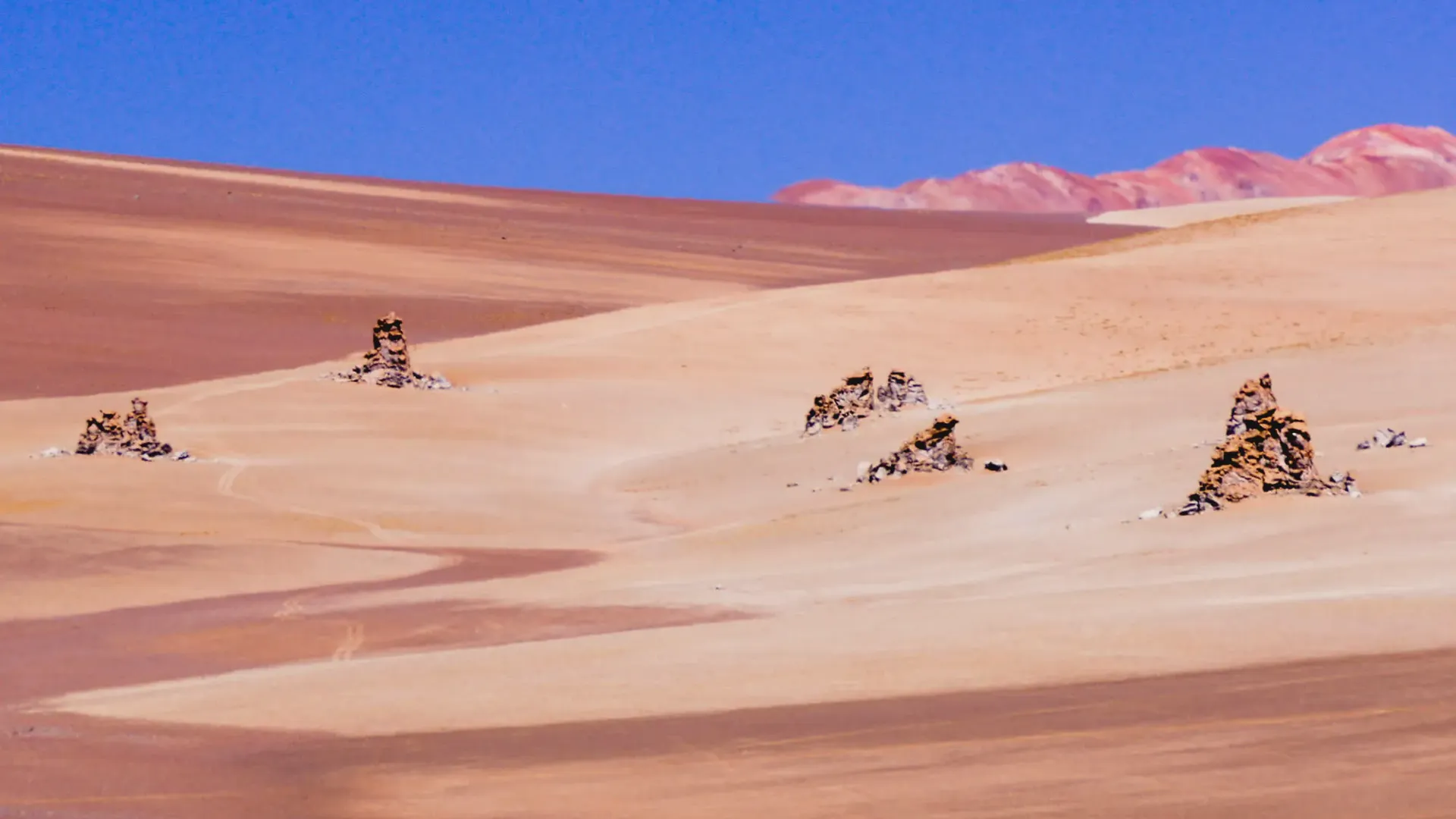
Salvador Dalí desert
is characterized by landscapes that resemble surrealist paintings by Salvador Dalí.The Salvador Dalí Desert (Desierto Salvador Dalí)
Salvador Dalí Desert (Desierto Salvador Dalí), also known as Dalí Valley (Valle de Dalí), is an extremely barren valley of southwestern Bolivia, in the Potosí Department.
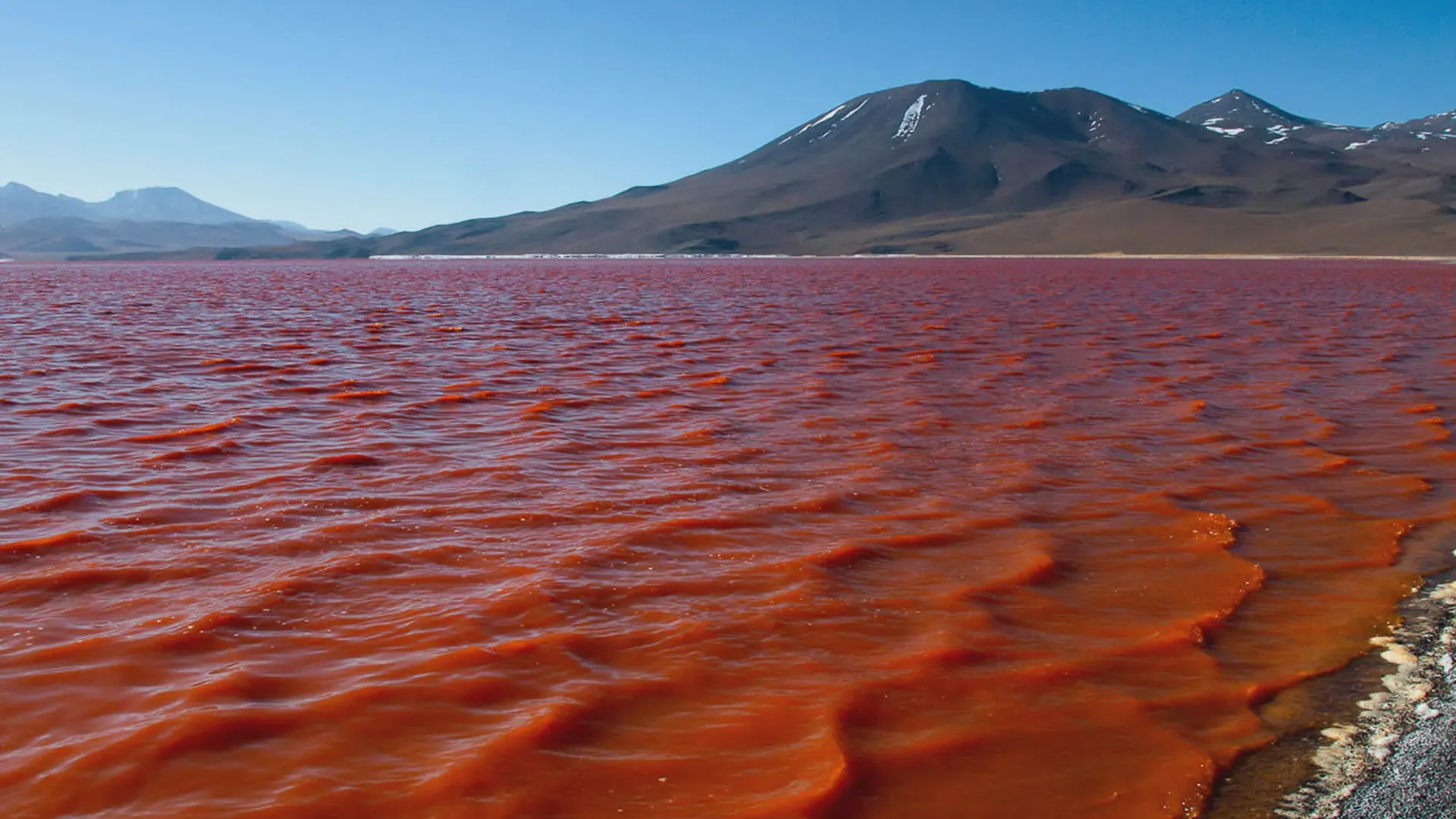
Red Lagoon
The Red lagoon (Laguna Colorada) is a shallow lake within the Eduardo Avaroa Andean Fauna National Reserve and close to the border with Chile. The lake is famous for its strong red colour caused by algae that provide food for large flocks of pink flamingos.
The Red lagoon (Laguna Colorada) is a shallow lake within the Eduardo Avaroa Andean Fauna National Reserve and close to the border with Chile. The lake is famous for its strong red colour caused by algae that provide food for large flocks of pink flamingos.
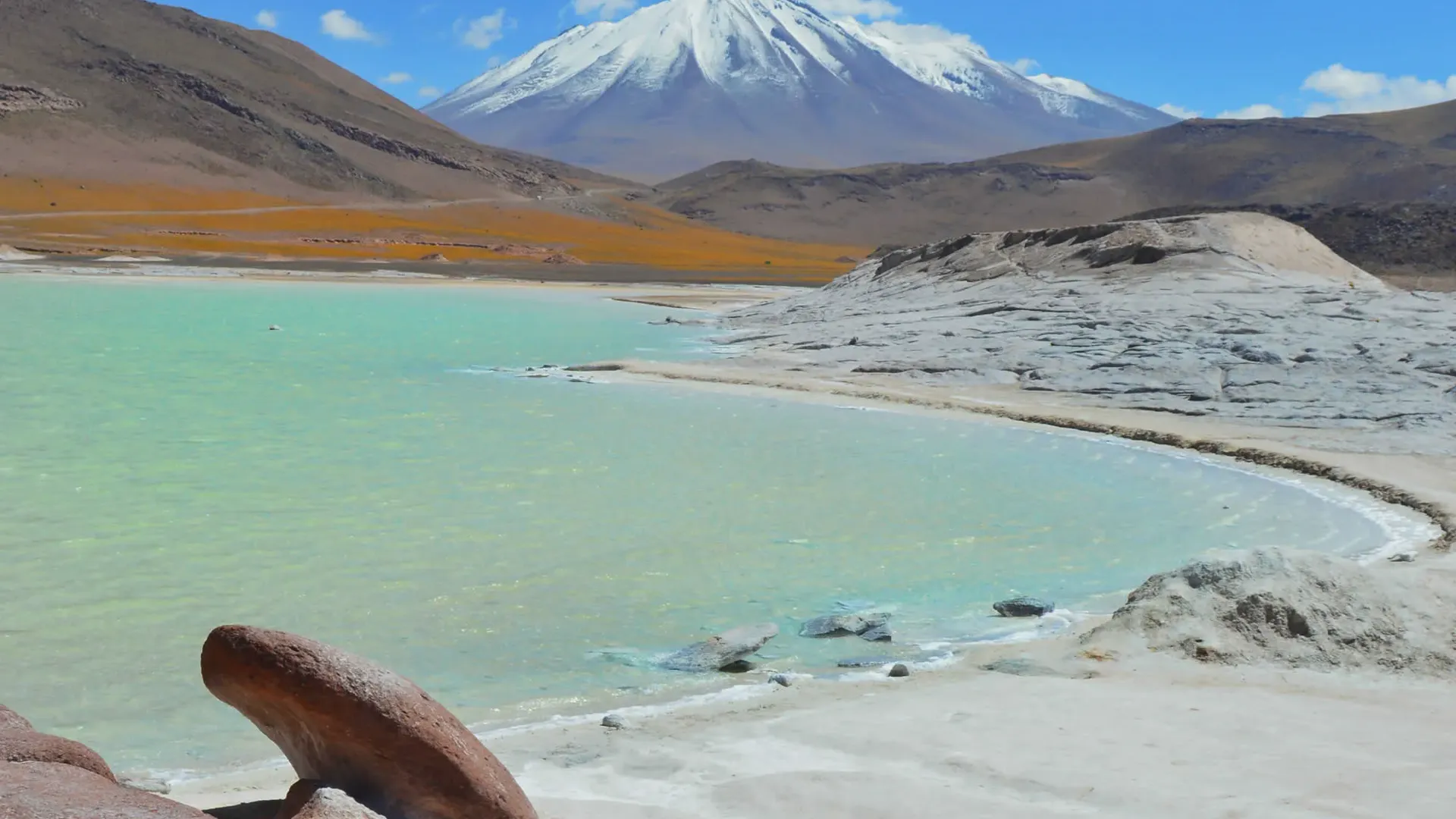
Green Lagoon
Green lagoon (Laguna Verde) is a high-altitude mineral lake in the Eduardo Avaroa Reserve, known for its beautiful green color.
Green lagoon (Laguna Verde) is a high-altitude mineral lake in the Eduardo Avaroa Reserve, known for its beautiful green color. It sits at the foot of 2 volcanoes, Licancabur and Juriques, which straddle the border with Chile and are reflected in the water when the weather is calm.
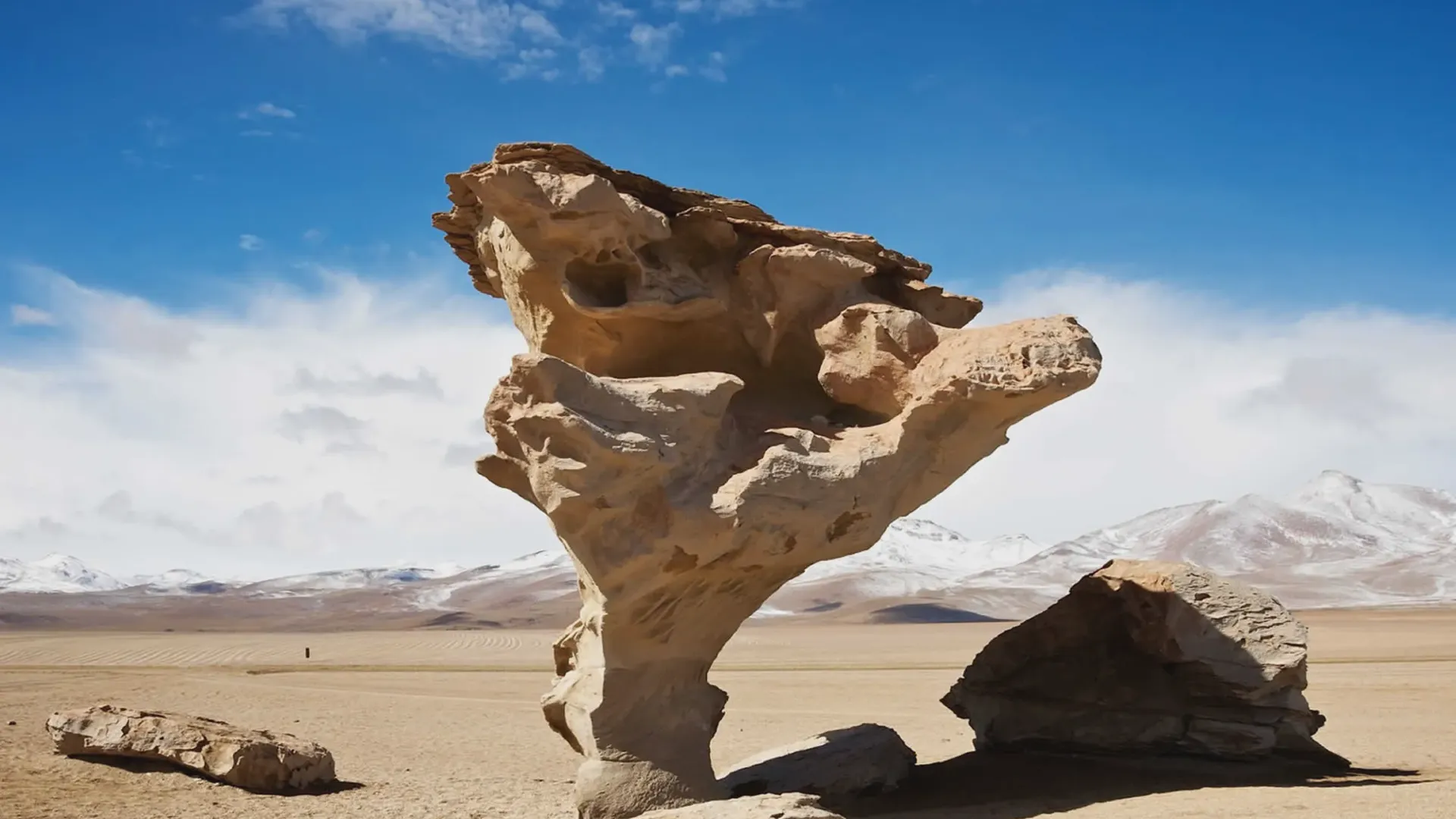
Rock Tree (Árbol de Piedra)
The Rock Tree (Árbol de Piedra) is a tree-like rock formation in the Siloli Desert desert that offers great photo opportunities!
The Rock Tree (Árbol de Piedra) is a tree-like rock formation in the Siloli Desert desert that offers great photo opportunities!
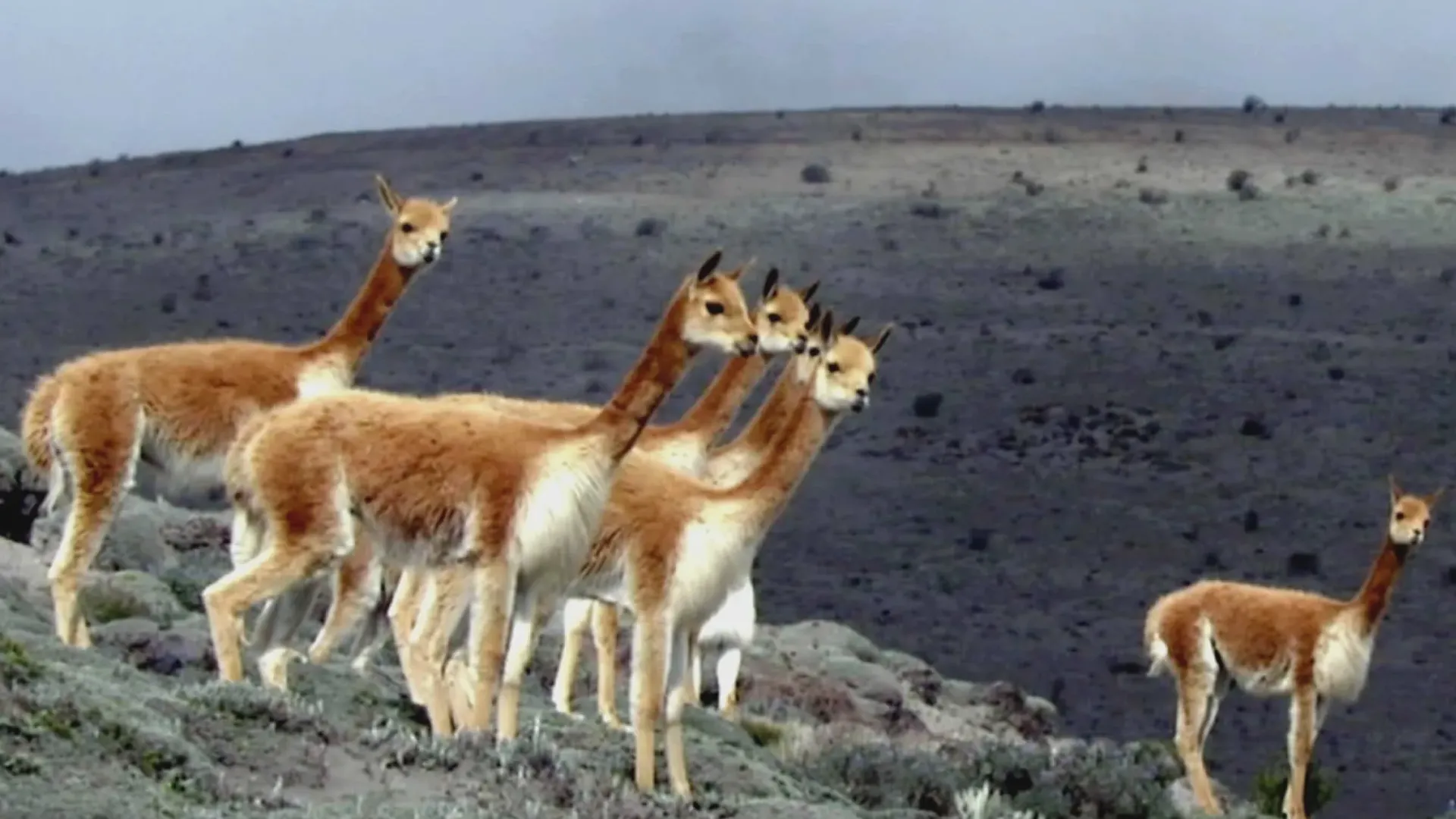
Andean Fauna
The Andean fauna populating the surroundings of the Uyuni Salt Flat and the amazing lagoons is diverse and rich.
The Andean fauna populating the surroundings of the Uyuni Salt Flat and the amazing lagoons is diverse and rich. During the most popular tours to the Eduardo Avaroa National Reserve it is possible to observe these species in their natural habitat and be amazed by nature.
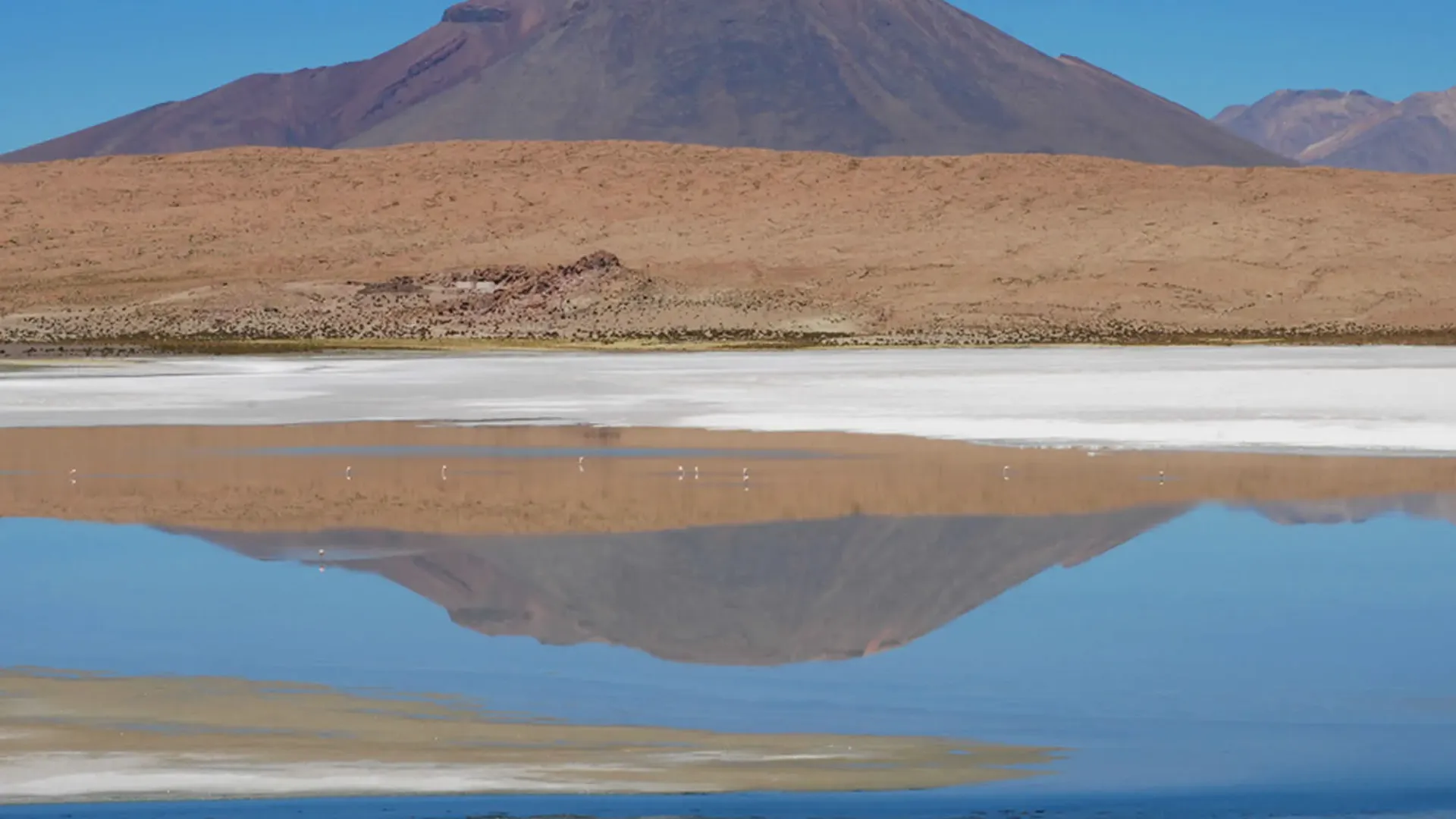
Honda Lagoon
The Honda lagoon is the deepest lagoon, its light blue waters contrast with the highland's earthy colors.
The Honda Lagoon is located inside Eduardo Avaroa Natural Reserve
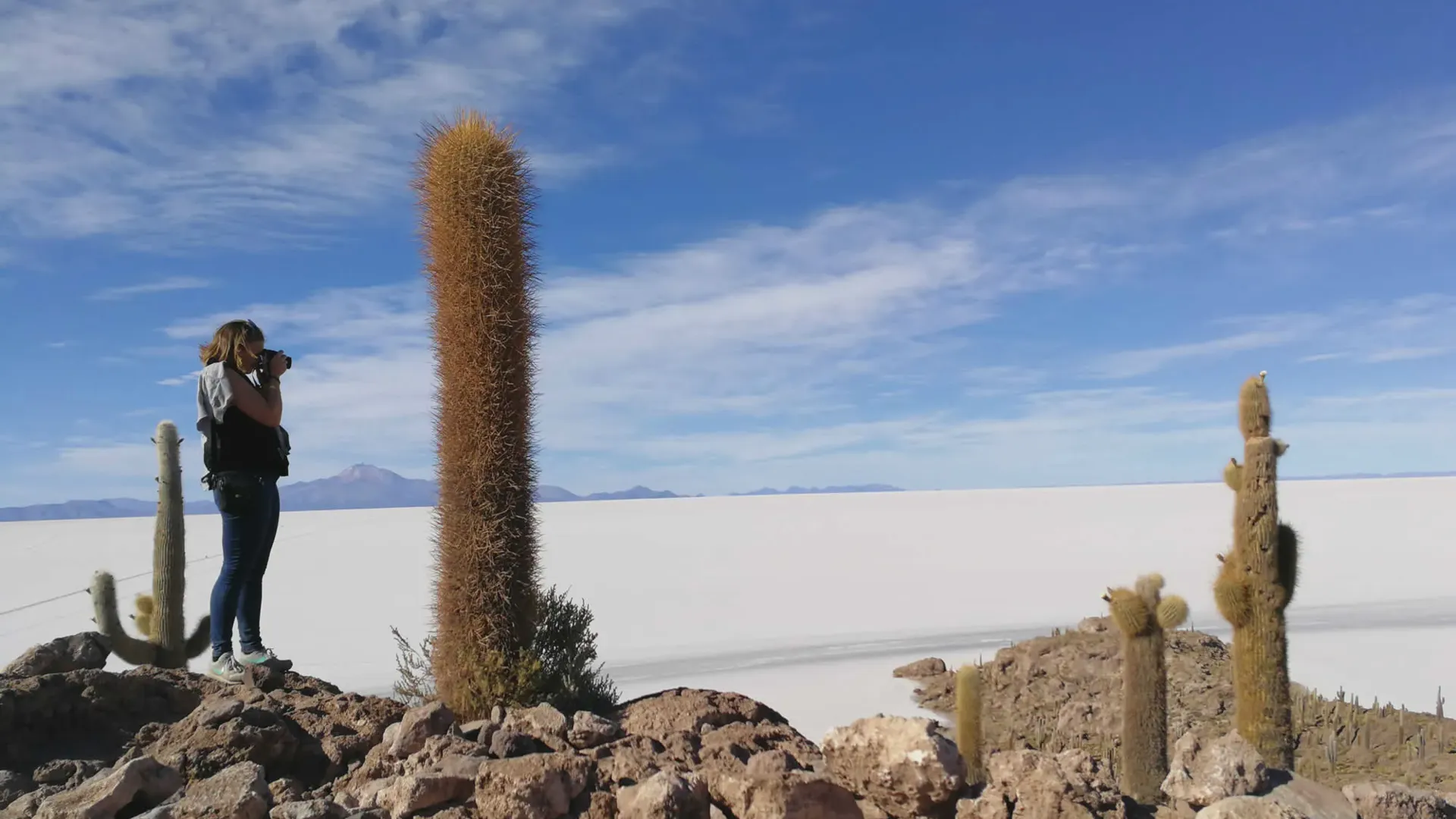
Incahuasi Island
Set on the remains of a volcano, Incahuasi Island, was used as a resting place for the Incas who used to cross the salt flat with llamas.
Incahuasi Island or house of the Inca is a usual stop for the tourists visiting the majestic Uyuni Salt Flat. It is part of the Llica and Tahua indigenous communities territory, located 99 kilometers to the southwest of Uyuni Town at 3822 m.a.s.l..
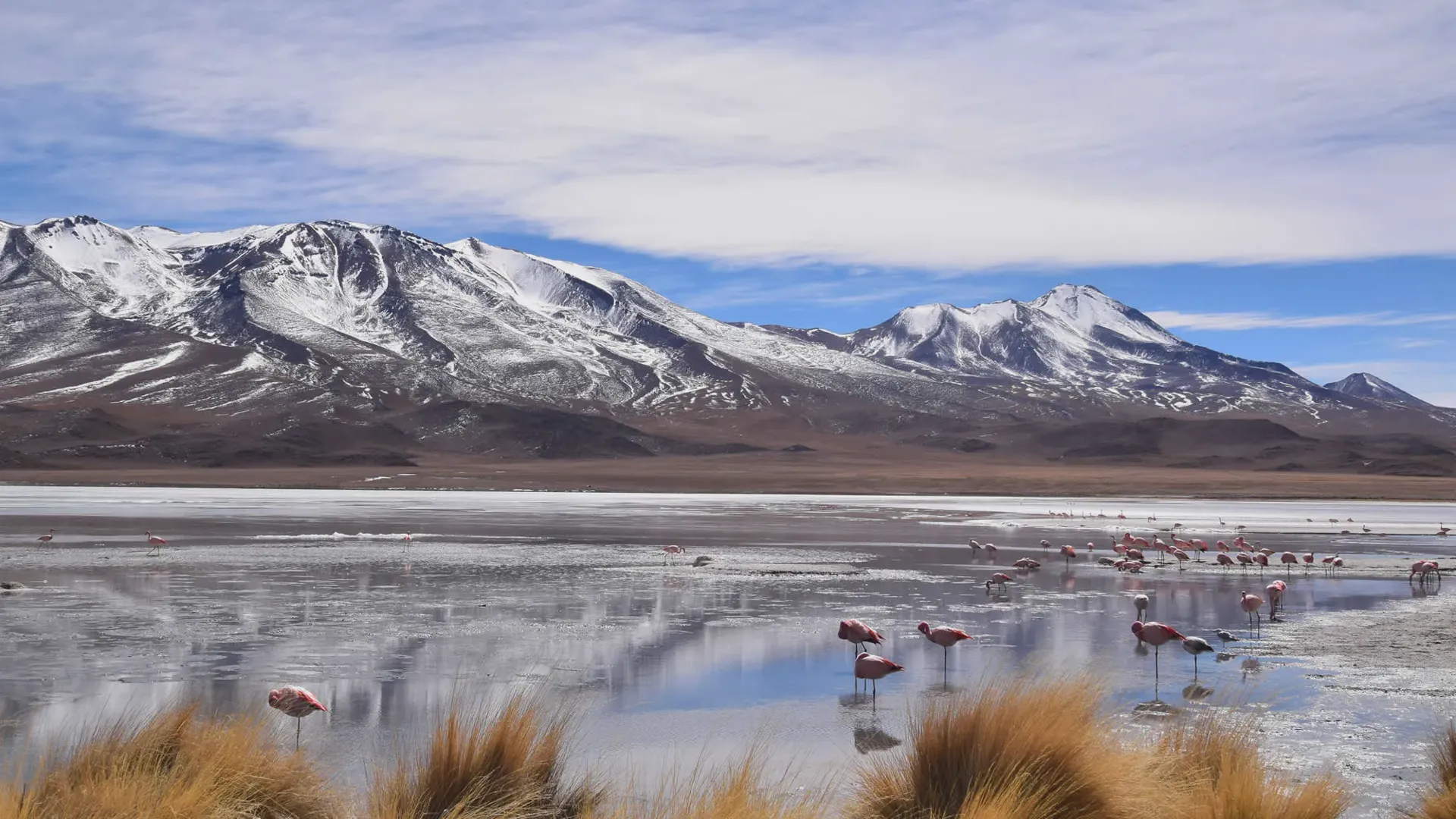
Chiarkhota Lagoon
The Shiarkhota Lagoon or Chiar Khota is located in Sud Lipez province, Potosi, Bolivia.
The Shiarkhota (Chiarkota or Chiar Khota) Lagoon is a 35 hectare sweet water body situated at the feet of the Condoriri Mountain range in Sud Lipez province, Potosi, Bolivia.
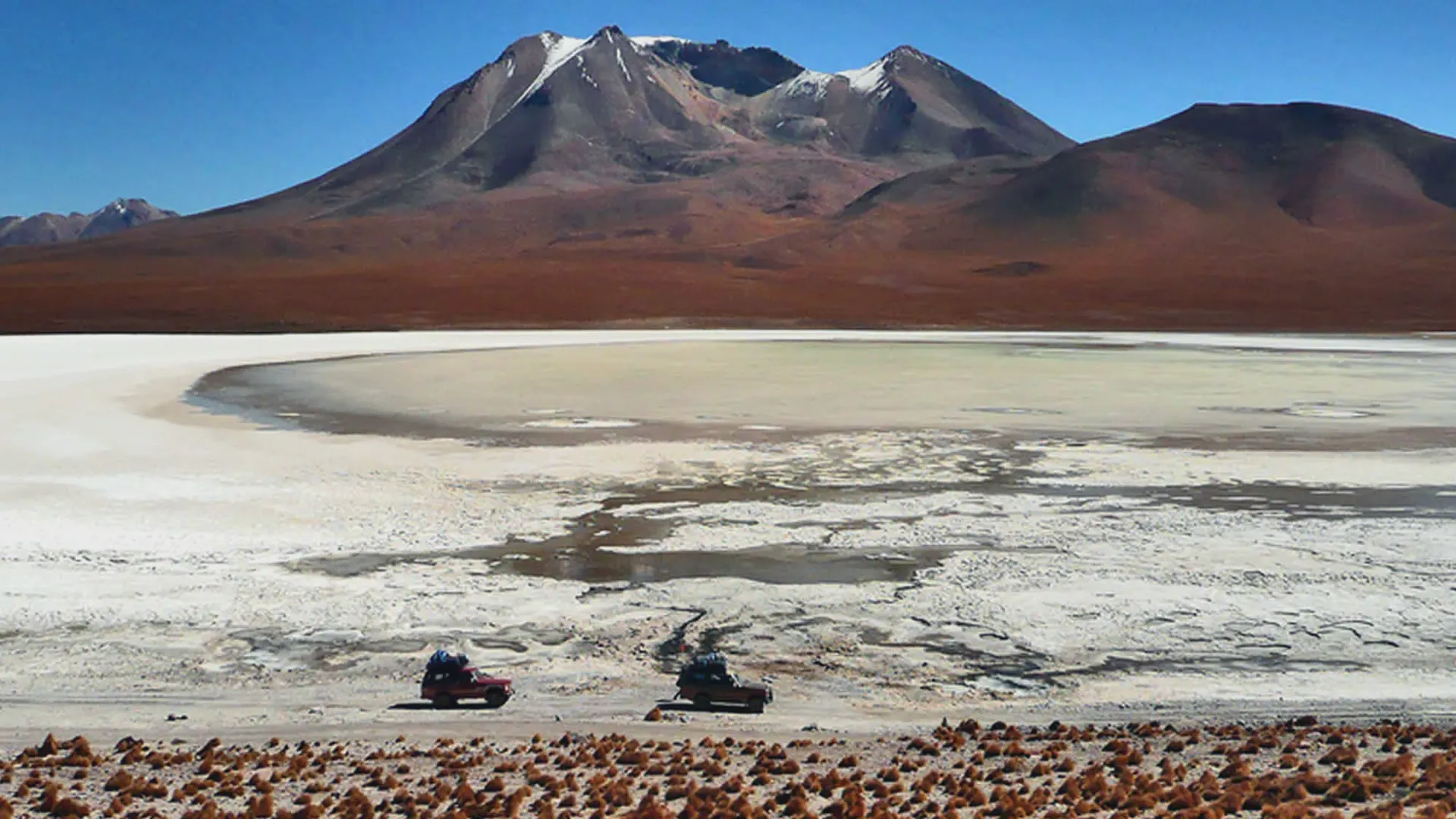
Ramaditas Lagoon
The Ramaditas Lagoon is a sweet water lagoon in Sud Lipez Province of Potosi.
The Ramaditas Lagoon is a sweet water lagoon with a surface area of about 4 square kilometers. It is situated inside the Eduardo Avaroa National Reserve in Sud Lipez Province of Potosi, close to smaller salt flats with no economical interest due to the low salt concentration.
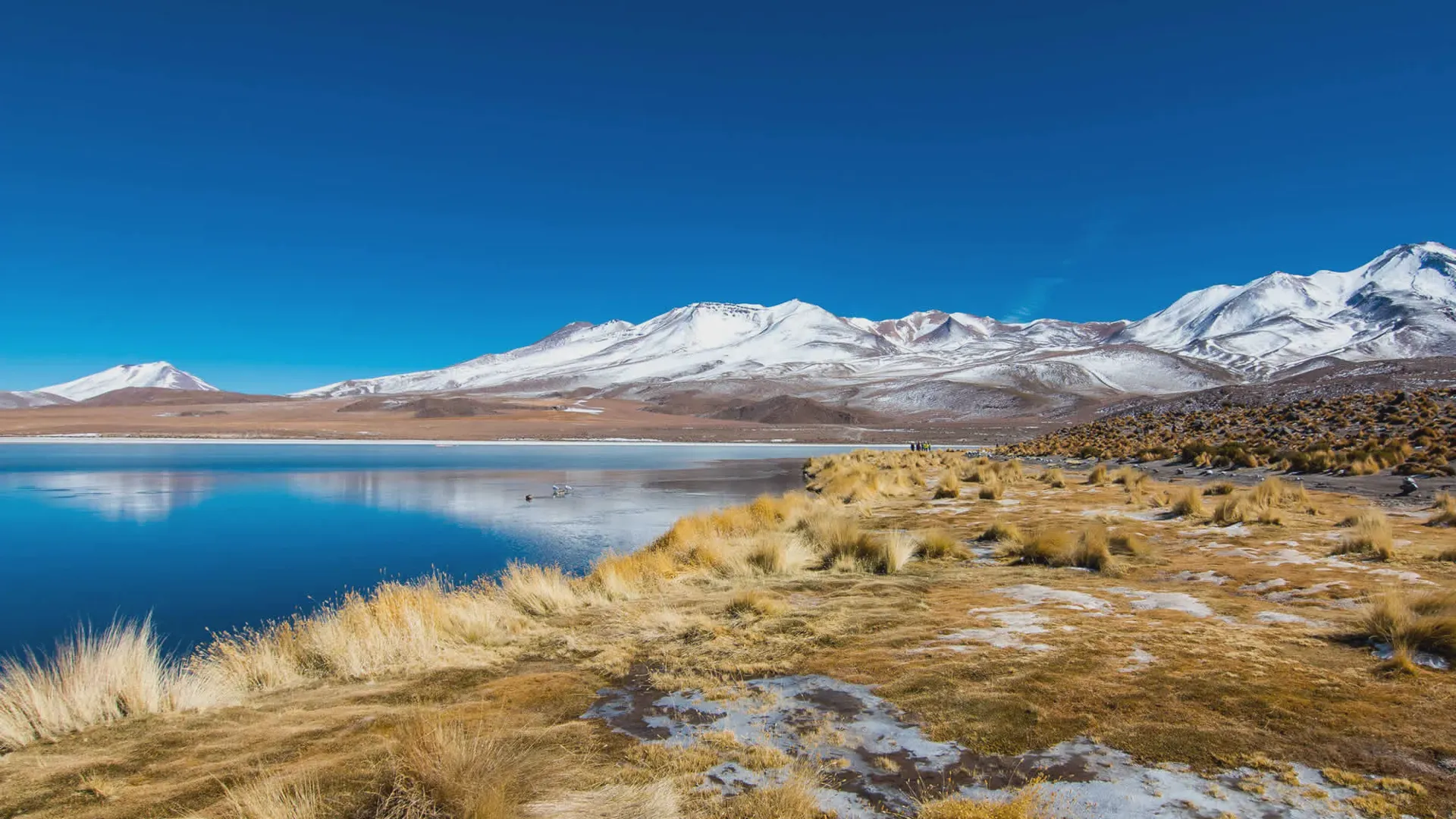
Cañapa Lagoon
Canapa is a salt water lagoon situated in Sud Liez province of the Potosi department, close to the Hedionda (smelly) Lagoon.
Canapa is a salt water lagoon situated in Sud Liez province of the Potosi department, close to the Hedionda (smelly) Lagoon.
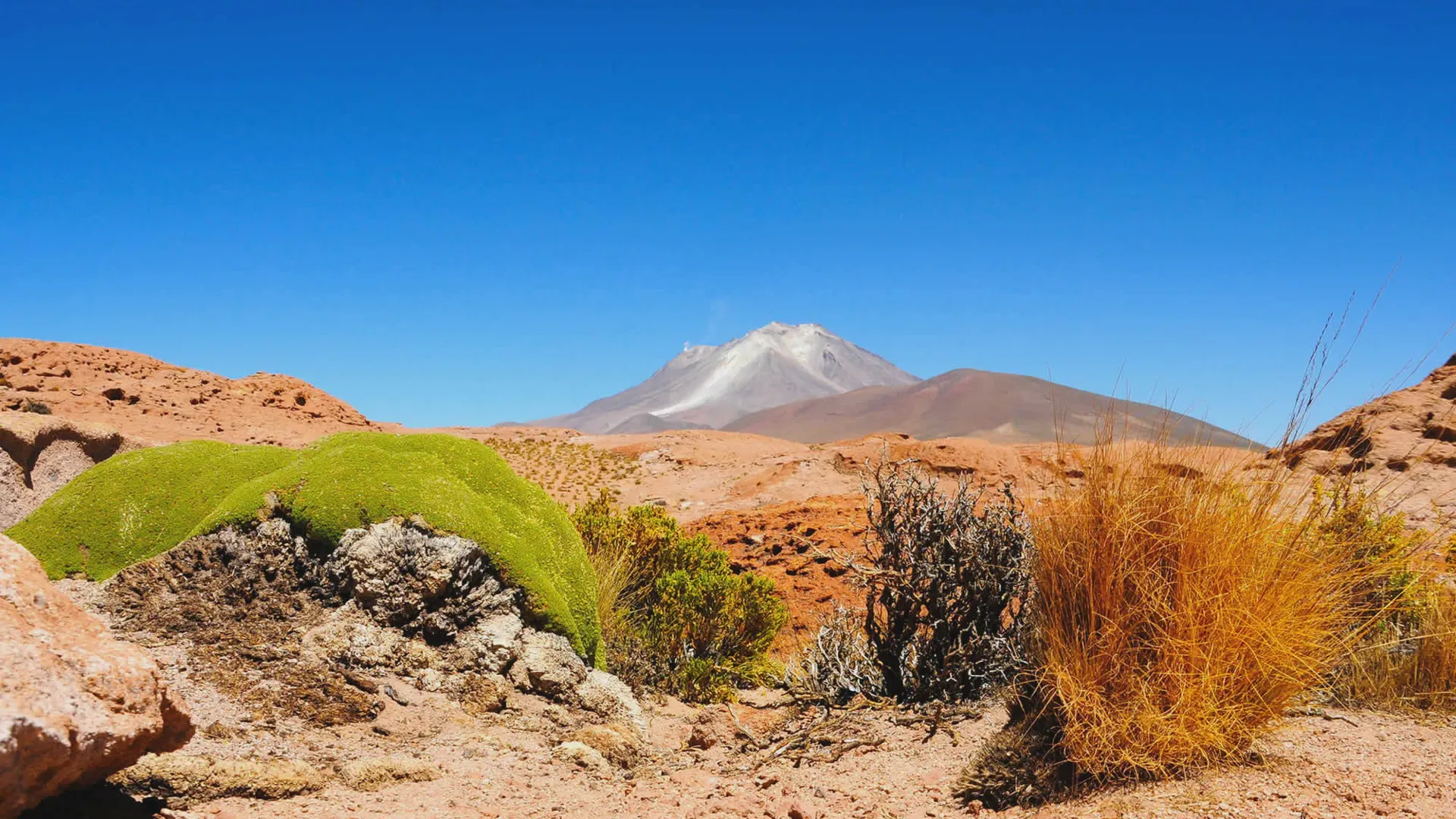
Ollague Volcano
Ollague let to enjoy a panoramic view of Ascotan and Carcote Salt Flats. The volcano has a crater of 1250 square meters from where displays fumarolic activity, particularly to the south of its summit area but no historical eruptions have been confirmed from Ollague. The volcano also contains a deictic summit lava dome.
Sulphur mines used to operate on upper western and southern flanks and were serviced by a road which reached 5650 m elevation. It is one of the highest (if not the highest) roads in the world. It has been used to descend on mountain bikes.
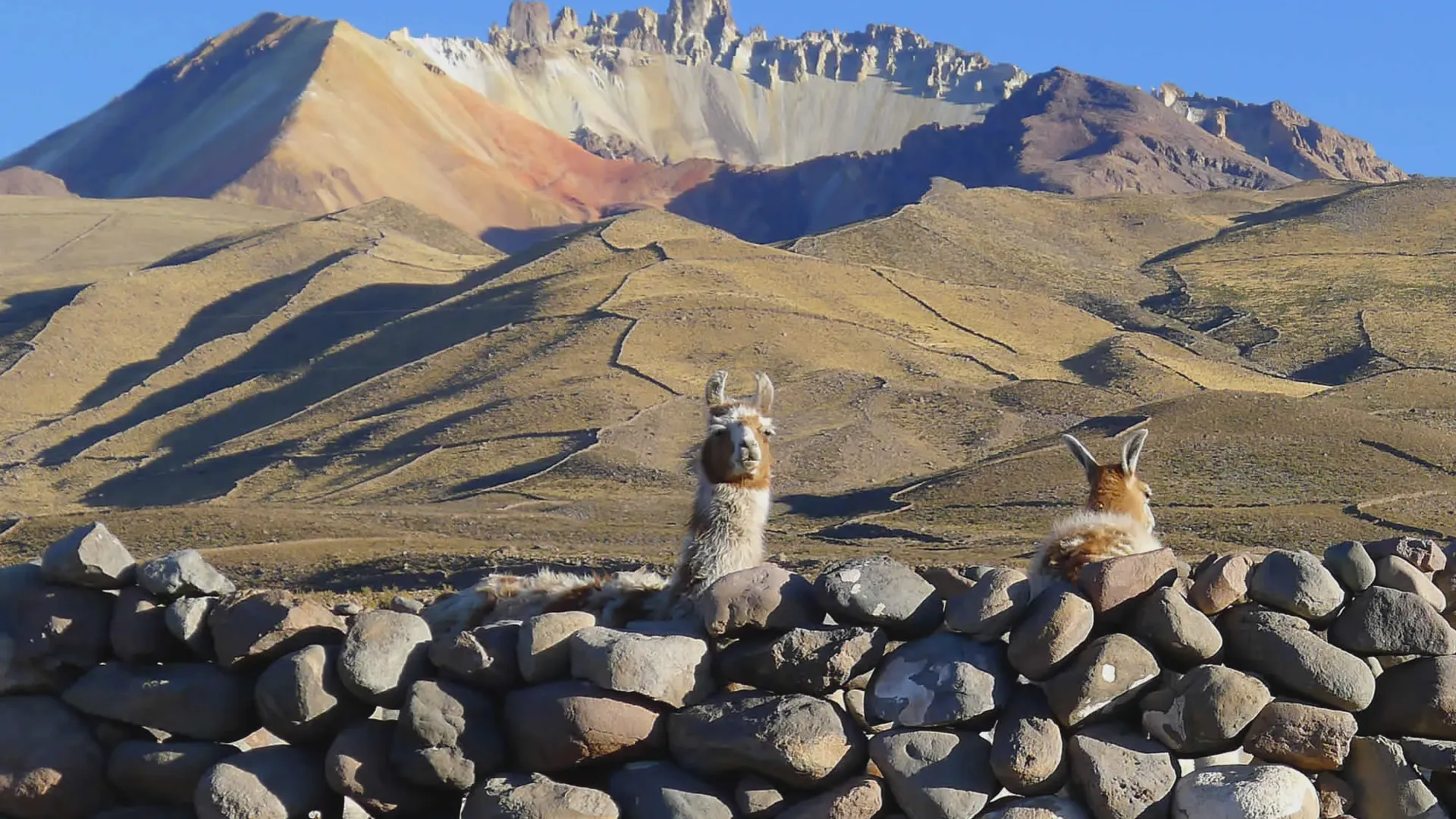
Tunupa Volcano
The Tunupa Volcano (Volcan Tunupa) is located at the Daniel Campos province in the Oruro department. The volcano has a height of 5432 meters and can be seen from the entire Uyuni Salt Flat. The Tunupa's Volcano area is home of different fauna species like flamencos, ostriches and foxes.
The Tunupa volcano is considered sacred by the communities that surround it such us Jirira, Ayk'e, Moqueta, Chantani, Vinto, Central Tawa, Chirivilla and Huaylluma.
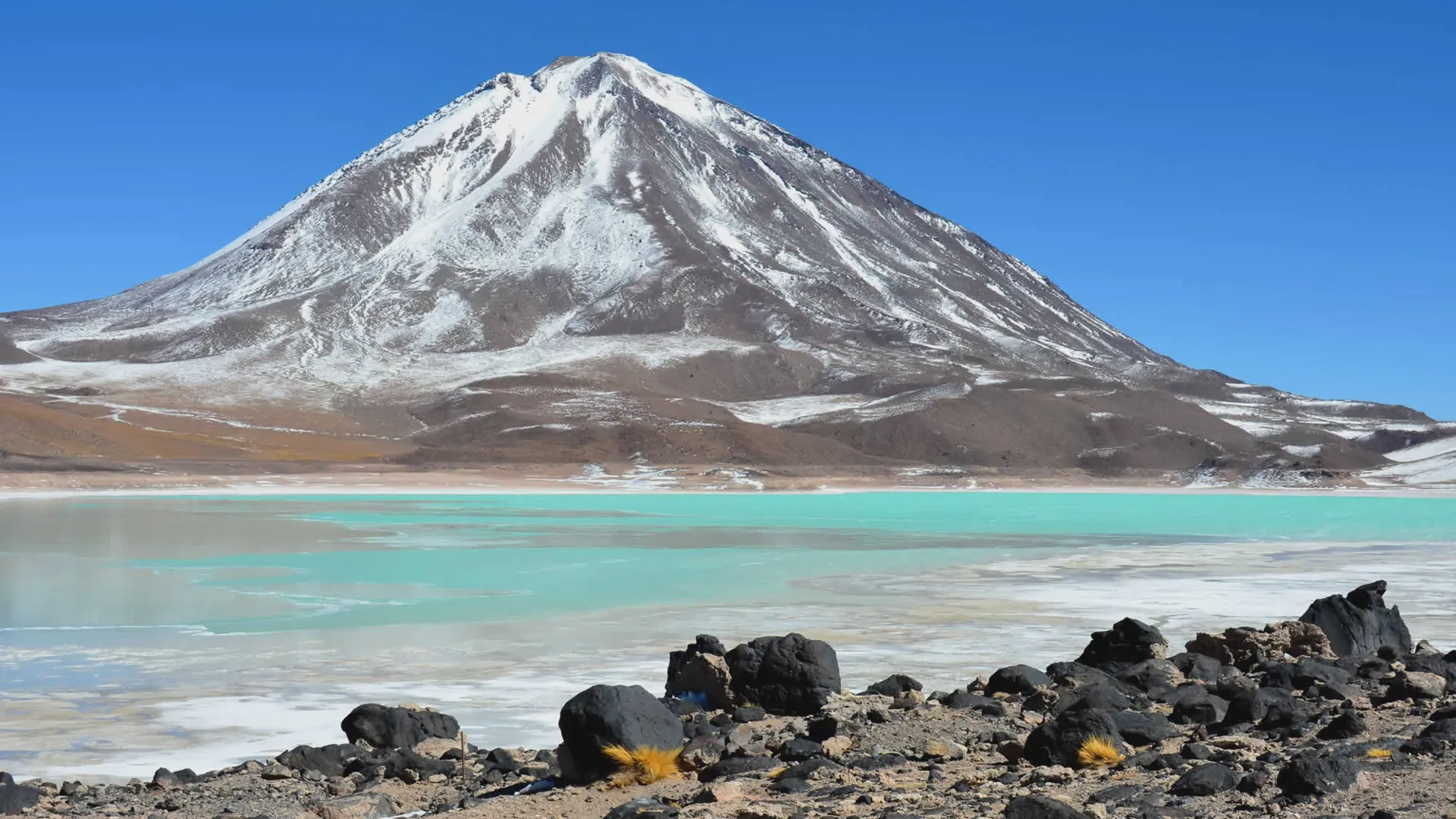
Licancabur Volcano
Guardian of the Verde Lagoon the Licancabur Volcano is very popular among tourists due to its similarity to Mars. The NASA has been making studies about the volcano reason why it captures more attention and interest.
The Licancabur Volcano - Volcan Licancabur is one of the most beautiful moutains of South Lipez. It's located at the Occidental Mountain Chain at an elevation of 5960 meters above the sea level. It is a highly symmetrical stratovolcano on the southernmost part of the border between Chile an...
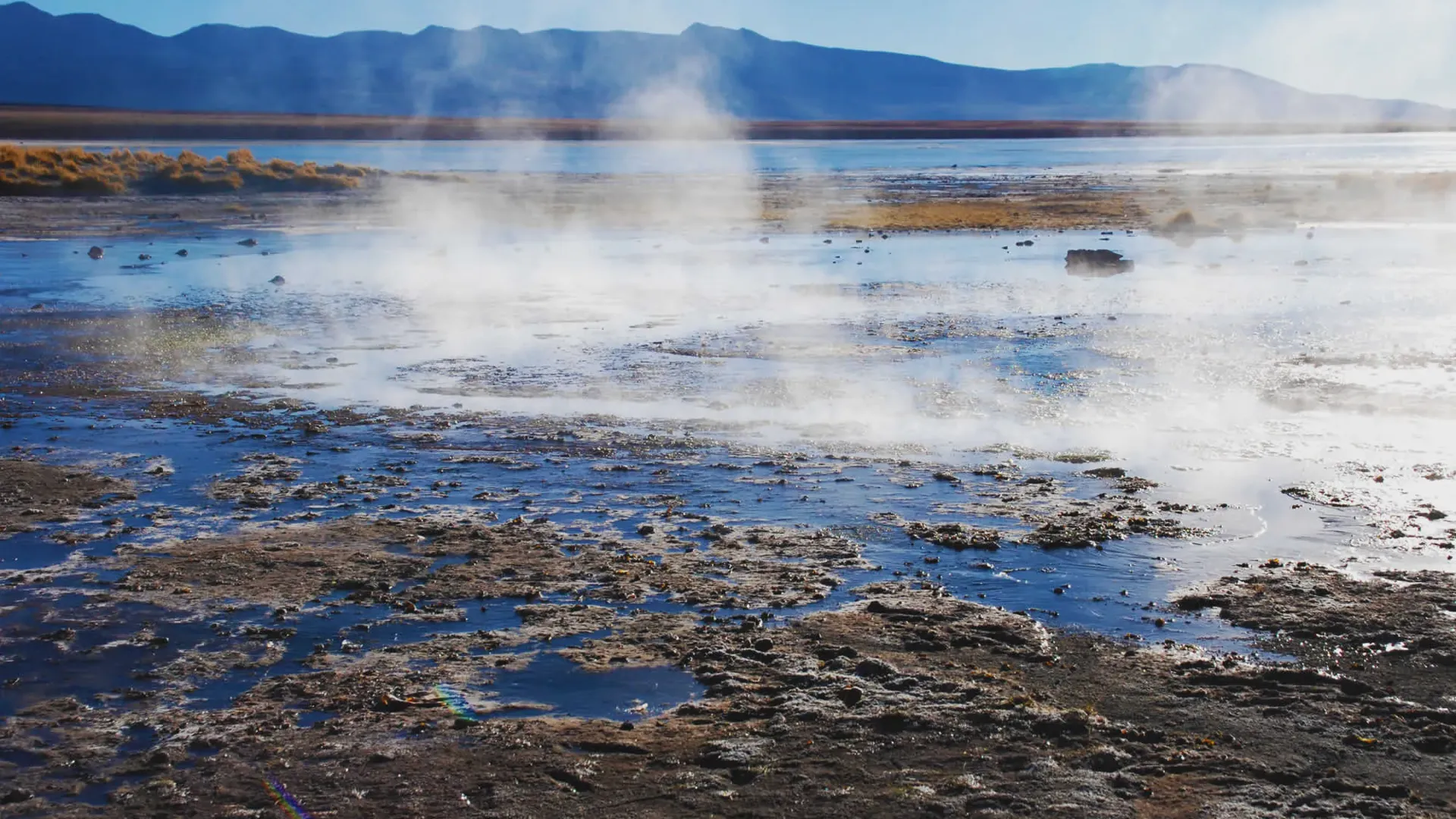
Polques Hot Springs
The Polques hot springs are well-known because of the intense volcanic activity in the area. Early in the morning tourists enjoy a bath in these healing waters.
This enormous salty lagoon features a small mineral-rich thermal water swimming pool where visitors can take a bath early in the morning. The water temperature is usually from 28 to 30 Degrees and it is famous for curing arthritis and rheumatism. There's a restaurant, changing sheds and toilets. ...
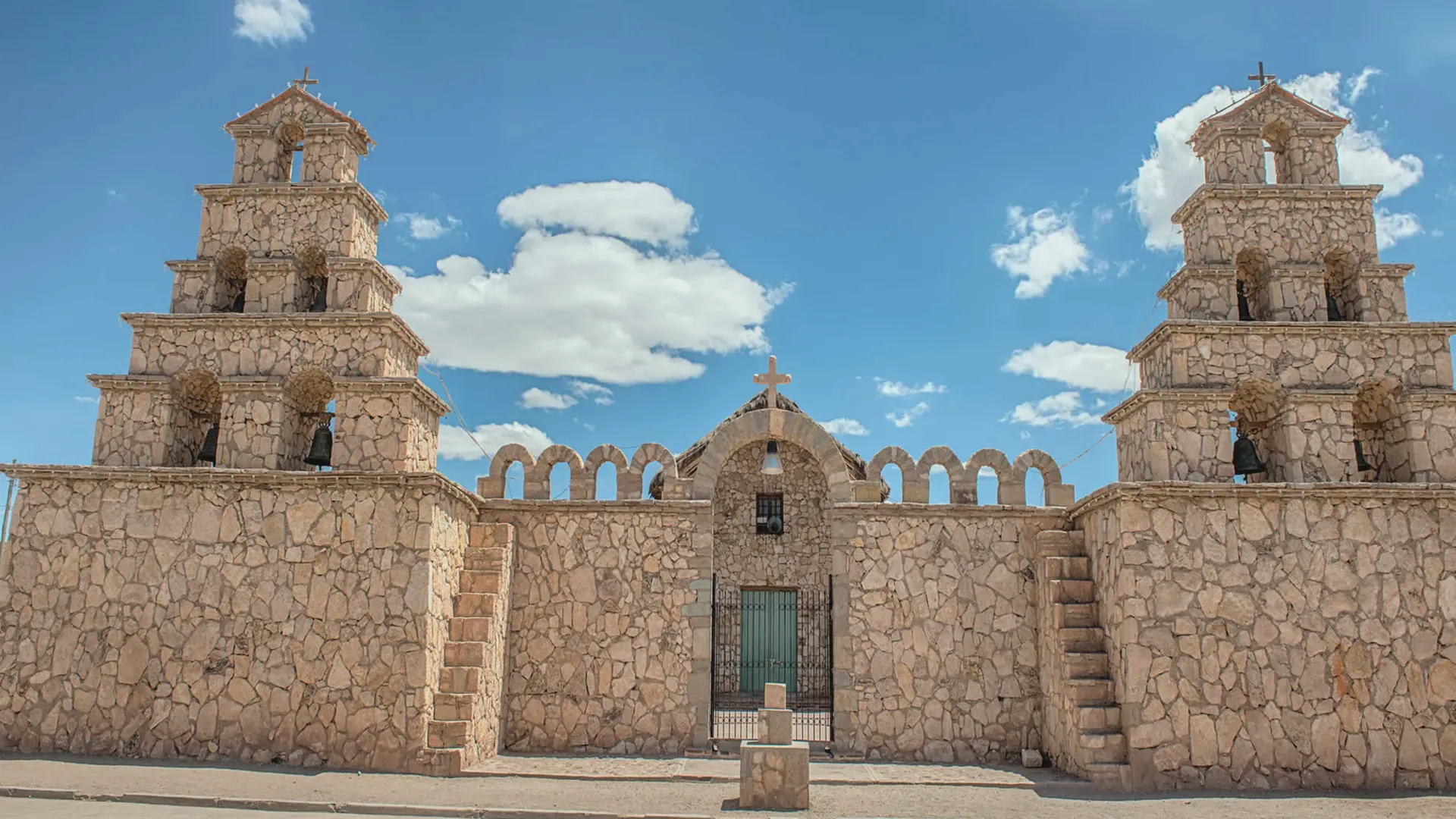
San Cristobal town
Community located 900 km far from Uyuni. The town is near by the San Cristobal silver mine, one of the biggest in the world.
Recently renovated the town church was removed stone by stone and it's considering one of the oldest churches in the Bolivian Altiplano; its paints and walls are from the XVII Century.
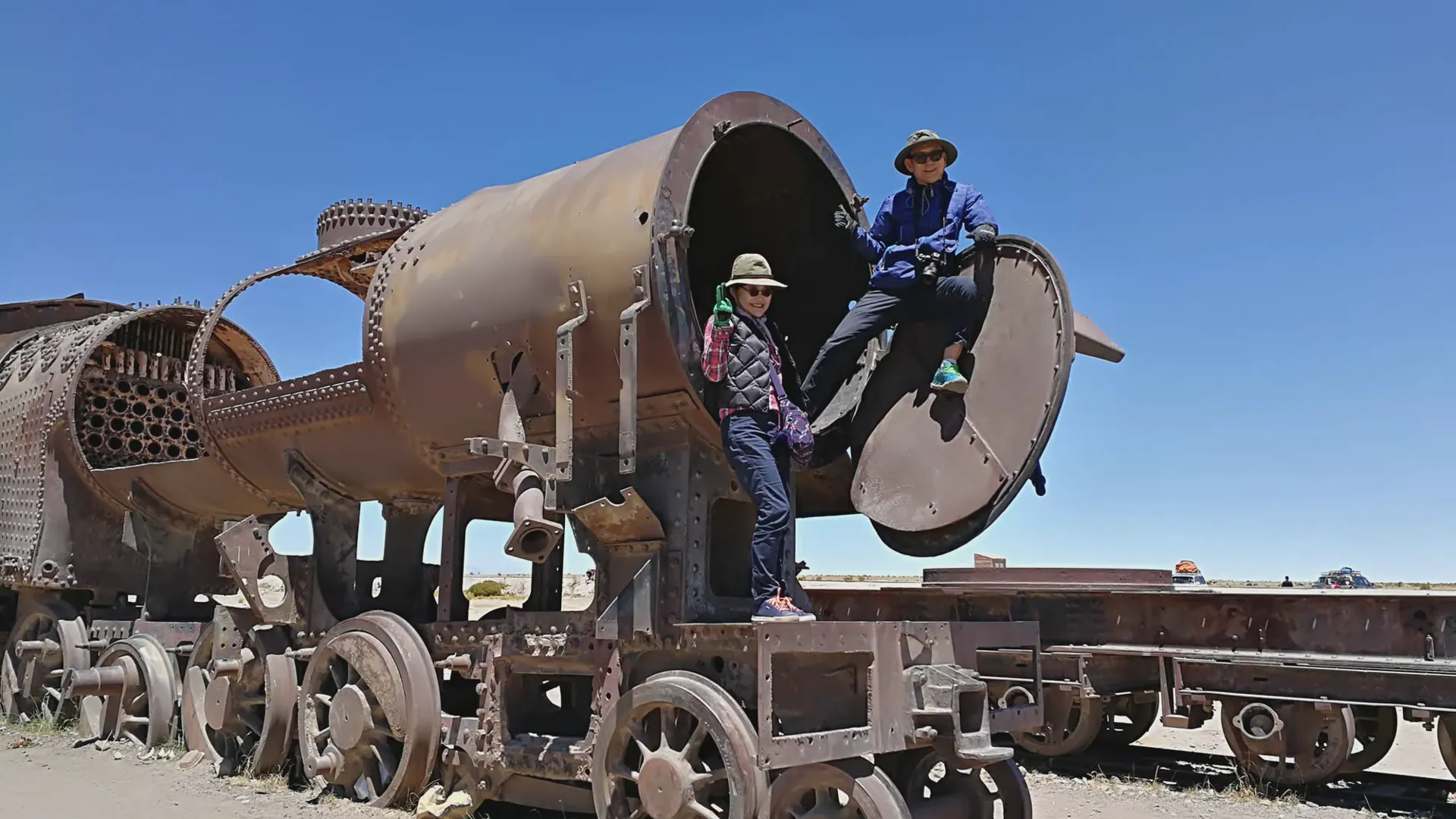
Cementerio de Trenes - Train Graveyard
The Train Graveyard opens a door to Uyuni's past when the mining industry collapsed, partly due to mineral depletion. Many trains were abandoned thereby producing the train cemetery - a peculiar tourist attraction very different from the beautiful landscapes of the area.
The first train line in Bolivia was Uyuni - Antofagasta and started to work in 1899. It was built by British engineers who arrived near the end of the 19th century and formed a sizable community in Uyuni. The rail construction started in 1888 and ended in 1892. It was encouraged by the then Boliv...
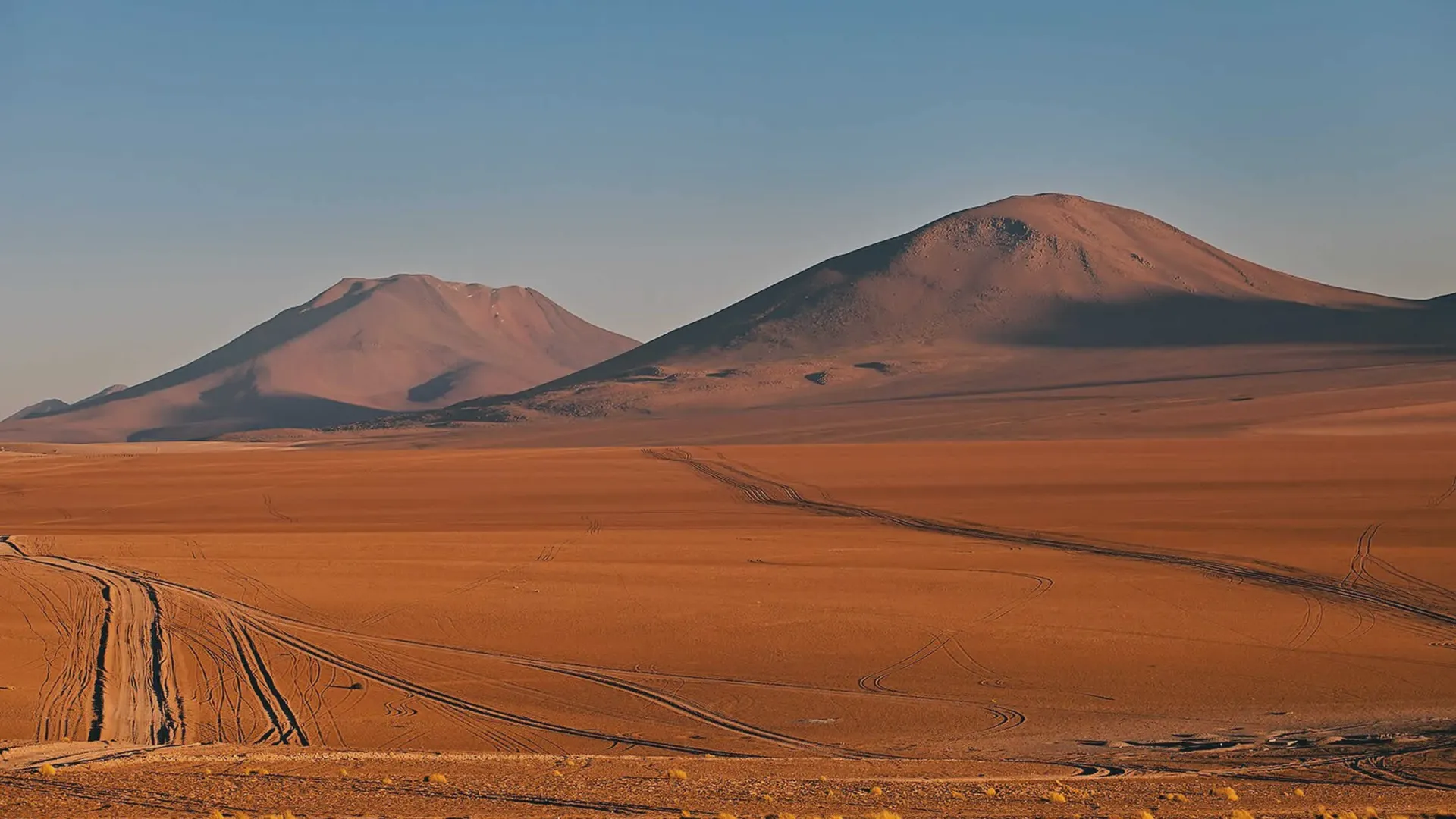
Siloli Desert
The Siloli Desert is located at the southeast of Potosi city. It's famous mainly for its rock formations like the Arbol de Piedra. It's part of the Atacama desert the driest in the world.
The Arbol de Piedra (Stone Tree) is a volcanic rock formation in the Desierto Siloli in Bolivia. The rock is unique because it resembles a tree. The Desierto Siloli is considered to be part of the Atacama Desert in neighboring Chile.
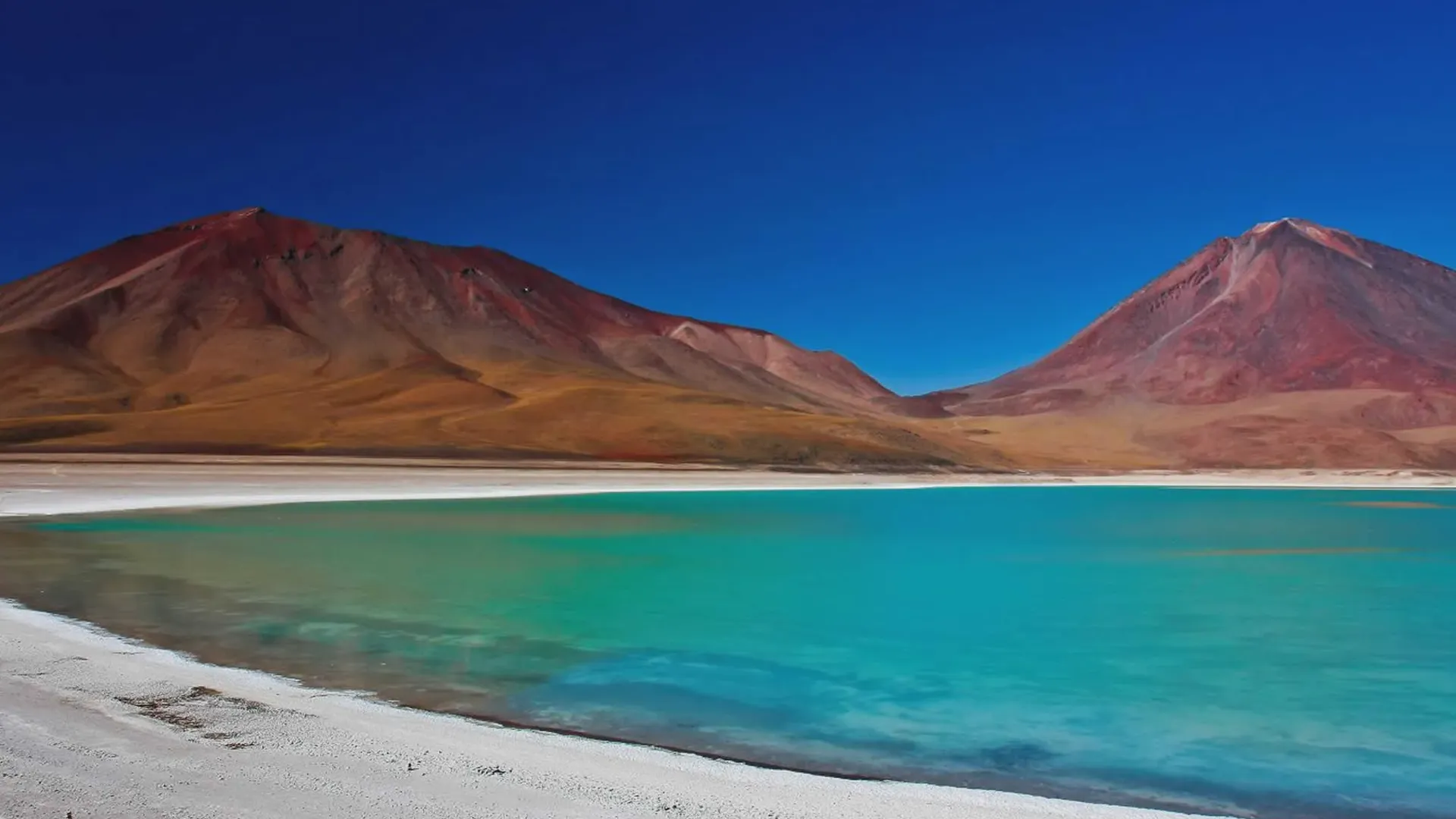
Amazing Lagoons
Near the Salt Flats of Uyuni, Bolivia several spectacular lagoons amaze the visitors - Laguna Verde (Green Lagoon), Laguna Colorada (Red Lagoon), Laguna Blanca (White Lagoon), Laguna Hedionda (Stinking Lagoon), Laguna Canapa.
Laguna Verde (Green Lagoon)
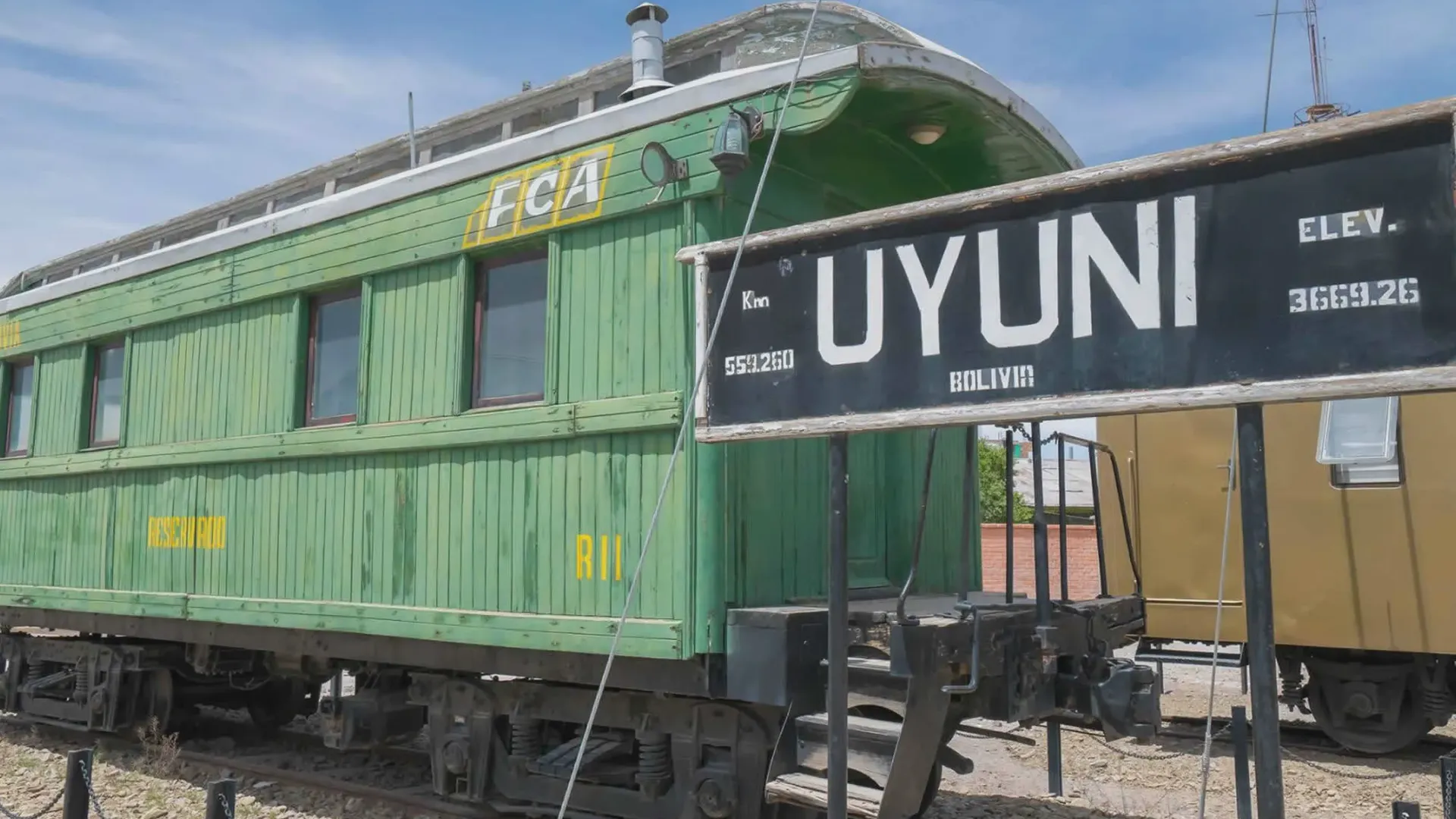
Town of Uyuni
Uyuni in Bolivia is a small town situated in the middle of nowhere. Tourism is its main source of prosperityt hanks to the the world's biggest Salt Flats.
Uyuni town is located 241 Km far from Potosi city. The town was very important for being the distribution hub for the trains carrying mineral on their way to the Pacific Ocean ports. Currently Uyuni is also significant due to its proximity to the Magnificent Uyuni Salt Flat, a favourite Bolivian ...
Choose Your Uyuni Experience
Same landscapes, different ways to experience them. Choose the option that best fits your time, comfort, and budget.
Standard Lodge or Premium Lodge?
The landscapes and experiences are the same. The main difference is where you stay and the level of comfort during your journey.
Standard Lodge
A practical option for travelers looking for a lower-cost experience.
- • Lower accommodation cost
- • Accommodation may be in Uyuni town
- • Accommodation may be in a small rural salt hotel near the Uyuni Salt Flat, available during the dry season
- • Overnight stay at a basic shelter in Polques, with simple facilities
Premium Lodge
A more comfortable option featuring distinctive accommodations in the Uyuni region.
- • Stay at a famous salt hotel built with salt blocks on the shores of the Uyuni Salt Flat
- • Accommodation at an ecolodge overlooking Hedionda Lagoon
- • Or stay at an ecolodge in the middle of the desert
Which one is right for you?
Uyuni Salt Flat Day Tours
The salt flat and Incahuasi Island, back in Uyuni by evening.
3-Day Salt Flat & Lagoons Tour
The full circuit: colored lagoons, geysers, and the Avaroa Reserve.
Uyuni Tours to San Pedro de Atacama
3-day crossing ending in Chile's Atacama Desert.
Stargazing & Sunrise
Sunset on the flat, then stargazing once the sky goes dark.
Practical Information
Entrance Fees & Costs
What's included in a tour price, and what you pay locally.
Where to Stay — Salt Hotels
Hotels built from salt blocks, on and near the flat.
Border Crossing to Chile
Visas, SIGEMIG, and what to expect at Hito Cajón — details below.
- Passport: valid at least 6 months beyond your entry date.
- Visa: requirements vary by nationality and change periodically — confirm before you travel.
- SIGEMIG: Bolivia's free online pre-registration, required for every nationality before arrival.
- Cash: no ATMs on the route — bring bolivianos for the reserve entrance fee (~$22 USD).
Rules change — confirm the current requirements with your embassy or a Bolivian consulate before you travel.
Frequently Asked Questions About Uyuni
The honest answer is 3 days for most travellers. One day gives you the salt flat — the hexagons, Isla Incahuasi, and a sunset. Three days gives you the entire region: the salt flat on Day 1, then the Eduardo Avaroa National Reserve on Days 2 and 3 — Laguna Colorada, Sol de Mañana geysers, flamingos, and the chain of coloured lagoons that most people describe as the highlight of their Bolivia trip. If you genuinely only have one day, go — but know what you're choosing to skip.
October is the best single month for most travellers. It is dry, warm enough at night to be comfortable, uncrowded compared to the June–August peak, and the daytime light is excellent for photography. If seeing the mirror effect is your priority, February offers the highest probability — but with more rain, crowds, and potential access restrictions.
Sometimes, yes. April is a transition month. In years with heavy rainfall, mirror conditions persist into early April. In drier years, the surface begins drying in late March. A knowledgeable local guide will know where remaining water pockets are. Late April is often recommended by Uyuni-based operators as a sweet-spot month — possible mirror, warmer nights, fewer tourists, and lower prices.
During dry season nights in June, July, and August, temperatures regularly fall below -10°C and can reach -15°C on the open salt flat. Daytime is warmer — typically 13°C to 17°C in winter. From October through April, nights are significantly more manageable, rarely dropping below -5°C.
Yes, but go prepared. July is peak tourist season — book everything well in advance. The cold is serious and should not be underestimated. The trade-off is dry, clear skies and the best stargazing conditions of the year. If cold weather doesn't bother you and you've booked ahead, July is a spectacular month to visit
The flamingos are not on the Salar de Uyuni itself — they gather at Laguna Colorada in the Eduardo Avaroa National Reserve, approximately 4 hours south of Uyuni. Around 25,000 flamingos of three species (Chilean, Andean, and James) congregate there between November and March for breeding season. This reserve is visited on the standard 3-day Uyuni southwest circuit tour.
Yes, with some limitations. Dry season tours operate across the full flat with no restrictions. Wet season tours adapt routes to water levels — some areas like Isla Incahuasi may be temporarily inaccessible after heavy rain. The Eduardo Avaroa Reserve southwest circuit occasionally closes during peak rainfall. Reputable operators monitor conditions daily and adapt accordingly.
Generally no. When the salt crust dissolves into soft, muddy brine, heavy 4x4s risk sinking. Island access is typically restricted by park authorities between mid-January and late March.