Written & Fact-Checked by Gabor Kosaras
"I have coordinated private logistics across La Paz and the Yungas for over 15 years. From navigating the 10 cable car lines to vetted Death Road downhill bike operators and Sunday Cholitas wrestling events, all safety guidelines, transit times, and local recommendations below are updated monthly based on direct driver logs."
Before You Go
The six practical questions worth answering before exploring the highest administrative capital in the world.
Best Time to Visit
Dry winter season (May–Oct) brings crystal clear Andean views of Mount Illimani.
How Many Days Do You Need?
From 2 days exploring the city and cable cars to 4 days including Coroico & Tiwanaku.
What to Pack
Versatile layers: sunny 18°C city afternoons transition to chilly 4°C highland nights.
Altitude: 3,200m to 4,050m
The city's elevation varies dramatically between lower Zona Sur and El Alto plateau.
Is the Death Road Safe?
Safe when booked with vetted operators using dual-suspension bikes and full PPE.
Is La Paz Safe?
Generally safe for tourists. Use radio taxis at night and avoid crowded El Alto alleys alone.
How to Get to La Paz
Explore international flight arrivals, cross-border lake connections from Peru, and domestic routes from Uyuni and Santa Cruz.
By Air (LPB)
Direct Flights · $$$El Alto International Airport connects daily with Santa Cruz, Uyuni, Cusco (Peru), Bogotá, and Santiago.
Private Transfer
3.5–8 Hours · $$Door-to-door private transfers from Lake Titicaca / Copacabana (3.5 hrs), Tiwanaku (1.5 hrs), or Oruro.
Overland Bus
3.5–10 Hours · $Frequent sleeper buses run daily from Uyuni (8 hrs), Cochabamba (7 hrs), and Puno, Peru (6 hrs).
Getting to La Paz from Major Destinations
Cross Lake Titicaca via Copacabana by private transfer.
Direct 45-min flight or comfortable overnight sleeper bus.
Multiple daily commercial flights (1 hr flight time).
Scenic private paved drive descending to cloud forest (2.5 hrs).
Quick domestic flight (45 mins) or overnight bus (~12 hrs).
Paved highway crossing the Tiquina Strait (3.5 hrs).
What to See
Iconic aerial cable car lines, thrilling Death Road descents, indigenous Cholita wrestling, and subtropical Yungas valleys.
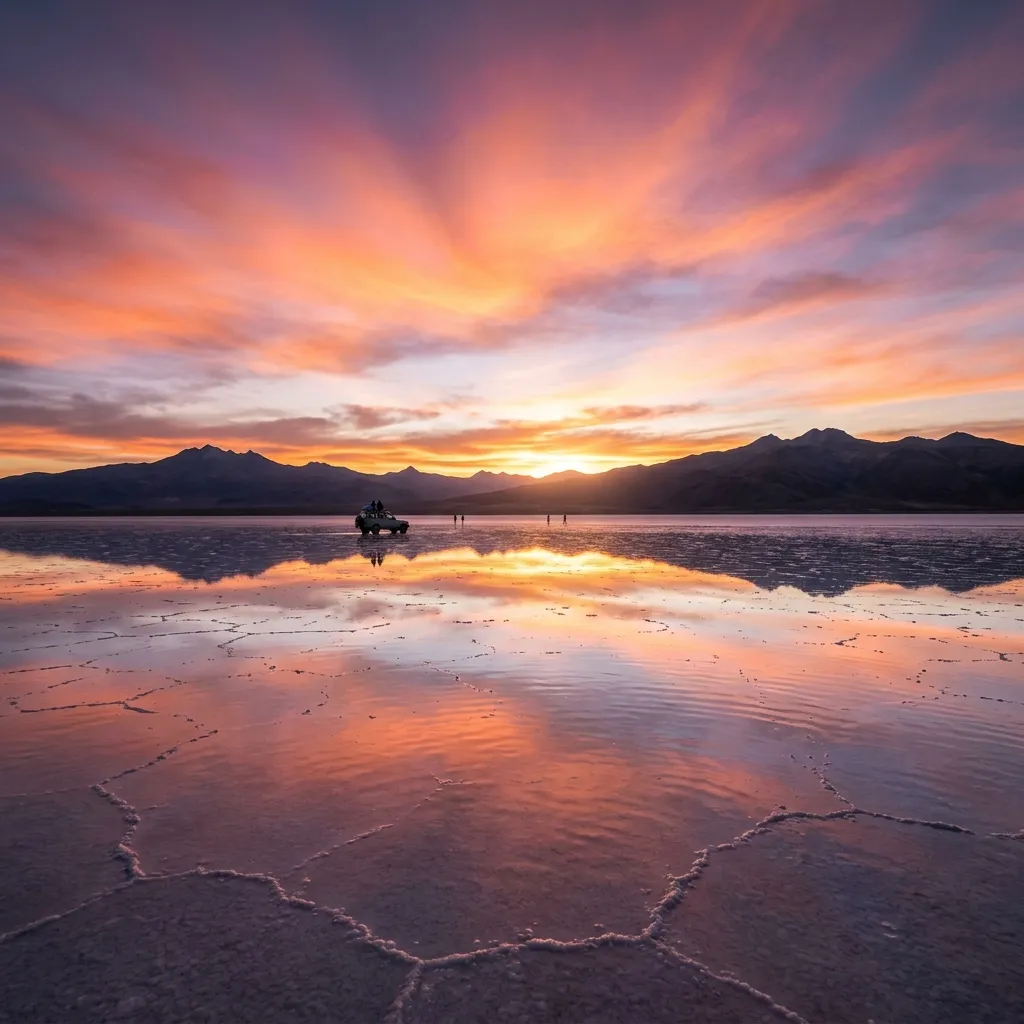
Chincana Labyrinth
About 300 meters southwest of Titikala (Roca Sagrada or Sacred Rock) is an elaborate Inca ruin called the Chincana (the Labyrinth). Also named the Palacio del Inca, or El Laberinto, or labyrinth, these ruins on the top of Isla del Sol form the complex of the Titicaca, or sacred rock.
Elevations
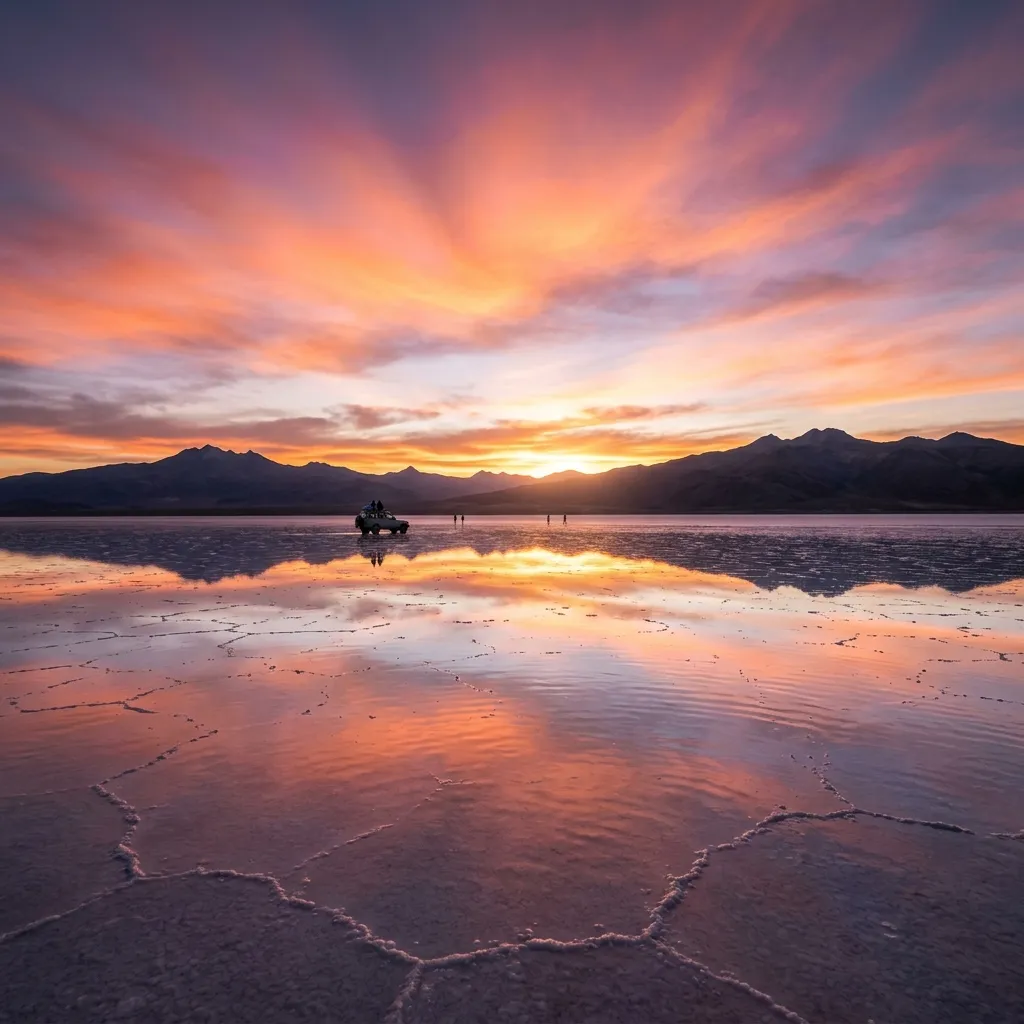
Gold Museum
The small museum in Challapampa displays Inca treasures, ancient pottery and some metal objects discovered underwater off the island. Many come from Johan Reinhard's underwater research near the northern end of the island, others have been donated by the people of Challapampa.
The Gold Museum (Museo de Oro) is a small museum located in the North Side of the Sun Island.
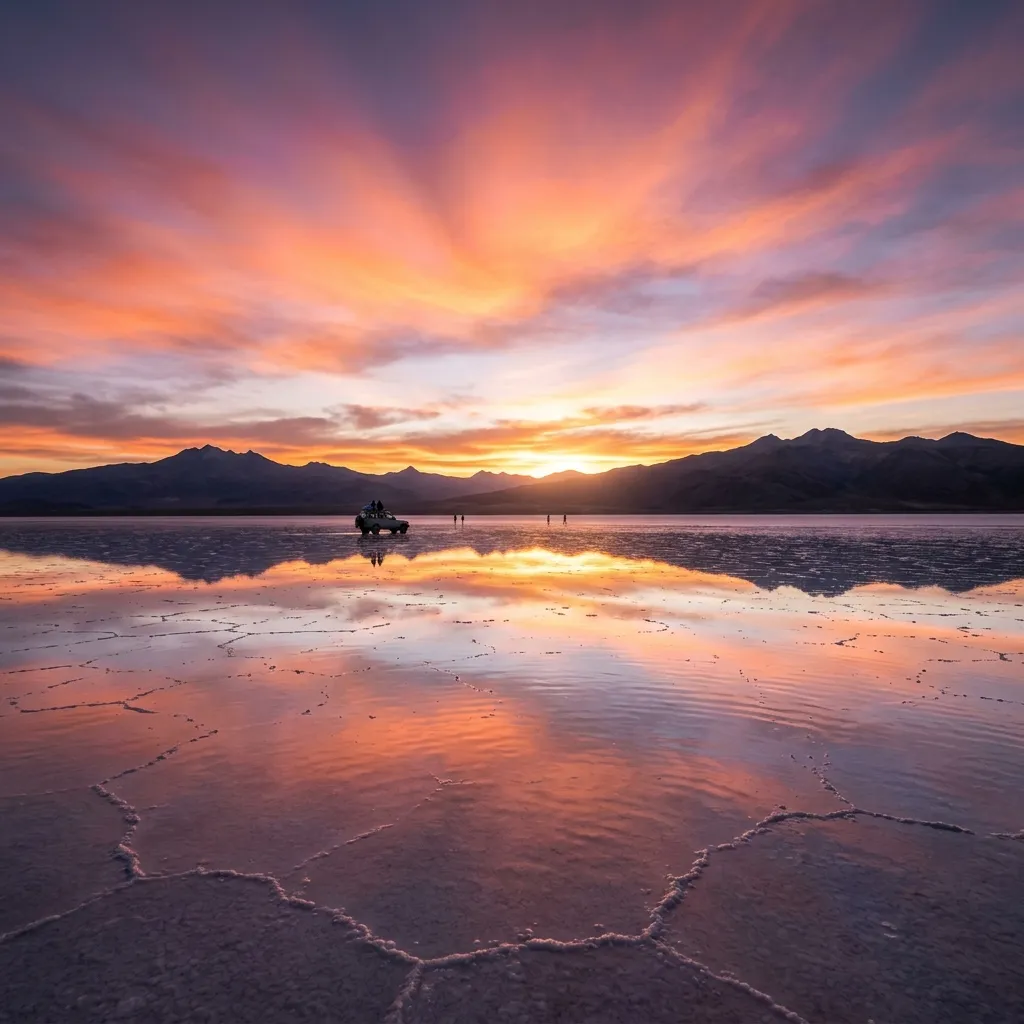
16 de Julio Market
When visiting La Paz, Bolivia, for an excellent market experience don't miss the massive Mercado 16 de Julio, which stretches for many blocks along the main thoroughfare and across Plaza 16 de Julio. This shopaholic's paradise has absolutely everything, from food and electronics, to vehicles and animals.
In the lively La Ceja (Brow) district - which commands one of the highest real-estate prices in the region for its commercial value - you'll find a variety of electronic gadgets and mercantile goods. For an excellent market experience don't miss the massive Mercado 16 de Julio, which stretches fo...
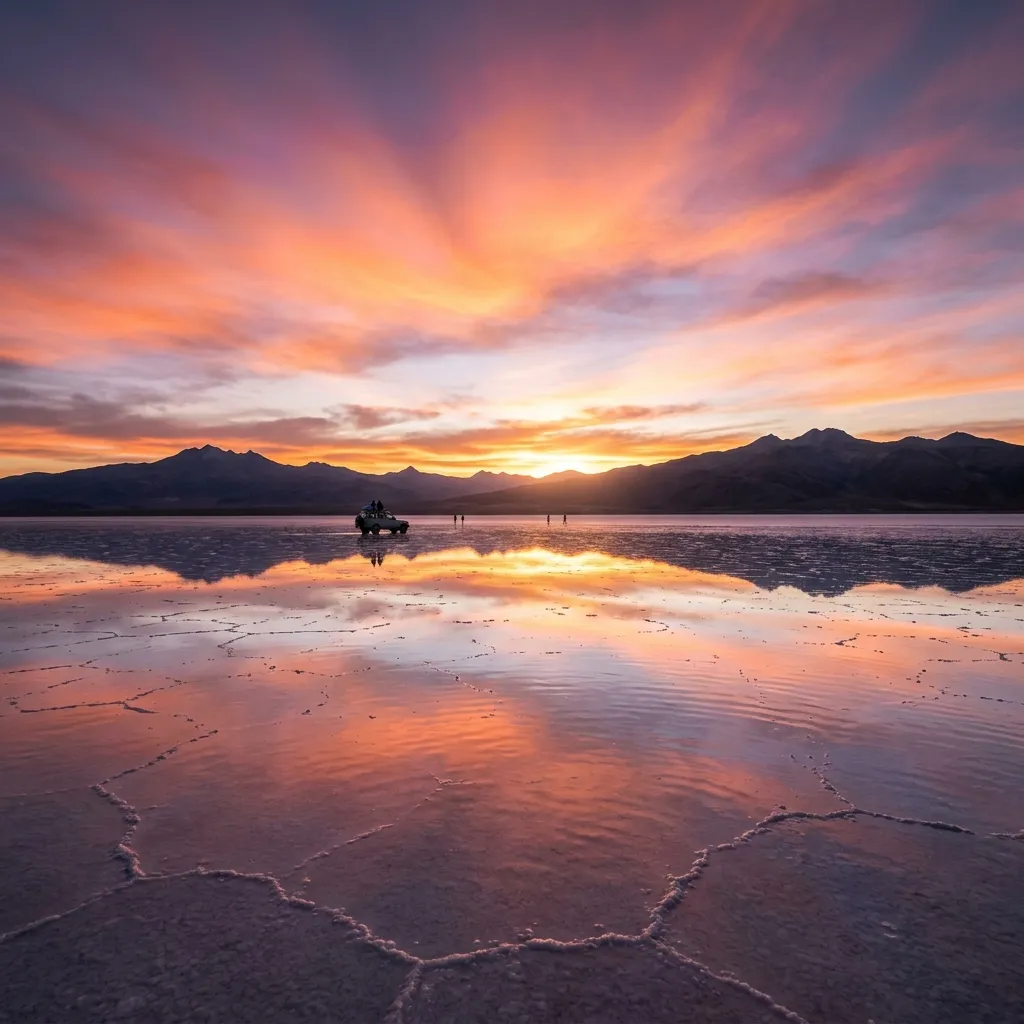
La Paz Cemetery
In La Paz Cemetery, as in most Latin American cemeteries, bodies are buried in the traditional Western way or placed in a crypt.
As in most Latin American cemeteries, bodies are buried in the traditional Western way or placed in a crypt. Within 10 years, they are disinterred and cremated. After cremation, families purchase or rent glass-fronted spaces in the cemetery walls for the ashes, affix plaques and mementos of the d...
Flower Market
The Flower Market in La Paz, Bolivia, appropriately located opposite the cemetery at the top of Batista, is a beautiful splash of color amid one of the city's drabber and less safe areas.
The Flower Market appropriately located opposite the cemetery at the top of Batista, is a beautiful splash of color amid one of the city's drabber and less safe areas.
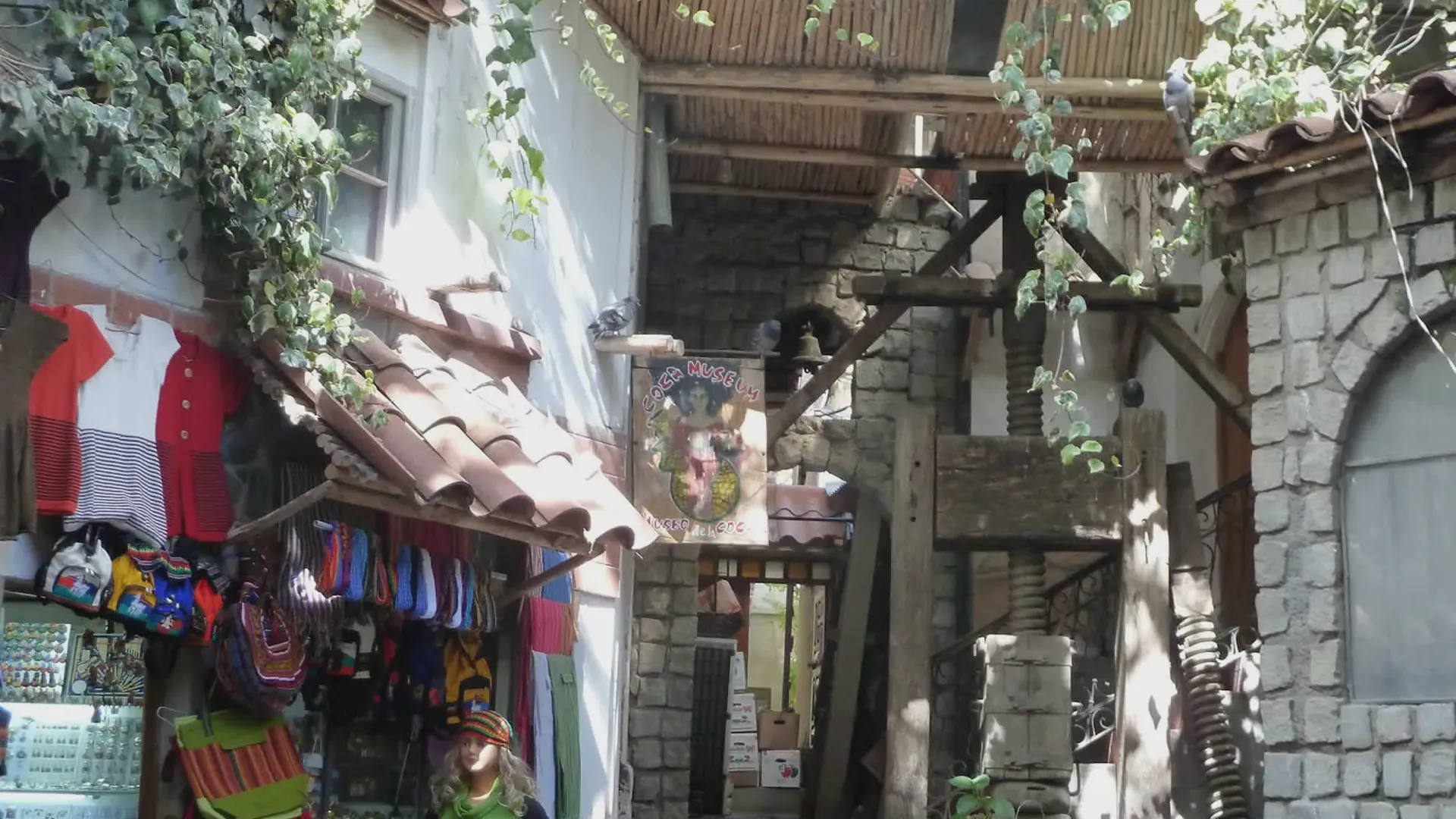
Coca Museum
The Coca Museum in La Paz, Bolivia explores the sacred leaf's role in traditional societies, its use by the soft-drink and pharmaceutical industries and the growth of cocaine as an illicit drug.
The Coca Museum explores the leaf's role in traditional societies, its use by the soft-drink and pharmaceutical industries. The displays are educational.
Cathedral and Plaza Murillo
Plaza Murillo in La Paz, Bolivia, holds the Presidential Palace, and in the center of Plaza Murillo, opposite, stands a statue of President Gualberto Villarroel. The Cathedral was built in 1835 on a steep hillside and the main entrance is 12m higher than its base on Calle Potosi.
Bolivia tourist attractions - Cathedral and Plaza Murillo
Casa de Murillo
Once the home of Don Pedro Domingo Murillo, a leader in the La Paz Revolution of July 16, 1809, in Bolivia, the Casa de Murillo displays collections of colonial art and furniture, textiles, medicines, musical instruments and household items of glass and silver that once belonged to Bolivian aristocracy.
Once the home of Don Pedro Domingo Murillo, a leader in the La Paz Revolution of July 16, 1809, the Casa de Murillo displays collections of colonial art and furniture, textiles, medicines, musical instruments and household items of glass and silver that once belonged to Bolivian aristocracy.
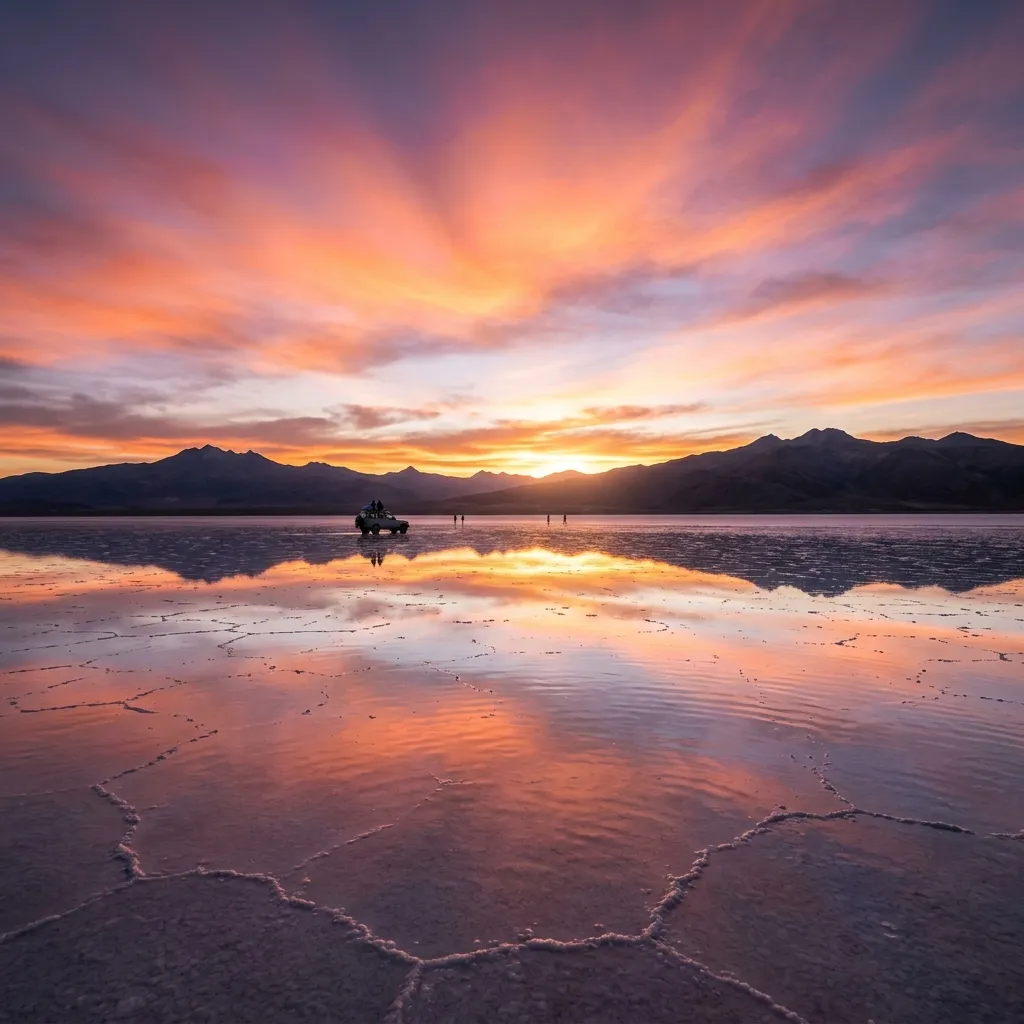
La Paz City
La Paz is the administrative capital of Bolivia. Altitude of the city ranges from about 4058 meters (13,313 feet) above sea level in El Alto (where the airport is located) to 3100 meters (10,170 feet) in the lower residential area. It is the highest national capital in the world.
The city of La Paz was founded on October 20th, 1548 under the name of La Ciudad de Nuestra Senora de La Paz (The City of Our Lady of Peace).
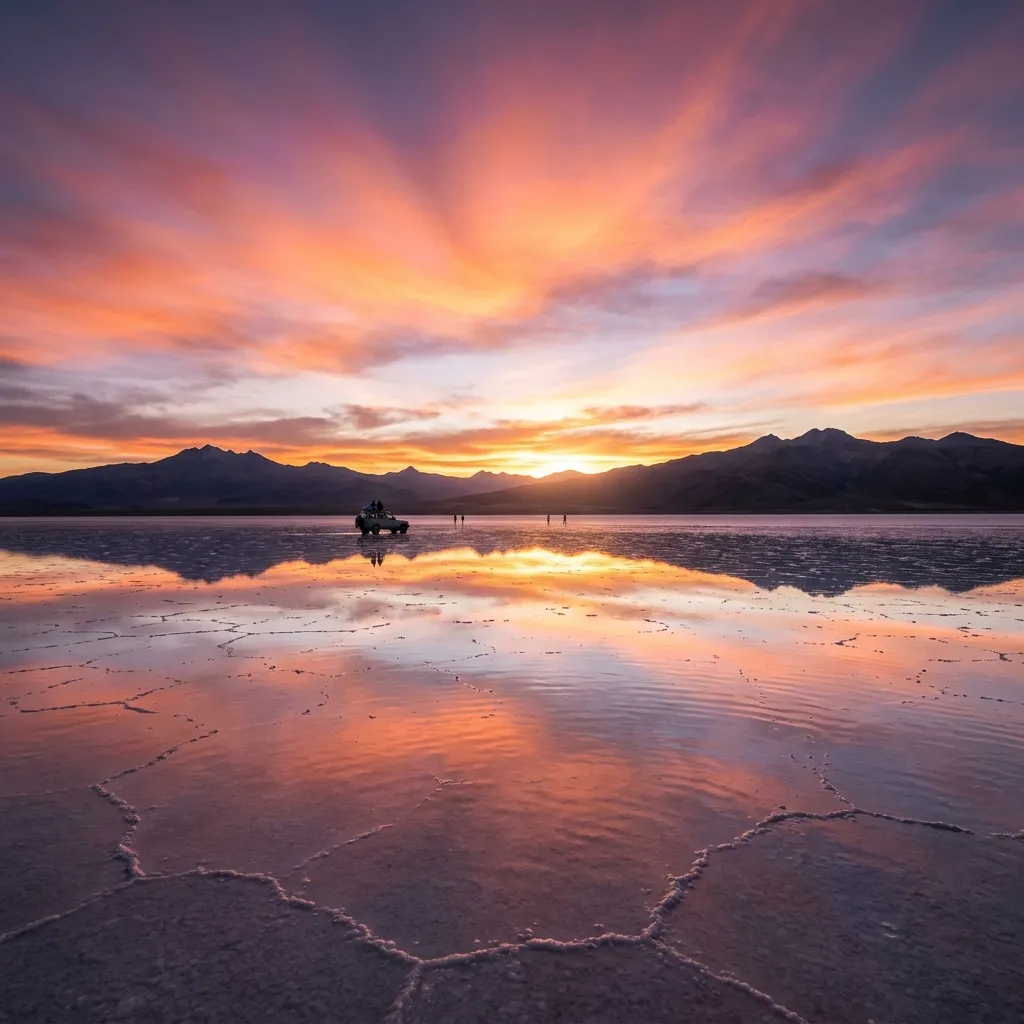
Cotapata National Park
The National Park Cotapata is located to the Northeast of La Paz, Bolivia. One of its greater attractions is the pre-Colombian road of the Chucura or Choro or Inca Road.
The National Park Cotapata is located to the Northeast of the city of La Paz, approximately to 20kms away. The park has high mountain range, snowfields, periglacier areas and cloudy humid forest. One of its greater attractions is the pre-Colombian road of the Chucura or Choro or Inca Road that cr...
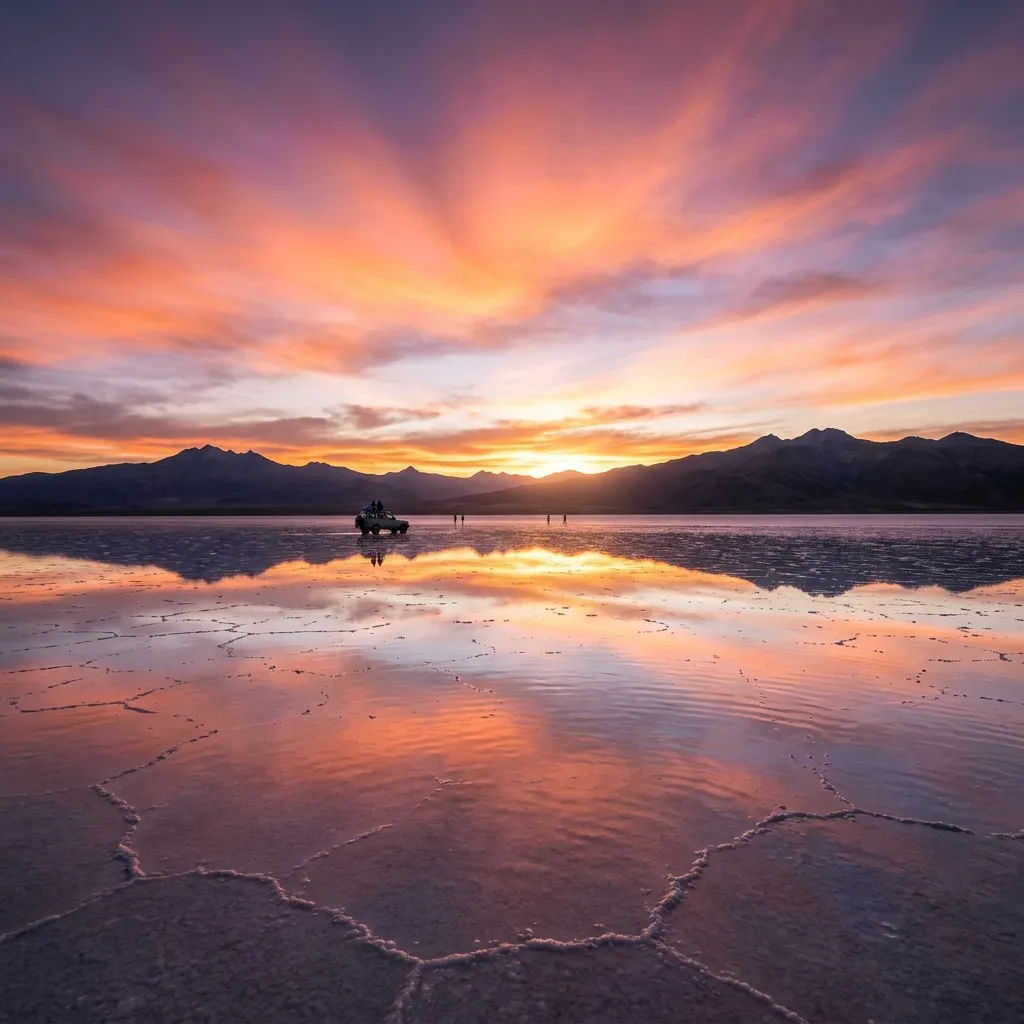
Apolobamba National Park
The National Park Apolobamba is located to the West of La Paz, Bolivia and has a fantastic scenic beauty because of the snow-covered high mountains: Akamani, Presidente and Katantika.
The National Park Apolobamba is located to the West of the department of La Paz, specifically at the Bautista Saavedra, Franz Tamayo y Larecaja provinces. The park surrounds the municipalities of Pelechuco, Curva, Charazani and Guanay.
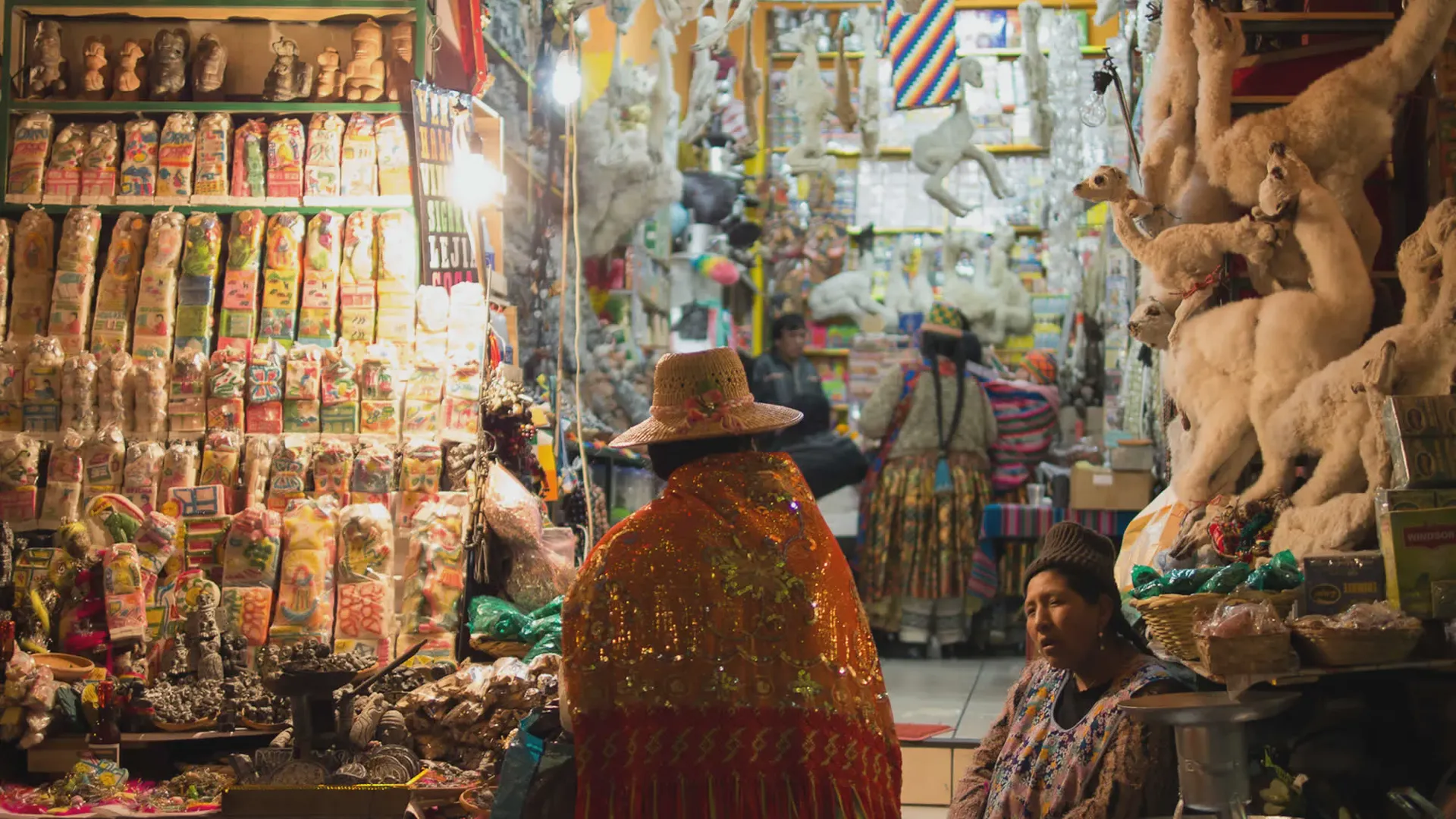
Witches' Market
The Witches Market is one of the main and most impressive attractions in La Paz, Bolivia. The Witches Market has shops of typical outfits made by hand with completely natural materials, souvenirs and other ornaments made of exotic types of wood, carved with ancestral motives
The Witches Market is one of the main and most impressive attractions in La Paz, with a series of shops offering all kinds of 'magical' wares.
Choose Your La Paz Experience
Make the most of your time in Bolivia. Explore our curated full-day private tours crafted for maximum discovery without wasted transit hours.
Explore La Paz & Surroundings in One Day
Designed for travelers with limited time who want seamless private transport, certified bilingual guides, and VIP access across La Paz, ancient Tiwanaku, and Lake Titicaca.
Private Tour Tiwanaku, La Paz City & Moon Valley
Combine pre-Inca megaliths, urban culture, and eroded clay spires in one smooth private circuit.
- ✓ Tiwanaku Sun Gate & Akapana Pyramid
- ✓ Witches' Market, Plaza Murillo & Cable Car
- ✓ Valle de la Luna (Moon Valley) hike
- ✓ Private vehicle, driver & certified guide
La Paz City Tour & Cholitas Wrestling Experience
Discover historic colonial alleys, ride 3 scenic cable cars, and enjoy VIP ringside seats at the world-famous Cholitas wrestling show.
- ✓ Panoramic Mi Teleférico multi-line ride
- ✓ Historic center & traditional markets walk
- ✓ VIP ringside admission in El Alto arena
- ✓ Roundtrip private transfers & bilingual host
Puno – Copacabana – Sun Island (Full Day)
An effortless cross-border lake cruise from Puno (Peru) into Bolivia, visiting Copacabana Sanctuary and sacred Inca ruins on Isla del Sol.
- ✓ Private border migration assistance at Kasani
- ✓ Private boat to Isla del Sol & Pilkokaina
- ✓ Inca Garden, Yumani stairs & Copacabana visit
- ✓ Drop-off at Copacabana or continue to La Paz
Puno – Desaguadero – Tiwanaku – La Paz
The smartest overland connection between Peru and Bolivia. Cross the Desaguadero border, tour the Tiwanaku UNESCO ruins, and arrive directly in La Paz.
- ✓ Puno hotel pickup & Desaguadero customs assistance
- ✓ Comprehensive guided tour of Tiwanaku ruins
- ✓ Traditional Andean lunch included en route
- ✓ Direct evening drop-off at your La Paz hotel
La Paz City & Moon Valley
Teleférico lines, Witches' Market, Plaza Murillo, and Moon Valley.
Tiwanaku Ruins Tour
Akapana pyramid, Sun Gate, Kalasasaya temple, and museum.
Death Road Biking Tour
Full downhill descent, safety gear, dual-suspension bike, and lunch.
Coroico Cloud Forest
Subtropical valleys, coffee plantations, waterfalls, and eco-lodge stay.
Practical Information
Entrance & Cable Car Costs
Teleférico (3 Bs / ~$0.45 per line), Moon Valley (15 Bs), Cholitas Wrestling (~50 Bs).
Where to Stay
Historic center boutique hotels for culture, or lower-altitude Zona Sur for luxury and quiet.
Titicaca & Uyuni Transit
Seamless private daily transfers connecting Lake Titicaca, Tiwanaku, and Uyuni.