This guide is written by the team at Bolivia Travel Site. We have run private and shared tours to the Salar de Uyuni in every month of the year since 2010. The information here comes from direct operational experience, not secondary sources. We update this article annually based on current conditions.
Updated September 2026
Are you interested to visit just the Uyuni salt flat, or would you also like to visit Eduardo Avaroa National Park and the surroundings?
The Uyuni Salt Flat isn't just one destination it's an entire high-desert region. How many days you need depends on what you want to see. This guide breaks down every option, from a quick 1-day taster to the full southwest circuit, so you can choose the itinerary that fits your travel style, budget, and comfort level..
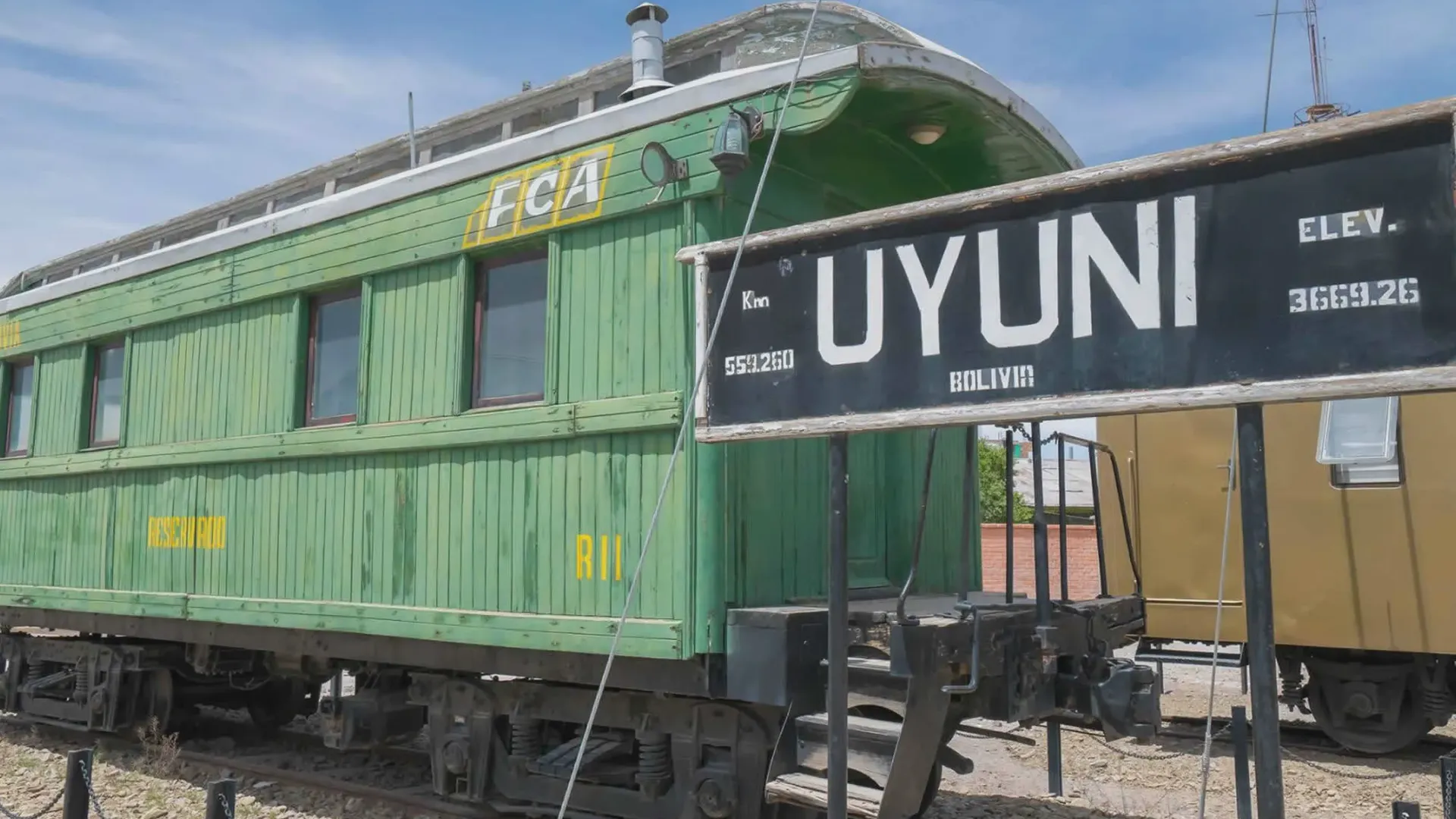
The 1-day tour keeps you on the salt flat. You'll see the Train Cemetery, Colchani, Isla Incahuasi (Cactus Island), and a sunset on the flat. That's a genuinely memorable day.
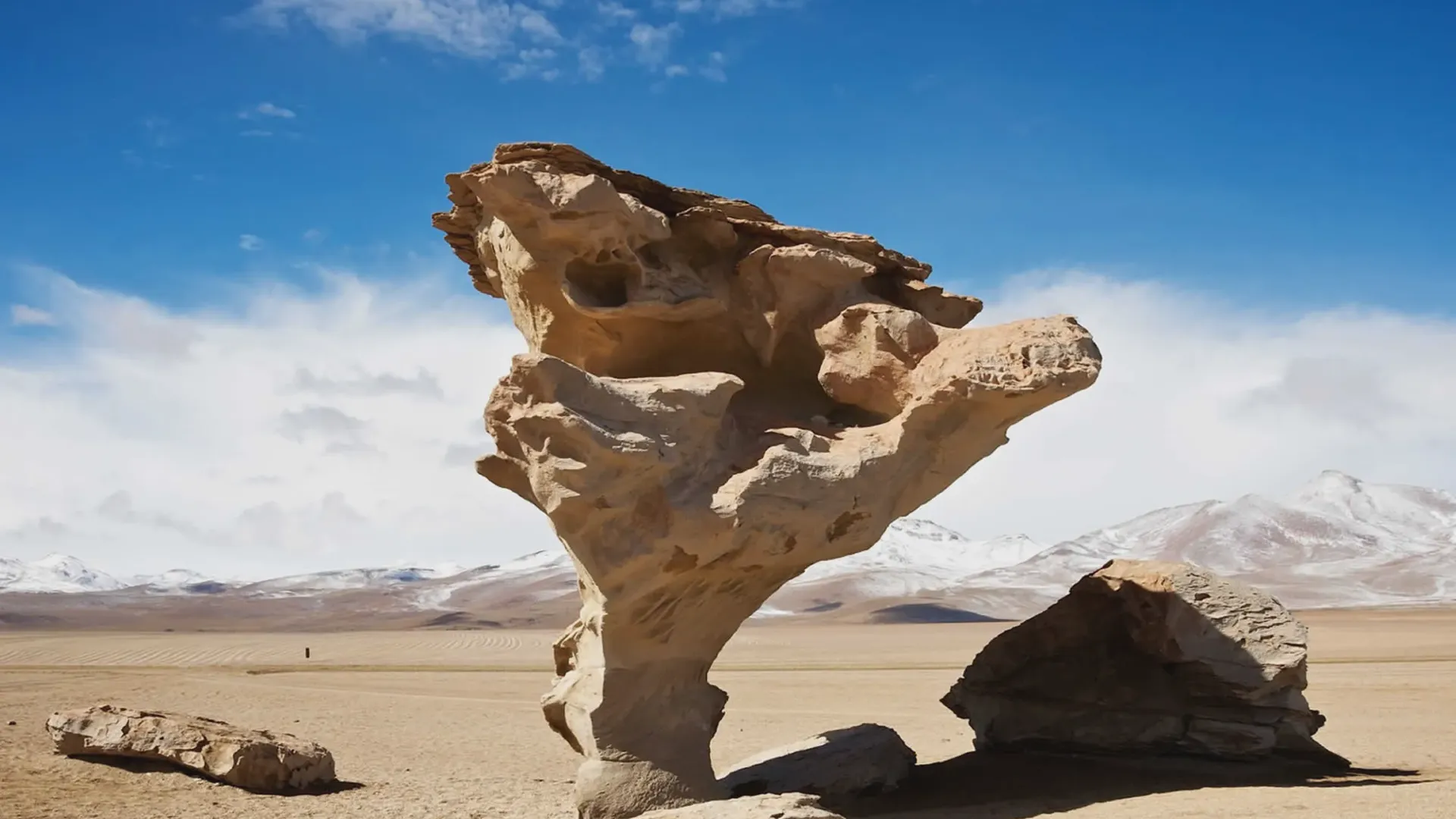
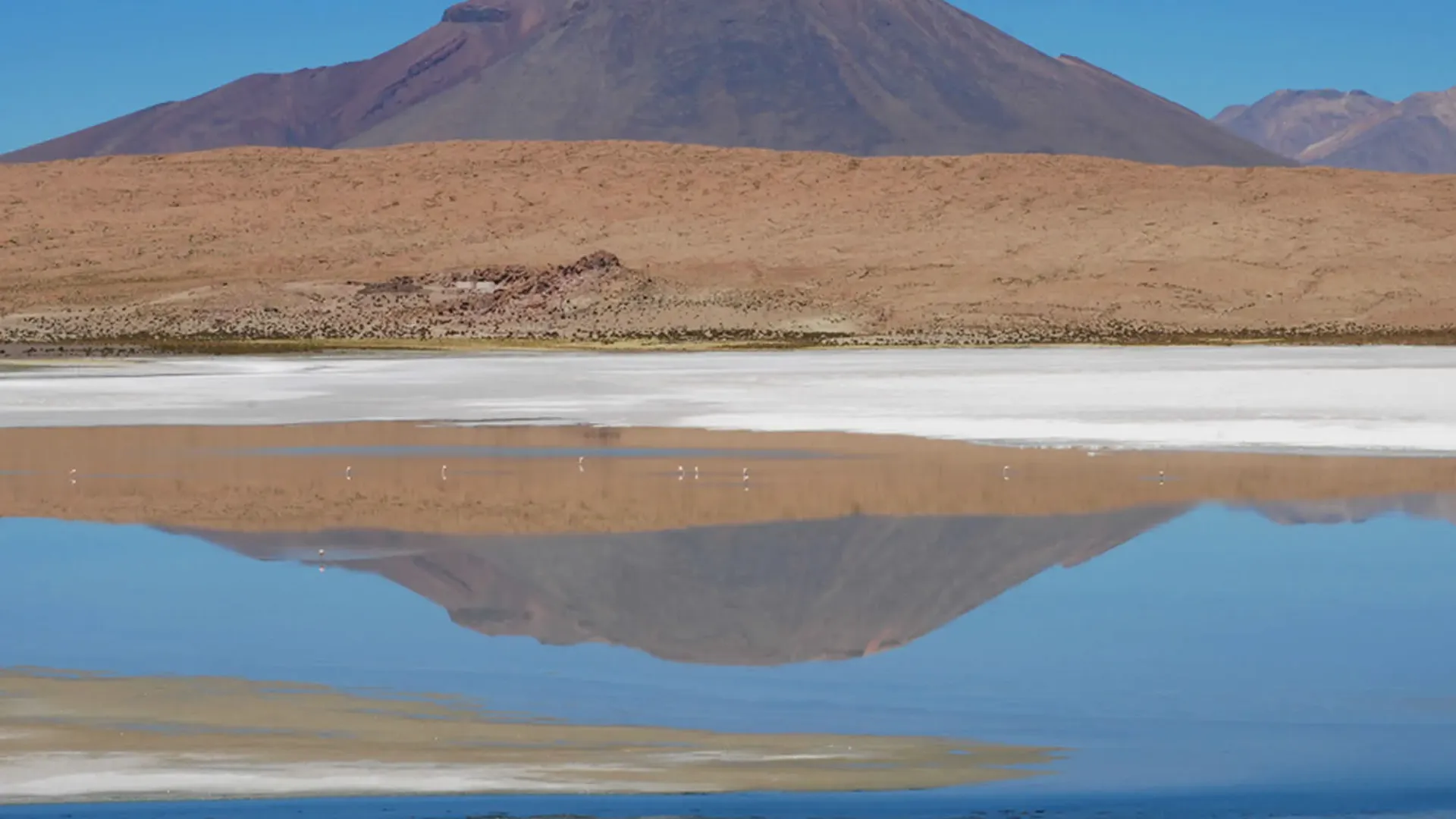
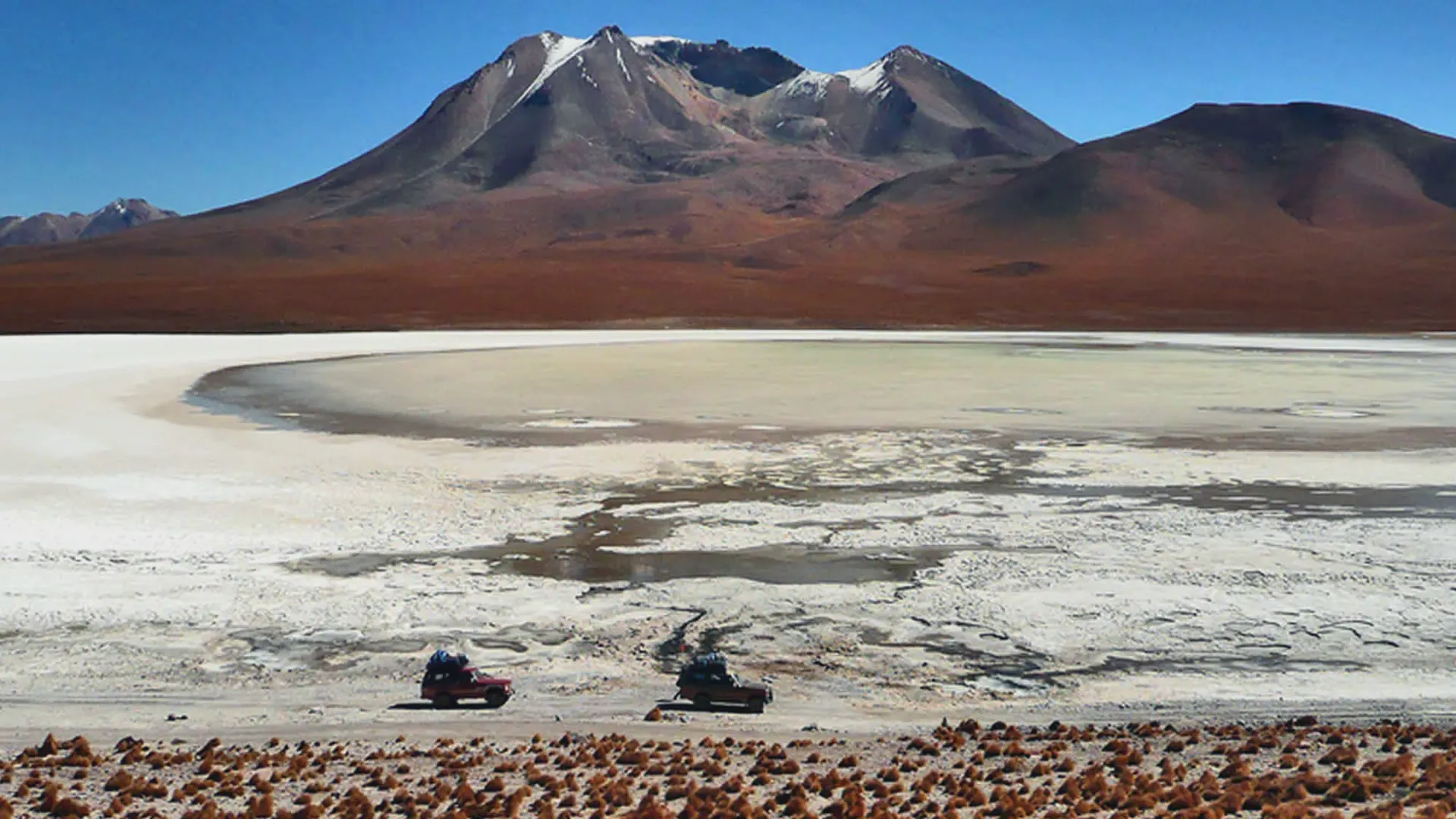
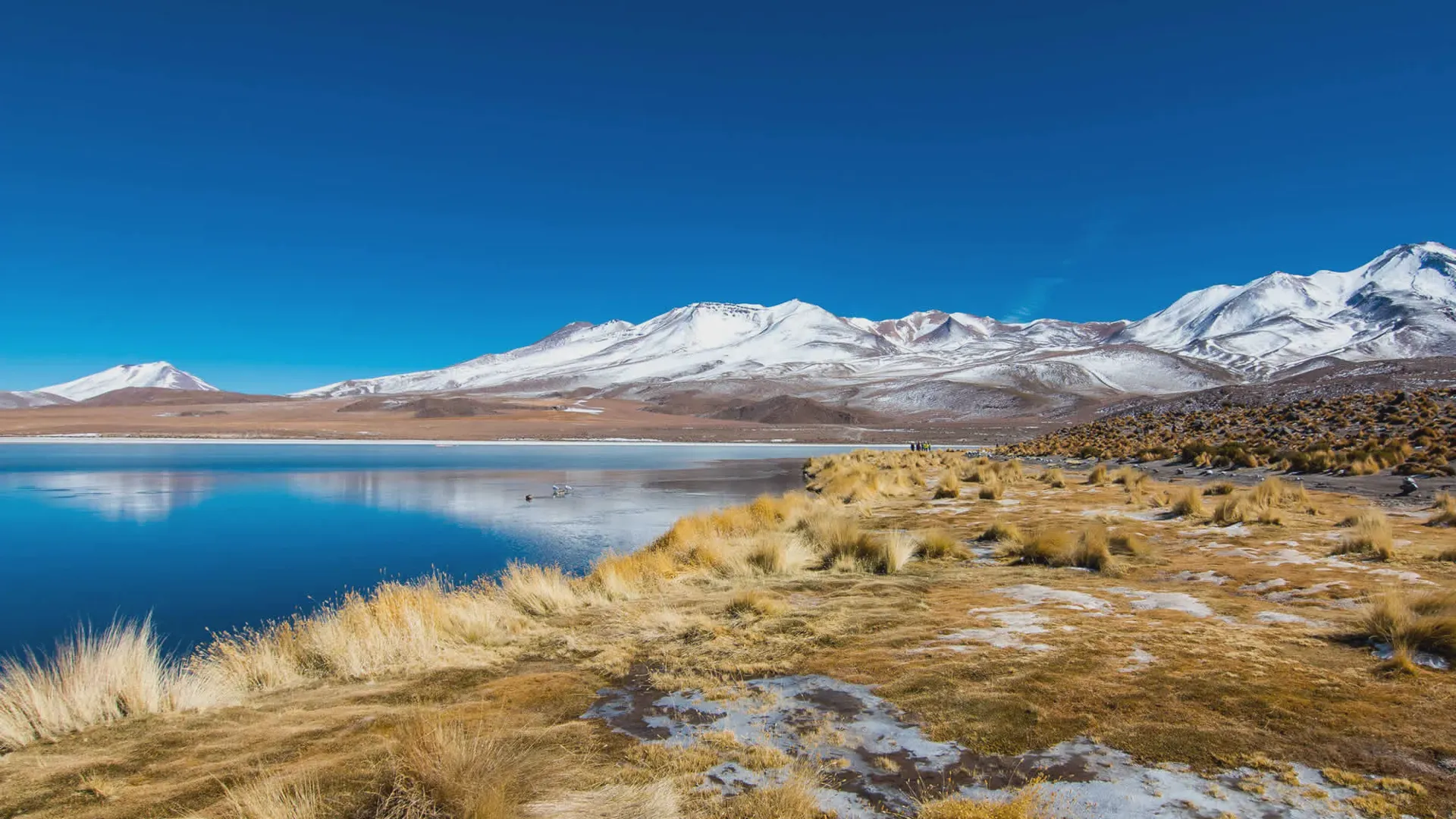
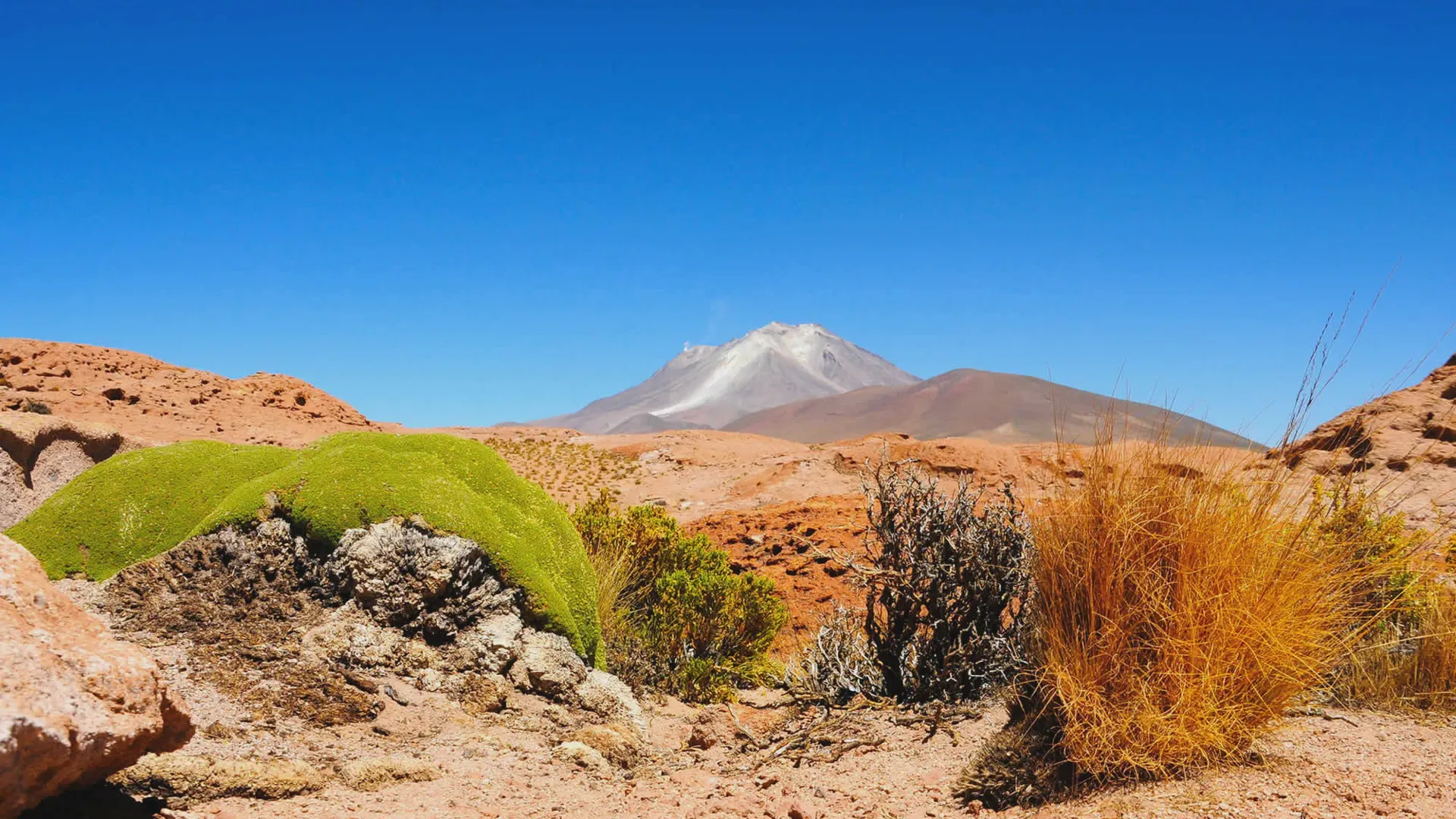
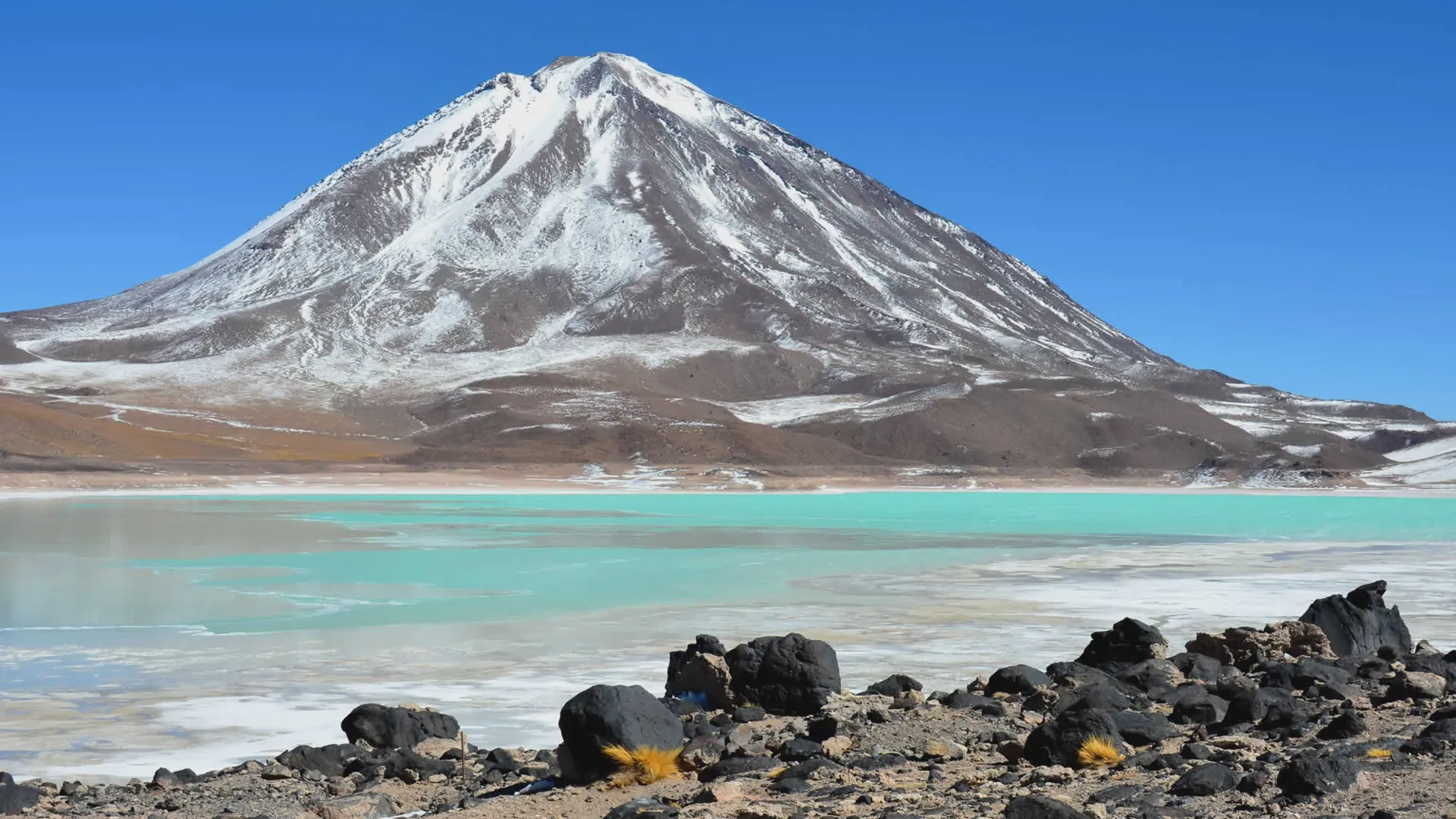
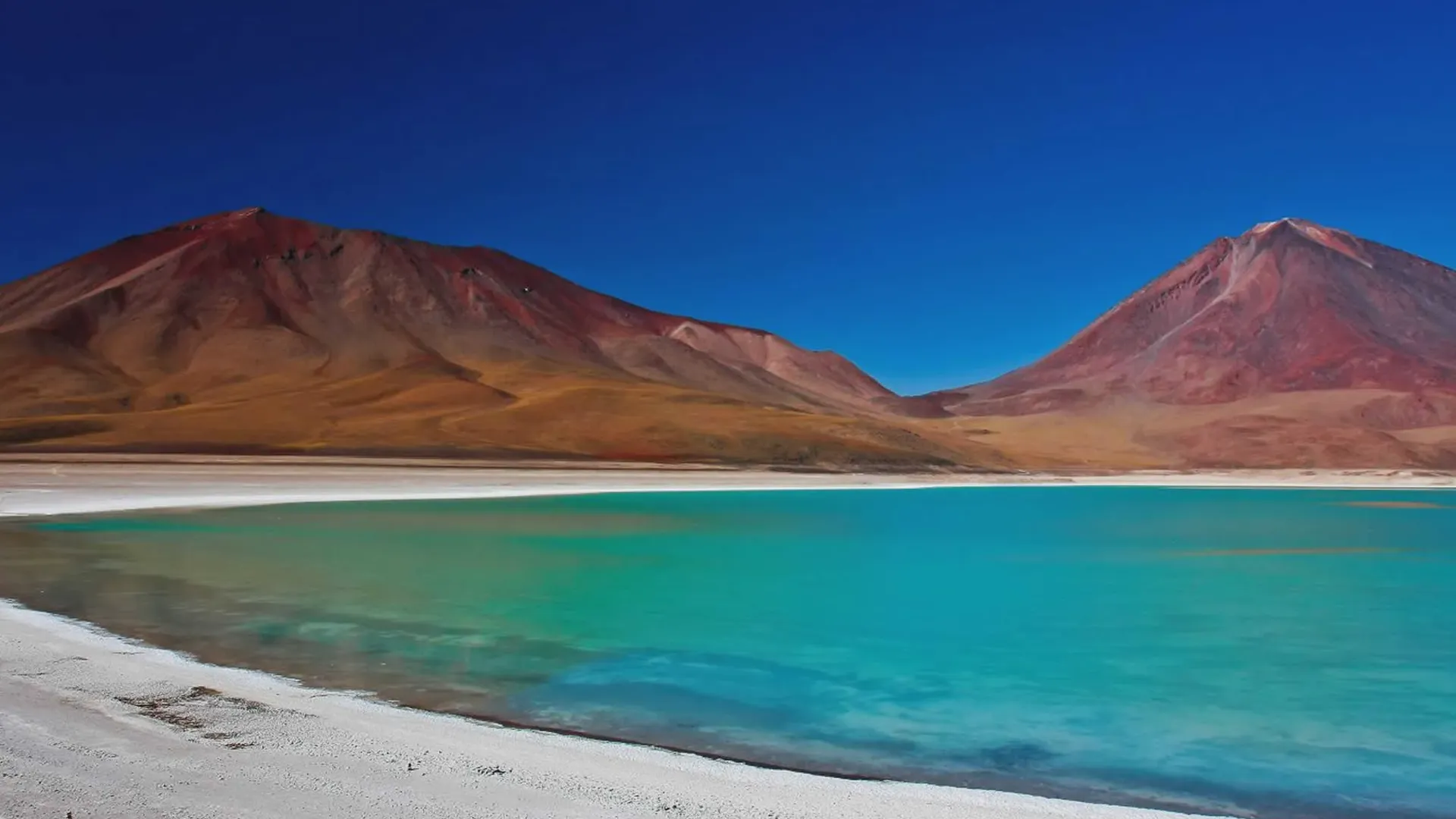
The 3-day tour takes you off the flat and into the southwest circuit — colored mineral lagoons at 4,000 m, Sol de Mañana geysers at 4,850 m, flamingo colonies, the Salvador Dalí Desert, and Laguna Verde at the foot of a volcano on the Chilean border. This is what most people describe when they talk about their Bolivia trip.
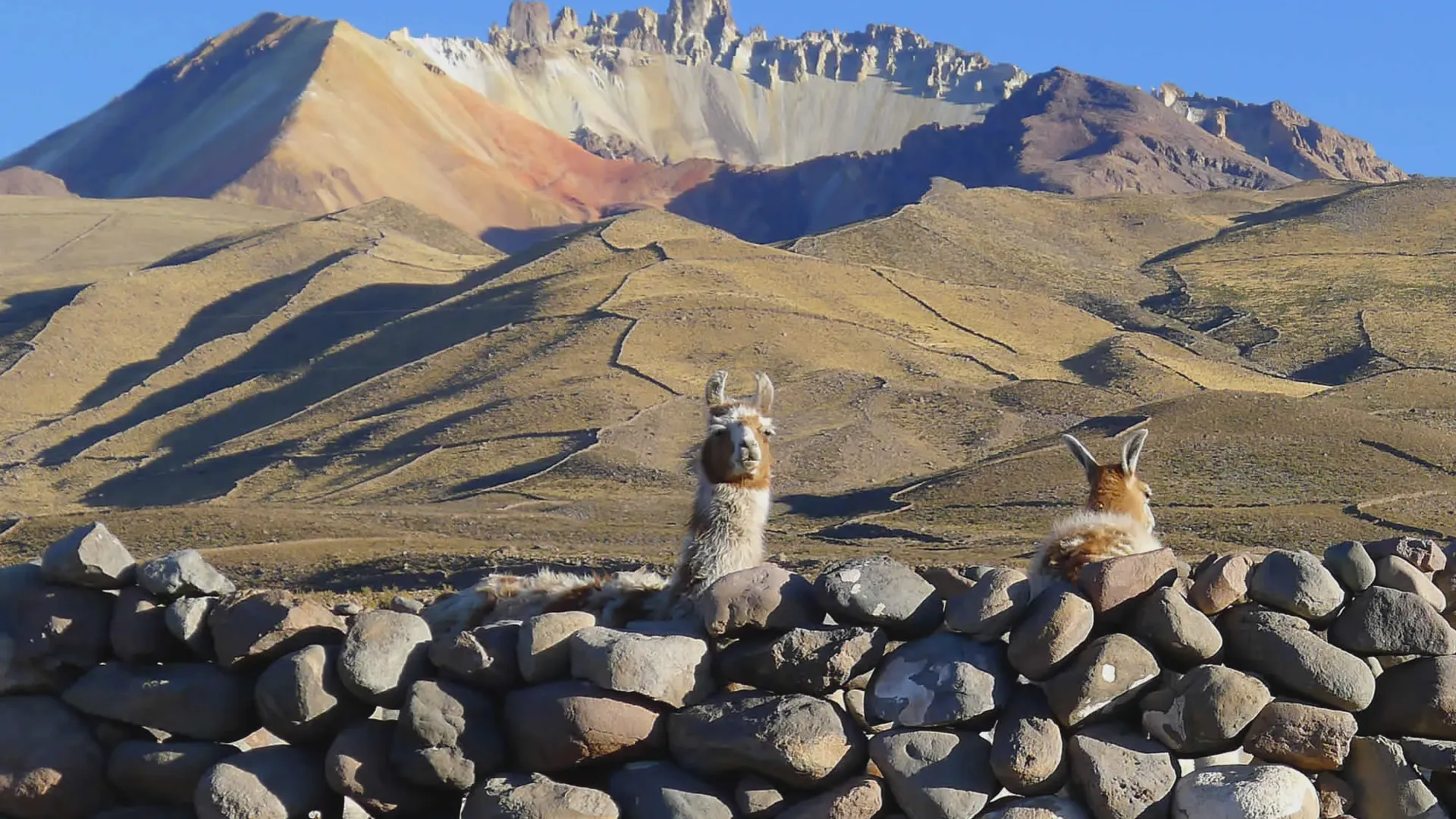
The 4-day tour does everything the 3-day does with more time, or crosses into Chile via San Pedro de Atacama. During the dry season you can add an extra day to visit the north side of the Uyuni Salt Flat where Tunupa Volcano is located
At a Glance: Which Tour Is Right for You?
| Your Priority Is | Best Choice | What You'll See |
|---|---|---|
| Just the salt flat, nothing else | 1 Day | Train Cemetery, Colchani, salt flat, Isla Incahuasi, sunset |
| The full Uyuni experience | 3 Days / 2 Nights | Everything above + coloured lagoons, flamingos, geysers, stargazing |
| Comfort & flexibility | 2 Days | Salt flat with more breathing room, less compressed pace |
| Crossing into Chile | 3 Days (one-way) | Full circuit ending in San Pedro de Atacama |
| Ultimate immersion | 4 Days | All of the above with more buffer for weather and photograph |
1-Day Tour: Is One Day in Uyuni Enough?
Yes — if the salt flat is your only goal.
The 1-day tour is a legitimate choice, not a consolation prize. Plenty of travelers have a fixed flight, a tight window between cities, or simply want to experience the Salar without multi-day camping at high altitude. That's a perfectly reasonable decision.
What you'll cover in one day:
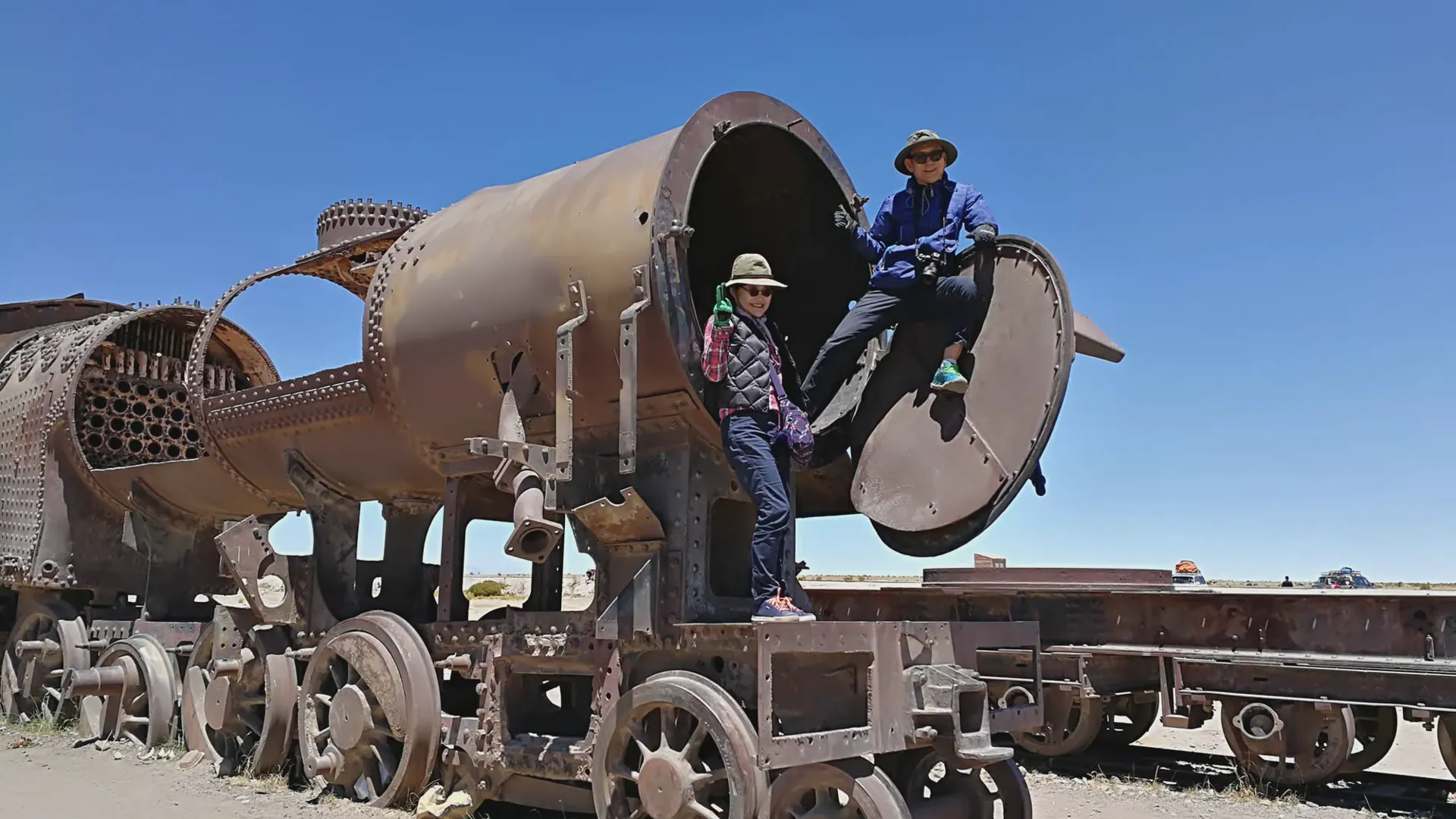
- Train Cemetery (Cementerio de Trenes) — rusting locomotive graveyard at the edge of the flat, 3 km from Uyuni
- Colchani village — small salt-processing community where the flat begins
- The Salar de Uyuni — the main event. Perspective photographs, salt hexagons, the horizon with nothing on it
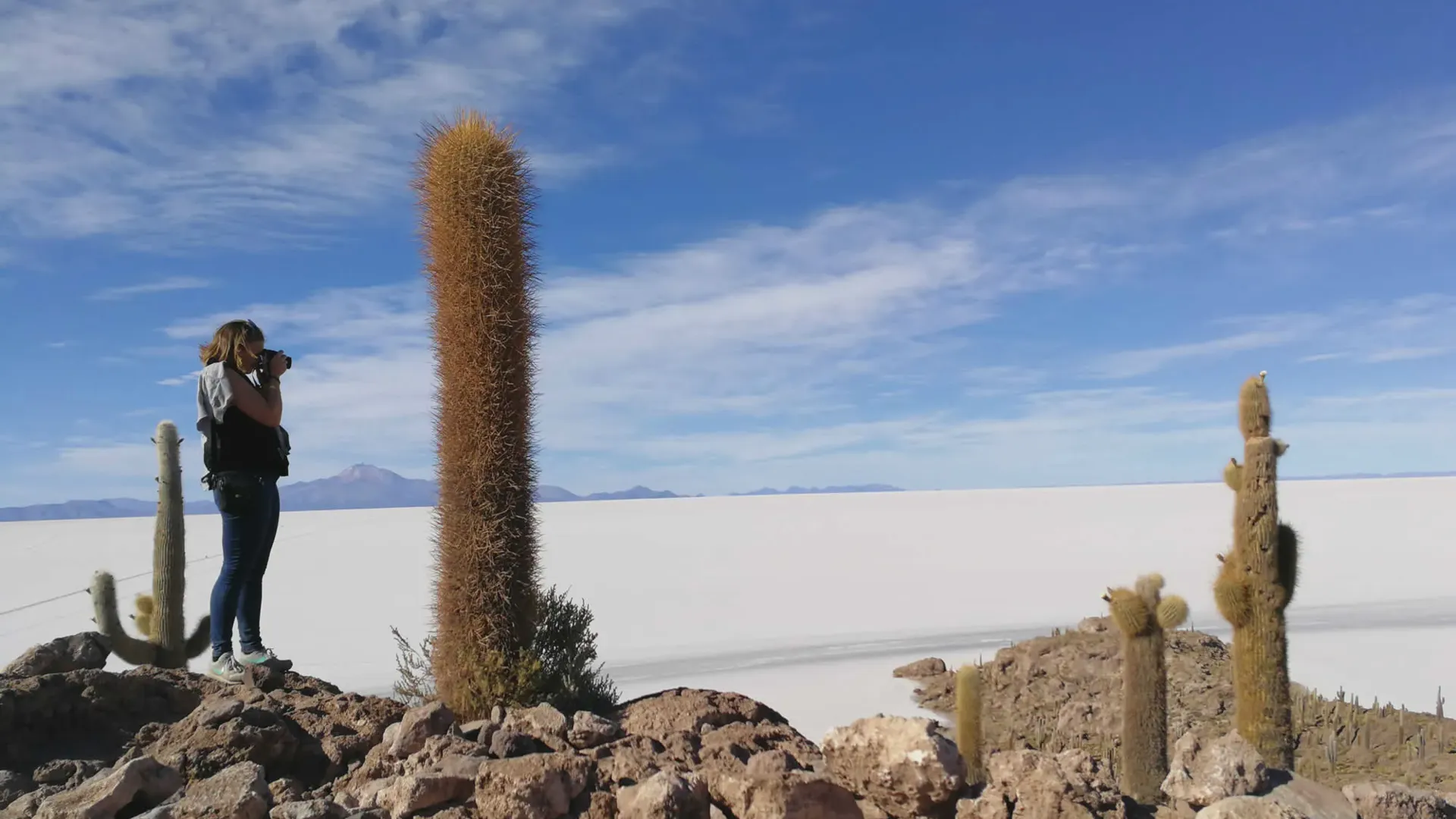
- Isla Incahuasi (Cactus Island) — rocky outcrop covered in 1,000-year-old giant cacti at the heart of the flat
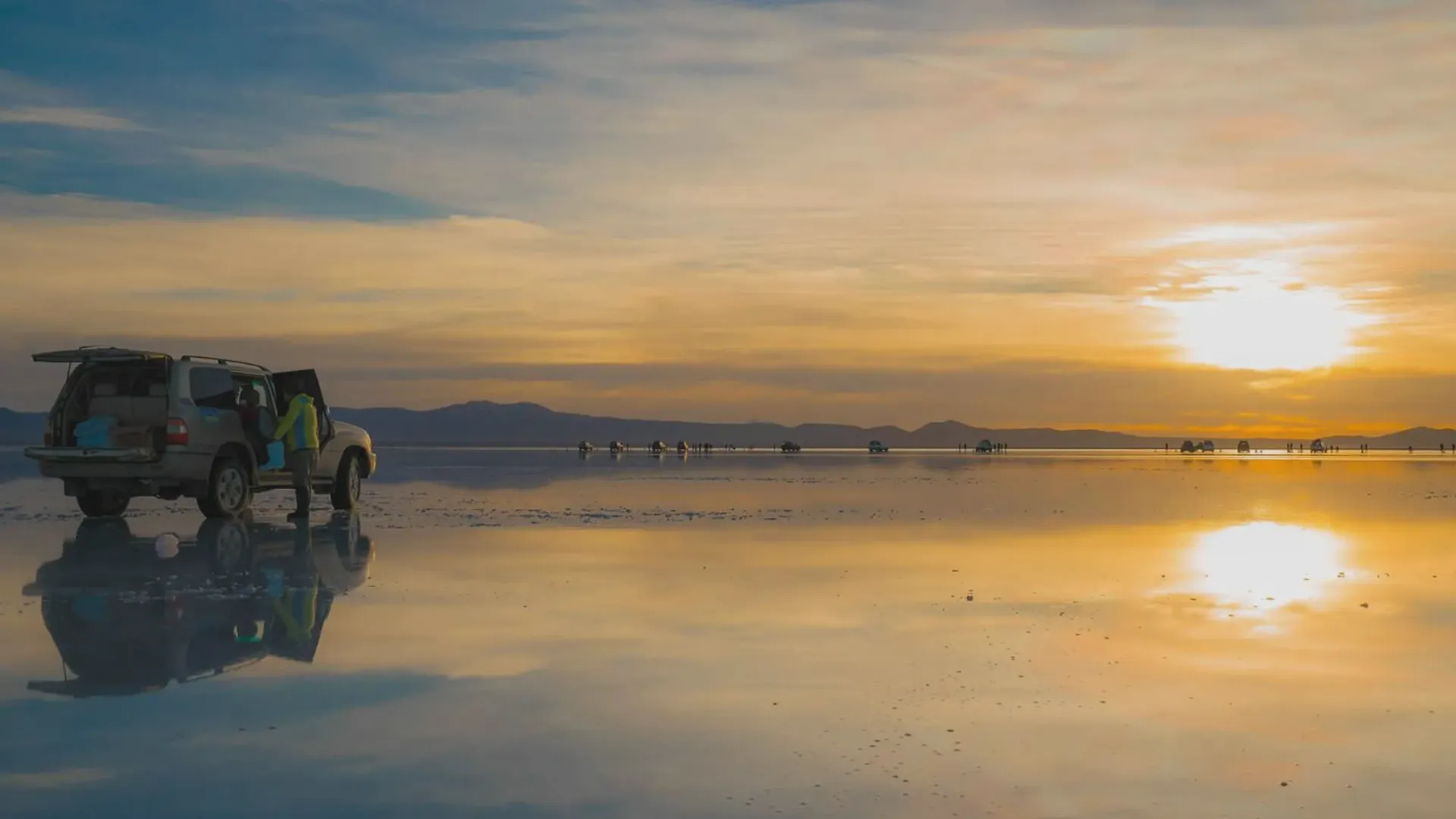
- Sunset on the salt flat — in wet season, the mirror effect at sunset is extraordinary
What you won't see: the coloured lagoons, flamingos, geysers, Eduardo Avaroa Reserve, Laguna Colorada, Laguna Verde. These require at minimum Day 2 and Day 3 of the 3-day circuit.
Who the 1-day tour is right for: Travelers with 1 night in Uyuni, budget-conscious travelers, those uncomfortable with high-altitude sleeping (Day 2 and 3 hostels sit at 4,200 m), and anyone connecting to another destination the following day.
2-Day Tour: The Comfortable Middle Ground
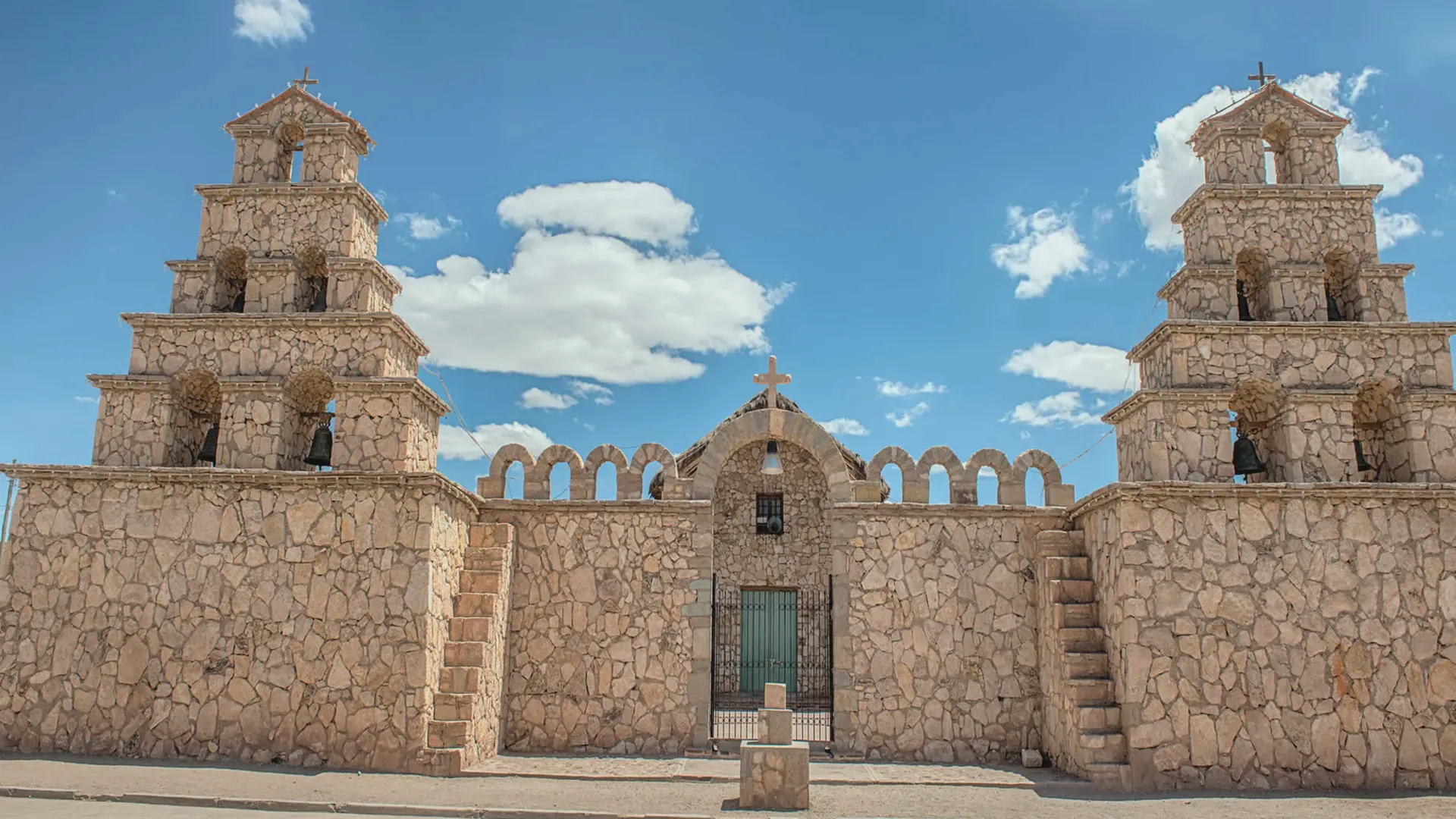
The 2-day tour covers the full salt flat on Day 1 explores central salt features, perspective setups, and sunset. Night 1 is spent in an authentic salt lodge in Colchani, Tahua, or Coquesa. Day 2 visits the pre-Inca mummies of Coquesa and ascends the colored mineral slopes of Tunupa Volcano for panoramic views.
It's a better pace than the 1-day for travelers who want sunrise photos and more time to linger on the flat without rushing back to Uyuni town by evening.
What it doesn't include: the Eduardo Avaroa southwest circuit — Laguna Colorada, geysers, and the lagoon sequence require the full 3-day structure.
Who the 2-day tour is right for: Photographers who want the salt flat at golden hour without the extreme altitude of the southwest circuit. Families with children. Travelers who need to manage altitude carefully.
3-Day Tour: The Full Experience — and the One We Recommend
This is the tour that most visitors describe when they talk about Uyuni. Three days covers the salt flat on Day 1 and the entire Eduardo Avaroa southwest circuit on Days 2 and 3.
What you see across 3 days
Day 1 — The Salt Flat Train Cemetery → Colchani → Salar de Uyuni → Isla Incahuasi → sunset on the flat → overnight at a hostel or salt hotel near the flat.
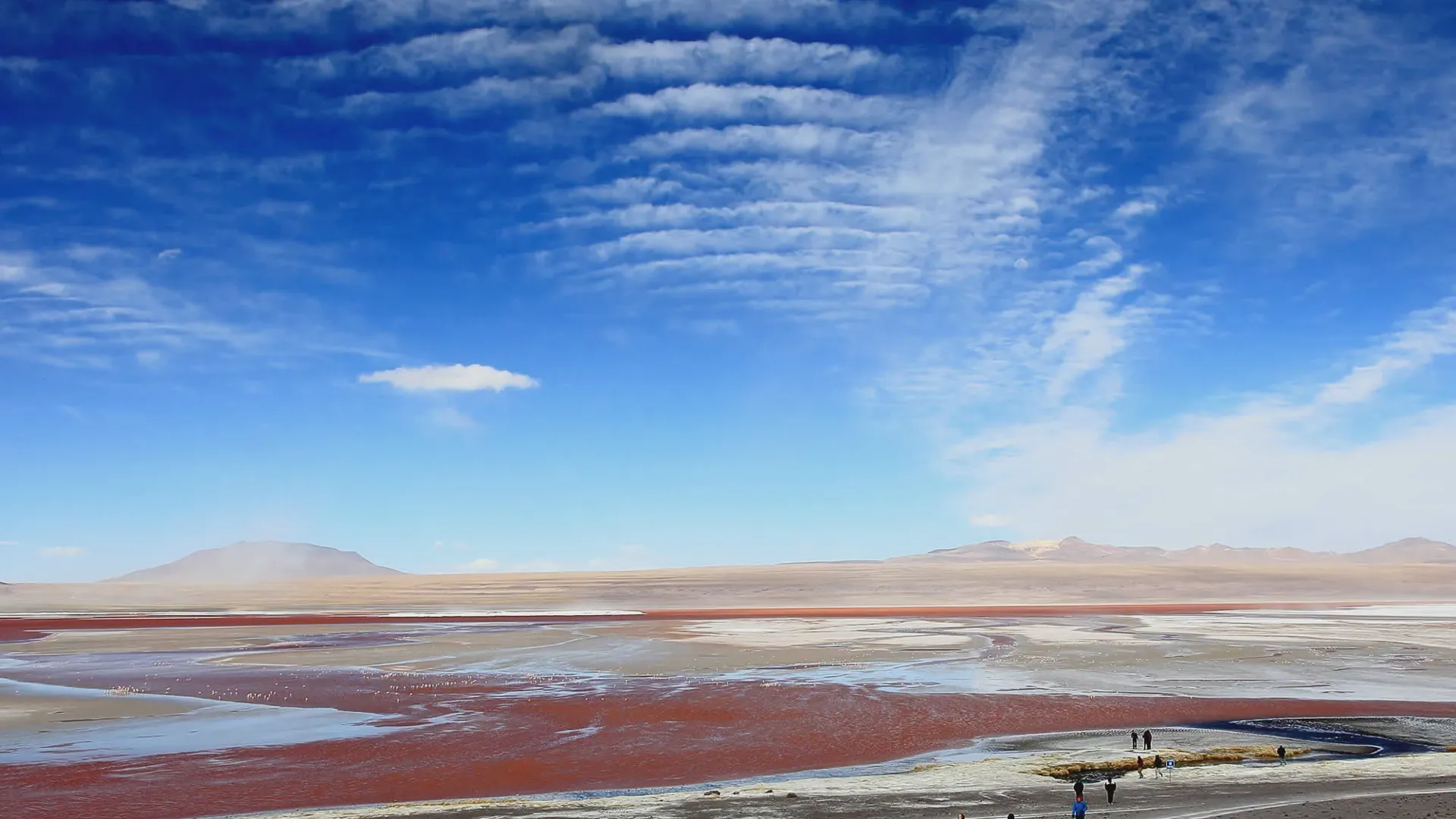
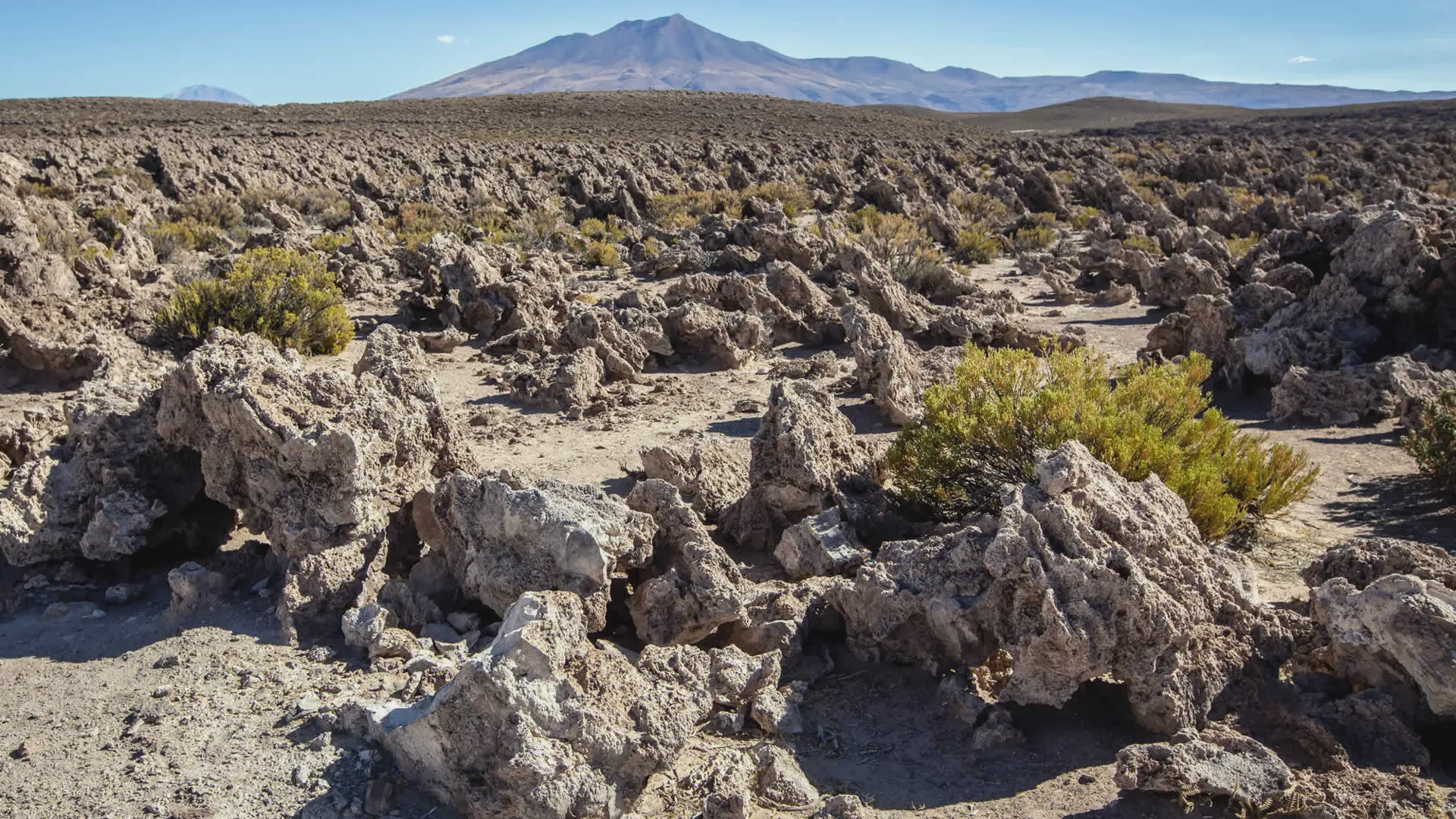
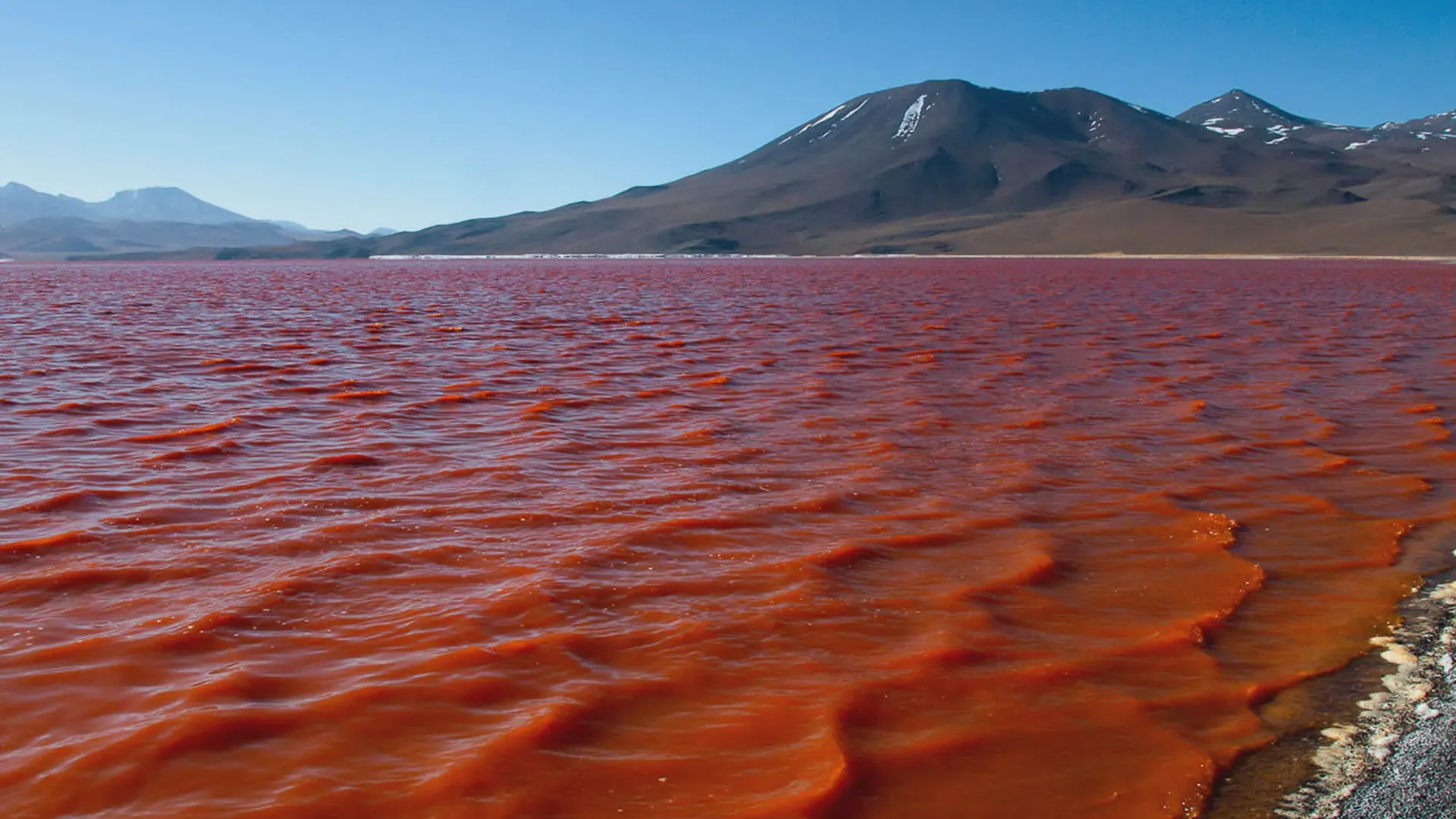
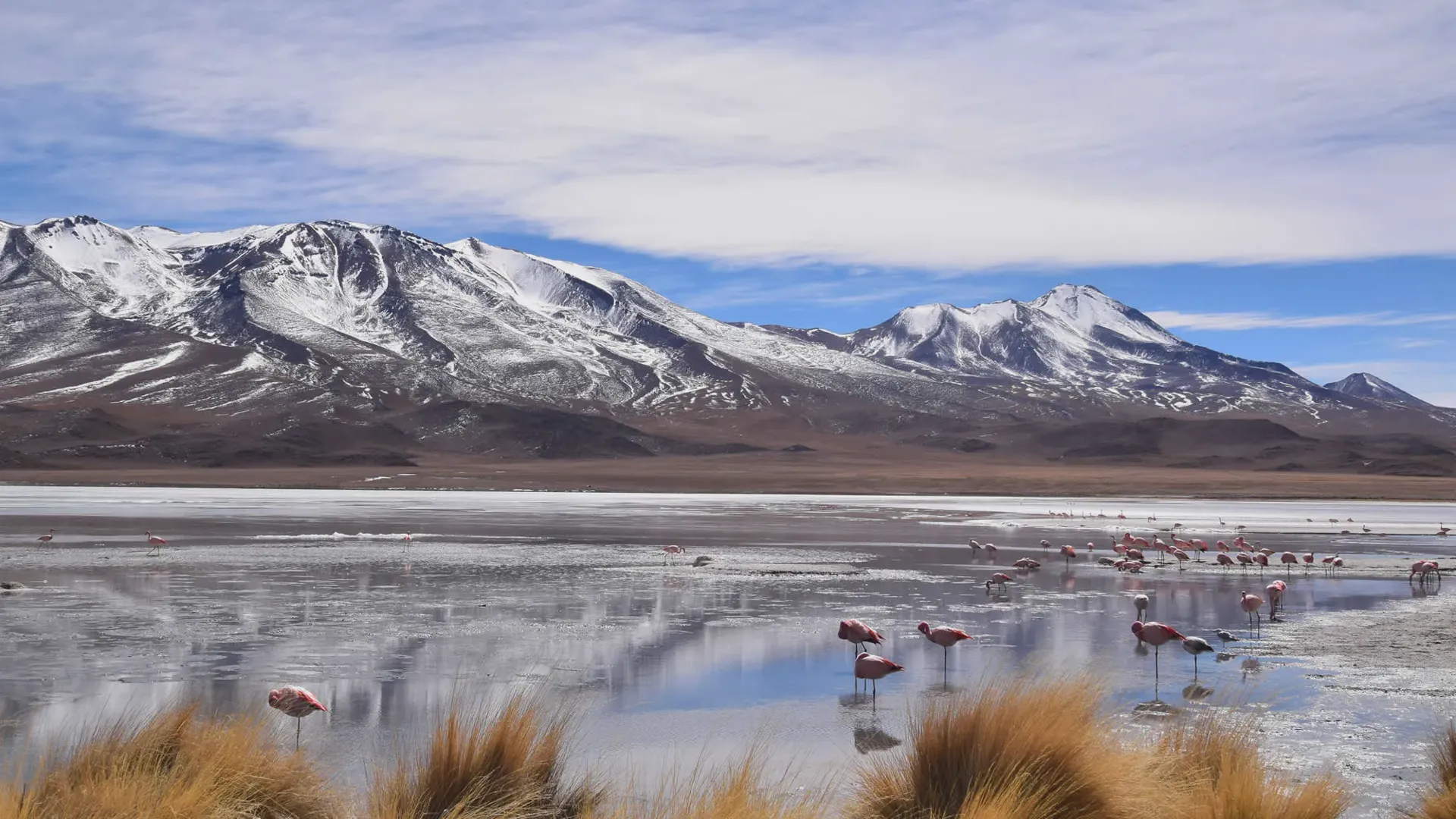
Day 2 — Into the Reserve An early start south. The landscape transitions from salt to volcanic rock to mineral-stained lagoons as you climb. Stops include Laguna Cañapa, Laguna Hedionda (flamingos), Laguna Honda, Laguna Chiarkota, and Laguna Colorada — the Red Lagoon, the most dramatic stop of the circuit. Overnight at a basic hostel at approximately 4,200 m.
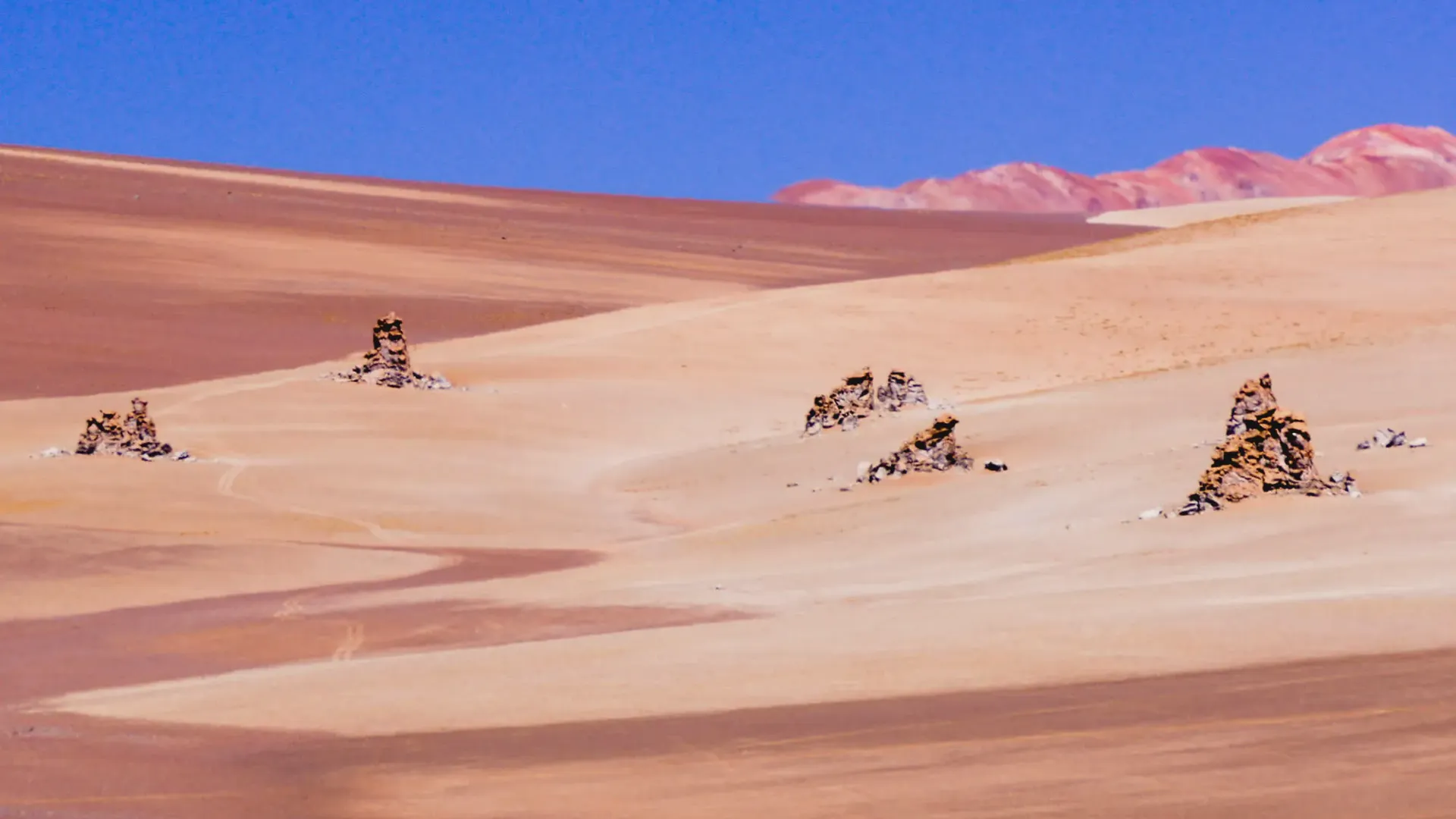
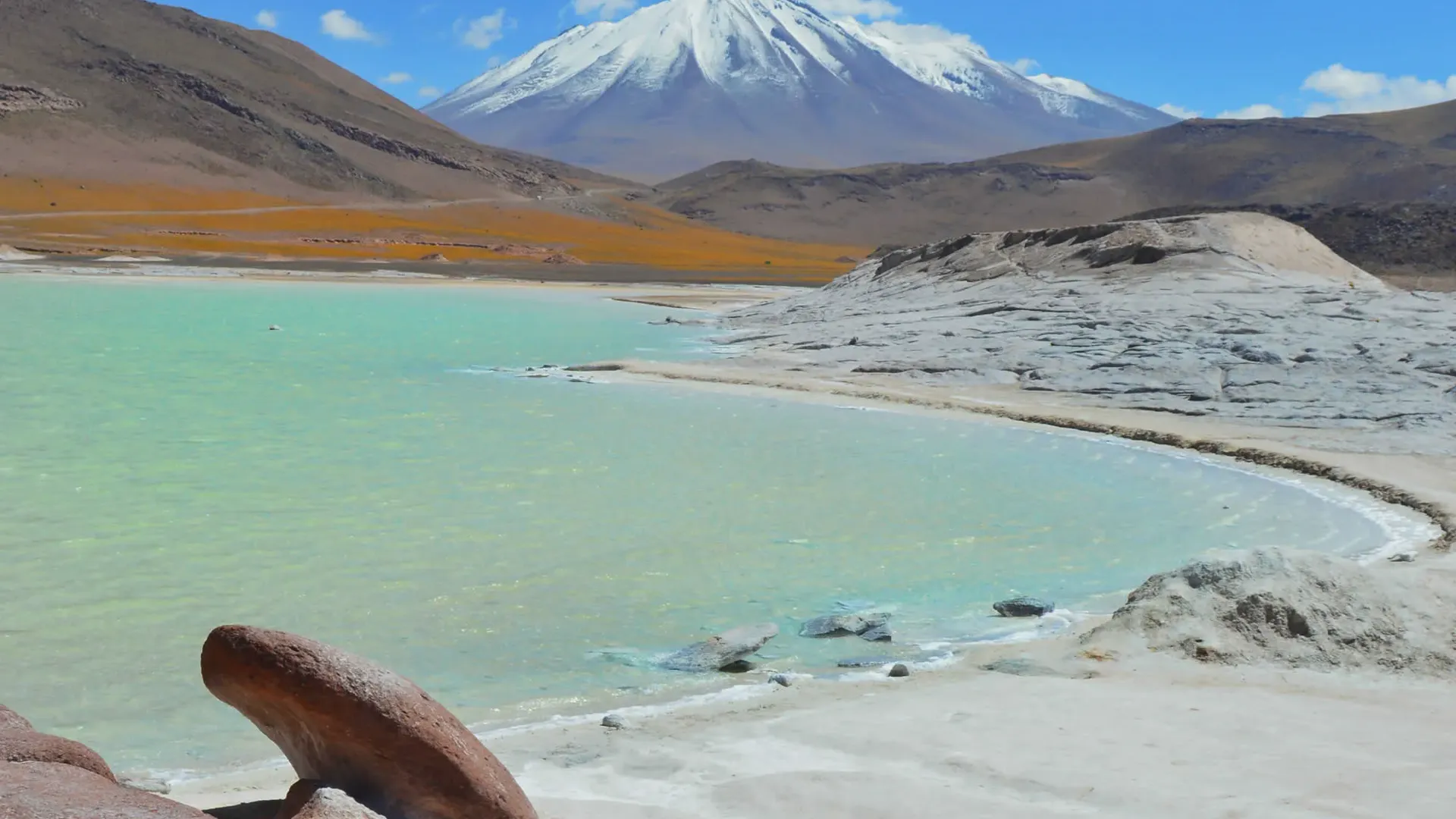
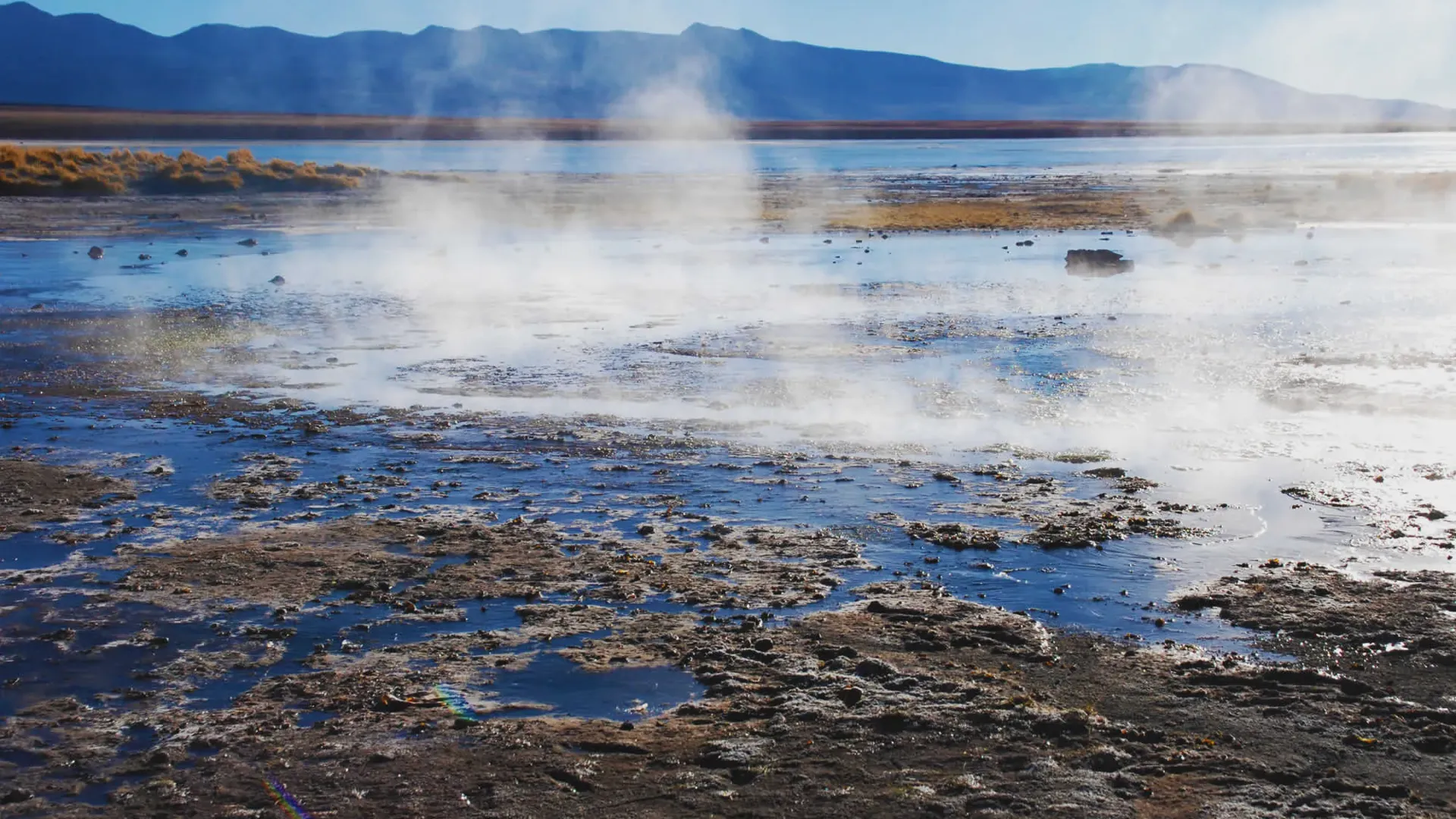
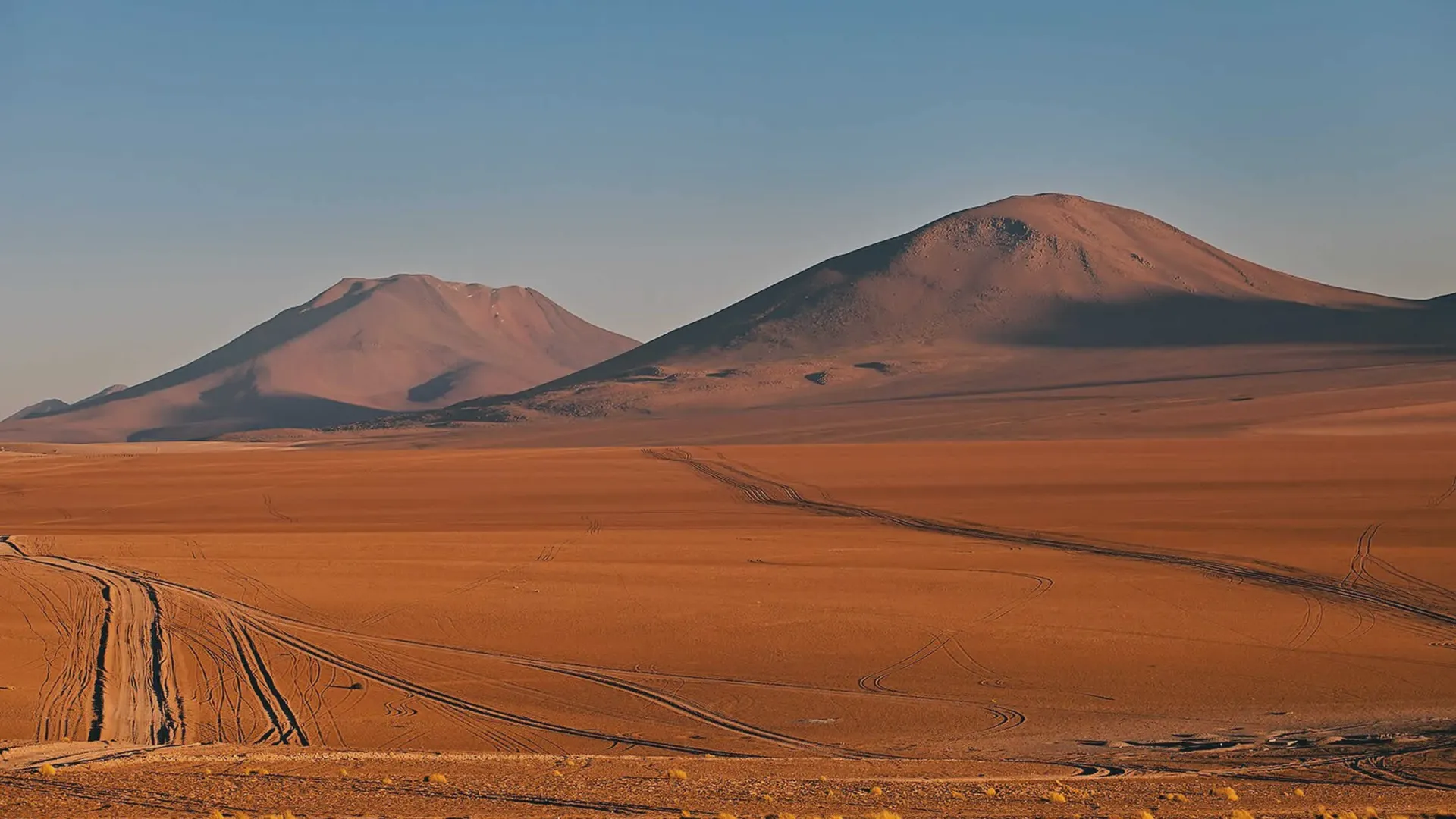
Day 3 — Geysers, Hot Springs, and the Border An early alarm (4:30–5:00 AM) to reach Sol de Mañana before the geysers peak. At 4,850 m, this field of fumaroles and boiling mud pools is the highest point of the tour. From there: Laguna Polques hot springs, Salvador Dalí Desert, Laguna Blanca, and Laguna Verde — the green lake at the foot of the Licancabur volcano, right on the Chilean border.
The tour ends either back in Uyuni or, for travellers crossing into Chile, at the Hito Cajones border checkpoint between 9:30 and 10:30 AM.
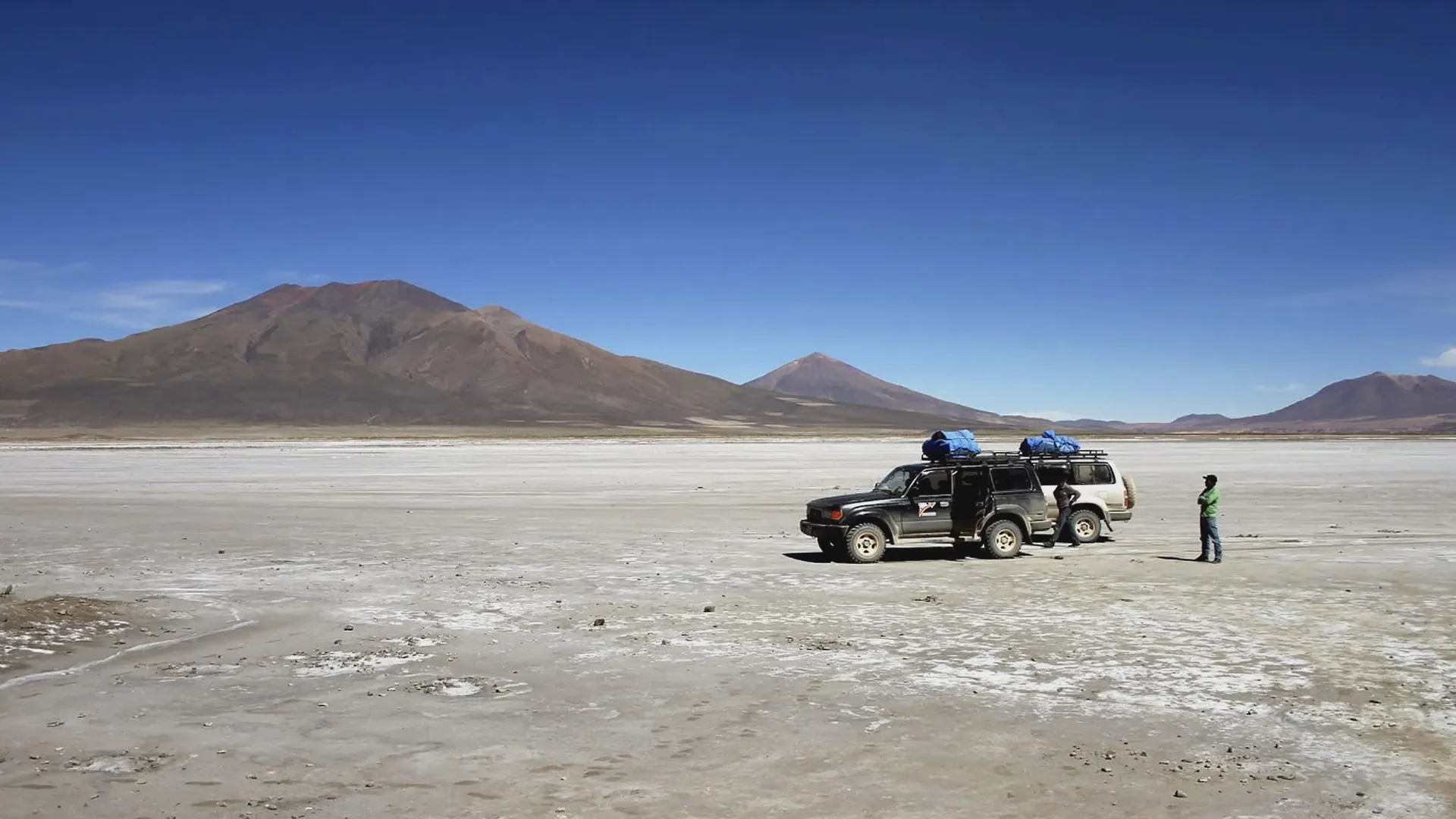
3-day shared tour: 6 passengers in one 4×4. Fixed departure times, limited luggage space, shared vehicle with other travellers. Significantly cheaper.
3-day private tour: your group only. Depart when you choose, stop as long as you like at any lagoon, adapt the pace to your group. Strongly recommended for photographers and families.
4-Day Tour: Full Immersion or Chilean Crossing
The 4-day adds one extra dimension to the 3-day — either a more relaxed pace with additional stops, a full extra day on the salt flat, or a structured crossing into San Pedro de Atacama with sightseeing along the way.
The 4-day is the right choice if:
- You're connecting to San Pedro de Atacama and want a full extra day of exploration before the border
- You want to include Tunupa Volcano or the north shore of the flat (usually cut from the 3-day circuit due to time)
- You want a genuine sunrise on the flat without rushing the rest of the itinerary
- Weather disrupted an earlier day and you want buffer time to revisit key spots
The 4-day is almost exclusively done as a private tour — the pace and flexibility don't work well in a shared vehicle.
PRIVATE VS SHARED: WHICH SHOULD YOU BOOK?
This is the second decision after "how many days" — and for many travelers, it matters more.
Shared tours put 6 passengers in one 4×4. You don't choose your travel companions until the day you depart. Departure times are fixed. Stops are fixed in duration. If someone in the group is slow or needs more time somewhere, everyone waits or misses it. The price is significantly lower.
Private tours are your vehicle, your group, your pace. If you want to spend 45 minutes at Laguna Colorada instead of 20, you spend 45 minutes. If you want an earlier departure to beat the crowds at Sol de Mañana, you leave earlier. For photography, this difference is enormous — the first vehicle to arrive at a geothermal field before sunrise has the entire landscape to itself.
Our recommendation: for 1-day tours on a budget, shared is perfectly fine. For 3-day and 4-day circuits, private is worth the cost difference — especially if there are two or more of you, at which point the per-person price gap narrows considerably.