Rock Tree
Attraction

Rock Tree

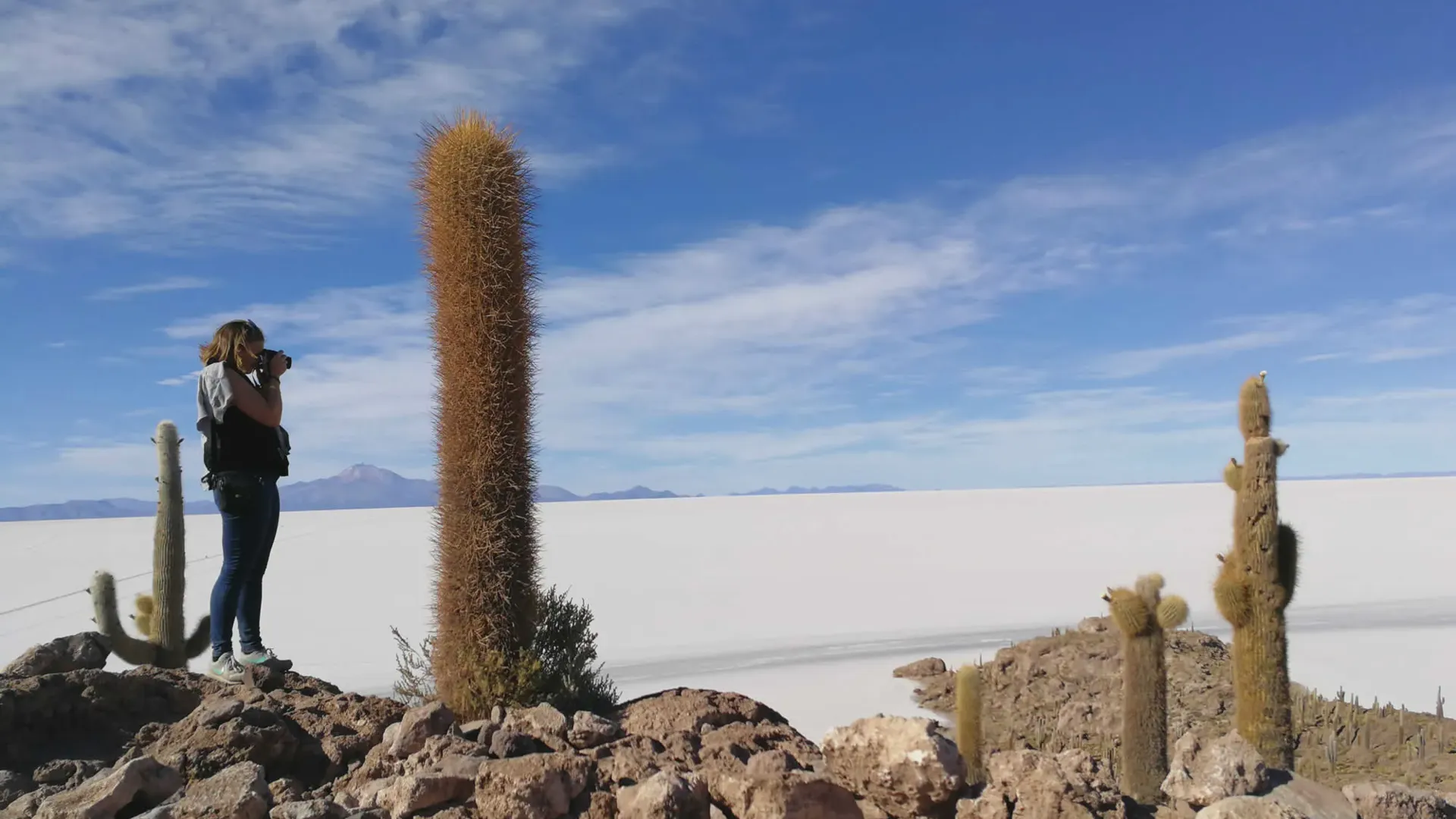
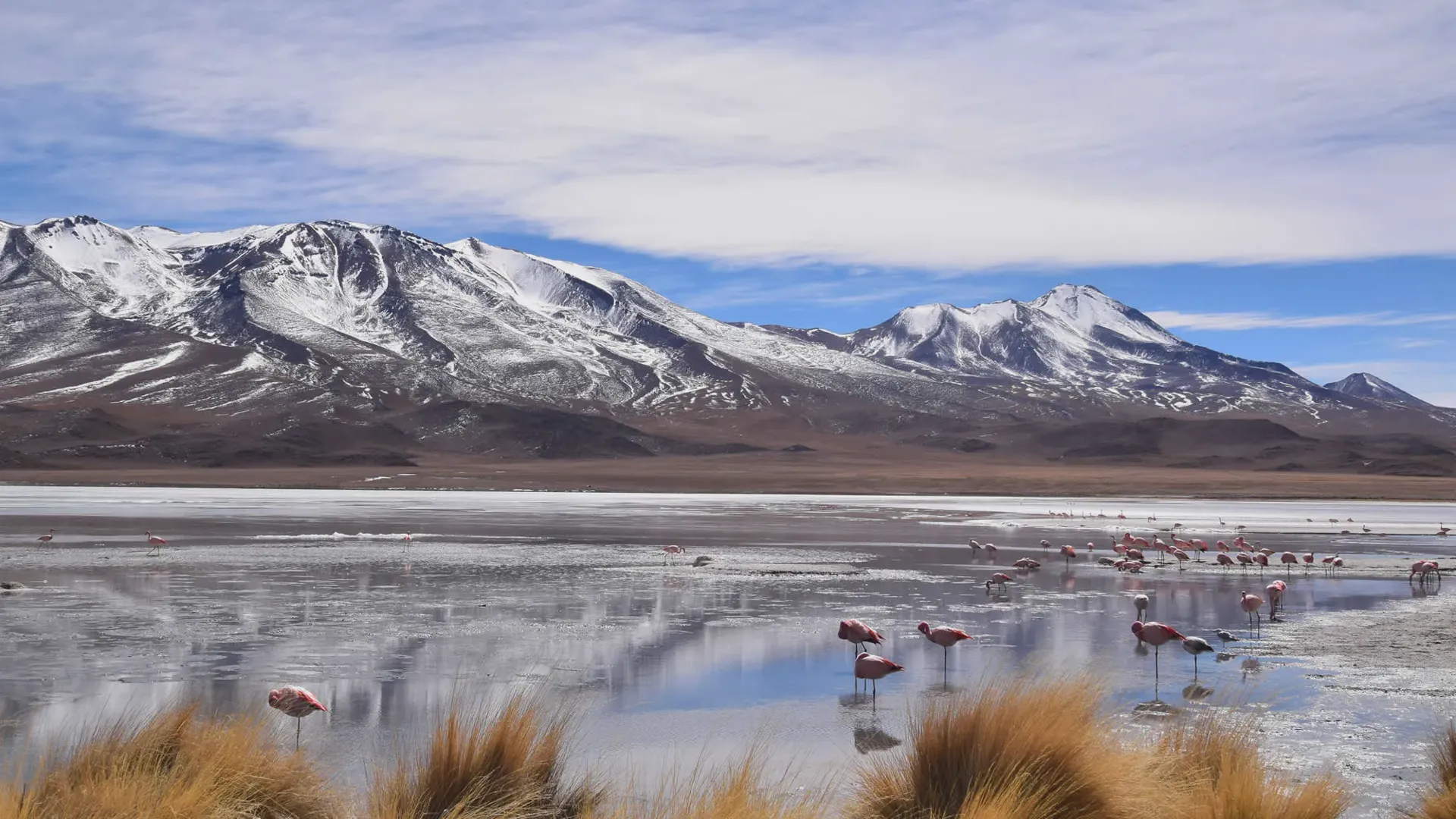
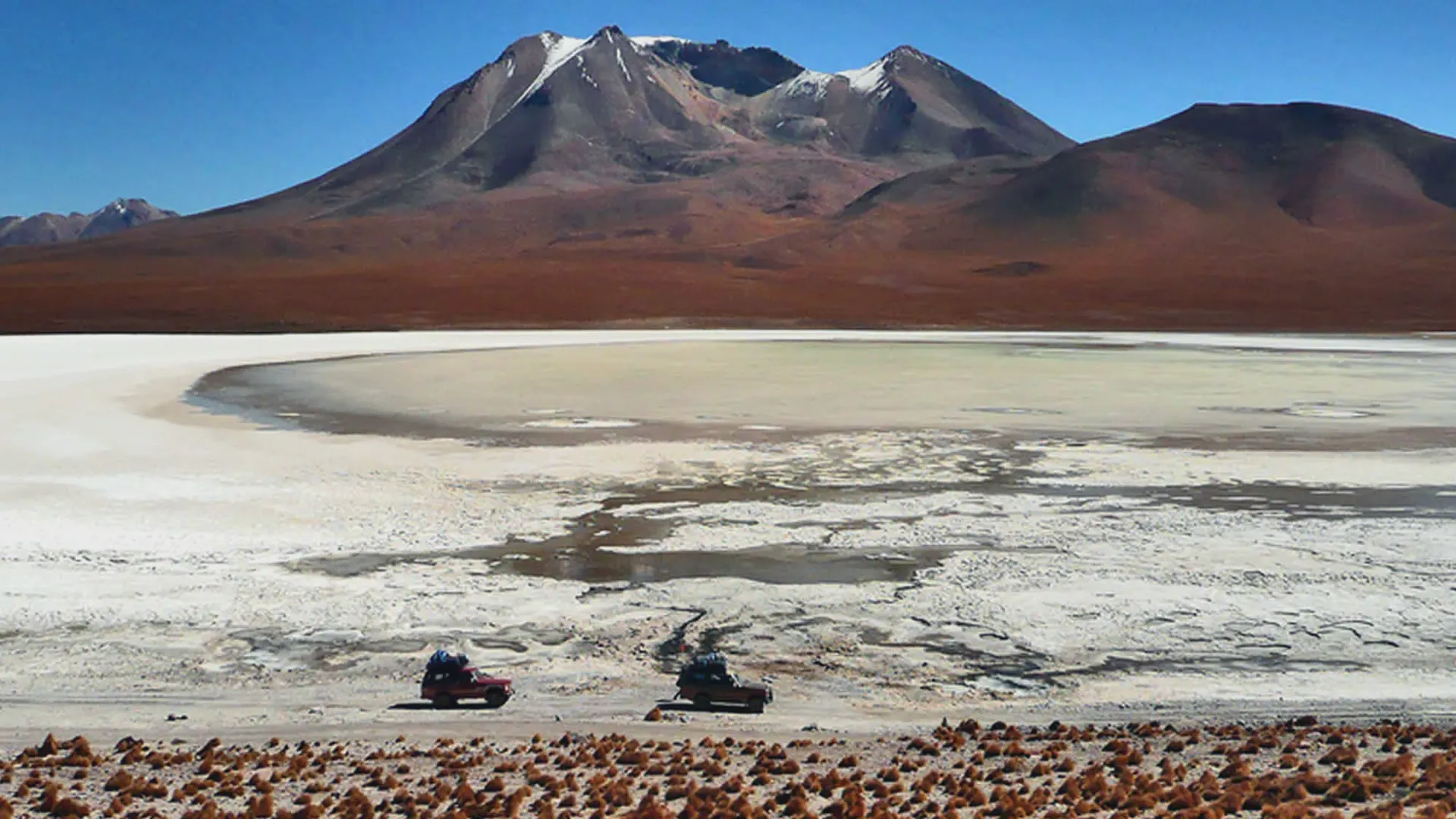
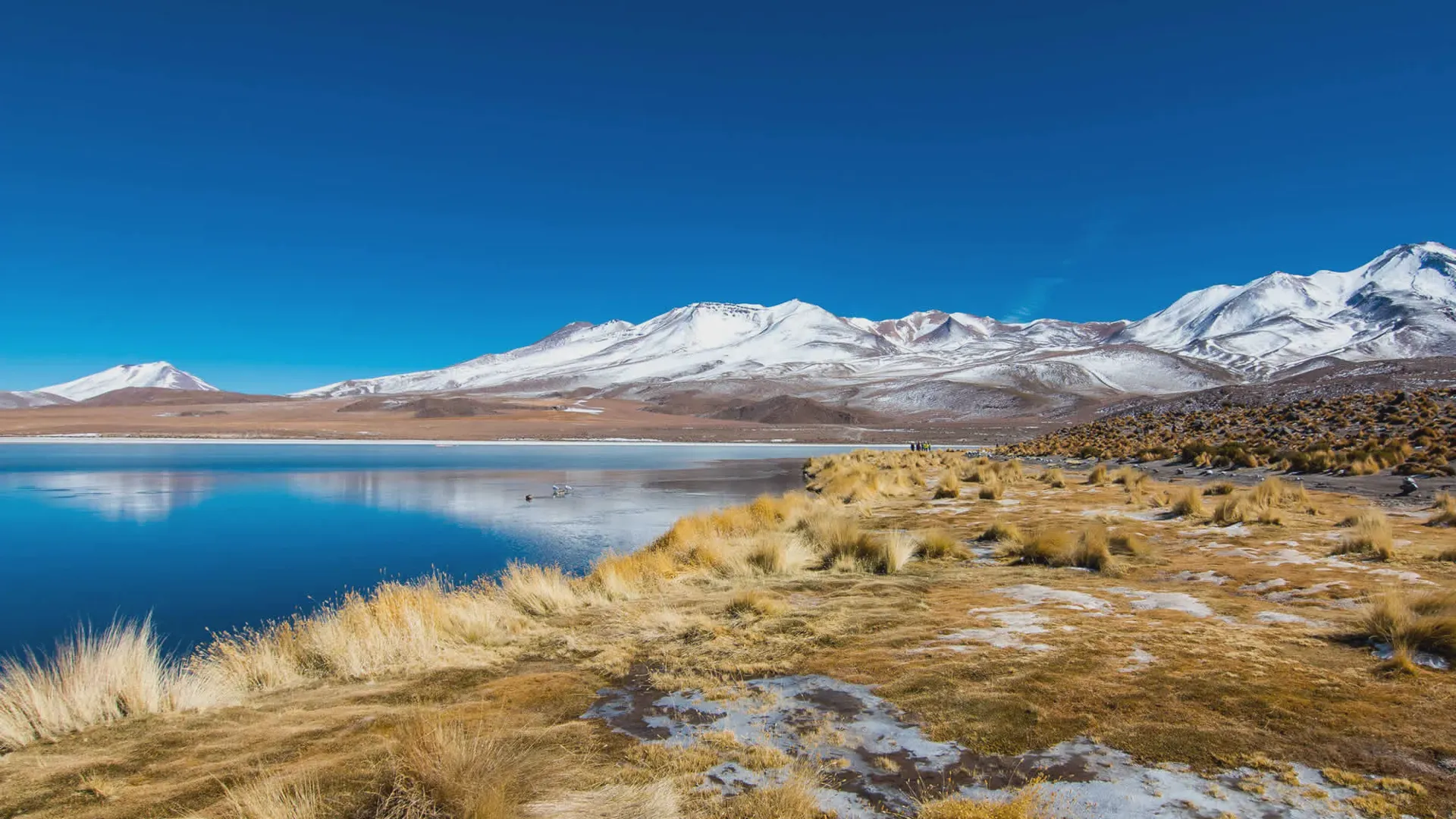
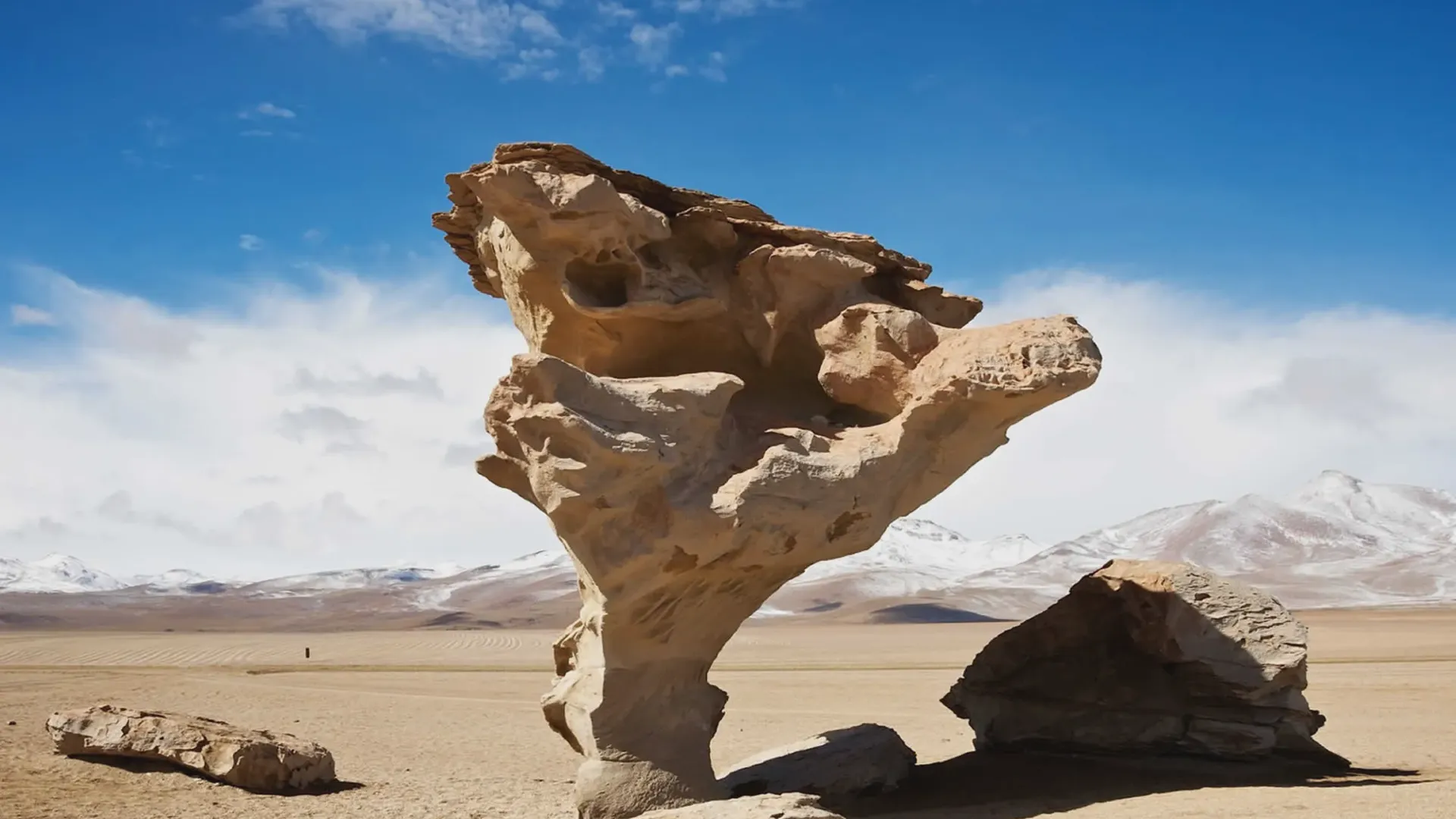
The Rock Tree (Árbol de Piedra) is a tree-like rock formation in the Siloli Desert desert that offers great photo opportunities!

Updated: August 6, 2026
On this page


At a glance


The Rock Tree (Árbol de Piedra) is a tree-like rock formation in the Siloli Desert desert that offers great photo opportunities!


Its shape, particularly the thin stem, are due to strong winds carrying sand and eroding the soft sandstone.


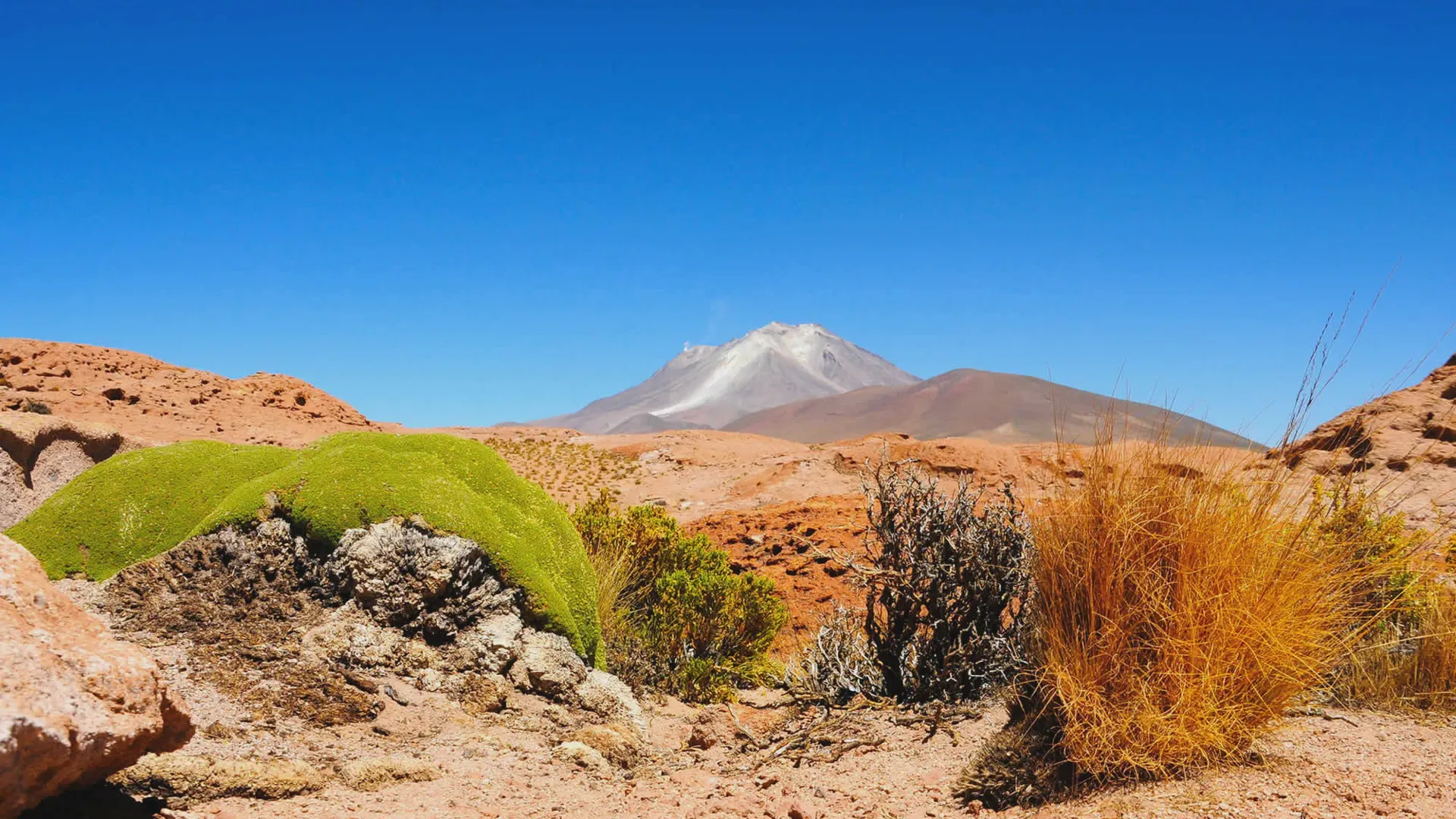
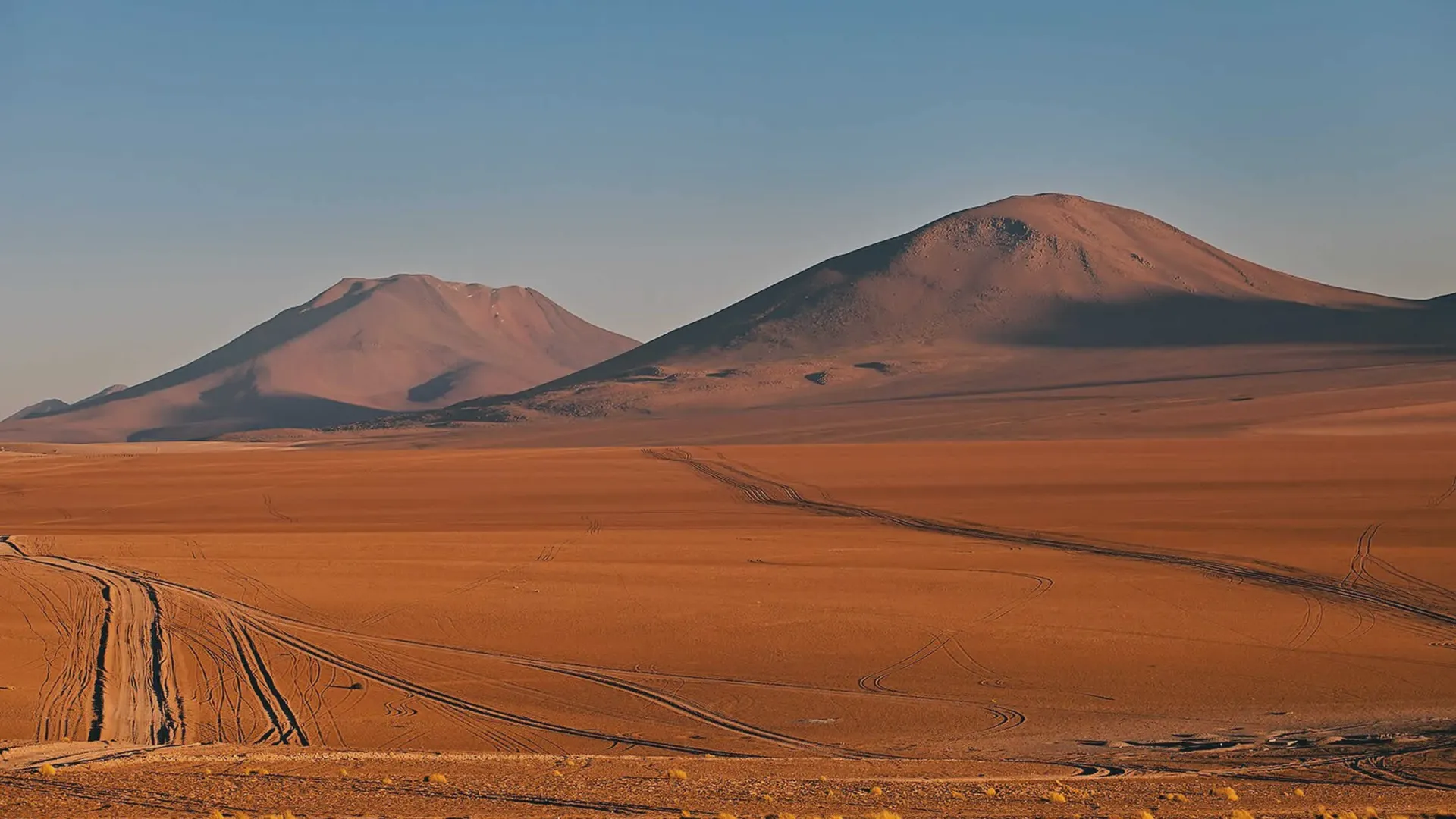
In the south-west of Bolivia, at an altitude of 4000 meters above sea level, the barren beauty of the desert extends as far as you can see. In this high plateau, icy cold strong winds and special climatic peculiarities prevail, creating unique wonders of nature that seem to be from another planet. One of these is the Árbol de Piedra, a stone tree in the desert. For centuries, the winds formed through erosion special rock formations that dot the landscape. Discover the Árbol de Piedra on a trip to the Bolivian desert and get to know an extraordinary landscape that does not seem to be from this world.


The origin of the bizarre Árbol de Piedra


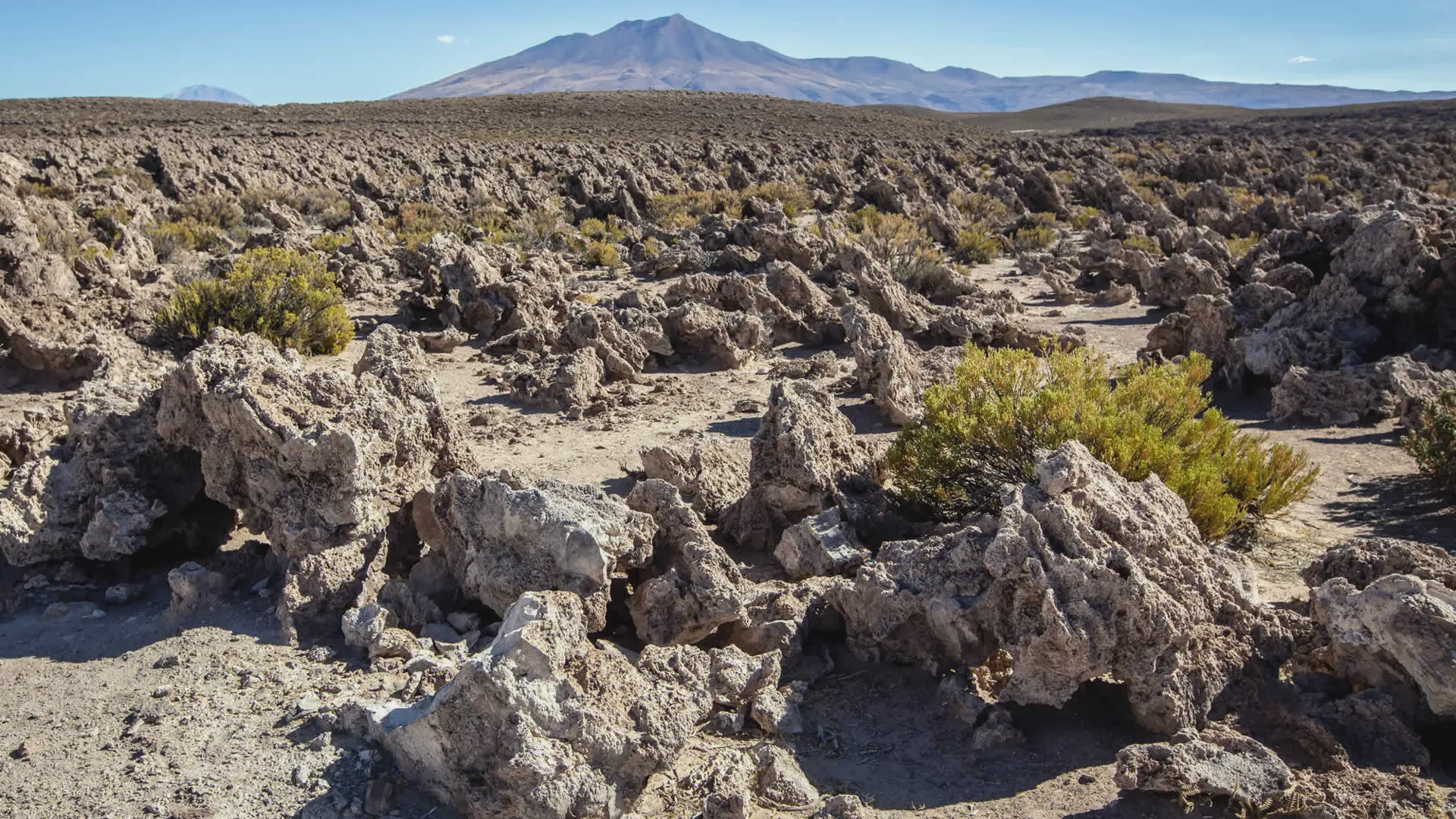
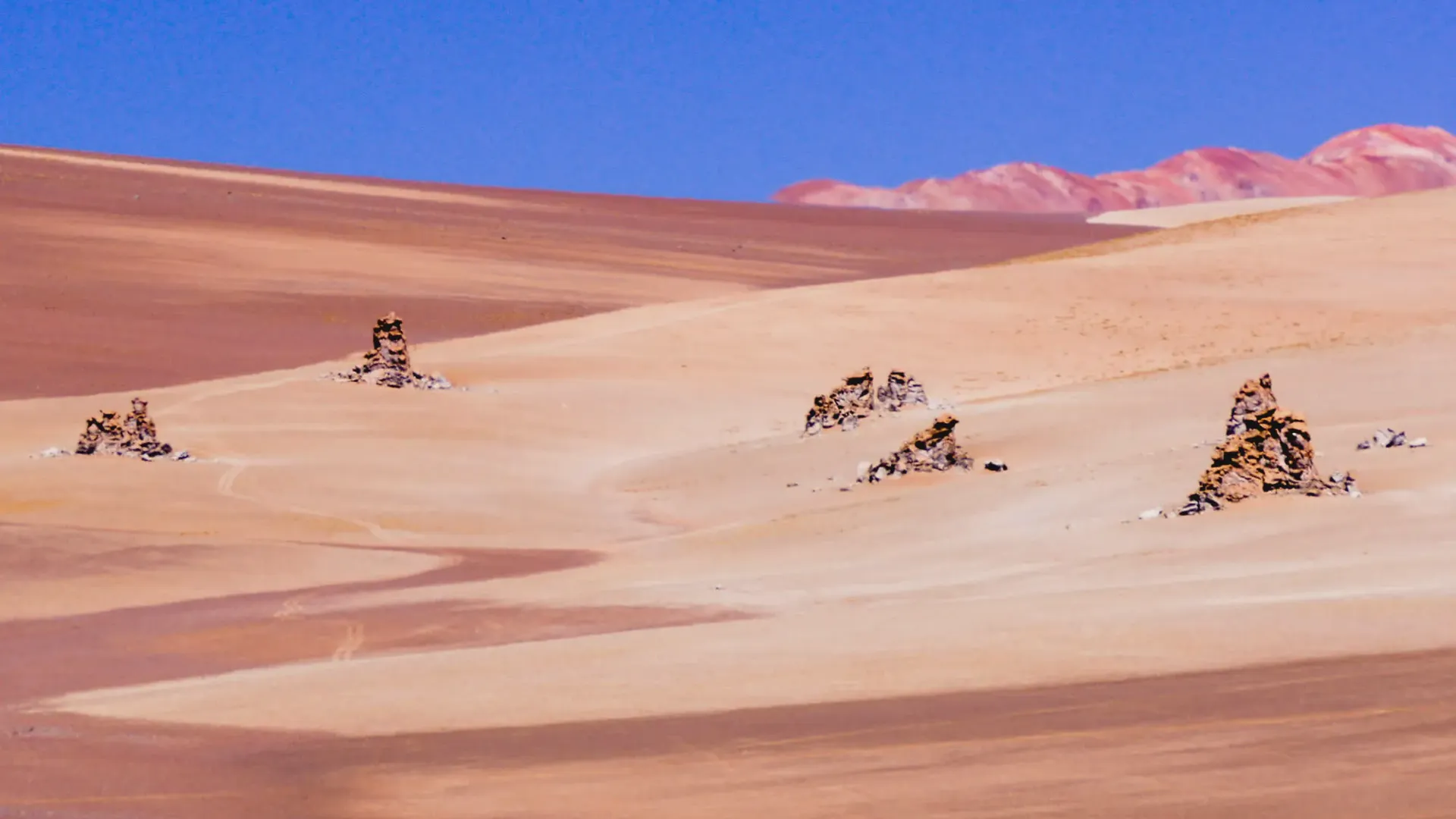
In the Siloli desert in Bolivia, volcanic activity reigned long ago. Volcanic rock, now visible everywhere, was formed and polished over the course of many years by the never-ending winds. As a result of the continuous erosion, various bizarre formations such as the Stone Tree, called Árbol de Piedra in Spanish, were created in the desert. The Árbol de Piedra is about 7 meters high and seems to have the whole structure of a petrified tree. Near the Árbol de Piedra are many other unusual rock formations formed by the erosion.


A trip to Árbol de Piedra


The fascinating Árbol de Piedra is one of the unforgettable highlights in the Bolivian desert due to its size and truly exceptional shape. At 4575 meters above sea level, you can see the interesting rock formations, including Árbol de Piedra, from a distance. The Stone Tree is certainly the most interesting formation, but the other and often smaller stones around the Arbol de Piedra are also worth seeing. Other highlights of the trip to the Árbol de Piedra are the views of the 5700-meter volcano Apagado, whose name means "the extinct volcano". The Árbol de Piedra is located about 200 kilometers from the Uyuni salt flat and 100 kilometers from Calama in Chile. Just like the Laguna Colorada and the Laguna Verde, the Árbol de Piedra is part of the Eduardo Avaroa National Park, which covers a total area of 7000 square kilometers.

Tours Including This Destination

View All Tours →
San Pedro de Atacama to Uyuni Shared Tour
3 Days
Potosi
Featured
Potosi

San Pedro de Atacama to Uyuni Shared Tour

An attractive budget option for visiting the best attractions of the Uyuni area and the Eduardo Avaroa Reserve starting from San Pedro de Atacama.

San Pedro de Atacama - Eduardo Avaroa National Park - San Pedro de Atacama Day Tour
1 Day
Potosi
Featured
San Pedro de Atacama

San Pedro de Atacama - Eduardo Avaroa National Park - San Pedro de Atacama Day Tour

Visit the beautiful Eduardo Avaroa National park on a single day tour starting from San Pedro de Atacama. See colorful lagoons, surreal deserts, boiling geysers and volcanoes!

Frequently Asked Questions

How many days do you need in Uyuni?

The honest answer is 3 days for most travellers. One day gives you the salt flat — the hexagons, Isla Incahuasi, and a sunset. Three days gives you the entire region: the salt flat on Day 1, then the Eduardo Avaroa National Reserve on Days 2 and 3 — Laguna Colorada, Sol de Mañana geysers, flamingos, and the chain of coloured lagoons that most people describe as the highlight of their Bolivia trip. If you genuinely only have one day, go — but know what you're choosing to skip.

What is the best month to visit Uyuni?

October is the best single month for most travellers. It is dry, warm enough at night to be comfortable, uncrowded compared to the June–August peak, and the daytime light is excellent for photography. If seeing the mirror effect is your priority, February offers the highest probability — but with more rain, crowds, and potential access restrictions.

Can you see the mirror effect in April?

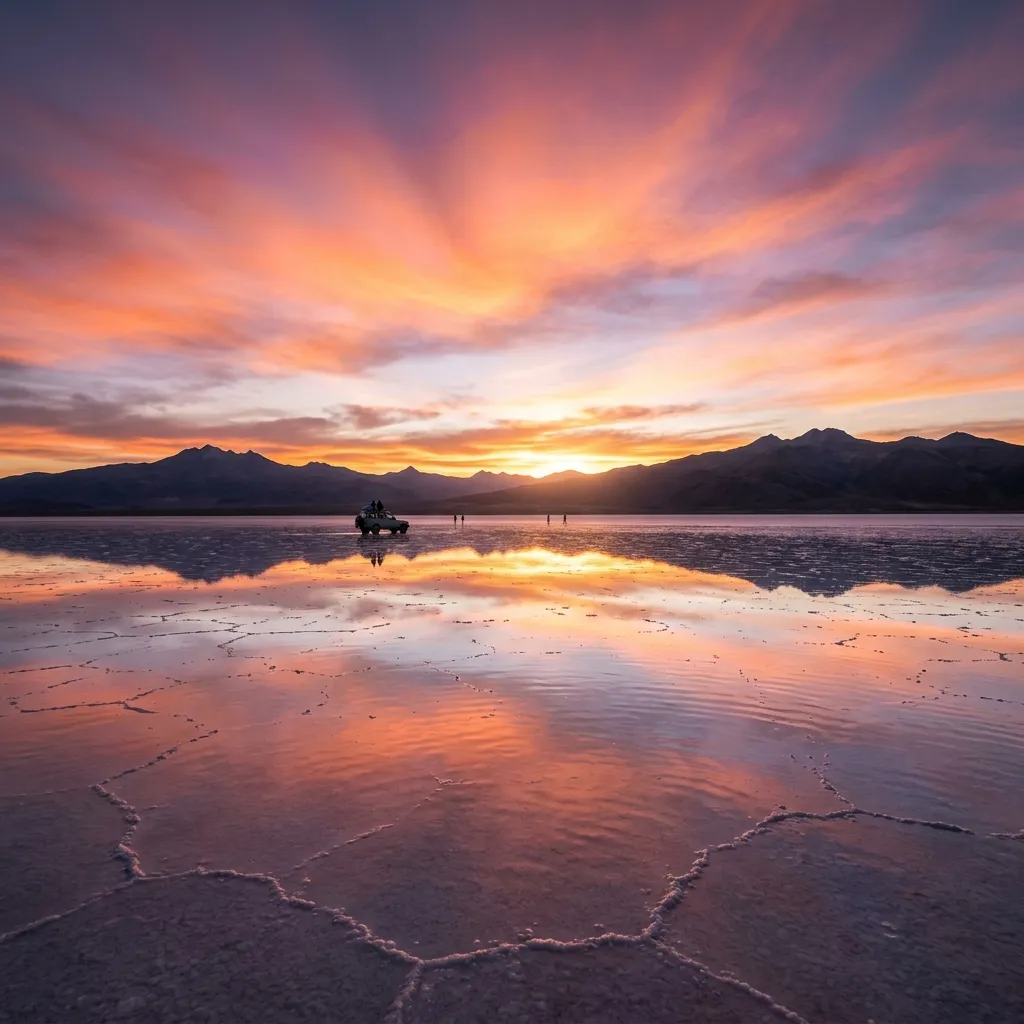
Sometimes, yes. April is a transition month. In years with heavy rainfall, mirror conditions persist into early April. In drier years, the surface begins drying in late March. A knowledgeable local guide will know where remaining water pockets are. Late April is often recommended by Uyuni-based operators as a sweet-spot month — possible mirror, warmer nights, fewer tourists, and lower prices.

How cold does it get in Uyuni area?

During dry season nights in June, July, and August, temperatures regularly fall below -10°C and can reach -15°C on the open salt flat. Daytime is warmer — typically 13°C to 17°C in winter. From October through April, nights are significantly more manageable, rarely dropping below -5°C.

Is Uyuni worth visiting in July?

Yes, but go prepared. July is peak tourist season — book everything well in advance. The cold is serious and should not be underestimated. The trade-off is dry, clear skies and the best stargazing conditions of the year. If cold weather doesn't bother you and you've booked ahead, July is a spectacular month to visit

Where can I see flamingos in the Uyuni Salt Flat?

The flamingos are not on the Salar de Uyuni itself — they gather at Laguna Colorada in the Eduardo Avaroa National Reserve, approximately 4 hours south of Uyuni. Around 25,000 flamingos of three species (Chilean, Andean, and James) congregate there between November and March for breeding season. This reserve is visited on the standard 3-day Uyuni southwest circuit tour.
Can tours run year-round at the Uyuni Salt Flat and the Uyuni area?

Yes, with some limitations. Dry season tours operate across the full flat with no restrictions. Wet season tours adapt routes to water levels — some areas like Isla Incahuasi may be temporarily inaccessible after heavy rain. The Eduardo Avaroa Reserve southwest circuit occasionally closes during peak rainfall. Reputable operators monitor conditions daily and adapt accordingly.

Can you visit Incahuasi Island during the rainy season?

Generally no. When the salt crust dissolves into soft, muddy brine, heavy 4x4s risk sinking. Island access is typically restricted by park authorities between mid-January and late March.

Nearby Places & Attractions

Salar de Chiguana
Attraction

Salar de Chiguana

The Salar de Chiguana, not far from the border with Chile has a salt base, covered with brownish dust.

Salvador Dalí desert
Attraction

Salvador Dalí desert

Salvador Dalí Desert (Desierto Salvador Dalí), also known as Dalí Valley (Valle de Dalí), is an extremely barren valley of southwestern Bolivia, in the Potosí Department.

Red Lagoon
Attraction

Red Lagoon

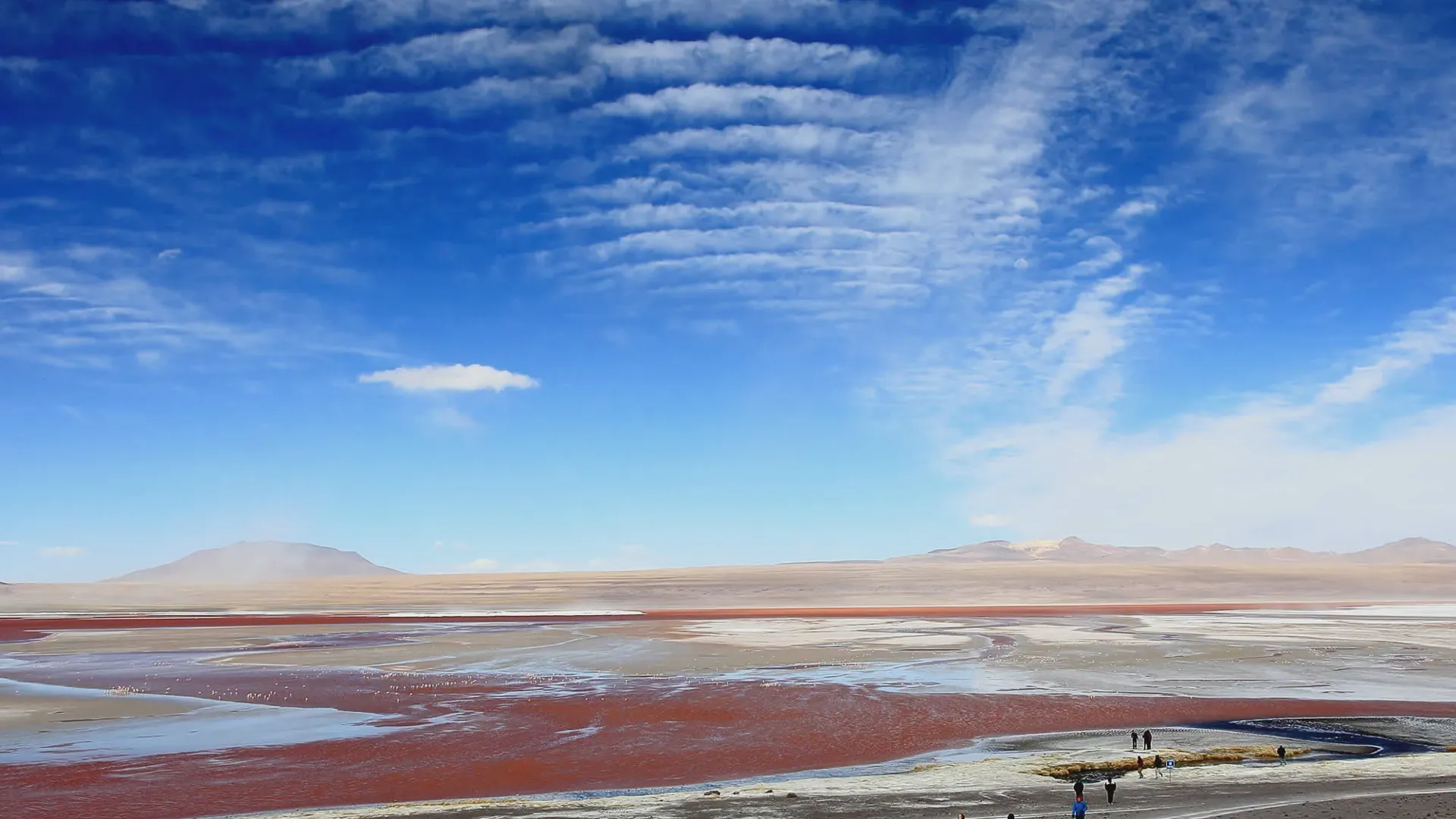
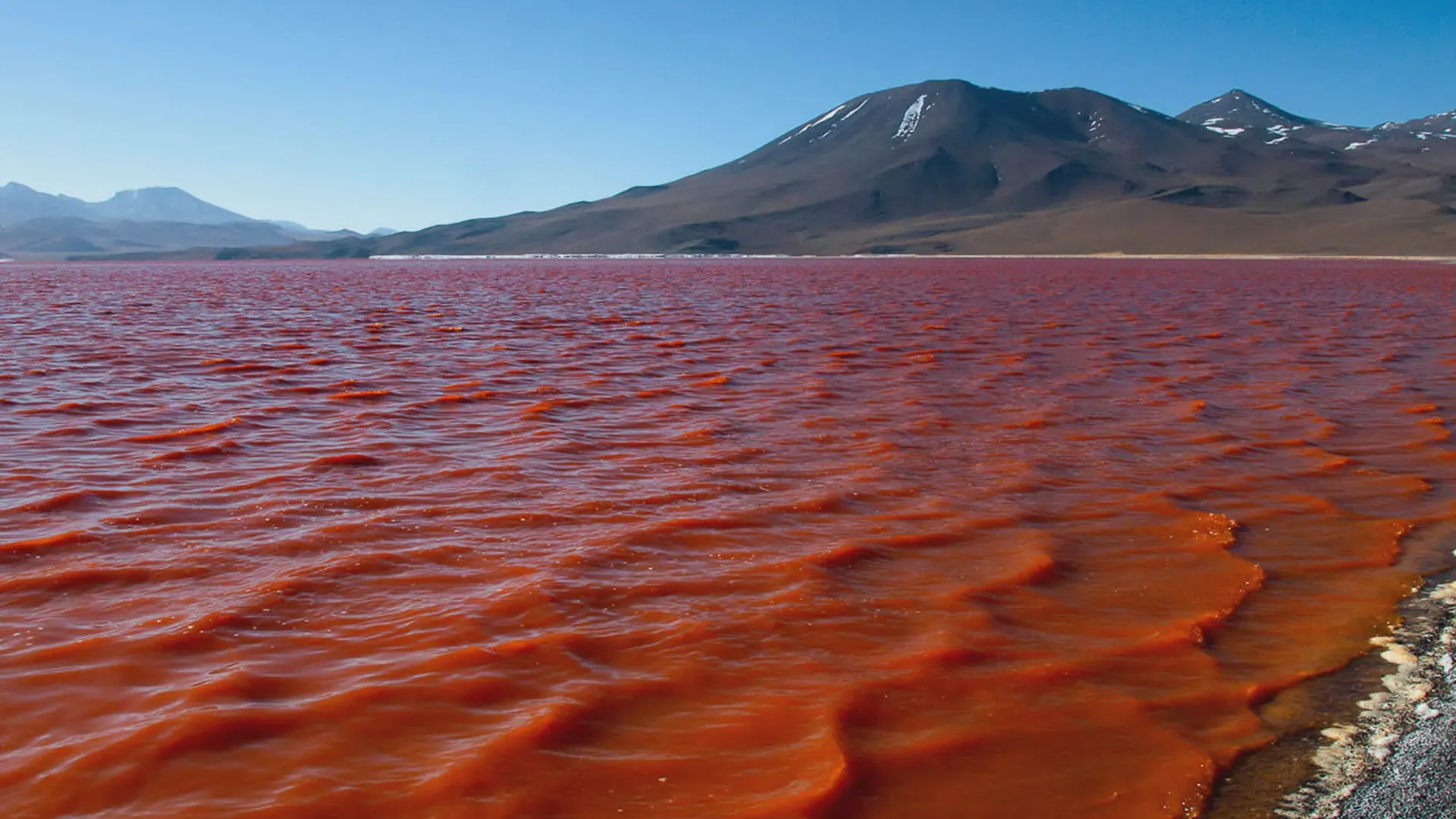
The Red lagoon (Laguna Colorada) is a shallow lake within the Eduardo Avaroa Andean Fauna National Reserve and close to the border with Chile. The lake is famous for its strong red colour caused by algae that provide food for large flocks of pink flamingos.

Green Lagoon
Attraction

Green Lagoon

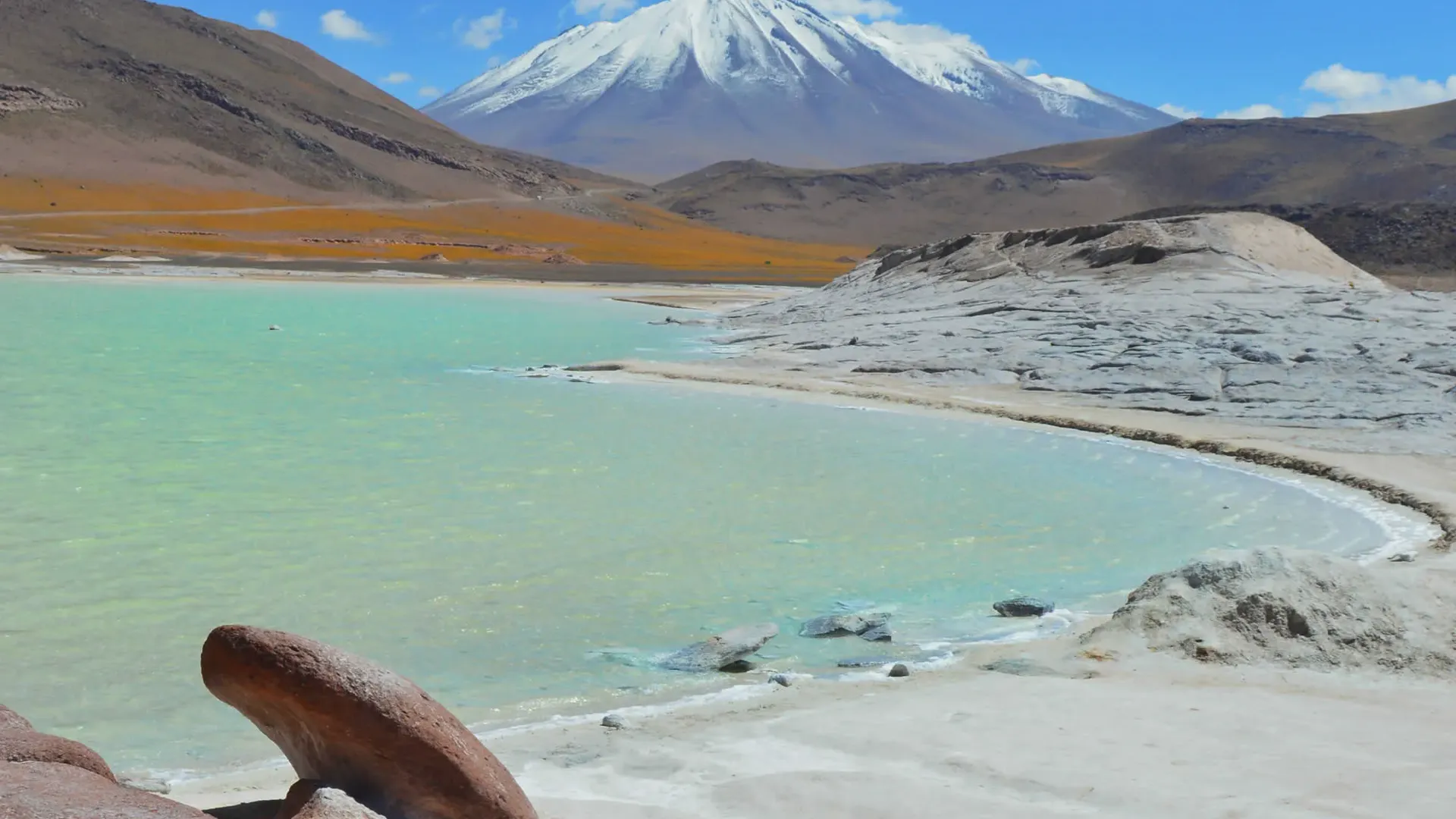
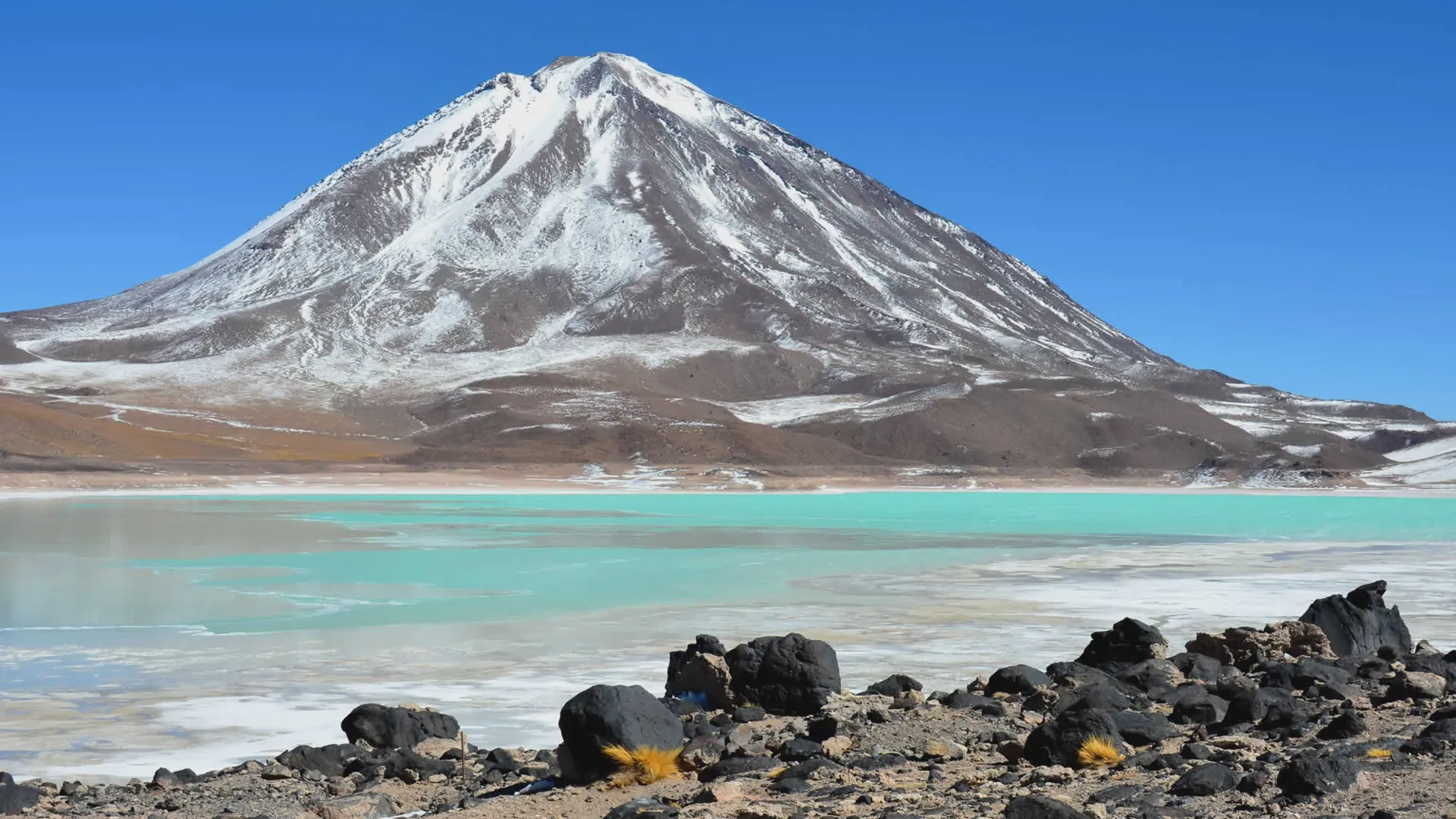
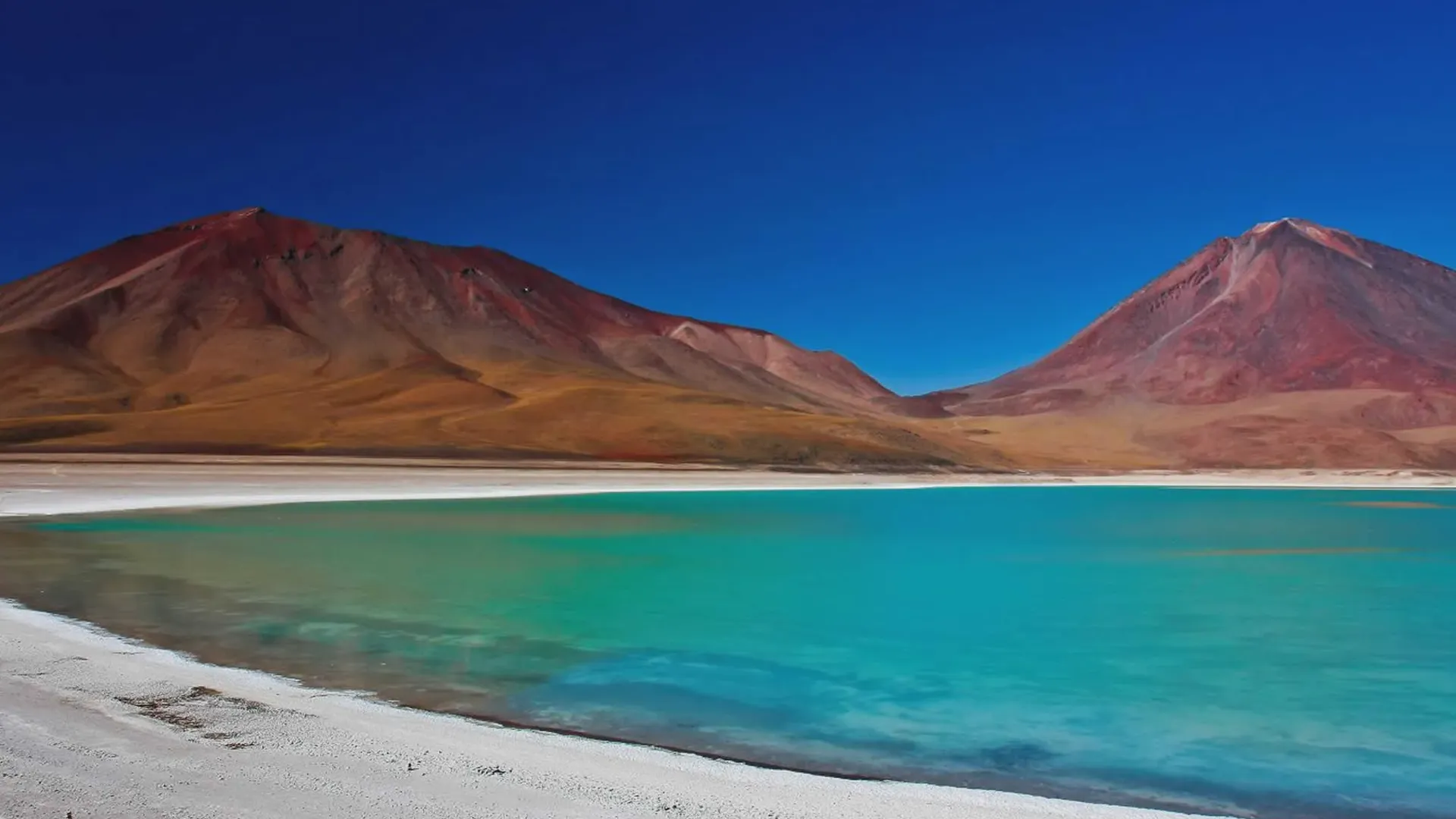
Green lagoon (Laguna Verde) is a high-altitude mineral lake in the Eduardo Avaroa Reserve, known for its beautiful green color. It sits at the foot of 2 volcanoes, Licancabur and Juriques, which straddle the border with Chile and are reflected in the water when the weather is calm.
Andean Fauna
Attraction

Andean Fauna

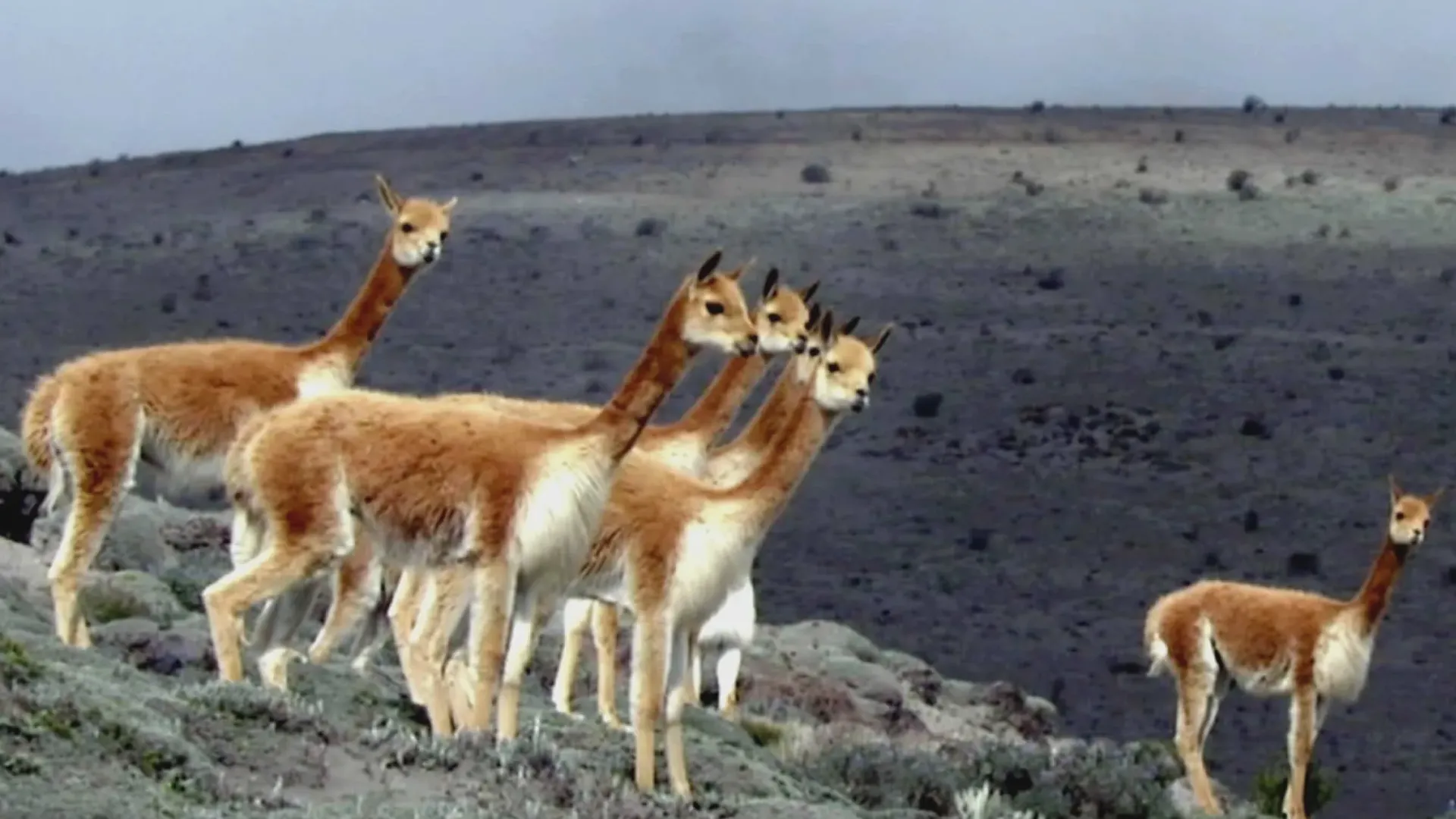
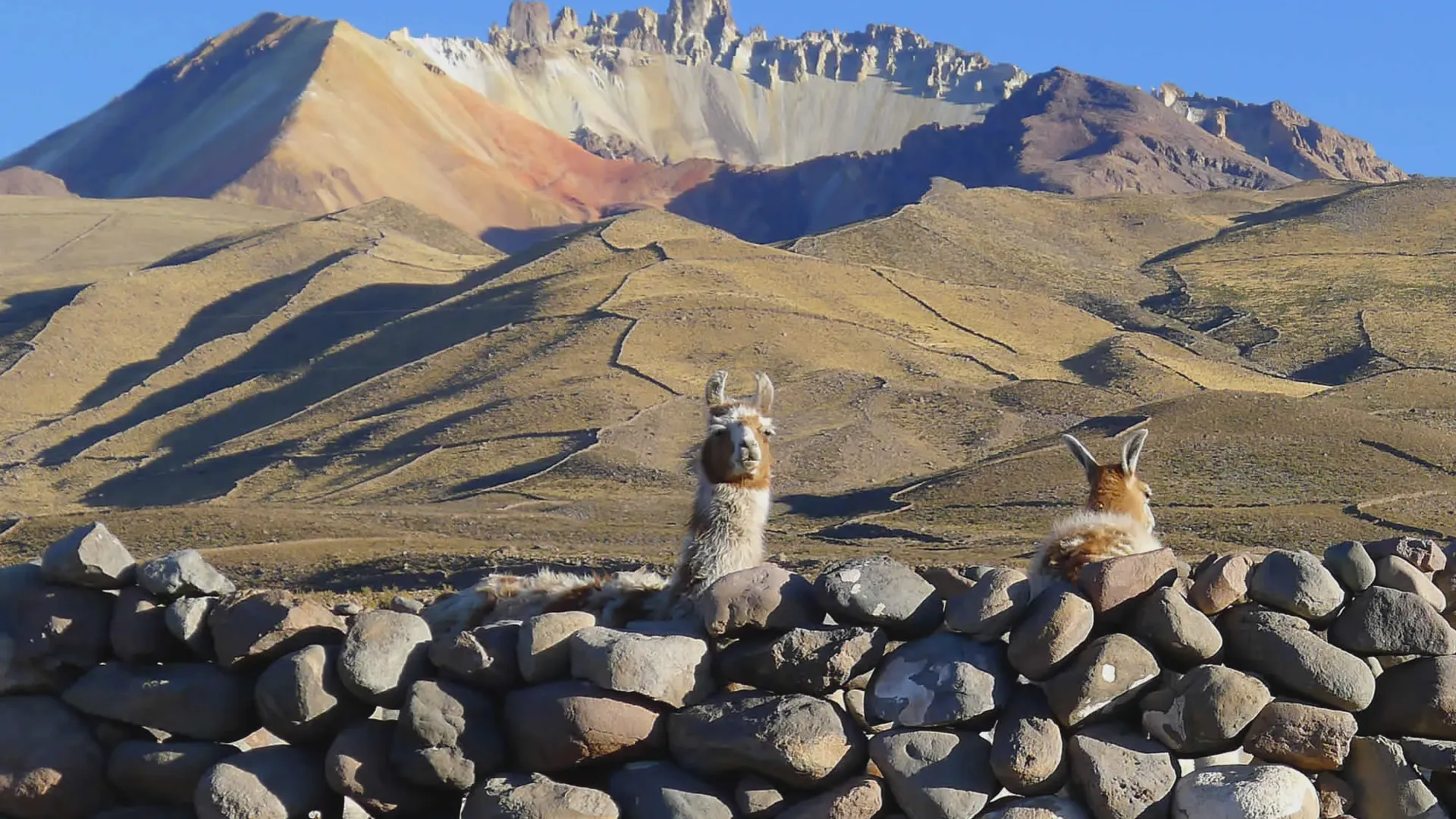
The Andean fauna populating the surroundings of the Uyuni Salt Flat and the amazing lagoons is diverse and rich. During the most popular tours to the Eduardo Avaroa National Reserve it is possible to observe these species in their natural habitat and be amazed by nature.

Honda Lagoon
Attraction

Honda Lagoon

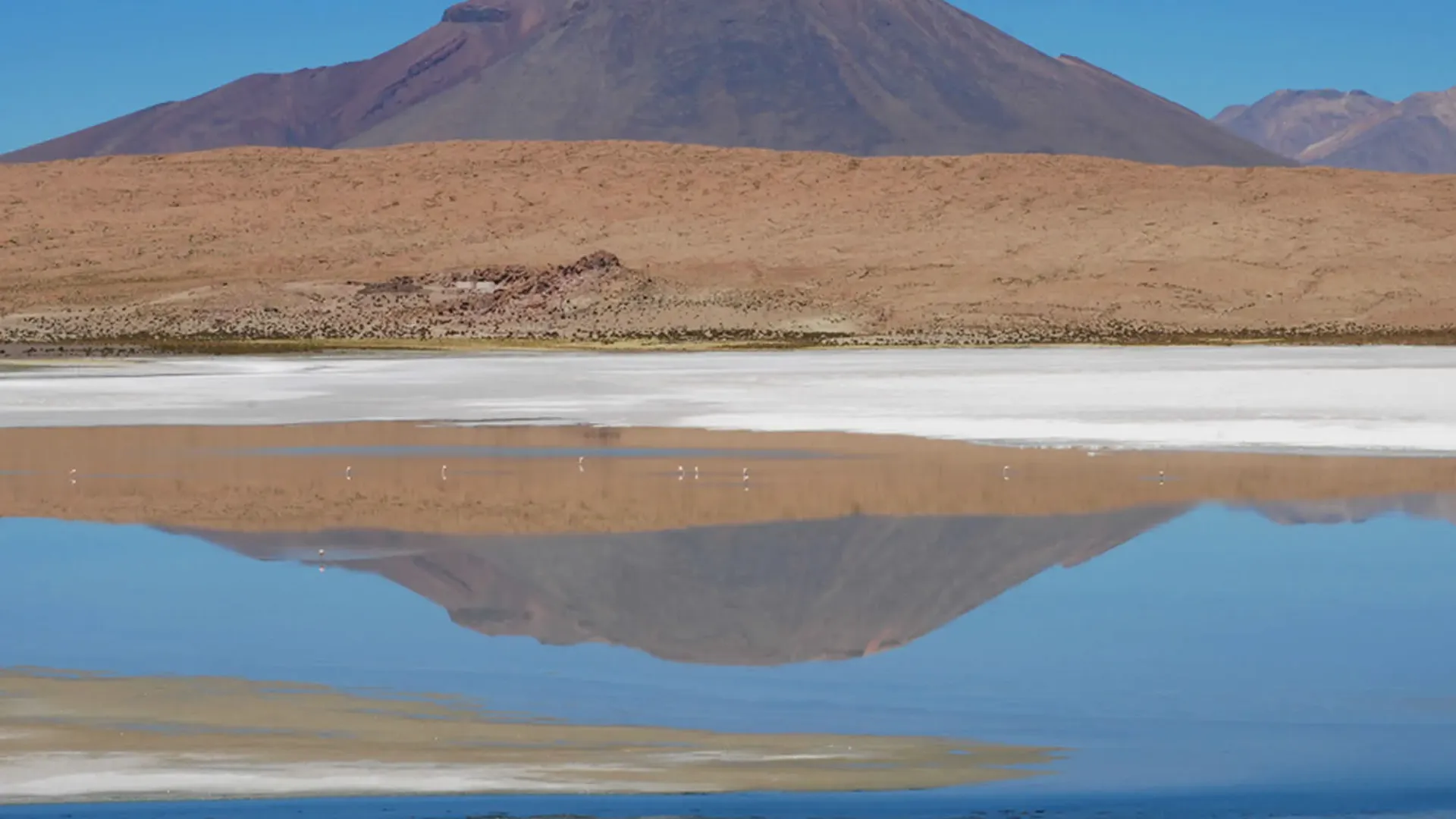
The Honda Lagoon is located inside Eduardo Avaroa Natural Reserve

Ready to visit Rock Tree?

We can help you organize the perfect trip to this incredible destination.