From the Bolivia Travel Site Logistics Desk
Operating private 4x4 expeditions and custom overland transfers across Southwest Bolivia since 2010.
Real-World Advisory: Many packing lists recommend heavy sleeping bags. If you are traveling on our private tours, all hotels and upgraded lodges provide heavy Andean duvets and blankets. A lightweight thermal sleeping bag liner is all you need for added peace of mind. We inspect driver emergency gear, first-aid kits, and vehicle heating before every departure.
Last updated: September 2026
Why Uyuni Packing Is Different
So, why is packing for Uyuni so different from other trips? It comes down to three things that catch almost everyone by surprise:
- It gets genuinely, dangerously cold: Uyuni town is at 3,670m, but the 3-day circuit has you sleeping at over 4,200m. In winter, you can expect -15°C nights, and some refugios are unheated. We've seen travelers cry from the cold, and it's completely avoidable.
- The sun is relentless: At this altitude, the UV is scorching. The white salt surface reflects a huge portion back at you—under your chin, inside your nose, on your ears. You will burn in places you never have before.
- Salt destroys things: That beautiful white surface is brine. It will eat leather, corrode metal, and ruin camera gear. A quick rinse with fresh water at the end of each day is the best habit you can form.
You are completely self-sufficient once you leave town. There are no shops, no pharmacies, no equipment rental points once you drive south into the reserve. Whatever you forget in Uyuni, you do without for 3 days.
CLOTHING — The Layering System
Think of your clothes as a flexible shell, not a single suit of armor. A good layering system lets you adapt to the dramatic temperature swings of the Altiplano—from freezing pre-dawn starts to warm midday sunshine. It's simple: you add and remove layers as needed to stay comfortable, not overheated or frozen.
Layer 1 — Base layer (worn directly against skin)
Thermal underwear top and bottom. Merino wool is the best material — it insulates when wet, doesn't hold odour after multiple days of wear, and regulates temperature in both cold and warm conditions. Synthetic thermal (polyester) works well and dries faster. Cotton does not work — it holds moisture and makes you colder.
Bring 2 sets minimum for a 3-day tour. You won't shower between nights 1 and 2 on the circuit.
Layer 2 — Mid layer (insulation)
A fleece or light down jacket. This is your primary warmth layer. It should be warm enough to wear alone in mild cold (around 5°C) and thin enough to fit under your outer shell.
Layer 3 — Outer shell (wind and water protection)
A windproof jacket is essential — not just for rain but for the altiplano wind, which drops the effective temperature well below what the thermometer shows. Waterproof is a bonus, particularly in wet season (December–April). Even in dry season, unexpected afternoon rain is possible.
Layer 4 — Insulating outer layer for nights and early mornings
Your warmest jacket. This goes on at sunset and comes off when the vehicle warms up mid-morning. Down is ideal for dry-season cold. For wet season, a synthetic fill jacket is better because down loses insulation when wet.
What else to bring for clothing
Trousers: 1 pair of warm hiking trousers (not jeans — jeans take forever to dry and offer no insulation when wet). 1 pair of lighter trousers or leggings for warmer days.
Socks: Bring more than you think you need. Merino wool hiking socks — at least 3 pairs for a 3-day tour. Your feet will get wet crossing the flat in wet season. Cold wet feet at 4,200 m at night are genuinely miserable.
Gloves: Two pairs. A thin inner glove for camera work (you need dexterity) and a warm outer mitt or glove for pre-dawn and evenings. At Sol de Mañana at 4:30 AM, bare hands on a camera body are extremely cold.
Hat: A warm beanie that covers your ears. Non-negotiable for early mornings and nights. A sun hat or cap for daytime UV protection — a wide brim is better than a baseball cap because it protects your ears and the back of your neck.
Buff or neck gaiter: One of the most versatile items on this list. Works as a neck warmer, pulled-up face covering against wind, or dust protection.
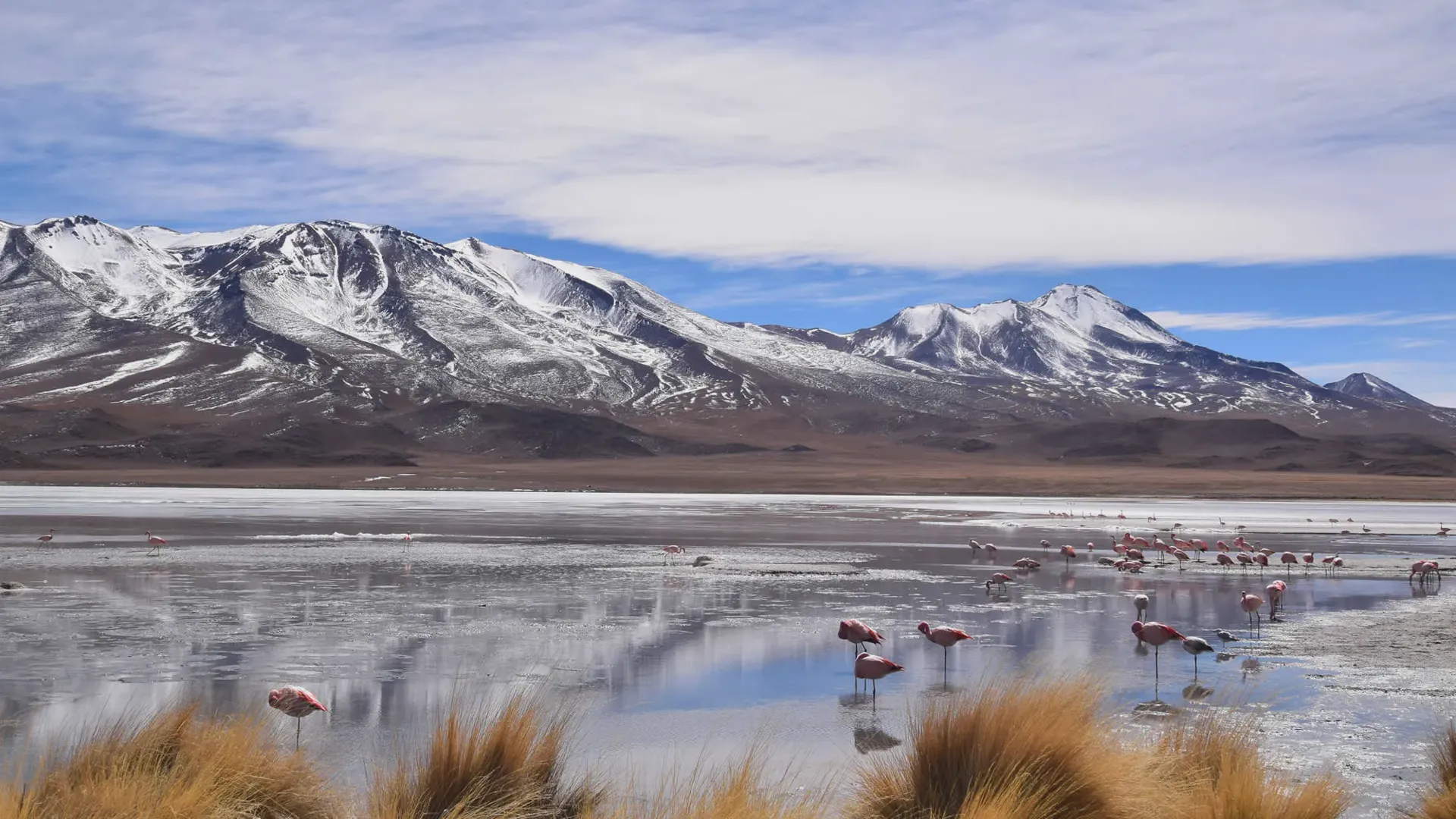
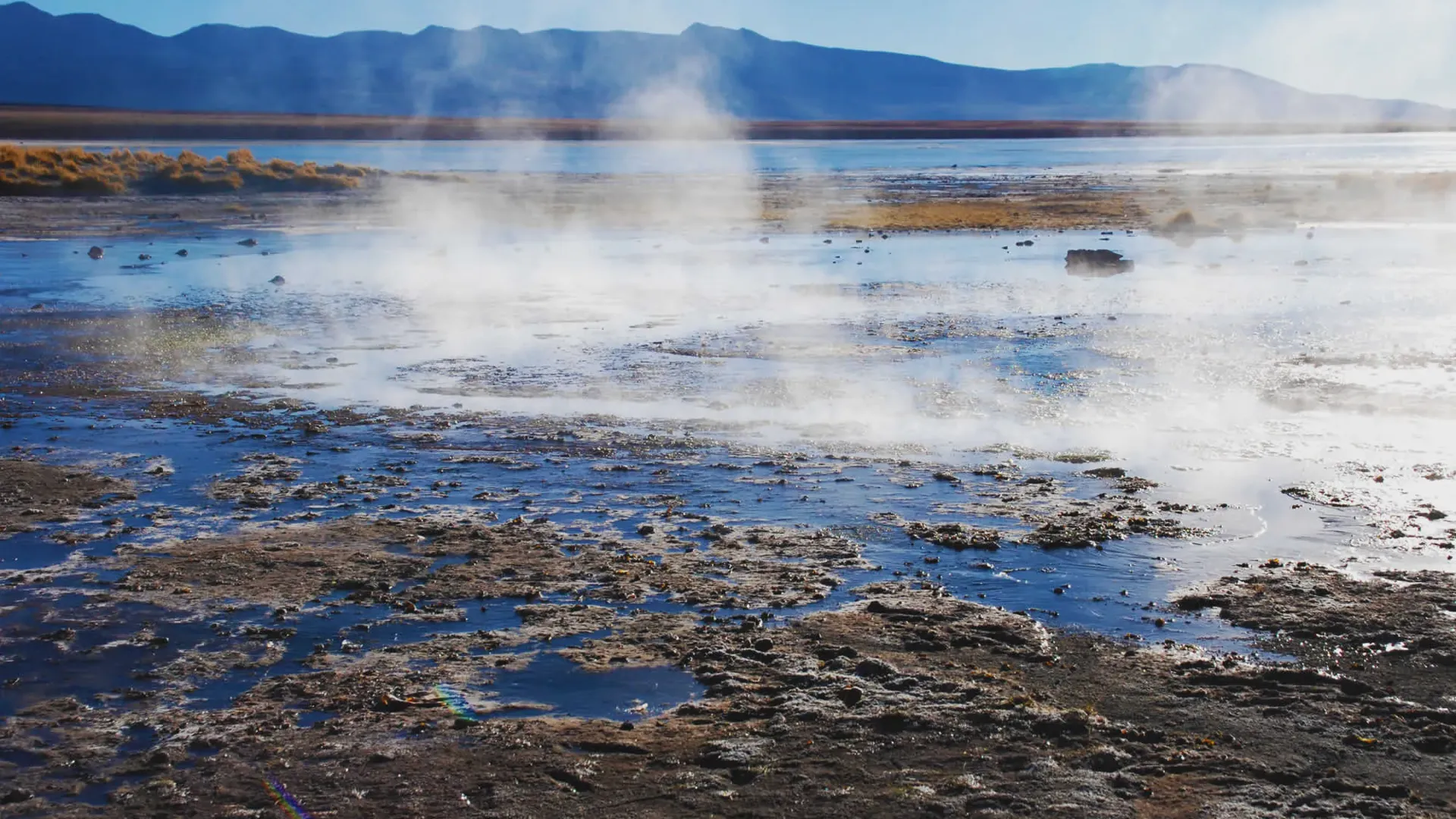
Swimwear + small towel: The Polques hot springs on Day 3 of the 3-day circuit are one of the most memorable stops on the entire tour. You get into 28–30°C thermal water at 4,400 m with views of a flamingo lagoon. Forgetting your swimsuit here is a genuine regret.
Hiking boots or shoes: Waterproof trail shoes or light hiking boots are ideal. In wet season, water will get into regular trainers within the first hour on the flat. In dry season, comfortable trail shoes are fine.
SUN PROTECTION — Non-Negotiable at This Altitude
Sunscreen
SPF 50 minimum. Apply it before you get out of the vehicle, not after. The UV exposure at 3,656 m is approximately 40% higher than at sea level. The reflective salt surface amplifies this. Apply to your face, neck, ears, the back of your hands, and — critically — under your chin and the underside of your nose. These are the surfaces the salt flat reflects sun onto that you don't think to protect.
Reapply every 2 hours. Bring more than you think you need — a 200ml bottle for a 3-day tour per person is not excessive.
Sunglasses
UV400 or polarised lenses. The salt flat is one of the most intense glare environments on Earth — more so than the beach, more so than snow. Looking across the flat without eye protection for a full day will cause eye fatigue and temporary vision problems. Polarised lenses cut the reflective glare from below as well as from above.
Lip balm with SPF
The air at 3,656 m is extremely dry. Your lips will crack and burn faster than anywhere you've been before. Bring an SPF lip balm and apply it constantly. This sounds minor until you're on Day 2 with bleeding lips and no pharmacy for 200 km.
HEALTH & ALTITUDE ITEMS
Altitude medication
Altitude sickness can hit anyone. We've seen marathon runners struggle and 70-year-olds hike with ease. It's about how your body responds, not your fitness.
Talk to your doctor before travel about acetazolamide (Diamox) — the standard prescription medication for altitude sickness prevention. Many travelers take it starting 24 hours before ascending. It is available over the counter in pharmacies in Uyuni town and in most Bolivian cities.
Ibuprofen is useful for altitude headaches. Paracetamol works too, though slightly less effectively. Bring both.
Personal first aid
- Plasters and blister treatment — the salt flat terrain is uneven
- Rehydration sachets — altitude increases fluid loss through respiration
- Any personal prescription medication for the full duration of your trip, plus 2 extra days of supply
Altitude sickness — what to watch for
Mild symptoms (headache, fatigue, nausea) are common and usually pass with rest and hydration. Serious symptoms (persistent vomiting, difficulty breathing, confusion, loss of coordination) require immediate descent. Your guide will know what to do. Tell your guide if you feel unwell — do not try to push through serious symptoms.
TECHNOLOGY & PHOTOGRAPHY
Camera
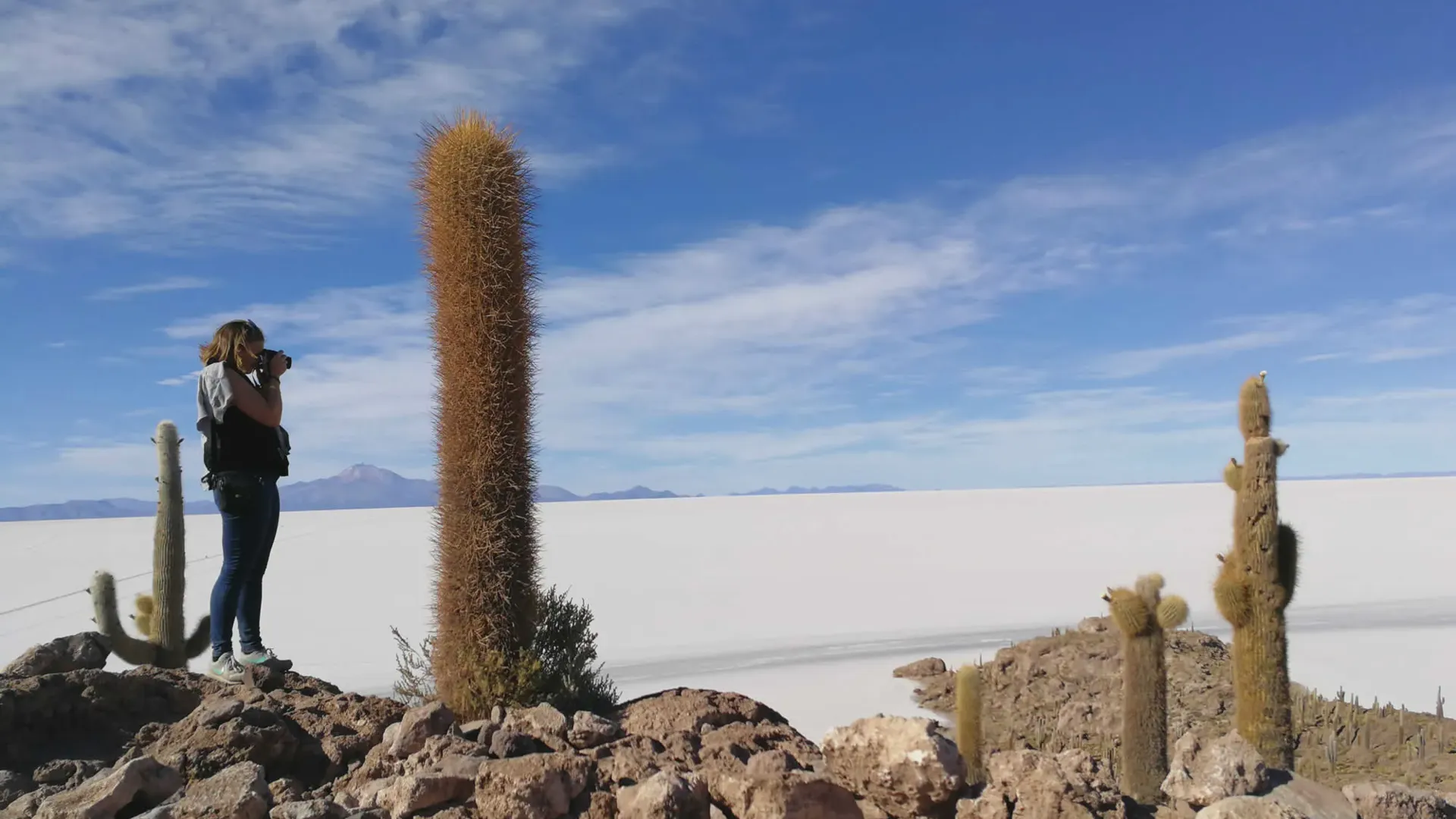
The Uyuni Salt Flat is arguably the best photography location in South America. Bring your best camera. Bring every lens you own. Shoot in RAW if you can. The wide white expanse with no horizon reference is what makes perspective photographs work — your guide will know the classic spots.
Extra batteries — critical
Cold temperatures drain camera batteries 3–4 times faster than normal. A battery that lasts all day in a warm city will last 2–3 hours in pre-dawn cold at 4,850 m. Bring at least 2 spare batteries per camera, charged before you leave Uyuni. Keep batteries in an inside pocket close to your body to keep them warm between shots.
Memory cards
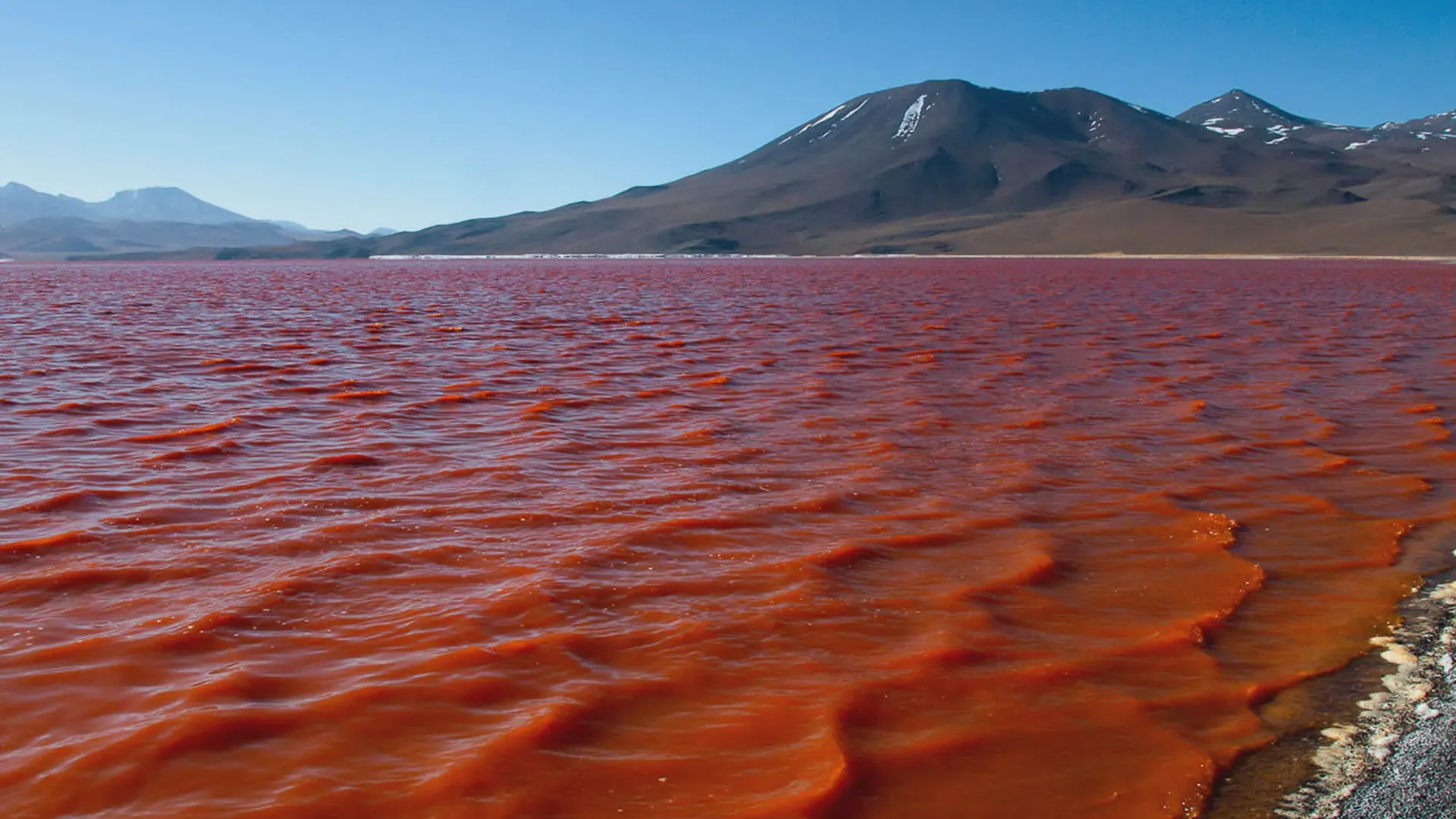
Bring more than you think you need. Most travelers take more photos at Uyuni than anywhere else on their entire trip. An extra 64GB or 128GB card costs almost nothing and prevents the worst possible moment: a full card at Laguna Colorada at golden hour.
Power bank (charged)
There is no electricity on the circuit between nights 1 and 2 — some basic hostels have a generator that runs for 2 hours in the evening. Charge your phone, camera batteries, and headlamp before you leave Uyuni. A power bank with at least 20,000 mAh will cover a full 3-day tour.
Headlamp or torch
Nights at the basic hostels on the circuit are dark. Very dark. A headlamp is essential for moving between rooms, finding the bathroom, and the 4:30 AM alarm on Day 3. Head torches are better than phone torches because they free your hands for carrying gear.
Offline maps and travel info
Download Google Maps offline for the Uyuni region before you leave. Save this article, your tour itinerary, and any accommodation confirmations to your phone before you lose signal. There is no mobile coverage once you leave Uyuni town.
FOOD, WATER & CASH
Water
Stay hydrated — altitude increases water loss through faster respiration even when you don't feel thirsty. 3-day tours include meals and usually provide water, but having your own 1-litre water bottle to refill is useful. Do not drink tap water at the basic hostels.
Snacks
Tour meals are included, but the gaps between them are long. Chocolate, nuts, dried fruit, and energy bars are ideal — high calorie, lightweight, and they don't freeze solid. Salty snacks are less useful given the environment.
Cash in Bolivianos (BOB) — no exceptions
There are no card terminals anywhere in the Eduardo Avaroa Reserve. Withdraw Bolivianos from the ATM in Uyuni town before you leave. The minimum you need:
- Eduardo Avaroa park entrance fee: BOB 150 per person
- Isla Incahuasi entrance fee: BOB 30 per person
- Polques hot springs (if not included): BOB 10–20
- Community restroom fees along the route: BOB 2–5 per stop
- Tips for your driver and guide: your discretion, but BOB 50–100 per person per day is appropriate for good service
Total minimum: approximately BOB 250–350 per person plus tips. Withdraw BOB 500 per person to be comfortable.
WHAT TO LEAVE BEHIND
Jeans — heavy, no insulation when wet, take days to dry. Leave them in your hotel in Uyuni town and collect them on the way back.
Heavy suitcases — shared tour vehicles have limited luggage space. One medium duffel or backpack plus a small daypack per person. Hard-shell suitcases are genuinely difficult to load into 4×4s.
Perfume or scented toiletries — not a necessity, and strong scents can affect flamingos and other wildlife in the reserve.
Anything irreplaceable — leave valuable jewelry, important documents, and anything you'd be devastated to lose or break at your hotel. The salt flat is hard on equipment.
Season-Specific Footwear Breakdown
- Dry Season (May to November):
- Trail shoes or hiking boots: The dry salt surface consists of hard, jagged mineral ridges that cut through flimsy canvas sneakers.
- Merino wool socks (3 pairs): Keeps toes warm in unheated accommodations where floor tiles drop below freezing.
- Wet Season (December to April):
- Tall waterproof rubber boots (Wellingtons): Walking through 5 to 15 cm of corrosive salt brine will destroy leather shoes and ruin stitching. Check with your tour operator if boots are provided, or buy a pair in Uyuni town.
- Quick-drying camp slides or sandals: Useful for indoor use at salt hotels or taking refuge breaks while keeping your primary shoes dry.
COMPLETE PACKING CHECKLIST
Clothing
- Thermal base layer top (x2)
- Thermal base layer bottoms (x2)
- Fleece or mid-layer jacket
- Windproof / waterproof outer shell
- Warmest insulating jacket (down or synthetic)
- Warm hiking trousers (x1–2)
- Merino wool hiking socks (x3 minimum)
- Thin inner gloves (x1 pair)
- Warm outer gloves or mittens (x1 pair)
- Warm beanie hat
- Sun hat or wide-brim cap
- Buff or neck gaiter
- Swimwear (for Polques hot springs)
- Small quick-dry towel
- Hiking boots or waterproof trail shoes
- Flip flops or sandals (for hot springs)
- Comfortable evening shoes
Sun protection
- SPF 50+ sunscreen (200ml per person for 3 days)
- UV400 or polarised sunglasses
- SPF lip balm
Health
- Altitude medication (discuss with doctor — acetazolamide)
- Ibuprofen and/or paracetamol
- Plasters and blister pads
- Rehydration sachets
- Personal prescription medication (full course + 2 days extra)
- Hand sanitiser
- Wet wipes (unscented)
Technology
- Camera + extra lenses
- Minimum 2 spare camera batteries (charged)
- Extra memory cards (64GB+ recommended)
- Charging cables for all devices
- Power bank (20,000 mAh minimum, fully charged)
- Headlamp + spare batteries
- Offline maps downloaded before departure
Cash & documents
- BOB 500 per person minimum (cash, withdrawn in Uyuni)
- Passport (required for Eduardo Avaroa park entry and Chile crossing)
- Tour confirmation saved offline
- Travel insurance documents saved offline
Food & drink
- Personal 1-litre water bottle
- Snacks: chocolate, nuts, energy bars, dried fruit
- Small rubbish bag
Misc
- Small daypack (for items needed during stops — separate from main bag)
- Small padlock for bag
- Ziplock or dry bag for camera gear
- Small sewing kit / safety pins (optional but useful after 3 days)