Andean Fauna
Attraction

Andean Fauna

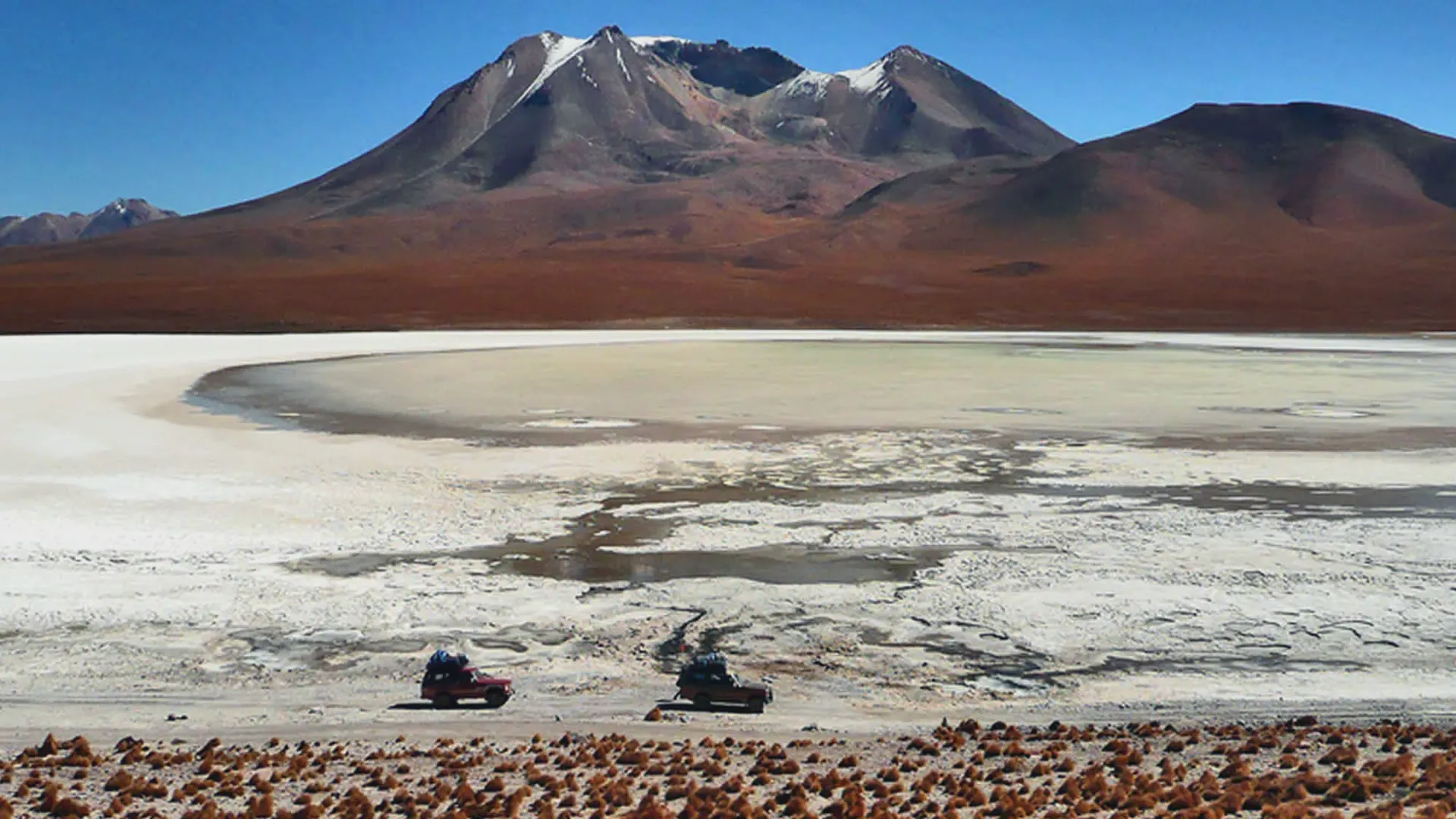
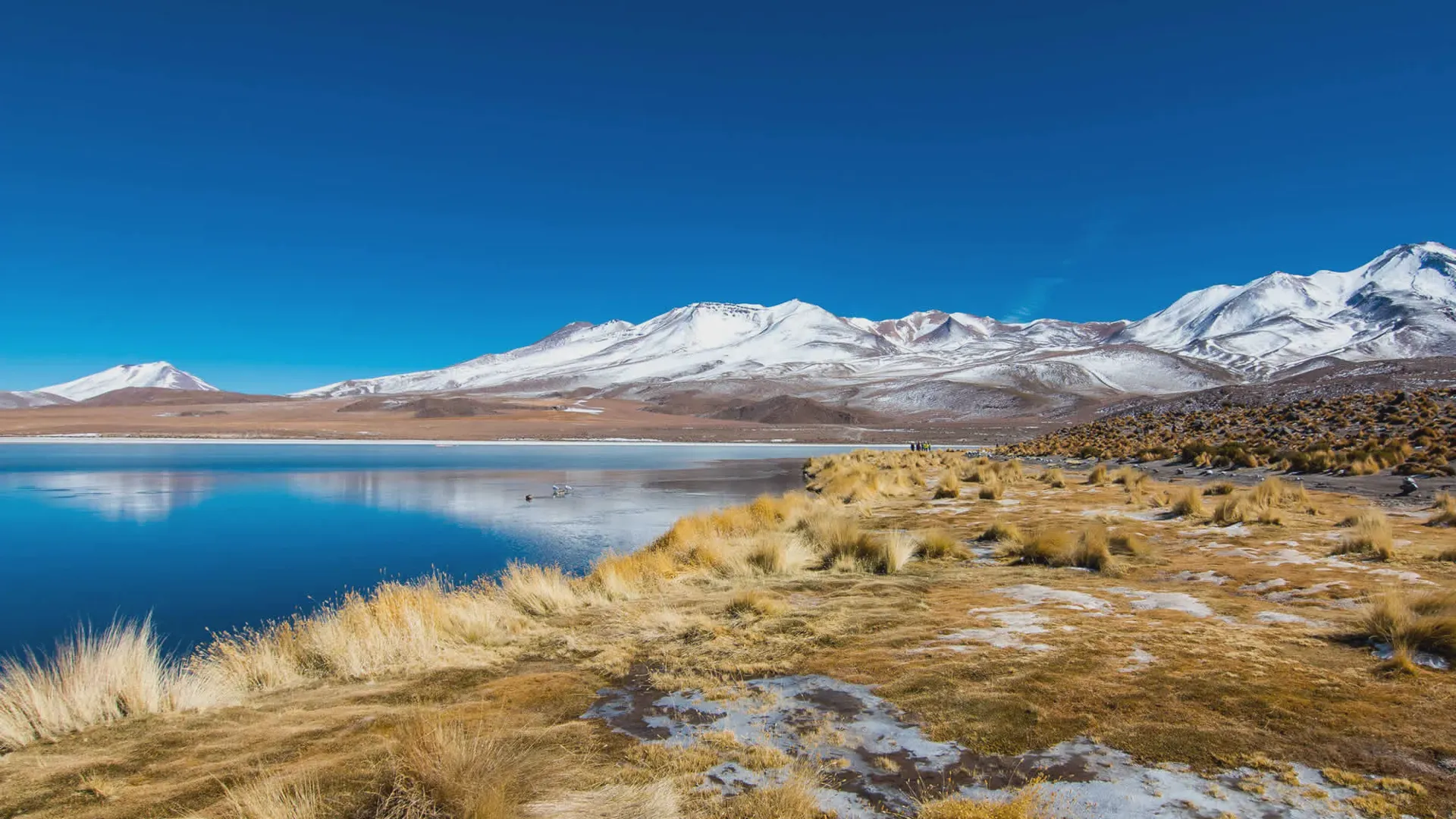
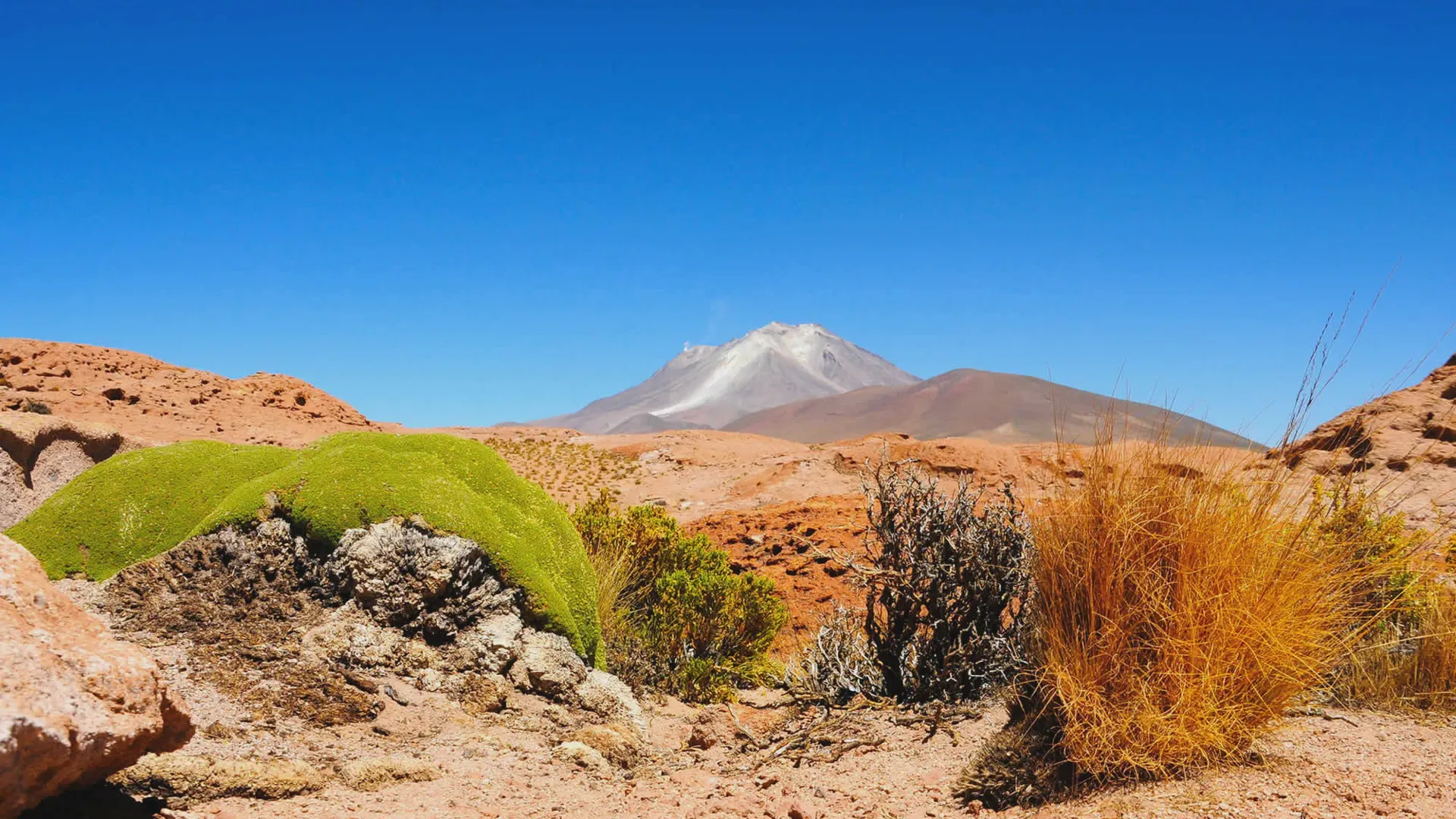
The Andean fauna populating the surroundings of the Uyuni Salt Flat and the amazing lagoons is diverse and rich. During the most popular tours to the Eduardo Avaroa National Reserve it is possible to observe these species in their natural habitat and be amazed by nature.

Updated: August 6, 2026
On this page


At a glance


The Andean fauna populating the surroundings of the Uyuni Salt Flat and the amazing lagoons is diverse and rich. During the most popular tours to the Eduardo Avaroa National Reserve it is possible to observe these species in their natural habitat and be amazed by nature.


Andean Goose


The Andean Goose or Huallata (Chloephaga melanoptera) inhabits the Sud Lipez province lagoon shores and the bofedales. This bird is 90 cm. long, covered mostly with white feathers, except its wings and tail where the feathers are black. This particular species lives in couples and breeds at 4000 to 5000 m.a.s.l.


It is possible to observe Andean geese during day two of the Uyuni Salt Flat and Lagoons Tour, near the shores of Ramaditas Lagoon, Chiarkhota (Shiarkota) Lagoon and Hedionda Lagoon.


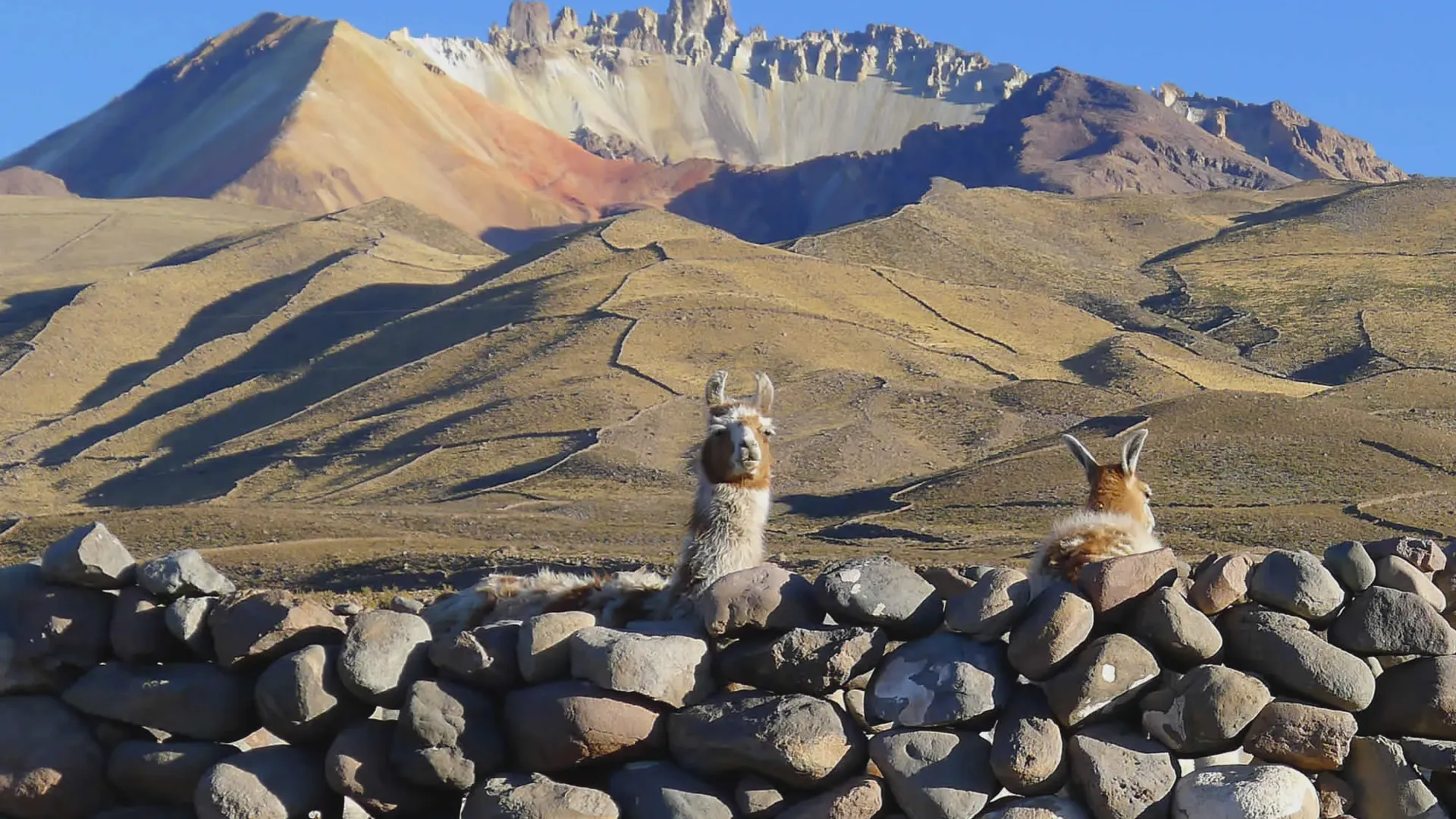
Guanaco


The Guanaco or Huanaco (Lama guanicoe) is a camelid native of the andean region of South America. In Bolivia it inhabits the highlands mostly wildly.


Guanacos are one of the largest wild mammal species found in Bolivia. It lives in herds and breeds between november and february.


The guanaco is a fast runner, almost impossible to catch. The principal reason for its survival in the wild is the hability to avoid its predators with velocity.


Alpaca


The Alpaca or Allpaqa (Lama pacos) is a domestic camelid, native of the south american andean region, smaller than the llama.


The alpaca is between 81 and 99 cm high and weighs between 48 and 84 kgs. It is used as a load animal even though its meat, wool and leather are also used.


Vicuna


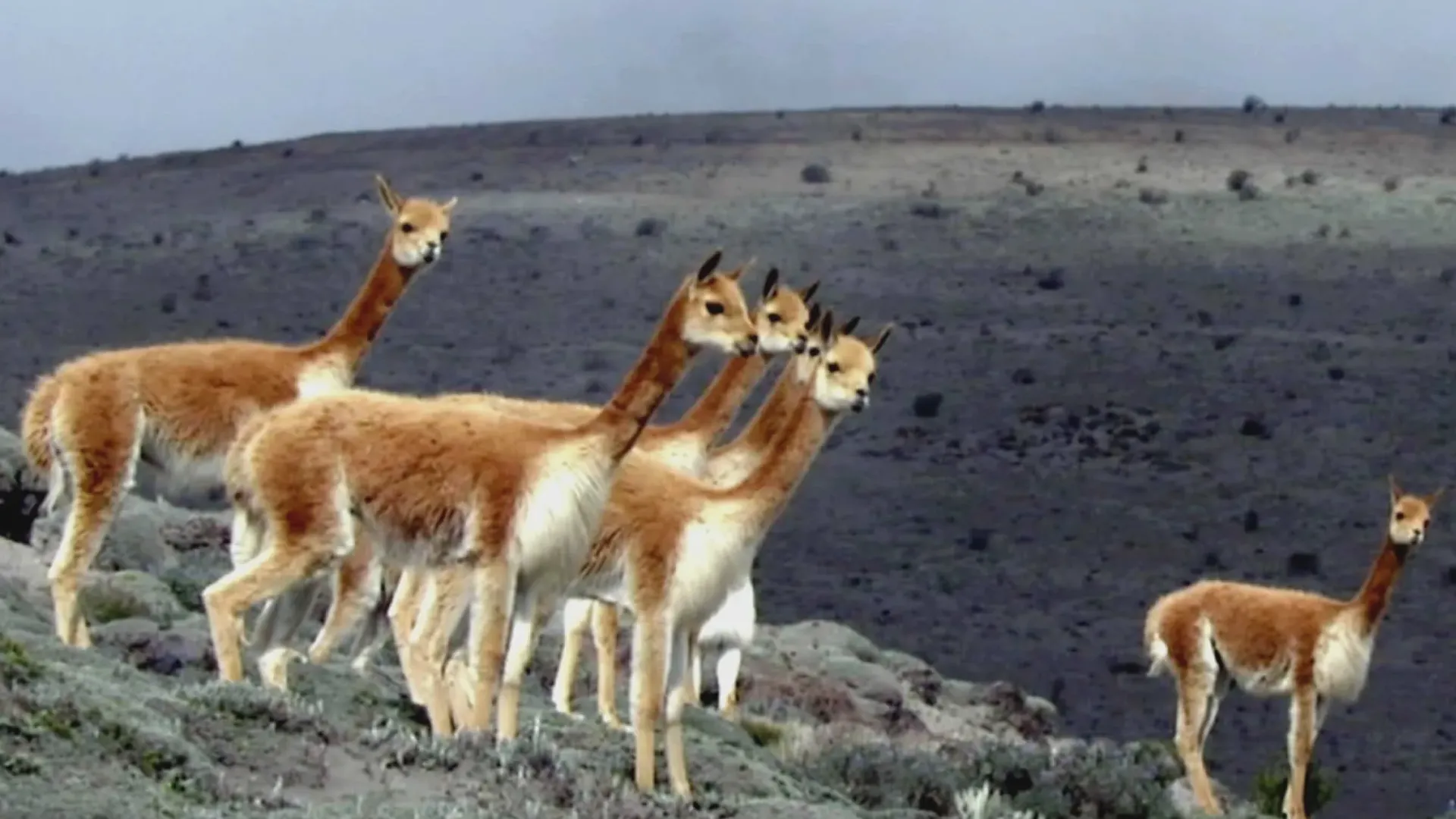
The Vicuna or Huari (Vicugna Vicugna) is the smallest camelid species native of the andean region of South America. The vicuna barely reach a meter high. A small head, long neck and big eyes are some of its main characteristics.


This camelid lives in the andean highlands in Bolivia at 4000 m.a.s.l.. It can be found wild in the highlands in herds. It is also possible to find domestic Vicunas.


Travelers can see wild Vicunas herds on the three day, two night tour Uyuni salt flat and lagoons.


Vizcacha


The Vizcacha (Lagidium viscacia) are rodents, that together with the chinchillas belong to Chinchillidae family. Natives of South America, these high-jumping rabbits are one of the biggest rodent species. Vizcachas are characterized by very long ears and tail. They can reach a length of 70 to 80 cm long from ears to tail.


The Vizcacha is very sought after because of its meat, leather and tail. This last one is used as a good-luck charm. It is possible to observe some vizcachas in their habitat running free along the Uyuni Salt Flat and Lagoons itinerary.


Andean Fox


The Andean Fox (Lycalopex culpaeus) is a 70 cm long canine native of the Andean region. In Bolivia it can be observed in the Eduardo Avaroa Natural Reserve. This predator lives in the high mountain regions and salty highland lagoons at 2300 to 4500 m.a.s.l.


This cunning fox feeds on small eggs or small rodents, some larger young birds and from time to time some larger mammals like sheep or small vicunas.


It is hunted by the indigenous people to practice ancient Andean rituals. It is said that the Andean fox presence brings bad luck.


It is possible to watch some Andean fox around Siloli and Dali deserts.


Andean Flamingo


The andean flamingo or Chururu (Phoenicoparrus andinus) is a native of the andean region. It reaches a length of 110 cms and a weight of approximately 2.2 kg.


The feathers of the andean flamingo are light pink with some dark pink areas and black feathers in the back.


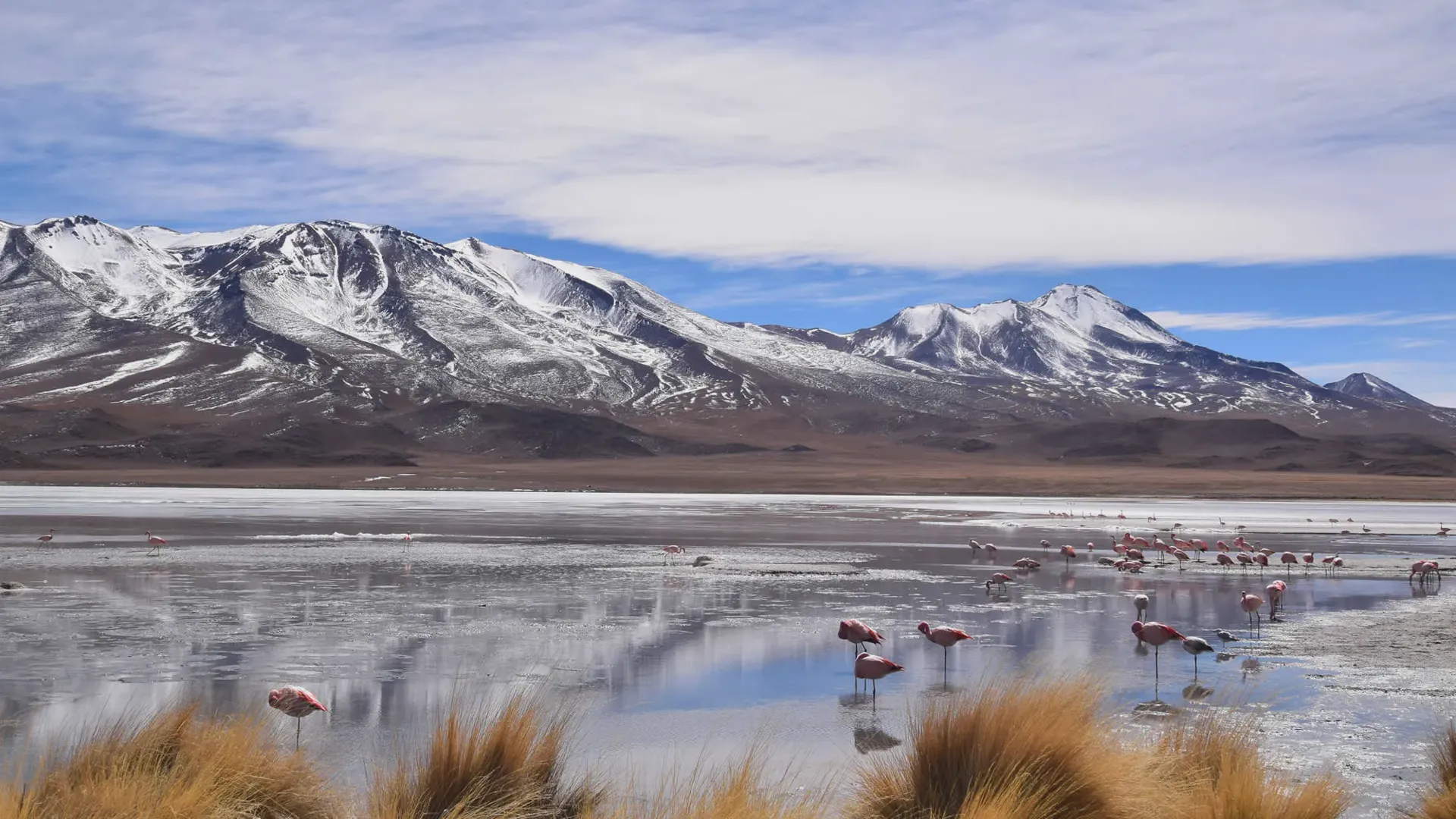
The Andean Flamingos are found in the lakes and lagoons of the Andes mountains. They are highly gregarious birds and form flocks containing thousands of individuals. The Andean Flamingos can be observed in the second day of the Uyuni and Lagoons tour.


Andean flamingos are listed as an endangered species due the explotation of their habitat.


Chilean Flamingo


The Chilean Flamingo (Phoenicopterus chilensis) are a large species of flamingoes. They stand between 1.1 and 1.3 meters high, and they weigh between 2.5 and 3.5 kgs.


They are pink in colour but immature birds are grey before they get their full adult feathers. They have long, grey legs with pink knees.


In Bolivia they are found at 4,500 m.a.s.l and they inhabit muddy, shallow lakes that can be either alkaline or brackish (Colorada Lagoon, Chiarkhota Lagoon, Ramaditas Lagoon, Honda Lagoon, Hedionda Lagoon). As the soil in the area where they live is mainly alkaline, it is barren of vegetation and desert-like.


The Chilean Flamingoes live in colonies that can range vastly in size from a few dozen birds to thousands of individuals.


James Flamingo


The James Flamingo, Parina Chica or Puna Flamingo (Phoenicoparrus jamesi) is the smallest and palest species of the three flamingo species inhabitating the Bolivian andean highlands.


Its principal distinguishing characteristic is the redish color found in its legs, the neck and the torso, its yellow bill and red skin near the eyes.
Tours Including This Destination

View All Tours →
San Pedro de Atacama to Uyuni Shared Tour
3 Days
Potosi
Featured
Potosi

San Pedro de Atacama to Uyuni Shared Tour

An attractive budget option for visiting the best attractions of the Uyuni area and the Eduardo Avaroa Reserve starting from San Pedro de Atacama.

San Pedro de Atacama - Eduardo Avaroa National Park - San Pedro de Atacama Day Tour
1 Day
Potosi
Featured
San Pedro de Atacama

San Pedro de Atacama - Eduardo Avaroa National Park - San Pedro de Atacama Day Tour

Visit the beautiful Eduardo Avaroa National park on a single day tour starting from San Pedro de Atacama. See colorful lagoons, surreal deserts, boiling geysers and volcanoes!

Frequently Asked Questions

How many days do you need in Uyuni?

The honest answer is 3 days for most travellers. One day gives you the salt flat — the hexagons, Isla Incahuasi, and a sunset. Three days gives you the entire region: the salt flat on Day 1, then the Eduardo Avaroa National Reserve on Days 2 and 3 — Laguna Colorada, Sol de Mañana geysers, flamingos, and the chain of coloured lagoons that most people describe as the highlight of their Bolivia trip. If you genuinely only have one day, go — but know what you're choosing to skip.

What is the best month to visit Uyuni?

October is the best single month for most travellers. It is dry, warm enough at night to be comfortable, uncrowded compared to the June–August peak, and the daytime light is excellent for photography. If seeing the mirror effect is your priority, February offers the highest probability — but with more rain, crowds, and potential access restrictions.

Can you see the mirror effect in April?

Sometimes, yes. April is a transition month. In years with heavy rainfall, mirror conditions persist into early April. In drier years, the surface begins drying in late March. A knowledgeable local guide will know where remaining water pockets are. Late April is often recommended by Uyuni-based operators as a sweet-spot month — possible mirror, warmer nights, fewer tourists, and lower prices.

How cold does it get in Uyuni area?

During dry season nights in June, July, and August, temperatures regularly fall below -10°C and can reach -15°C on the open salt flat. Daytime is warmer — typically 13°C to 17°C in winter. From October through April, nights are significantly more manageable, rarely dropping below -5°C.

Is Uyuni worth visiting in July?

Yes, but go prepared. July is peak tourist season — book everything well in advance. The cold is serious and should not be underestimated. The trade-off is dry, clear skies and the best stargazing conditions of the year. If cold weather doesn't bother you and you've booked ahead, July is a spectacular month to visit

Where can I see flamingos in the Uyuni Salt Flat?

The flamingos are not on the Salar de Uyuni itself — they gather at Laguna Colorada in the Eduardo Avaroa National Reserve, approximately 4 hours south of Uyuni. Around 25,000 flamingos of three species (Chilean, Andean, and James) congregate there between November and March for breeding season. This reserve is visited on the standard 3-day Uyuni southwest circuit tour.

Can tours run year-round at the Uyuni Salt Flat and the Uyuni area?

Yes, with some limitations. Dry season tours operate across the full flat with no restrictions. Wet season tours adapt routes to water levels — some areas like Isla Incahuasi may be temporarily inaccessible after heavy rain. The Eduardo Avaroa Reserve southwest circuit occasionally closes during peak rainfall. Reputable operators monitor conditions daily and adapt accordingly.

Can you visit Incahuasi Island during the rainy season?

Generally no. When the salt crust dissolves into soft, muddy brine, heavy 4x4s risk sinking. Island access is typically restricted by park authorities between mid-January and late March.

Nearby Places & Attractions

Salar de Chiguana
Attraction

Salar de Chiguana

The Salar de Chiguana, not far from the border with Chile has a salt base, covered with brownish dust.

Salvador Dalí desert
Attraction

Salvador Dalí desert

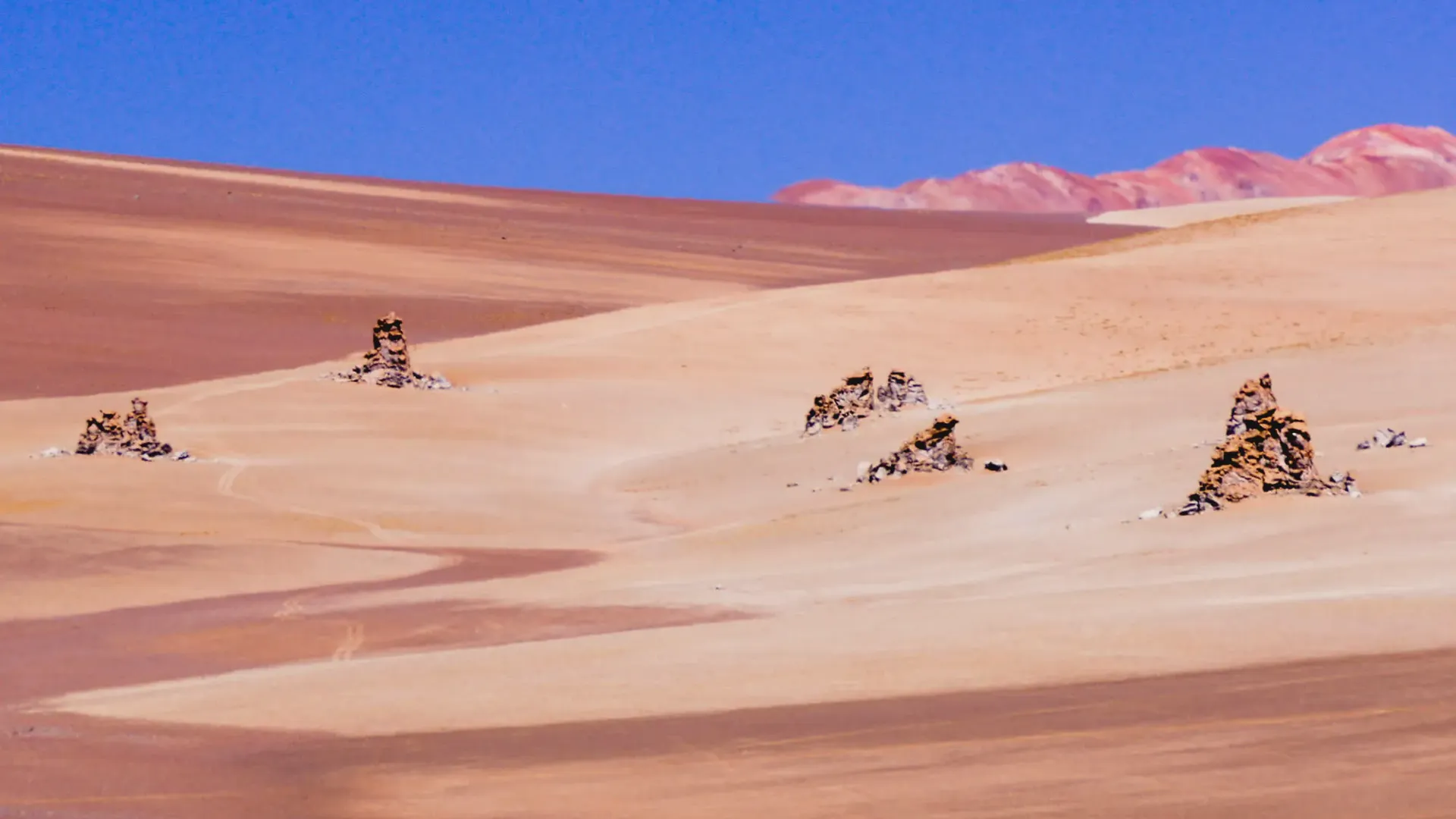
Salvador Dalí Desert (Desierto Salvador Dalí), also known as Dalí Valley (Valle de Dalí), is an extremely barren valley of southwestern Bolivia, in the Potosí Department.

Red Lagoon
Attraction

Red Lagoon

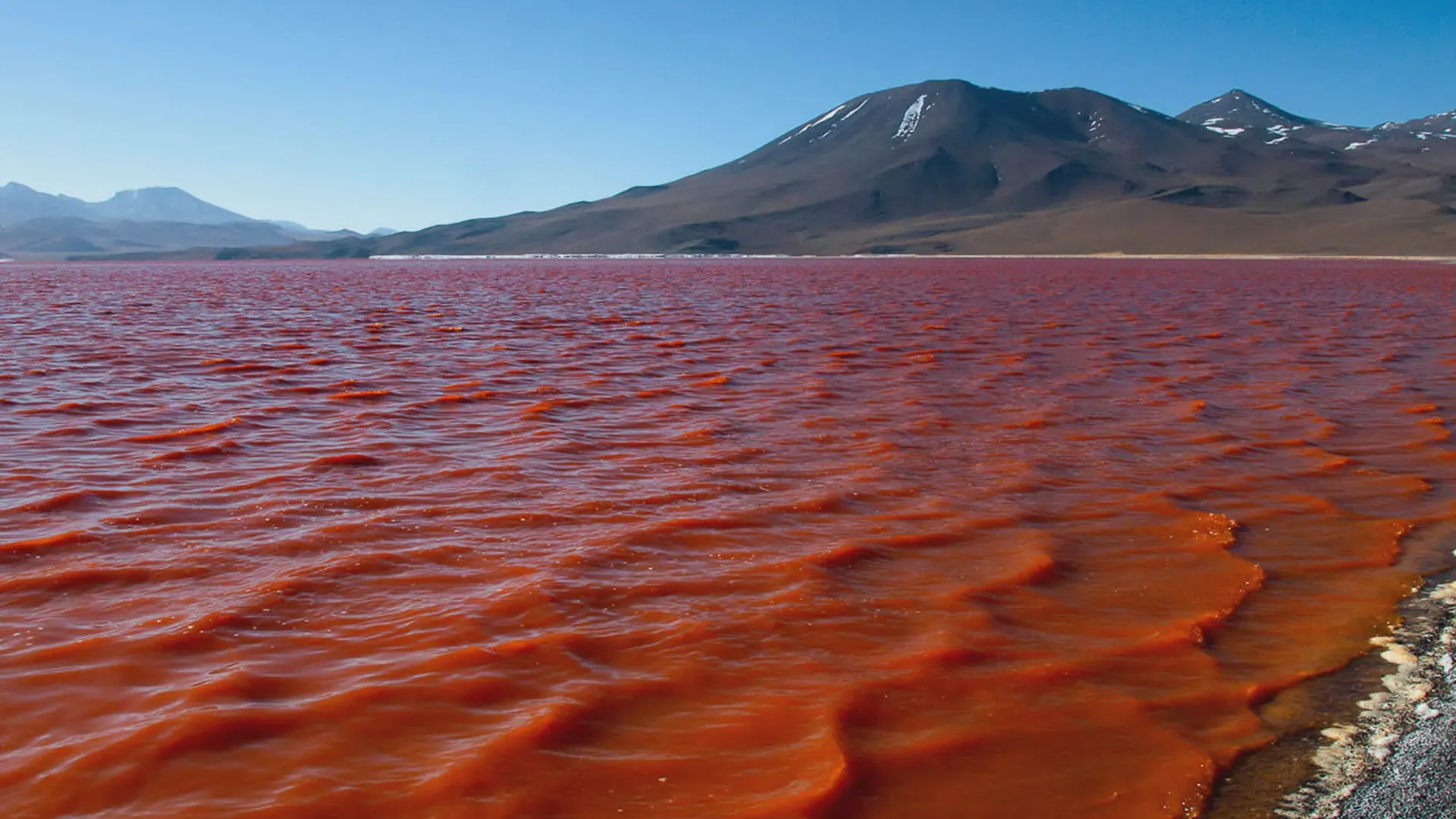
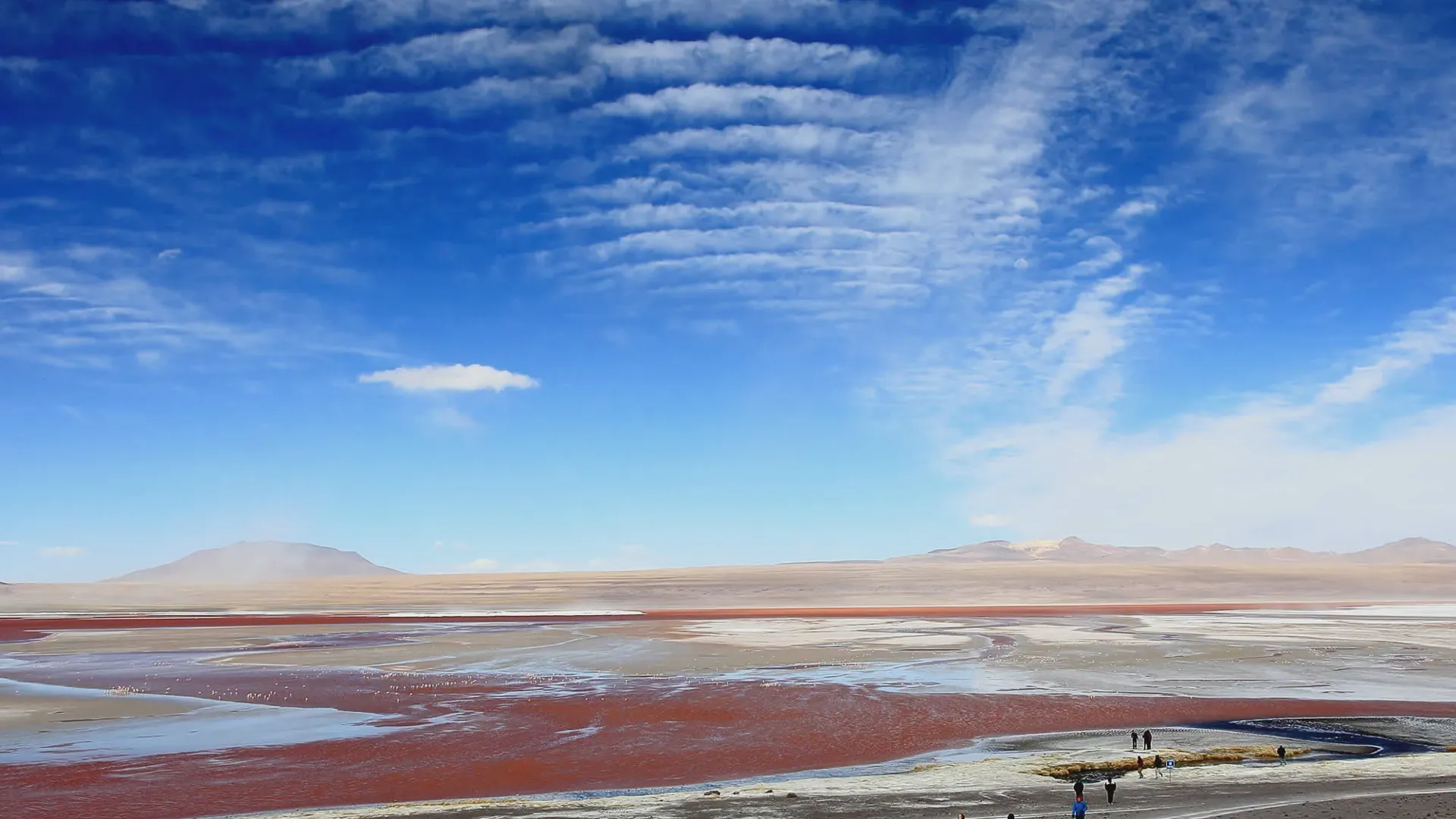
The Red lagoon (Laguna Colorada) is a shallow lake within the Eduardo Avaroa Andean Fauna National Reserve and close to the border with Chile. The lake is famous for its strong red colour caused by algae that provide food for large flocks of pink flamingos.

Green Lagoon
Attraction

Green Lagoon

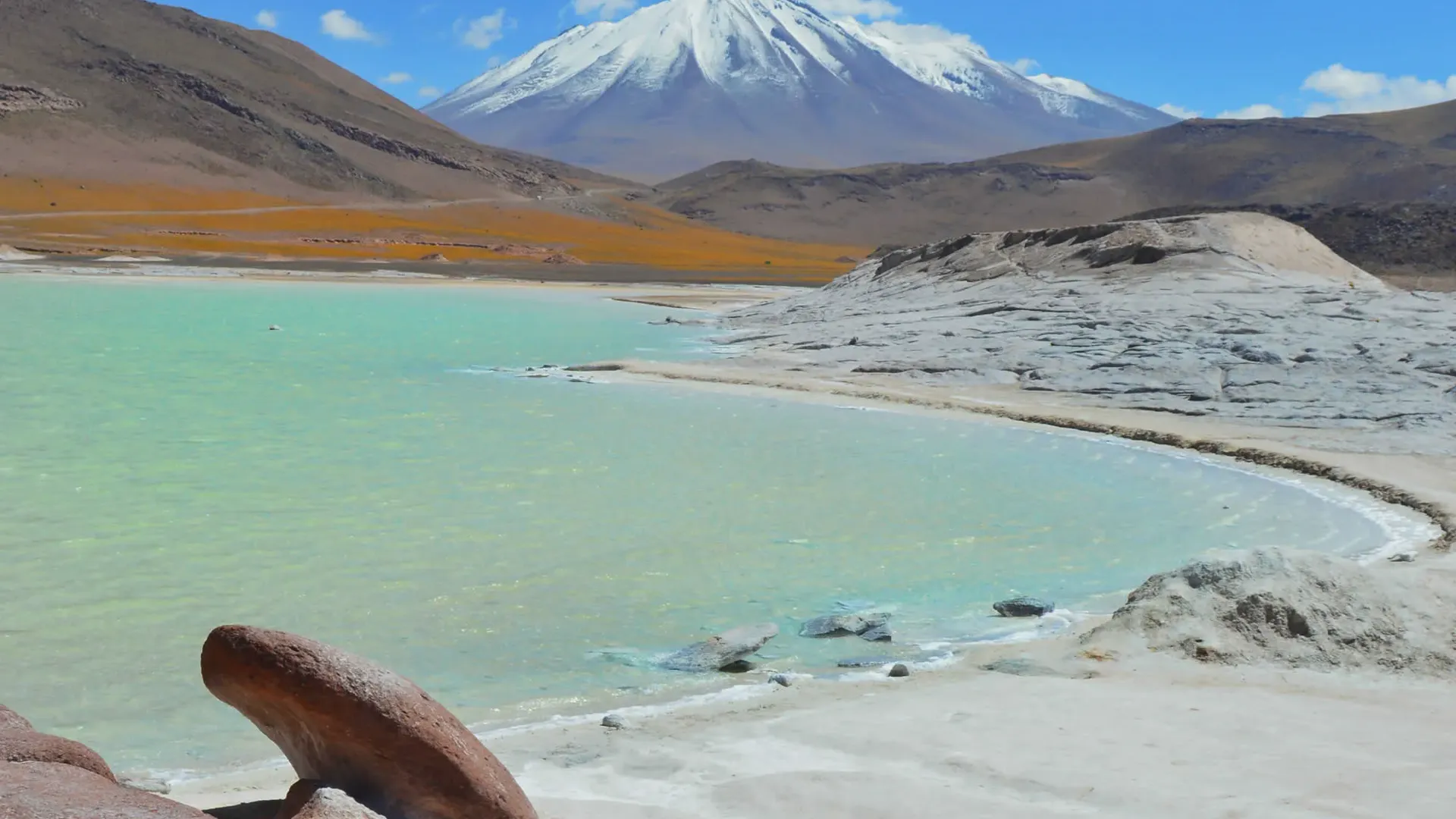
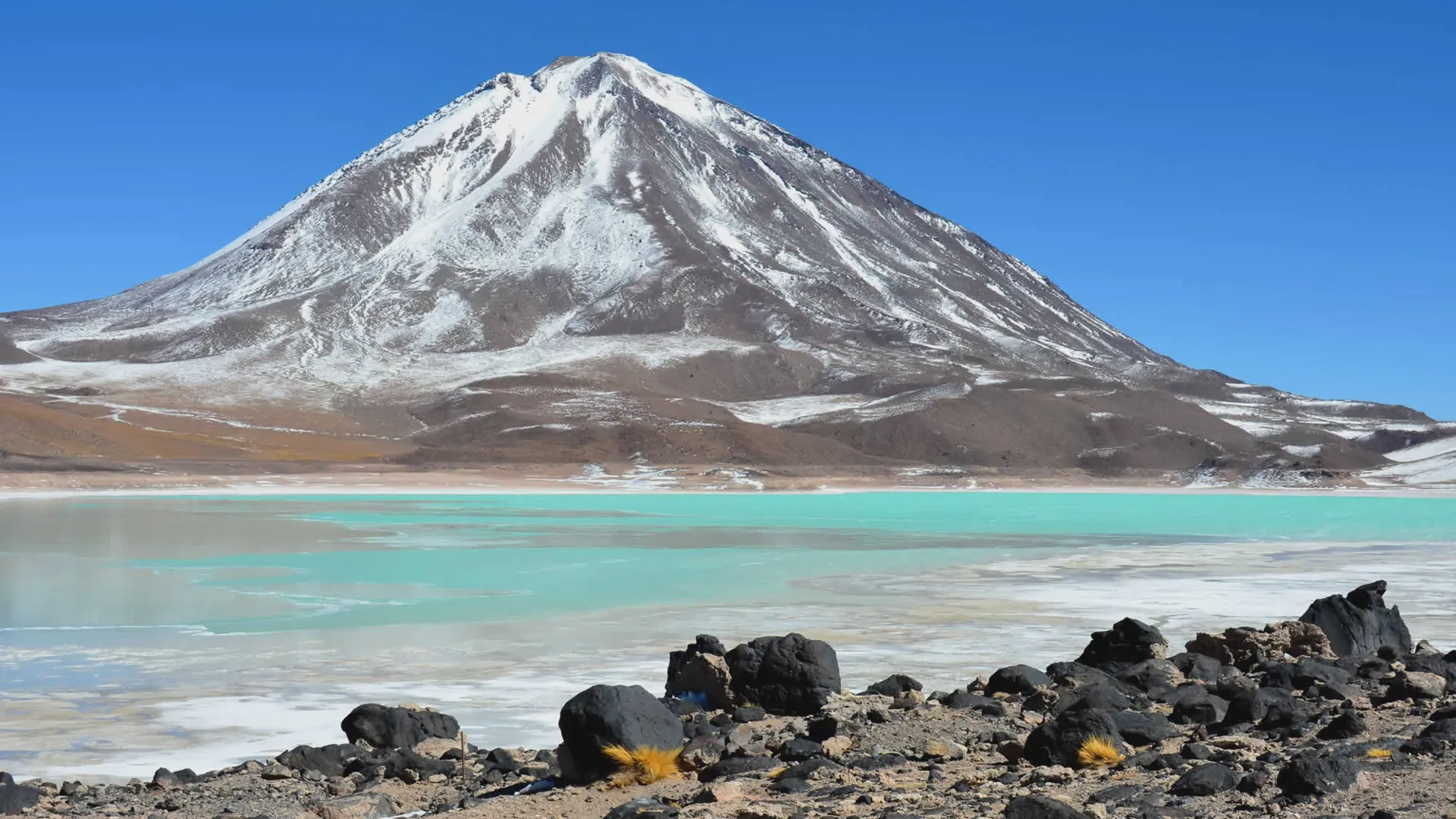
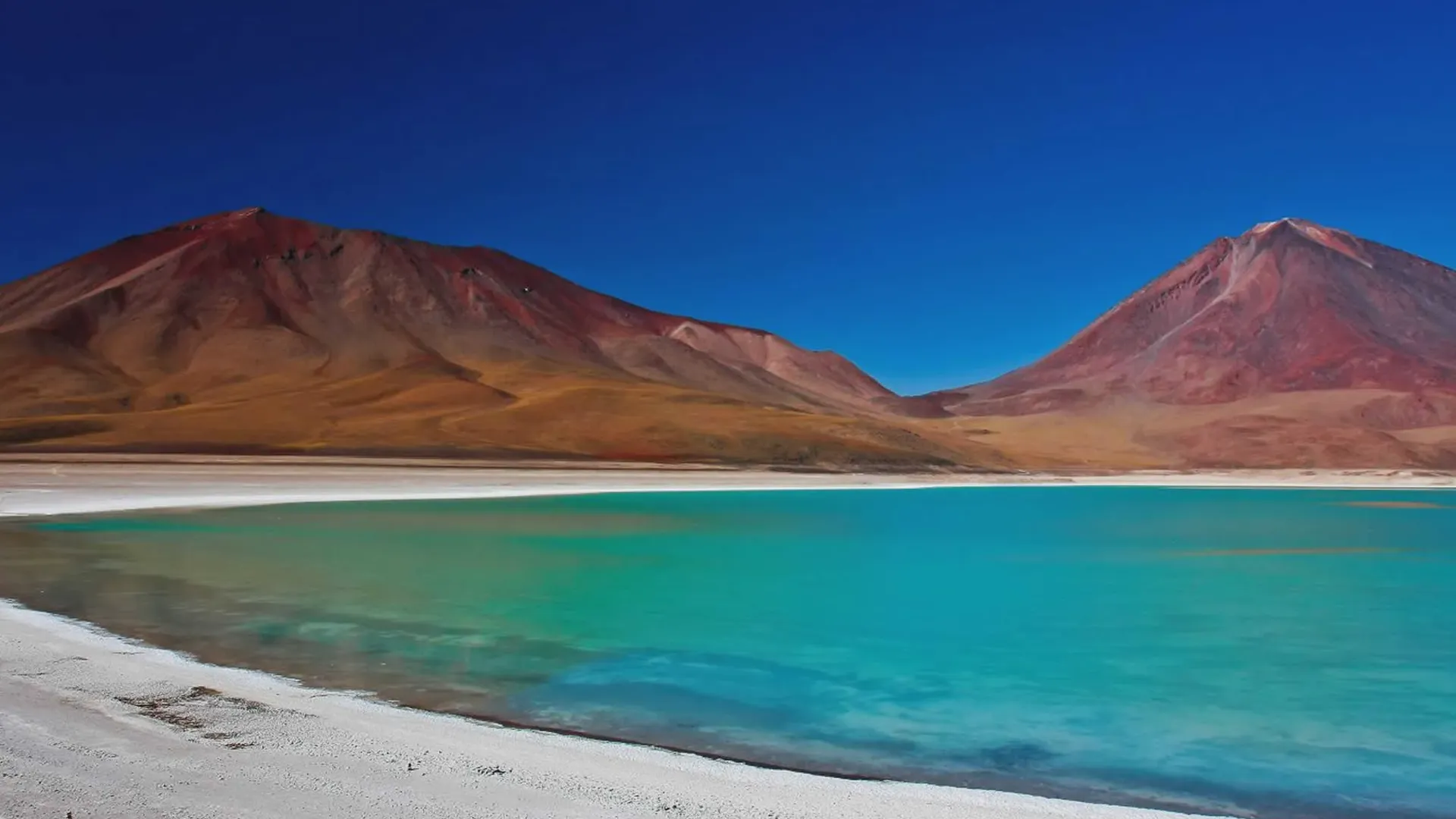
Green lagoon (Laguna Verde) is a high-altitude mineral lake in the Eduardo Avaroa Reserve, known for its beautiful green color. It sits at the foot of 2 volcanoes, Licancabur and Juriques, which straddle the border with Chile and are reflected in the water when the weather is calm.

Rock Tree
Attraction

Rock Tree

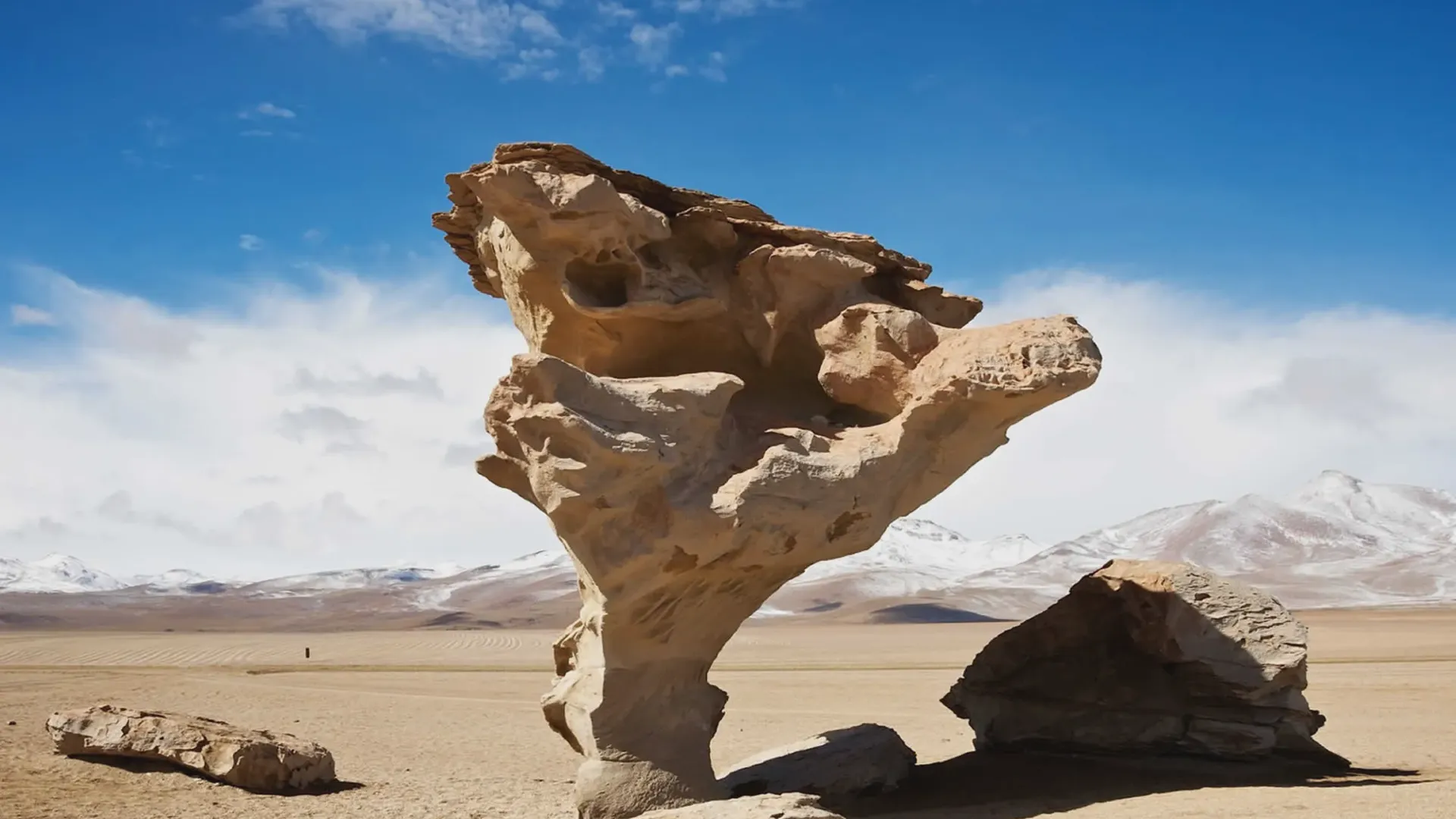
The Rock Tree (Árbol de Piedra) is a tree-like rock formation in the Siloli Desert desert that offers great photo opportunities!

Honda Lagoon
Attraction

Honda Lagoon

The Honda Lagoon is located inside Eduardo Avaroa Natural Reserve

Ready to visit Andean Fauna?

We can help you organize the perfect trip to this incredible destination.