Best time to visit the Uyuni Salt Flat
Uyuni Salt Flat & Surroundings

Best time to visit the Uyuni Salt Flat

Dry season (May–Nov) for white salt hexagons. Wet season (Dec–Apr) for the mirror effect. Here's exactly when to go based on what you want to see and photograph.

Updated: September 8, 2026
On this page

Quick Facts


Wet seasonDecember – April
Dry seasonMay – November
Mirror effectJanuary – March (peak: February)
Salt hexagons visibleMay – November
Daytime temperature13°C – 21°C year-round
Coldest monthsJune – August (nights near -15°C)
Best stargazingJune – August (clear, moonless nights)
Flamingos at Laguna ColoradaNovember – March
Best for photographyFeb (mirror) or Oct (hexagons + clouds)
Lowest crowdsMarch – May
Best deals on toursMarch – May
Altitude3,656 m (12,000 ft) — bring altitude tips
At a glance

Practical tips before you go

1. Book the salt hotel early, not late. The iconic hotels built from salt blocks — Luna Salada, Palacio de Sal, Cristal Samaña — are among the most unique places to sleep in South America. They sell out weeks ahead in dry season peak months. If a salt hotel is on your list, book it before you book your flights.

2. The mirror effect is best at sunrise. Early morning before wind picks up is the only reliable window for perfect reflection conditions. If you're there for the mirror, your tour should start before dawn. Ask your operator explicitly what time they depart for mirror photographs.

3. Sunscreen is non-negotiable. At 3,656 m, UV radiation is intense. The white salt surface reflects it back at you from below. You can burn in 20 minutes without protection, even on overcast days. Bring SPF 50 and apply it before you step out of the vehicle.

4. Layers, always layers. The temperature difference between midday and midnight can be 30°C or more. Even in the warmest months, bring a serious insulating layer for evenings and early morning tours.

5. Cash in Bolivianos before you leave Uyuni town. Isla Incahuasi entrance fee (BOB 30), Eduardo Avaroa park fee (BOB 150), and tips are all cash only. The ATMs in Uyuni town work, the ones further out don't exist. Withdraw before you go.

6. Check the moon calendar. Stargazing on the salt flat is extraordinary — but a full moon washes out the stars. Check the lunar cycle for your travel dates. A new moon during clear dry-season nights gives you the Milky Way reflected on the white salt, visible without any optical aid.

7. Wet season tours are shorter in distance, not in experience. In wet season, vehicles stay on the flooded areas of the flat rather than crossing to the far edges. The total distance covered is less, but the visual experience — standing inside a perfect reflection — is incomparable. Don't dismiss wet season as "limited."

8. Don't try to plan Uyuni around one perfect day. The Salar is a 10,582 km² environment that changes hour by hour. Wind, cloud, and rain are unpredictable. Go with flexibility, trust your guide's decisions about where to go on a given morning, and let the place surprise you. The travelers who have the best experience are the ones who arrive without a fixed idea of what they'll see.

9. Acclimatization: Do not schedule Uyuni as day 1 of your Bolivia itinerary if flying in directly from sea level. Spend 24–48 hours in La Paz, Sucre, or Potosí first to prevent acute mountain sickness (sorochi).

10.Footwear for the Wet Season: If visiting between January and April, bring tall waterproof rubber boots (wellingtons) or ensure your private tour provider supplies them for walking in salty brine.

11.Electronics & Batteries: Lithium-ion camera and phone batteries drain up to 300% faster in sub-zero night temperatures. Keep spare batteries inside your inner jacket pockets close to body heat.

VB

Written by Bolivia Travel Site Operations Team

Locally based in Bolivia | Specialized in Altiplano Logistics & Private Salt Flat Tours since 2010

Last Verified & Fact-Checked: September 2026

Field Note: We monitor Salar water levels and route access daily alongside our licensed 4x4 expedition drivers to ensure itinerary safety during the transition months.

The honest answer: it depends on one question

Do you want the mirror, or the white desert?

That single question determines your ideal travel window. Both versions of the Salar de Uyuni are extraordinary — they just look completely different. The dry season gives you the infinite white salt flat you've probably seen on every Bolivia travel photo: hexagonal salt tiles stretching to the horizon, pure white under an electric blue sky. The wet season gives you something that looks impossible: a thin layer of water turning the entire surface into a perfect reflection of the sky, creating optical illusions that trick your eyes and your camera.

Neither is better. They are different spectacles. Choose based on what you want to see.
DRY SEASON: May to November

What the Salar looks like

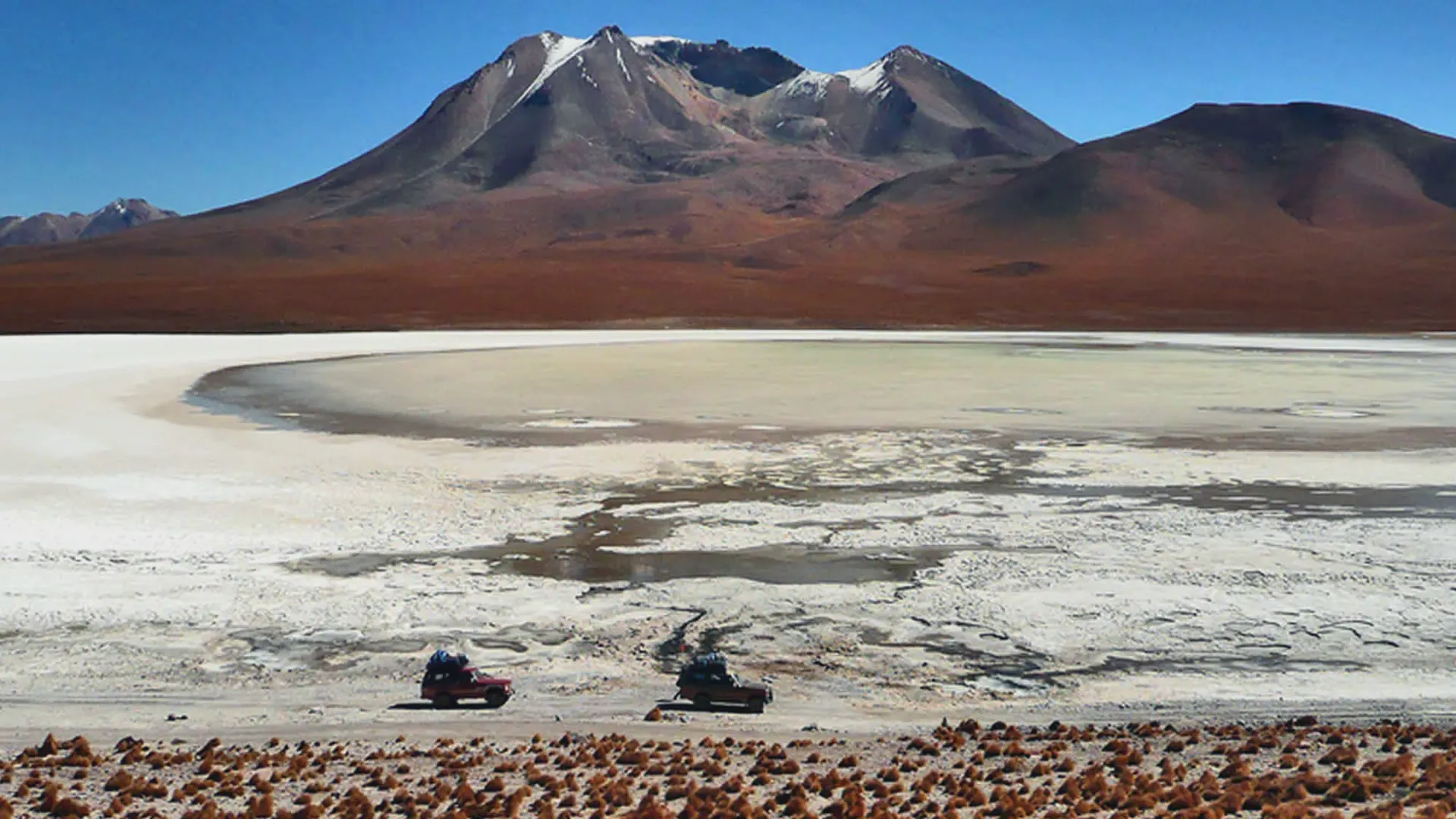
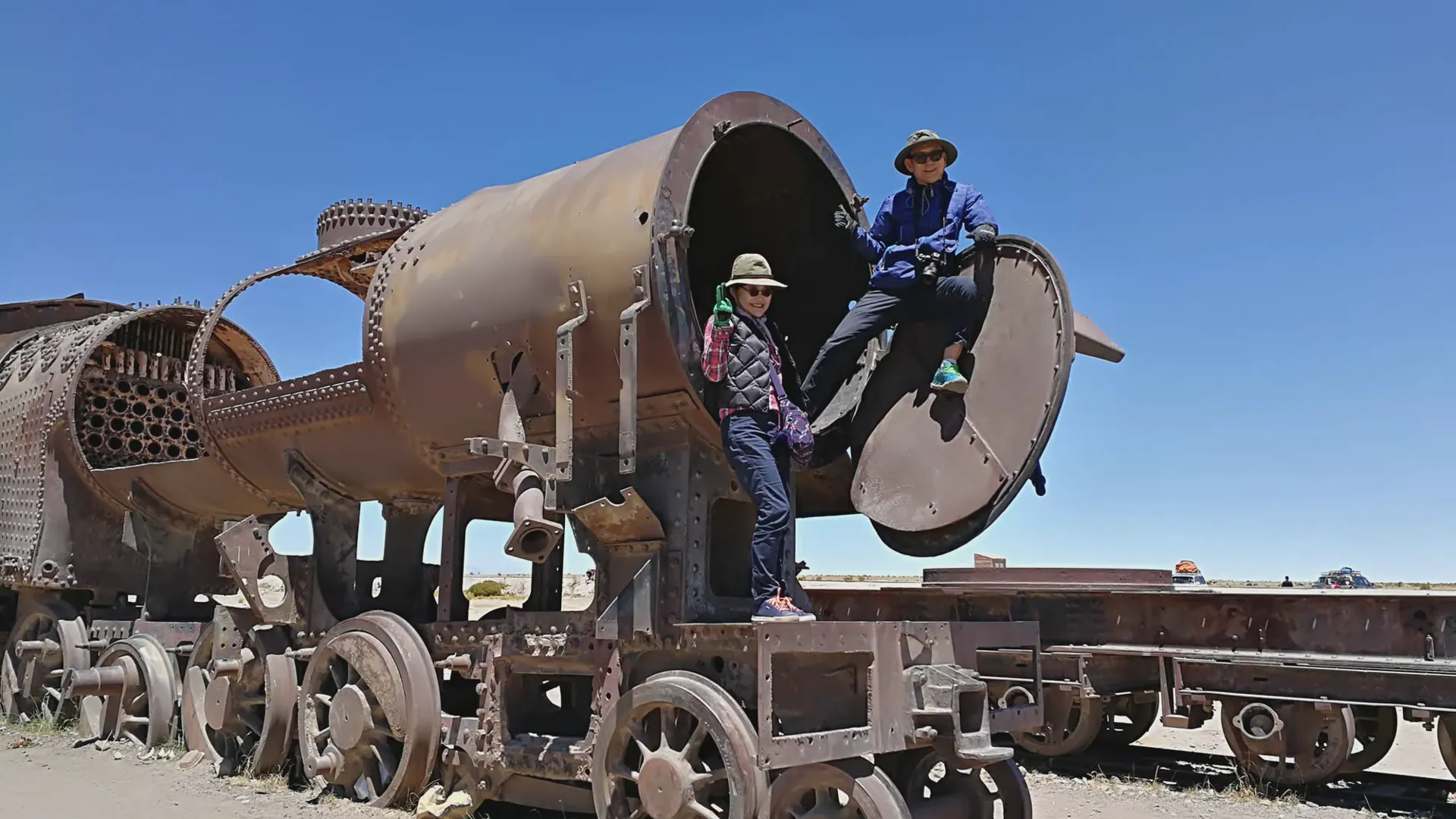
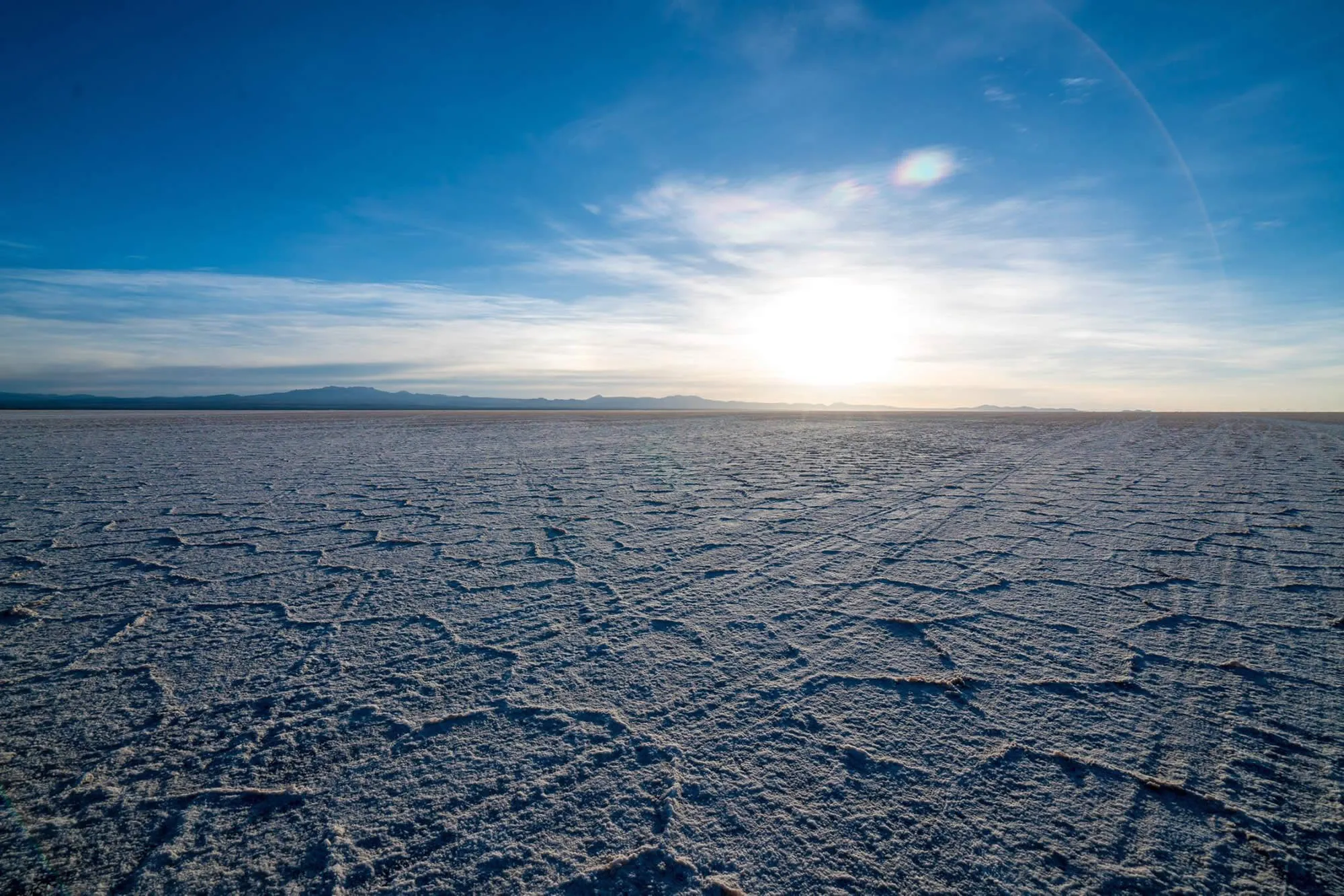
The salt is exposed, brilliant white, and textured with the geometric hexagonal patterns formed as the surface dries. Visibility is excellent. Access is unrestricted — you can reach Isla Incahuasi (Cactus Island), the Train Cemetery, and the full southwest circuit including the colored lagoons and Eduardo Avaroa Reserve without road closures.

This is the season most travelers picture when they imagine Uyuni.

Weather in dry season

Days are warm and sunny — typically 18°C to 21°C. Nights are a different story. In the peak winter months of June, July, and August, temperatures drop below -10°C and can reach -15°C at night on the salt flat. If you're sleeping in a salt hotel or camping, bring serious cold-weather gear. Wind chill makes it feel even colder than the thermometer suggests.

September through November is the sweet spot for many travelers: still dry, significantly warmer at night, and beginning to see occasional clouds that make for dramatic landscape photography.

Best for

  1. Salt hexagon photography
  2. Stargazing (June–August offers the clearest skies in the region)
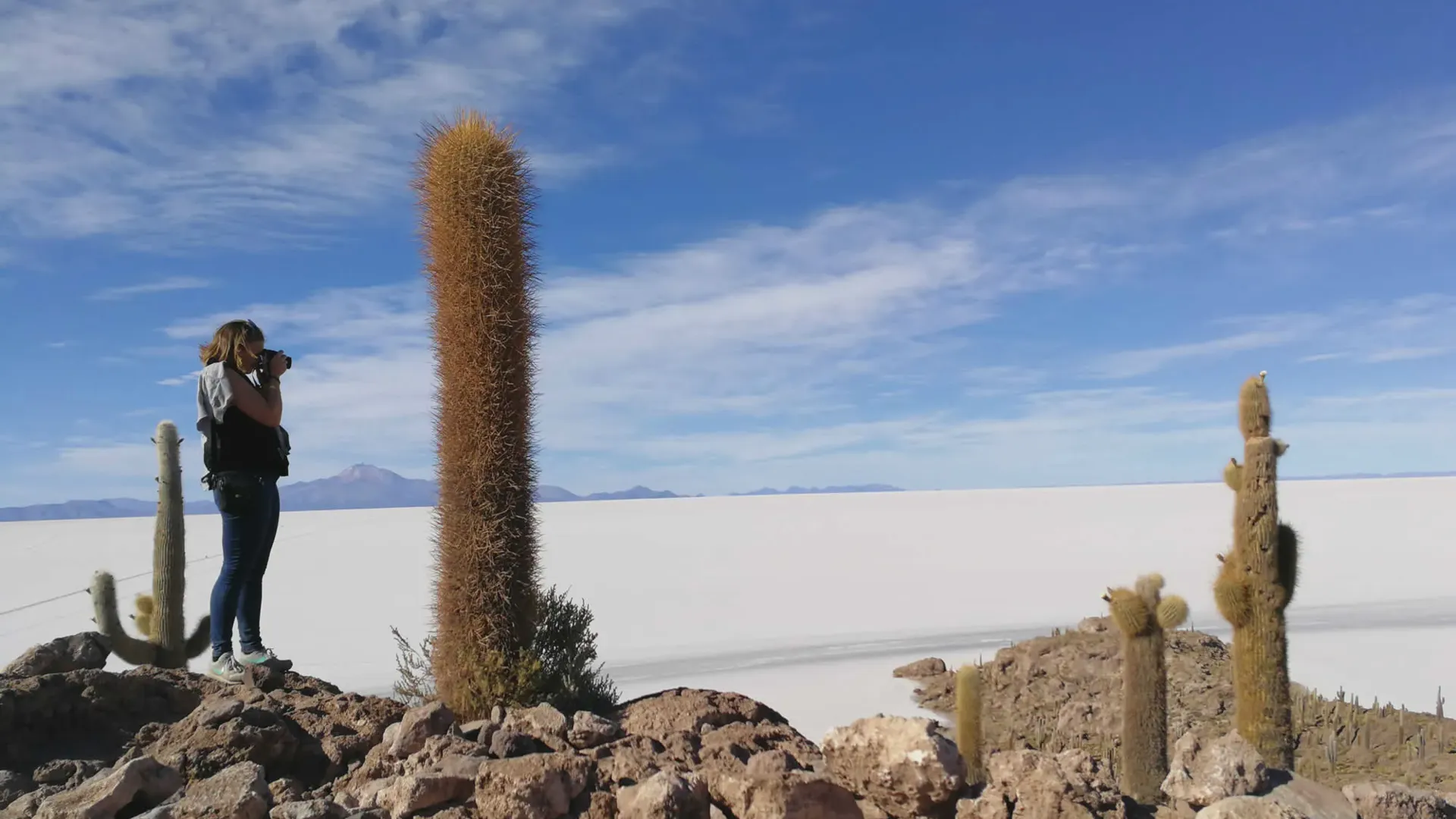
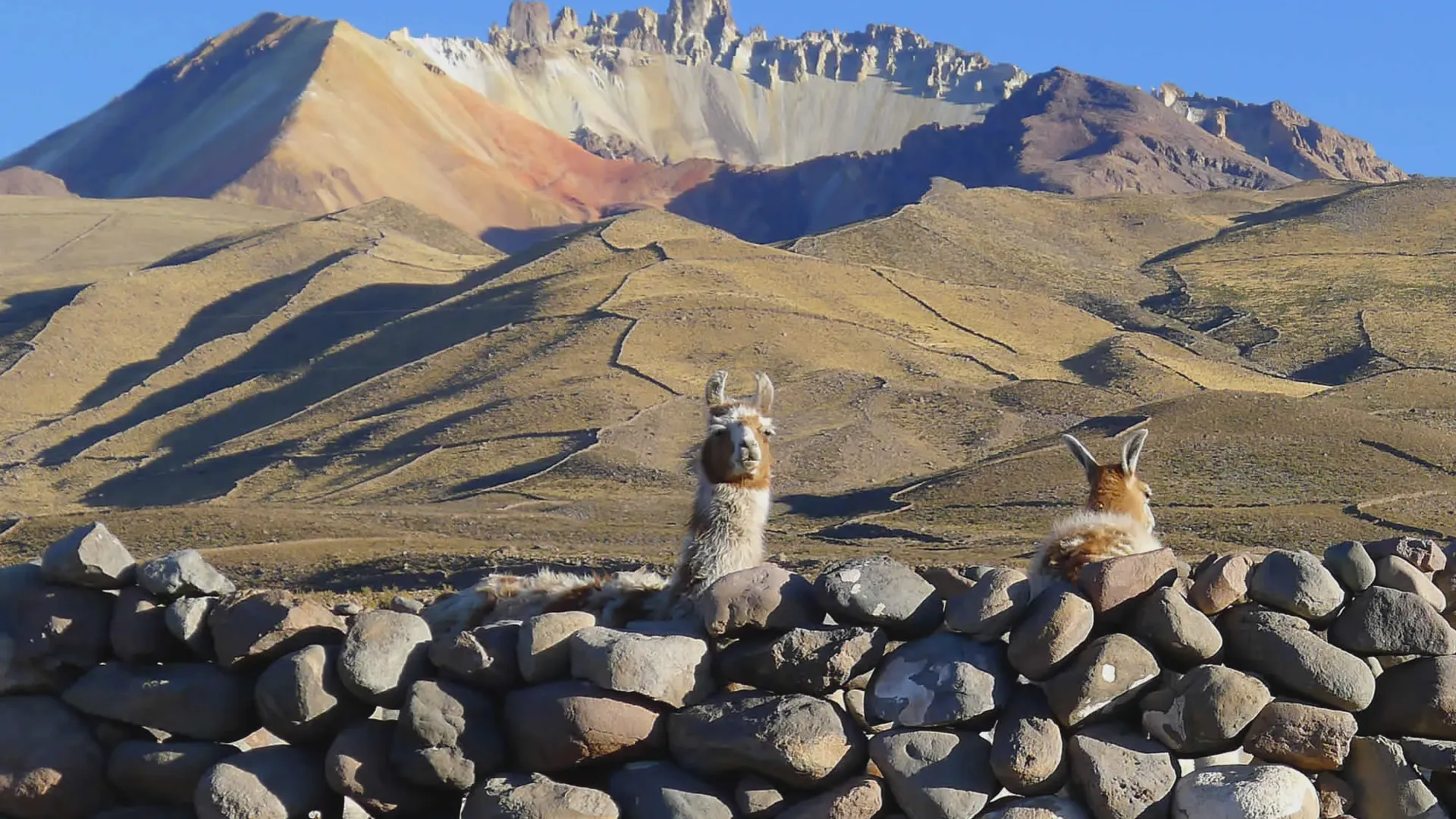
  3. Most Uyuni tours head straight for the center of the flat and miss the north shore entirely. That's a shame, because the area around Tunupa Volcano offers something the main circuit doesn't: quiet.Tunupa rises to 5,432 m at the edge of the salt flat, and even the first viewpoint on the hiking trail gives you an aerial perspective of the Salar that the flat surface itself never can. For those who want to go further, reaching the summit is a serious but achievable climb — and one of the least-visited high-altitude hikes in Bolivia. Below the volcano, the villages of Coquesa, Tahua, and Jirira sit at the salt flat's edge in a way that feels completely removed from the tourist trail. Walking between them takes you through quinoa fields, and the kind of slow Andean pace that's increasingly hard to find anywhere near the Salar.
  4. Southwest circuit and Eduardo Avaroa Reserve tours
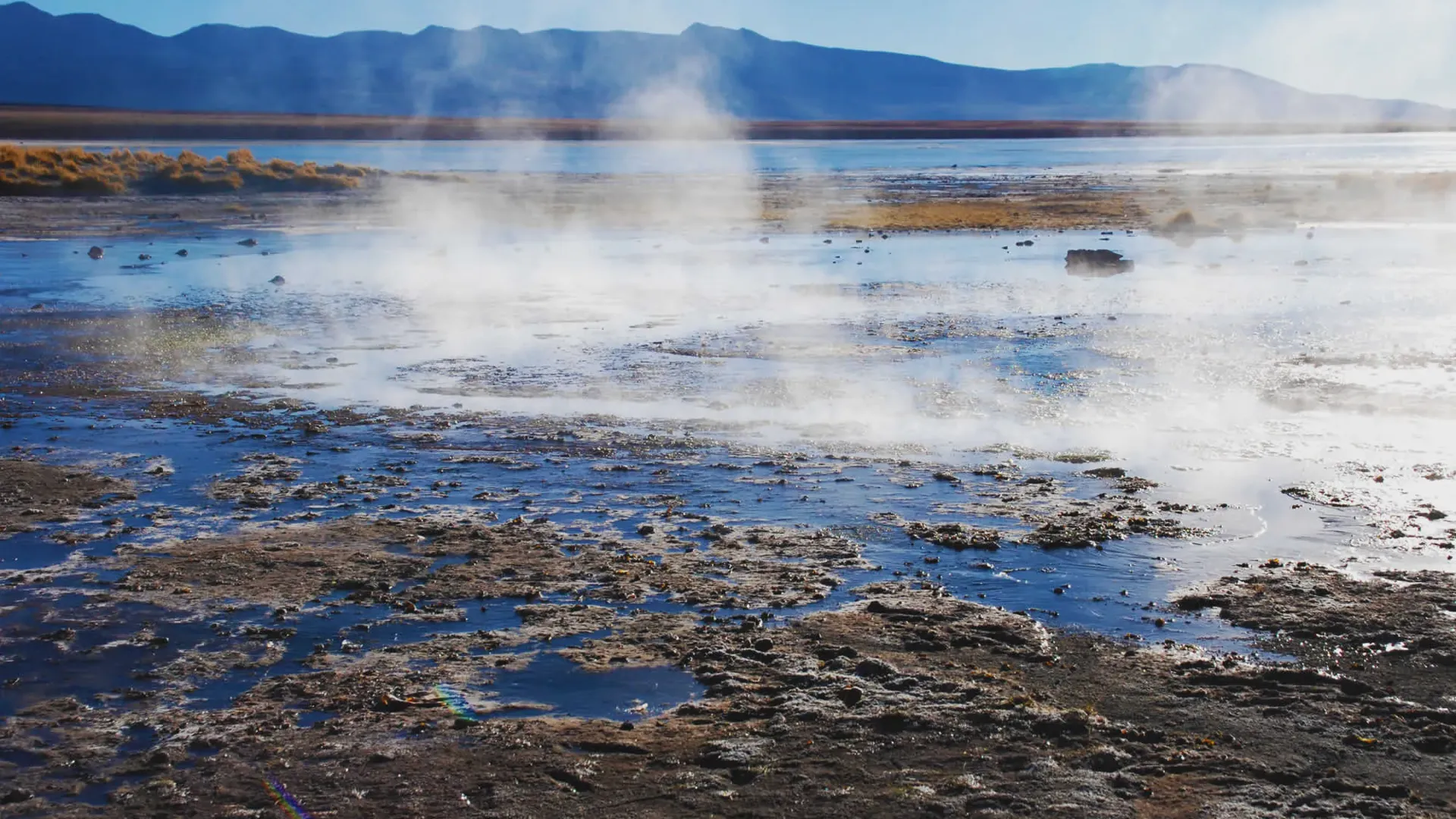
  5. Laguna Colorada, Laguna Verde, Sol de Mañana geysers — all reliably accessible
  6. Travelers who don't handle cold well (choose October–November)

Crowds and prices in dry season

June, July, and August are peak tourist months — particularly July, when European and North American summer holidays align. Book tours and salt hotels at least 6–8 weeks in advance for these months. Prices are at their highest.

September through November sees fewer tourists with the same dry conditions. If you have flexibility, October is arguably the best single month of the year: warm, dry, uncrowded, and occasional afternoon clouds that create spectacular photography conditions.
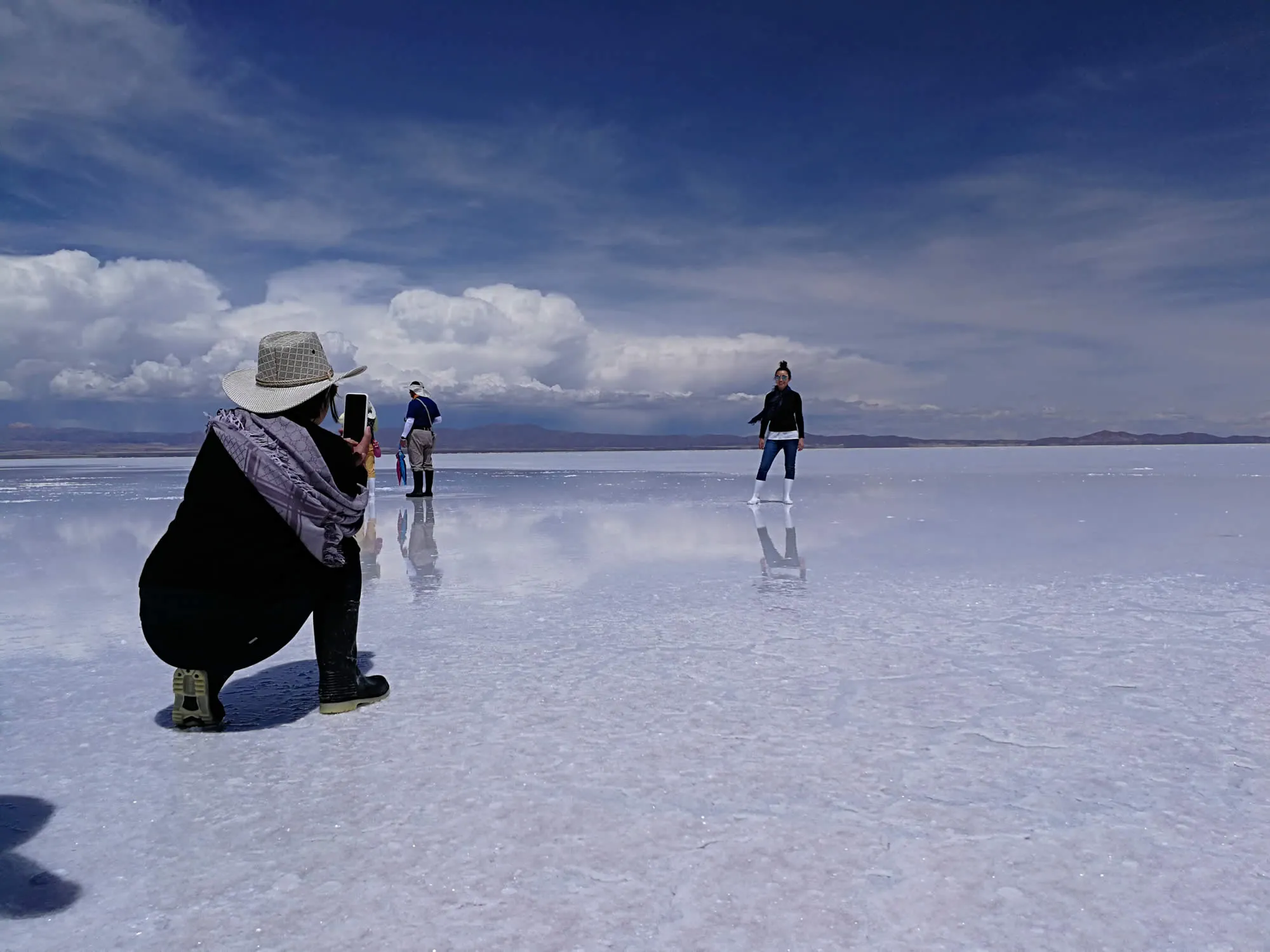
WET SEASON: December to April

The mirror effect — what it actually is

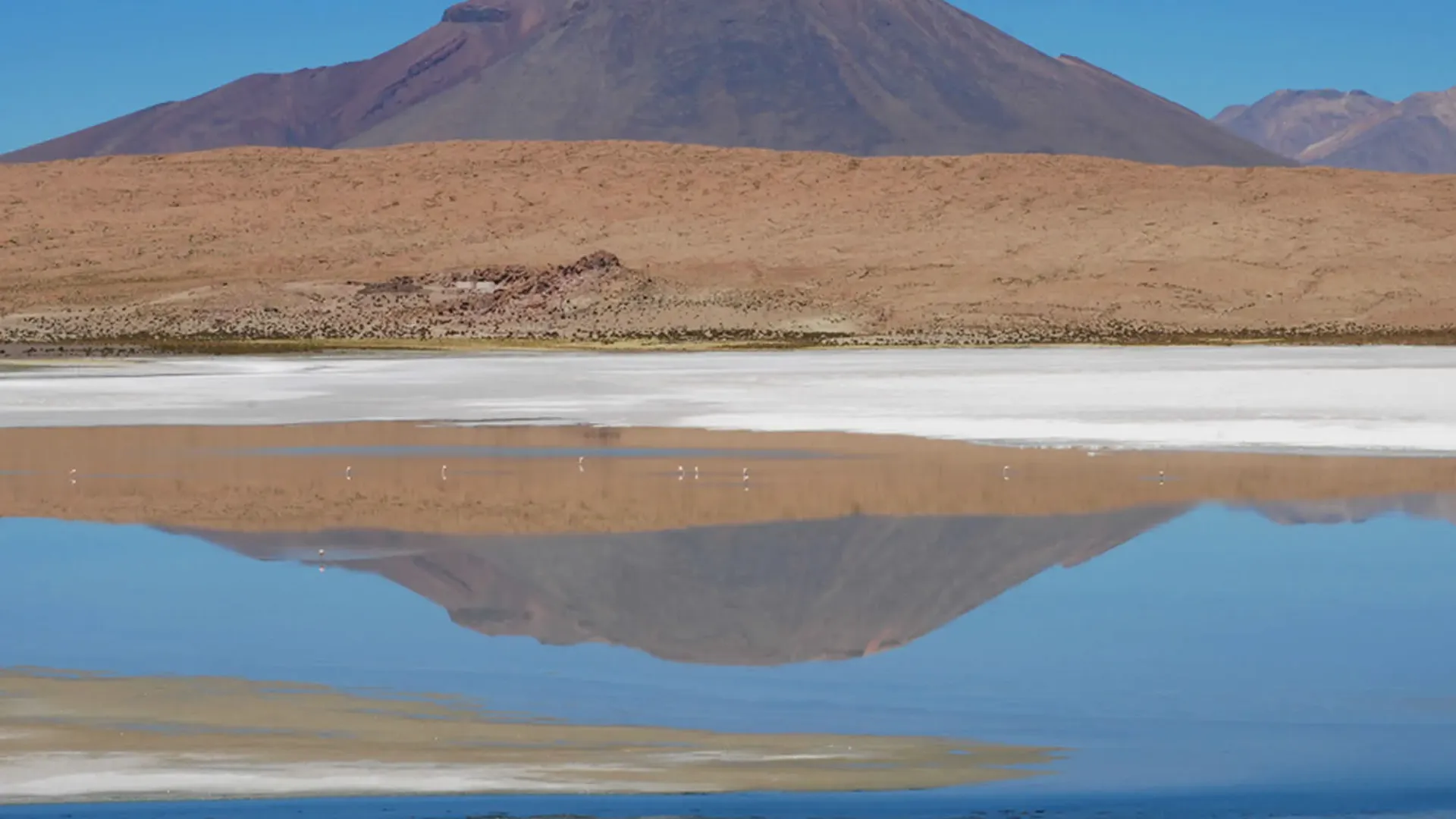
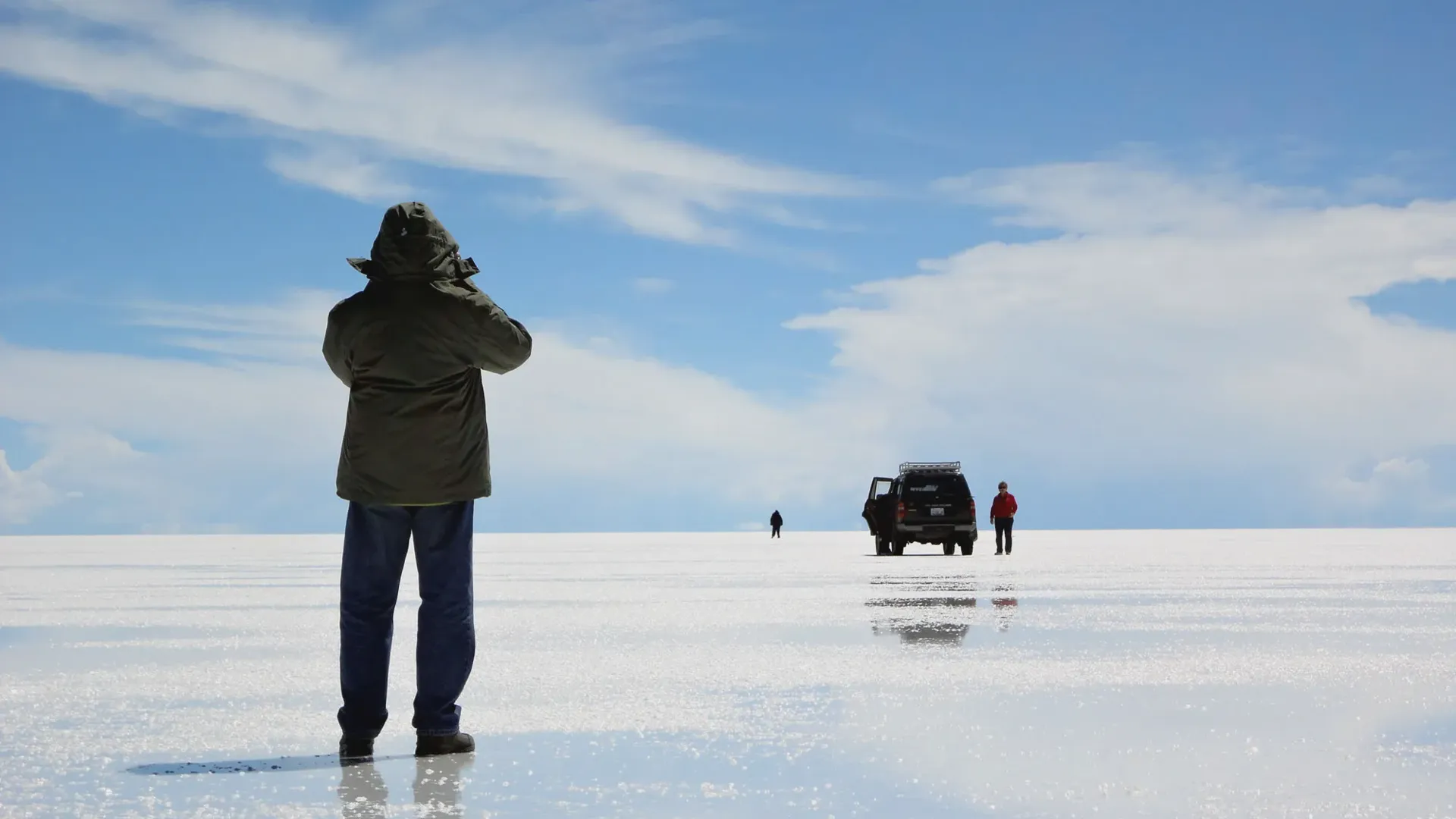
During the Andean summer, heavy rain from the surrounding highlands flows onto the Salar. Because the salt crust is non-porous, a shallow sheet of water (5 to 15 cm deep) creates an infinite sky reflection. When wind is absent, the surface becomes a flawless mirror that reflects the sky, clouds, and everything around it. Standing on it feels like standing inside the sky.

The mirror effect is one of the most photographed natural phenomena in South America. It is also genuinely unpredictable — you cannot guarantee you'll see it on any specific day, because it depends on recent rainfall, wind, and where you are on the flat.

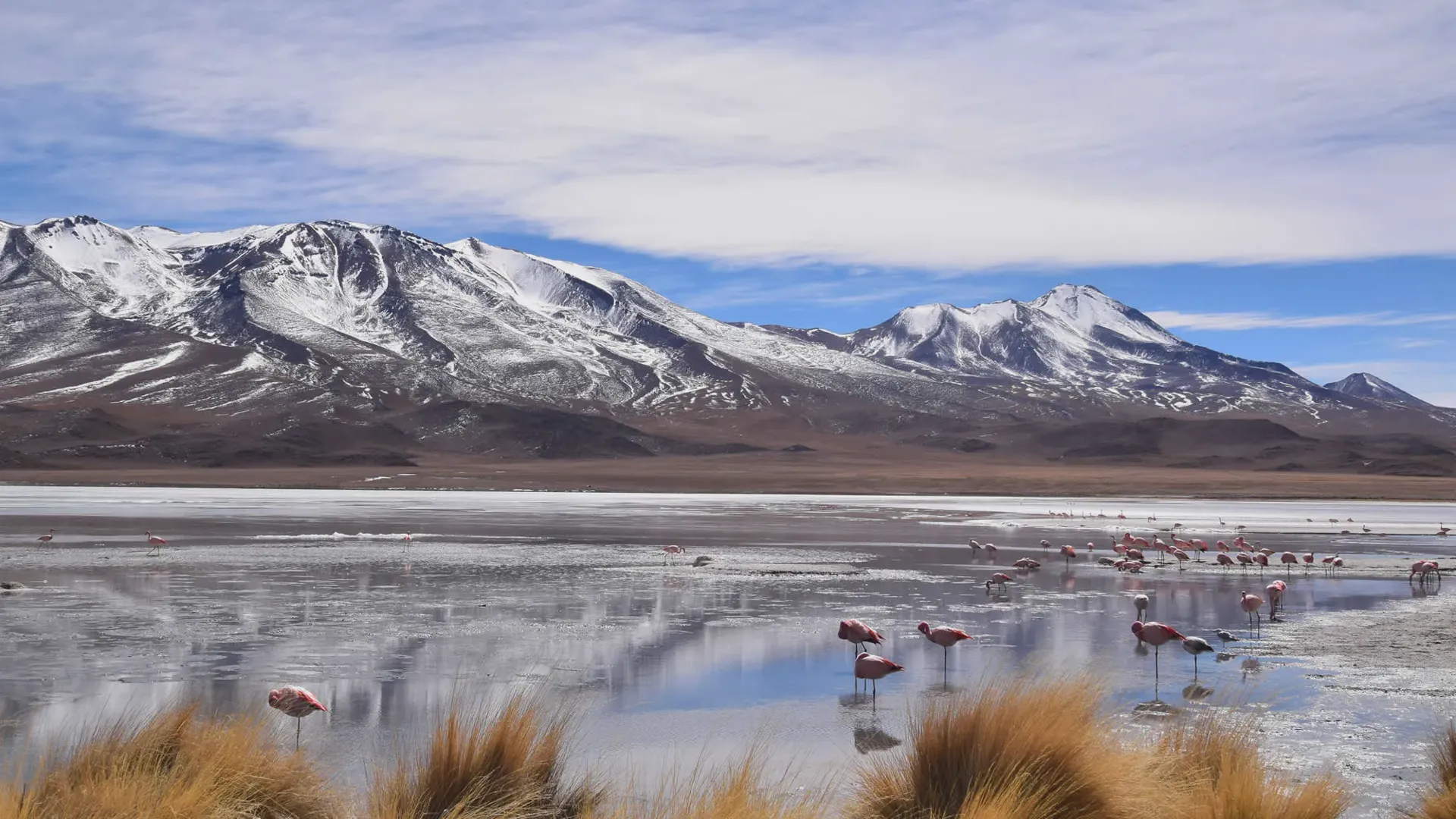
What you’ll love: Sunset and sunrise reflections are breathtaking. In the adjacent Eduardo Avaroa Reserve, thousands of Andean, Chilean, and James’s flamingos arrive for mating season at Laguna Colorada.

Important limitations:

  1. Restricted access: When water levels rise, deep traverses are suspended for vehicle safety. You cannot drive safely to Incahuasi Island or the middle of the Salar.
  2. Holiday delays: Certain local tour departures pause around New Year's Day; advance booking is critical.

Month by month in wet season

December: The rainy season begins. Early December still has relatively limited rainfall and you can often find areas with water for mirror photos. Christmas and New Year bring high tourist numbers — some operators close for a few days around the holidays. Check in advance.

January: The mirror effect becomes more consistent and widespread. Good month for the classic reflection photographs.

February: Peak wet season. The highest rainfall of the year, the most dramatic mirror conditions, and also the highest risk of sections becoming inaccessible. Isla Incahuasi can be cut off. This is also when the approximately 25,000 flamingos gather at Laguna Colorada in the Eduardo Avaroa Reserve for mating season — a spectacular sight most travelers don't know about.

March: Still wet, sometimes still mirroring. Crowds drop off sharply after school holidays end. One of the best months for value and a quieter experience.

April: The transition month. Rainfall decreases. In some years the mirror effect persists into early April, in others the surface is already drying. A good guide will know where to find remaining water. Late April is the sweet spot many local operators recommend: a real chance at mirror conditions, warmer temperatures than winter, fewer tourists, and better prices.

Important limitations in wet season

  1. Isla Incahuasi access: The path to Cactus Island can flood during heavy rain, making it inaccessible for months.
  2. Southwest circuit restrictions: The Eduardo Avaroa Reserve road can close after heavy rainfall.
  3. Salt damage: Excessive rainfall softens the salt crust. Driving on compromised salt can damage the surface and vehicles. Responsible operators will not enter certain zones after heavy rain.
  4. The mirror is not guaranteed: Even in peak wet season, wind breaks the reflection. The best conditions are early morning, no wind, overcast sky. Nothing is promised — but when it happens, there is nothing else like it.

Best for

  1. Mirror effect and reflection photography
  2. Flamingos at Laguna Colorada (November–March)
  3. Stargazing during clear wet-season nights (the stars reflected on the mirror surface is extraordinary when conditions align)
  4. Travelers on a flexible schedule who can adapt to conditions day by day


MONTH-BY-MONTH SUMMARY TABLE

MonthSeasonMirror EffectTemperatureCrowdsNotes
JanuaryWetHigh chanceWarm daysHighMirror season
FebruaryWetBest chanceWarm daysHighPeak mirror + flamingos. Some access limits
MarchWet → TransitionDecreasingWarm daysMediumCrowds drop, good value
AprilTransitionPossible (early)Warm daysLowSweet spot month. Mirror + no crowds
MayDryNoWarm days, cold nightsLowSalt drying. Good deals. Less cold than winter
JuneDryNoCold days, freezing nightsMediumStargazing season begins
JulyDryNoCold days, very cold nightsHighPeak tourist month. Book early
AugustDryNoCold days, very cold nightsHighColdest month. Crystal clear skies
SeptemberDryNoWarming upMediumNights still cold but manageable
OctoberDryNoWarm days, cool nightsLowBest overall month for most travelers
NovemberDry → WetOccasionalWarm daysLow–MediumFirst rains begin. Flamingos arrive
DecemberWetPossibleWarm daysMedium–HighMirror starting. Holiday closures possible

Tours Including This Destination

View All Tours →
San Pedro de Atacama to Uyuni Shared Tour
3 Days
Potosi
Featured
Potosi

San Pedro de Atacama to Uyuni Shared Tour

An attractive budget option for visiting the best attractions of the Uyuni area and the Eduardo Avaroa Reserve starting from San Pedro de Atacama.

San Pedro de Atacama - Eduardo Avaroa National Park - San Pedro de Atacama Day Tour
1 Day
Potosi
Featured
San Pedro de Atacama

San Pedro de Atacama - Eduardo Avaroa National Park - San Pedro de Atacama Day Tour

Visit the beautiful Eduardo Avaroa National park on a single day tour starting from San Pedro de Atacama. See colorful lagoons, surreal deserts, boiling geysers and volcanoes!

Frequently Asked Questions

How many days do you need in Uyuni?

The honest answer is 3 days for most travellers. One day gives you the salt flat — the hexagons, Isla Incahuasi, and a sunset. Three days gives you the entire region: the salt flat on Day 1, then the Eduardo Avaroa National Reserve on Days 2 and 3 — Laguna Colorada, Sol de Mañana geysers, flamingos, and the chain of coloured lagoons that most people describe as the highlight of their Bolivia trip. If you genuinely only have one day, go — but know what you're choosing to skip.

What is the best month to visit Uyuni?

October is the best single month for most travellers. It is dry, warm enough at night to be comfortable, uncrowded compared to the June–August peak, and the daytime light is excellent for photography. If seeing the mirror effect is your priority, February offers the highest probability — but with more rain, crowds, and potential access restrictions.

Can you see the mirror effect in April?

Sometimes, yes. April is a transition month. In years with heavy rainfall, mirror conditions persist into early April. In drier years, the surface begins drying in late March. A knowledgeable local guide will know where remaining water pockets are. Late April is often recommended by Uyuni-based operators as a sweet-spot month — possible mirror, warmer nights, fewer tourists, and lower prices.

How cold does it get in Uyuni area?

During dry season nights in June, July, and August, temperatures regularly fall below -10°C and can reach -15°C on the open salt flat. Daytime is warmer — typically 13°C to 17°C in winter. From October through April, nights are significantly more manageable, rarely dropping below -5°C.

Is Uyuni worth visiting in July?

Yes, but go prepared. July is peak tourist season — book everything well in advance. The cold is serious and should not be underestimated. The trade-off is dry, clear skies and the best stargazing conditions of the year. If cold weather doesn't bother you and you've booked ahead, July is a spectacular month to visit

Where can I see flamingos in the Uyuni Salt Flat?

The flamingos are not on the Salar de Uyuni itself — they gather at Laguna Colorada in the Eduardo Avaroa National Reserve, approximately 4 hours south of Uyuni. Around 25,000 flamingos of three species (Chilean, Andean, and James) congregate there between November and March for breeding season. This reserve is visited on the standard 3-day Uyuni southwest circuit tour.

Can tours run year-round at the Uyuni Salt Flat and the Uyuni area?

Yes, with some limitations. Dry season tours operate across the full flat with no restrictions. Wet season tours adapt routes to water levels — some areas like Isla Incahuasi may be temporarily inaccessible after heavy rain. The Eduardo Avaroa Reserve southwest circuit occasionally closes during peak rainfall. Reputable operators monitor conditions daily and adapt accordingly.

Can you visit Incahuasi Island during the rainy season?

Generally no. When the salt crust dissolves into soft, muddy brine, heavy 4x4s risk sinking. Island access is typically restricted by park authorities between mid-January and late March.

Nearby Places & Attractions

Salar de Chiguana
Attraction

Salar de Chiguana

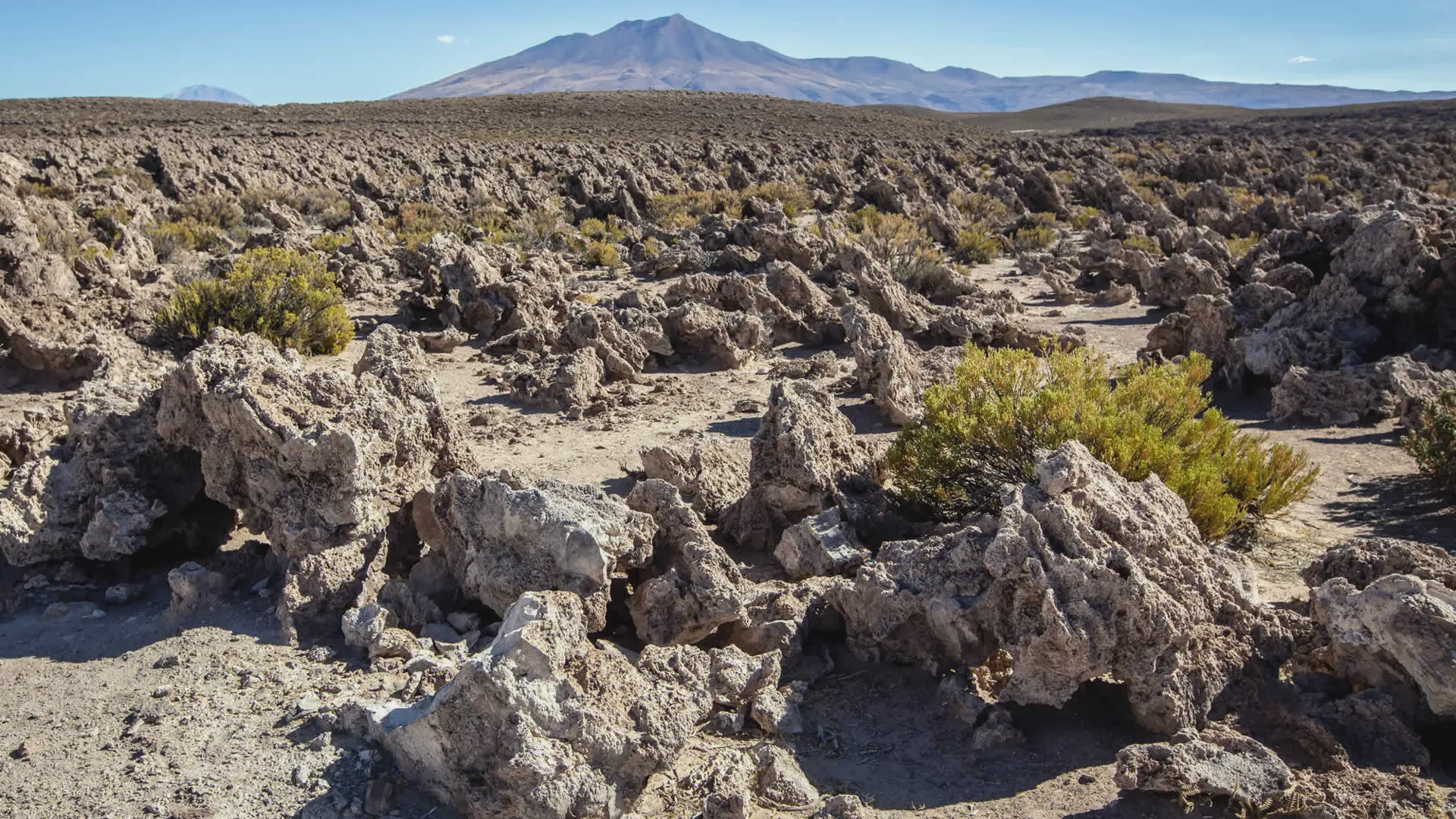
The Salar de Chiguana, not far from the border with Chile has a salt base, covered with brownish dust.

Salvador Dalí desert
Attraction

Salvador Dalí desert

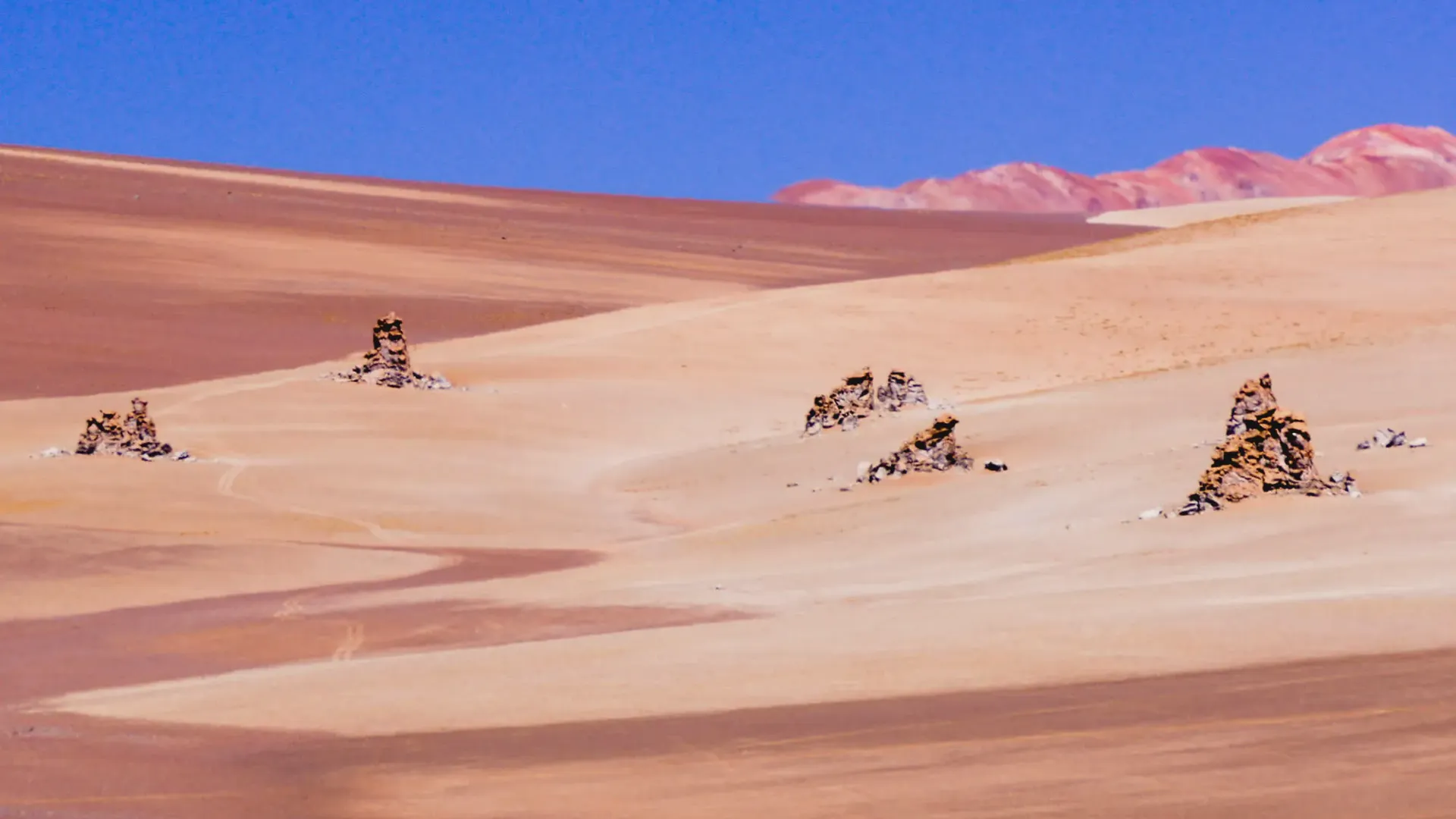
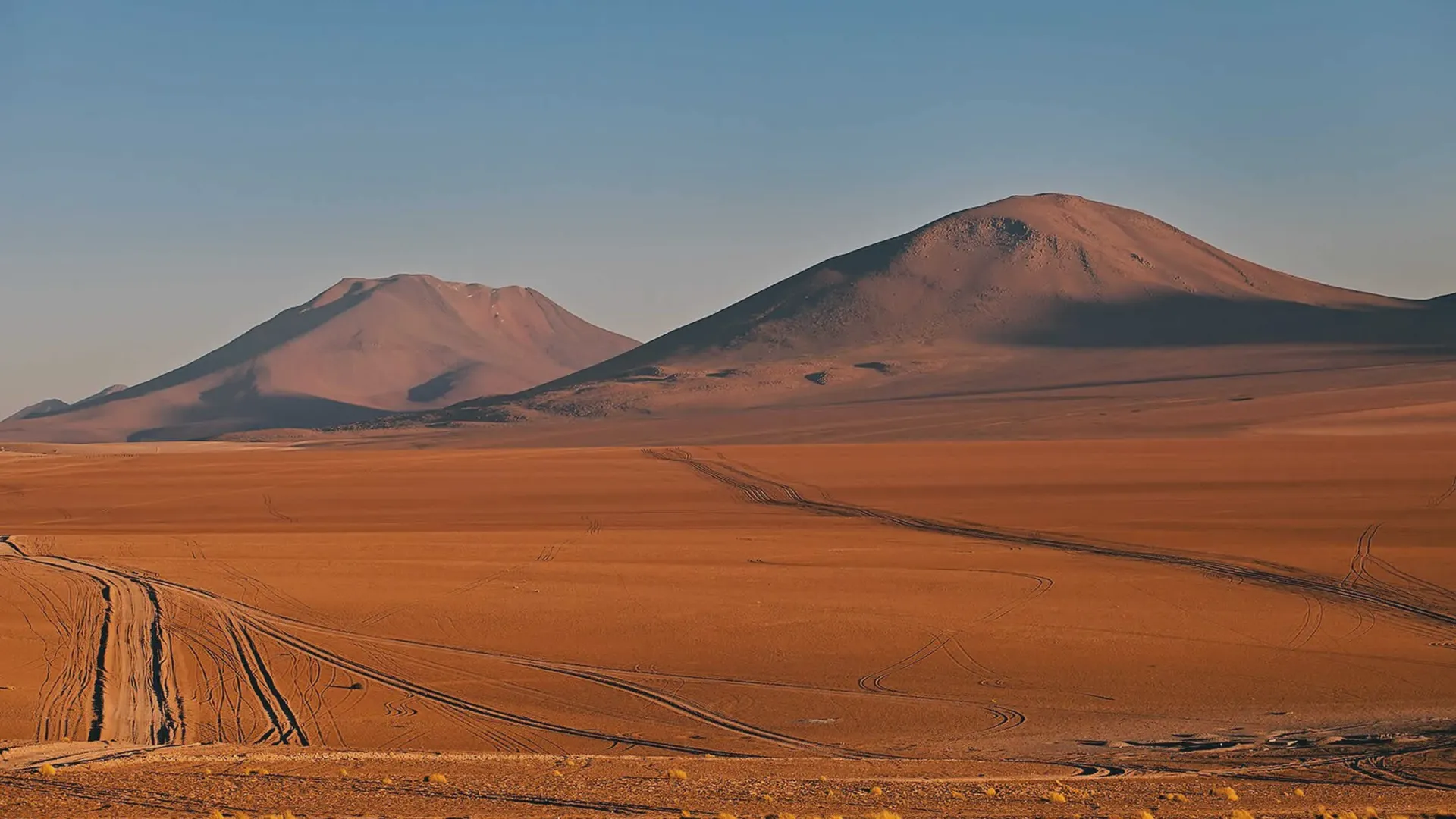
Salvador Dalí Desert (Desierto Salvador Dalí), also known as Dalí Valley (Valle de Dalí), is an extremely barren valley of southwestern Bolivia, in the Potosí Department.

Red Lagoon
Attraction

Red Lagoon

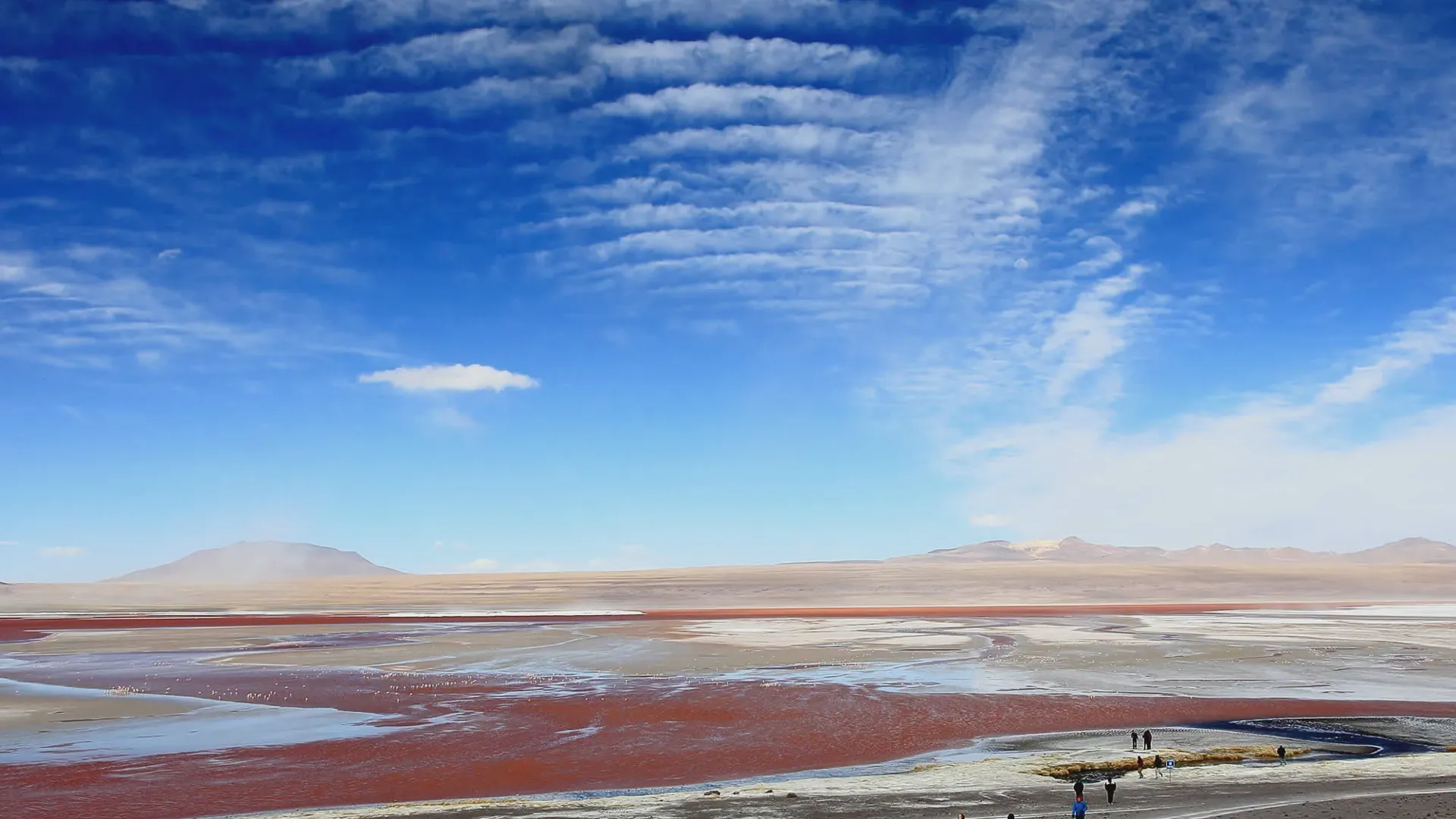
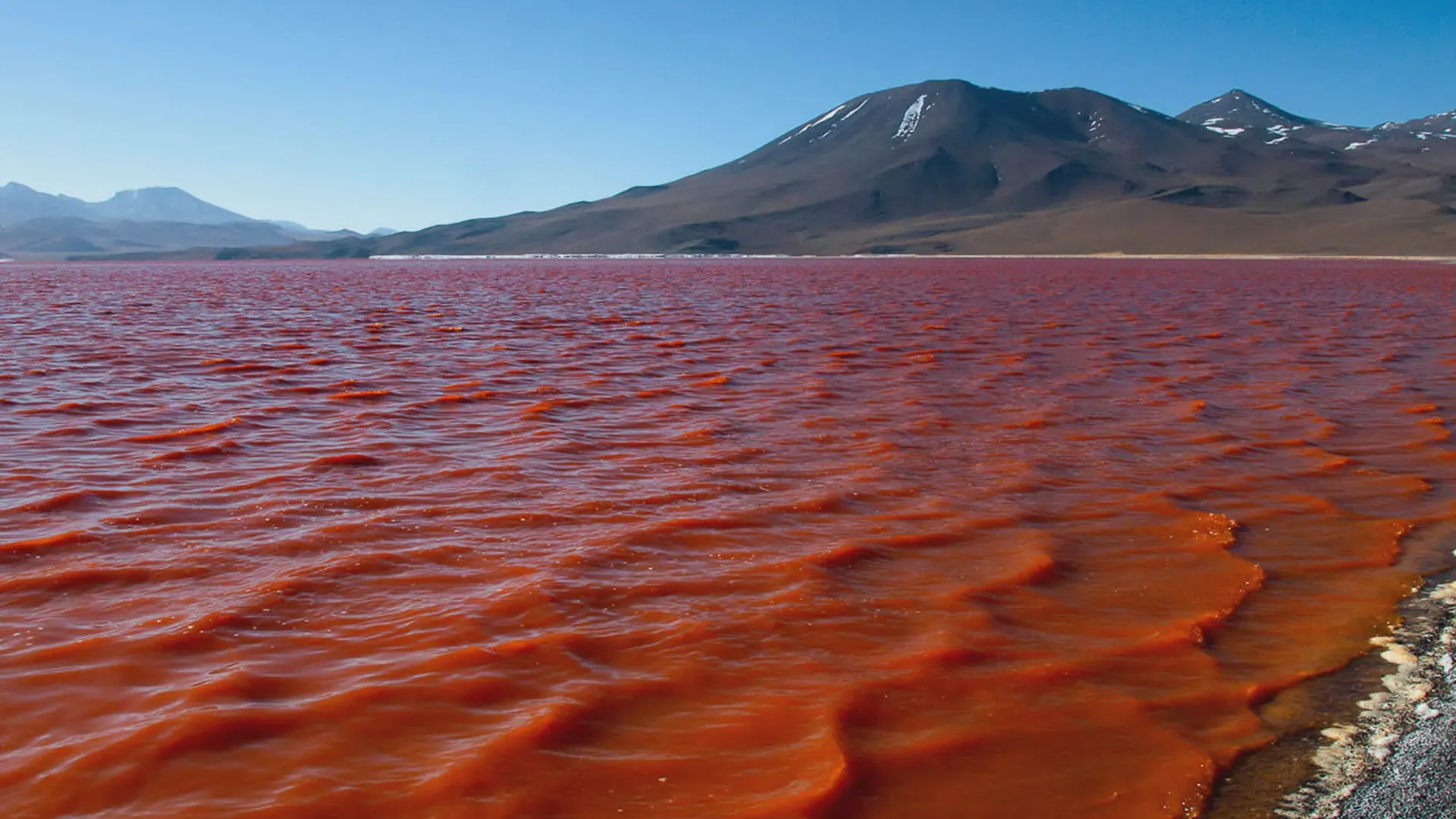
The Red lagoon (Laguna Colorada) is a shallow lake within the Eduardo Avaroa Andean Fauna National Reserve and close to the border with Chile. The lake is famous for its strong red colour caused by algae that provide food for large flocks of pink flamingos.

Green Lagoon
Attraction

Green Lagoon

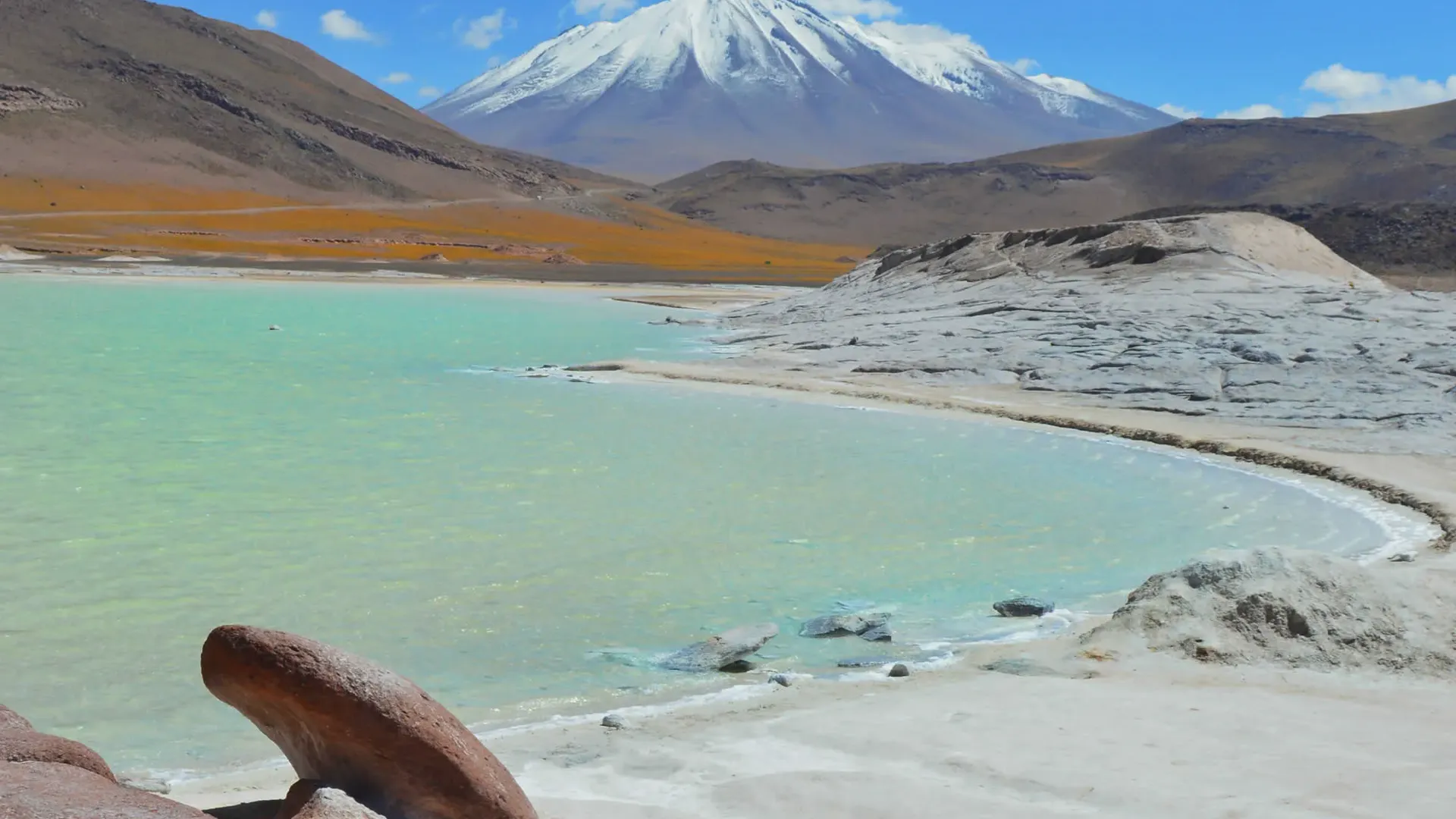
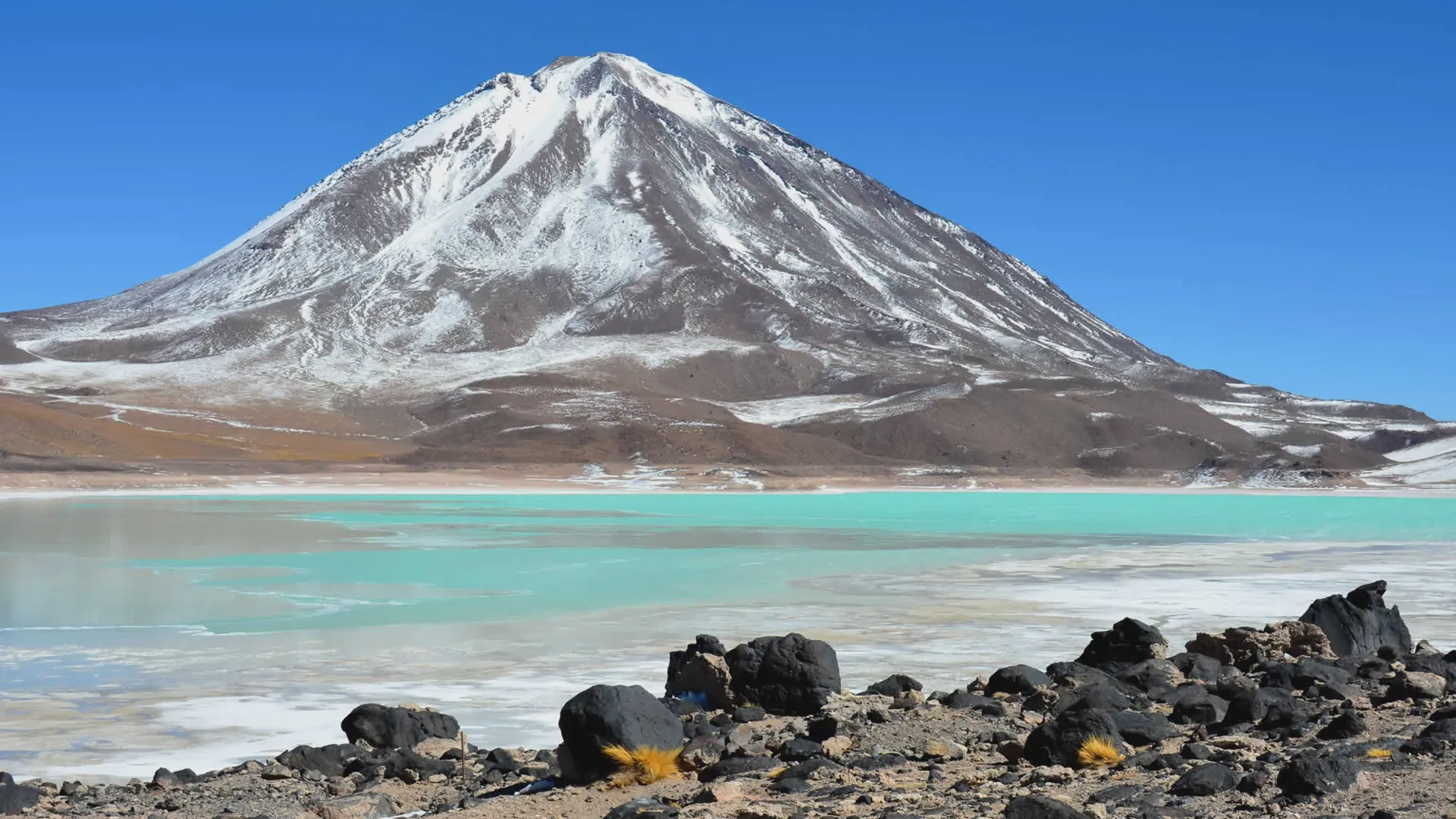
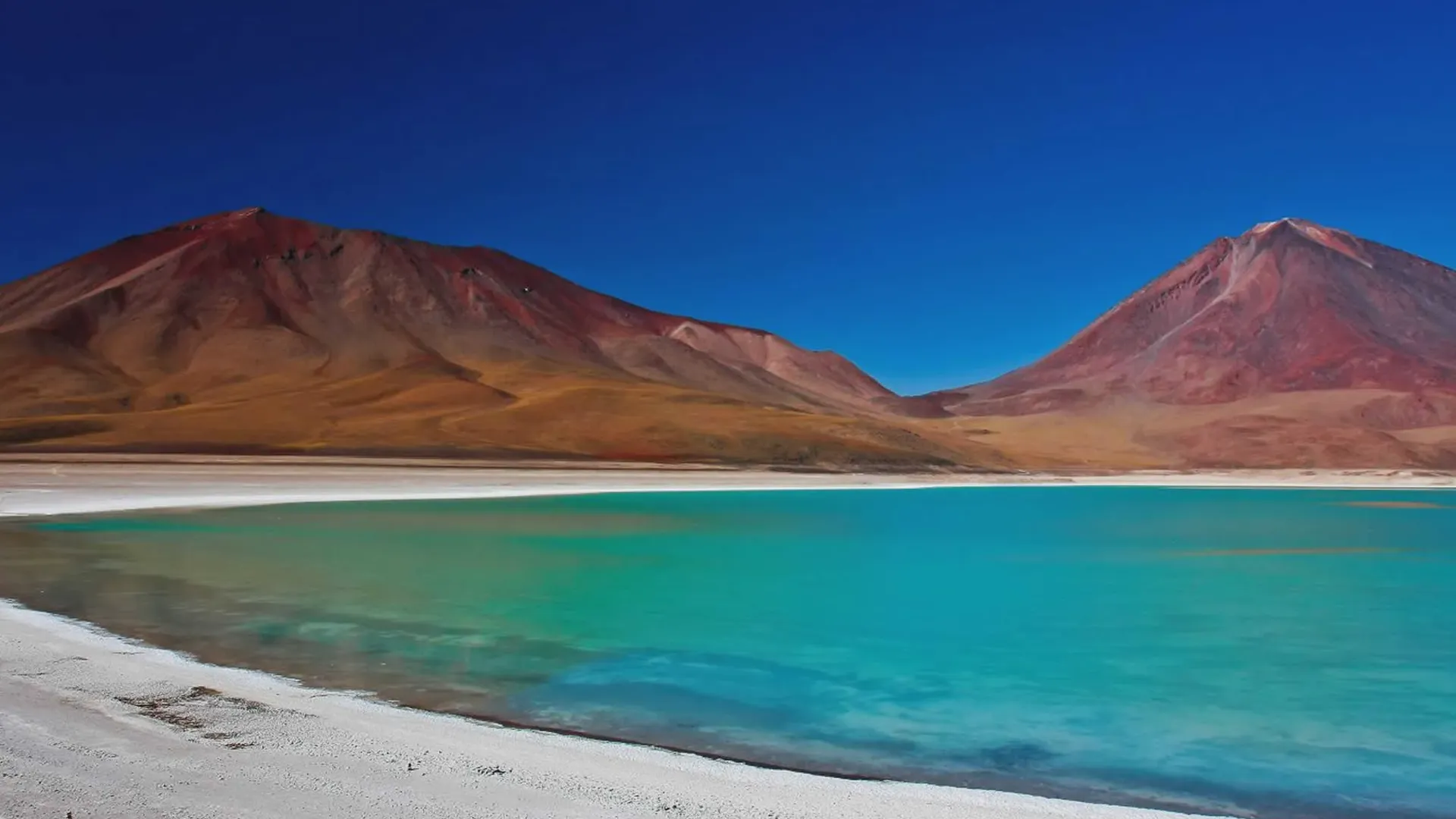
Green lagoon (Laguna Verde) is a high-altitude mineral lake in the Eduardo Avaroa Reserve, known for its beautiful green color. It sits at the foot of 2 volcanoes, Licancabur and Juriques, which straddle the border with Chile and are reflected in the water when the weather is calm.

Rock Tree
Attraction

Rock Tree

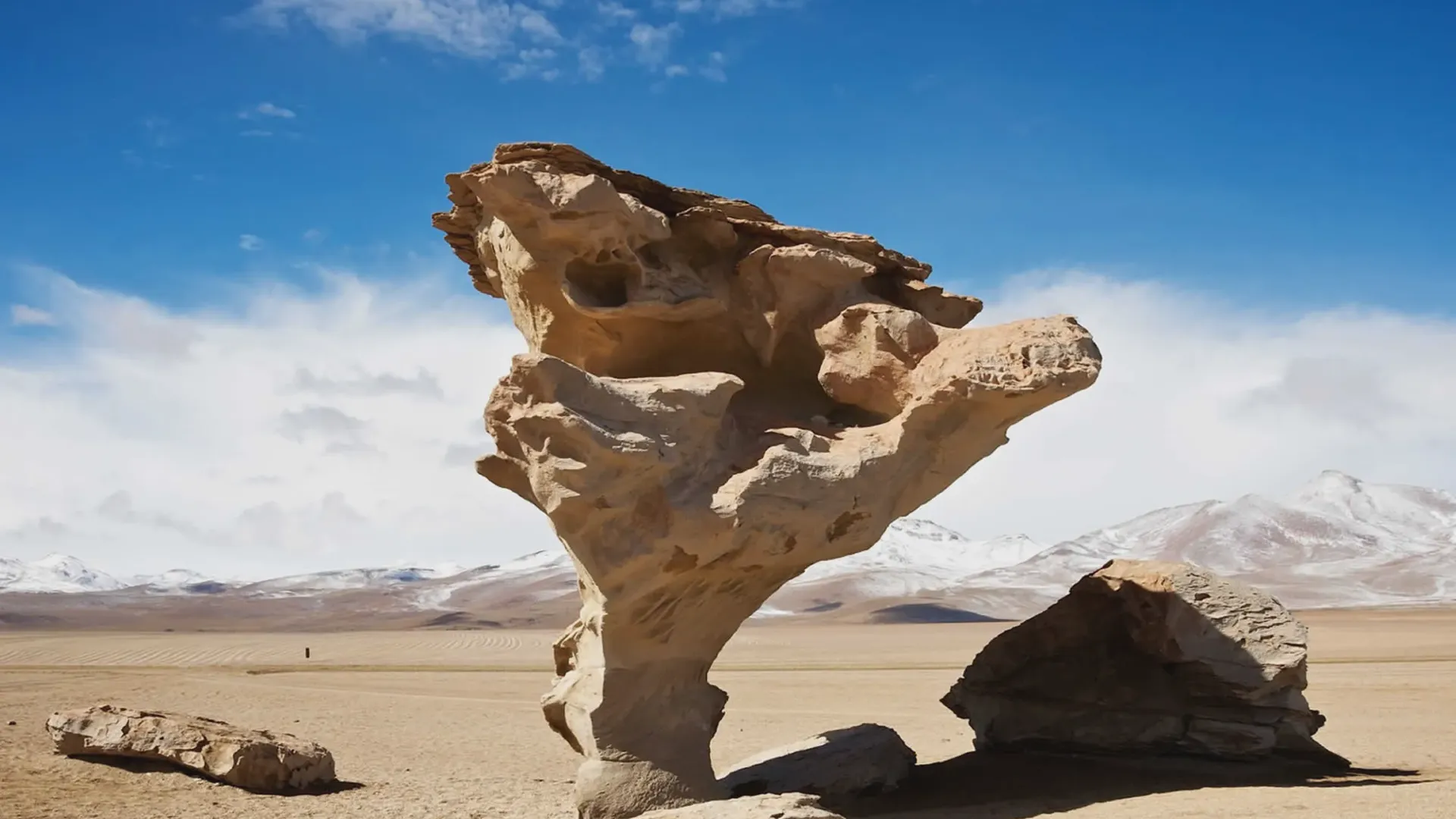
The Rock Tree (Árbol de Piedra) is a tree-like rock formation in the Siloli Desert desert that offers great photo opportunities!

Andean Fauna
Attraction

Andean Fauna

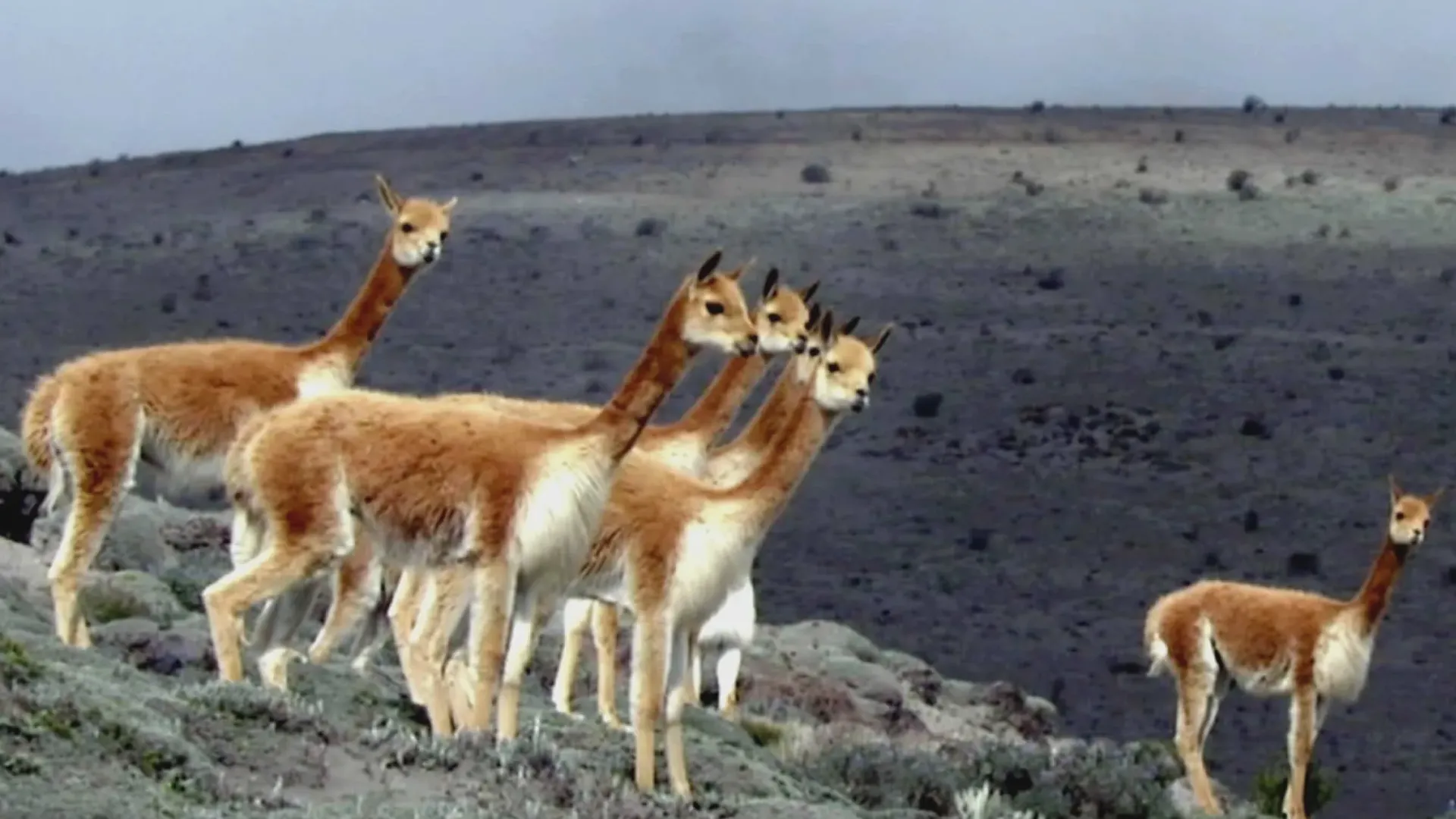
The Andean fauna populating the surroundings of the Uyuni Salt Flat and the amazing lagoons is diverse and rich. During the most popular tours to the Eduardo Avaroa National Reserve it is possible to observe these species in their natural habitat and be amazed by nature.

Ready to visit Best time to visit the Uyuni Salt Flat?

We can help you organize the perfect trip to this incredible destination.