Bolivia Travel Information Hub
Essential, field-tested guidance for international travelers: entry visas, high-altitude health protocols, pristine USD currency rules, packing matrices, and cultural etiquette.
About Bolivia: The Tibet of the Americas
A landlocked jewel of extreme Andean geography, rich indigenous languages, and unspoiled biomes.
Topographical Extremes
Bordered by Brazil, Peru, Chile, Argentina, and Paraguay. Elevations span from freezing 4,500m volcanic deserts to 200m Amazonian river basins.
Living Native Heritage
Over 60% of the population claims indigenous heritage, predominantly Quechua and Aymara. Traditional polleras, bowler hats, and Pachamama rites are part of daily life.
World-Record Biomes
Home to Madidi National Park—one of the most biologically diverse protected reserves on Earth—spanning cloud forests, savannas, and primary rainforests.
Bolivia Visa Requirements & Entry Rules
Know your entry requirements based on nationality before booking non-refundable international flights.
Visa-Free Entry (30–90 Days)
European Union, UK, Canada, Australia, Japan, New Zealand, Switzerland, and South America. Free 30-day stamp upon arrival, extendable to 90 days at migration offices.
Visa on Arrival / Online
United States, China, South Korea, India, and others. Obtainable upon landing at VVI / LPB airports or land borders ($160 USD for US citizens in crisp cash, valid 10 years).
Pre-Approved Embassy Visa
Select Middle Eastern, African, and Asian nationalities. Must apply in advance at an accredited Bolivian Embassy with full lodging and financial records.
All foreign travelers must hold a passport with at least 6 months validity from the entry date and complete the free online pre-registration via the official SIGEMIG (Bolivian Migration) portal prior to boarding international flights.
Airports & Domestic Air Travel Advice
Navigating international entry gateways and high-altitude domestic flight connections.
Viru Viru (Santa Cruz)
Bolivia's primary international hub at sea level. Best for arriving from North America or Europe without immediate altitude strain before domestic connections.
El Alto (La Paz)
The highest international airport in the world. Serves direct flights from Lima, Bogotá, Santiago, and connects all domestic Bolivian cities.
Joya Andina (Uyuni)
Domestic hub for the Salt Flats. Daily 45-minute commercial flights connect directly with La Paz, bypassing 8 to 10 hours of overland driving.
Boliviana de Aviación (BoA) enforces a standard checked luggage limit of 20 kg (44 lbs) + 5 kg carry-on on domestic routes. Mountain wind and rain can cause seasonal delays in Uyuni or Rurrenabaque—keep a 24-hour buffer before international departures.
Health, Altitude Sickness & Vaccine Protocols
Practical strategies to prevent Soroche (altitude sickness) and stay healthy across highland circuits.
Elevation Staging Plan
Do not fly straight from sea level into Uyuni (3,650m) or Potosí (4,090m). Land in Santa Cruz (416m) or spend 2 nights in lower valleys like Sucre (2,810m) to let your body adjust naturally.
Soroche Remedies
Drink 3–4 liters of water daily and sip hot mate de coca (coca leaf tea). Over-the-counter Sorojchi Pills (aspirin + caffeine + acetaminophen) or prescription Acetazolamide (Diamox) are widely used.
Yellow Fever & Insurance
Yellow Fever vaccination is mandatory when traveling to Amazon lowlands (Madidi, Rurrenabaque, Beni, Santa Cruz) or transiting to/from Brazil/Peru. Always ensure your travel insurance covers 4,000m+ evacuation.
All private expedition vehicles operated by Bolivia Travel Site carry medical emergency auxiliary oxygen tanks and first aid kits on all Salar de Uyuni, Eduardo Avaroa Reserve, and Potosí mountain routes.
Money, Currency Rules & Mobile Connectivity
Navigating Bolivia’s strict banknote standards, rural cash needs, and remote cellular coverage.
The "Pristine USD Banknote" Rule
Bolivia operates on the Boliviano (BOB / Bs). While US Dollars are widely accepted for major tour payments and upscale hotels, banks, exchange booths, and shops strictly reject USD bills with small tears, folds, stamps, ink marks, or pre-2013 issue dates.
Entel vs. Tigo & Desert Blackouts
Entel is the state telecom and provides the only reliable 4G coverage along rural highways, Lake Titicaca, and Uyuni town. Tigo works well in major cities. Prepaid physical SIM cards cost ~$2 USD at airport kiosks with a passport.
International credit cards (Visa & Mastercard) are accepted in major city hotels and restaurants, but often carry a 3% to 8% processing surcharge. Notify your bank before travel to prevent fraud blocks.
Seasons Comparison & Packing Matrix
Choosing between the mirror reflection and dry seasons, plus essential high-altitude gear.
Dry Season vs. Rainy Mirror Season
Dry Season (May – October): Crisp, cloudless cobalt skies, solid white salt polygon crust, best for driving deep into the Salar. Freezing desert nights (-15°C / 5°F).
Rainy Mirror Season (January – March): A thin layer of water transforms Salar de Uyuni into the world's largest natural mirror. However, Incahuasi Island may become inaccessible due to water depth.
The 3-Layer Rule & Battery Protection
Thermal Layering: Base thermal underwear + fleece mid-layer + windproof down jacket. You will experience 20°C sunny afternoons and -10°C sunrise temperatures on the same day.
UV & Glare: Polarized Category 3/4 sunglasses (salt glare causes photokeratitis), high-SPF 50+ sunscreen, lip balm, and an external power bank (lithium batteries drain 3x faster in sub-zero desert air).
Safety Rules & What NOT To Do
Tested cultural, practical, and health precautions from local Bolivian expedition guides.
Top 10 Things NOT To Do
- 1 Do not drink tap water anywhere — Always consume bottled, boiled, or purified water.
- 2 Do not rush altitude acclimatization — Allow 24–48 hours before strenuous mountain activities.
- 3 Do not hail unmarked street taxis at night — Use radiotaxis, hotel dispatch, or rideshare apps.
- 4 Do not photograph indigenous elders without asking — Always seek respectful permission first.
- 5 Do not carry torn or marked USD banknotes — Local exchange shops strictly reject flawed bills.
- 6 Do not buy unverified budget Death Road bike tours — Insist on hydraulic disc brakes and full PPE.
- 7 Do not assume credit cards work everywhere — Always carry a physical cash buffer in Bolivianos (BOB).
- 8 Do not flush toilet paper down the drain — Always dispose of paper in the provided waste bin.
- 9 Do not pack only lightweight clothes — Salt flat and Altiplano nights plummet below freezing (-15°C).
- 10 Do not attempt to push through road blockades — Let experienced local drivers safely reroute your trip.
Top 10 Reasons to Visit Bolivia
- 1 The World's Greatest Salt Mirror — 10,500 km² of endless reflections on Salar de Uyuni.
- 2 Birthplace of the Inca Civilization — Sacred Island of the Sun on Lake Titicaca.
- 3 Highest Urban Cable Car Network — 10 scenic lines soaring over the canyon of La Paz.
- 4 UNESCO Imperial Silver Mint — Potosí's rich 16th-century colonial mining history.
- 5 Intact Living Native Traditions — Authentic Aymara, Quechua, and Guaraní cultural expressions.
- 6 Pristine Amazon Rainforest — World-record biodiversity in Madidi National Park.
- 7 Astronomical Pre-Inca Temples — The Sun Gate and megaliths of Tiwanaku.
- 8 World's Largest Dinosaur Trackway — Over 5,000 fossil footprints at Cal Orck'o in Sucre.
- 9 The Dramatic "Tibet of the Americas" — Majestic 6,000m volcanoes and colorful desert lagoons.
- 10 Exceptional Private Travel Value — High-end private 4x4 safaris at fair local DMC prices.
Top 10 Tourist Attractions in Bolivia
The definitive landmarks that form the core of any comprehensive Bolivian journey.
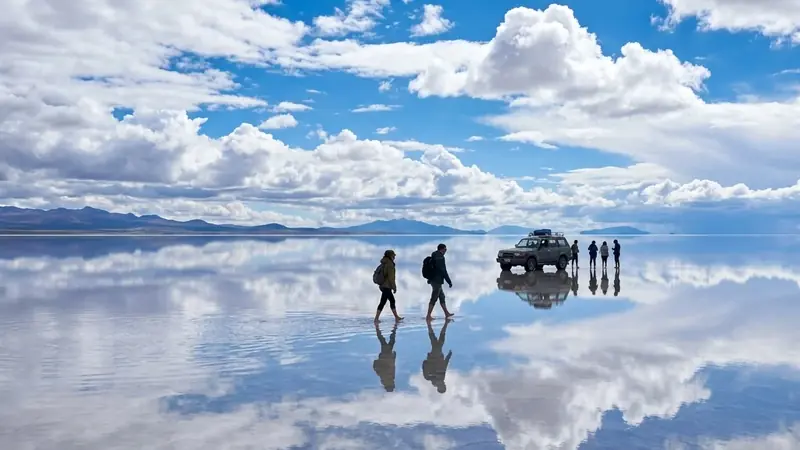
Salar de Uyuni & Lagoons
10,500 km² salt crust, giant cactus islands, Red Lagoon flamingos, and geysers.
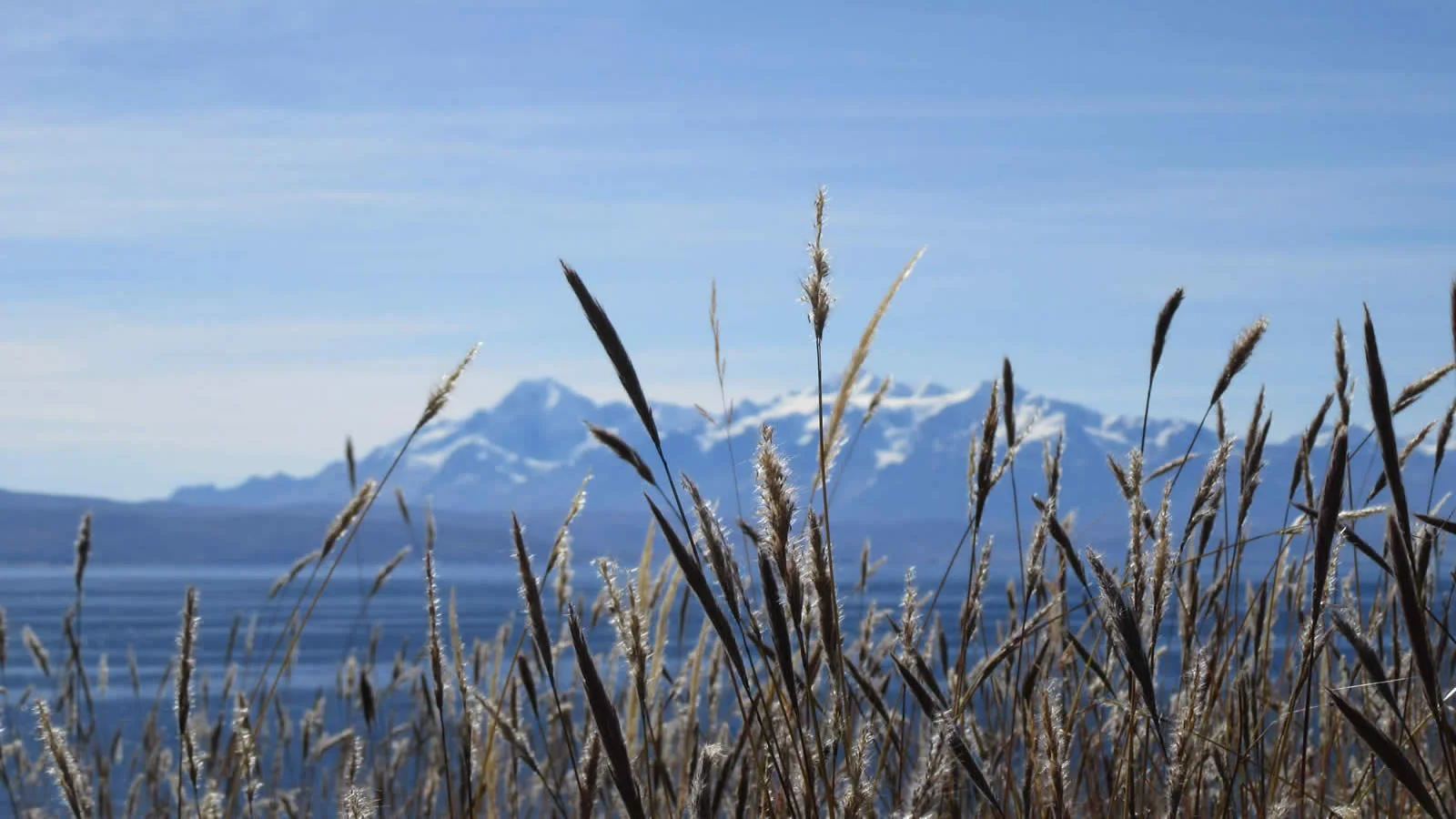
Lake Titicaca & Isla del Sol
Cobalt-blue navigable lake, Copacabana Sanctuary, and sacred Inca terraces.
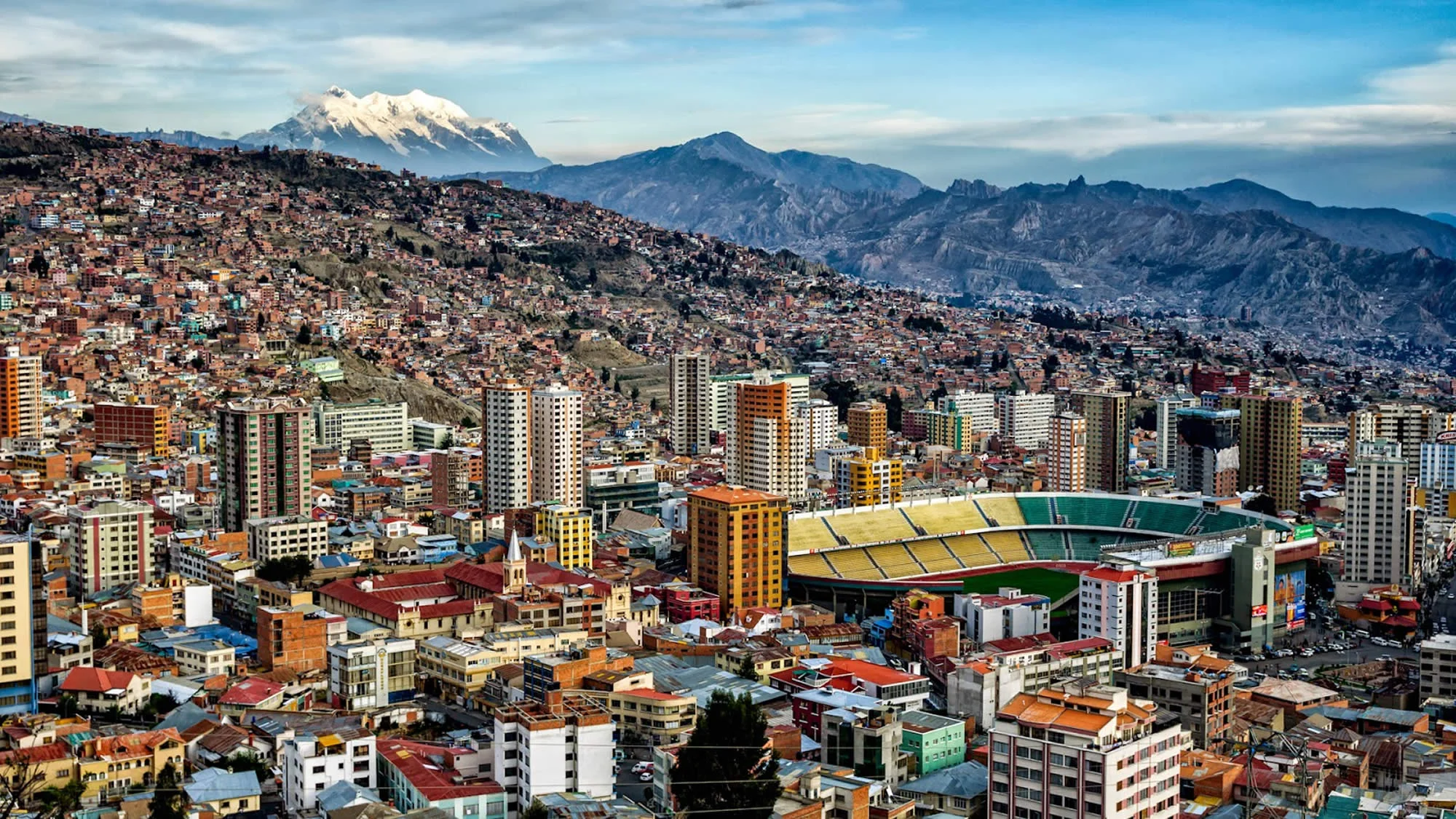
La Paz & Mi Teleférico
Aerial transit system, Witches' Market, Moon Valley, and Mount Illimani views.
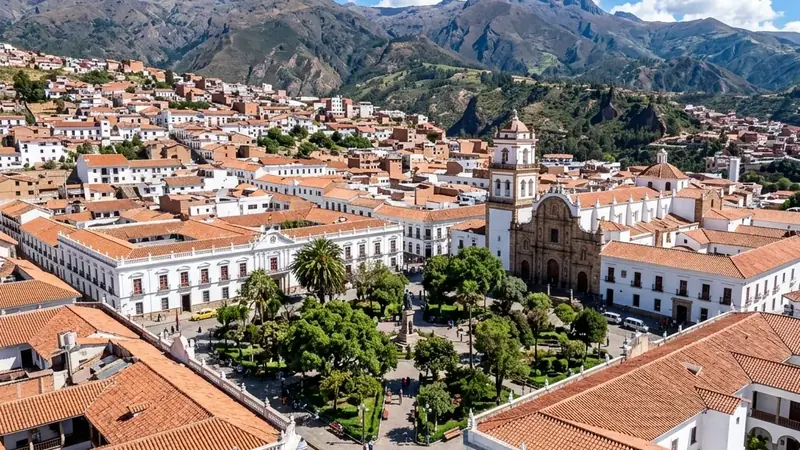
Sucre (White Capital)
UNESCO colonial center, Casa de la Libertad, dinosaur footprints, and mild valley weather.
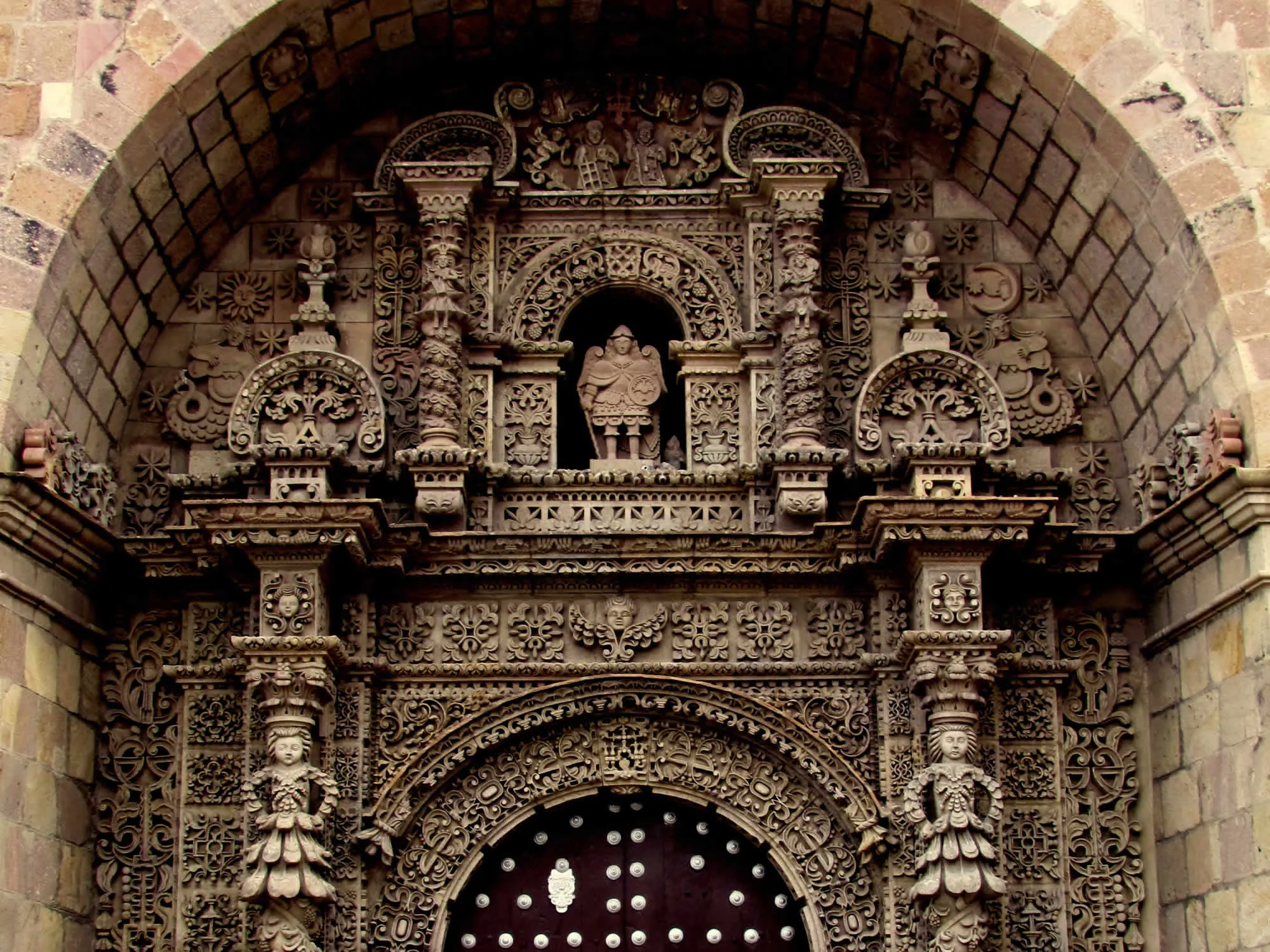
Potosí & Cerro Rico
Casa Nacional de la Moneda, colonial church rooftops, and legendary silver mines.
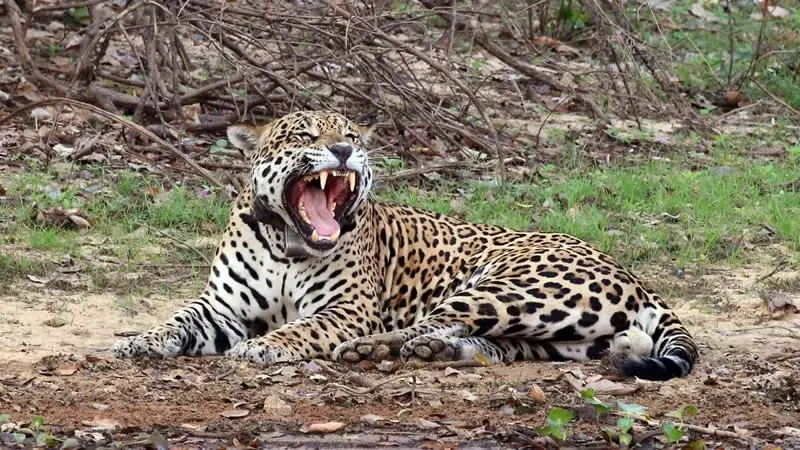
Madidi National Park
Primary Amazon jungle ecolodges, riverboat safaris, jaguars, and pink river dolphins.
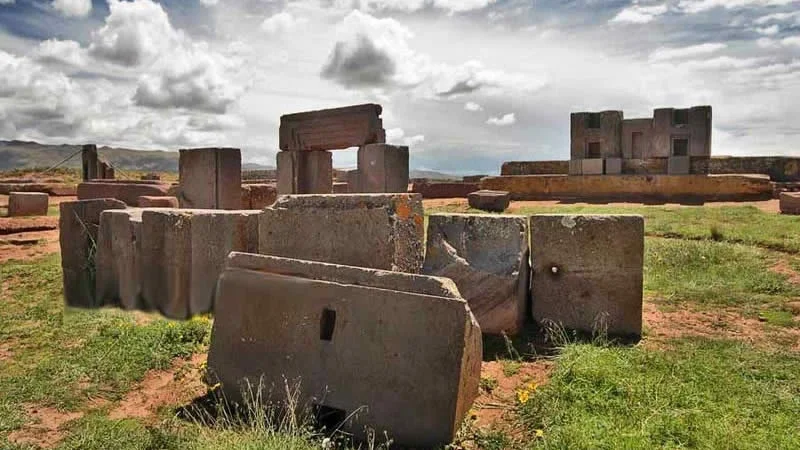
Tiwanaku Sun Gate
Megalithic stone temples, Akapana pyramid, and archaeological wonders of the Altiplano.
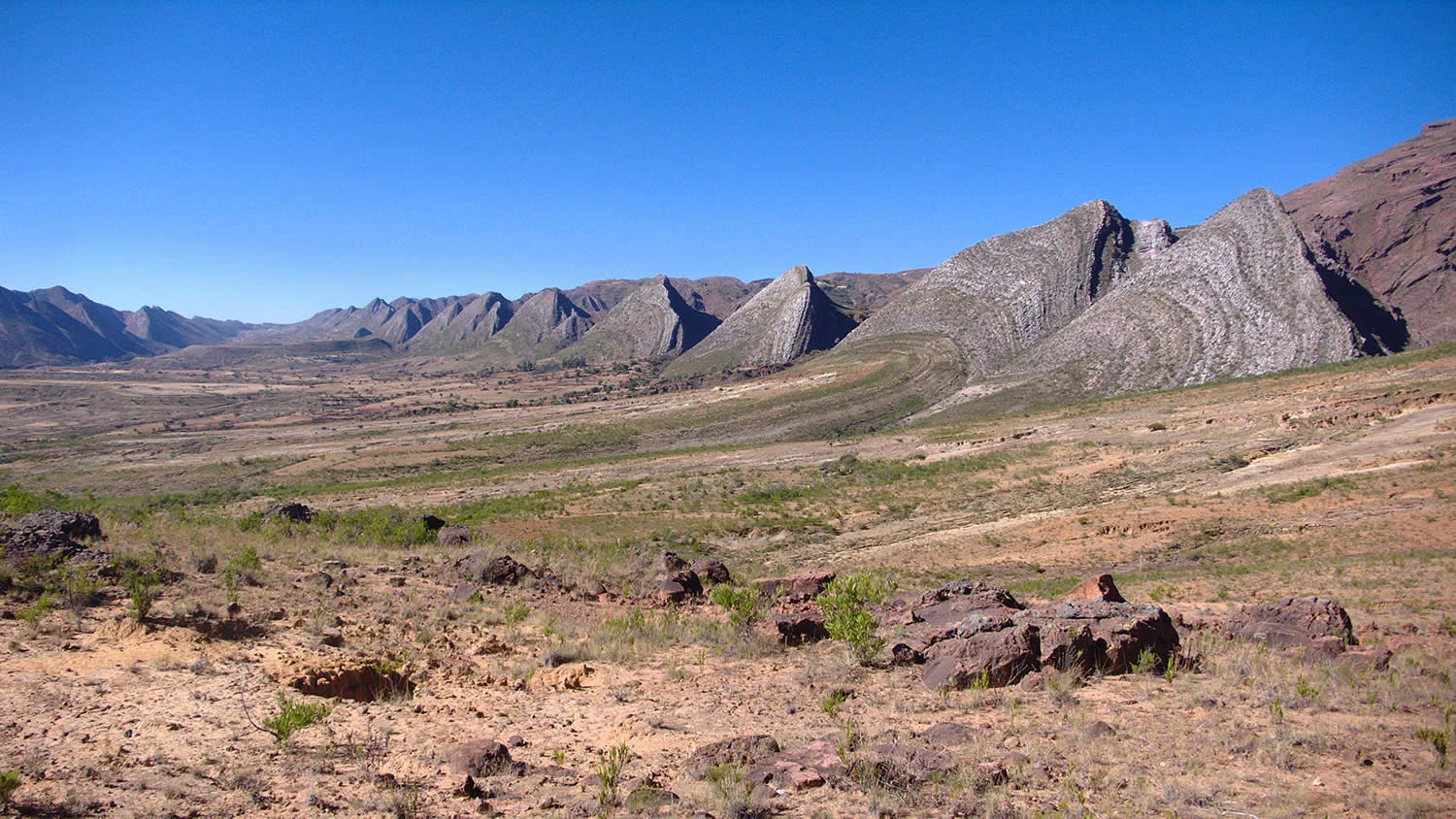
Toro Toro National Park
Dinosaur footprints, deep limestone canyons, underground waterfalls, and caverns.
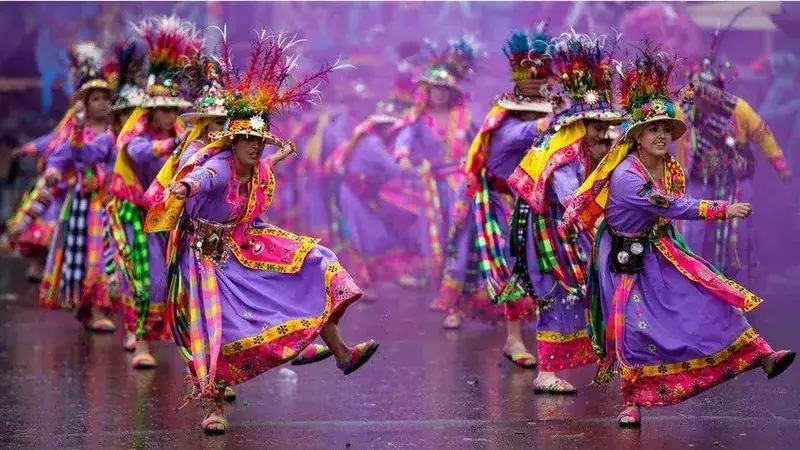
Oruro Carnival & Mines
UNESCO Masterpiece of Intangible Heritage, elaborate devil dances, and mining folklore.
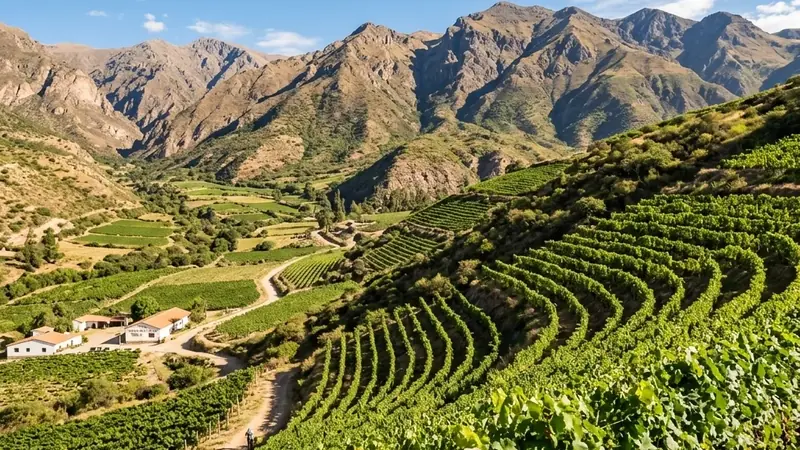
Tarija Wine Valley
World's highest vineyards (1,850m–2,400m), artisan Singani distilleries, and warm valley hospitality.
Foreign Embassies & Consulates Directory
Official diplomatic contacts located in La Paz for passport emergencies and consular support.
United States Embassy in La Paz
Address: Av. Arce 2780, San Jorge, La Paz
Phone: (+591-2) 216-8000 · 24/7 American Citizen Emergency Services.
British Embassy (UK & Commonwealth Representation)
Address: Av. Arce 2732, San Jorge, La Paz
Phone: (+591-2) 211-2882 · Consular support for UK, Australian, and Canadian travelers.
German Embassy & European Union Consular Representation
Address: Av. Arce 2395, San Jorge, La Paz
Phone: (+591-2) 244-0066 · Assisting EU citizens in coordination with accredited European consulates.
French & Swiss Embassies
French Embassy: Av. Hernando Siles 5390, Obrajes, La Paz · Phone: (+591-2) 214-9900
Swiss Embassy: Calle 13, Calacoto, La Paz · Phone: (+591-2) 275-1001
Ready to Experience the Real Bolivia?
From seamless private airport transfers and acclimatization itineraries to luxury 4x4 salt flat crossings, let our local team design your bespoke journey.