Altitude in Uyuni: What to Know Before You Go
Uyuni Salt Flat & Surroundings

Altitude in Uyuni: What to Know Before You Go

Uyuni is one of the highest destinations in South America. At 3,656 meters, the air contains roughly 40% less oxygen than at sea level. The 3-day tour goes even higher—up to 4,850 meters. Altitude sickness doesn't discriminate: fitness, age, and gender are not reliable predictors of who will be affected. The key is preparation: acclimatization, hydration, medication, and knowing when to descend. This guide covers how to acclimatize before you arrive, what to pack, and how to recognize serious symptoms

Updated: September 8, 2026
On this page

Quick Facts


CategoryKey Information
Uyuni Town3,656 metres (12,000 ft)
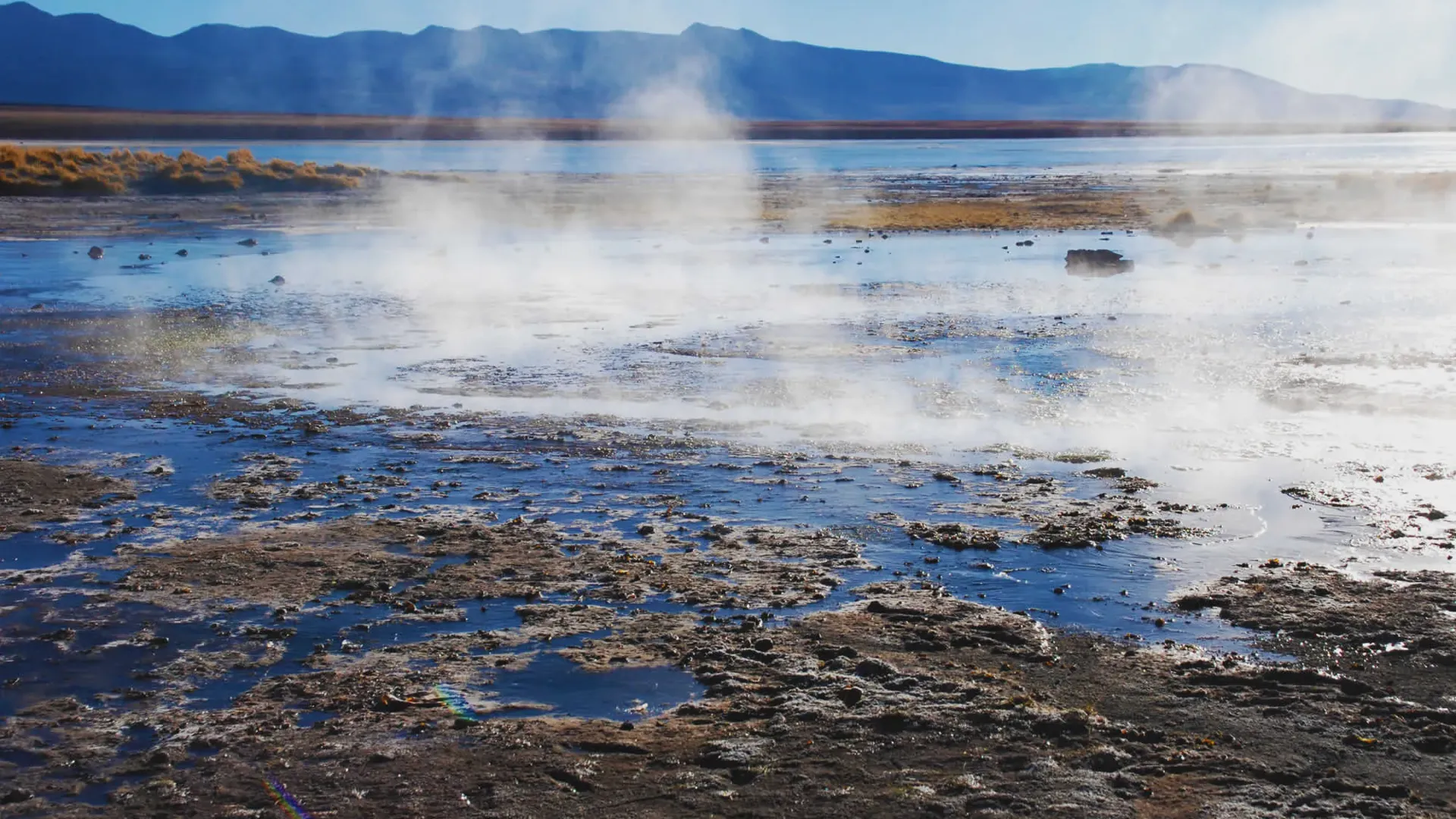
3-Day Tour Maximum4,850 metres (15,900 ft) at Sol de Mañana
Overnight on Circuit~4,200 metres (13,800 ft)
Altitude Sickness RiskAffects ~50% of visitors who ascend rapidly
SymptomsHeadache, fatigue, nausea, sleeplessness
Acclimatization Recommended2–3 days at 2,500–3,000 metres before Uyuni
MedicationAcetazolamide (Diamox) – start 24 hours before ascent
Traditional RemedyCoca tea or coca leaves (widely available)


At a glance

Practical Tips for Your First 48 Hours

  • The Digestion Trap (Eat Light): At 3,700+ meters, your stomach digests food at roughly half its normal speed because oxygen is diverted to your brain, lungs, and muscles. Avoid heavy steaks, greasy fast food, and large carb loads on your first night in Uyuni. Stick to light vegetable or quinoa soups.
  • Zero Alcohol for the First Two Days: Alcohol depresses your respiratory system, causes rapid dehydration, and mimics/amplifies altitude sickness. Save the Bolivian wine celebration for your second evening on the flats.
  • Double Your Water Intake: The air across the Altiplano is bone-dry. You exhale massive amounts of moisture simply by breathing faster to get oxygen. Drink 3 to 4 liters of water daily, and add an electrolyte packet to your morning bottle.
  • Move in Slow Motion: Even if you feel energetic when stepping out of the 4x4, walk slowly. Quick sprints up the rocks at Incahuasi Island or around Laguna Colorada will spike your heart rate and bring on an immediate tension headache.
VB

From the Bolivia Travel Site Operations Desk

Locally operating private 4x4 expeditions and Altiplano transfers across Bolivia and Chile since 2010.

Safety Protocol: High altitude is the single most common factor that can disrupt a trip. All our private expedition vehicles are equipped with certified emergency oxygen tanks, pulse oximeters, and basic first-aid supplies. Our drivers are trained to recognize early signs of severe soroche and maintain direct satellite communication protocols for rapid evacuation routes toward lower elevations when necessary.

Updated: September 2026

The Altitude Reality: Why Uyuni Catches People Off Guard

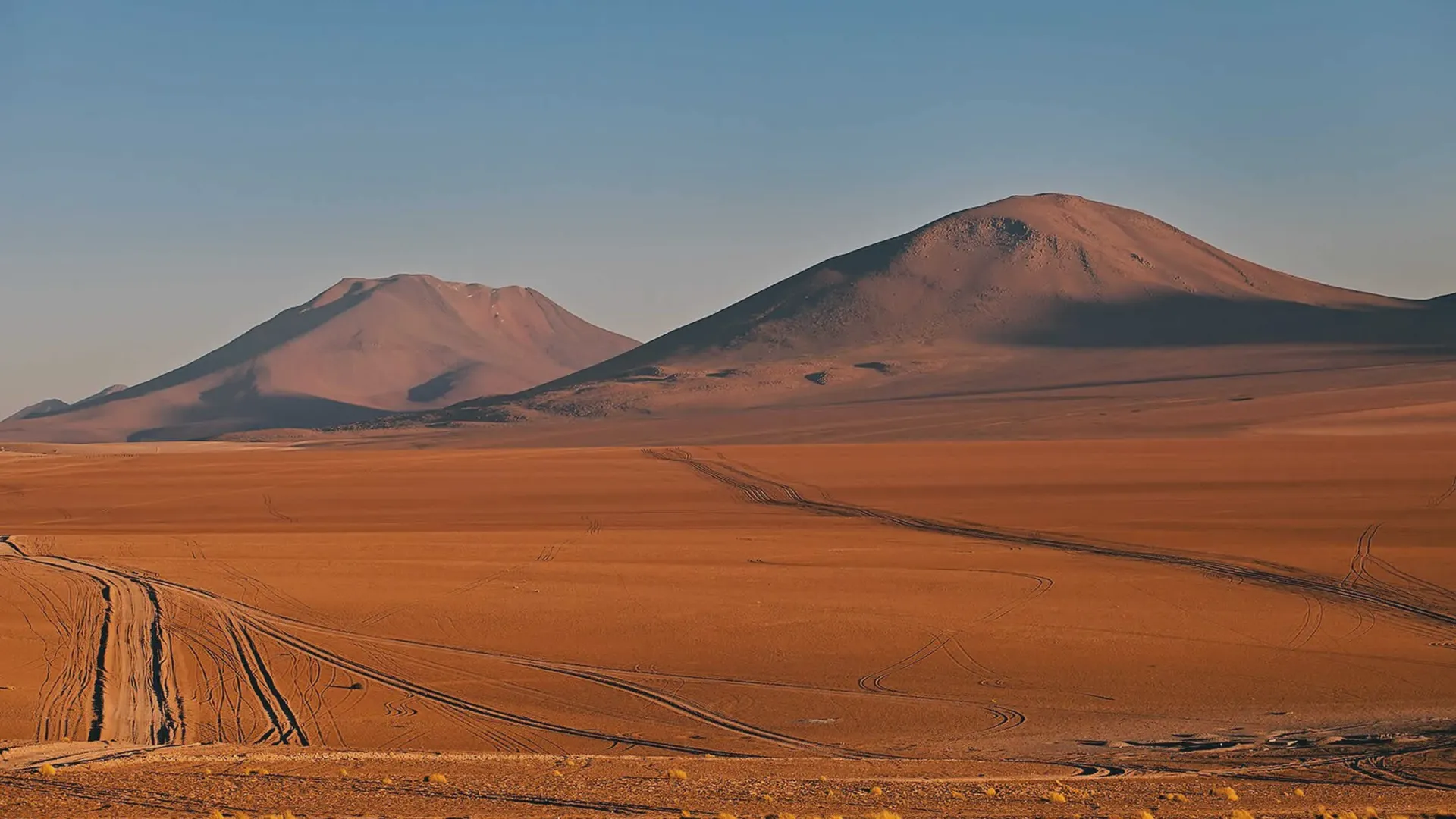
Most people think of the Salar de Uyuni as a flat, horizontal desert—which it is. But that pancake-flat desert rests on top of the Altiplano plateau at nearly 3,700 meters.

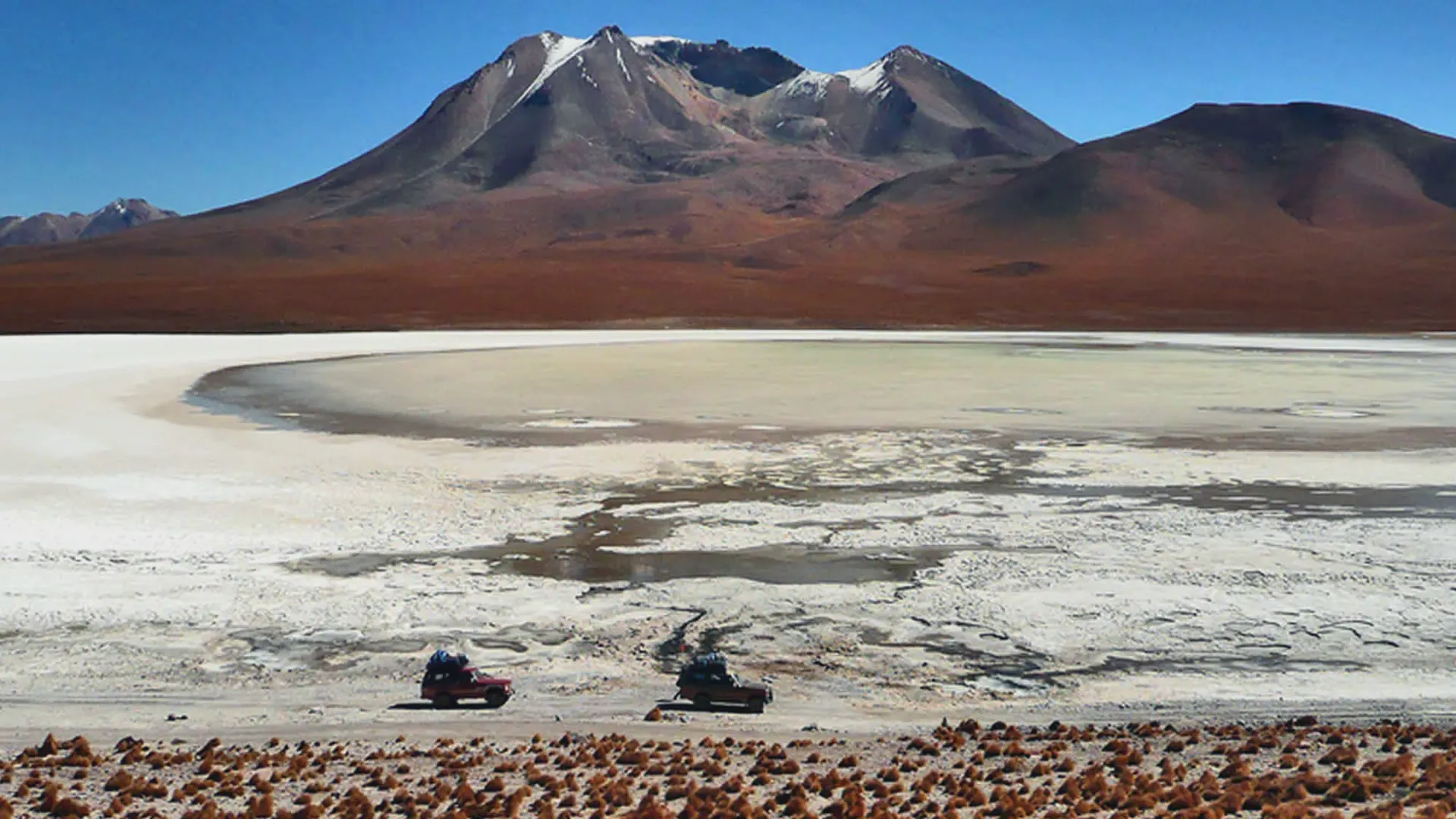
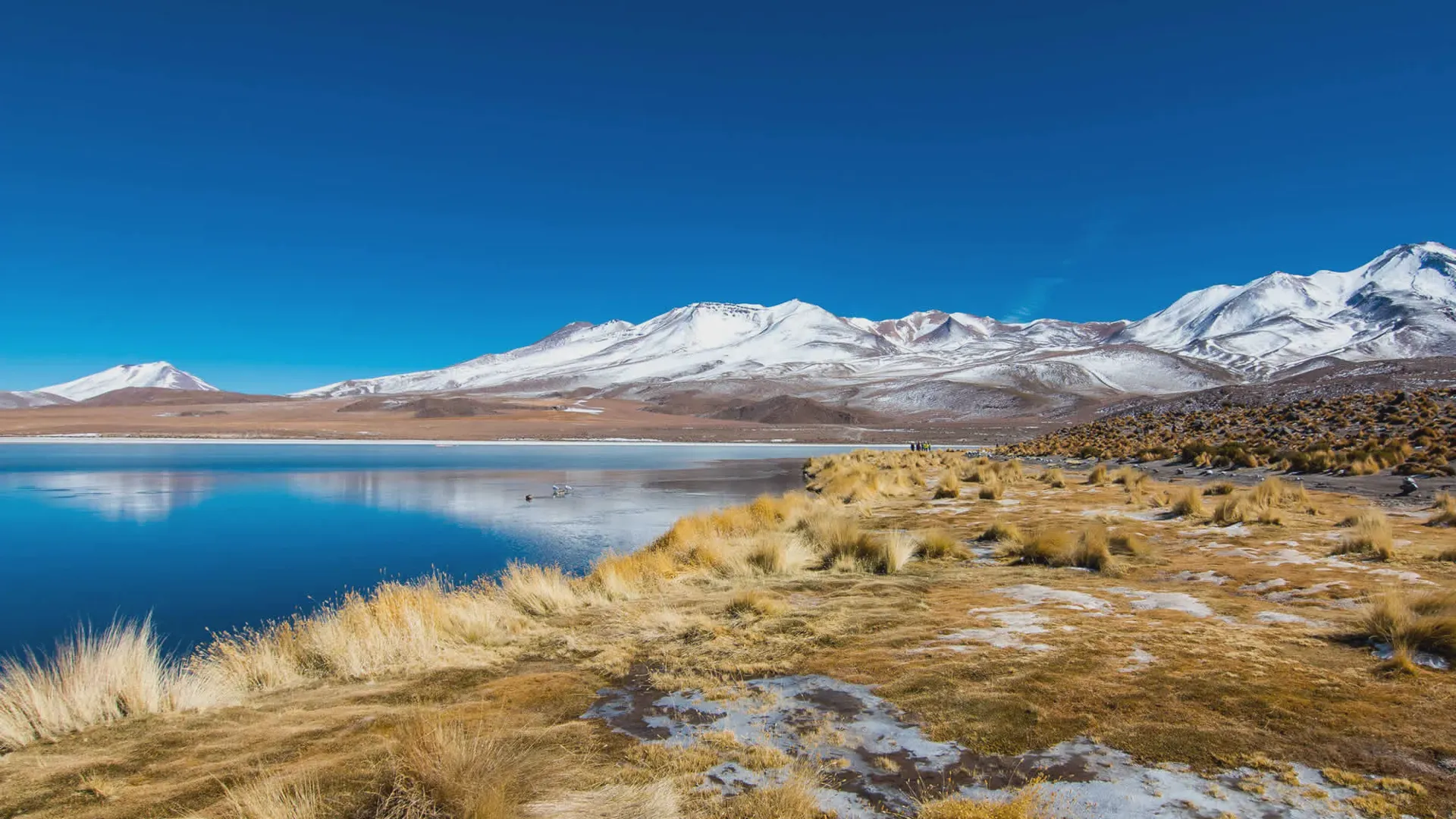
If you book a standard 3-day or 4-day tour into the Eduardo Avaroa Reserve, you don't stay at 3,656 meters. On Day 2 and Day 3, your 4x4 climbs into active volcanic passes, crossing Sol de Mañana at 4,850 meters (higher than Mont Blanc) and sleeping in adobe shelters above 4,200 meters.

If your body has not had 48 to 72 hours to produce extra red blood cells, you will spend those days with a pounding headache, nausea, and zero energy instead of enjoying the scenery.

The Smart Routing Strategy: How to Acclimatize Before You Arrive

The golden rule of high-altitude travel is simple: sleep low first, climb gradually. How you design your itinerary dictates how you feel.

Route Option 1: The "Soft Staircase" via Sucre (Best for Flights)

Instead of flying directly from sea level (like Lima or Santa Cruz) straight into Uyuni or La Paz, fly into Sucre (2,790 m / 9,150 ft):

  1. Spend 2 nights in Sucre. It is a warm, beautiful colonial city where your body can adjust to moderate elevation without symptoms.
  2. Take a scenic 3-hour private transfer or bus up to Potosí (4,060 m) for an afternoon visit or 1 night.
  3. Descend slightly to Uyuni (3,656 m). By the time you board your 4x4, your body has already handled 4,000 meters and the salt flats will feel easy.

Route Option 2: The La Paz Buffer (2 Nights Minimum)

If your international flight lands in La Paz (El Alto Airport sits at 4,061 m):

  • Take a taxi immediately down into the lower neighborhoods of La Paz—Sopocachi (3,600 m) or Zona Sur (3,200–3,400 m)—to sleep.
  • Spend at least 48 full hours in La Paz before boarding a flight or night bus to Uyuni. Do not schedule strenuous mountain hikes (like Chacaltaya) on Day 1.

Route Option 3: Entering from San Pedro de Atacama (Chile)

If you start your 3-day Uyuni tour in Chile, you have a massive advantage—if you use it:

  • San Pedro sits at 2,400 meters. Spend 2 to 3 days taking high-elevation day trips (like the Altiplanic Lagoons at 4,200 m or El Tatio Geysers at 4,300 m) and returning to sleep down in town.
  • By the morning your driver picks you up at the Bolivian border (Hito Cajón at 4,500 m), your circulatory system is already primed.

What Altitude Sickness (Soroche) Feels Like

Symptoms typically show up 6 to 18 hours after reaching altitude:

  • Mild / Standard Adjustment: A dull headache behind the eyes or temples, waking up gasping for air in the middle of the night (periodic breathing), feeling winded after climbing 10 stairs, and a mild loss of appetite. This is normal and usually settles within 24–36 hours.
  • Acute Warning Signs: Persistent vomiting, a severe headache that does not respond to ibuprofen, confusion, loss of physical coordination (ataxia), or a rattling cough. These signal dangerous high-altitude complications (HAPE or HACE). The only real cure is immediate descent to lower elevation; notify your driver immediately.

Medical & Natural Tools: What Actually Helps

  • Acetazolamide (Diamox): A prescription carbonic anhydrase inhibitor that forces the kidneys to bicarbonate, stimulating your brain to breathe faster and take in more oxygen (especially while sleeping). Most travel doctors recommend starting 125 mg twice daily 24 hours before ascending to Uyuni. Consult your physician first.
  • Sorojchi Pills: Sold over the counter in every Bolivian pharmacy (farmacia). These are typically a combination of acetylsalicylic acid (aspirin), caffeine, and sometimes acetaminophen. They treat vascular headaches and improve blood flow, but they do not speed up physiological red blood cell production like Diamox does.
  • Mate de Coca (Coca Leaf Tea): Chewing coca leaves or drinking hot mate de coca is a centuries-old Andean practice. It acts as a mild stimulant, opens up airways, alleviates nausea, and keeps you hydrated. Drink it throughout the day, but taper off by 5:00 PM so the caffeine doesn't keep you awake.
Tours Including This Destination

View All Tours →
San Pedro de Atacama - Uyuni - Calama Private Tour
3 Days
Potosi
Potosi

San Pedro de Atacama - Uyuni - Calama Private Tour

Take an exciting excursion into Bolivia from Chile and discover the wonders of the Uyuni Salt Flat and the Eduardo Avaroa Reserve!

Private Tour Majestic Uyuni Salt Flat
1 Day
Potosi
Potosi

Private Tour Majestic Uyuni Salt Flat

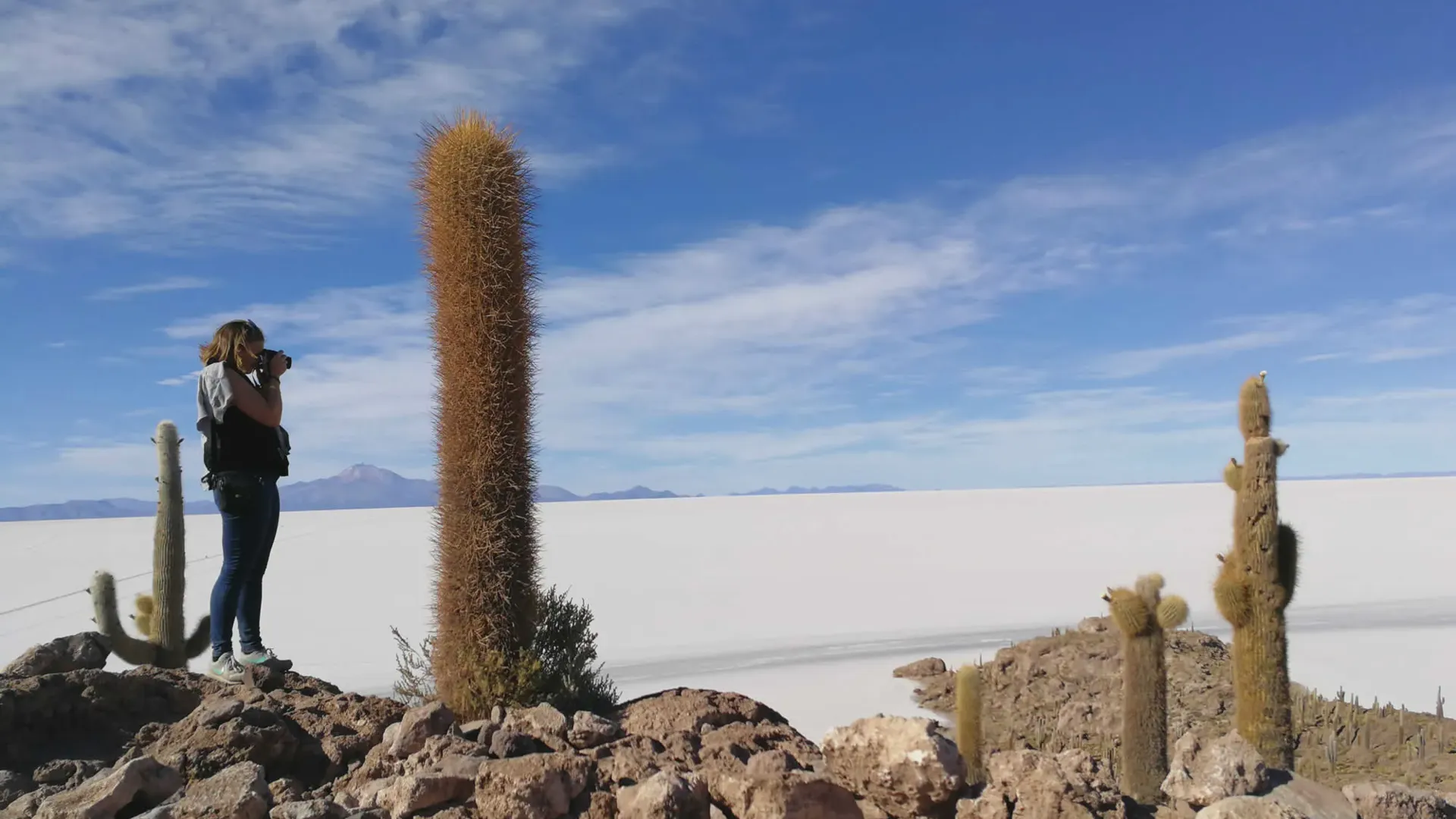
During your trip you will discover the largest salt desert in the world, the majestic Salar de Uyuni, as well as the Incahuasi Island, home of giant cacti. You will take fabulous photographs and enjoy a beautiful sunset inside the salar.

Frequently Asked Questions

How many days do you need in Uyuni?

The honest answer is 3 days for most travellers. One day gives you the salt flat — the hexagons, Isla Incahuasi, and a sunset. Three days gives you the entire region: the salt flat on Day 1, then the Eduardo Avaroa National Reserve on Days 2 and 3 — Laguna Colorada, Sol de Mañana geysers, flamingos, and the chain of coloured lagoons that most people describe as the highlight of their Bolivia trip. If you genuinely only have one day, go — but know what you're choosing to skip.

What is the best month to visit Uyuni?

October is the best single month for most travellers. It is dry, warm enough at night to be comfortable, uncrowded compared to the June–August peak, and the daytime light is excellent for photography. If seeing the mirror effect is your priority, February offers the highest probability — but with more rain, crowds, and potential access restrictions.

Can you see the mirror effect in April?

Sometimes, yes. April is a transition month. In years with heavy rainfall, mirror conditions persist into early April. In drier years, the surface begins drying in late March. A knowledgeable local guide will know where remaining water pockets are. Late April is often recommended by Uyuni-based operators as a sweet-spot month — possible mirror, warmer nights, fewer tourists, and lower prices.

How cold does it get in Uyuni area?

During dry season nights in June, July, and August, temperatures regularly fall below -10°C and can reach -15°C on the open salt flat. Daytime is warmer — typically 13°C to 17°C in winter. From October through April, nights are significantly more manageable, rarely dropping below -5°C.

Is Uyuni worth visiting in July?

Yes, but go prepared. July is peak tourist season — book everything well in advance. The cold is serious and should not be underestimated. The trade-off is dry, clear skies and the best stargazing conditions of the year. If cold weather doesn't bother you and you've booked ahead, July is a spectacular month to visit

Where can I see flamingos in the Uyuni Salt Flat?

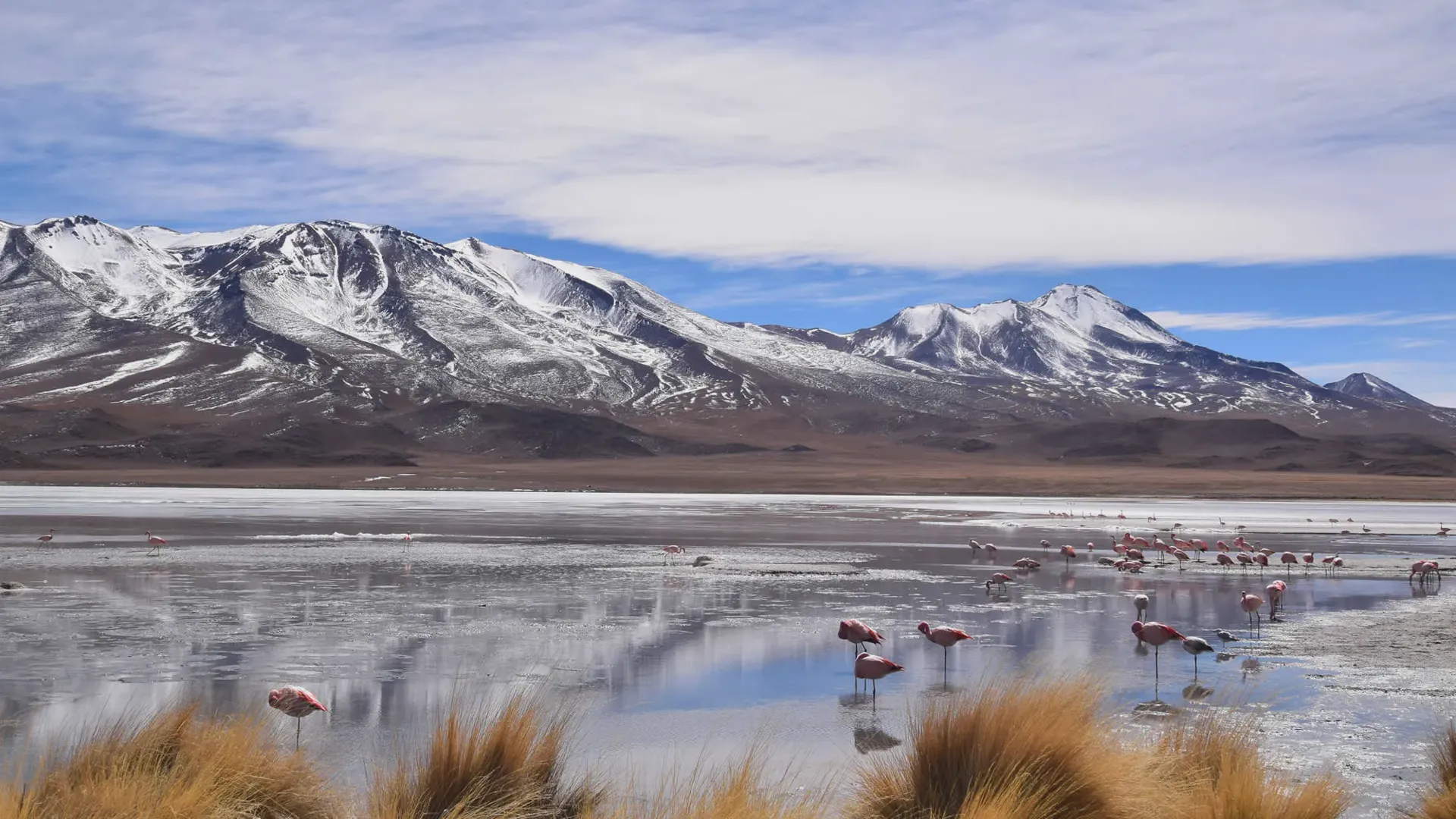
The flamingos are not on the Salar de Uyuni itself — they gather at Laguna Colorada in the Eduardo Avaroa National Reserve, approximately 4 hours south of Uyuni. Around 25,000 flamingos of three species (Chilean, Andean, and James) congregate there between November and March for breeding season. This reserve is visited on the standard 3-day Uyuni southwest circuit tour.

Can tours run year-round at the Uyuni Salt Flat and the Uyuni area?

Yes, with some limitations. Dry season tours operate across the full flat with no restrictions. Wet season tours adapt routes to water levels — some areas like Isla Incahuasi may be temporarily inaccessible after heavy rain. The Eduardo Avaroa Reserve southwest circuit occasionally closes during peak rainfall. Reputable operators monitor conditions daily and adapt accordingly.

Can you visit Incahuasi Island during the rainy season?

Generally no. When the salt crust dissolves into soft, muddy brine, heavy 4x4s risk sinking. Island access is typically restricted by park authorities between mid-January and late March.

Nearby Places & Attractions

Salar de Chiguana
Attraction

Salar de Chiguana

The Salar de Chiguana, not far from the border with Chile has a salt base, covered with brownish dust.

Salvador Dalí desert
Attraction

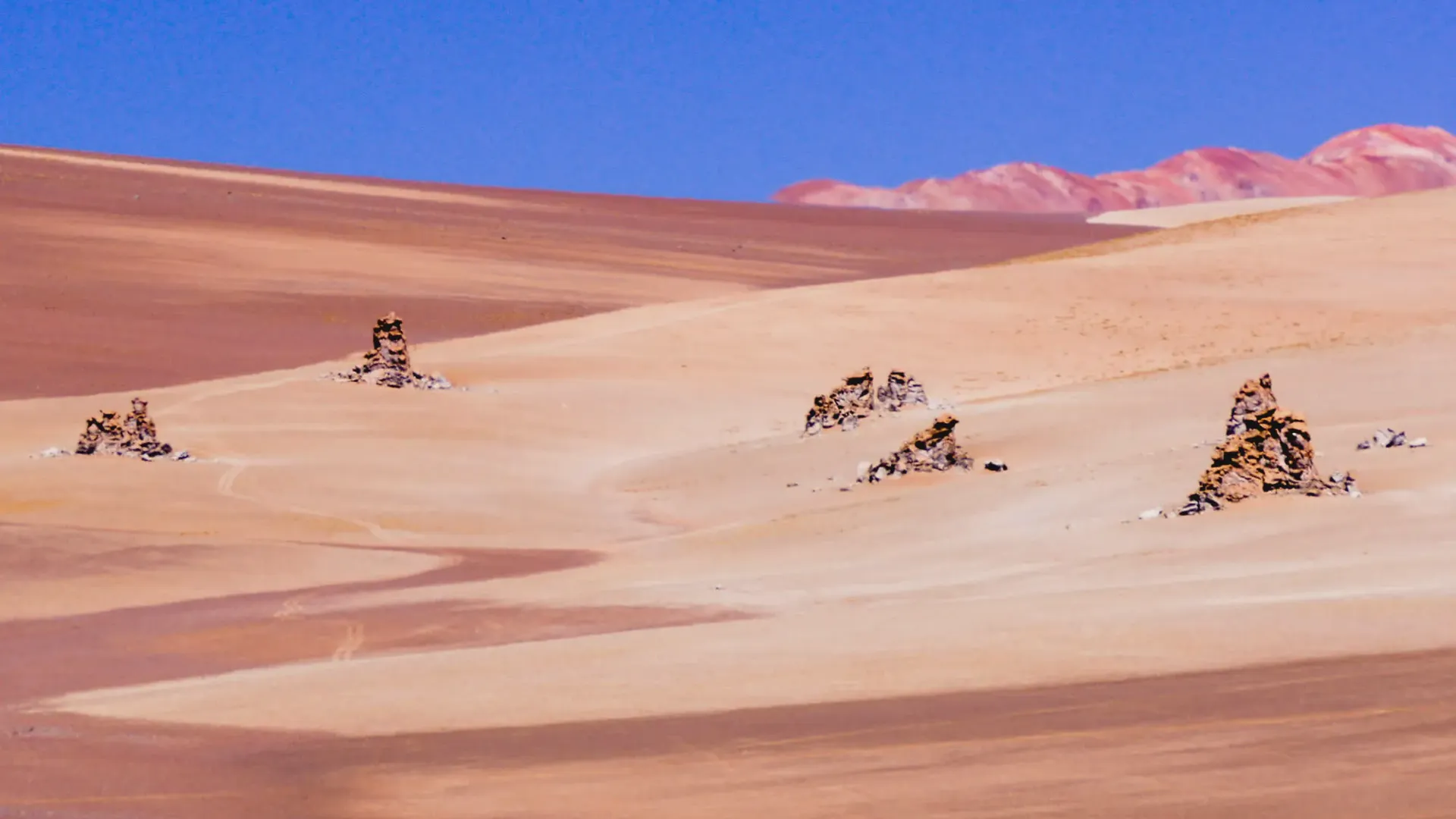
Salvador Dalí desert

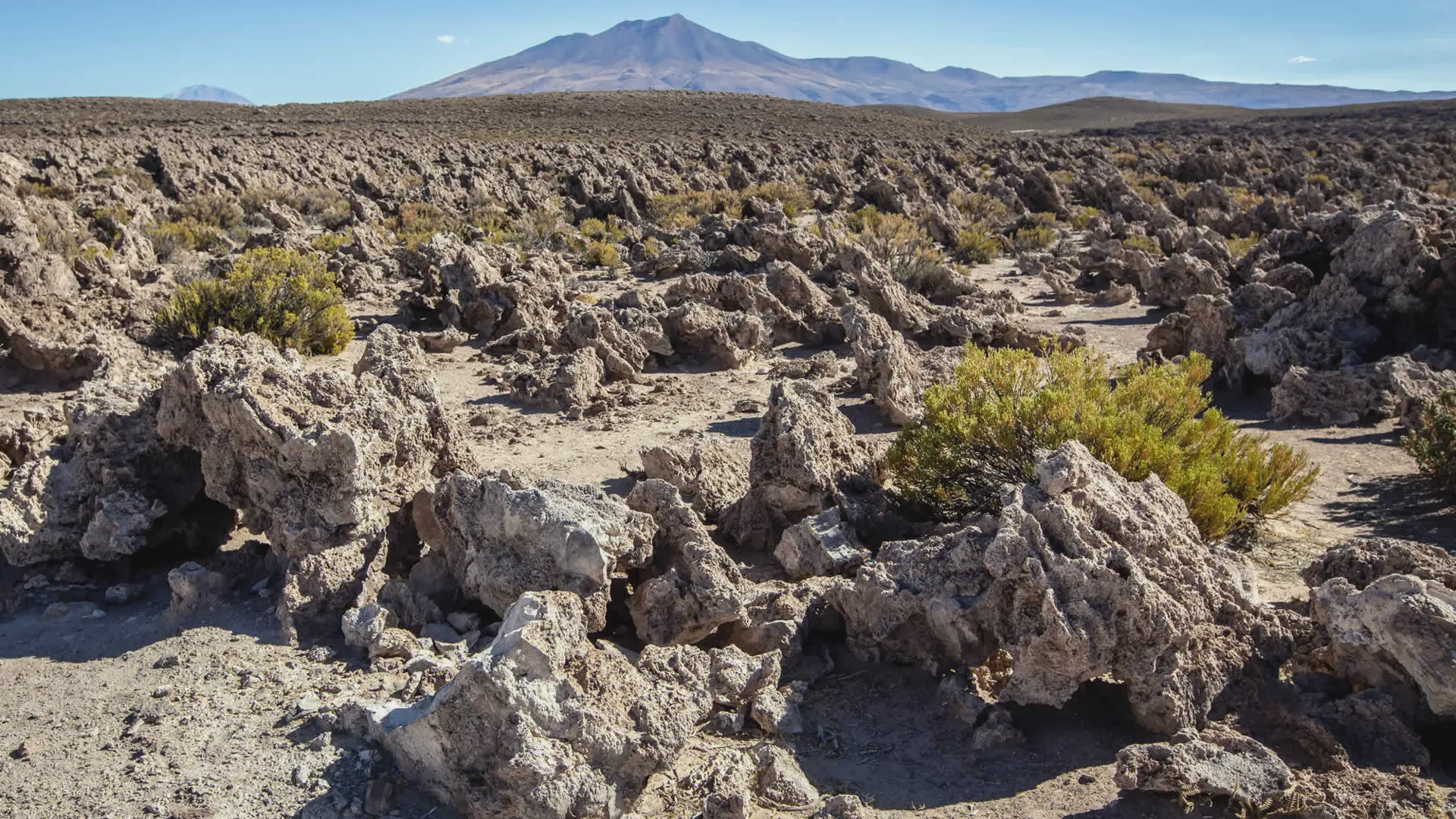
Salvador Dalí Desert (Desierto Salvador Dalí), also known as Dalí Valley (Valle de Dalí), is an extremely barren valley of southwestern Bolivia, in the Potosí Department.

Red Lagoon
Attraction

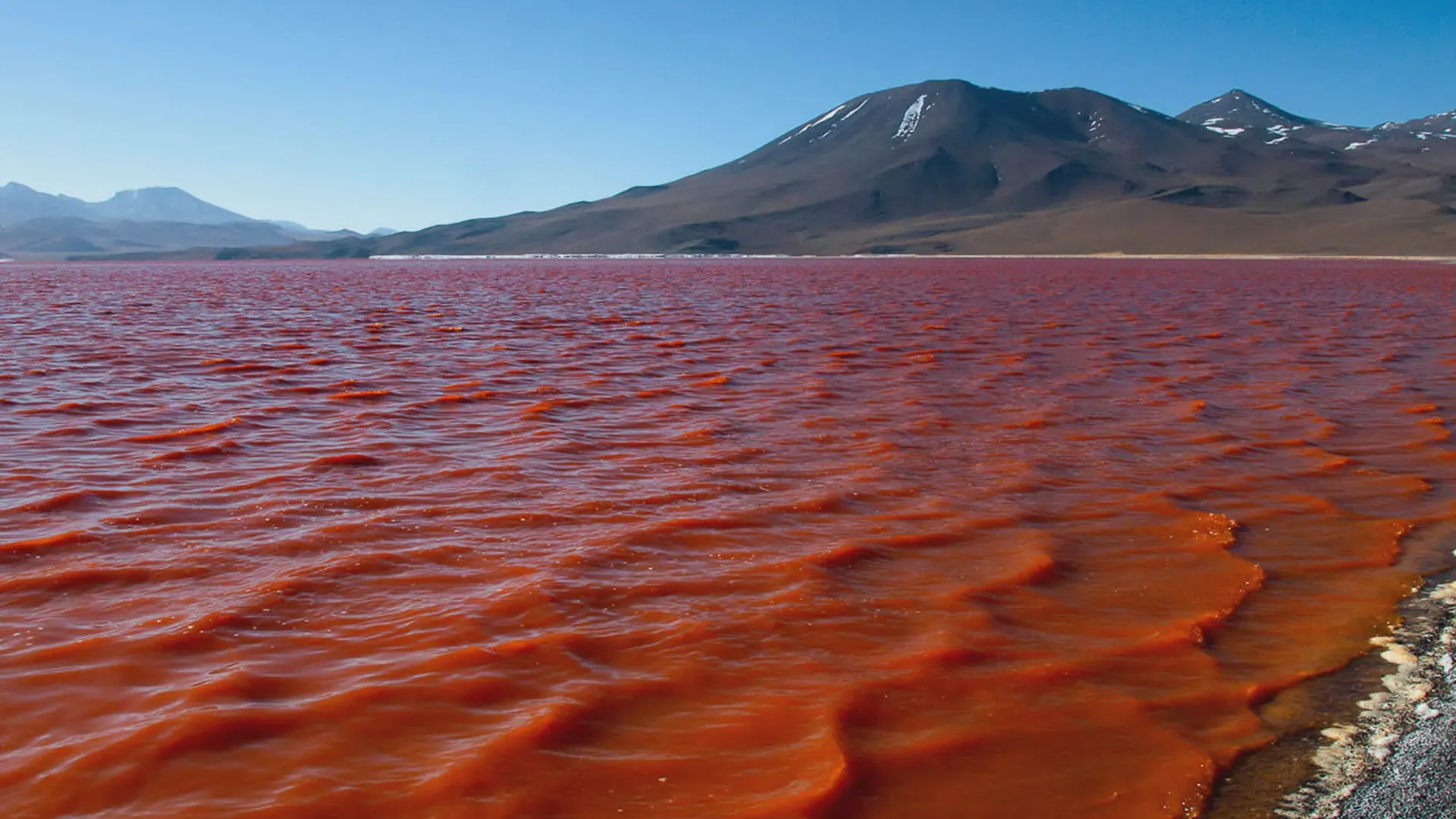
Red Lagoon

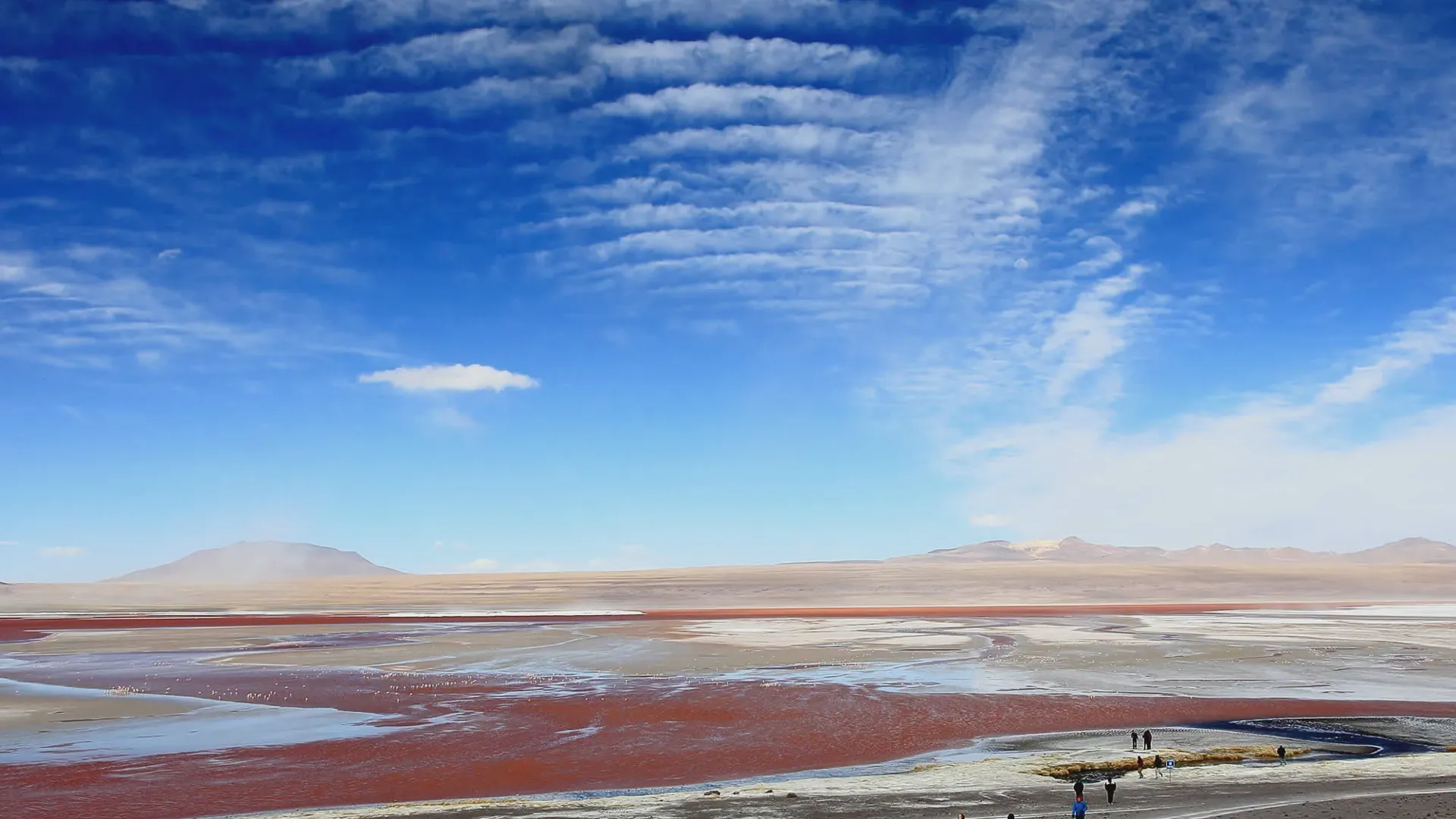
The Red lagoon (Laguna Colorada) is a shallow lake within the Eduardo Avaroa Andean Fauna National Reserve and close to the border with Chile. The lake is famous for its strong red colour caused by algae that provide food for large flocks of pink flamingos.

Green Lagoon
Attraction

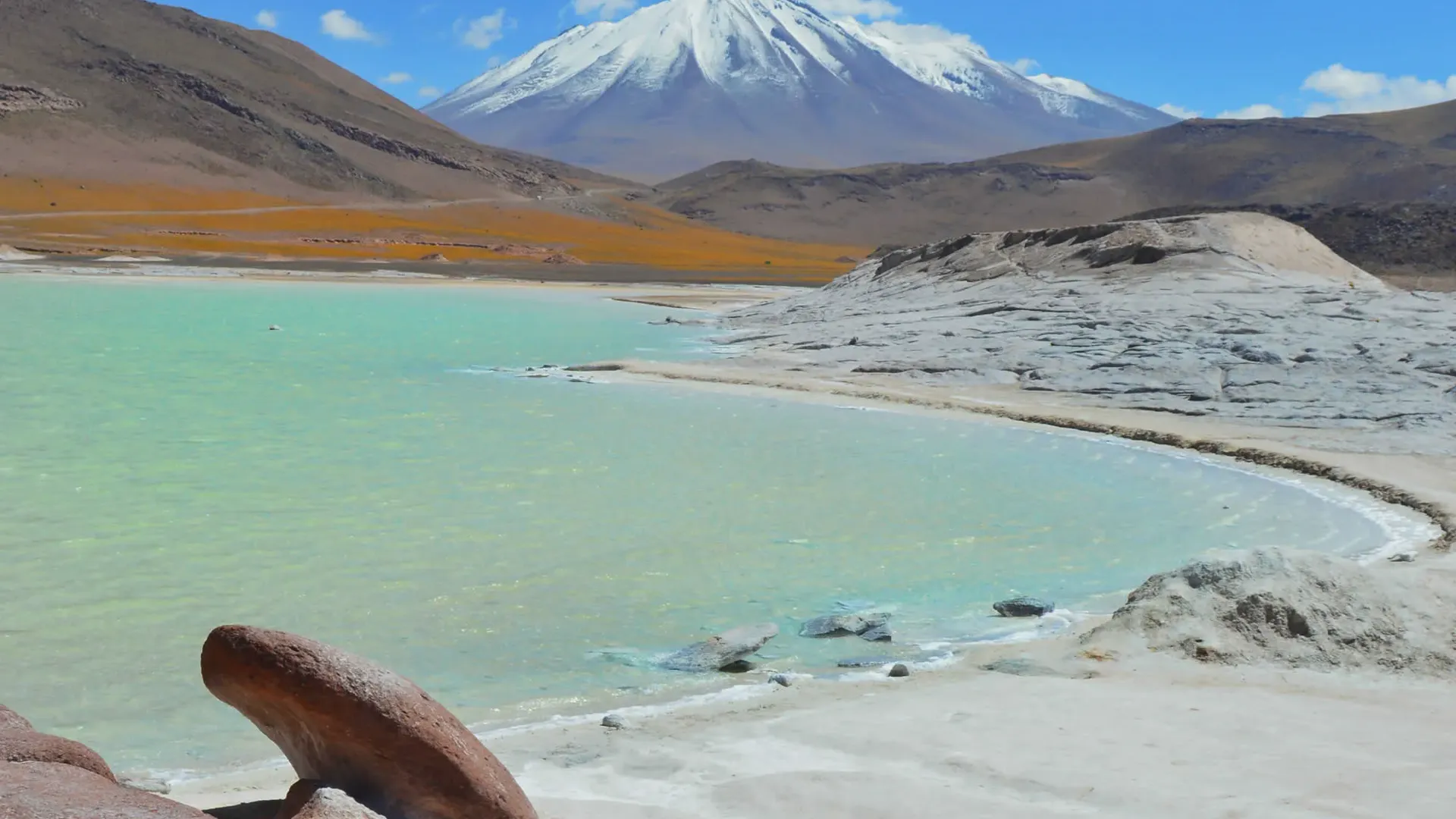
Green Lagoon

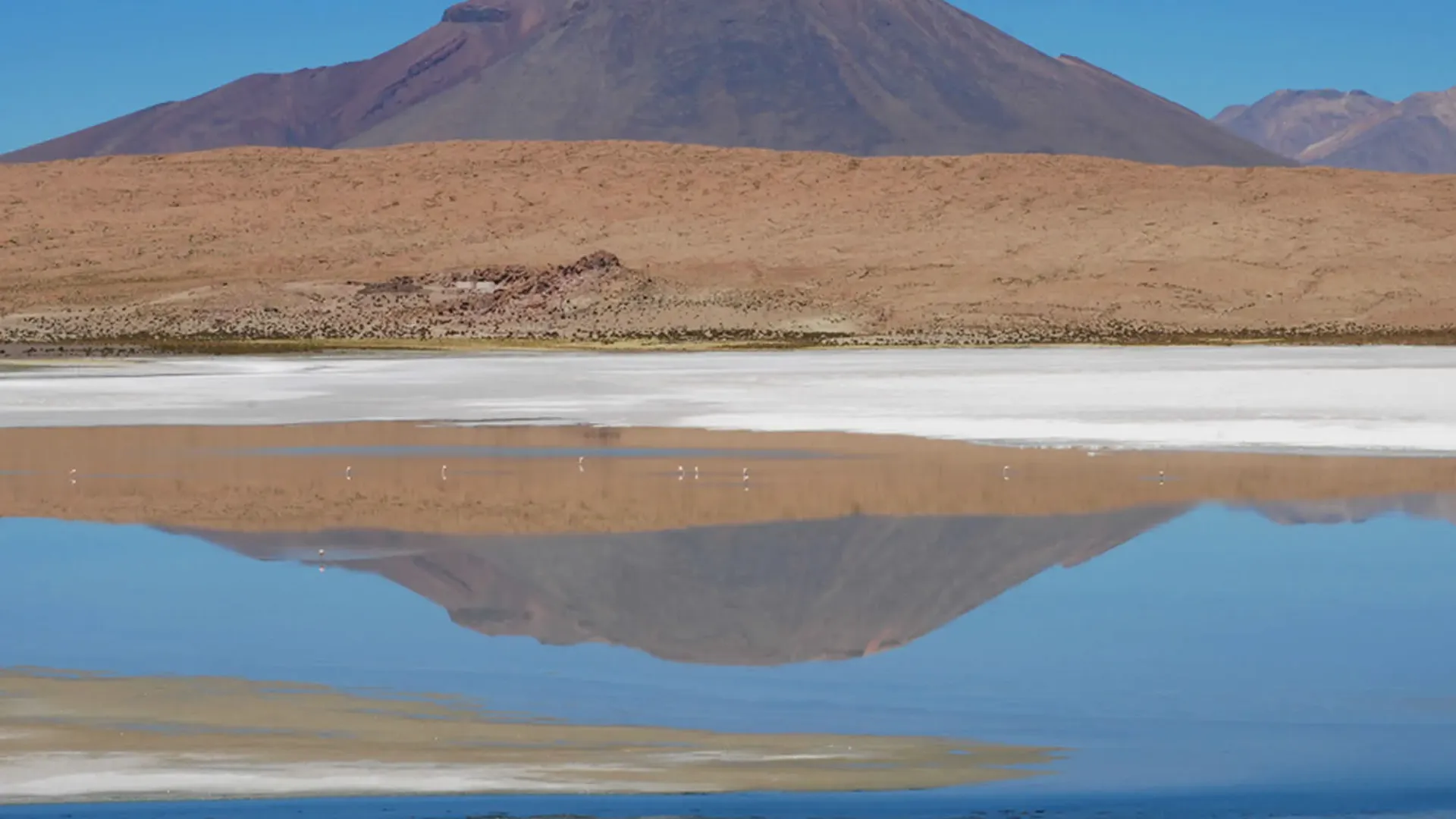
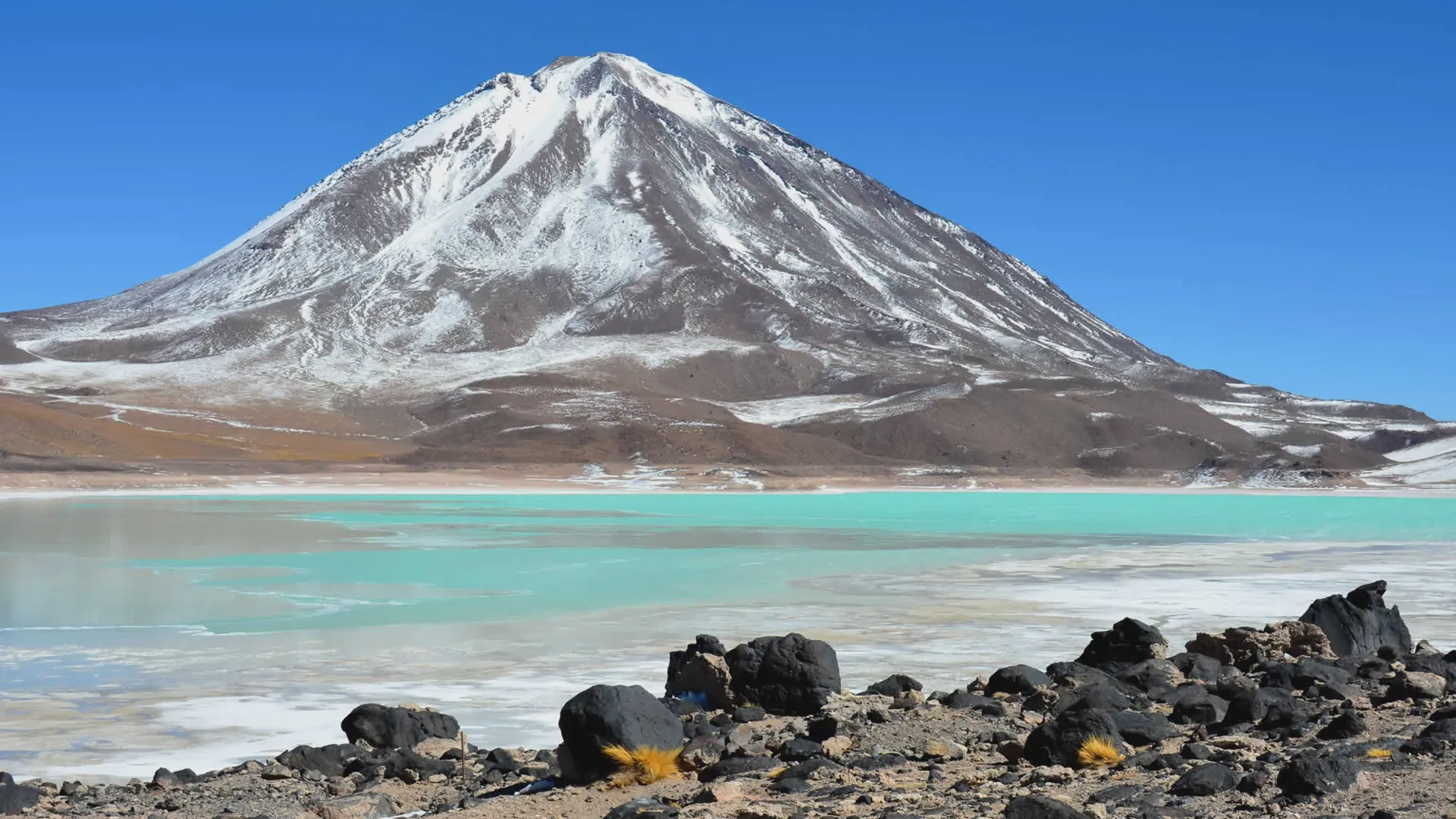
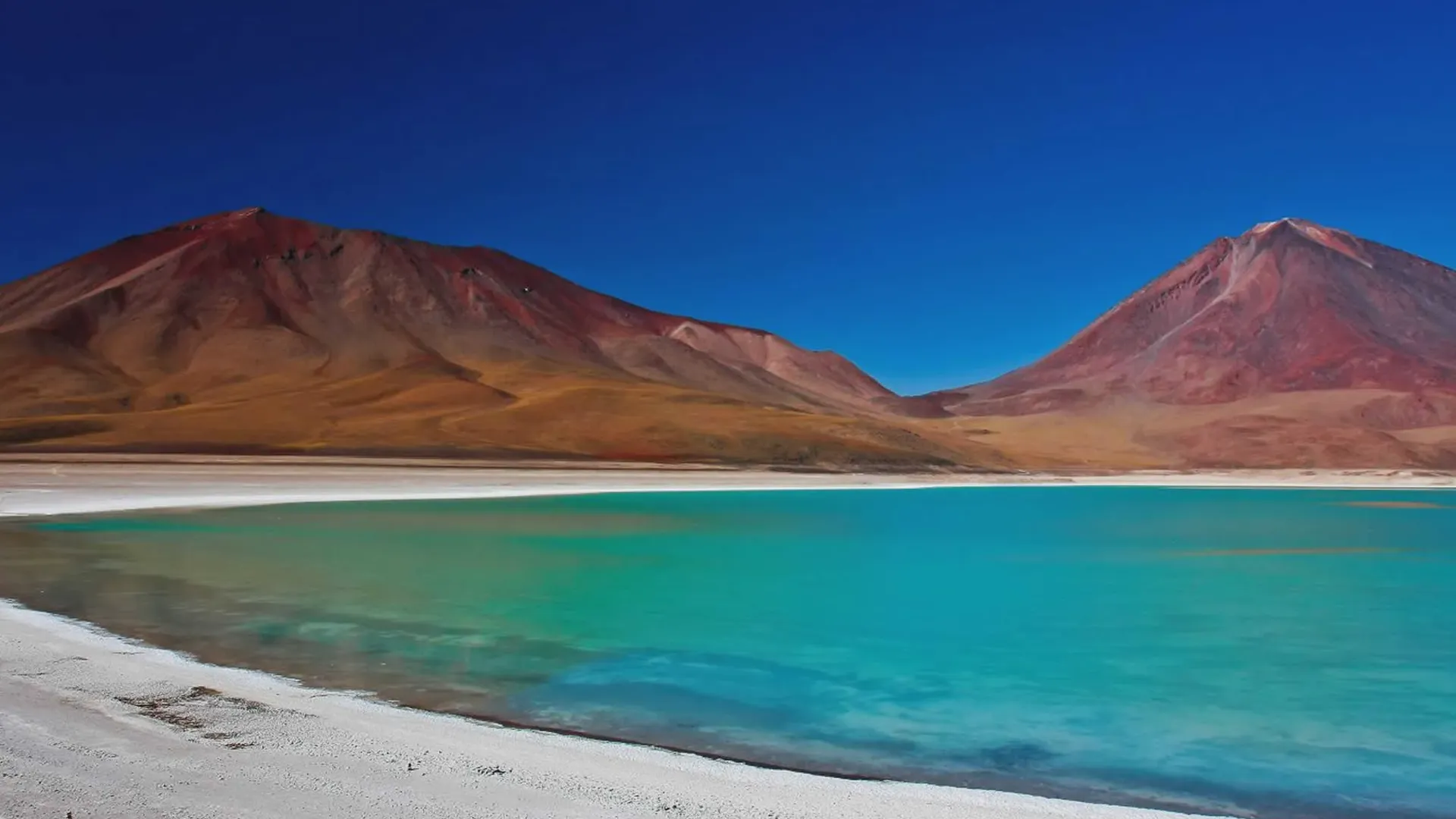
Green lagoon (Laguna Verde) is a high-altitude mineral lake in the Eduardo Avaroa Reserve, known for its beautiful green color. It sits at the foot of 2 volcanoes, Licancabur and Juriques, which straddle the border with Chile and are reflected in the water when the weather is calm.

Rock Tree
Attraction

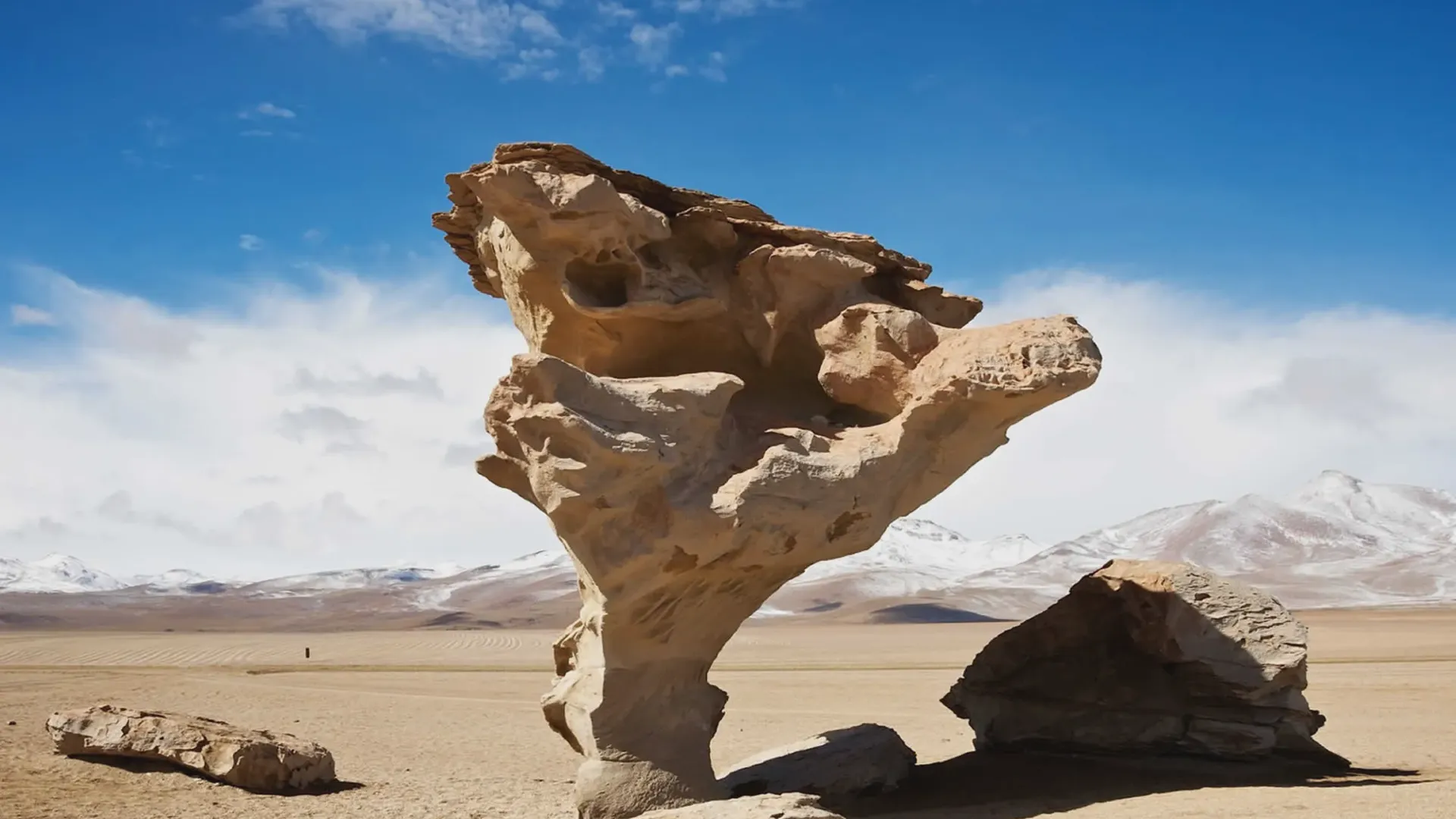
Rock Tree

The Rock Tree (Árbol de Piedra) is a tree-like rock formation in the Siloli Desert desert that offers great photo opportunities!

Andean Fauna
Attraction

Andean Fauna

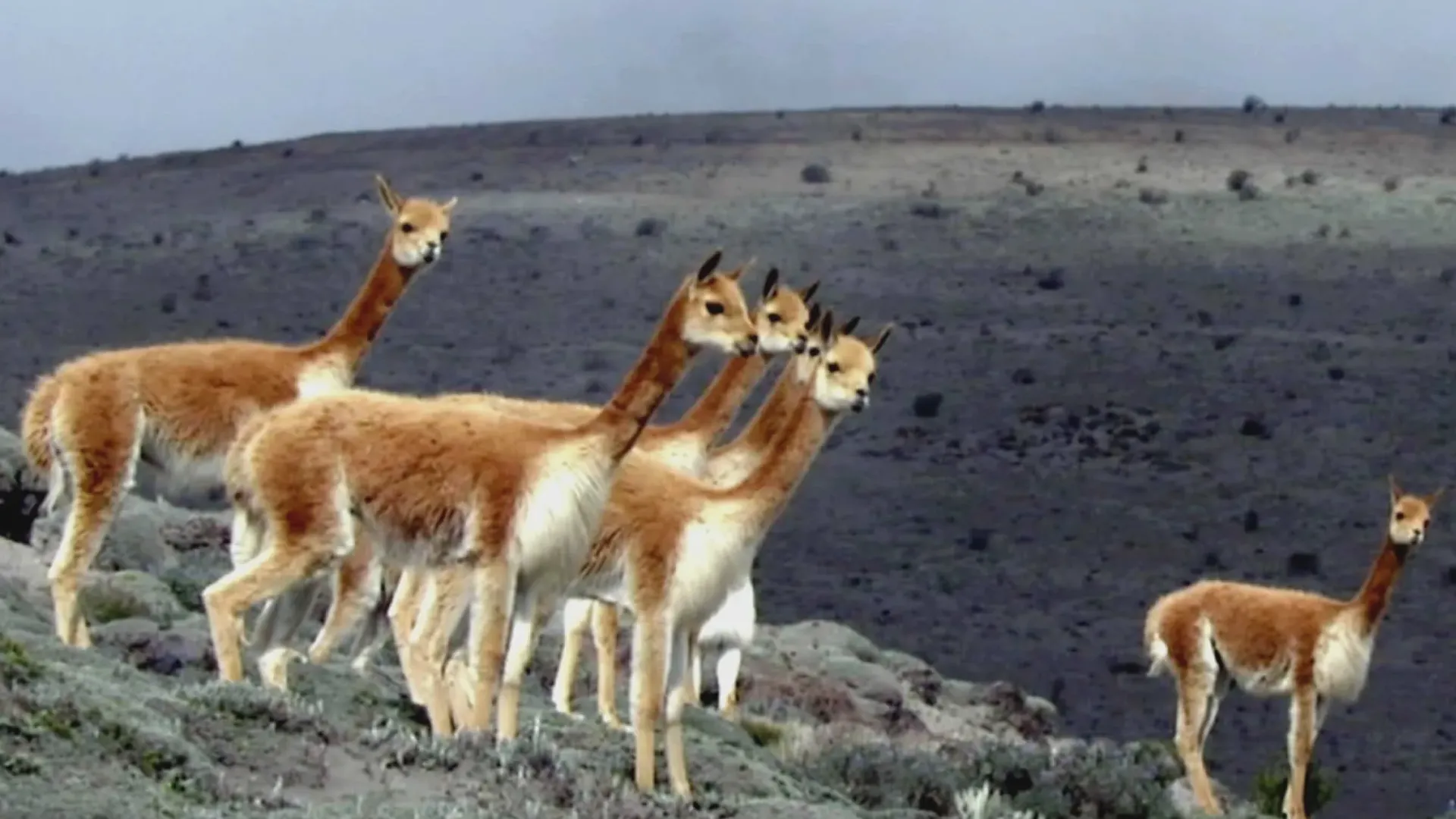
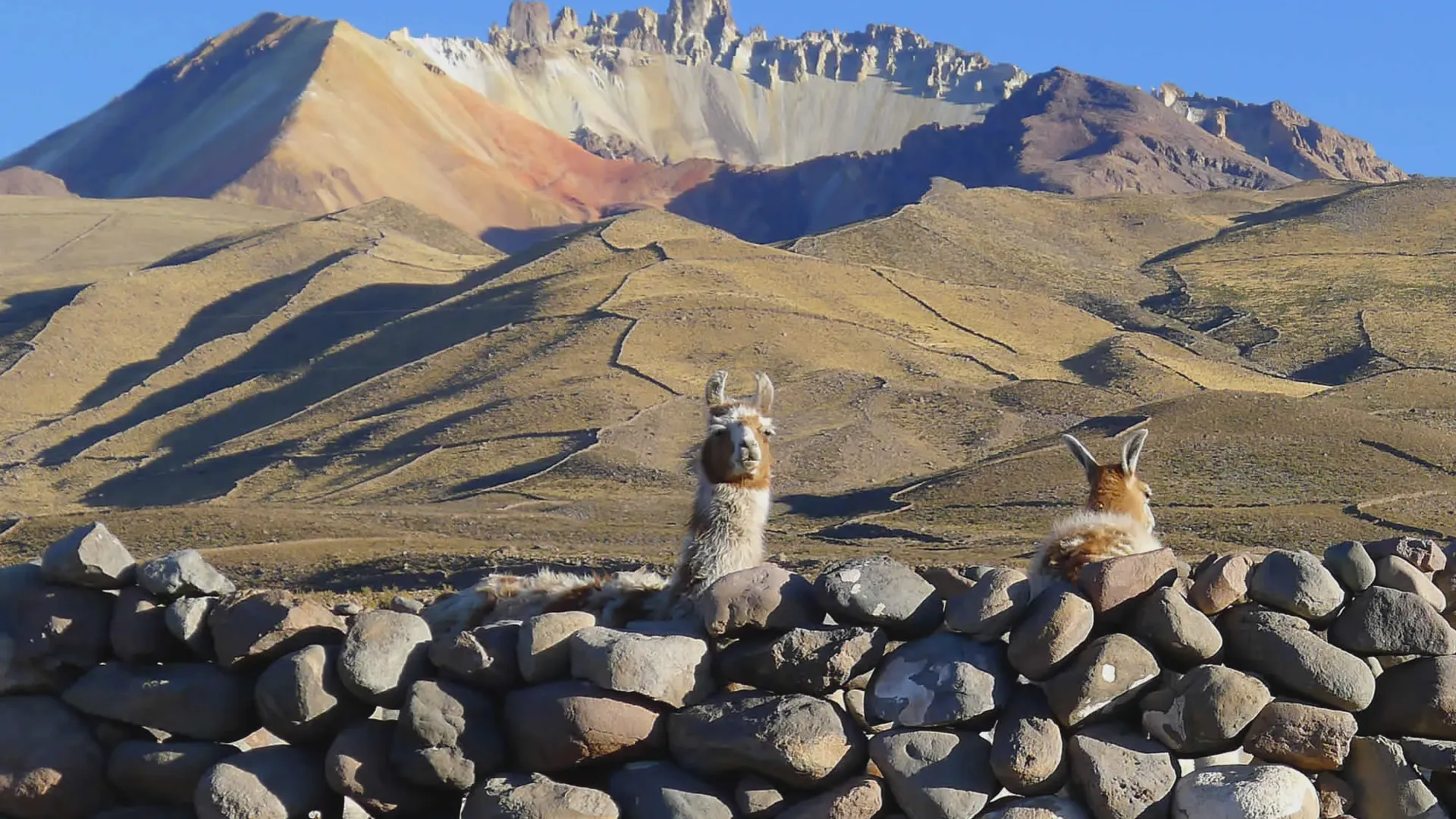
The Andean fauna populating the surroundings of the Uyuni Salt Flat and the amazing lagoons is diverse and rich. During the most popular tours to the Eduardo Avaroa National Reserve it is possible to observe these species in their natural habitat and be amazed by nature.

Ready to visit Altitude in Uyuni: What to Know Before You Go?

We can help you organize the perfect trip to this incredible destination.