Top 10 Things NOT To Do in Bolivia
Top

Top 10 Things NOT To Do in Bolivia

Besides of all the things you should do and see in Bolivia, here are some that you should definitively avoid.

Updated: July 4, 2026

The most important tips for keeping healthy and safe in Bolivia.

  1. Don't forget to carry a roll of toilet paper.

  2. Even the best hotels, shopping malls and restaurants often lack this basic item in their bathrooms. If you need to use a public toilet, the usual 1 or 2 Bolivianos fee will also buy you a few carefully counted pieces that the attendant will hand to you. In Bolivia you don't flush the paper, it should always be tossed in a trashcan located next to the toilet instead.
  3. Make sure to use the restroom in your hotel or hostel before heading out as most public toilets charge per use. The usual cost is about 1 Boliviano in cities and up to 5 in deserted areas like the salt flats around Salar de Uyuni. Also, you will have to accept that facilities are nonexistent on nearly all buses except for some overnight tourist buses like Todo Turismo or Panasur.
  4. Don't drink tap water.

  5. Anywhere. There is no city in Bolivia where tap water is safe to drink and all local water should be considered contaminated. Even if truly dangerous pathogens are rare, an upset stomach can ruin your dream vacation. Always opt for bottled water or soft drinks.
  6. Don't get distracted or drugged.

  7. Criminals in busy and confusing environments such as a bus station or a market love to distract you and steal your bag. Some methods include spraying water, making you beleive you stepped on their foot or broke some of their belongings, etc. Important! Do NOT accept candy or refreshments from strangers. These may contain sedatives and you can get robbed while unconscious.
  8. Don't try to follow a specific diet.

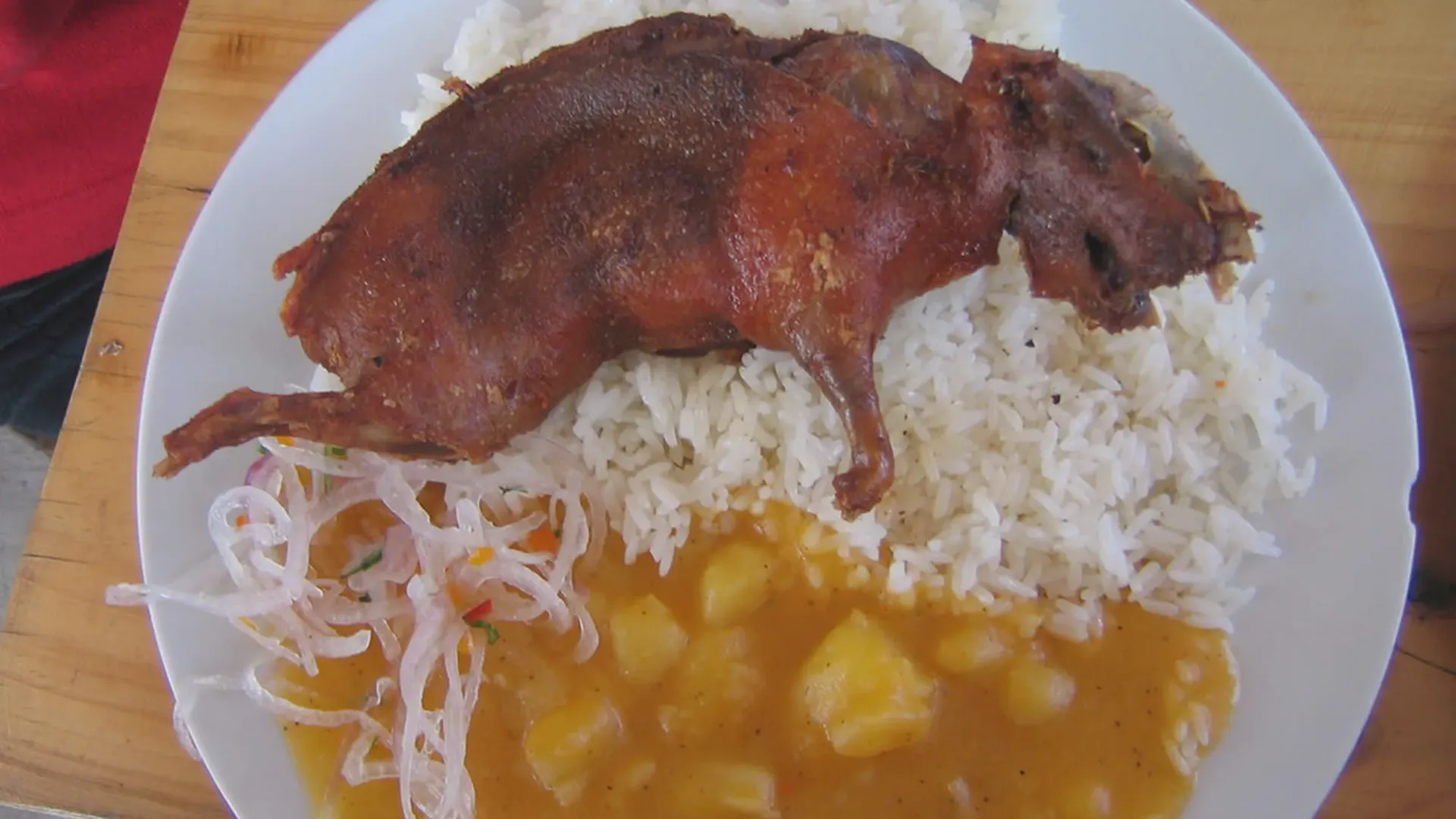
  9. While vegetarians may have a hard time already, vegan and gluten-free diets are almost impossible to follow in Bolivia. The locals love to eat, and fried chicken, potatoes and Coca-Cola have become the new traditional cuisine. Also, quality international food is almost non-existent and most meals are made from some kind of potato. Other than that, there is plenty of good local food, so just go for it.
  10. Don't explore outside the cities without a four-wheel drive vehicle and experienced trustworthy guides.

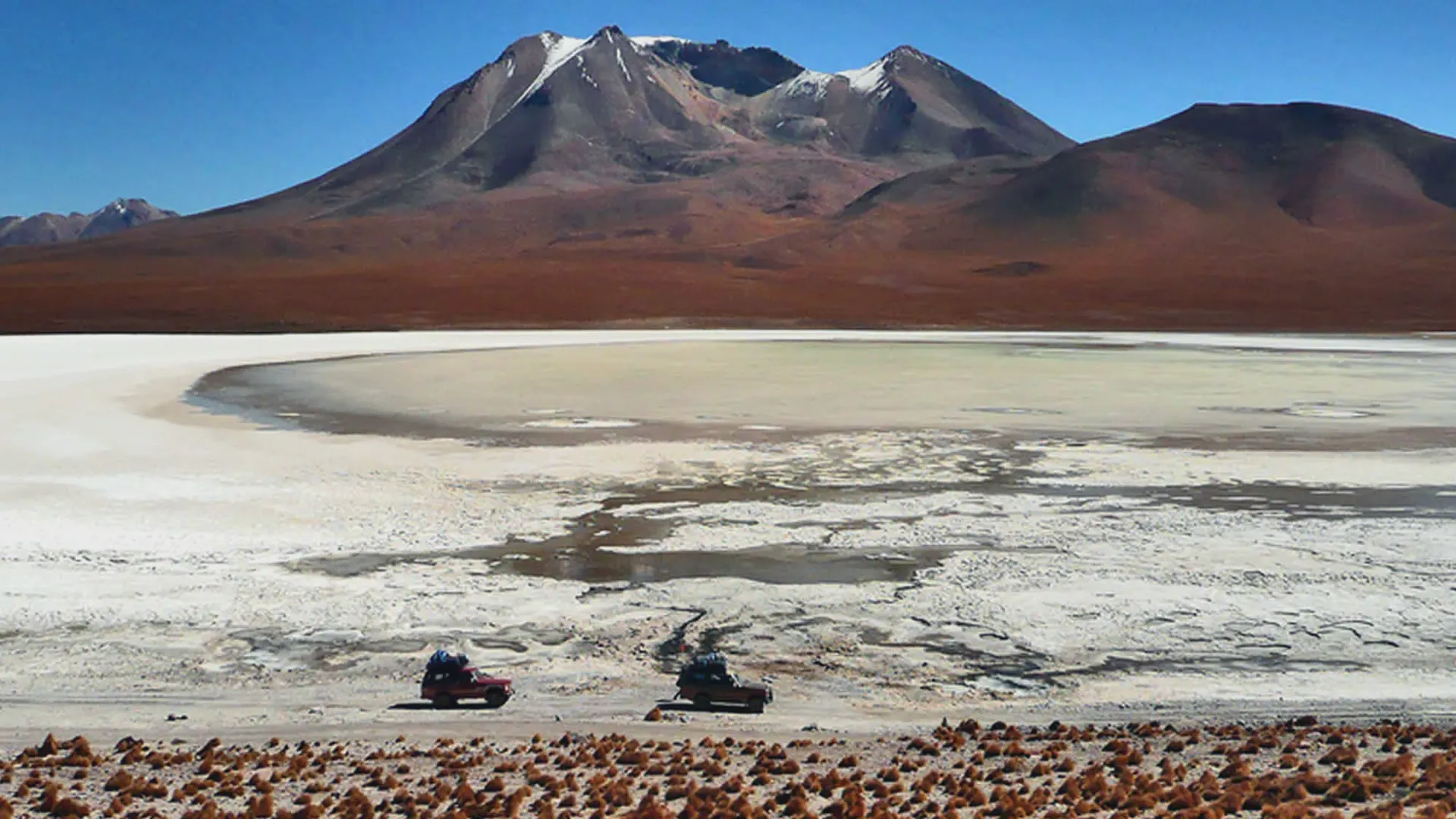
  11. When you head out from the major cities and towns, it is advisable to travel using an all-terrain vehicle and a reliable driver. Most roads are unpaved and can be dangerous if you are not used to the local's driving "style". Also, road signs are virtually non-existent on all but the most important highways. Distances are large and gas stations scarce.
  12. It is also imperative that you wear suitable shoes and clothes.
  13. Don't try to pay with large notes.

  14. In Bolivia most vendors don't have enough change. The largest bill is 200 Bolivianos (about 19 USD), but you may have trouble getting change even for a 50. The best is to keep with you coins and the smaller 10 or 20 Boliviano bills for petty expenses like snacks, taxi rides or tips.
  15. Don't use unmarked taxis, especially after dark.

  16. Many criminals drive around in cars that look like taxis (some actually are), and once a tourist enters the vehicle, they're taken to a remote place and releived of their money and belongings. El Alto Airport in La Paz is also famous for fake taxis that prey on unsuspecting tourists. Take a radio taxi and make sure the vehicle has clear signage with the business name, address, and telephone number on the vehicle.
  17. Concerning crime on buses and vans, you need to make sure the passengers in the vehicle are actual tourists or Bolivian locals. Criminals will sometimes plant fake passengers to trick tourists.
  18. Don't enter a "Trufi" or "Micro" (local public transport) without saying hello.

  19. The locals will usually enter by greeting the rest of the passengers. While not obligatory, doing so will earn you some appreciation and goodwill.
  20. Don't forget to stay hydrated.

  21. The high and dry climate in Western Bolivia or the smeltering jungle heat in the East can leave you dehydrated faster than you would think. Keep your water bottle close and filled.
  22. Don't go to known danger zones.

  23. Especially not alone. While Bolivia is generally safer than neighbouring countries, La Paz, El Alto and Santa Cruz are large cities with some areas that have serious crime problems. Make sure to ask around if the place you plan to go to is safe at the time of the day you wish to go there. Remote rural areas with few tourists can be problematic too. Running into smugglers when exploring deserted border regions or stumbling upon a hidden drugs laboratory deep in the jungle can put your life in danger. As a general rule, try not to get separated from other tourist in places where help may take some time to arrive in case of trouble.
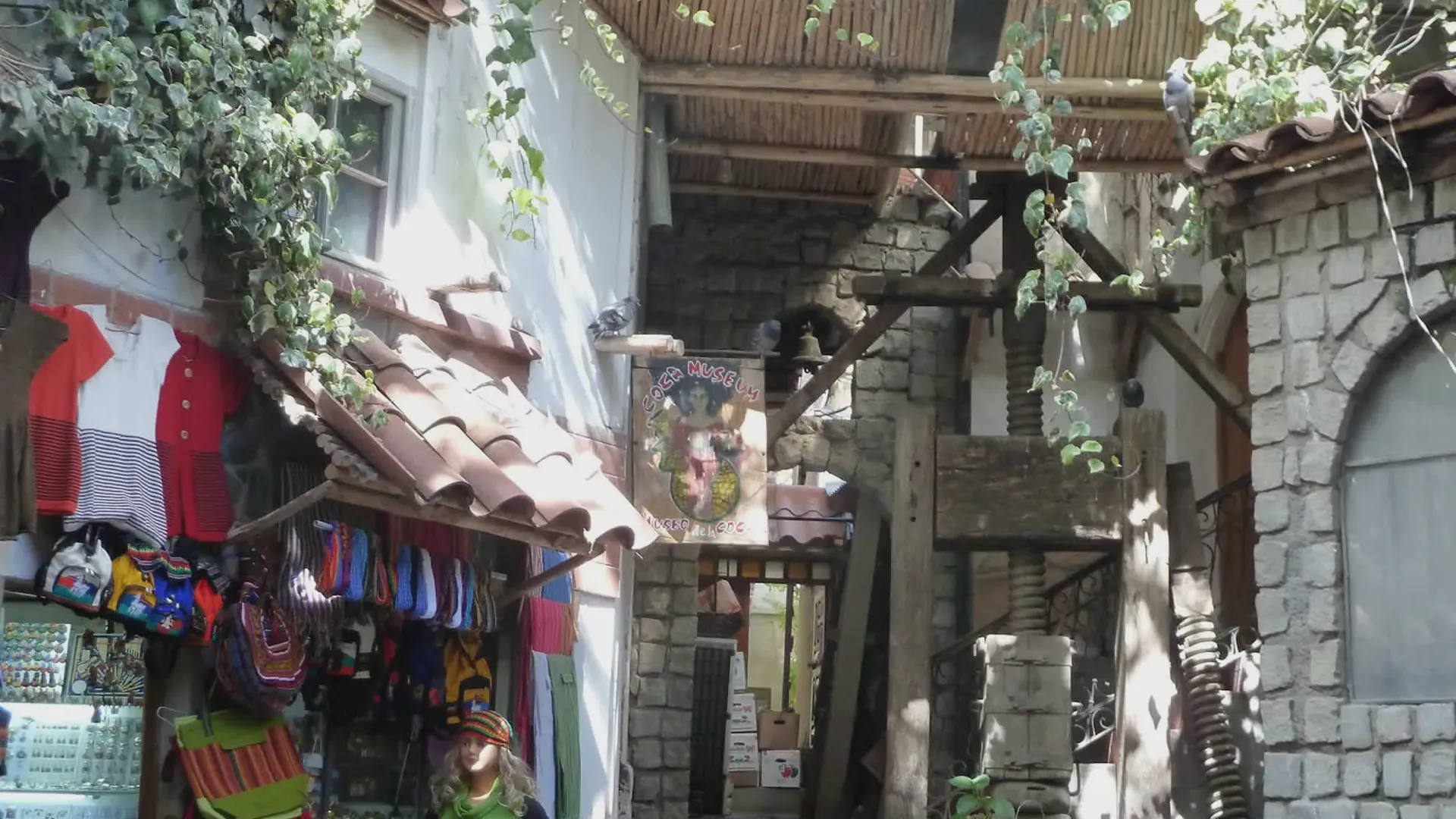
  24. +1 Don't, under any circumstances, consume or carry with you cocaine.

  25. Even though coca-leaf production and comsumption (in the form of chewing or as a tea) is widespread, legal and safe, the "processed" version is still very much illegal and you can get lengthy prison sentences in an infamous Bolivian prison for possessing even small amounts.
Tours Including This Destination

View All Tours →
San Pedro de Atacama to Uyuni Shared Tour
3 Days
Potosi
Featured
Potosi

San Pedro de Atacama to Uyuni Shared Tour

An attractive budget option for visiting the best attractions of the Uyuni area and the Eduardo Avaroa Reserve starting from San Pedro de Atacama.

San Pedro de Atacama - Uyuni - Calama Private Tour
3 Days
Potosi
Potosi

San Pedro de Atacama - Uyuni - Calama Private Tour

Take an exciting excursion into Bolivia from Chile and discover the wonders of the Uyuni Salt Flat and the Eduardo Avaroa Reserve!

Frequently Asked Questions

How many days do you need in Uyuni?

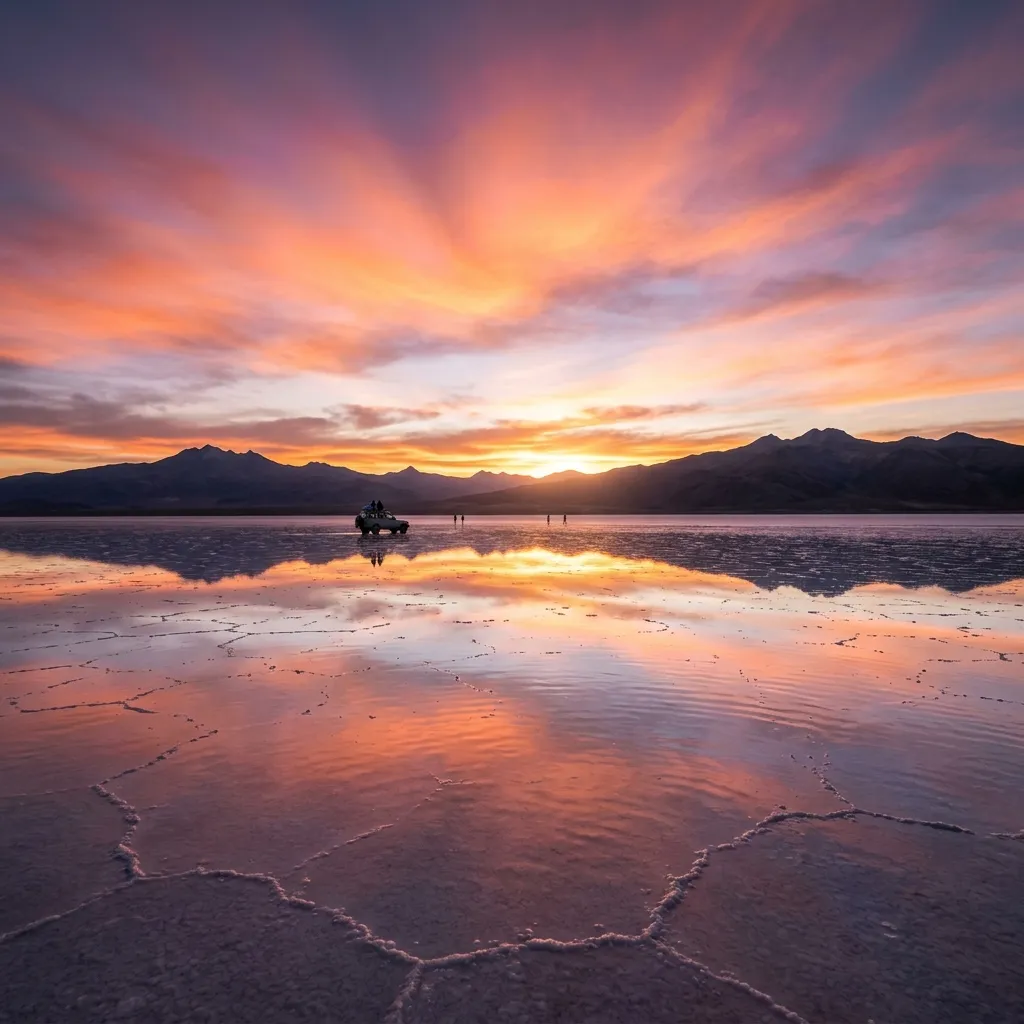
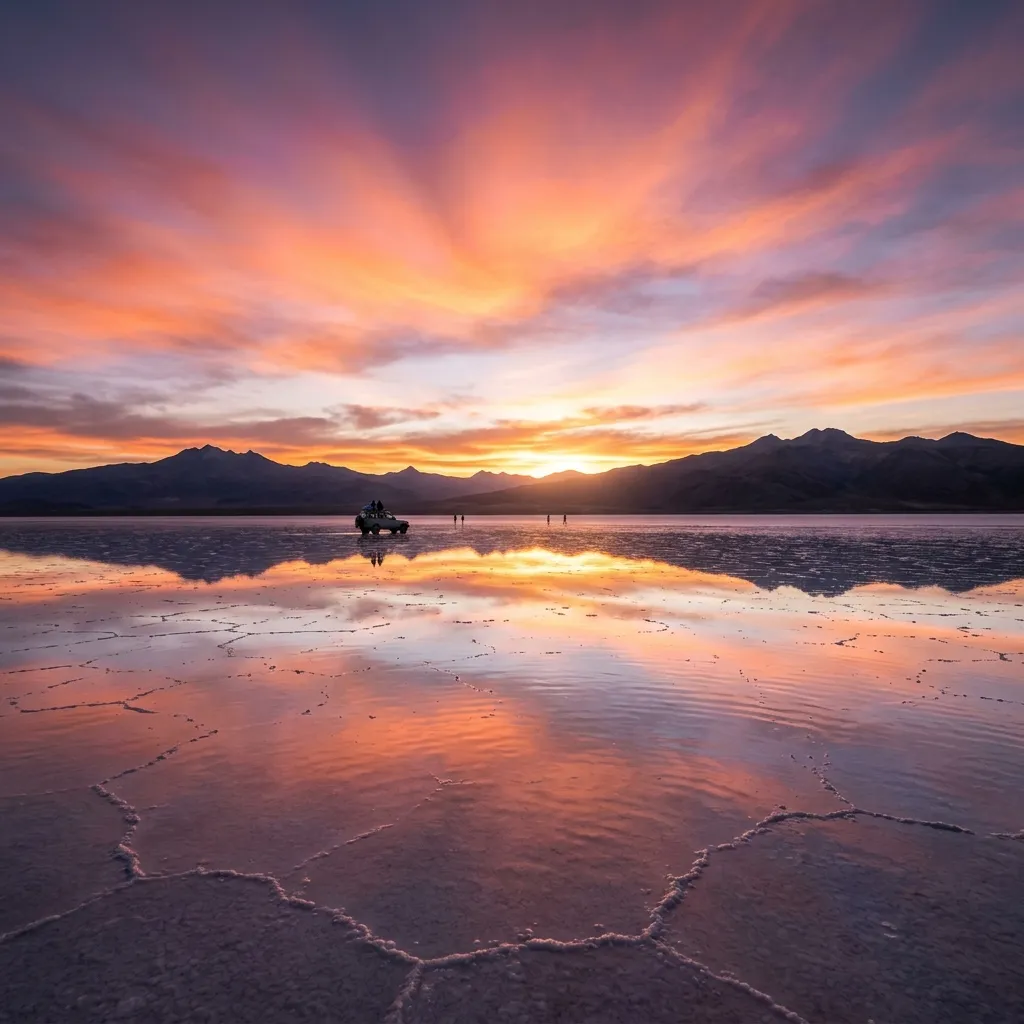
The honest answer is 3 days for most travellers. One day gives you the salt flat — the hexagons, Isla Incahuasi, and a sunset. Three days gives you the entire region: the salt flat on Day 1, then the Eduardo Avaroa National Reserve on Days 2 and 3 — Laguna Colorada, Sol de Mañana geysers, flamingos, and the chain of coloured lagoons that most people describe as the highlight of their Bolivia trip. If you genuinely only have one day, go — but know what you're choosing to skip.

What is the best month to visit Uyuni?

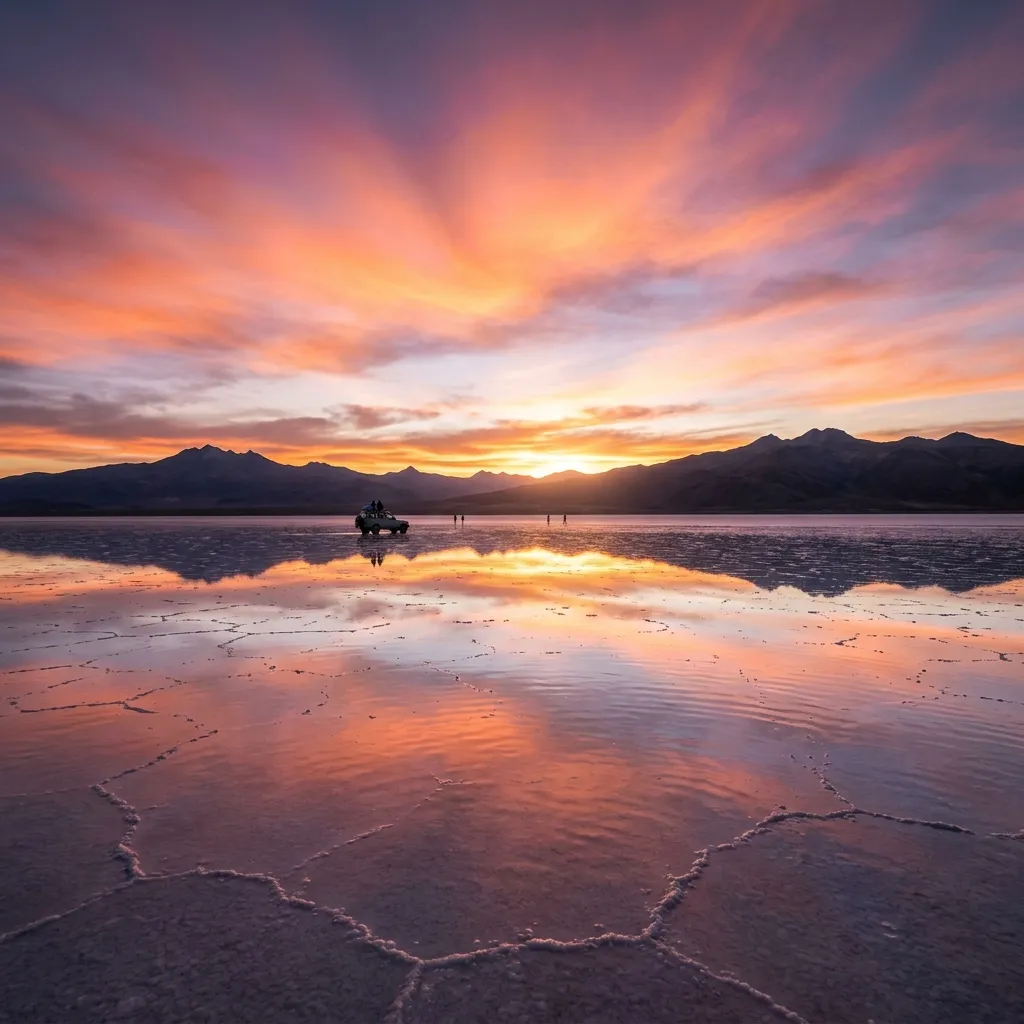
October is the best single month for most travellers. It is dry, warm enough at night to be comfortable, uncrowded compared to the June–August peak, and the daytime light is excellent for photography. If seeing the mirror effect is your priority, February offers the highest probability — but with more rain, crowds, and potential access restrictions.

What should I do for altitude acclimatization?
Rest on day one, hydrate often, and avoid heavy activity in your first 24 hours.
Can you see the mirror effect in April?

Sometimes, yes. April is a transition month. In years with heavy rainfall, mirror conditions persist into early April. In drier years, the surface begins drying in late March. A knowledgeable local guide will know where remaining water pockets are. Late April is often recommended by Uyuni-based operators as a sweet-spot month — possible mirror, warmer nights, fewer tourists, and lower prices.

How cold does it get in Uyuni area?

During dry season nights in June, July, and August, temperatures regularly fall below -10°C and can reach -15°C on the open salt flat. Daytime is warmer — typically 13°C to 17°C in winter. From October through April, nights are significantly more manageable, rarely dropping below -5°C.

Is Uyuni worth visiting in July?

Yes, but go prepared. July is peak tourist season — book everything well in advance. The cold is serious and should not be underestimated. The trade-off is dry, clear skies and the best stargazing conditions of the year. If cold weather doesn't bother you and you've booked ahead, July is a spectacular month to visit

Where can I see flamingos in the Uyuni Salt Flat?

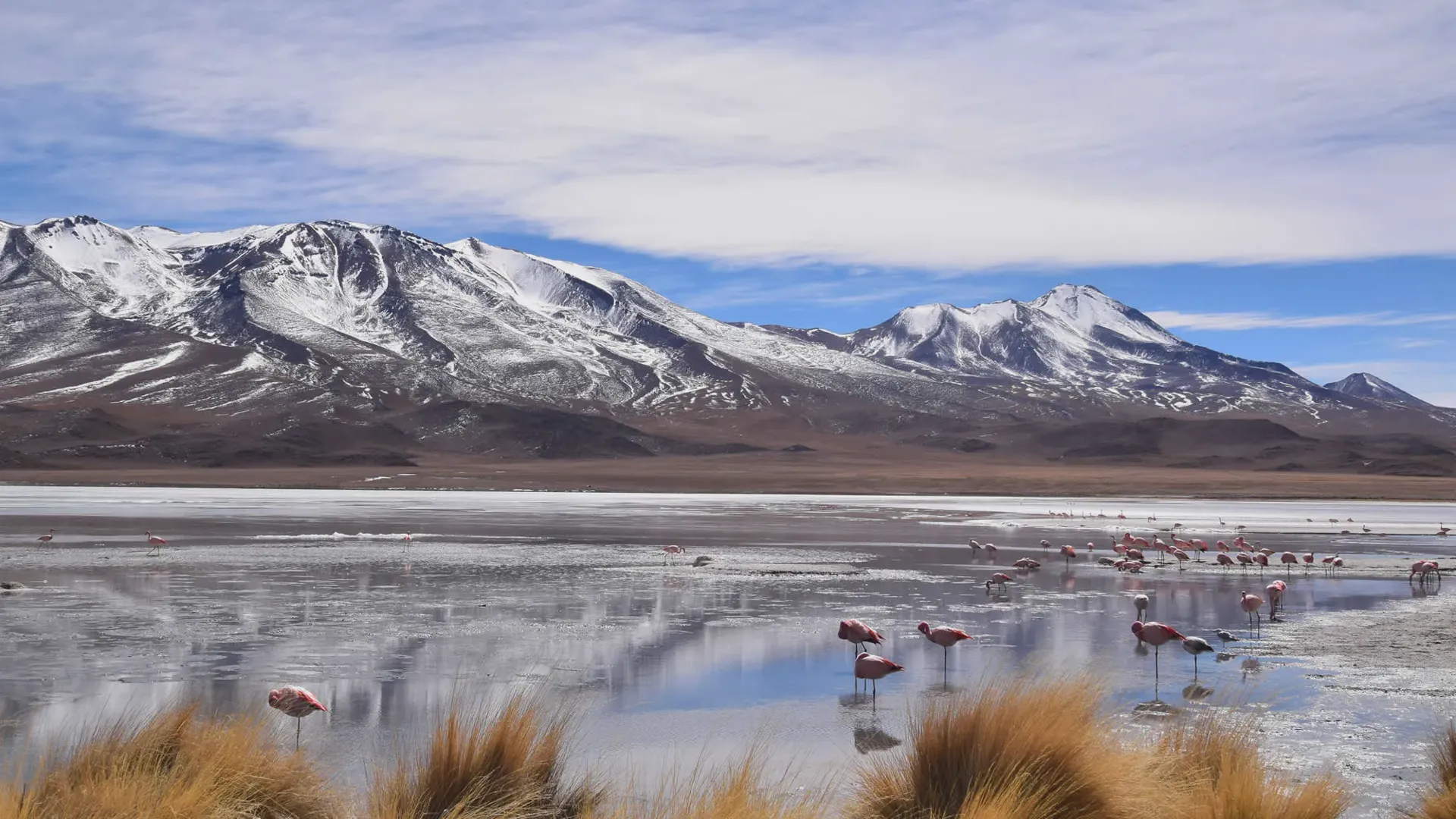
The flamingos are not on the Salar de Uyuni itself — they gather at Laguna Colorada in the Eduardo Avaroa National Reserve, approximately 4 hours south of Uyuni. Around 25,000 flamingos of three species (Chilean, Andean, and James) congregate there between November and March for breeding season. This reserve is visited on the standard 3-day Uyuni southwest circuit tour.

Can tours run year-round at the Uyuni Salt Flat and the Uyuni area?

Yes, with some limitations. Dry season tours operate across the full flat with no restrictions. Wet season tours adapt routes to water levels — some areas like Isla Incahuasi may be temporarily inaccessible after heavy rain. The Eduardo Avaroa Reserve southwest circuit occasionally closes during peak rainfall. Reputable operators monitor conditions daily and adapt accordingly.

Can you visit Incahuasi Island during the rainy season?

Generally no. When the salt crust dissolves into soft, muddy brine, heavy 4x4s risk sinking. Island access is typically restricted by park authorities between mid-January and late March.

Nearby Places & Attractions

Salar de Chiguana
Attraction

Salar de Chiguana

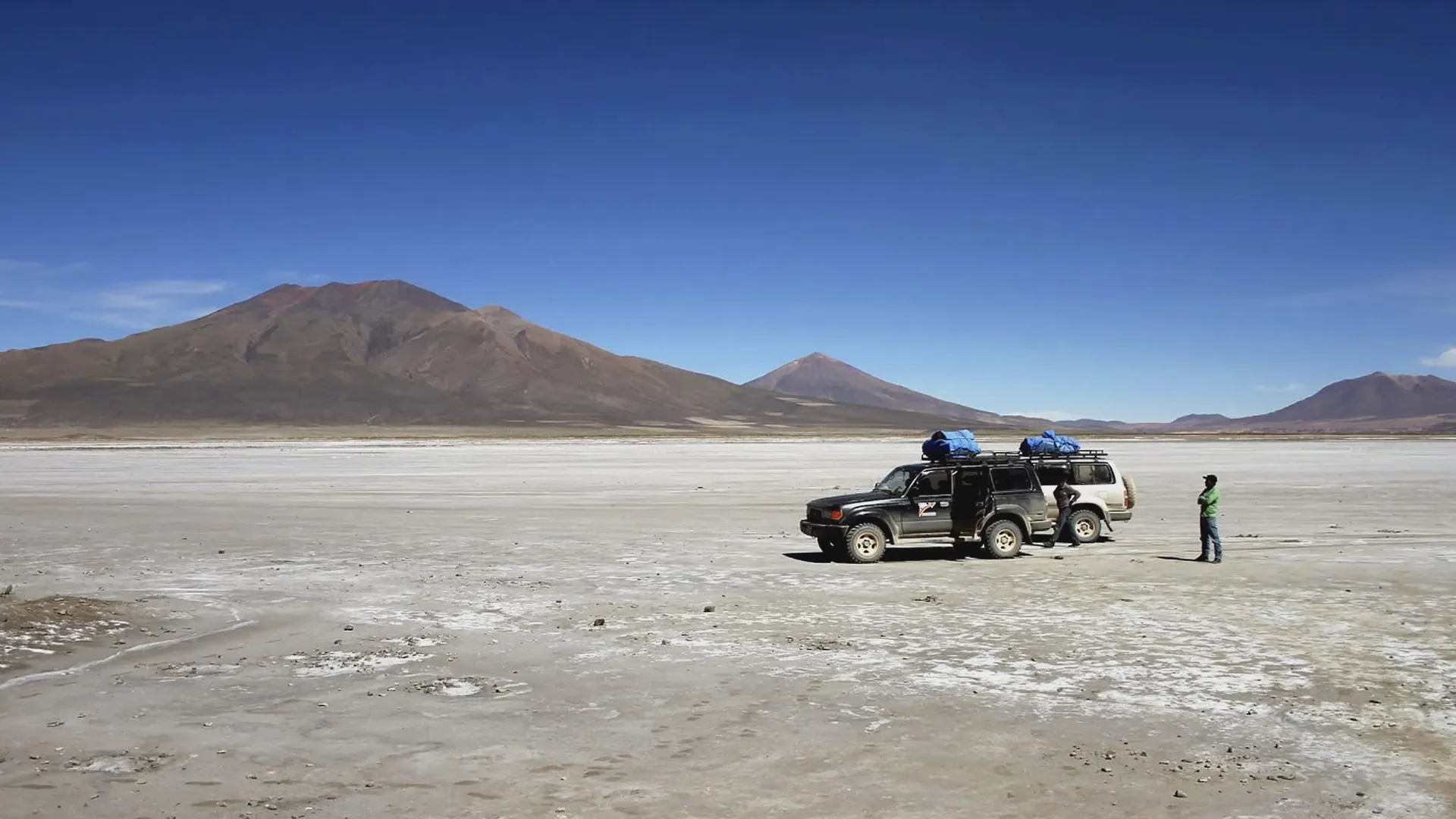
The Salar de Chiguana, not far from the border with Chile has a salt base, covered with brownish dust.

Salvador Dalí desert
Attraction

Salvador Dalí desert

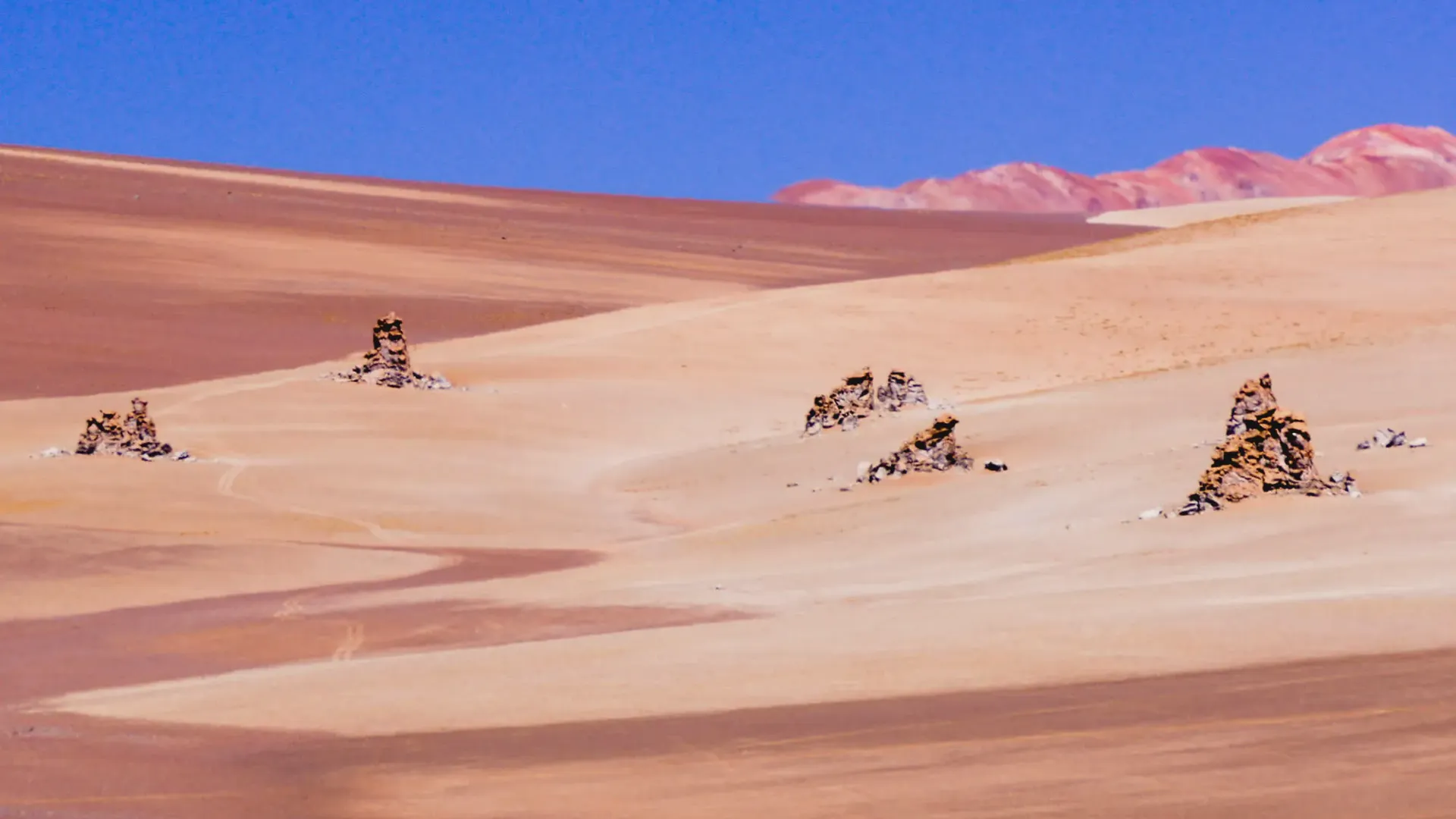
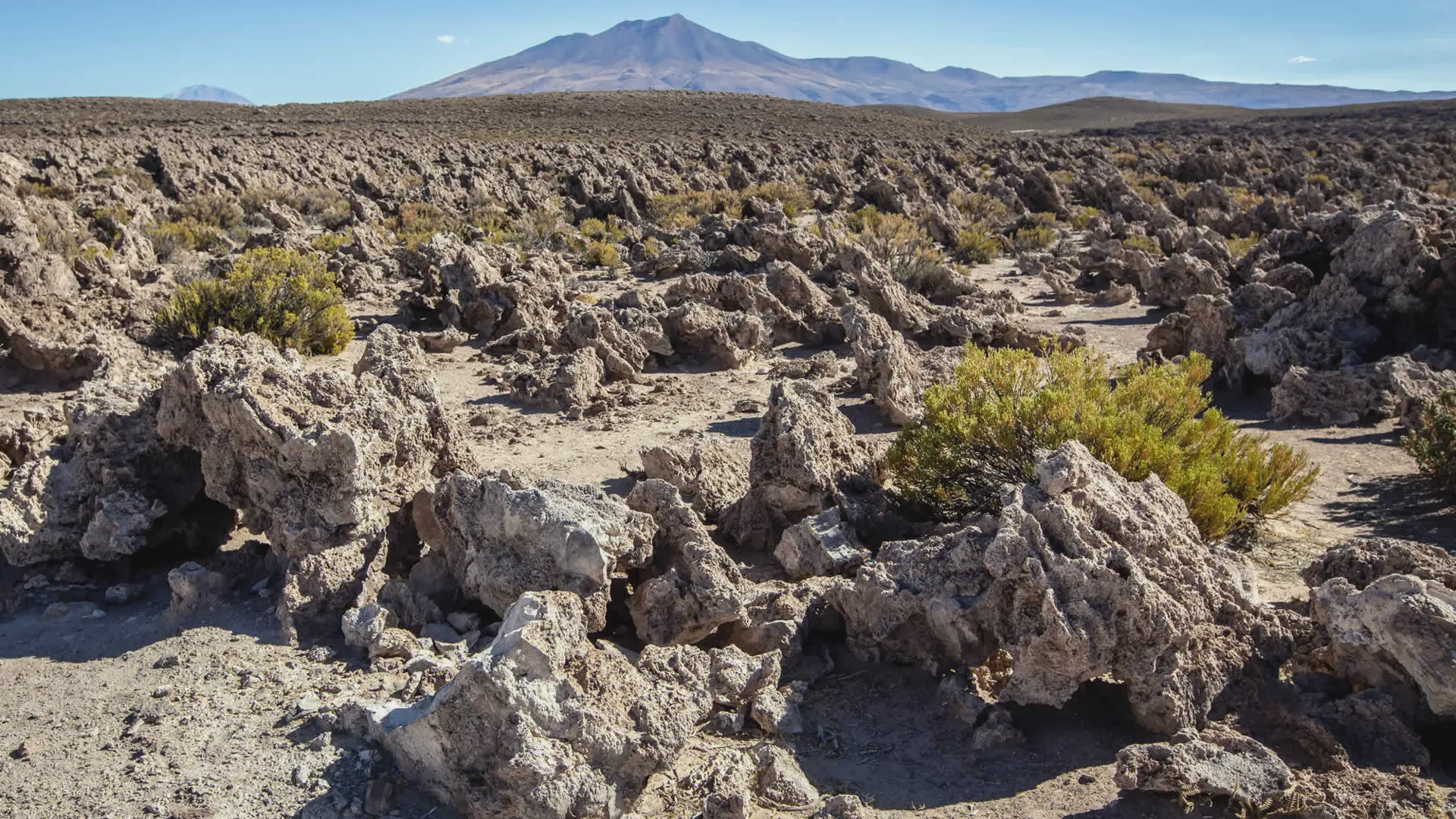
Salvador Dalí Desert (Desierto Salvador Dalí), also known as Dalí Valley (Valle de Dalí), is an extremely barren valley of southwestern Bolivia, in the Potosí Department.

Red Lagoon
Attraction

Red Lagoon

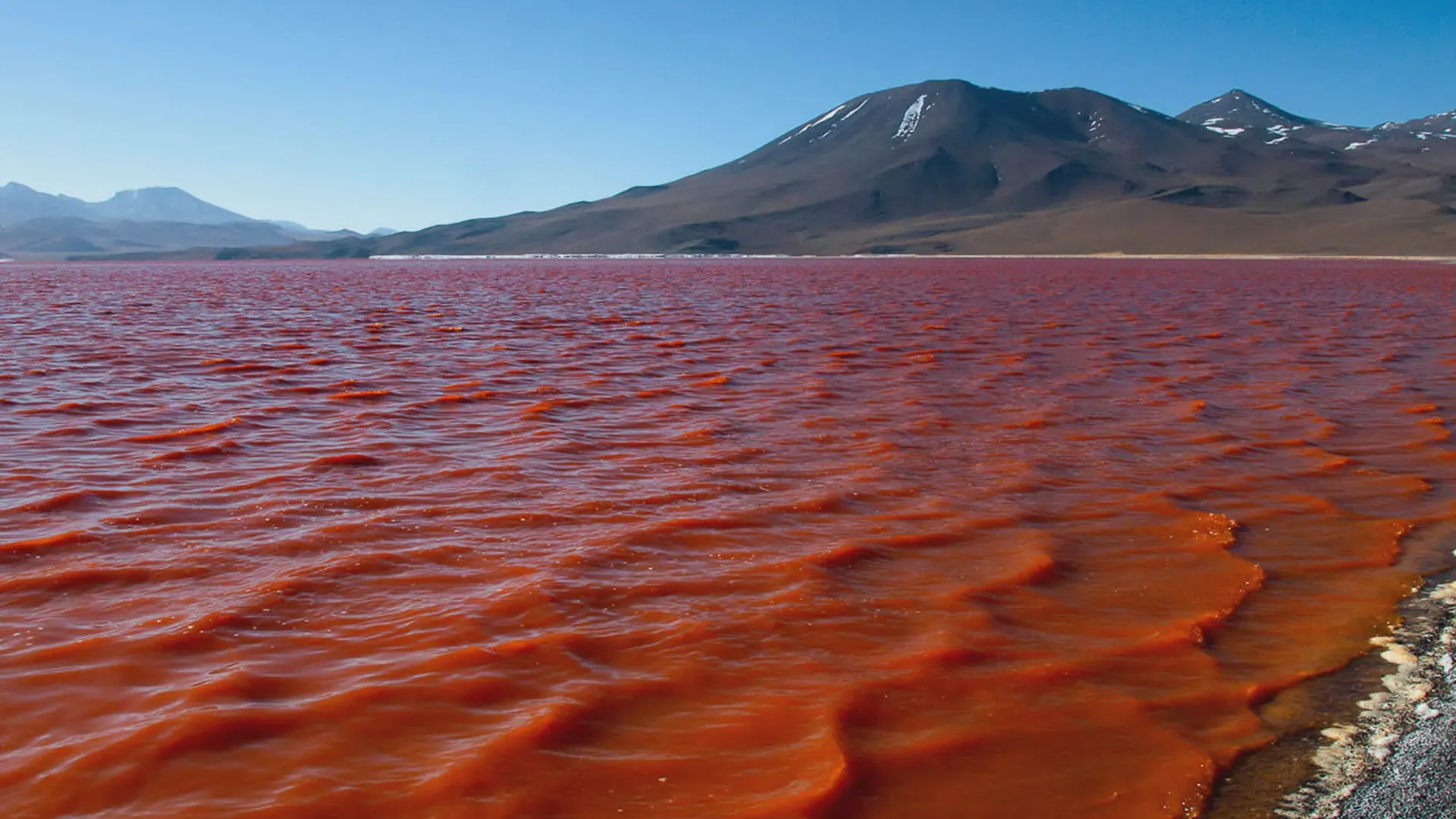
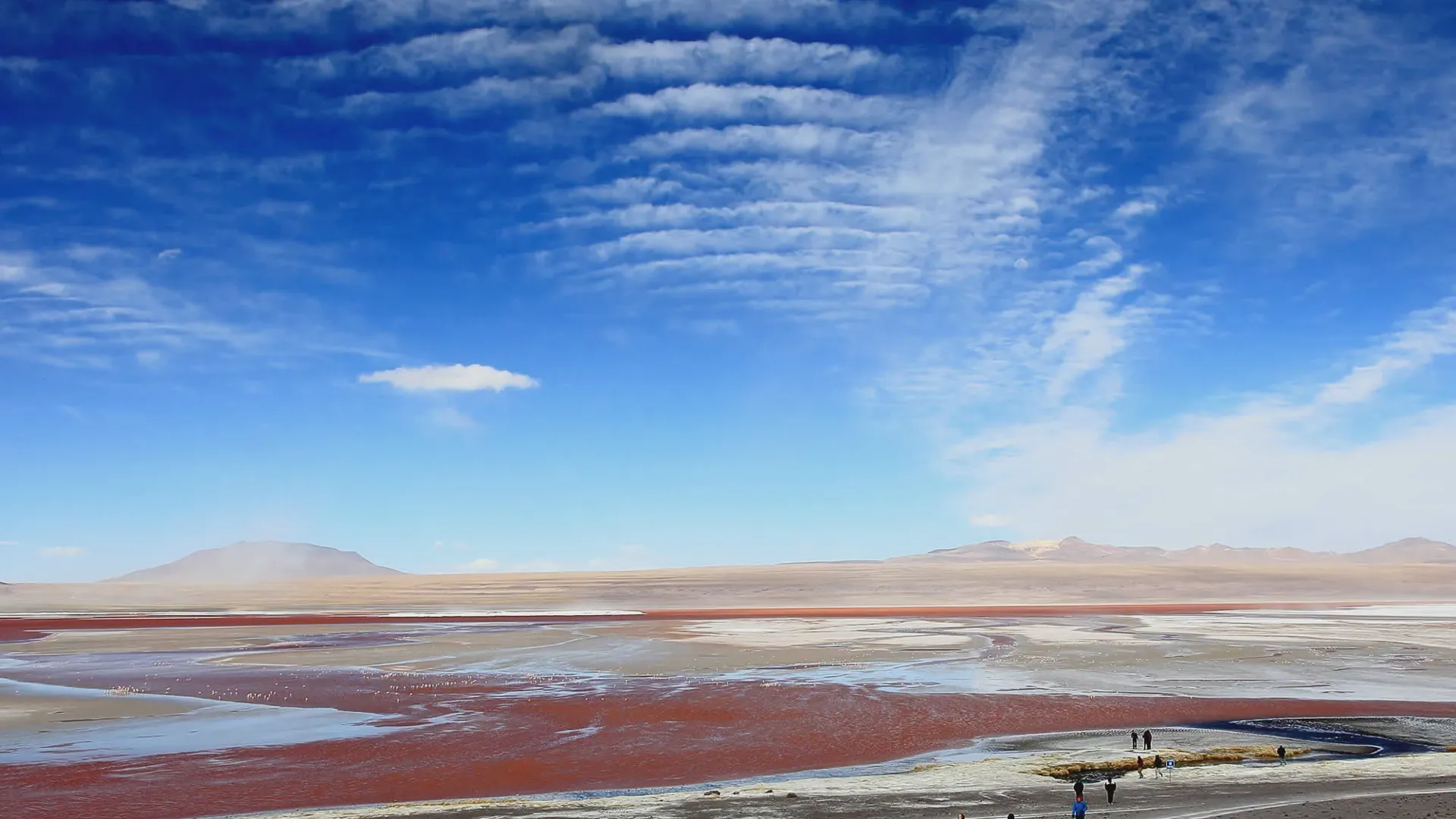
The Red lagoon (Laguna Colorada) is a shallow lake within the Eduardo Avaroa Andean Fauna National Reserve and close to the border with Chile. The lake is famous for its strong red colour caused by algae that provide food for large flocks of pink flamingos.

Green Lagoon
Attraction

Green Lagoon

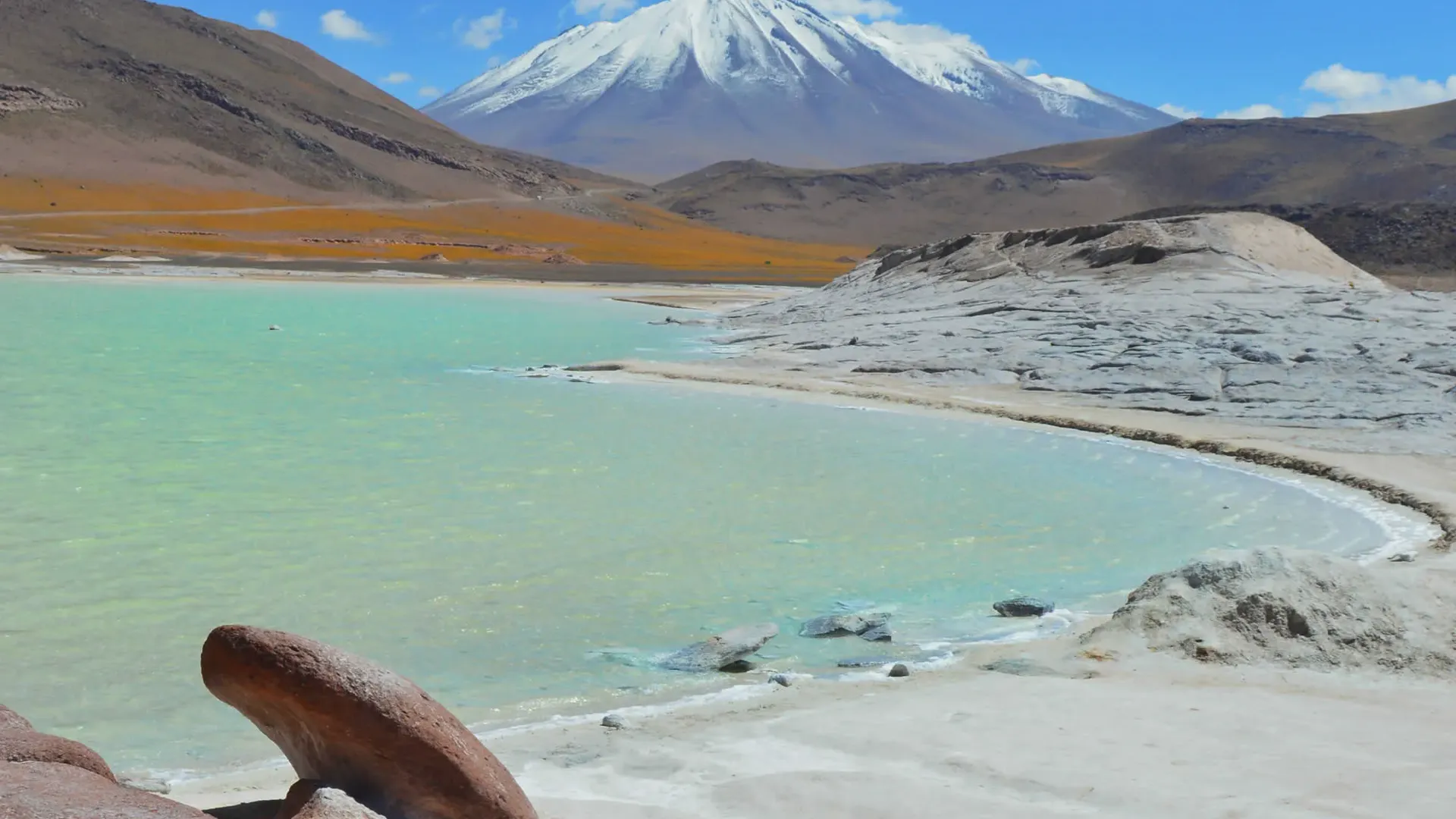
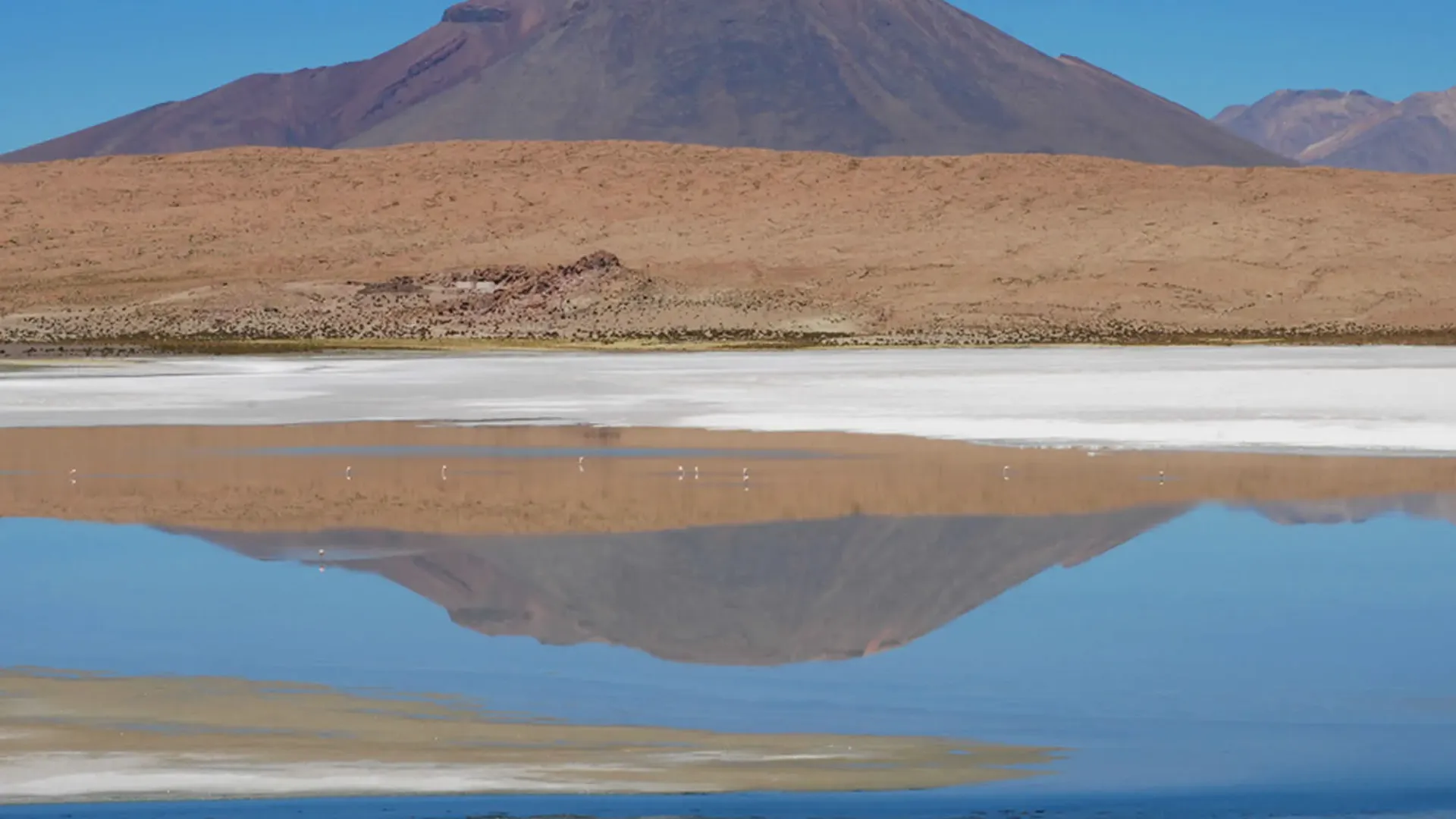
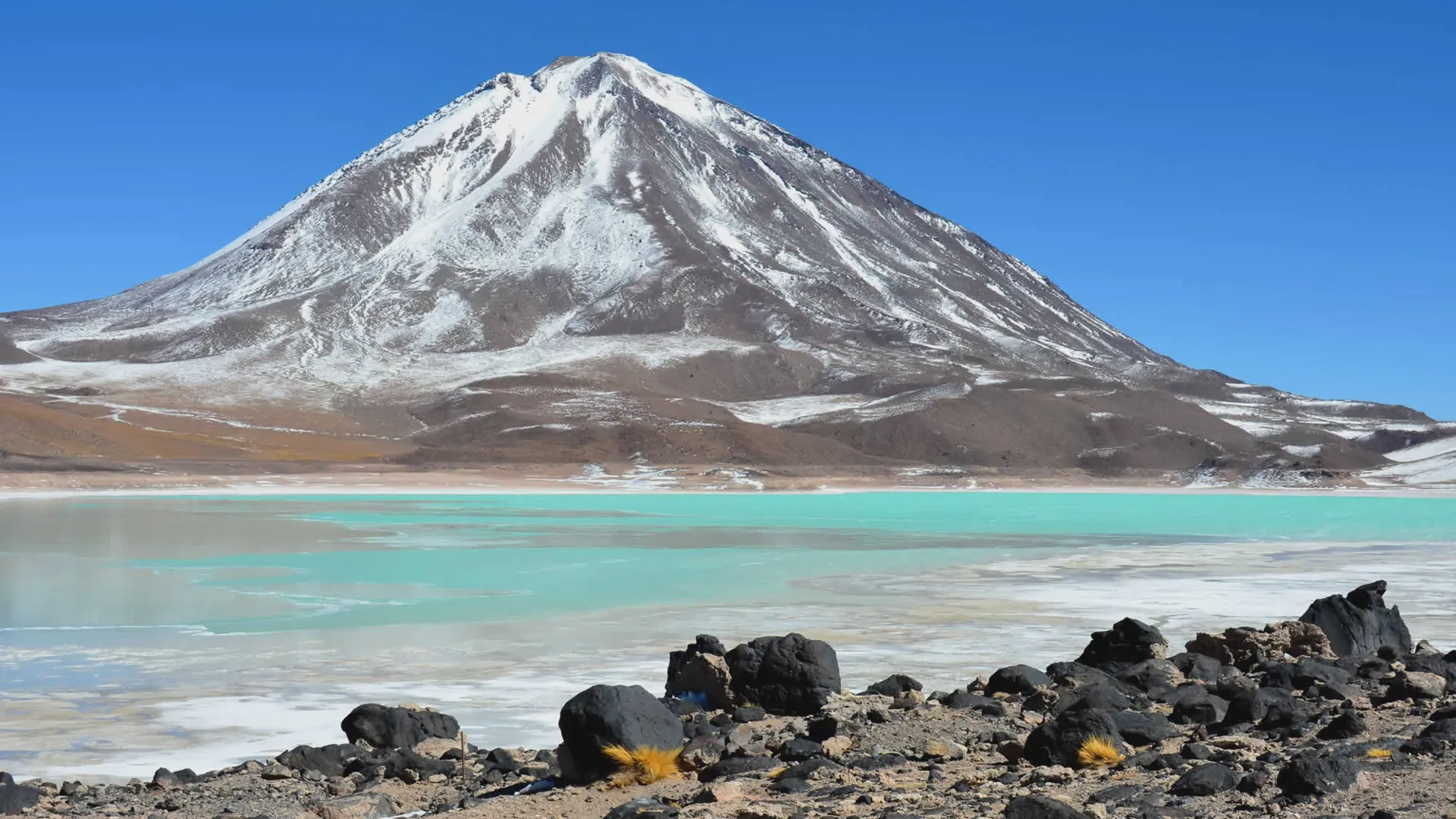
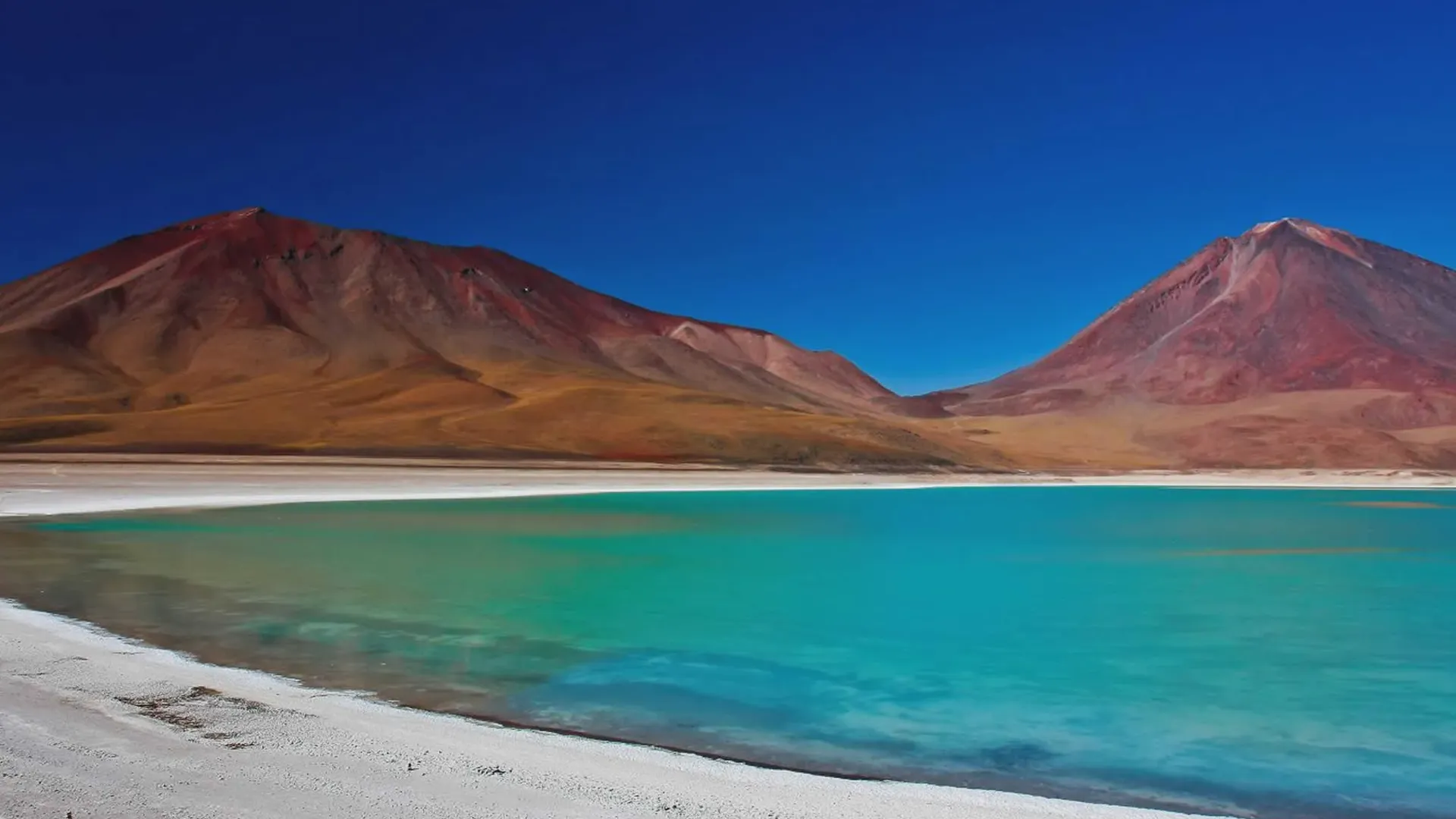
Green lagoon (Laguna Verde) is a high-altitude mineral lake in the Eduardo Avaroa Reserve, known for its beautiful green color. It sits at the foot of 2 volcanoes, Licancabur and Juriques, which straddle the border with Chile and are reflected in the water when the weather is calm.

Rock Tree
Attraction

Rock Tree

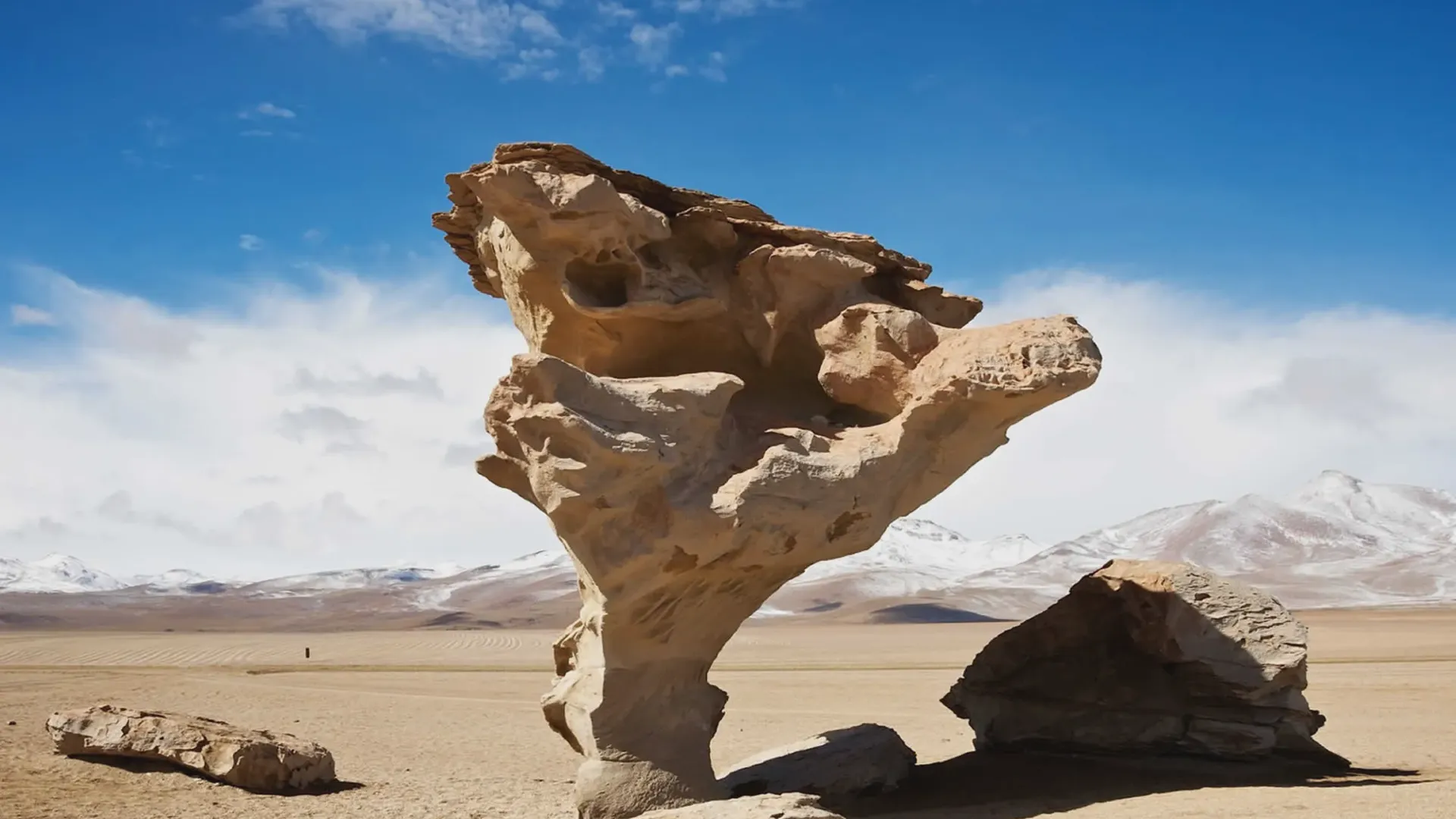
The Rock Tree (Árbol de Piedra) is a tree-like rock formation in the Siloli Desert desert that offers great photo opportunities!

Andean Fauna
Attraction

Andean Fauna

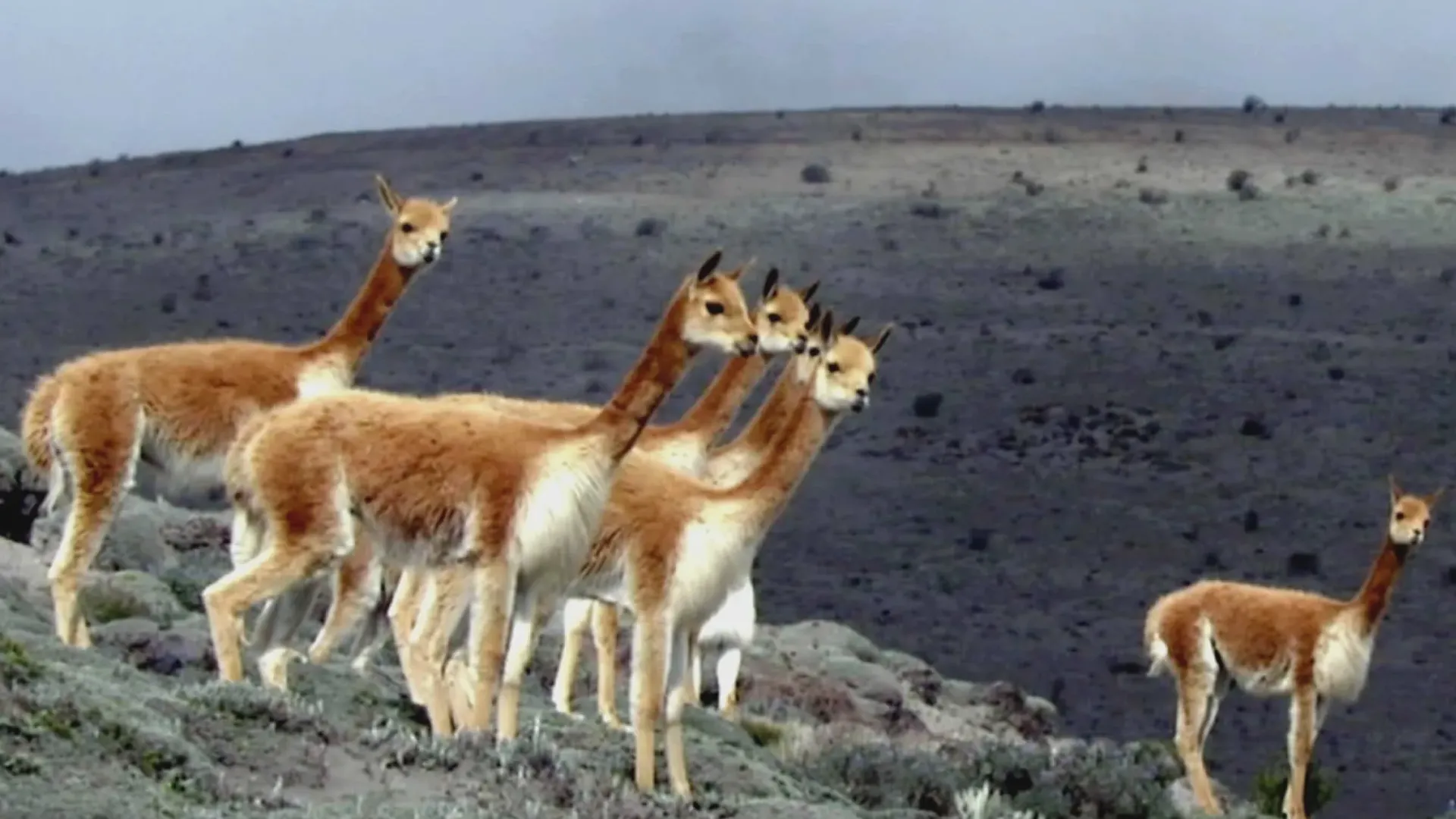
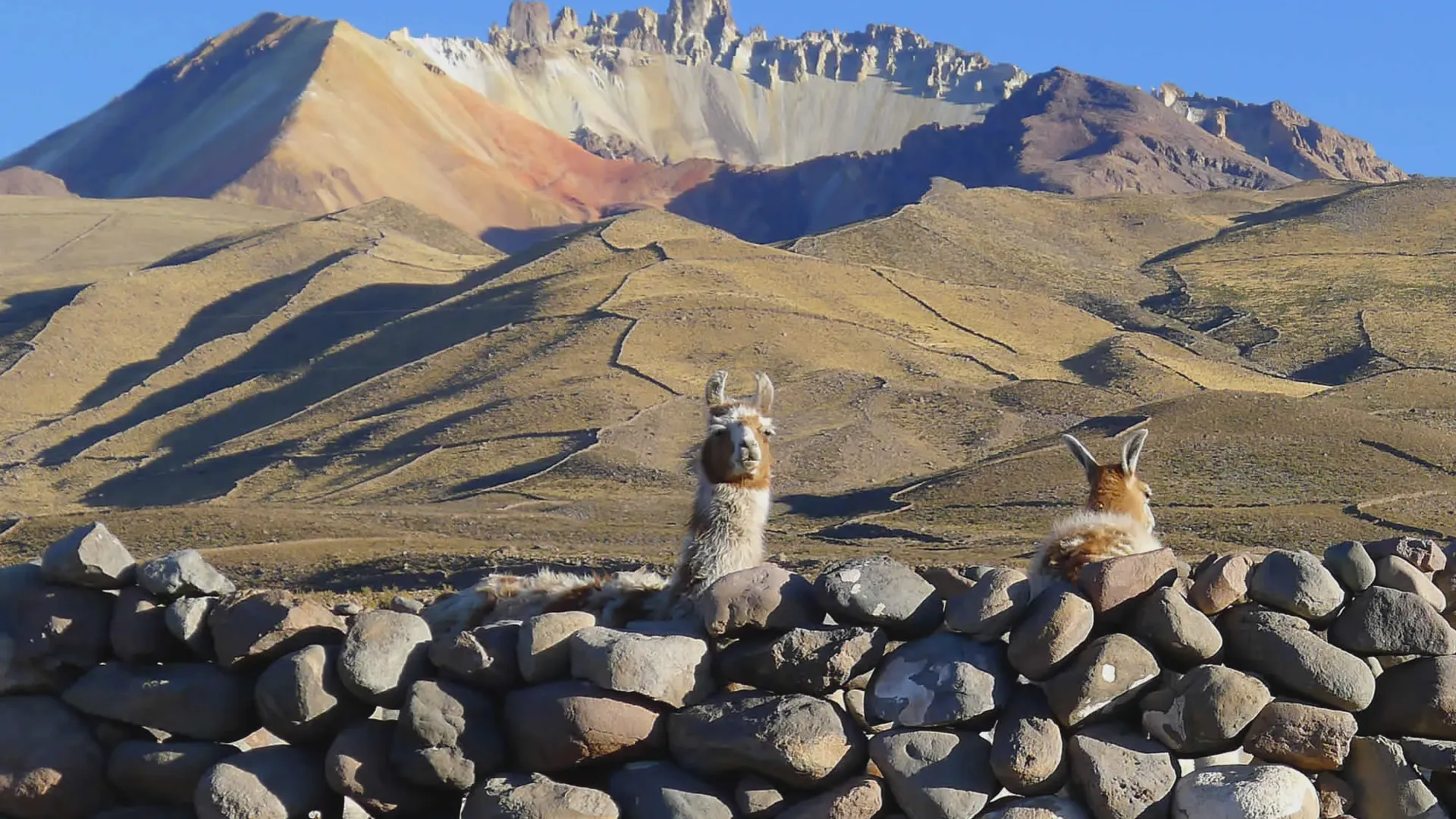
The Andean fauna populating the surroundings of the Uyuni Salt Flat and the amazing lagoons is diverse and rich. During the most popular tours to the Eduardo Avaroa National Reserve it is possible to observe these species in their natural habitat and be amazed by nature.

Ready to visit Top 10 Things NOT To Do in Bolivia?

We can help you organize the perfect trip to this incredible destination.