La Paz Cemetery
Attraction

La Paz Cemetery

As in most Latin American cemeteries, bodies are buried in the traditional Western way or placed in a crypt. Within 10 years, they are disinterred and cremated. After cremation, families purchase or rent glass-fronted spaces in the cemetery walls for the ashes, affix plaques and mementos of the d...

Updated: August 6, 2026

As in most Latin American cemeteries, bodies are buried in the traditional Western way or placed in a crypt. Within 10 years, they are disinterred and cremated. After cremation, families purchase or rent glass-fronted spaces in the cemetery walls for the ashes, affix plaques and mementos of the deceased and place flowers behind the glass door.

Each wall has hundreds of these doors, and some of the walls have expanded upward to such an extent that they resemble three- or four-story apartment blocks. As a result the cemetery is an active place, full of people passing through to visit dead relatives.

There are also huge family mausoleums, as well as sections dedicated to mine workers and their families, and common graves for soldiers killed in battle. You may even see the black-clad professional mourners who provide suitable wails and tears during burials.

On November 2, Dia de los Muertos (Day of the Dead), half the city turns out to honor their ancestors.
Frequently Asked Questions

What should I do for altitude acclimatization?
Rest on day one, hydrate often, and avoid heavy activity in your first 24 hours.
Nearby Places & Attractions

Red Lagoon
Attraction

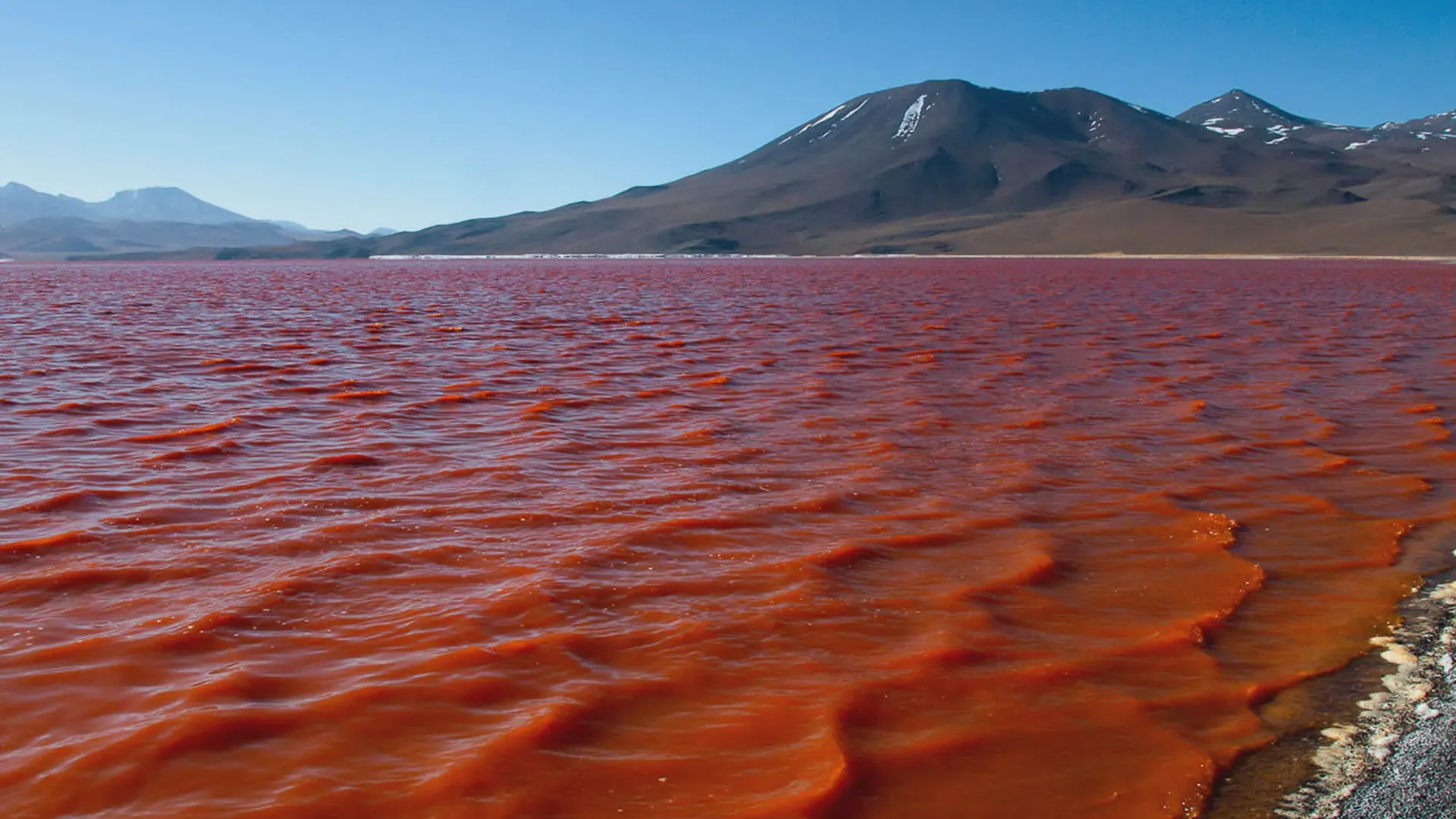
Red Lagoon

The Red lagoon (Laguna Colorada) is a shallow lake within the Eduardo Avaroa Andean Fauna National Reserve and close to the border with Chile. The lake is famous for its strong red colour caused by algae that provide food for large flocks of pink flamingos.
Green Lagoon
Attraction

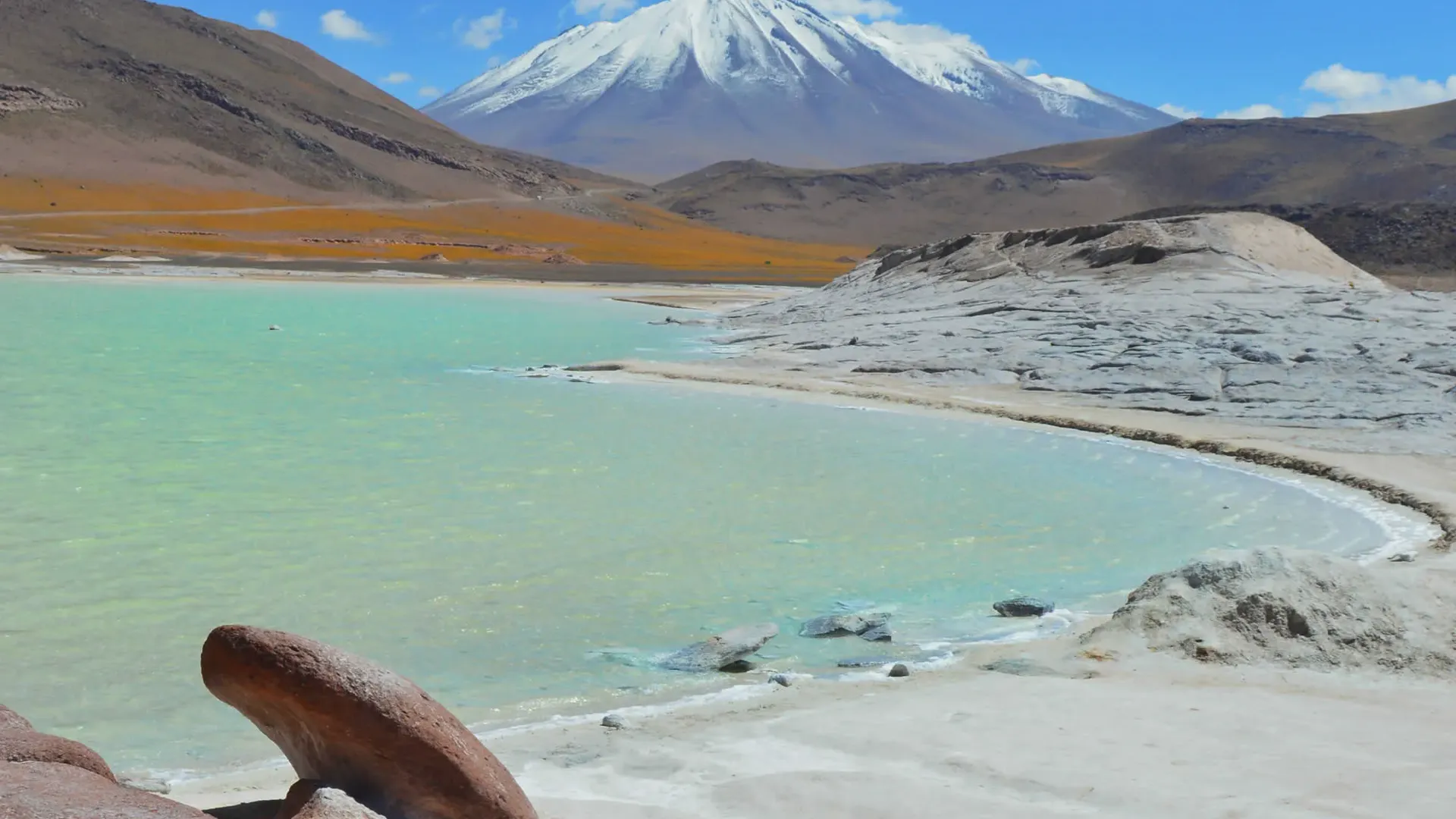
Green Lagoon

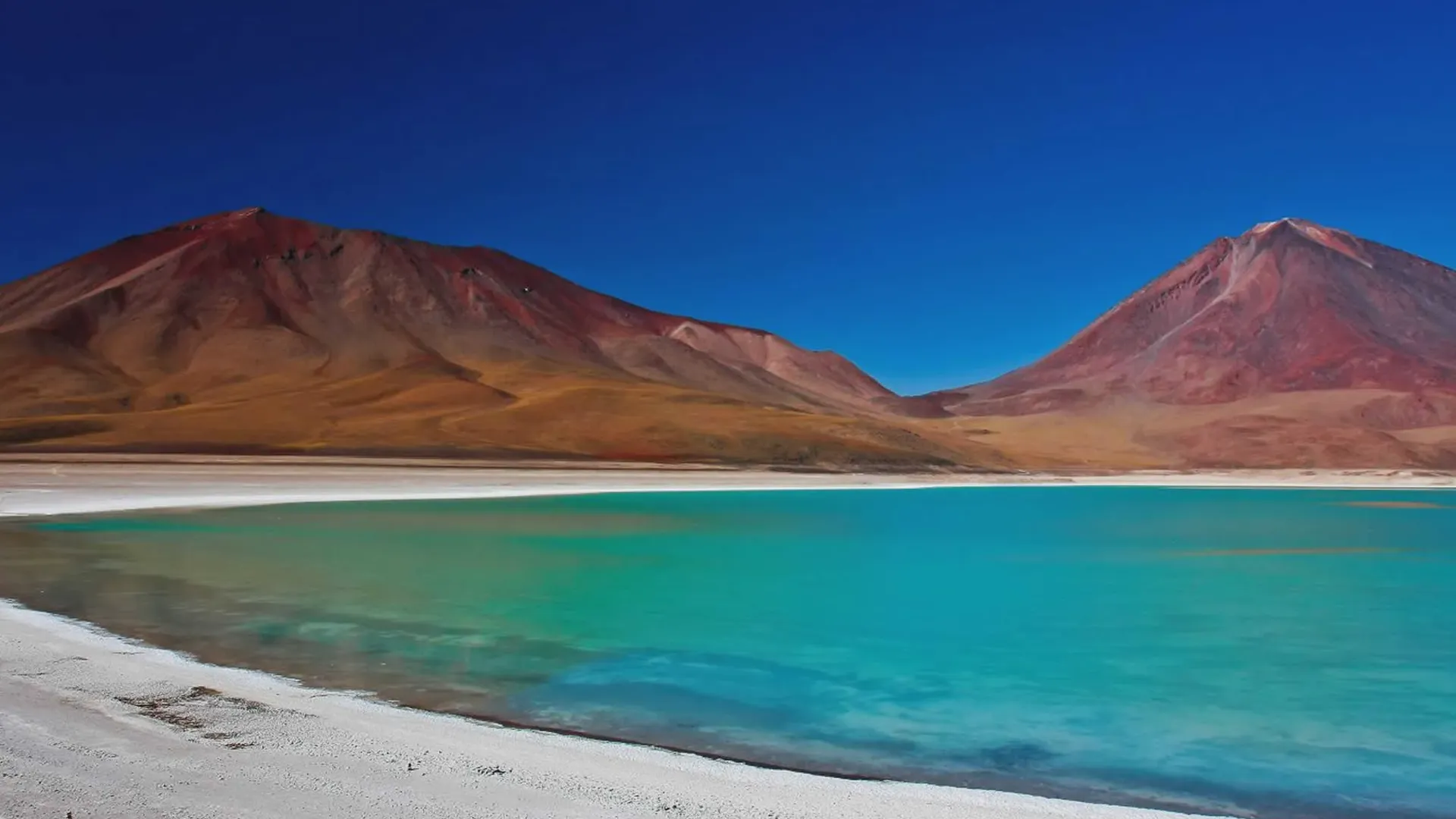
Green lagoon (Laguna Verde) is a high-altitude mineral lake in the Eduardo Avaroa Reserve, known for its beautiful green color. It sits at the foot of 2 volcanoes, Licancabur and Juriques, which straddle the border with Chile and are reflected in the water when the weather is calm.
Rock Tree
Attraction

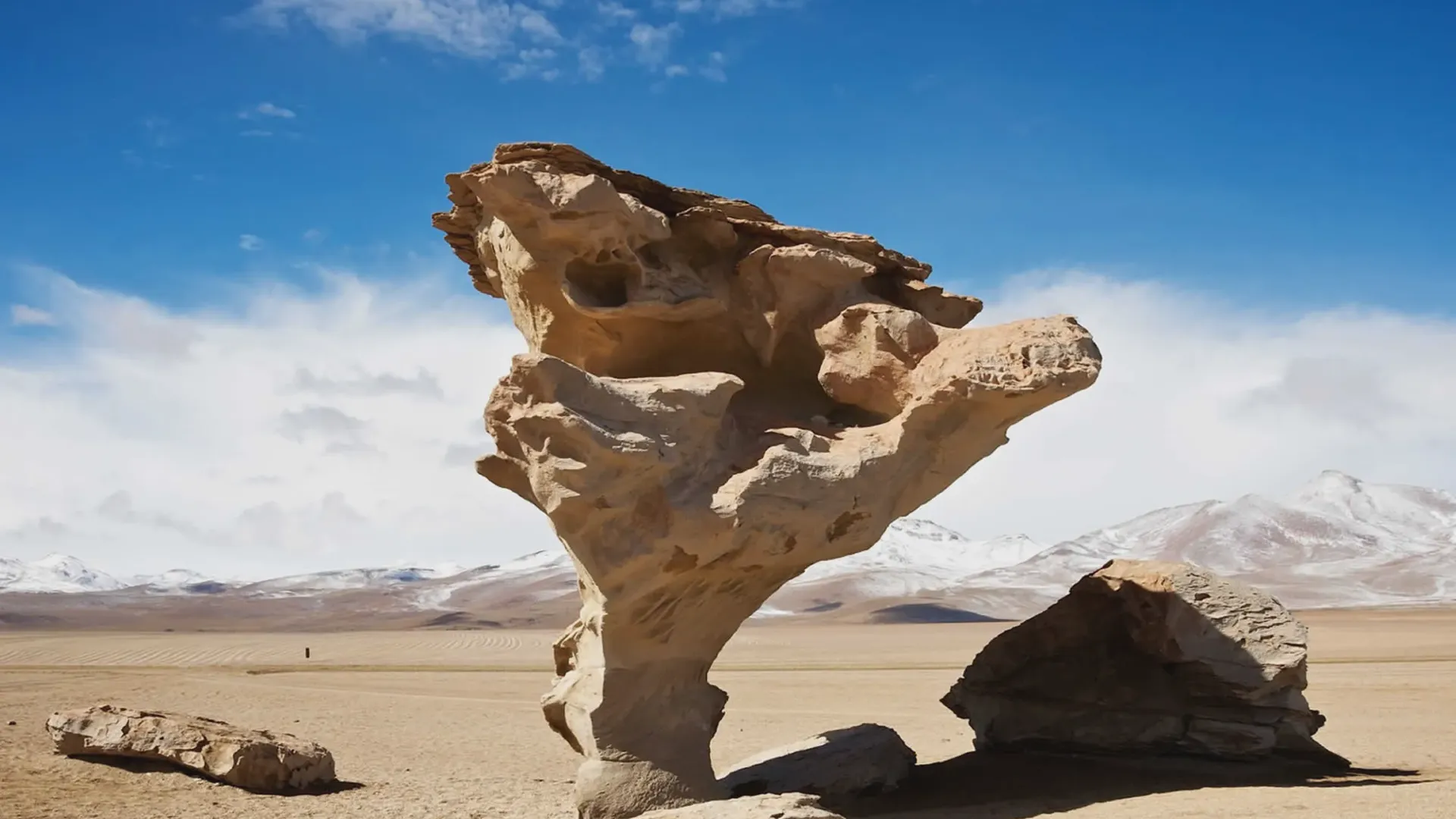
Rock Tree

The Rock Tree (Árbol de Piedra) is a tree-like rock formation in the Siloli Desert desert that offers great photo opportunities!

Chincana Labyrinth
Attraction

Chincana Labyrinth

Elevations

Gold Museum
Attraction

Gold Museum

The Gold Museum (Museo de Oro) is a small museum located in the North Side of the Sun Island.

Siloli Desert
Attraction

Siloli Desert

The Arbol de Piedra (Stone Tree) is a volcanic rock formation in the Desierto Siloli in Bolivia. The rock is unique because it resembles a tree. The Desierto Siloli is considered to be part of the Atacama Desert in neighboring Chile.

Ready to visit La Paz Cemetery?

We can help you organize the perfect trip to this incredible destination.