Bolivia - the Tibet of the Americas
Bolivia

Bolivia - the Tibet of the Americas

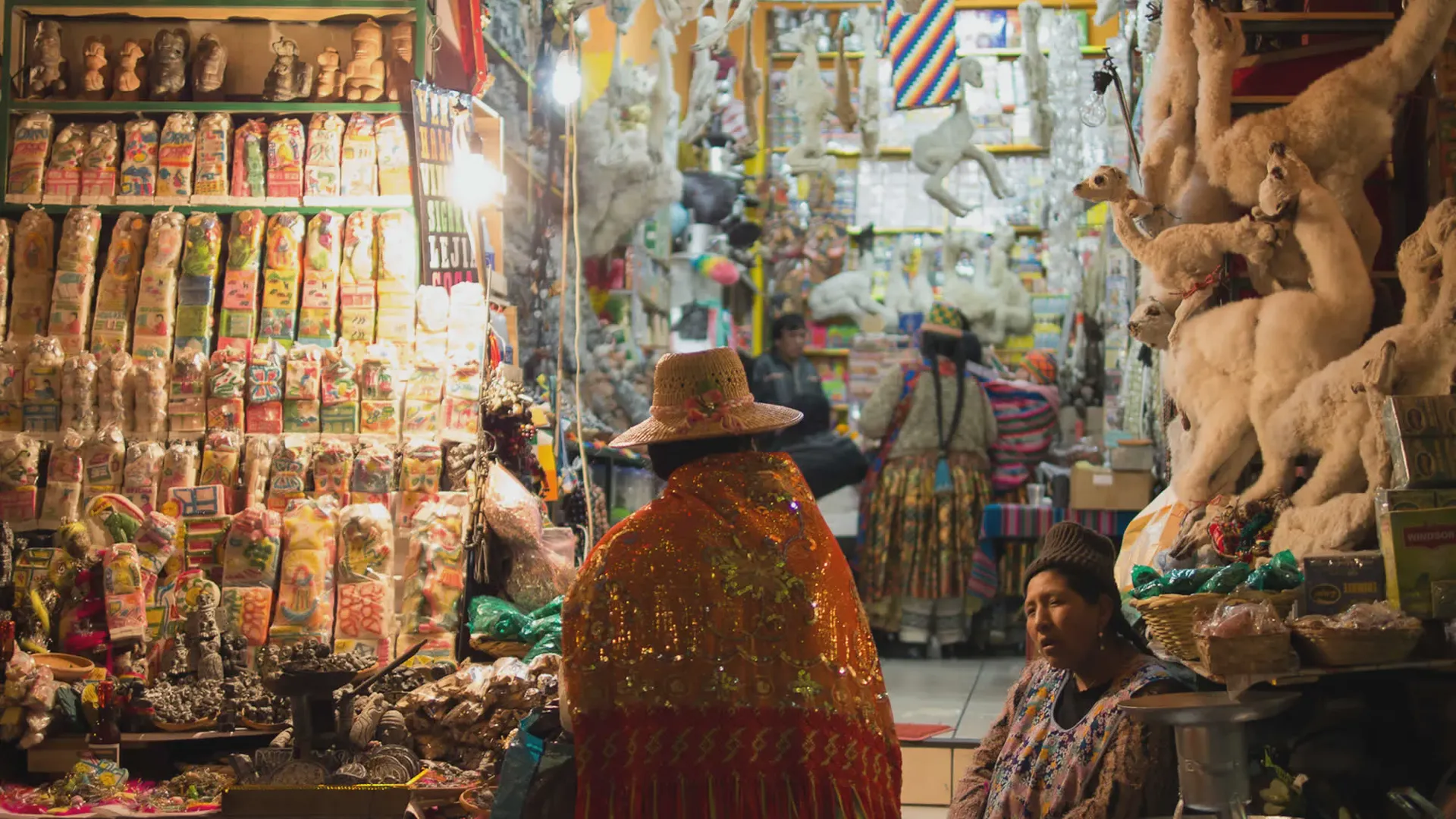
Bolivia is also known as the Tibet of the Americas. It is the most traditional territory in South America, as the majority of its population is indigenous and conserve their ancestral habits.
Updated: July 4, 2026

Bolivia is also known as the Tibet of the Americas. It is the most traditional territory in South America, as the majority of its population is indigenous and conserve their ancestral habits.

Bolivia

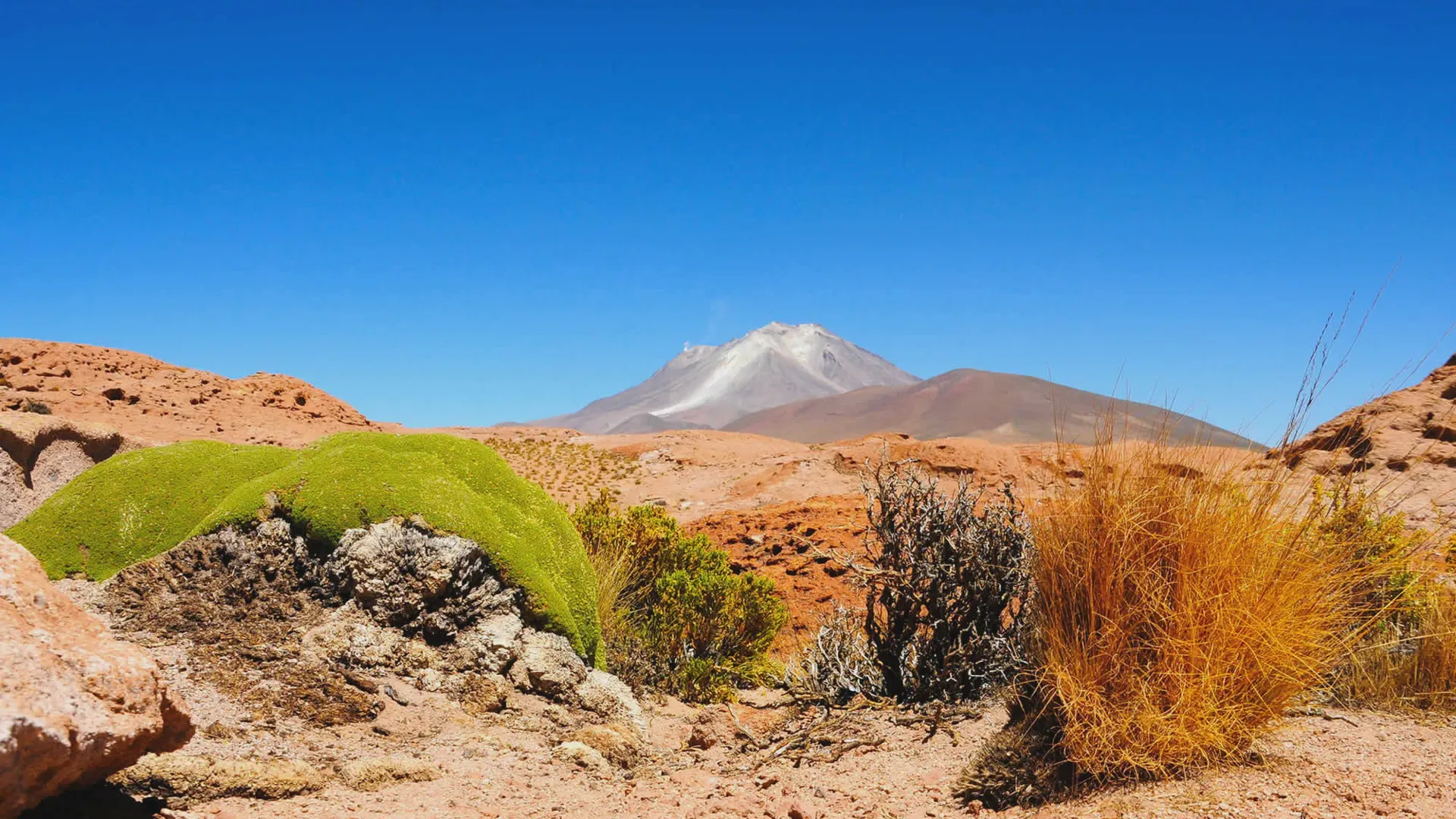
This andean country has spectacular salt flats, pampas and humid forests that are teeming with wildlife.

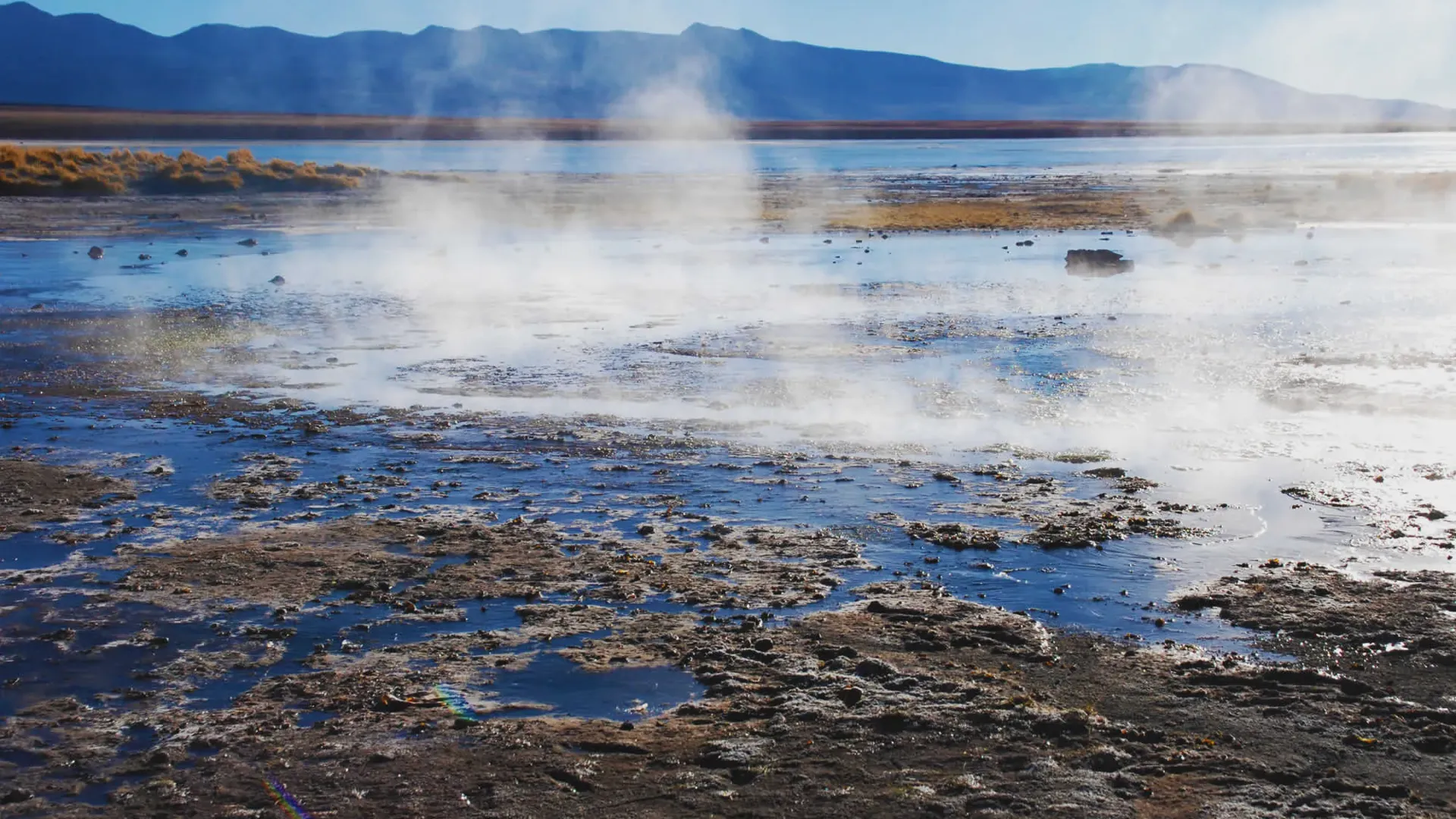
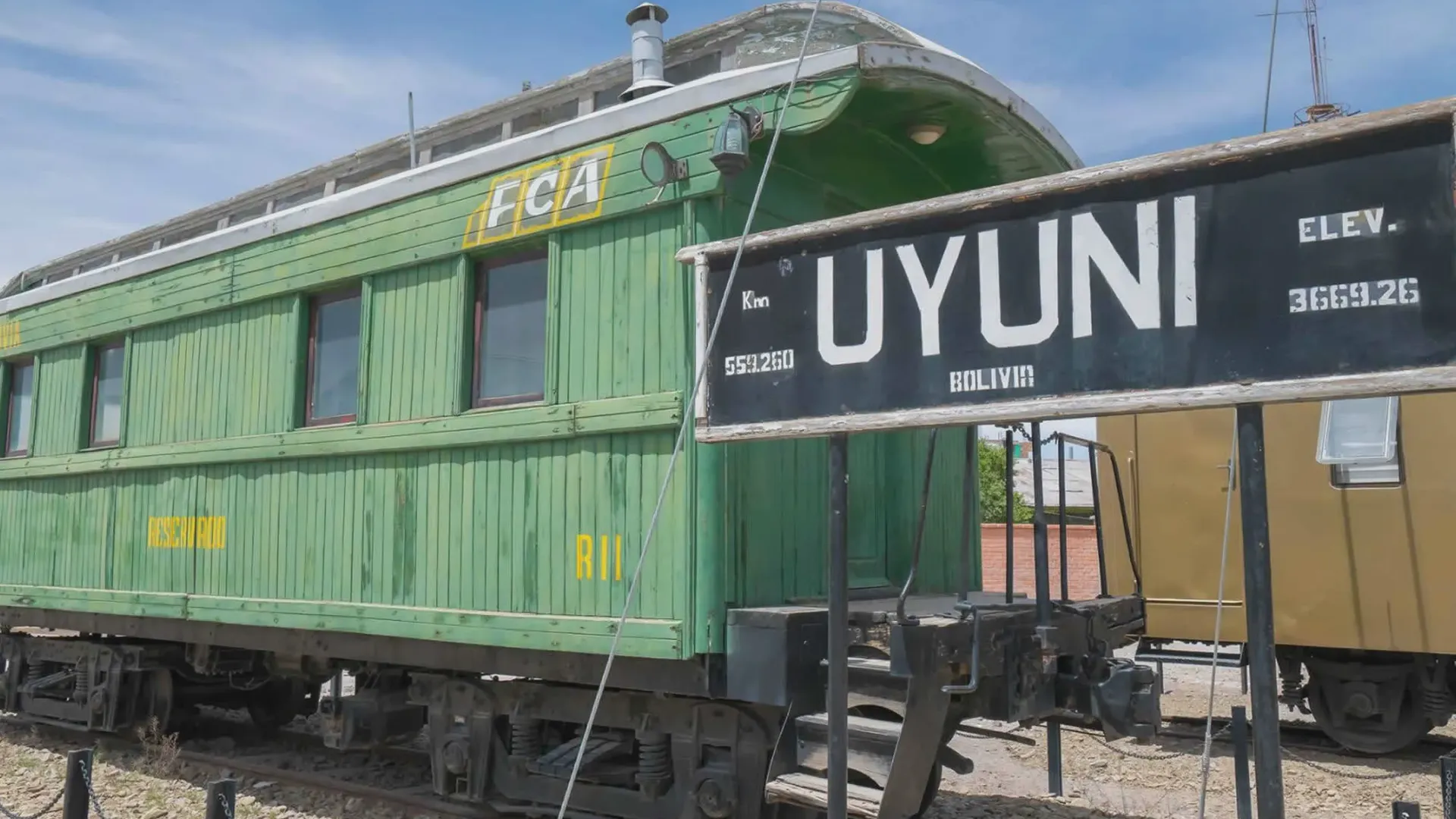
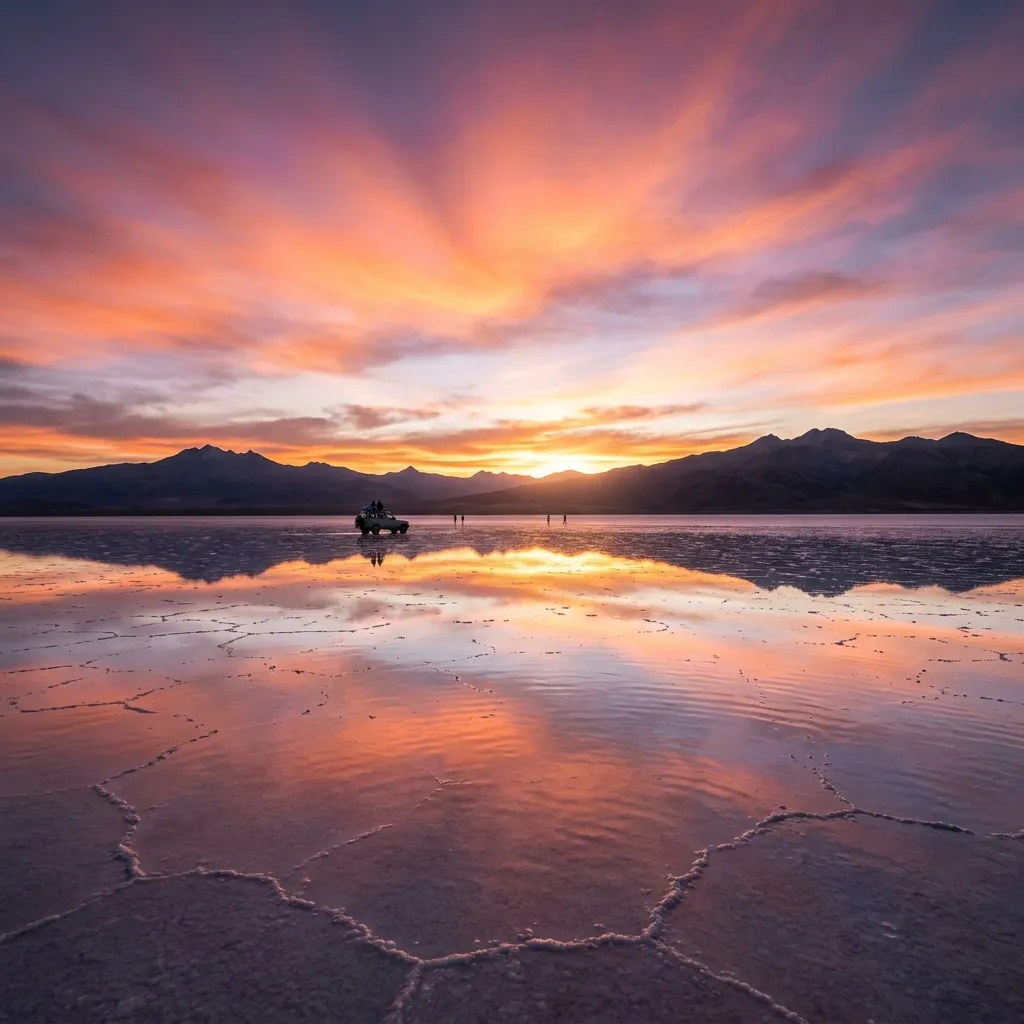
You should go deep inside the jungle around Rurrenabaque, next to the Beni river and discover the Uyuni Salt Flats with its geysers and colorful volcanic lagoons.

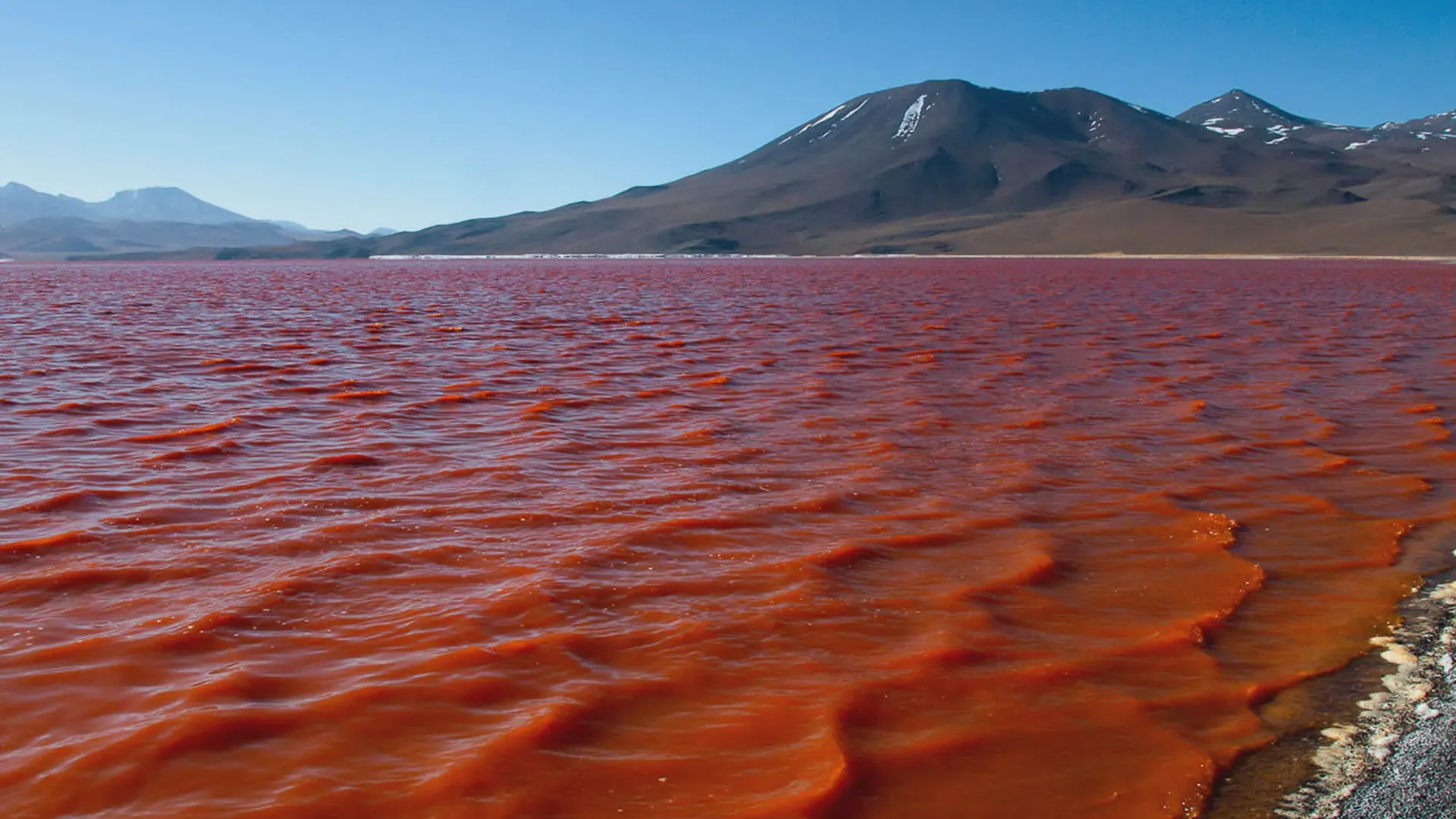
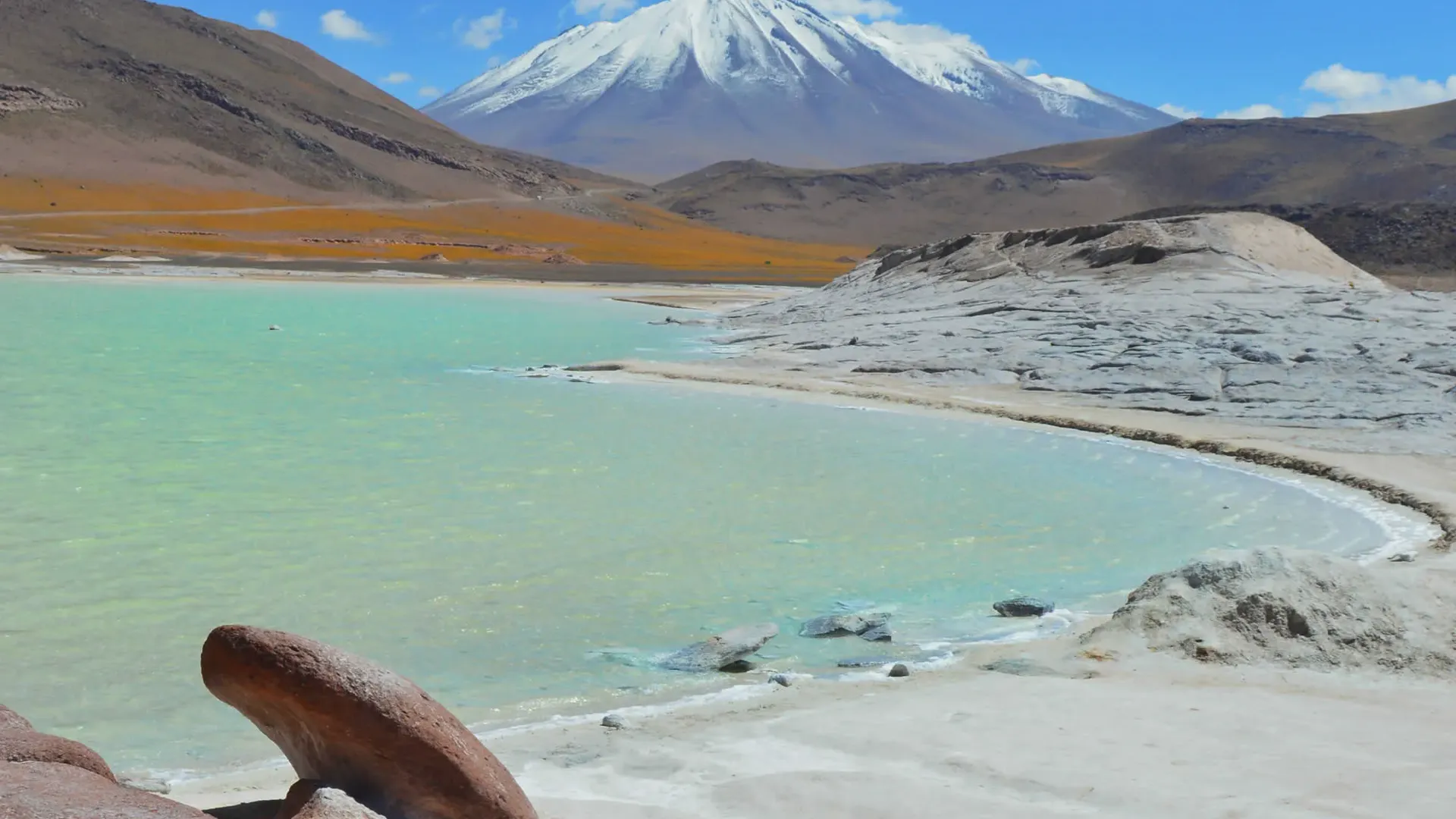
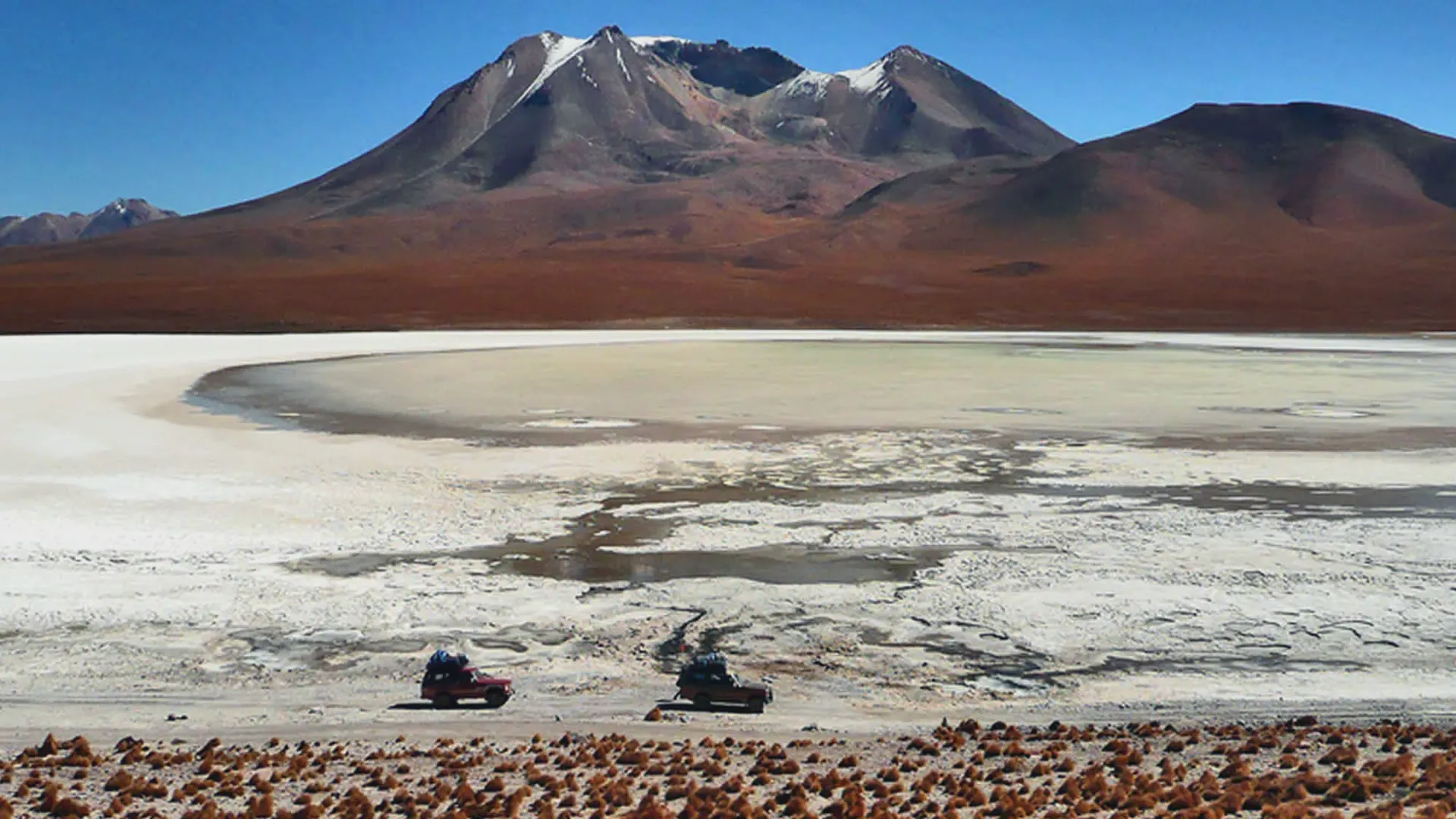
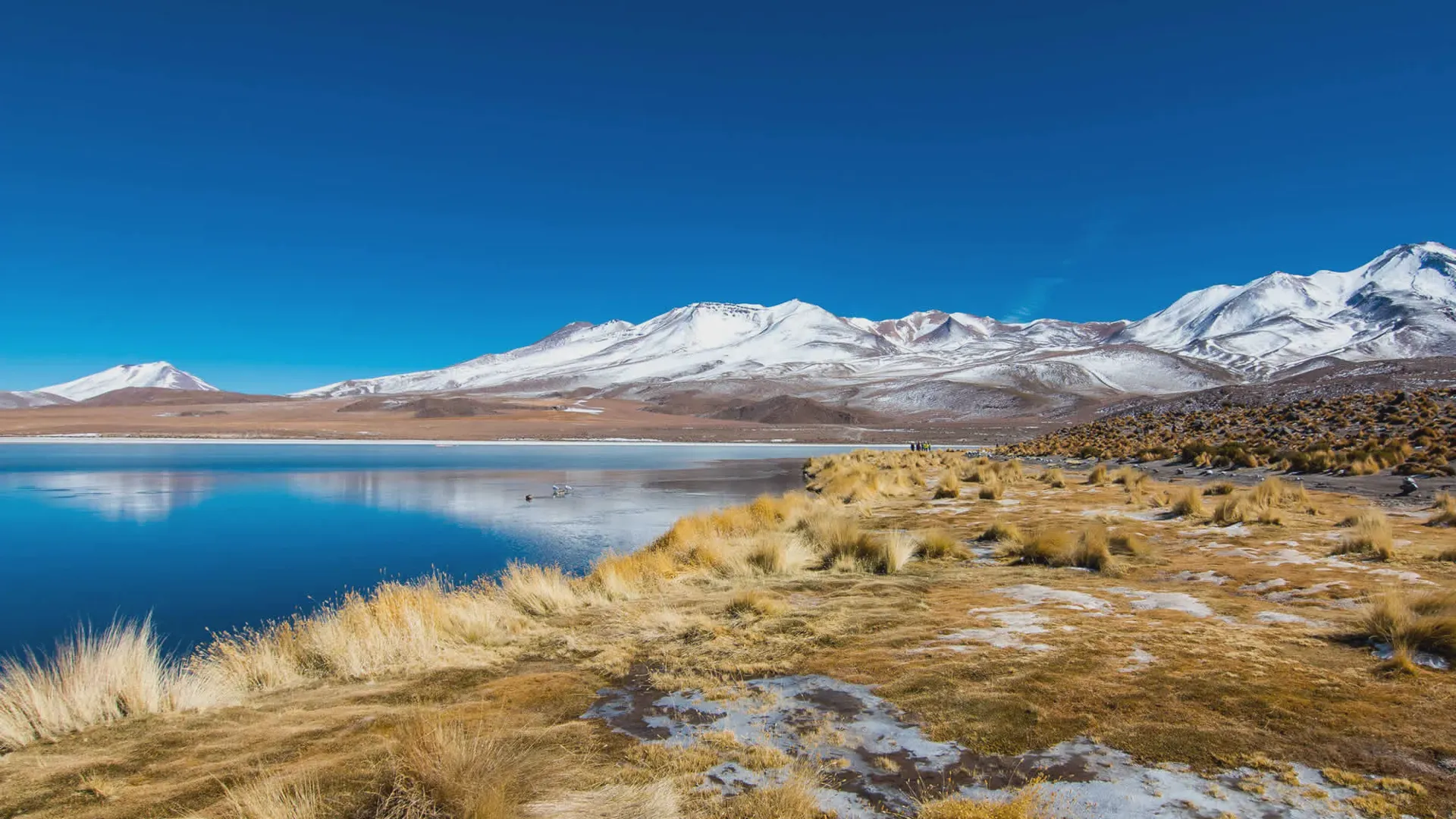
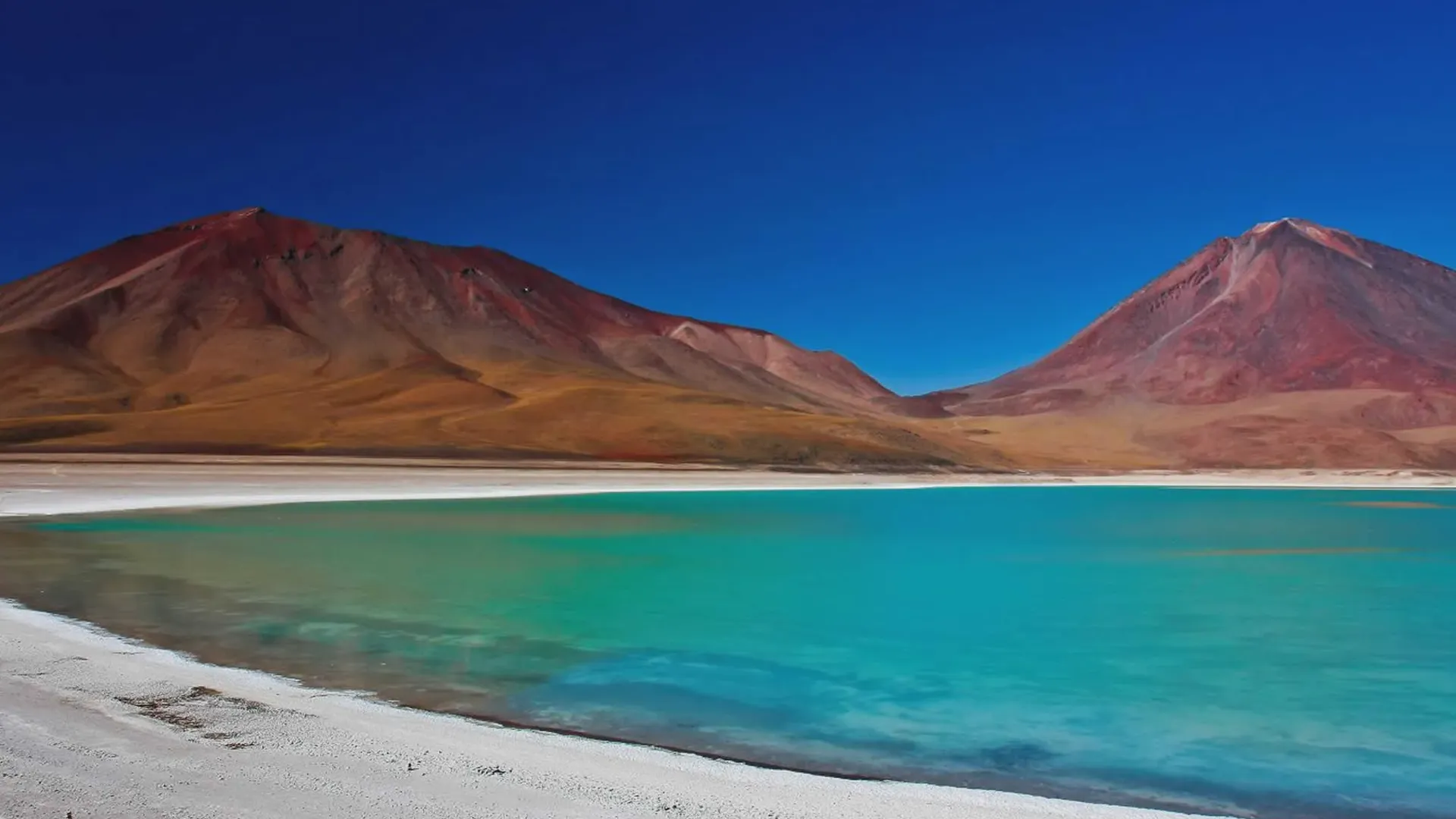
The Colored Lagoon and the Green Lagoon seem to be part of a surrealistic painting. The Madidi National Park is one of the most biodiverse areas in the world, where native communites live in harmony with nature.

Travel through time following the footsteps of dinosaurs, archeological remains, cave paintings, deep caverns and immense cañons in Toro Toro.

Re-live the history of the last campaign of the iconic latin american revolutionary Che Guevara, following the Route of the Che.

The Jesuit missions with their legacy, art and culture are among the most important enclaves of barroque music in the region.

You should not miss a walk through the stone paved streets around the church of San Francisco in La Paz, or a visit to the spectecular icy caves and turquoise lakes of the Zongo valley.

Chose which of the 36 islands in Lake Titicaca to visit by boat, navigating the deep blue waters to get to them.

Top 5

If you don't know what to visit in Bolivia, here are 5 recommendations:

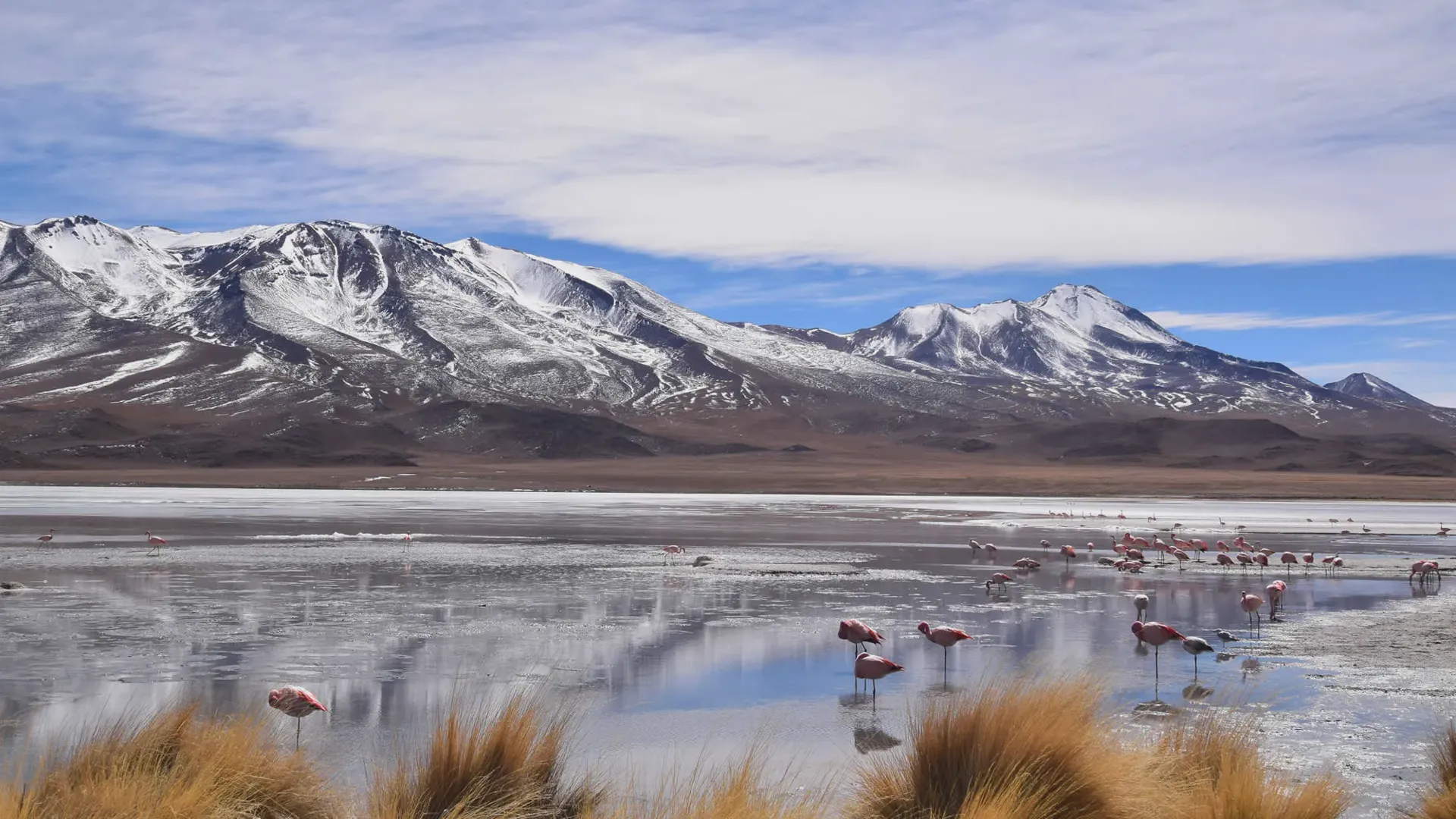
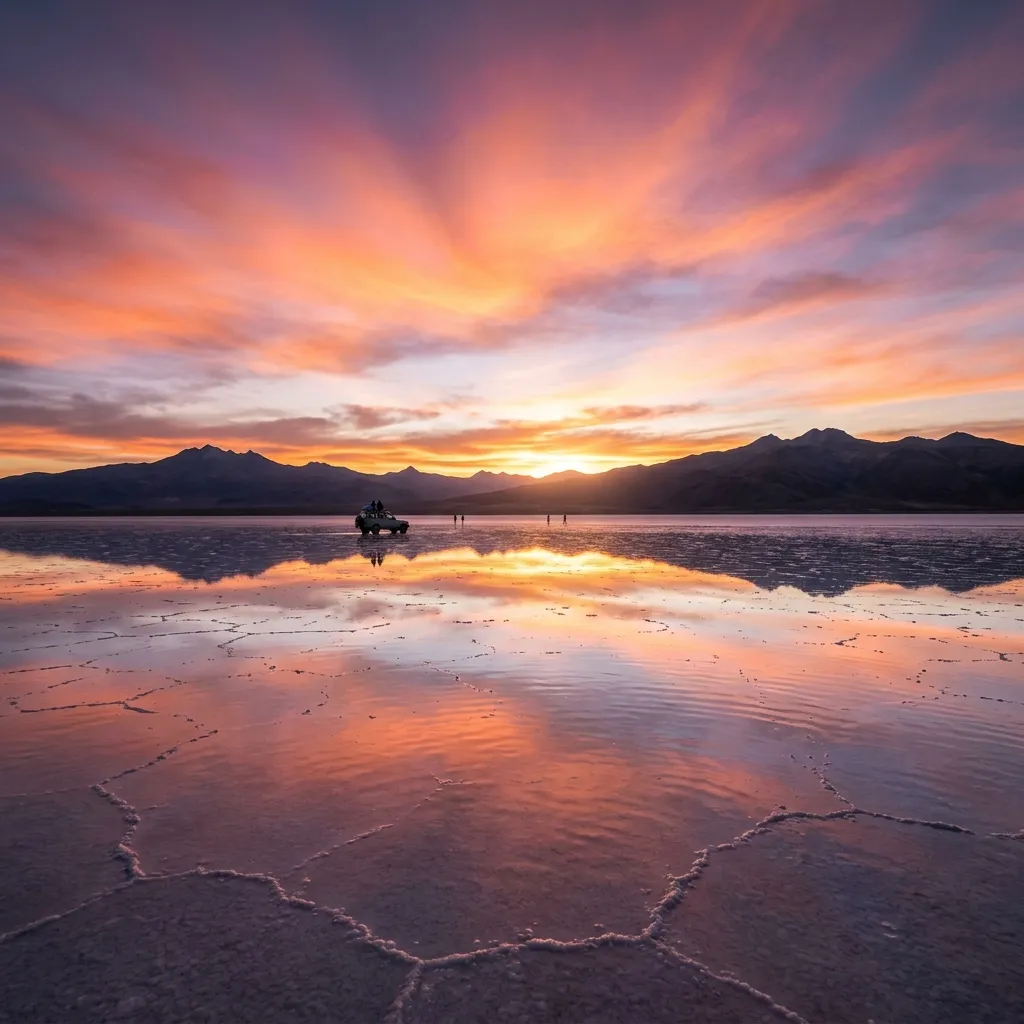
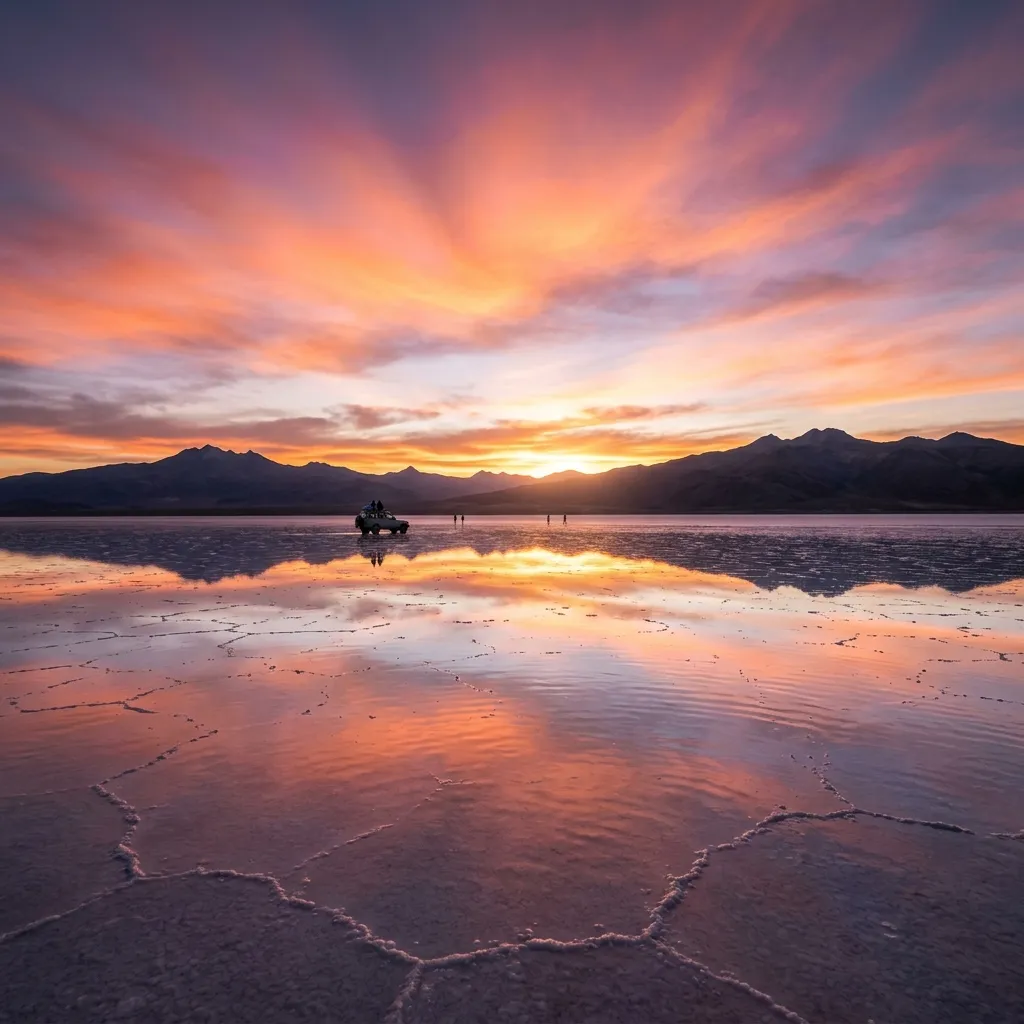
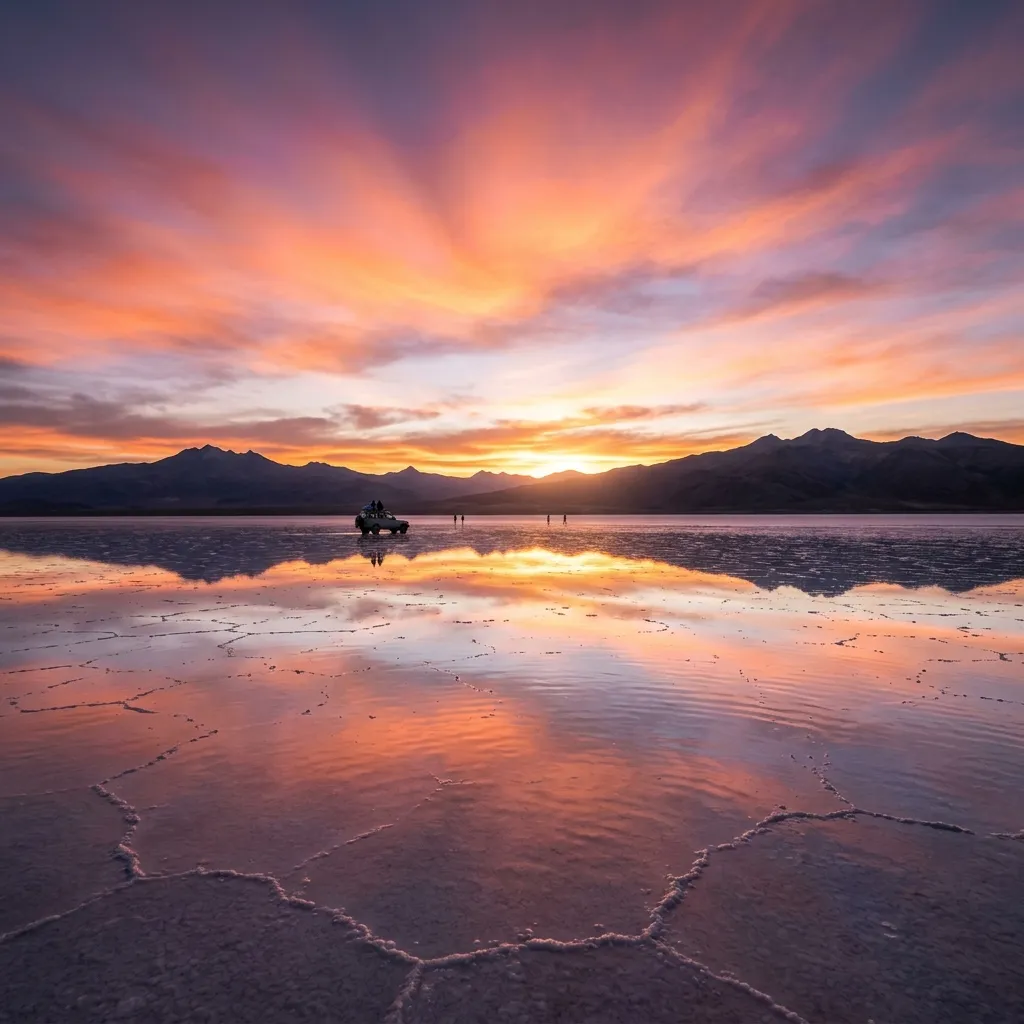
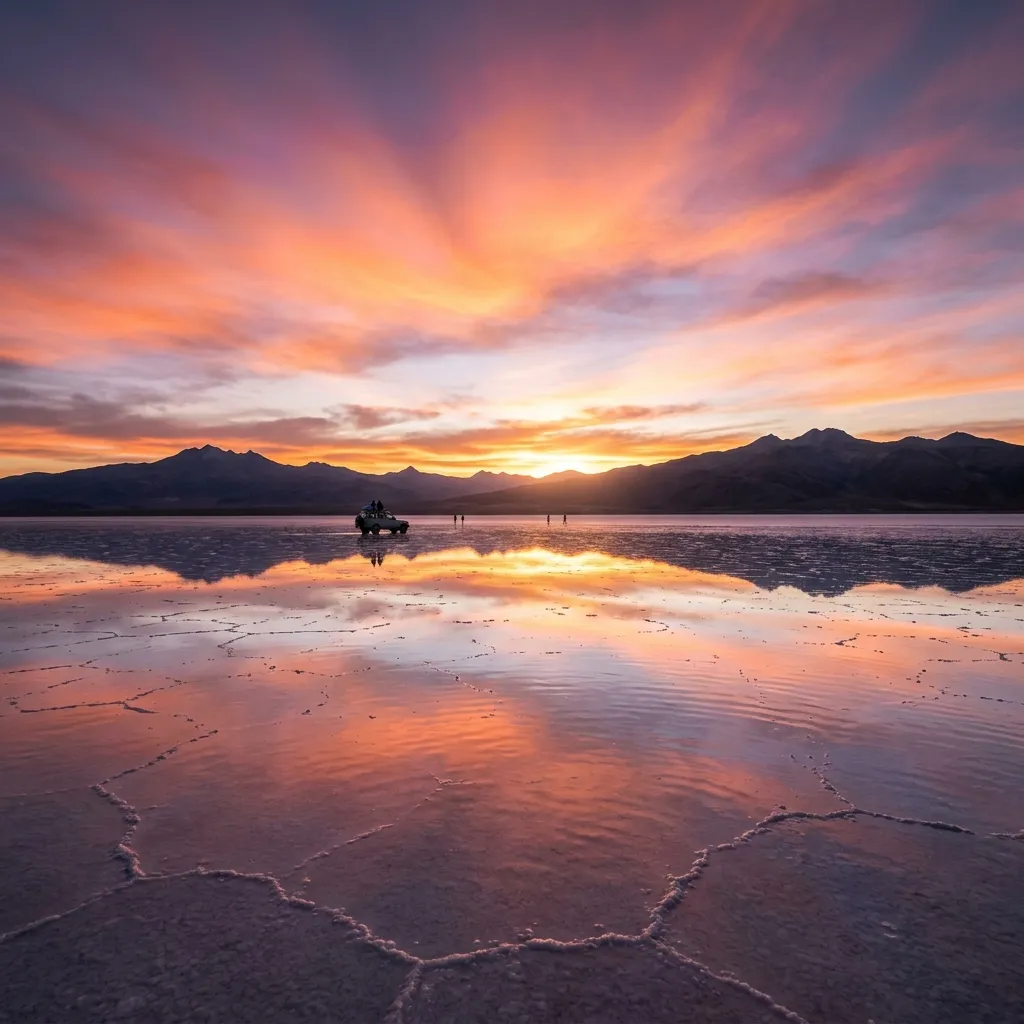
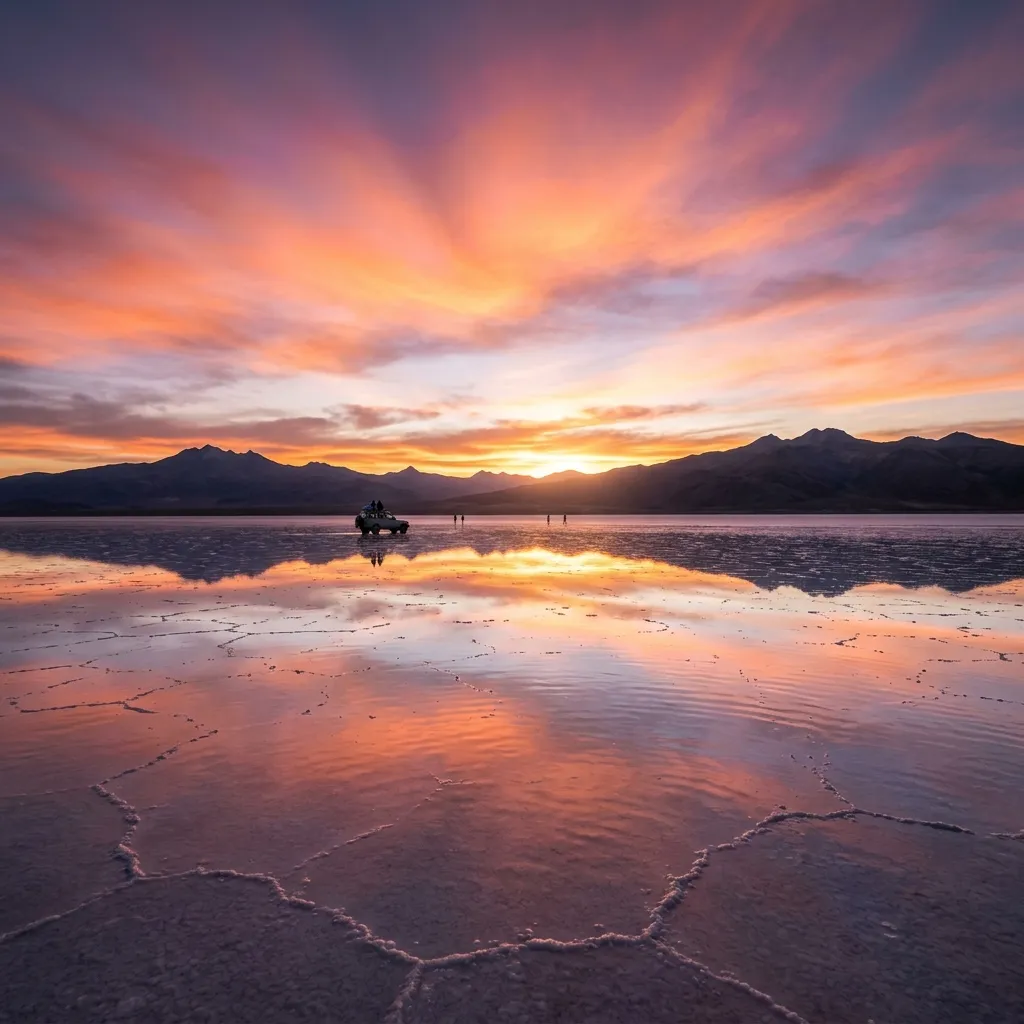
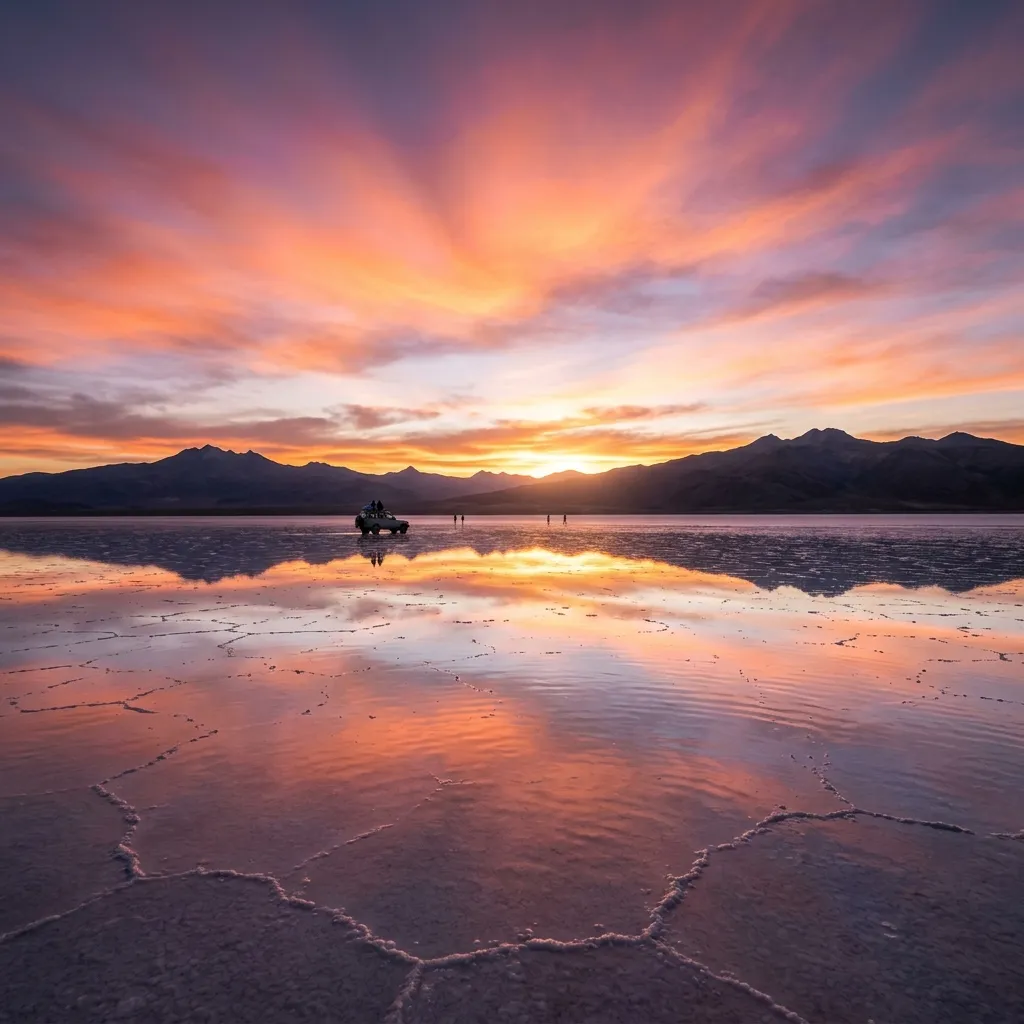
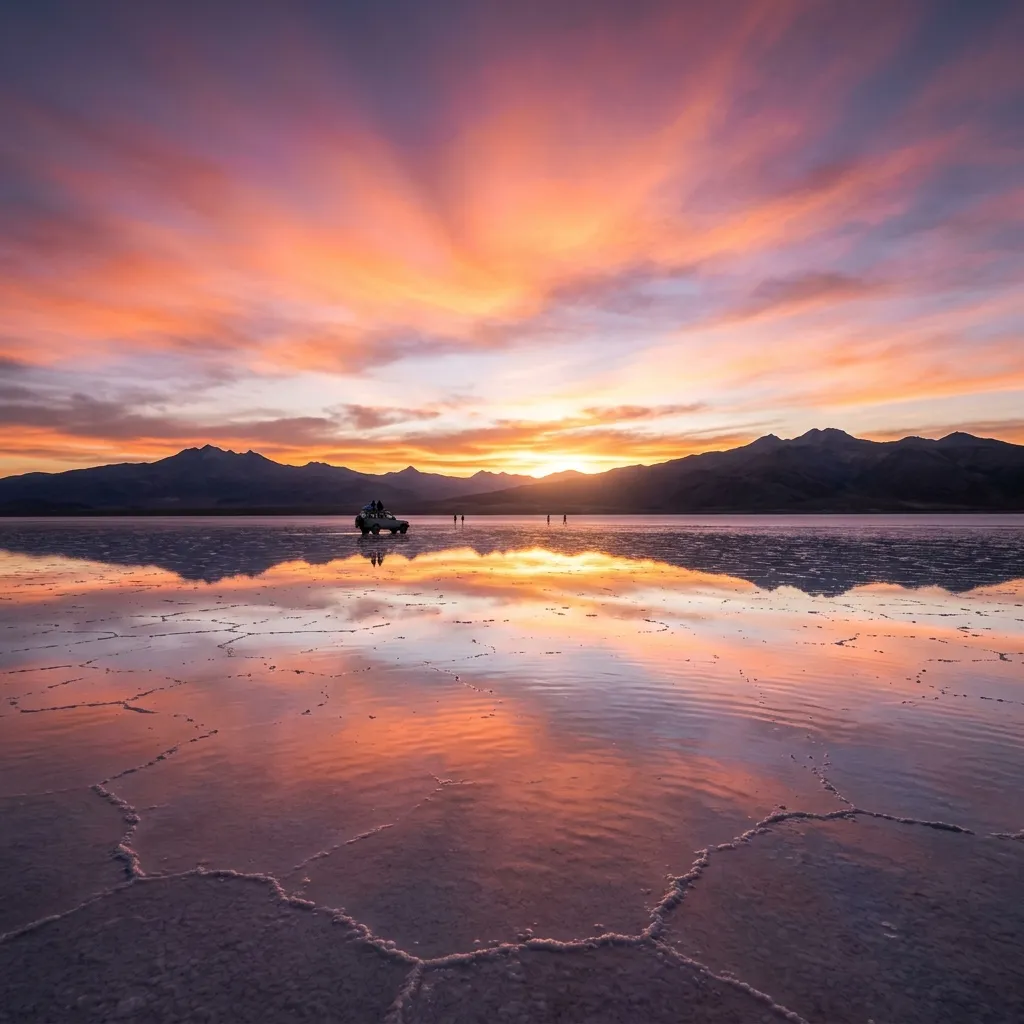
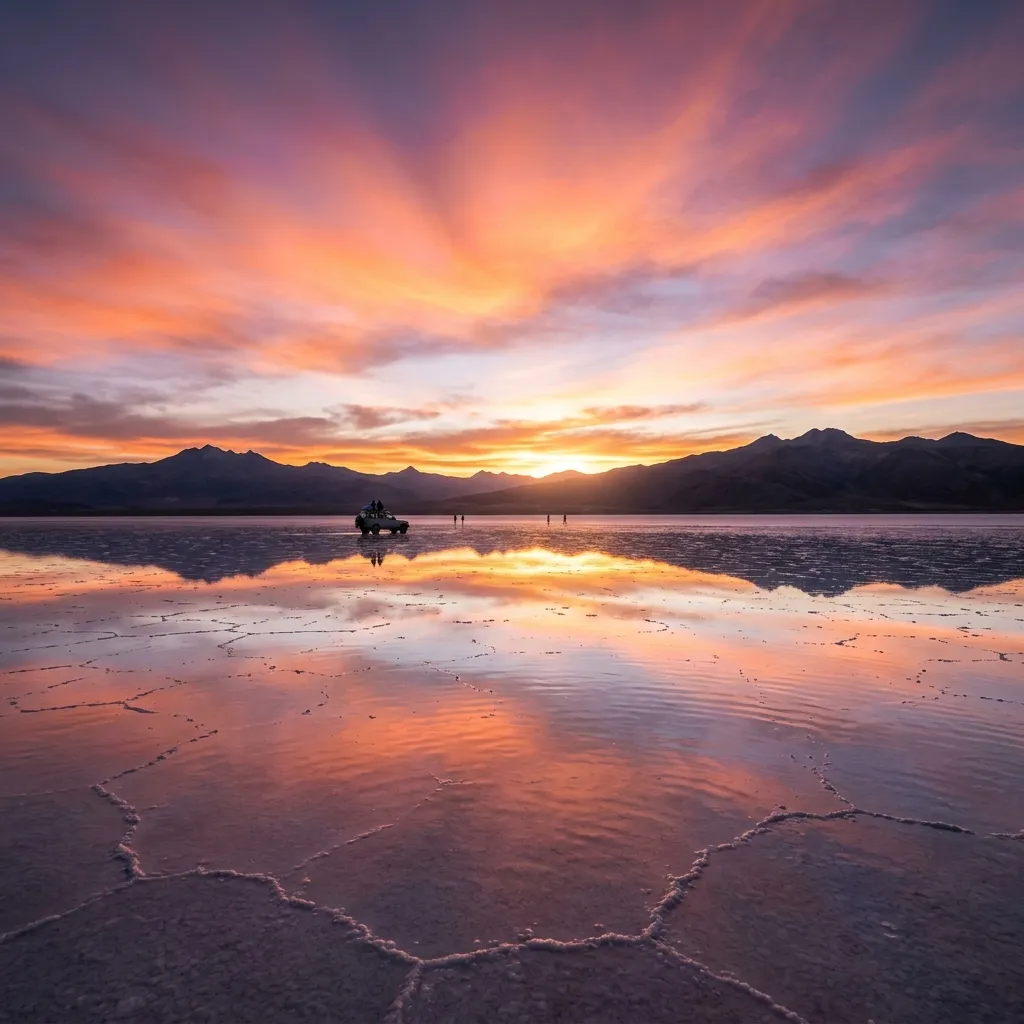
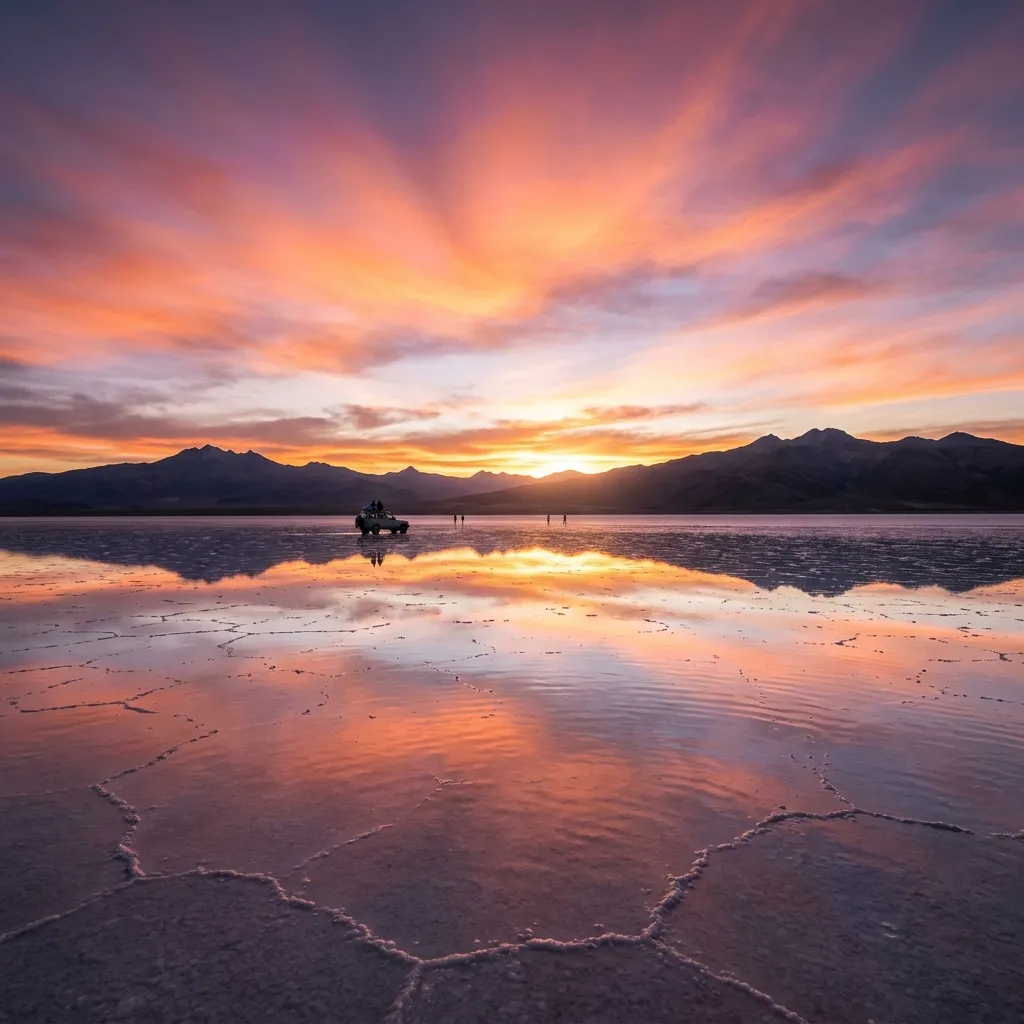
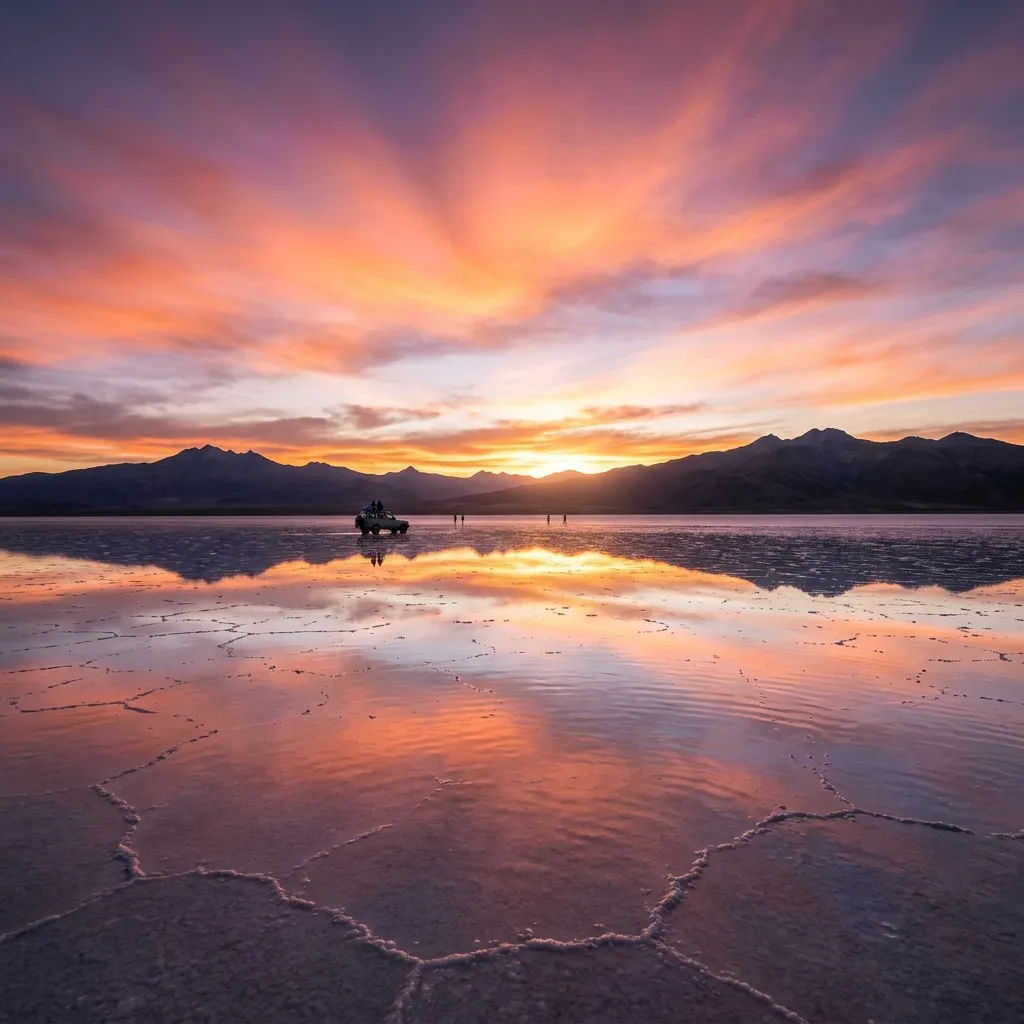
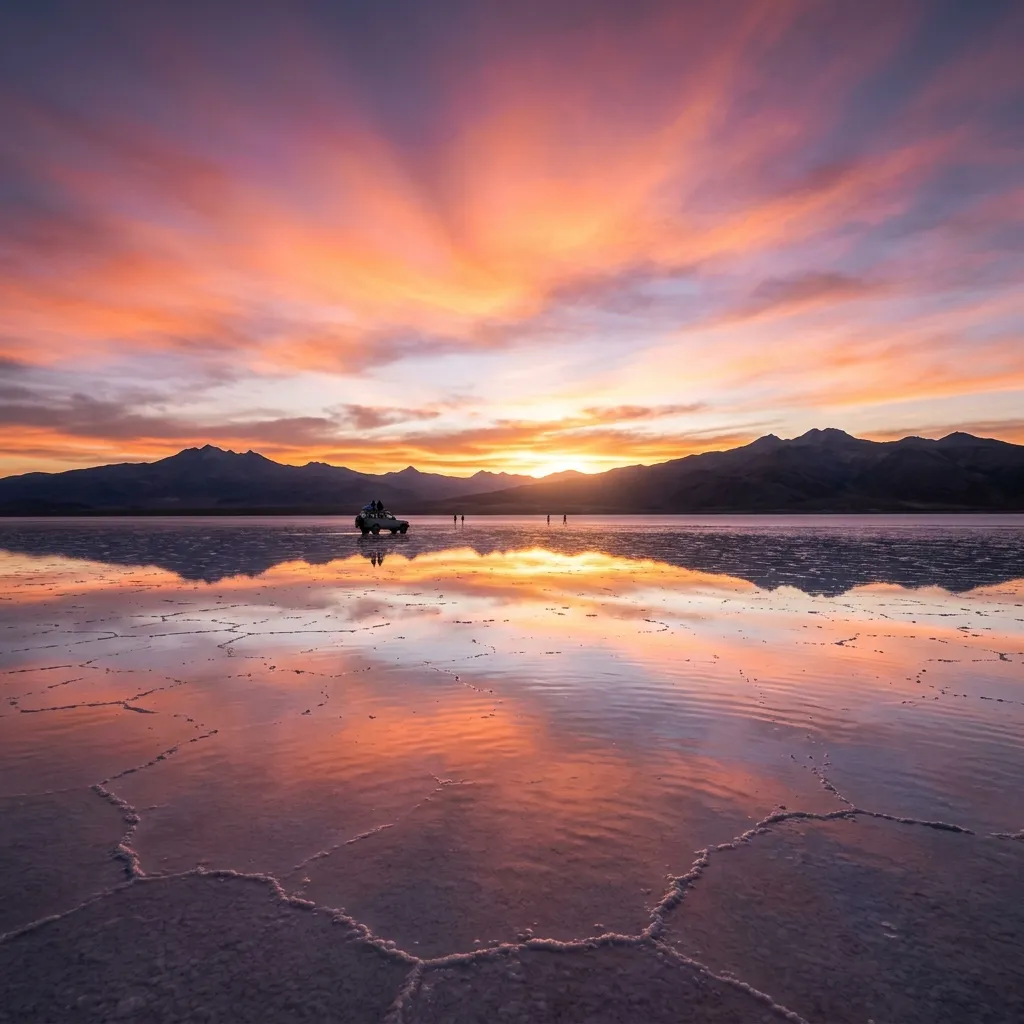
  • Without doubt, the most emblematic and visited site is the Uyuni Salt Flat. The huge white salt desert becomes a giant mirror when it rains, and many tourists take advantage of this for perspective-defying photos. Among the mountains and volcanoes, the flamingoes stroll proudly in the coloured lagoons.
  • In second place we find the famous Lake Titicaca, surrounded by snow-capped mountains. This is the highest navigable lake in the world. On its islands the archeological remians belong to the Inca and Tiwanaku civilizations.They are mostly ceremonial in character, showing how important this lake was for their people.
  • Third is Sucre, the white city in the heart of Bolivia. The traditional streets and colonial constructions are world heritage. The small villages around seem to have been trapped in time, along witht the footprints of dinosaurs. The gastronomy of the region is a pleasent experience.
  • Potosí is located at the feet of Cerro Rico (Rich Mountain). Its history is tied to silver. Don't forget to visit the colonial Cathedral, Casa de la Moneda (Coin House) and the silver mines that helped raise Spain ti imperial status.
  • Last but not least is Cochabamba, full of churches and a pleasant climate.

TRAVELER TIPS

The best time to visit is from Mayo to December.

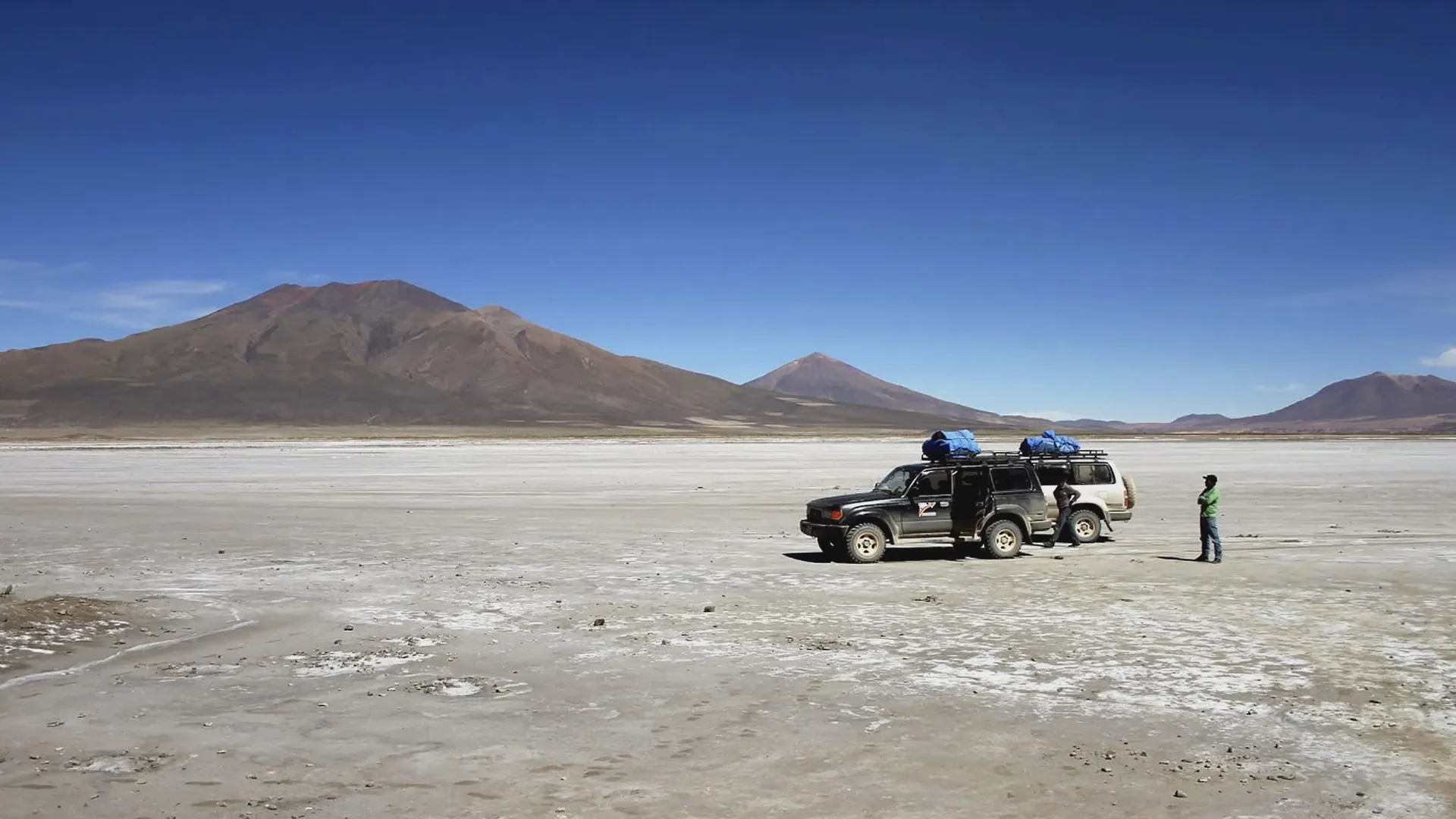
If you would like to visit the national parks or the salt flats, you will need the services of a tour operator.

As there are great differences of altitude in the country, you will need both warm clothes (for the Altiplano and the Salt Flats) and comfortable light clothes for the tropical areas. Good trekking shoes, hat or cap, sunglasses and sun-block are also important.

Fights are frequently delayed, mostly due to the weather, especially during the rainy season (december-april).

Vaccination against yellow fever is mandatory, and you will need to carrry your medical certificate. When visiting La Paz, Uyuni or Potosi, altitude sickness is probable unless you have spent at least a few days in a city with a slightly lower altitude (Sucre or Cochabamba).

Tap water is not fit foor drinking, we recommend bottled water instead. Try not to eat uncooked street food.

Did you know?

The Sun Gate (La Puerta del Sol) is the most famous stone monument of the ancient Tiahuanaco civilization that thrived on the shores of Lake Titicaca.

The Lake Titicaca is the highest navigable lake in the world at 3815 meters above sea level. Its average depth is 275 metros and has a surface area of 8300 square kms. This makes it the second biggest lake in South America after the Maracaibo.

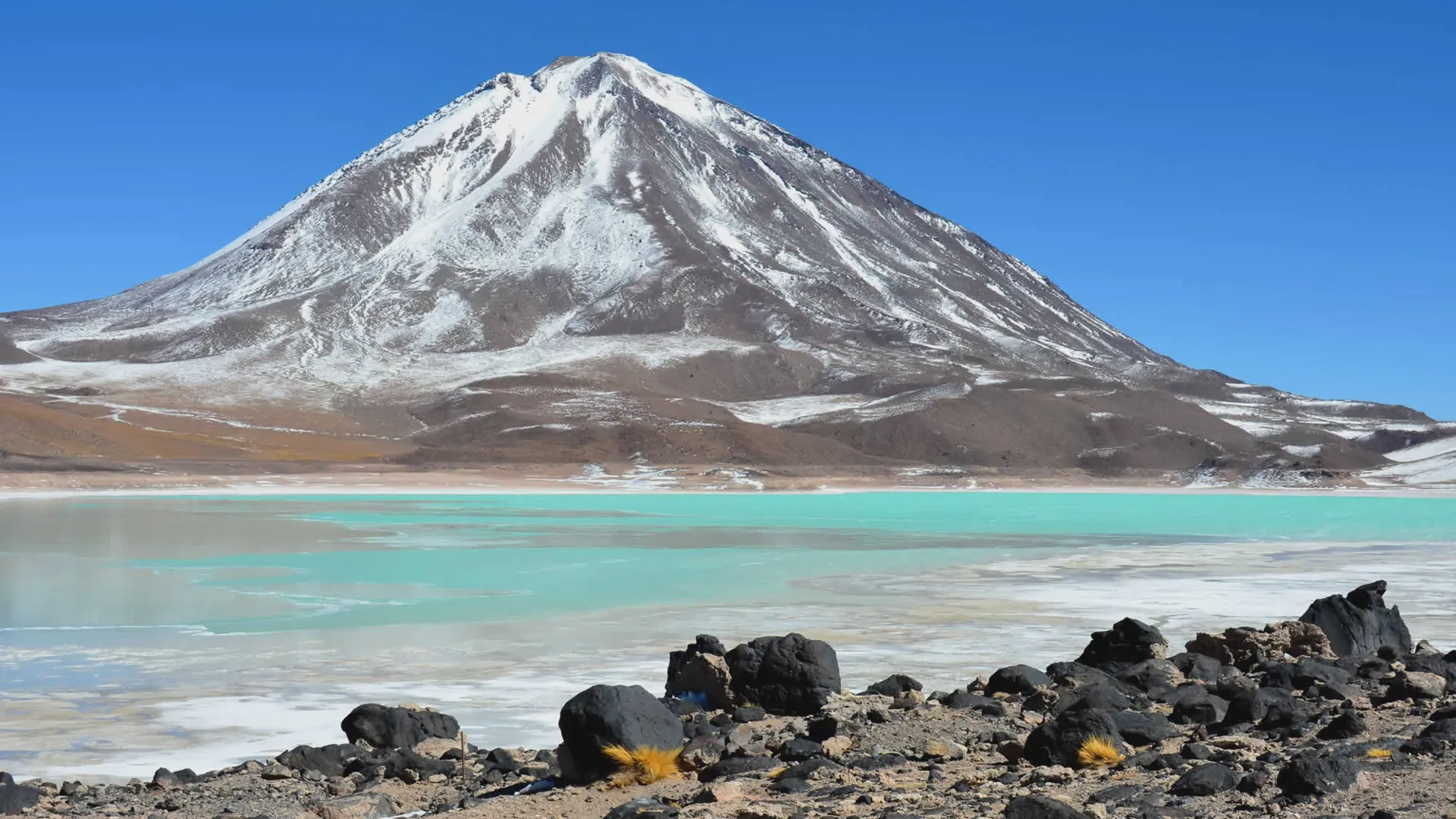
The Green Lagoon located in Potosí department, is at the feet of the Licancabur volcanoe, one of the highest and most active in the world. It also has a green salty lake in its crater, rich in magnesium. This is one of the highest lakes in the world, and despite air temperatures which can drop to -30 °C, it harbors planktonic fauna.

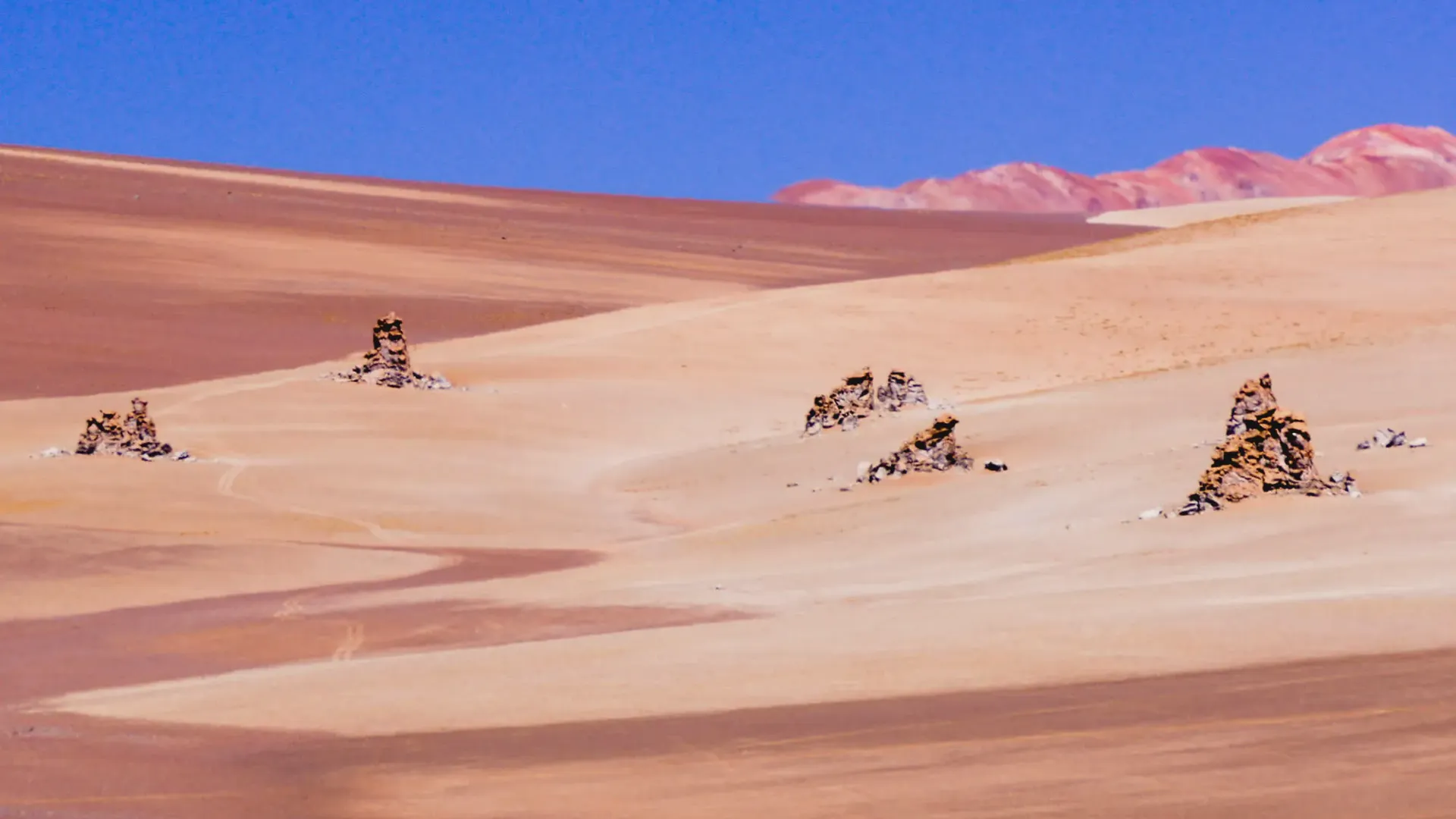
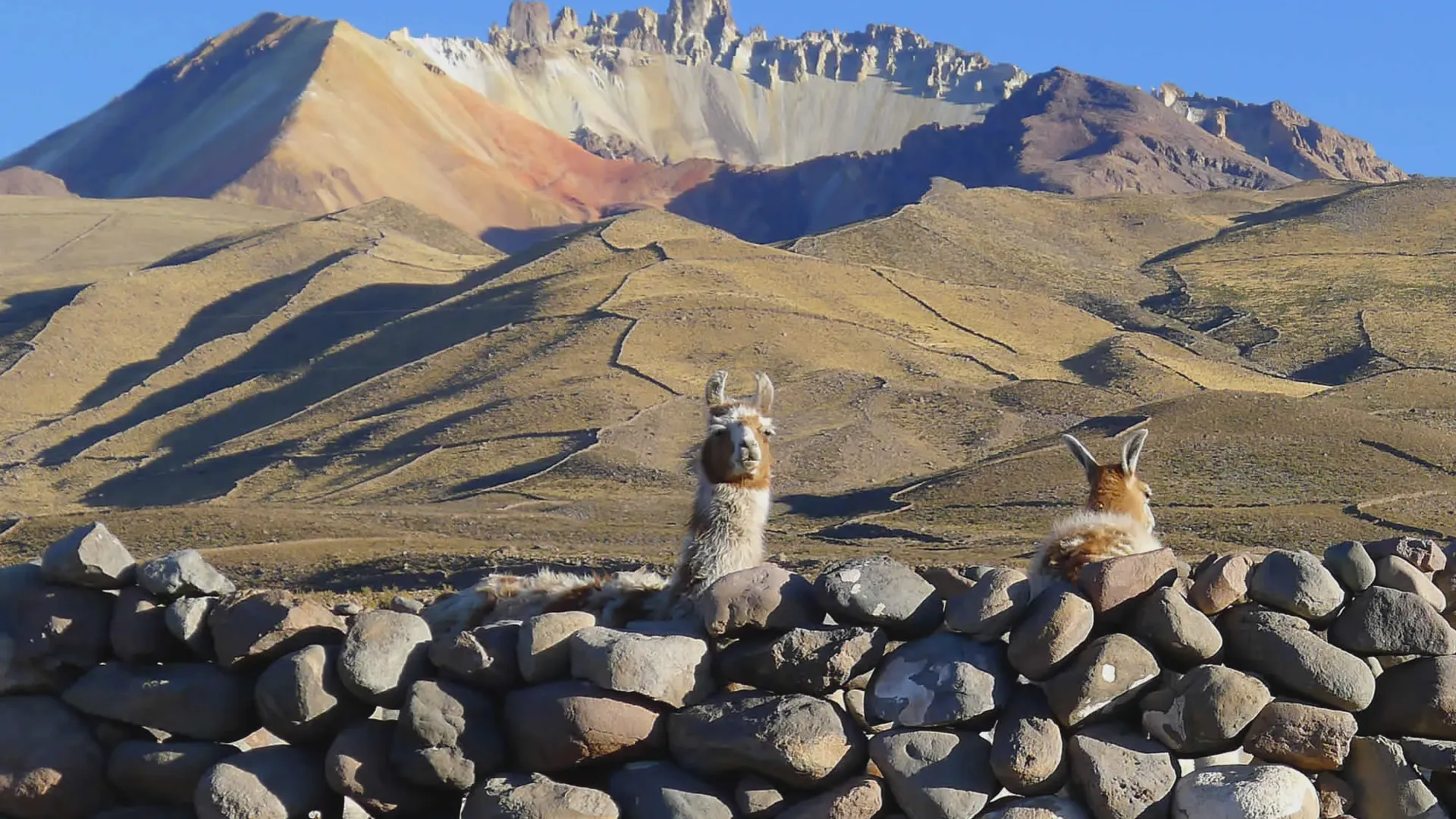
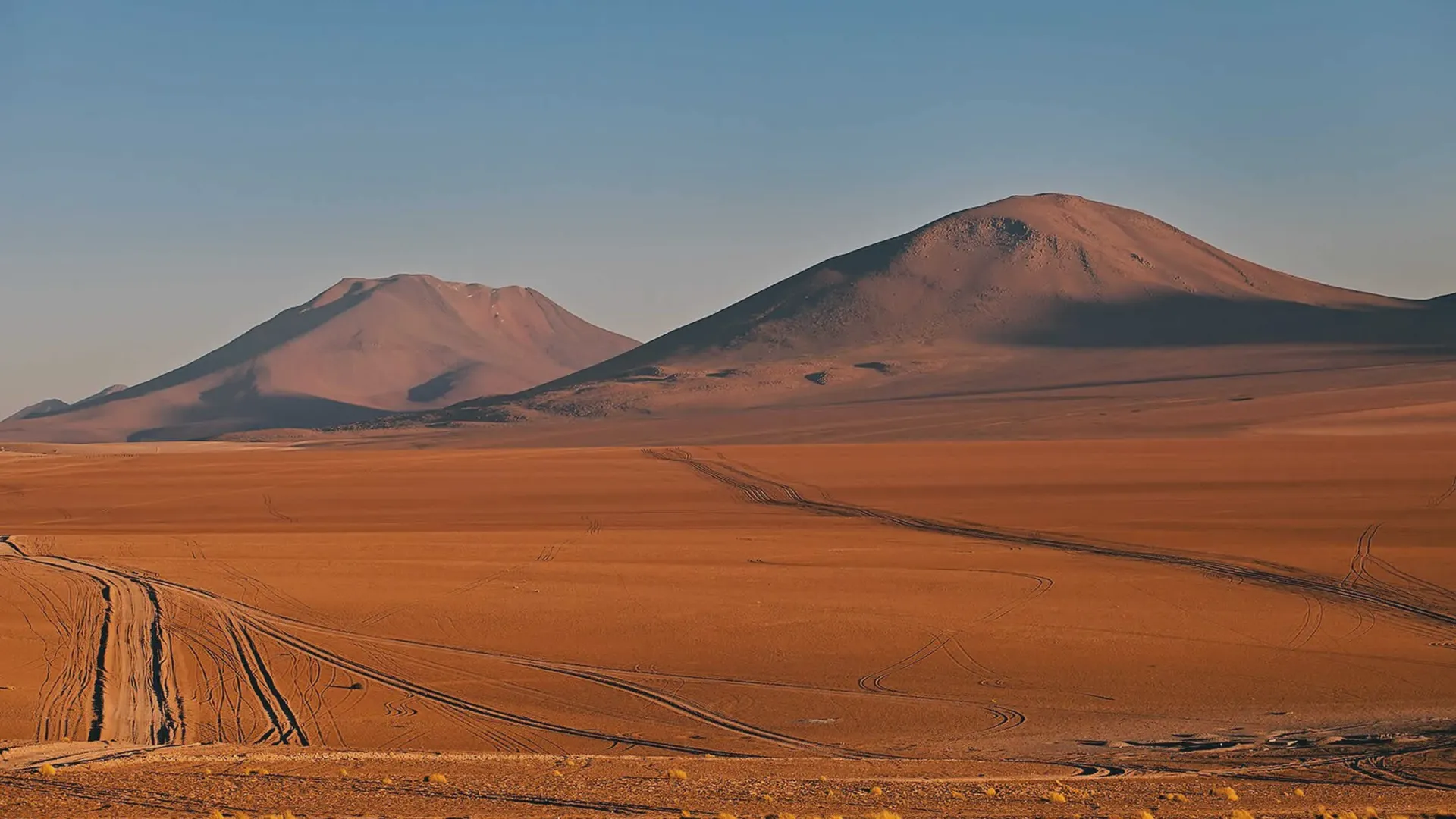
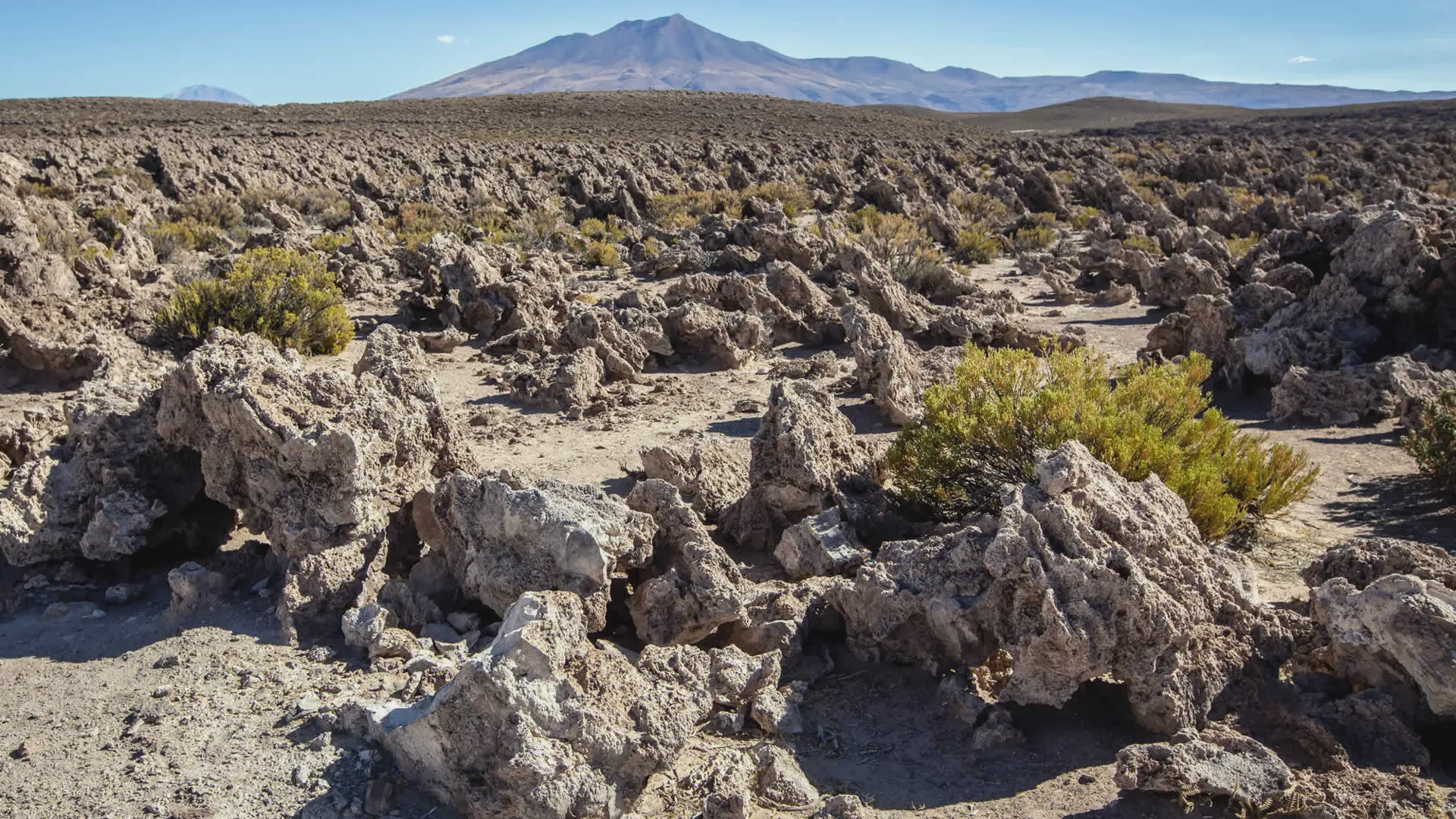
Bolivia has a desert called Salvador Dalí. It was given the catalan painter's name due to the numerous rock formations that resemble landscapes from his paintings.
Tours Including This Destination

View All Tours →
San Pedro de Atacama to Uyuni Shared Tour
3 Days
Potosi
Featured
Potosi

San Pedro de Atacama to Uyuni Shared Tour

An attractive budget option for visiting the best attractions of the Uyuni area and the Eduardo Avaroa Reserve starting from San Pedro de Atacama.

San Pedro de Atacama - Uyuni - Calama Private Tour
3 Days
Potosi
Potosi

San Pedro de Atacama - Uyuni - Calama Private Tour

Take an exciting excursion into Bolivia from Chile and discover the wonders of the Uyuni Salt Flat and the Eduardo Avaroa Reserve!

Frequently Asked Questions

How many days do you need in Uyuni?

The honest answer is 3 days for most travellers. One day gives you the salt flat — the hexagons, Isla Incahuasi, and a sunset. Three days gives you the entire region: the salt flat on Day 1, then the Eduardo Avaroa National Reserve on Days 2 and 3 — Laguna Colorada, Sol de Mañana geysers, flamingos, and the chain of coloured lagoons that most people describe as the highlight of their Bolivia trip. If you genuinely only have one day, go — but know what you're choosing to skip.

What is the best month to visit Uyuni?

October is the best single month for most travellers. It is dry, warm enough at night to be comfortable, uncrowded compared to the June–August peak, and the daytime light is excellent for photography. If seeing the mirror effect is your priority, February offers the highest probability — but with more rain, crowds, and potential access restrictions.

What should I do for altitude acclimatization?
Rest on day one, hydrate often, and avoid heavy activity in your first 24 hours.
Can you see the mirror effect in April?

Sometimes, yes. April is a transition month. In years with heavy rainfall, mirror conditions persist into early April. In drier years, the surface begins drying in late March. A knowledgeable local guide will know where remaining water pockets are. Late April is often recommended by Uyuni-based operators as a sweet-spot month — possible mirror, warmer nights, fewer tourists, and lower prices.

How cold does it get in Uyuni area?

During dry season nights in June, July, and August, temperatures regularly fall below -10°C and can reach -15°C on the open salt flat. Daytime is warmer — typically 13°C to 17°C in winter. From October through April, nights are significantly more manageable, rarely dropping below -5°C.

Is Uyuni worth visiting in July?

Yes, but go prepared. July is peak tourist season — book everything well in advance. The cold is serious and should not be underestimated. The trade-off is dry, clear skies and the best stargazing conditions of the year. If cold weather doesn't bother you and you've booked ahead, July is a spectacular month to visit

Where can I see flamingos in the Uyuni Salt Flat?

The flamingos are not on the Salar de Uyuni itself — they gather at Laguna Colorada in the Eduardo Avaroa National Reserve, approximately 4 hours south of Uyuni. Around 25,000 flamingos of three species (Chilean, Andean, and James) congregate there between November and March for breeding season. This reserve is visited on the standard 3-day Uyuni southwest circuit tour.

Can tours run year-round at the Uyuni Salt Flat and the Uyuni area?

Yes, with some limitations. Dry season tours operate across the full flat with no restrictions. Wet season tours adapt routes to water levels — some areas like Isla Incahuasi may be temporarily inaccessible after heavy rain. The Eduardo Avaroa Reserve southwest circuit occasionally closes during peak rainfall. Reputable operators monitor conditions daily and adapt accordingly.

Can you visit Incahuasi Island during the rainy season?

Generally no. When the salt crust dissolves into soft, muddy brine, heavy 4x4s risk sinking. Island access is typically restricted by park authorities between mid-January and late March.

Nearby Places & Attractions

Salar de Chiguana
Attraction

Salar de Chiguana

The Salar de Chiguana, not far from the border with Chile has a salt base, covered with brownish dust.

Salvador Dalí desert
Attraction

Salvador Dalí desert

Salvador Dalí Desert (Desierto Salvador Dalí), also known as Dalí Valley (Valle de Dalí), is an extremely barren valley of southwestern Bolivia, in the Potosí Department.

Red Lagoon
Attraction

Red Lagoon

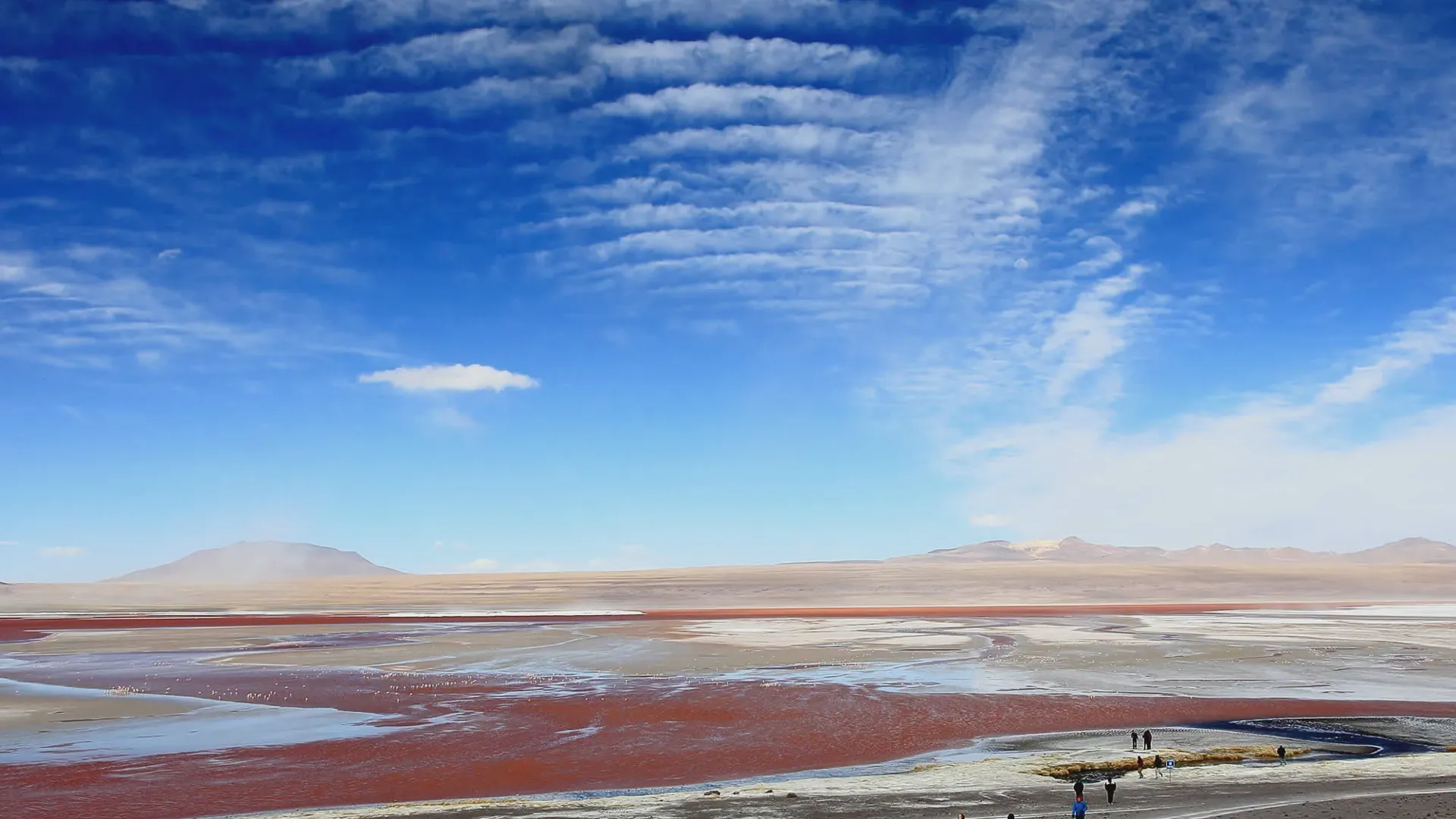
The Red lagoon (Laguna Colorada) is a shallow lake within the Eduardo Avaroa Andean Fauna National Reserve and close to the border with Chile. The lake is famous for its strong red colour caused by algae that provide food for large flocks of pink flamingos.

Green Lagoon
Attraction

Green Lagoon

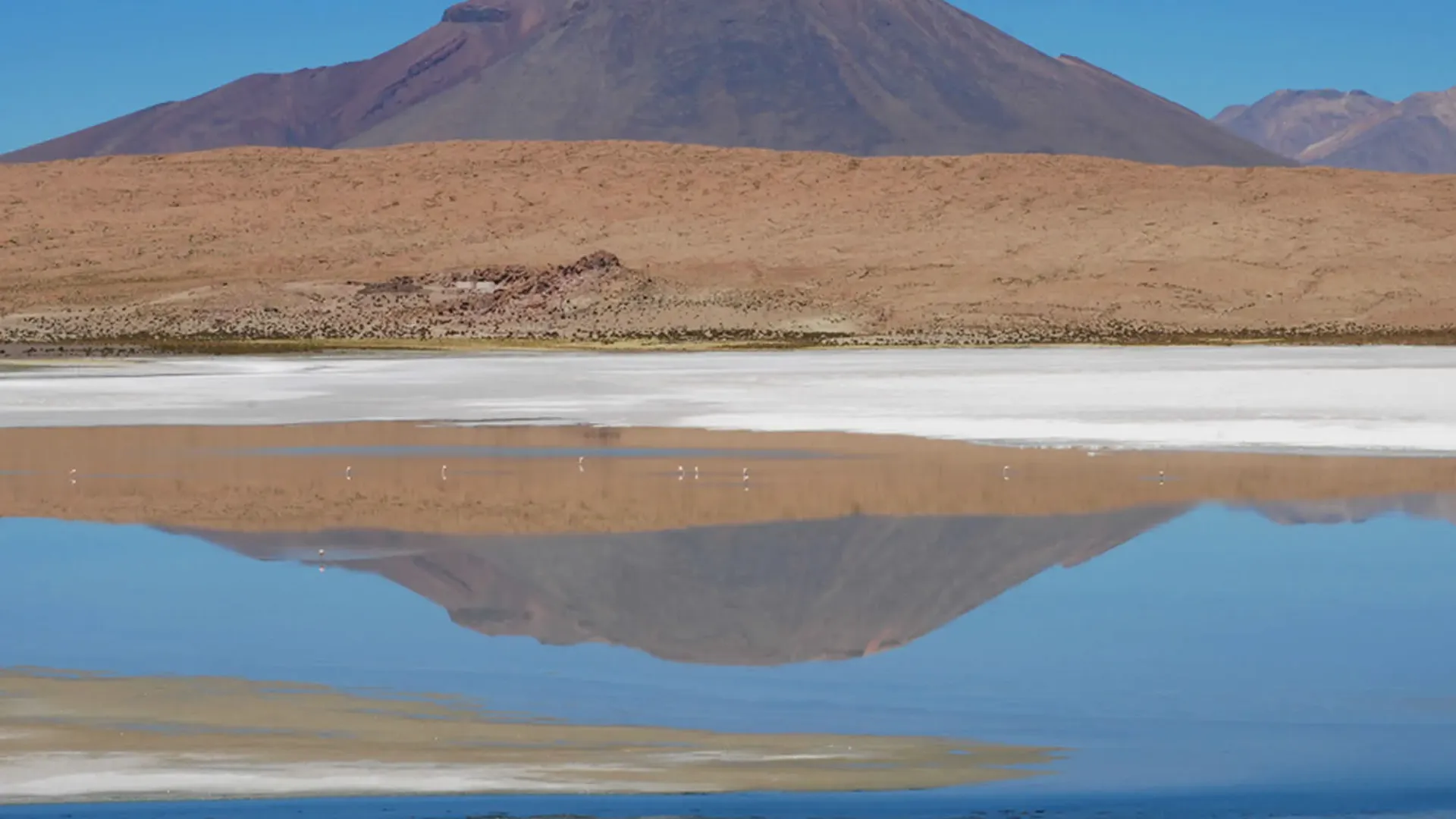
Green lagoon (Laguna Verde) is a high-altitude mineral lake in the Eduardo Avaroa Reserve, known for its beautiful green color. It sits at the foot of 2 volcanoes, Licancabur and Juriques, which straddle the border with Chile and are reflected in the water when the weather is calm.

Rock Tree
Attraction

Rock Tree

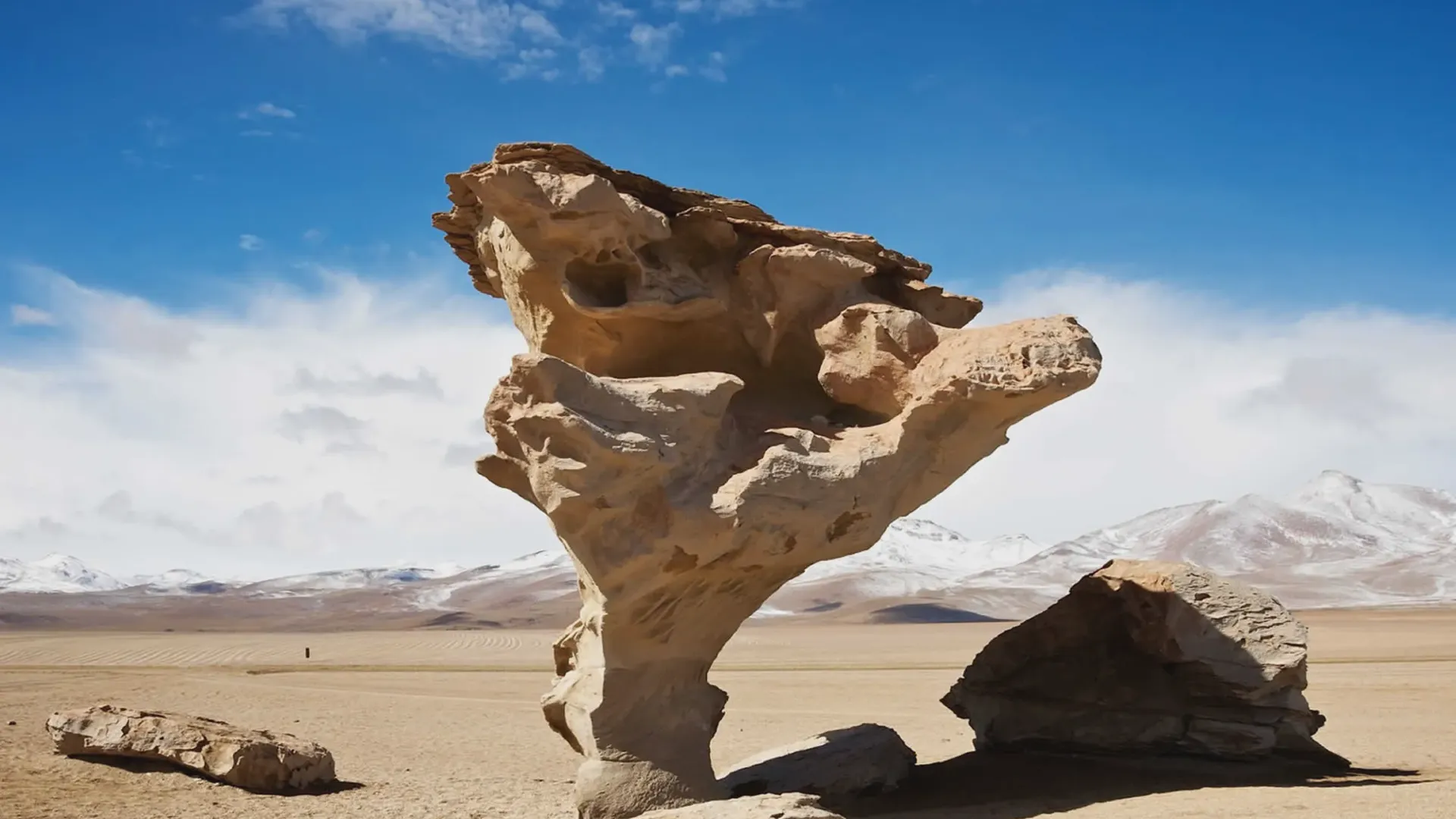
The Rock Tree (Árbol de Piedra) is a tree-like rock formation in the Siloli Desert desert that offers great photo opportunities!

Andean Fauna
Attraction

Andean Fauna

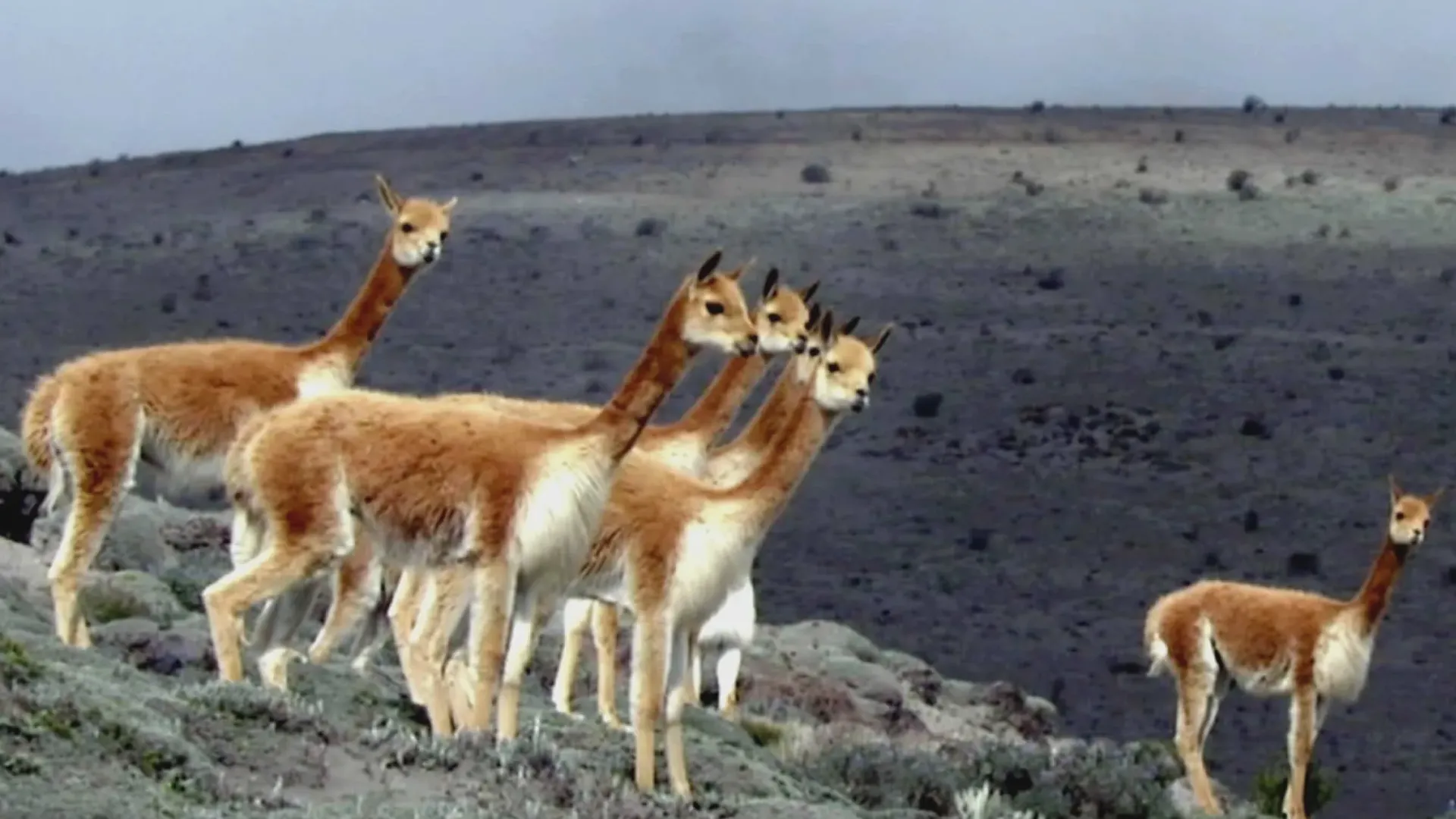
The Andean fauna populating the surroundings of the Uyuni Salt Flat and the amazing lagoons is diverse and rich. During the most popular tours to the Eduardo Avaroa National Reserve it is possible to observe these species in their natural habitat and be amazed by nature.

Ready to visit Bolivia - the Tibet of the Americas?

We can help you organize the perfect trip to this incredible destination.