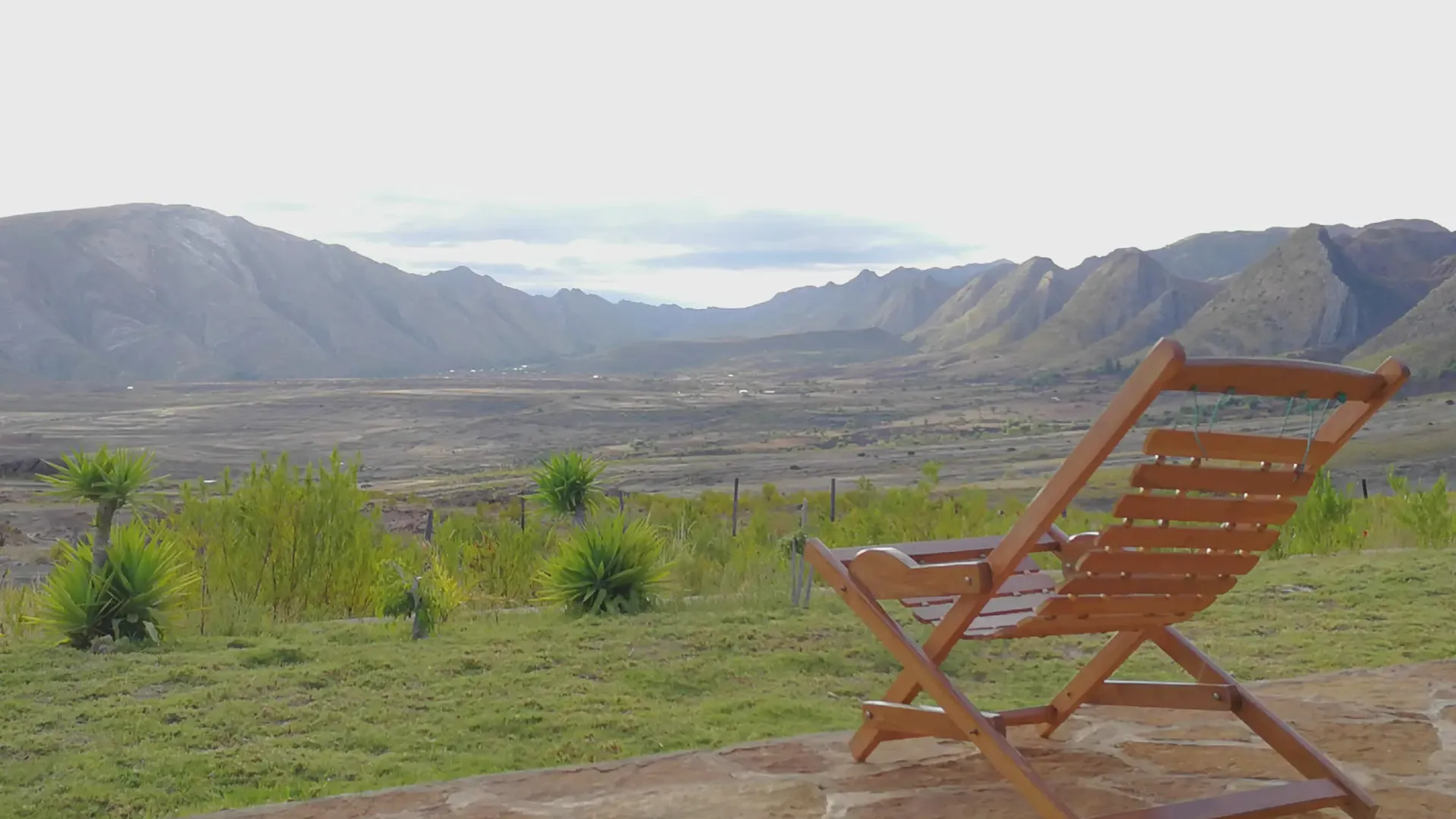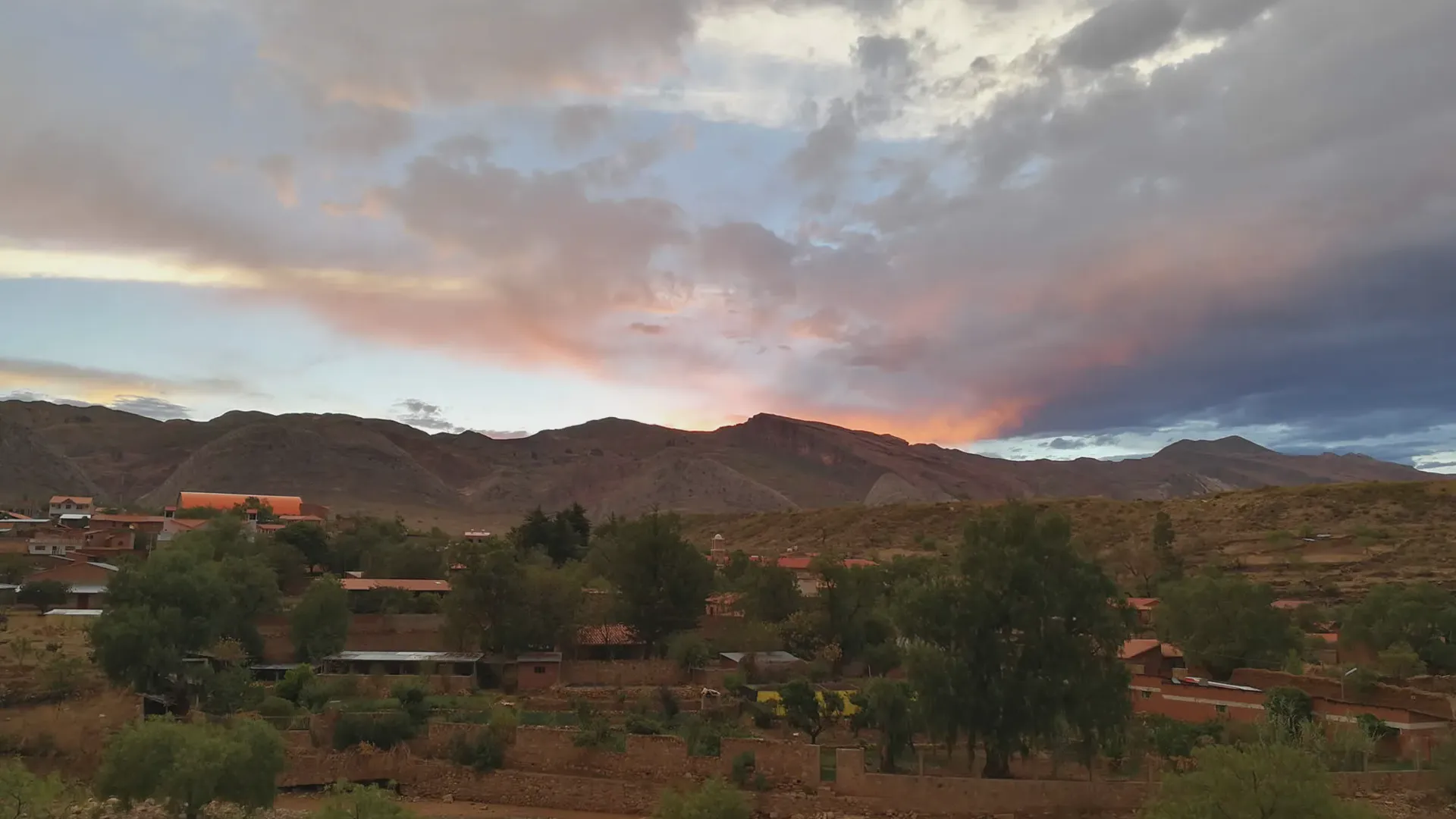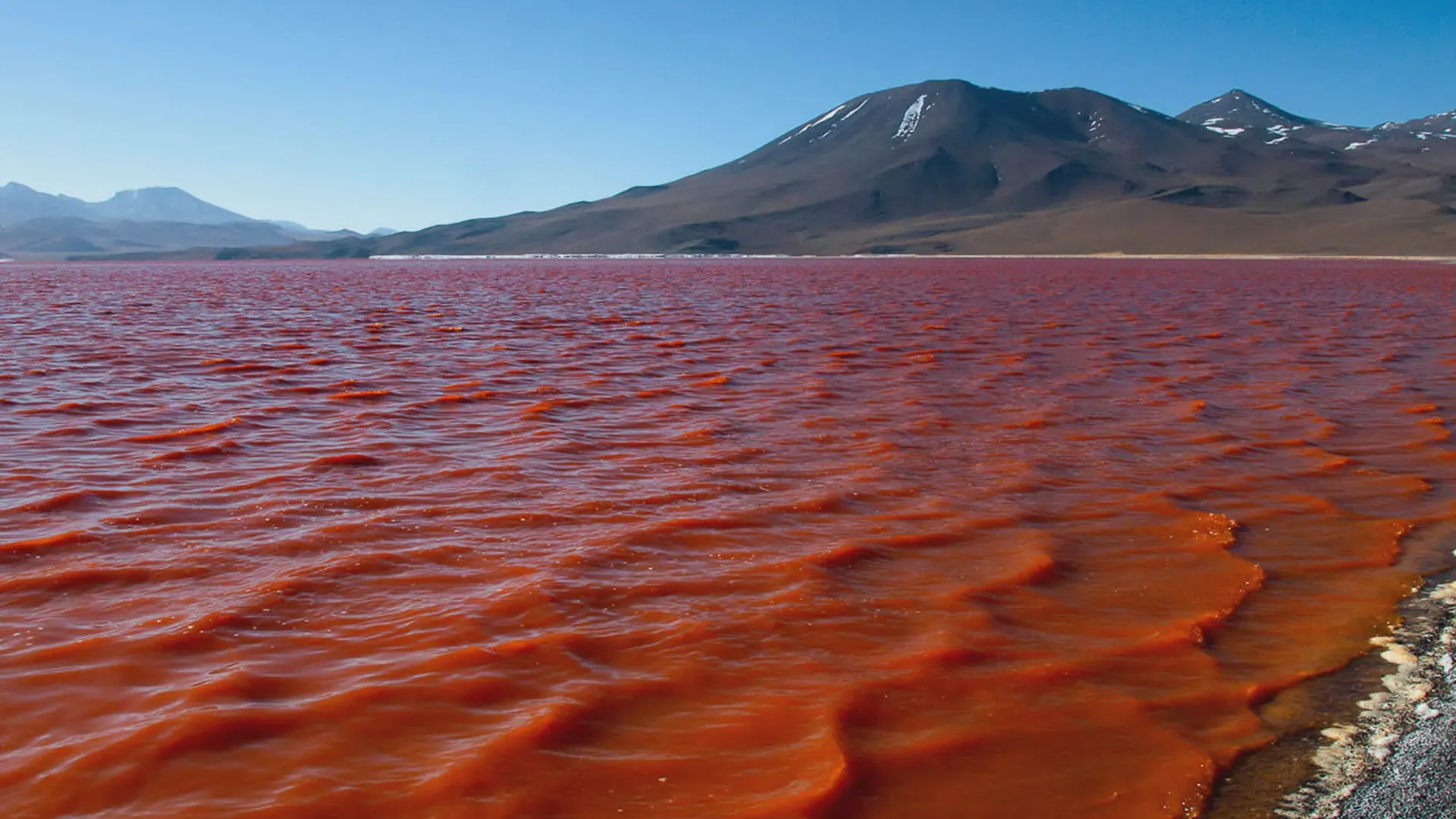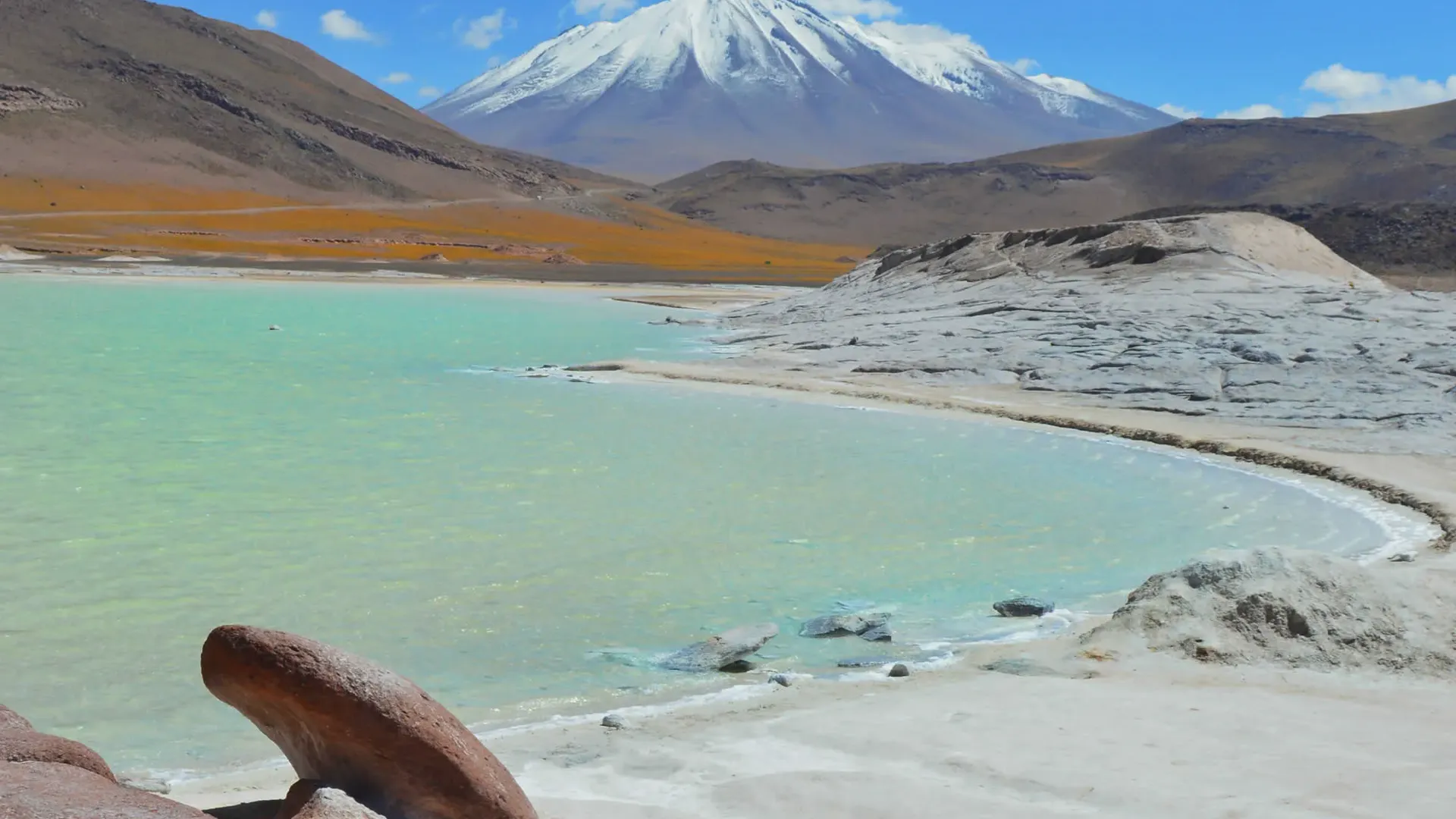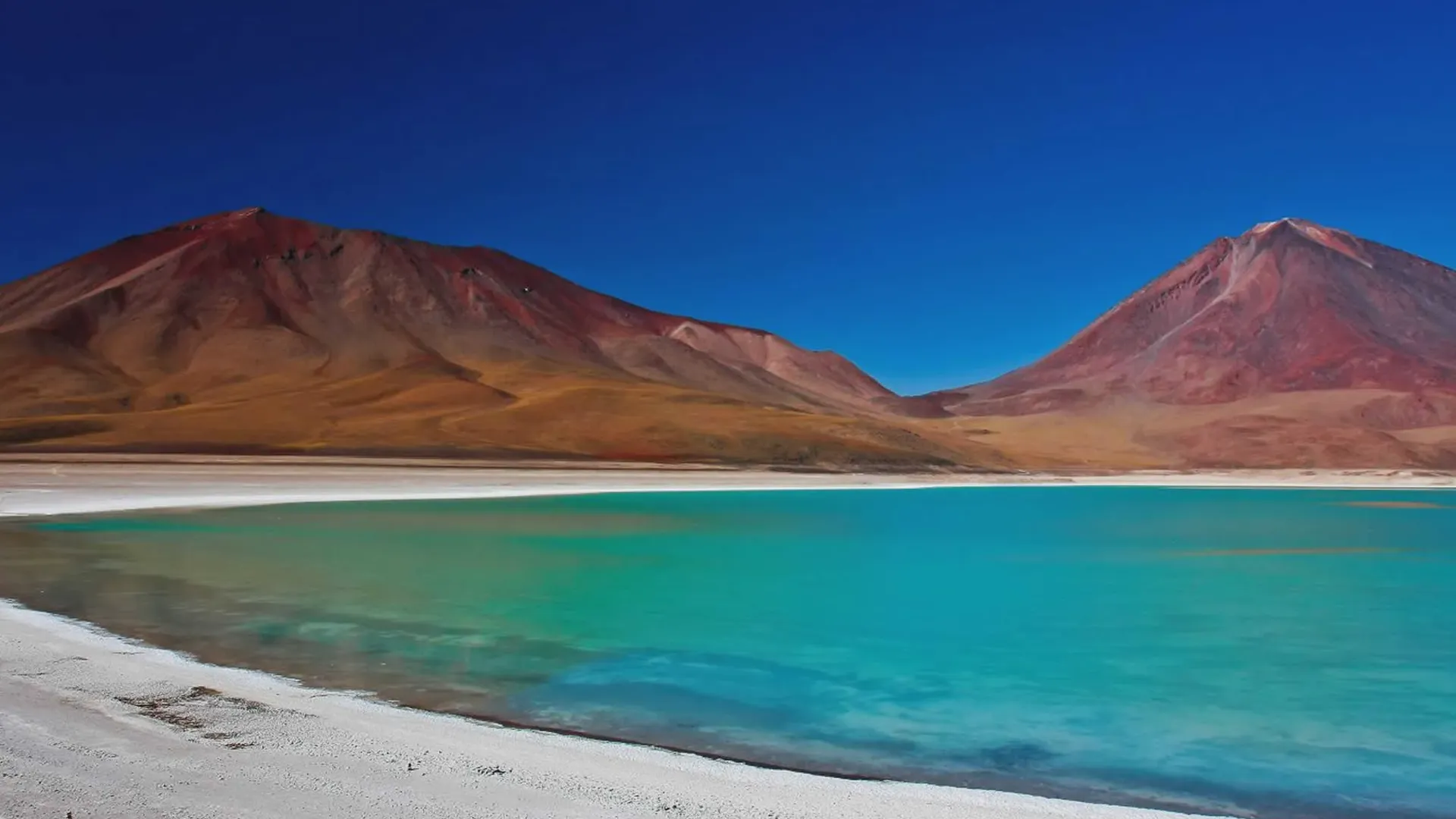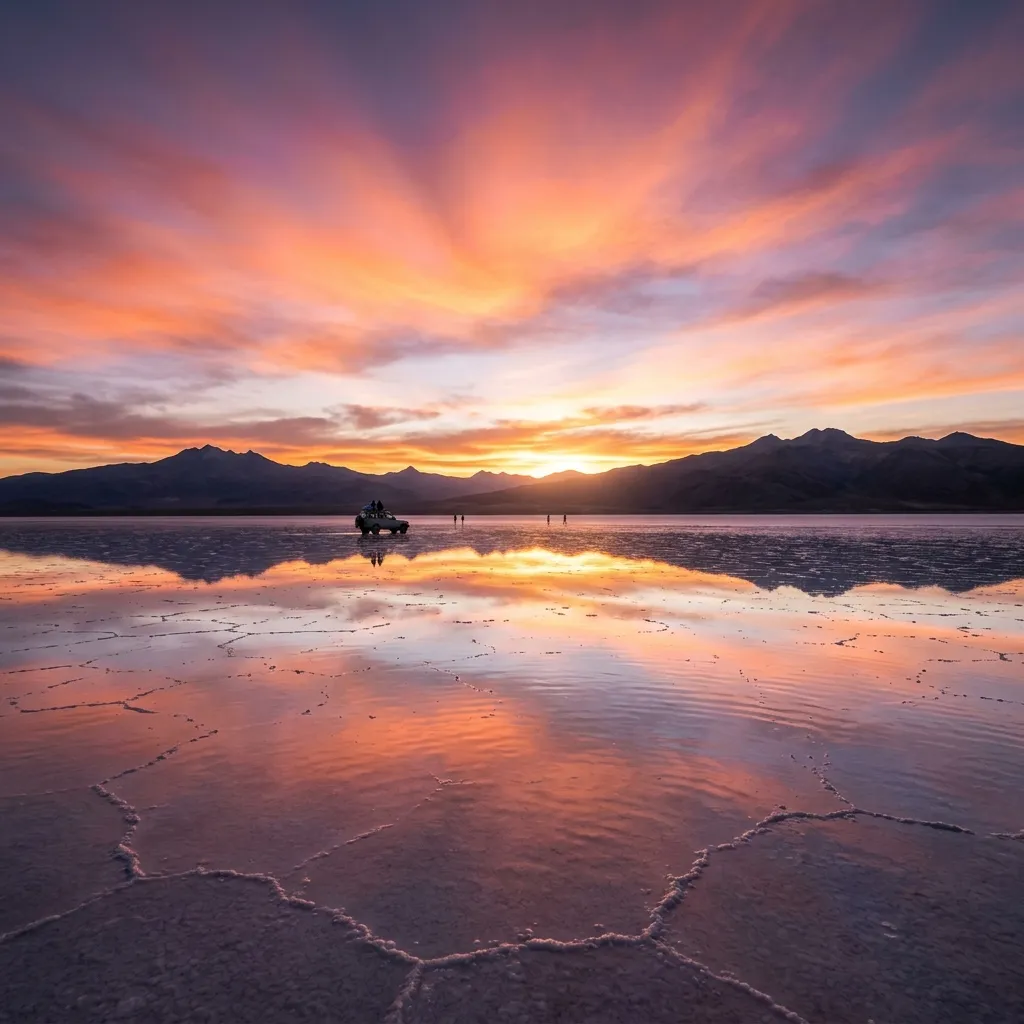
The Tunari National Park with more than 400,000 hectares and its numerous lakes provides most of the water to the whole metropolitan area.
Mount Tunari is the highest nearby summit reaching about 5,200 meters and often climbed by Cochabambinos and tour groups.
The park is located in the West of the Department of Cochabamba and covers the provinces Ayopaya, Cercado, Quillacollo, Chapare and Tapacari. It has a surface of approximately 3,000 km2. The park is located in the Central Oriental mountain Range and Valleys and occupies part of the mountain Range of the Tunari.
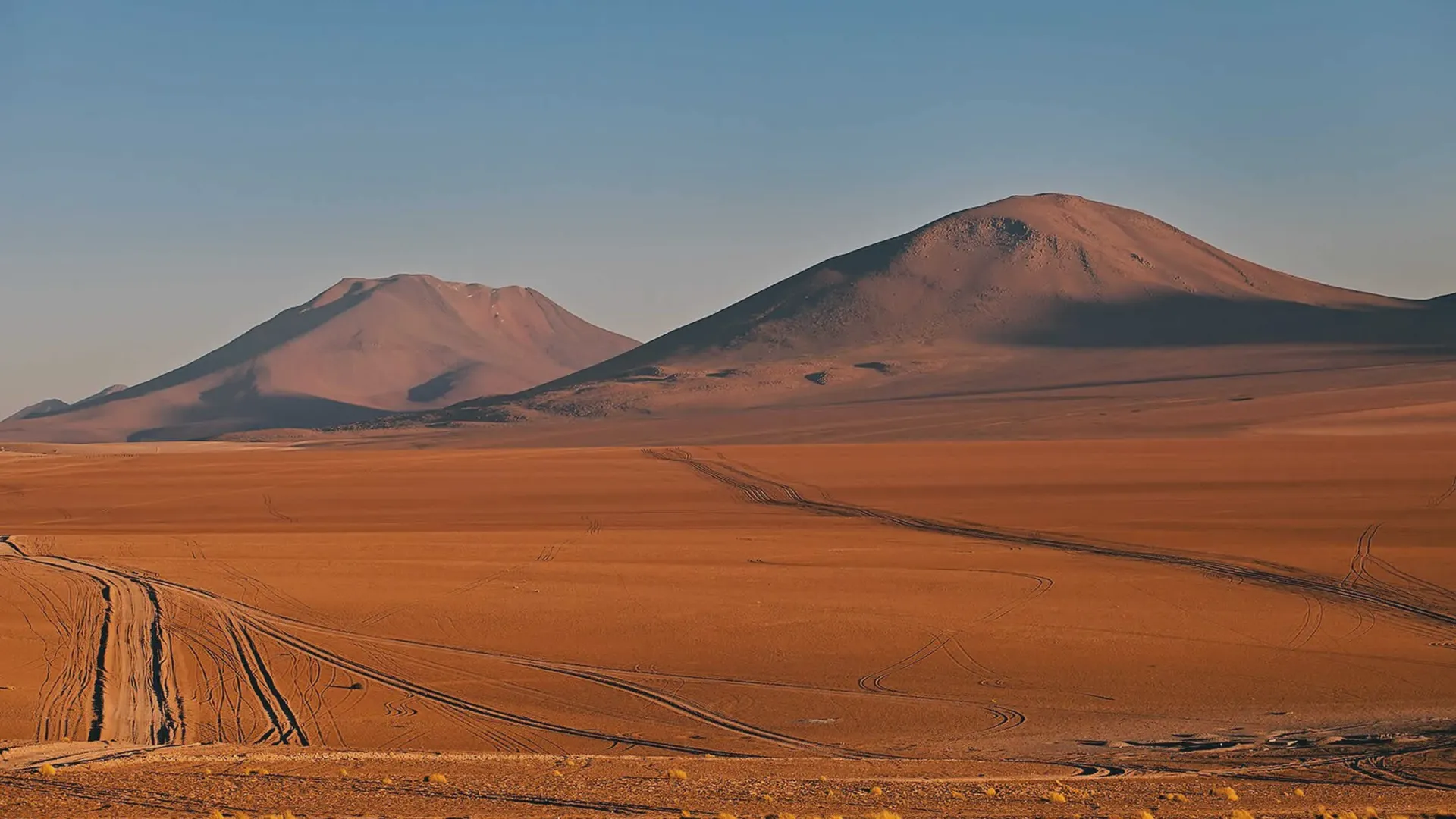
The region is mountainous with several basins that supply water to the agricultural lands and to the city of Cochabamba. In the mountain Range of the Tunari two zones are presented: the region of the slopes that corresponds to the valleys and the semiarid mountains of the mountainous chain. The vegetation of the first zone is characterized by the following species: the molle, carob tree, kinhi, kishuara and the thola.
The region of the mountains contains high andinic, semi-wet flatlands, characterized by sloped scrublands and belts of trees and bushes in the lowest areas. The most representative species are a subspecies of kewina, exclusive of the mountain Range of Tunari, and the highland kishuara. To date 13 species of mammals have been registered, 23 species of birds, two species of reptiles and two species of amphibians. The common ones are the Andean cat or titi, vizcacha and certain species of birds such as the torrent duck, torrent blackbird, white headed dove and others. The population is between 75,000 and 90,000 people, that is to say some 18,000 families. The area protected is administered by the prefecture of the Department of Cochabamba.