It is always important to take care of your health, but there are additional concerns to keep in mind when you're traveling. Whether you're taking a quick trip with your family or studying abroad for several months, it's easier to get sick when you're in a new place because your body hasn't had a chance to adjust to the food, water, and air in a new environment. Traveling can bring you in contact with things that your body isn't used to.
Three of the most common health problems that you may experience when traveling are jet lag, altitude sickness, and diarrhea. When you fly across time zones, the differing amounts of light can change your internal body clock, resulting in a condition known as jet lag. Jet lag may cause symptoms like an upset stomach, insomnia, and tiredness
.In this article we will deal with how travelling to Bolivia might affect your health. We will discuss the famous "altitude sickness", what causes it and how to prevent and endure it. We will also include stomach problems and yellow fever vaccination.
1. Altitude sickness
- What causes it, symptoms
- Sorojchi pills
- Prevention
- Andinism and trekking
2. Safe food and drinks
3. Basic safety
Altitude sickness
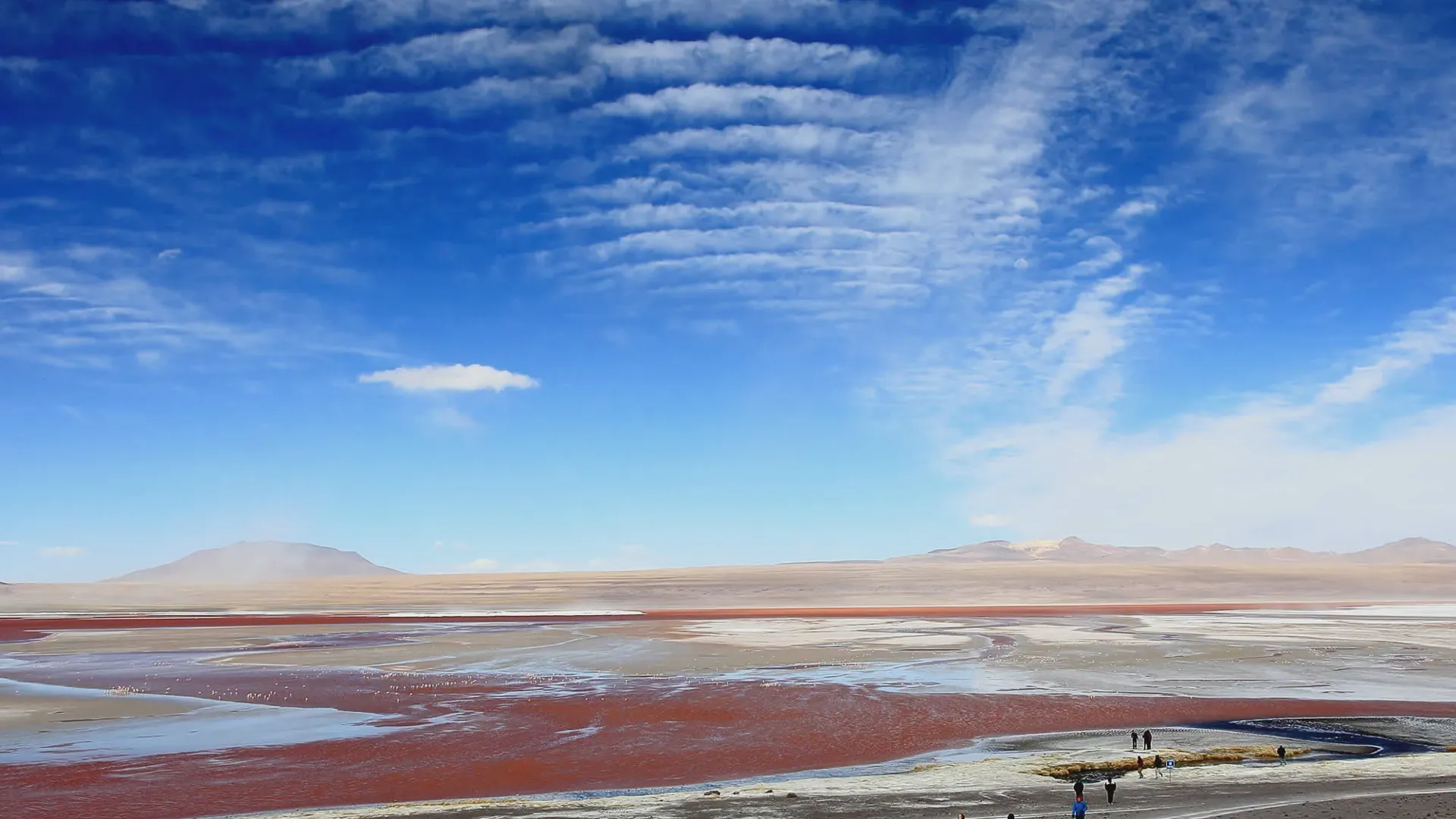
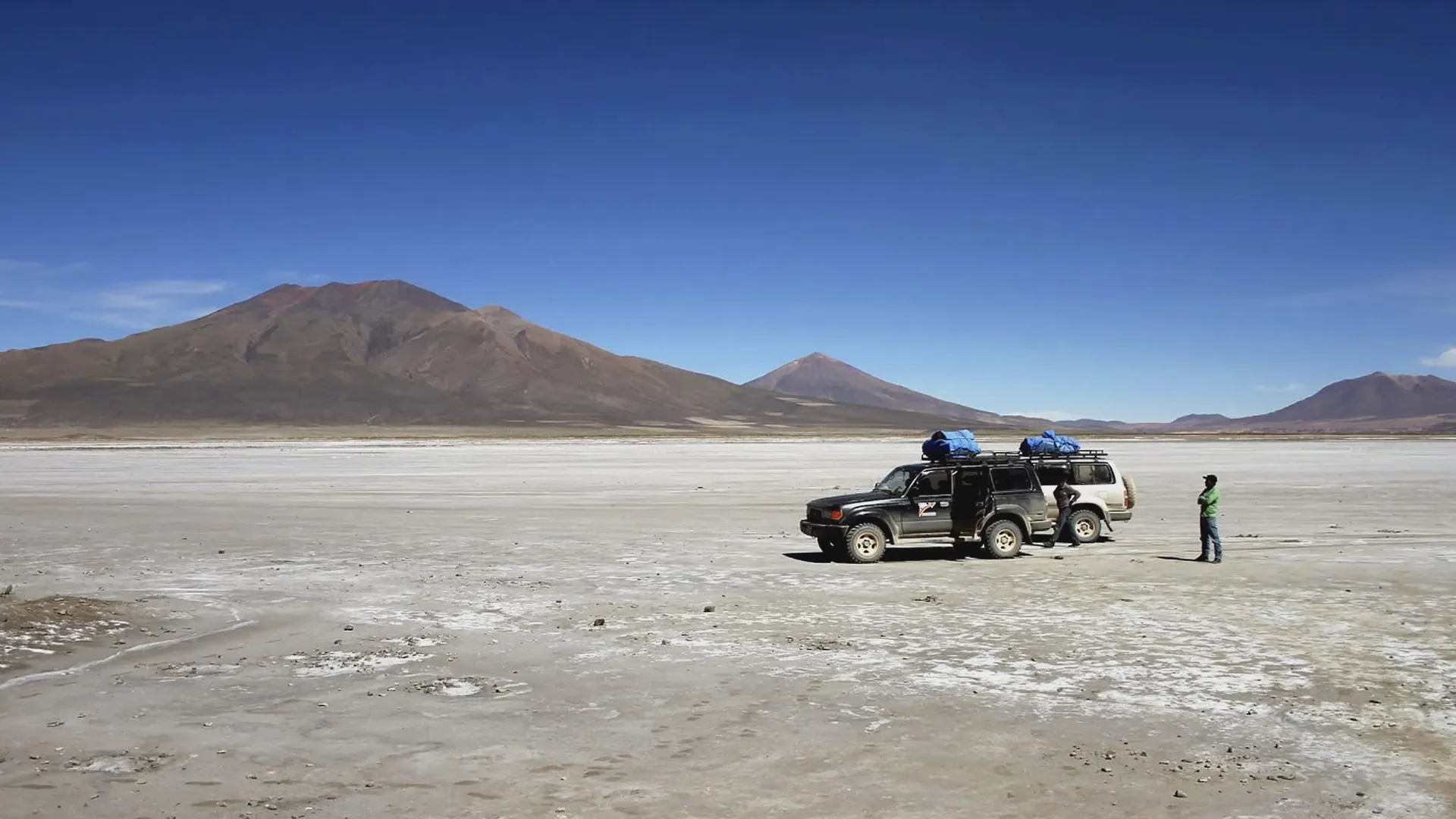
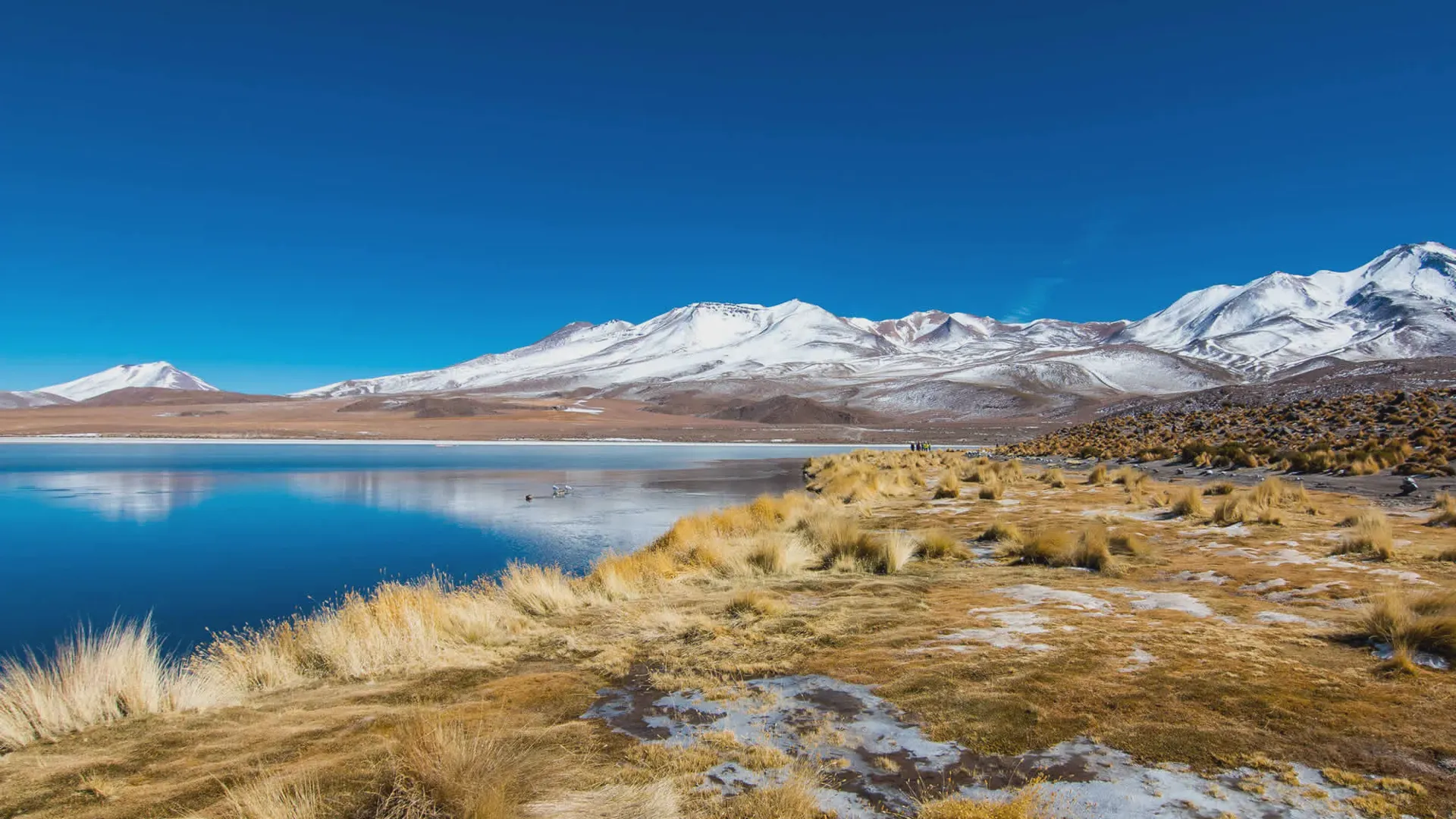
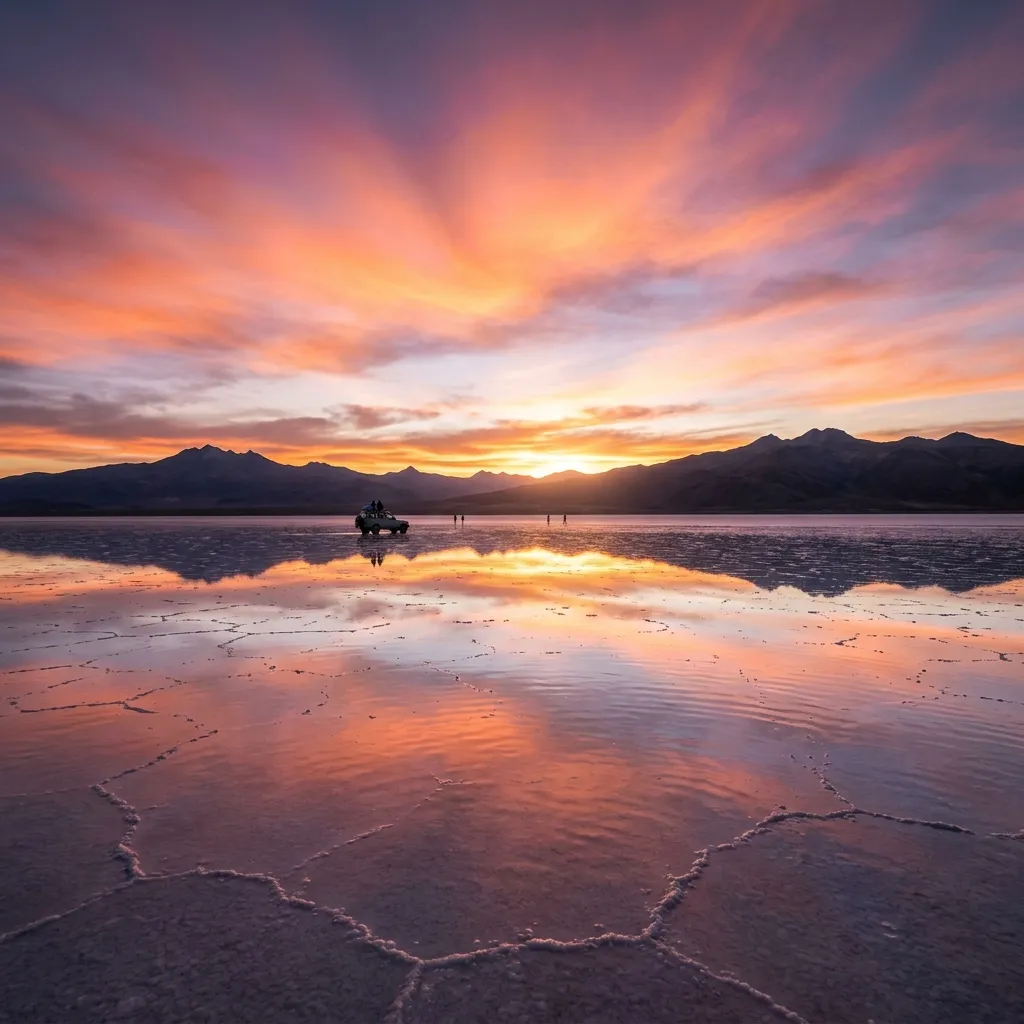
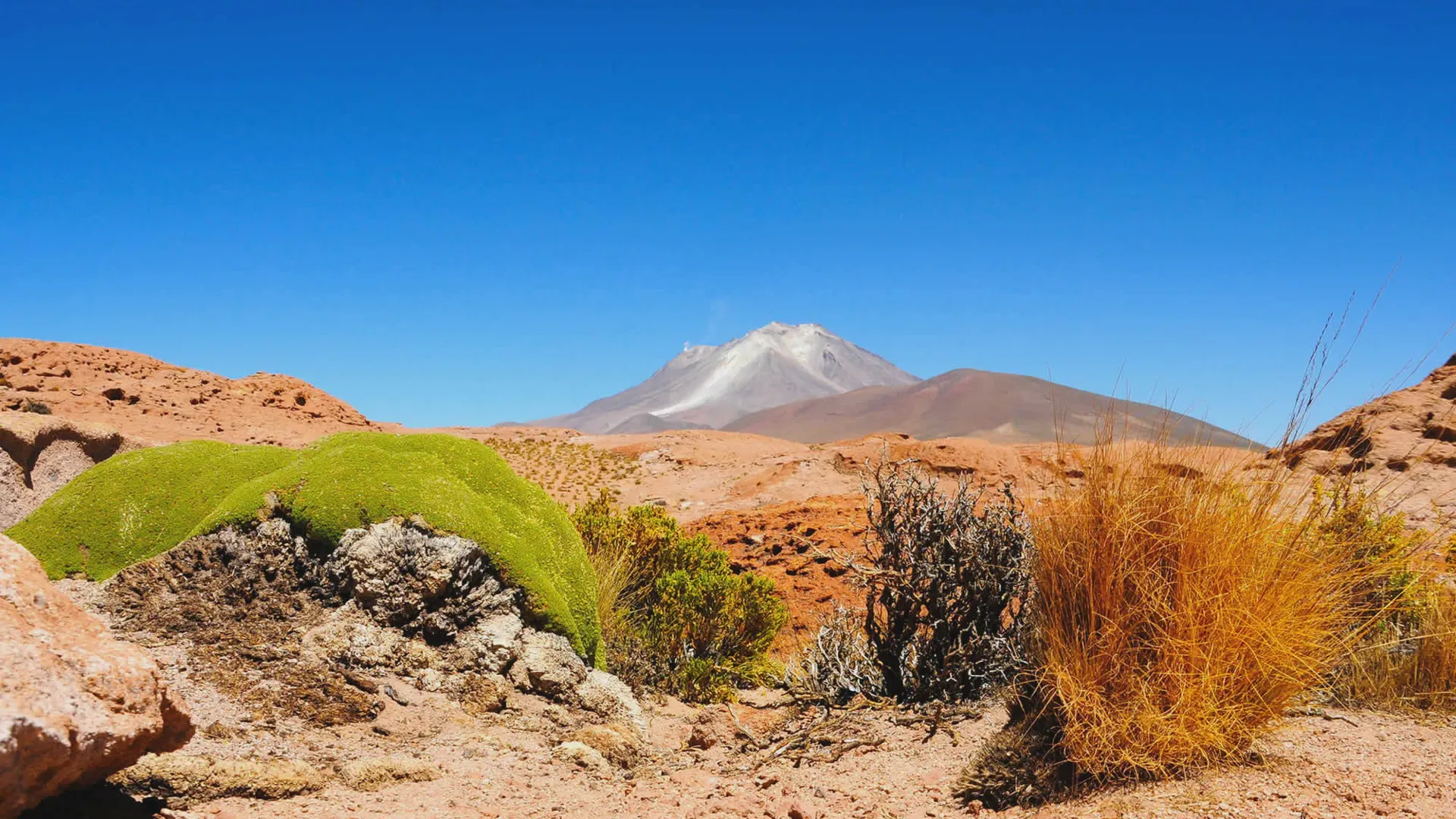
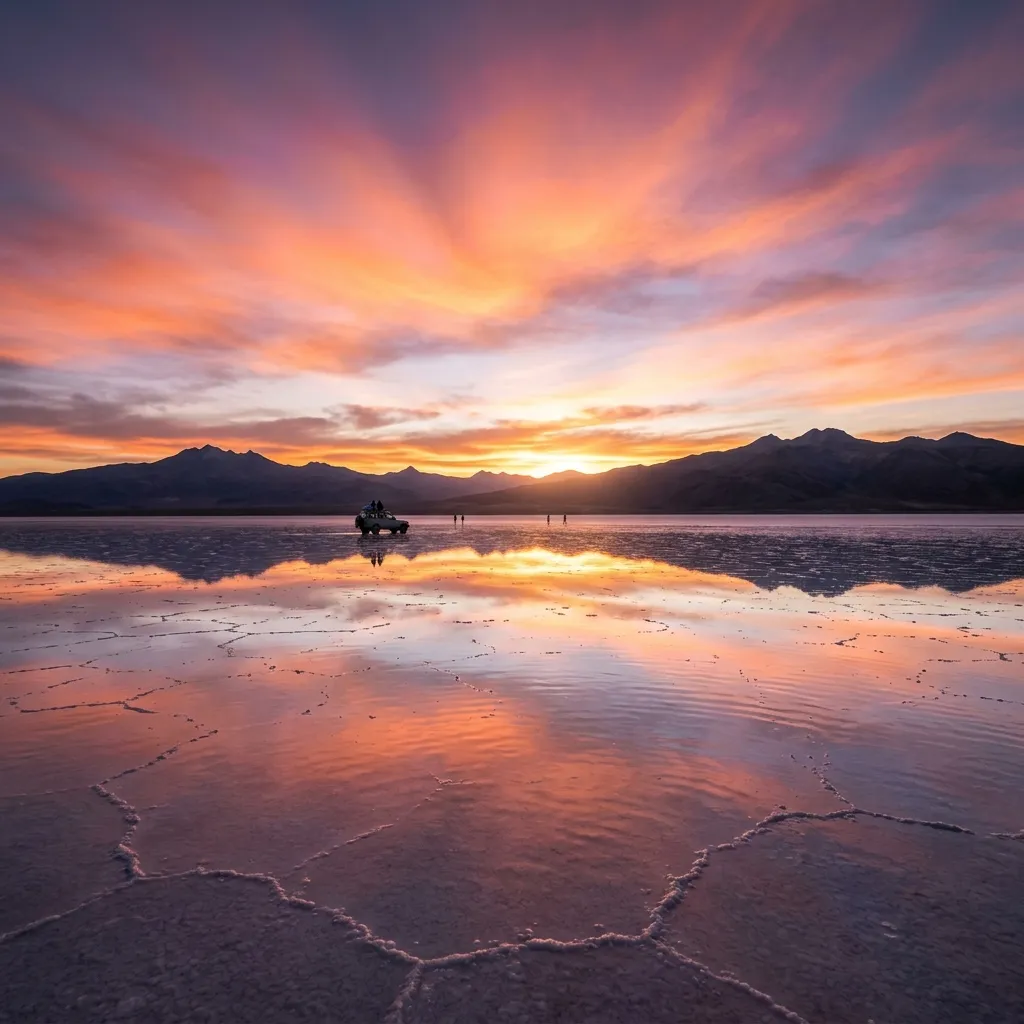
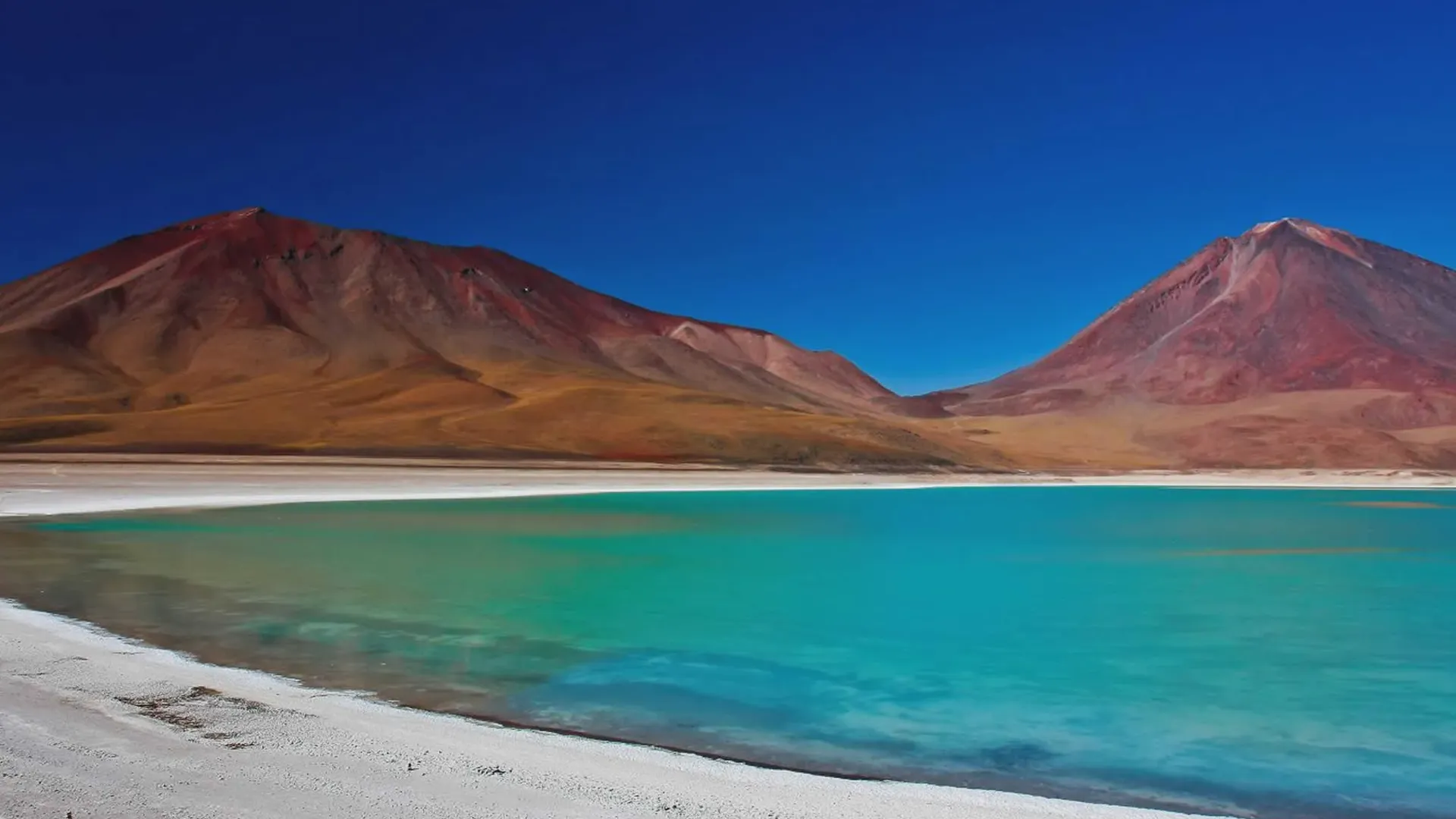
Some areas of Bolivia reach extremely high altitudes, like La Paz, which ranges from 3,400 to 4,000 meters above sea level. Western Bolivia, including the Salar de Uyuni, Lake Titicaca and the cities of Potosi and Oruro, is also at a high level. High altitude can cause a number of health concerns, even for those in excellent health.
Altitude sickness is caused by dry air, a decrease in oxygen, and low barometric pressure when you travel to a higher altitude than you're used to. As a result, you may have problems, such as headaches, dehydration, and shortness of breath. Some people are affected at 5,000 feet (1,524 meters), but others aren't affected until they reach altitudes of 10,000 feet (3,048 meters) or more. When traveling to La Paz, Oruro, Potosi, Sucre or Cochabamba, altitude sickness can be a problem.
Symptoms of altitude sickness include:
- Loss of appetite
- Fatigue or weakness
- Nausea or vomiting
- Dizziness or light-headedness
- Shortness of breath
- Pins and needles
- Persistent rapid pulse
- Drowsiness
- Swelling of hands, feet, and face
Drink plenty of water, get adequate rest and listen to your body. If you have any of these symptoms and suspect you may have altitude sickness, you should seek medical treatment.
The best prevention for altitude sickness is to gradually increase your altitude every day to get used to it. If that isn't possible, a drug known as acetazolamide (locally known as Sorojchi pills) can help relieve and even prevent symptoms of altitude sickness. If you think that you might get altitude sickness, talk with your doctor before you leave home.
Safe Food and Drinks
Traveler's diarrhea, known as turista, can be a serious problem. It often occurs when a foreign type of bacteria enters your digestive tract, usually when you eat contaminated food or water. The best way to prevent turista is to be very careful of the food you eat and the water you drink on the road.
So what foods are safe to eat? Any foods that have been boiled are generally safe, as well as fruits and vegetables that have to be peeled before eating. Avoid eating uncooked or undercooked meat or meat that is not cooked just prior to serving.
You Can Take It With You
When you're packing, you'll want to include any medications and other medical supplies you use on a daily basis because they may be hard to find in another country if you run out. Even if you can find them, there's a good chance the formulations will be stronger or weaker than the ones you're used to. These may include any prescriptions you already take, such as inhalers, allergy medication, and insulin, as well as contact lens cleaners and vitamins.
Basic Safety
It's easy to let your guard down when you travel. After all, you're more relaxed and there are so many new sights to focus on. In addition to paying attention to your personal safety (avoiding secluded places and not walking alone after dark), you'll need to reset your thinking when it comes to traffic safety, too.
Extreme Weather
In addition to the medical issues, you must dress appropriately for the conditions. Especially consider the temperature fluctuations that occur in mountainous areas, particularly during the day compared to night.
Disease and Illness
There is an ongoing problem with Dengue Fever in the eastern section of the country, including the city of Santa Cruz and the areas of Pando, Beni, Yacuiba and Paracari have all seen outbreaks of Malaria.
Dengue and Malaria are insect-borne illnesses so protect yourself by using a good quality insect repellant (preferably one containing DEET) and wear clothing that covers exposed skin of your arms, legs and feet.
The subtropical areas of Bolivia carry a risk of yellow fever. You're advised to get vaccinated for this at least a month prior to traveling.
Some airlines even require that you show proof of this vaccine, and the certificate is necessary if you are planning on applying for a visa.
Rabies is a growing problem. If you plan on spending time in more rural areas (although, most of the country could be considered "rural"), you should consider getting a rabies vaccine prior to travel. If you happen to be bitten or even scratched by an animal, even if it's a domestic dog, you should seek medical attention.
Coca Problems
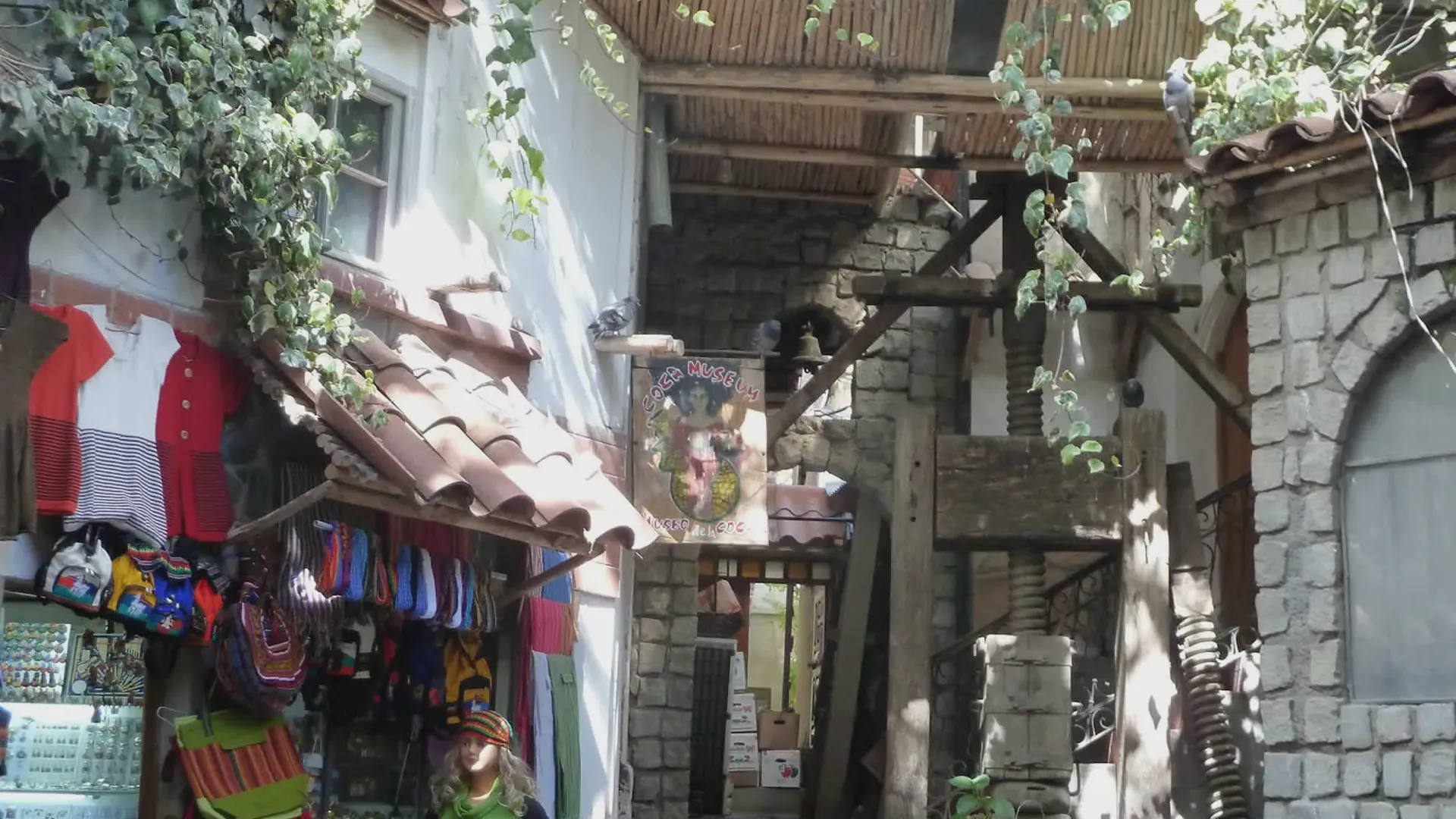
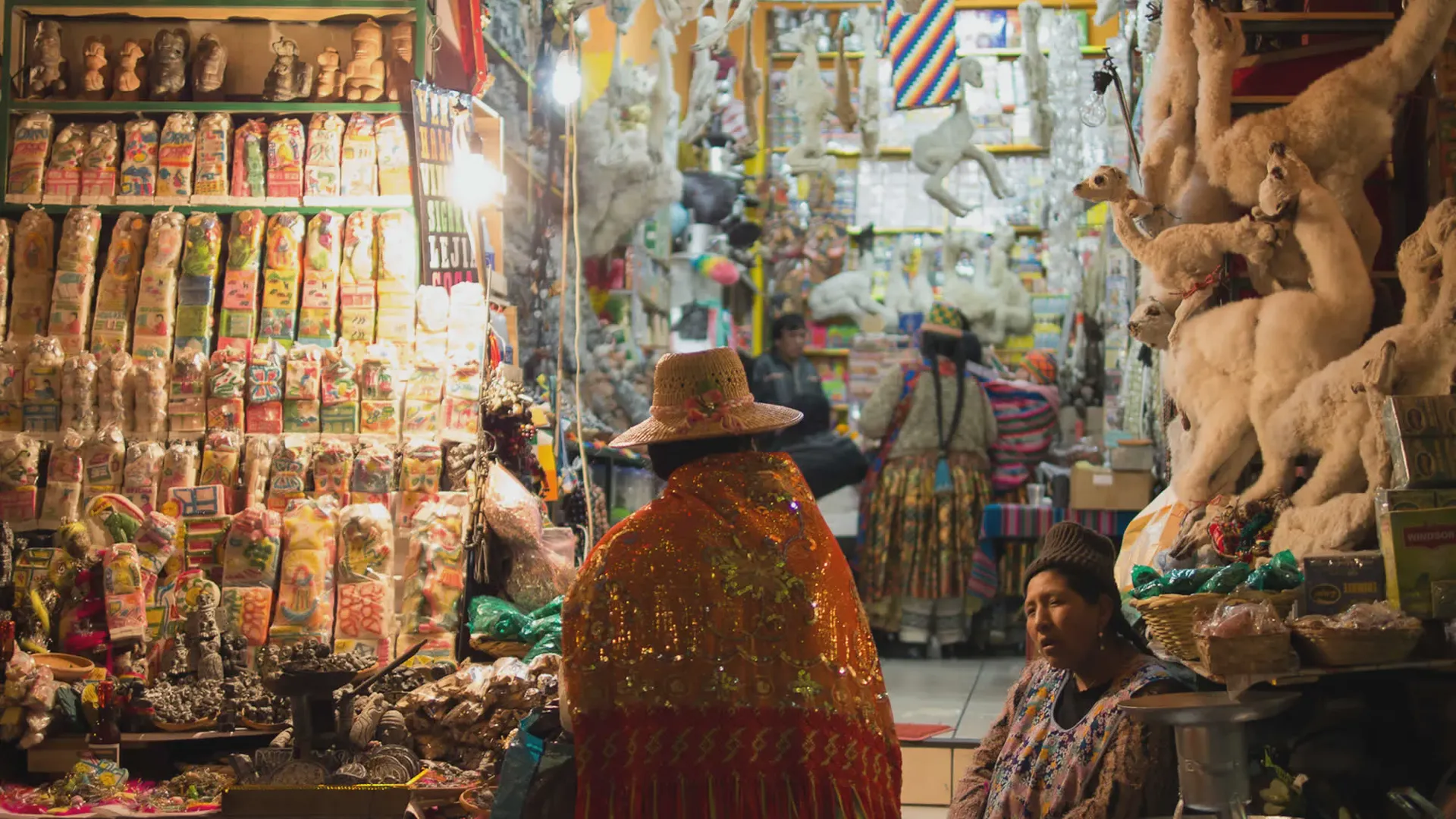
Coca is a commodity in Bolivia that has been grown and used for a variety of ways for centuries. Coca-leaf tea is considered a remedy to cure altitude sickness, so don't be surprised if it's offered to you at some point.
Additionally, soroche pills, another form of coca medicine meant to treat altitude sickness, also contain high levels of caffeine and could make you very ill.
Chewing Coca leaves is common and often done as a way to curb appetite. If you do so, be sure to only chew the leaf. Swallowing it can make you very sick.
Contraindications for trekking or andinism
- vascular insufficiency
- chronic respiratory insufficiency
- history of epilepsy and neurosurgery
- diseases that require the application of frequent injections such as insulin-dependent diabetes
- unstabilized heart disease
- certain blood diseases
- Acute mountain sickness, cerebral or pulmonary edema during a previous stay
Prevention
In your country:
It is advisable to consult a physician to detect potential health problems.
Practice some sports before your trip to Bolivia, especially if you plan to do trekking or andinism.
Walking (if possible at a higher altitude) or swimming is good preparation.
In Bolivia:
A period of acclimatization is indispensible before attempting to climb the Andean peaks.
As a suggestion, you can stay a few days in La Paz or Lake Titicaca (trekking in the Isla del Sol) and take some short walks.
It is equally important to drink frequently, especially coca leaf infusion.
We strongly advise you against the preventive use of DIAMOX.