Verified by licensed Bolivian expedition directors and senior salt flat guides.
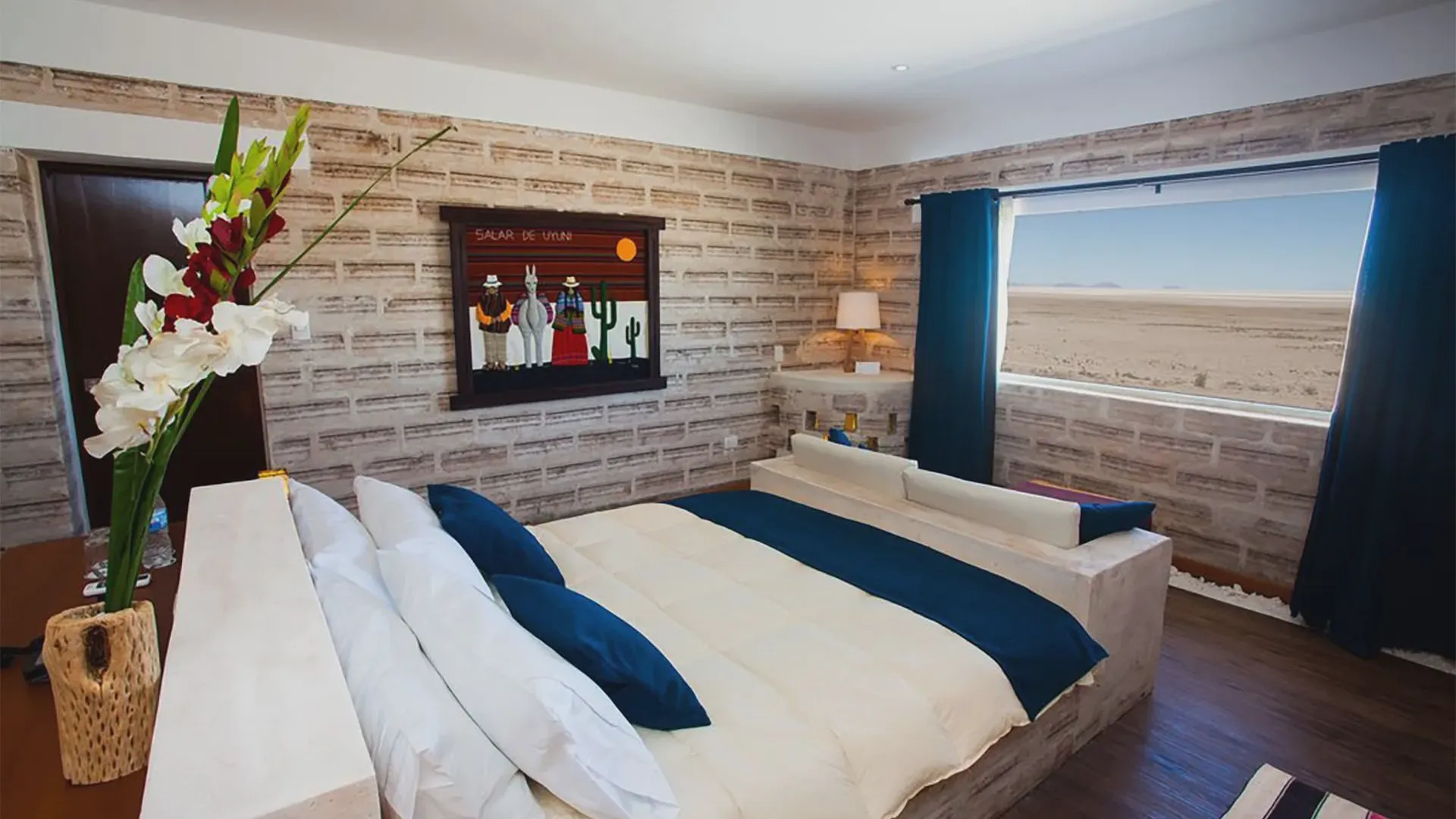
Uyuni salt hotel perk: sleeping inside walls of compressed salt sounds like a gimmick. Then you wake at 5:30am, pull back the curtain and watch the sun hit more than 10,000 square kilometers of white crust. That moment sells the idea fast.
Our drivers overnight at these properties every week of the season, so we know which rooms stay warm. Below, we rank each Uyuni salt hotel by comfort and access. We also share honest notes on heating, hot water and the road conditions that shape your stay.
Which Is the Best Uyuni Salt Hotel?
Palacio de Sal is the best all-round Uyuni salt hotel for most travelers. It sits on the eastern shore near Colchani, about 30 minutes from Uyuni town, with heated rooms and a spa. For quiet views of Tunupa volcano, Tayka Hotel de Sal in Tahua is our second pick. Meanwhile, Luna Salada offers the best panorama from its hillside dining room.
Uyuni Salt Hotel Comparison
| Hotel / Accommodation | Location & Setting | Construction | Price Tier | Best For | Standout Highlights |
|---|---|---|---|---|---|
| Palacio de Sal | Colchani (salt flat edge) | Salt blocks | $$$ | First-time visitors, couples & honeymooners | World's first salt hotel, full spa, gourmet dining |
| Luna Salada | Hillside overlook above Colchani | Salt blocks | $$$ | Sunset views & photography | Sweeping panoramic salt flat vistas, cozy fireplace lounges |
| Cristal Samaña | Colchani area | Salt blocks | $$ | Mid-range comfort & peaceful stays | Feng shui-inspired design, quiet atmosphere off the main strip |
| Tayka Hotel de Sal | Tahua (northern shore) | Salt blocks | $$ | Trekkers & cultural explorers | Base camp for Volcán Tunupa hikes and cave visits |
| Community Salt Hostels | Atulcha & Chuvica (southern route) | Basic salt bricks | $ | Backpackers & standard 3-day tour groups | Authentic community stay, highly budget-friendly |
Price tiers run from $ (basic hostel) to $$$$ (all-inclusive luxury). Rates change by season, so our reservations team confirms live pricing with every quote.
The Best Salt Hotels in Uyuni, Ranked by Our Field Team
1. Palacio de Sal
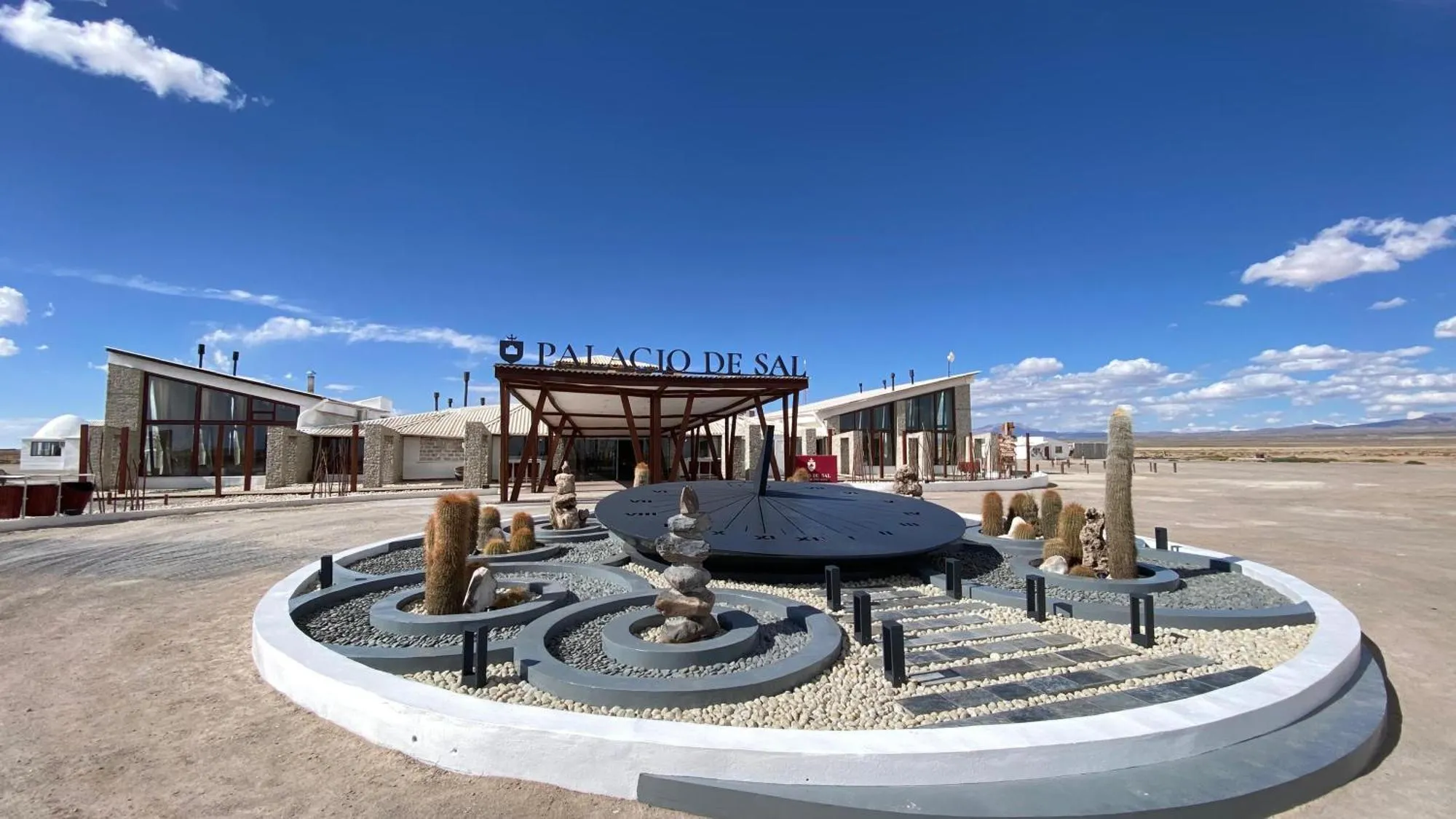
Palacio de Sal holds a special place in Bolivian travel history. The first version stood in the middle of the salt flat during the 1990s. Authorities later closed it over waste concerns. So the owners rebuilt on the shore near Colchani, and the new hotel opened in 2007.
Today, masons cut the walls and bed bases from salt blocks. This uyuni salt hotel even runs a small salt golf course outside. After a long day in the Land Cruiser, our guests head straight for the spa and steam room.
Front desk staff will pack breakfast boxes for sunrise departures. Ask them the evening before, because the kitchen opens late.
Our take: Book Palacio de Sal when you want the classic Uyuni salt hotel experience with reliable comfort.
2. Luna Salada Hotel
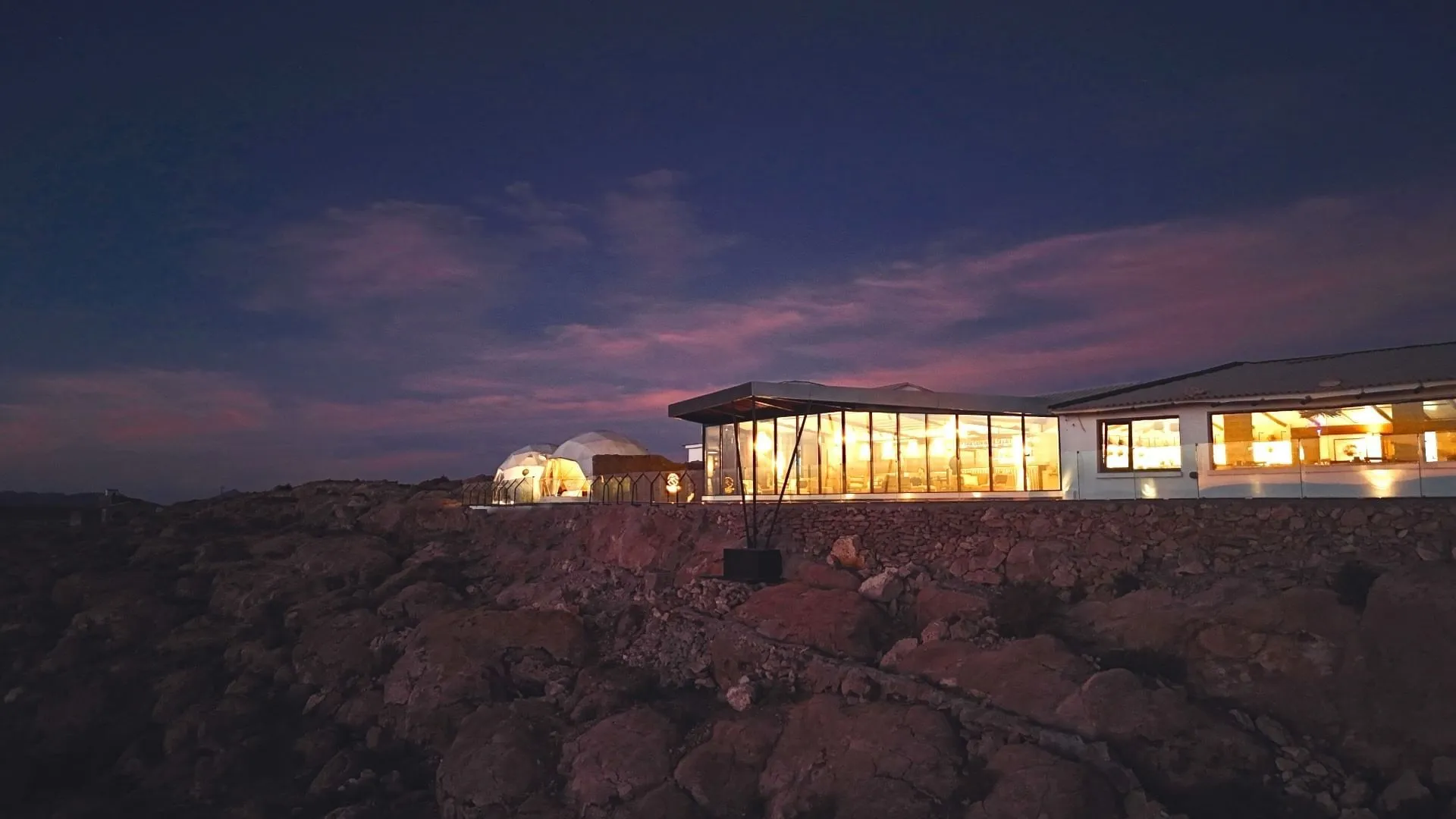
Luna Salada sits on a low hill above Colchani. As a result, its dining room windows frame the salt flat from end to end. Sunset dinners here feel almost theatrical.
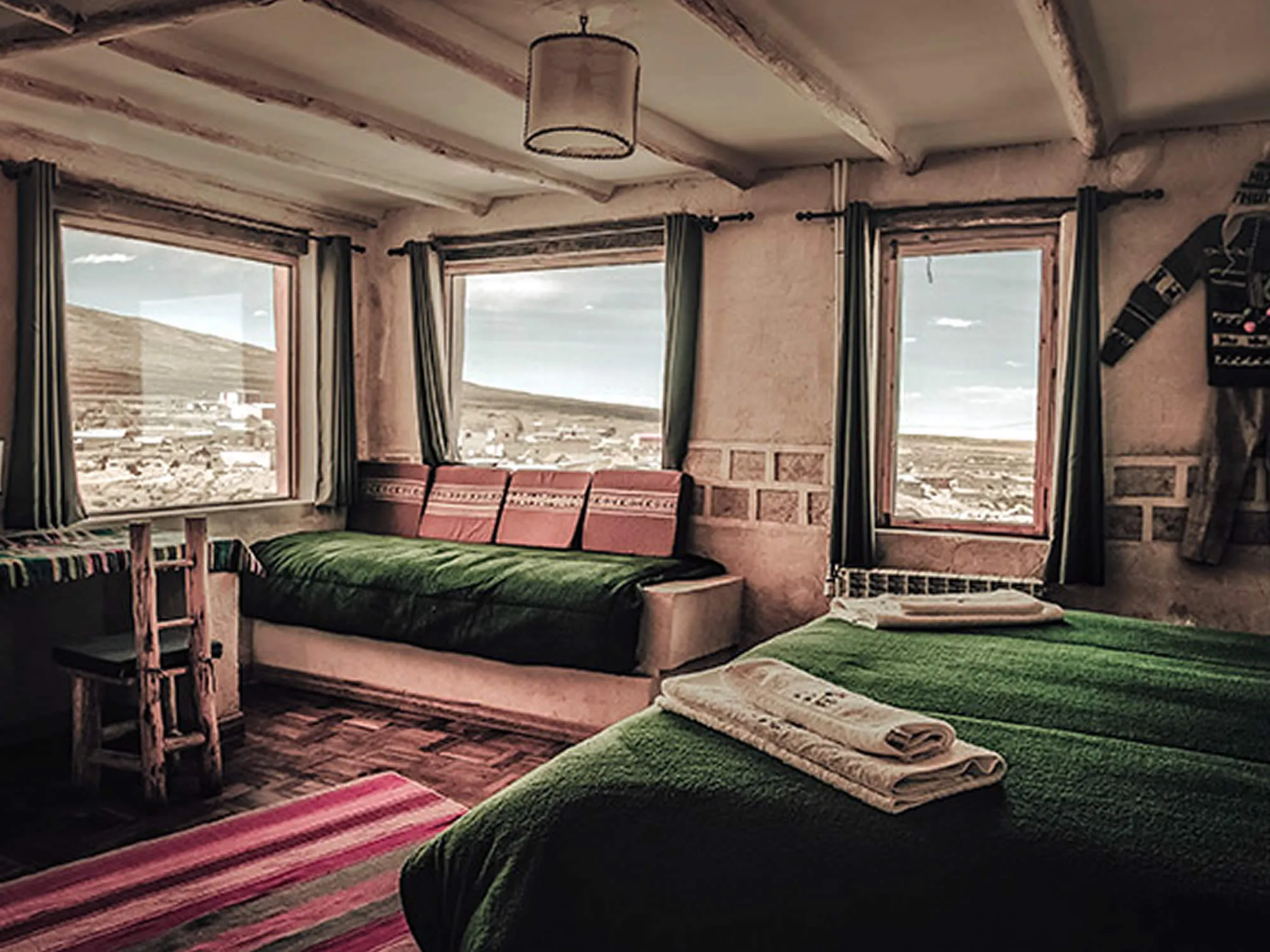
The rooms pair salt-block walls with wooden accents, and many face the salar. However, the hill location means a short drive down to the crust itself. That trade-off suits travelers who value views over direct access.
Our take: Choose Luna Salada for the best view from any Uyuni salt hotel on the eastern shore.
3. Hotel Cristal Samaña
Cristal Samaña keeps things small and calm. Fewer rooms mean faster service at breakfast. Plus, you hear far less noise from large tour groups.
The salt construction matches the bigger properties, though the finishes feel simpler. For travelers on a tighter budget, this is the smart middle ground.
Our take: Pick Cristal Samaña when you want a genuine Uyuni salt hotel without paying top-tier rates.
4. Tayka Hotel de Sal (Tahua)
Hotel Tyaka de Sal Tahua sits on the northern shore, right at the foot of Tunupa volcano. Our drivers need roughly three hours to cross the salt from Colchani in the dry season. Because few day-trippers make that drive, nights here feel remote and silent.
Tayka runs its hotels in partnership with local communities. In addition, the hotel makes a perfect base for the Coqueza mummy caves and the Tunupa crater viewpoint. That hike climbs well above 4,500m, so only attempt it after proper acclimatization.
In the wet season, standing water can block the direct crossing. Our drivers then switch to the longer land route, which adds several hours.
Our take: Tayka is the Uyuni salt hotel for hikers and photographers chasing empty horizons.
5. Village Salt Hostels on the 3-Day Route
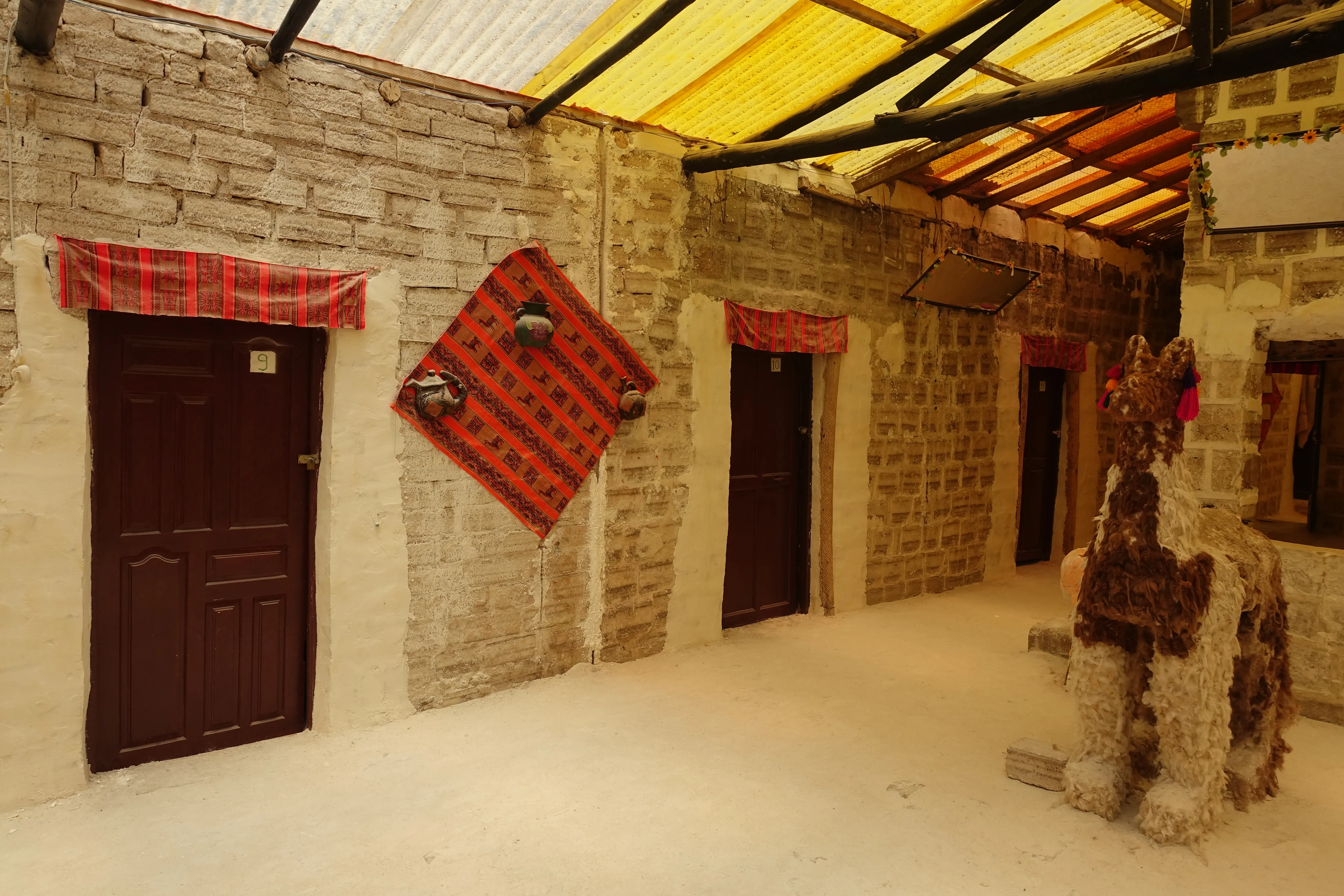
Most shared 3-day tours from Uyuni spend the first night in a basic salt hostel. Villages such as Atulcha and Chuvica host dozens of them. Expect loose salt floors and shared bathrooms.
Hot showers often carry a small cash fee. Also, electricity may run for only a few evening hours, so charge your devices at dinner. From June to August, bring a sleeping bag rated to at least -10°C.
Our take: These hostels work fine for backpackers. If sleep quality matters, upgrade to a private tour with a Colchani Uyuni salt hotel.
Wet Season vs Dry Season at Your Uyuni Salt Hotel
Your travel month changes the whole stay. In fact, it decides which hotels you can reach and how cold your room gets.
| Factor | Wet Season (Jan to Mar) | Dry Season (May to Oct) |
|---|---|---|
| Salt flat surface | Thin water layer and mirror effect | Hard white hexagonal crust |
| Access to Tahua | Limited, with long land detours | Direct crossing in about 3 hours |
| Night temperature | Cool, around 0 to 5°C | Often -10°C or colder in July |
| Booking window | 2 to 3 months ahead | 3 to 6 months ahead for July and August |
| Camera care | Waterproof covers for spray | Warm batteries overnight |
April and November are shoulder months. Patches of water often linger in April, while November winds can turn the crust dusty.
How to Reach Your Uyuni Salt Hotel
Most travelers start in La Paz. First, spend 24 to 48 hours there with only low-intensity walks. Downtown sits at 3,640m and El Alto International Airport at 4,061m. Your body needs that time before any Altiplano crossing.
| Option | Duration | Pros | Cons |
|---|---|---|---|
| BoA flight, La Paz to Uyuni | About 1 hour | Fastest, and you arrive rested | Afternoon winds can delay departures |
| Todo Turismo overnight bus | About 9 to 10 hours | Heated cabin and a direct route | Rough road sections and broken sleep |
A private transfer to Uyuni from La Paz, Sucre or Potosi is also a viable option.
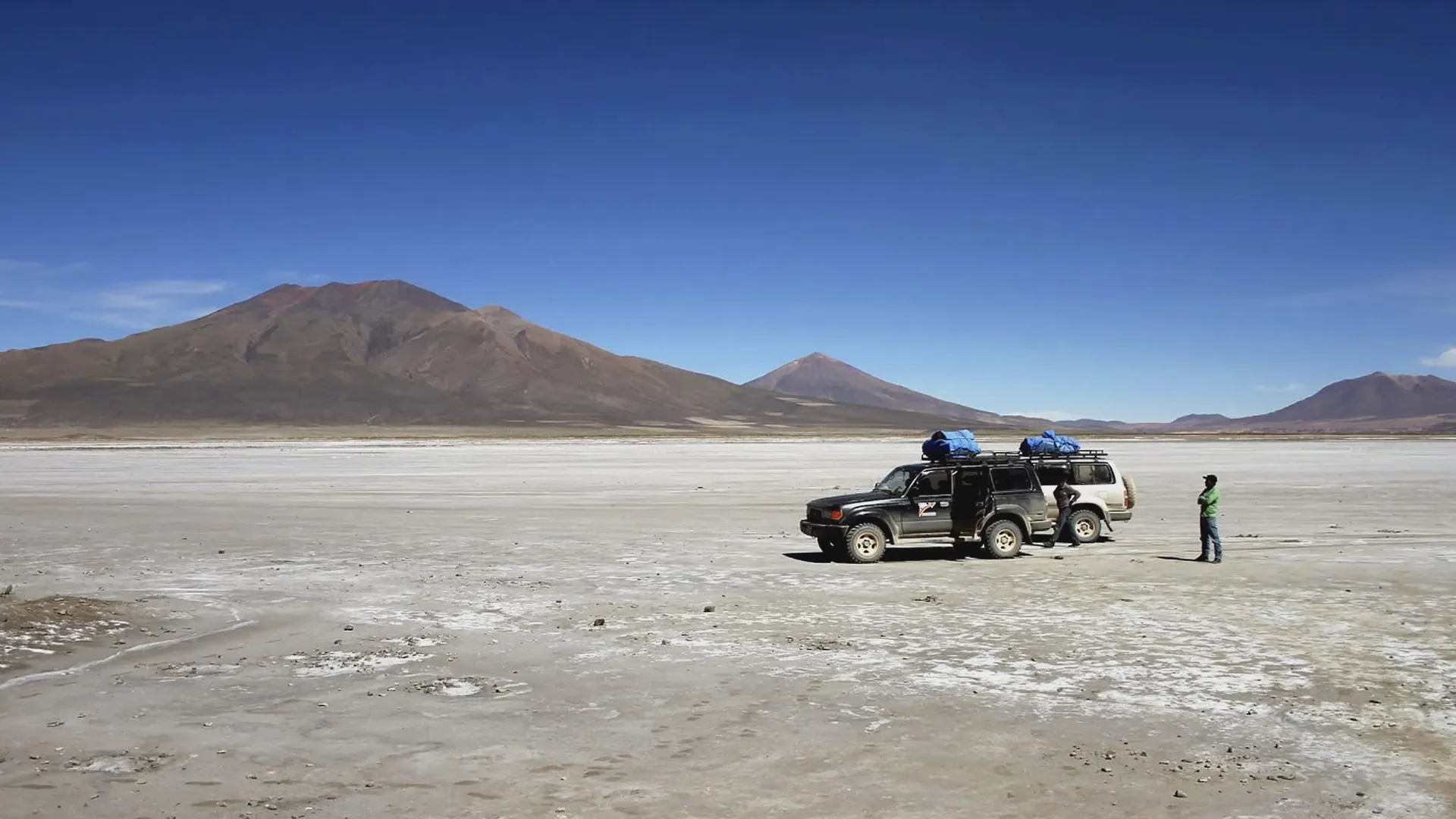
Once in Uyuni, our drivers meet you in a licensed Toyota Land Cruiser. Each vehicle carries working seatbelts and an oxygen cylinder. Drivers also carry a Garmin inReach satellite communicator and follow mandatory rest breaks.
By contrast, cut-rate operators often overload older vehicles and skip maintenance. That gap matters most on the dark drive back from a sunrise shoot.
Our private Salar de Uyuni tour can include a night at any Colchani property on this list.