Written & Fact-Checked by Vivian Blanco
Founder & High-Altitude Navigation Specialist
"I have coordinated private tours to Uyuni for over 16 years.
How much time is needed to visit the Uyuni Salt Flats?
The Salar de Uyuni spans over 10,500 square kilometers (4,050 square miles), making it the largest salt desert in the world. How much time you need depends entirely on what you want to experience:
- 1-Day Tour: Ideal if you are short on time. Starting directly from the town of Uyuni, a full-day tour covers the train cemetery, Colchani village, the vast white salt crust, Incahuasi Island (during the dry season), perspective photos, and sunset on the salt flats.
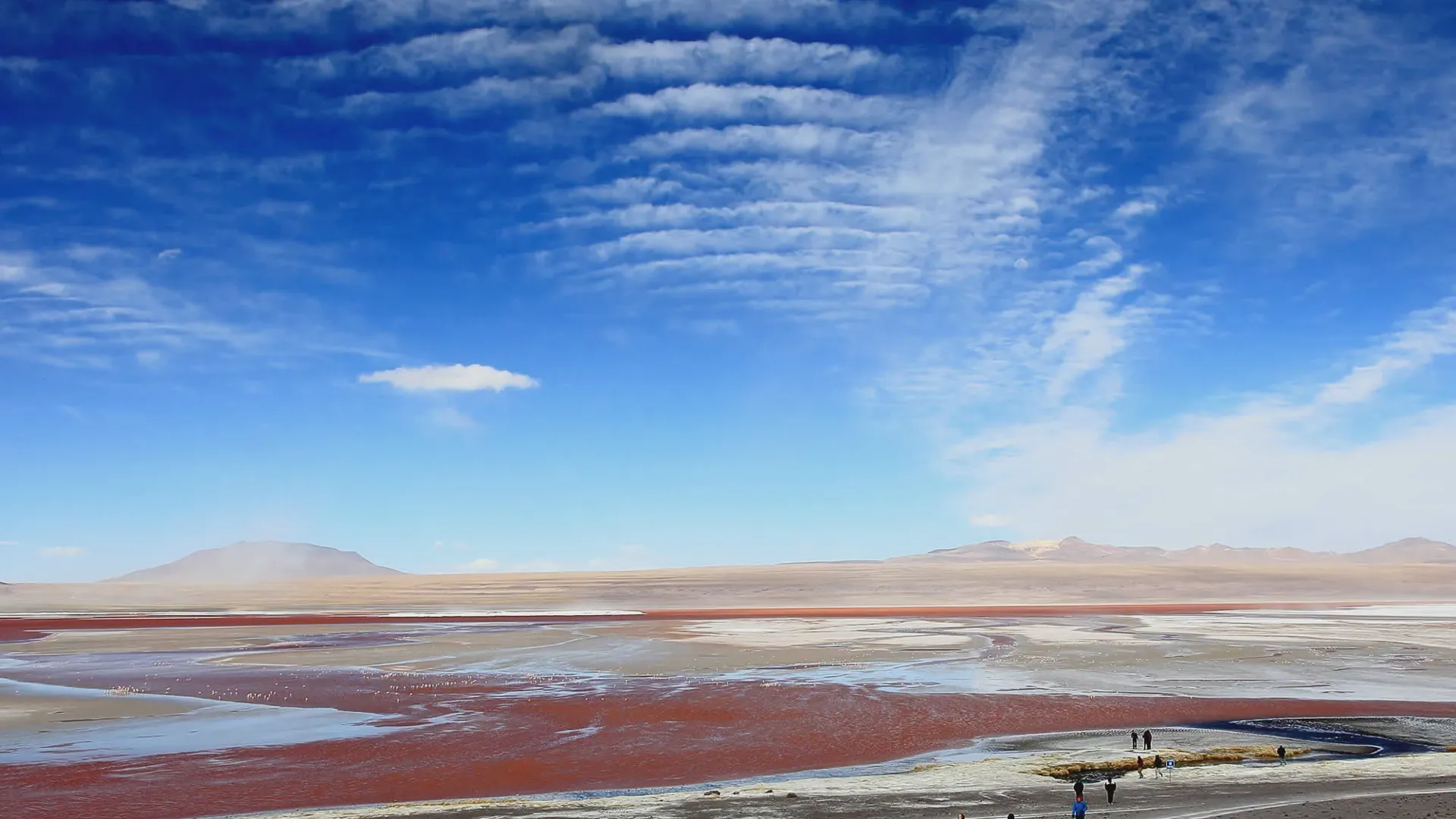
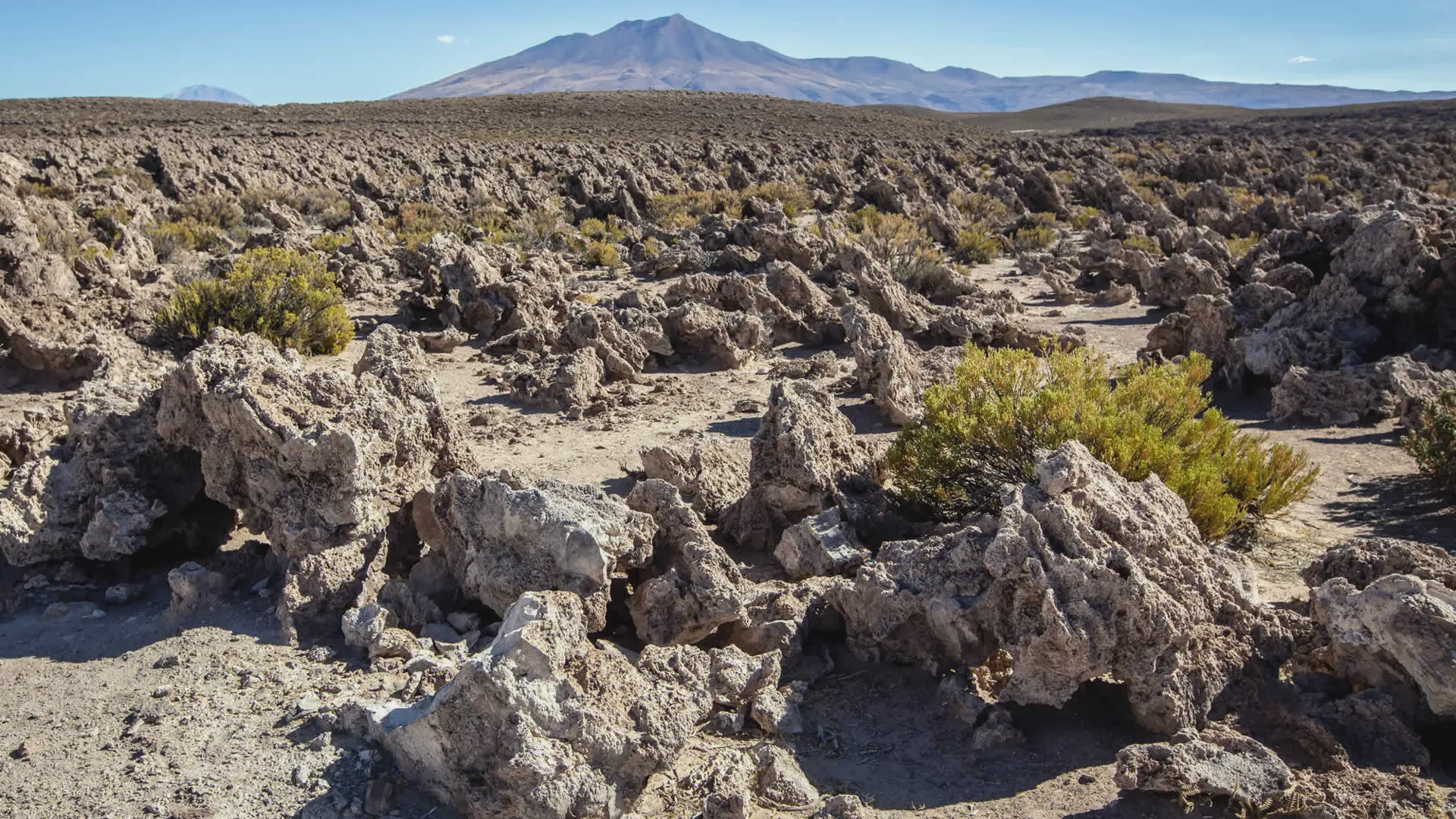
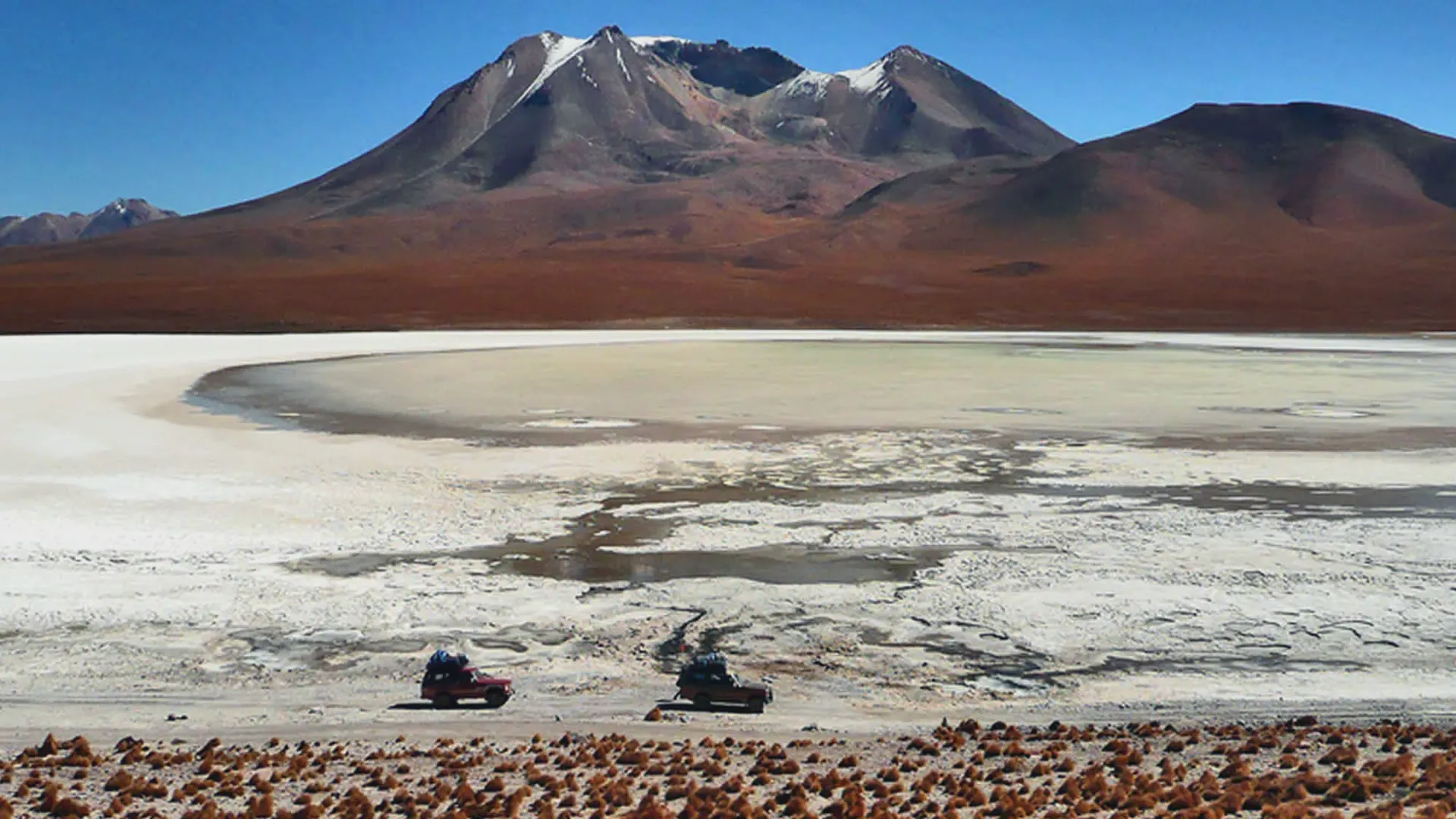
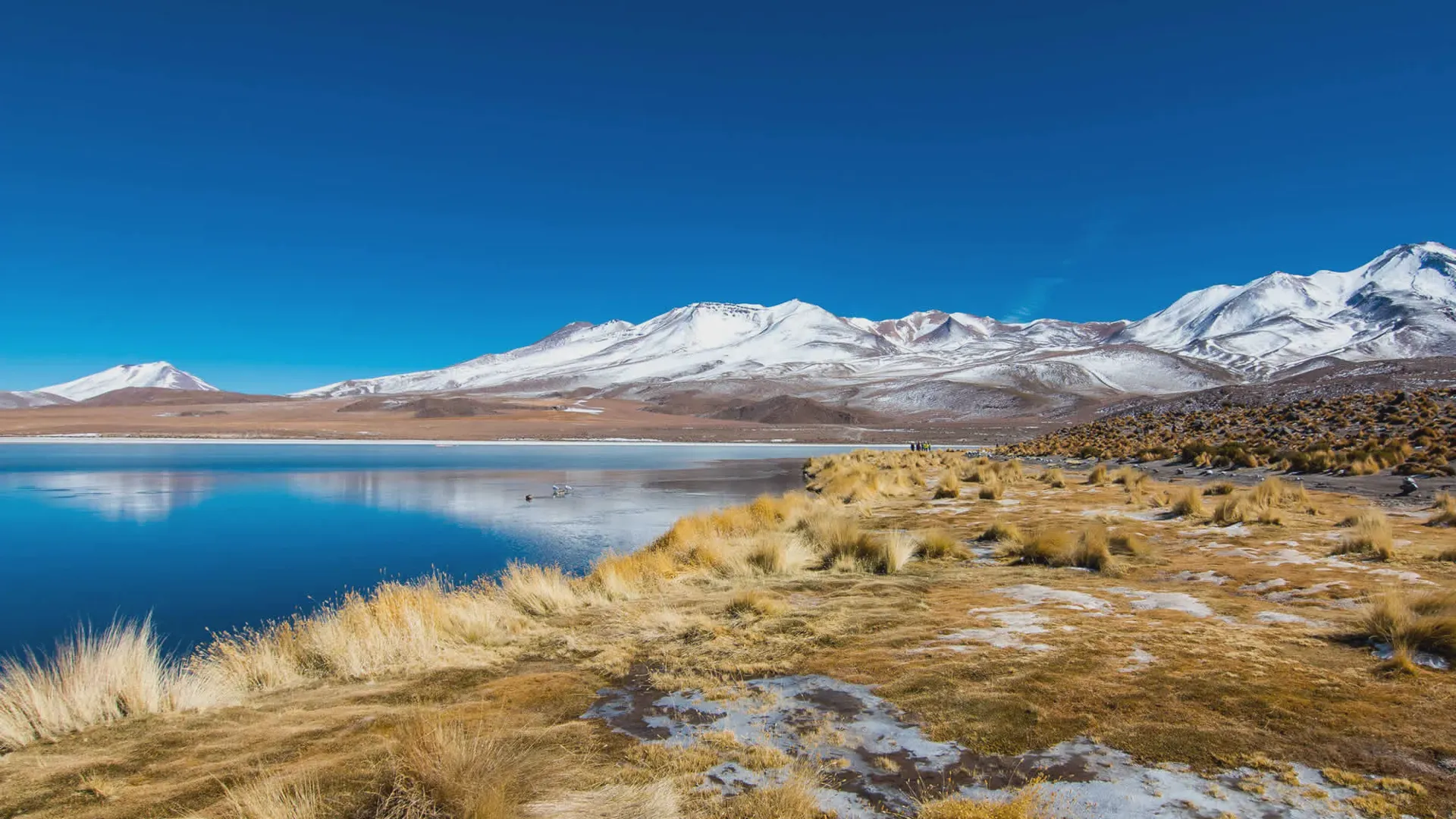
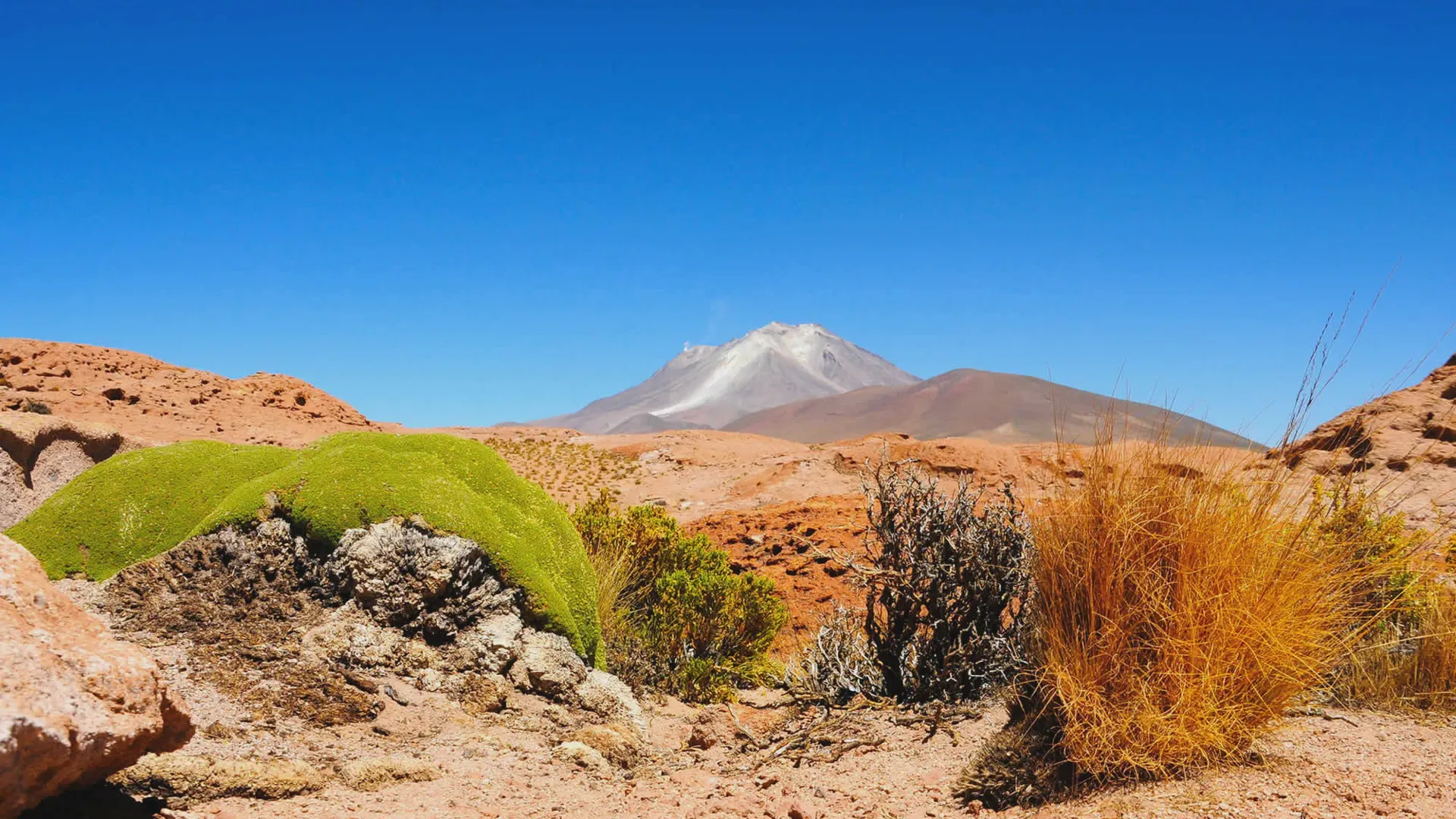
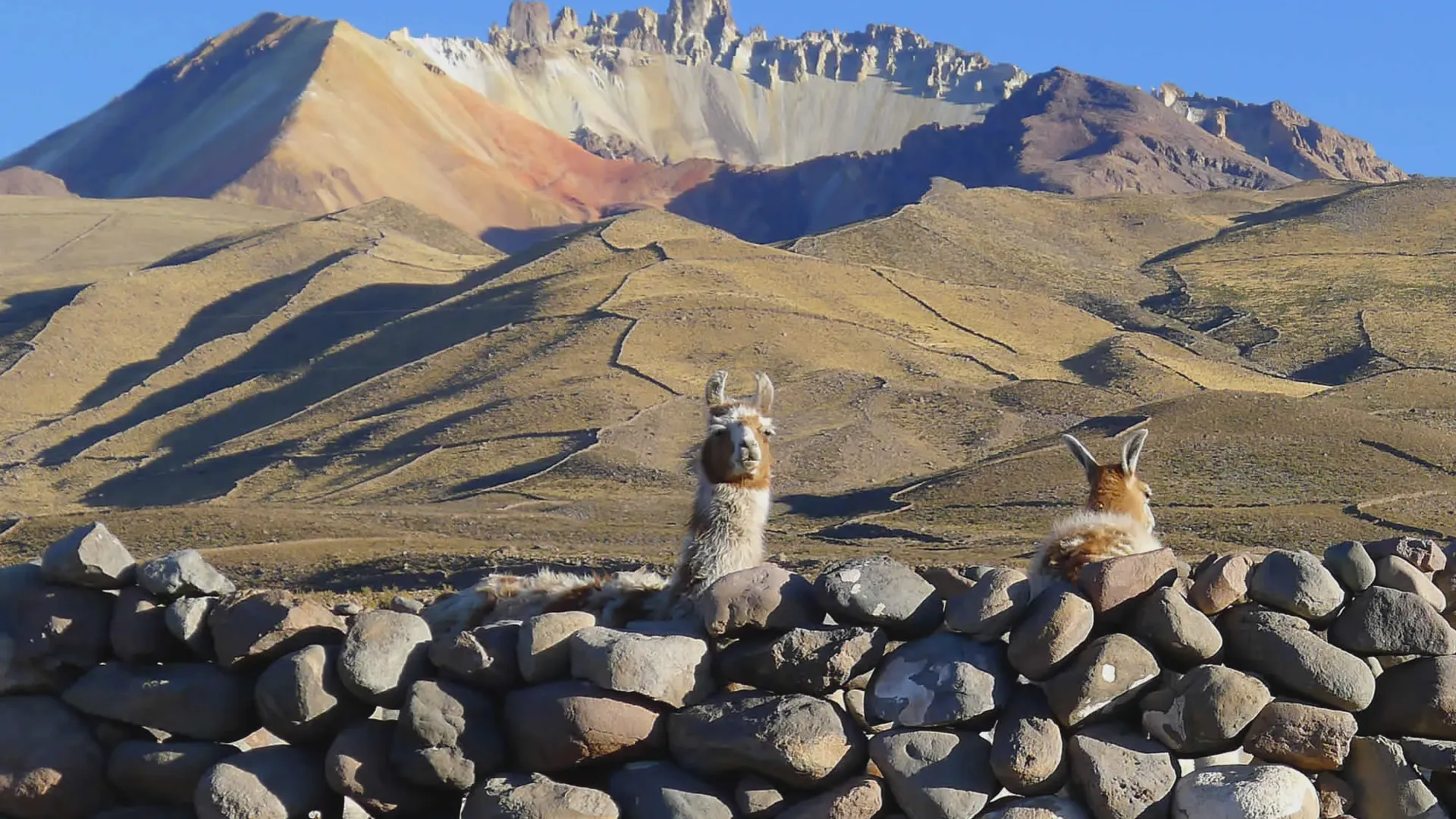
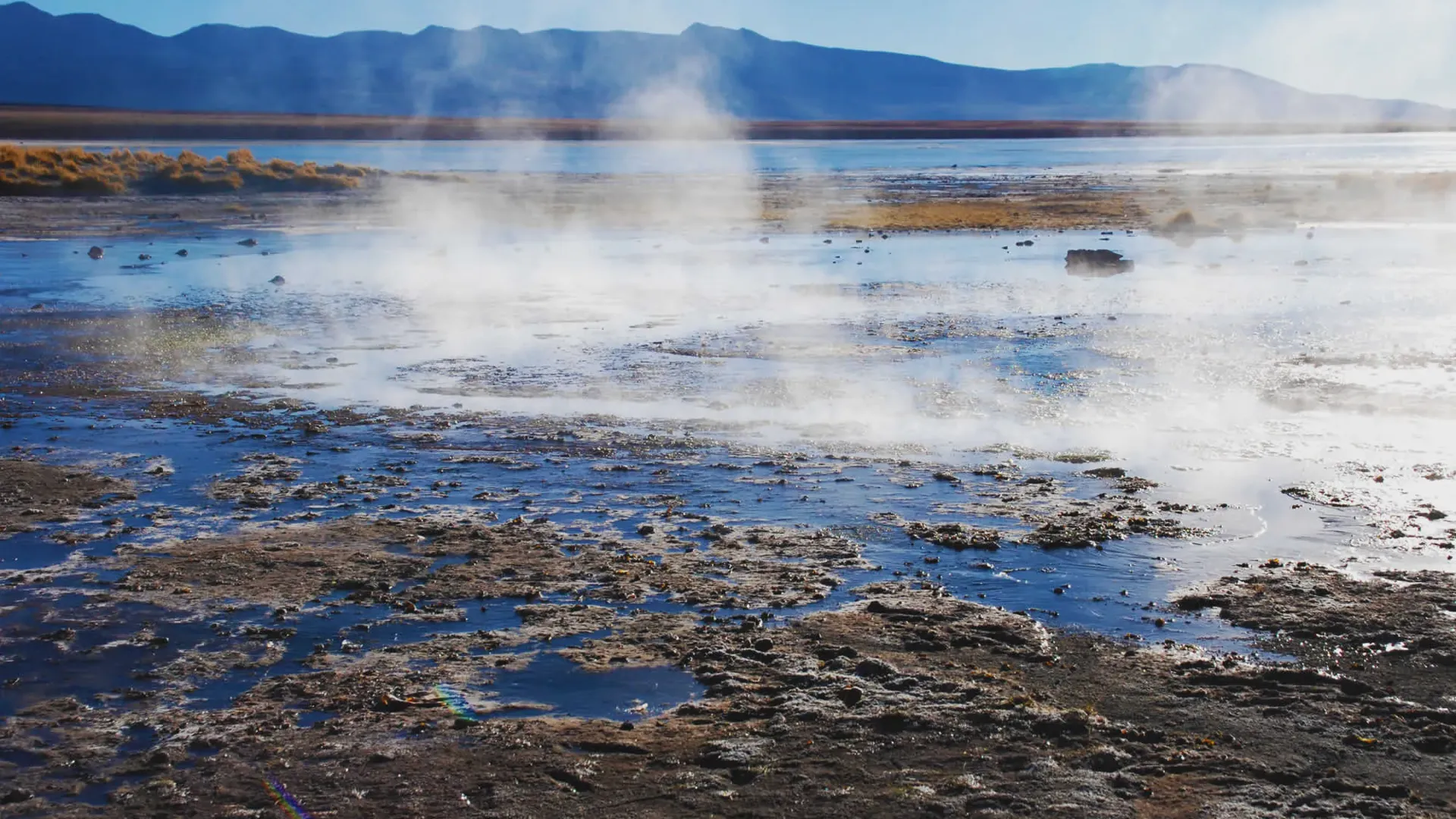
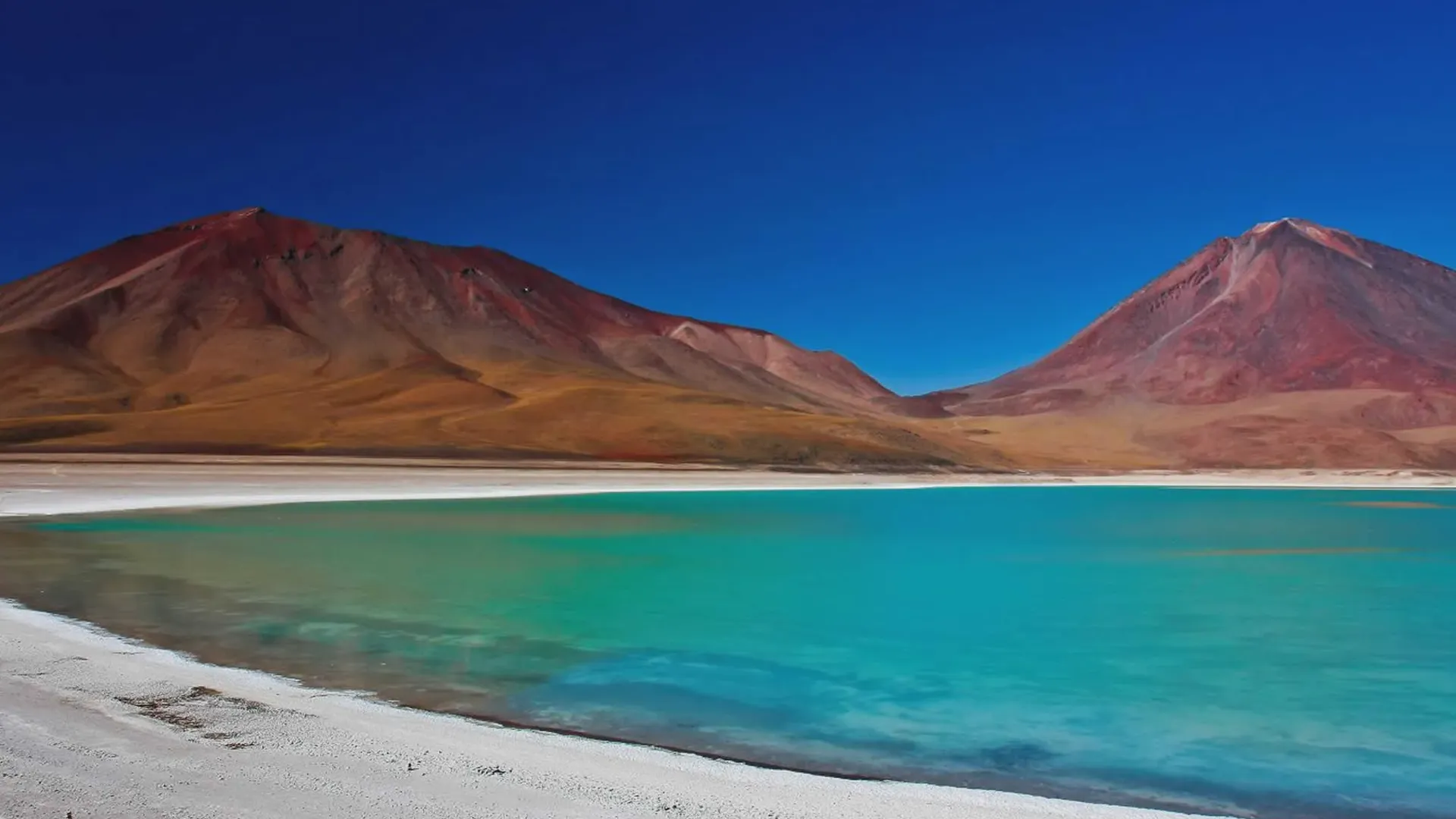
- 3-Day / 4-Day Tour: The standard and most recommended itinerary. Beyond the salt flats, this route takes you deep into the Eduardo Avaroa Andean Fauna National Reserve, traversing high-altitude deserts, mineral-tinted lagoons (Laguna Colorada, Laguna Verde), geothermal geysers, thermal hot springs, and volcanic rock fields.
Where can I start the tour?
- From Uyuni (Bolivia): The most flexible starting point. You can arrive in Uyuni via overnight bus from La Paz, a domestic flight into Uyuni Airport (UYU), or by bus/train from Oruro and Potosí.
- From La Paz (Bolivia): Many operators offer packages starting from La Paz that bundle round-trip transportation (flight or sleeper bus) with a 1-day or multi-day tour in Uyuni.
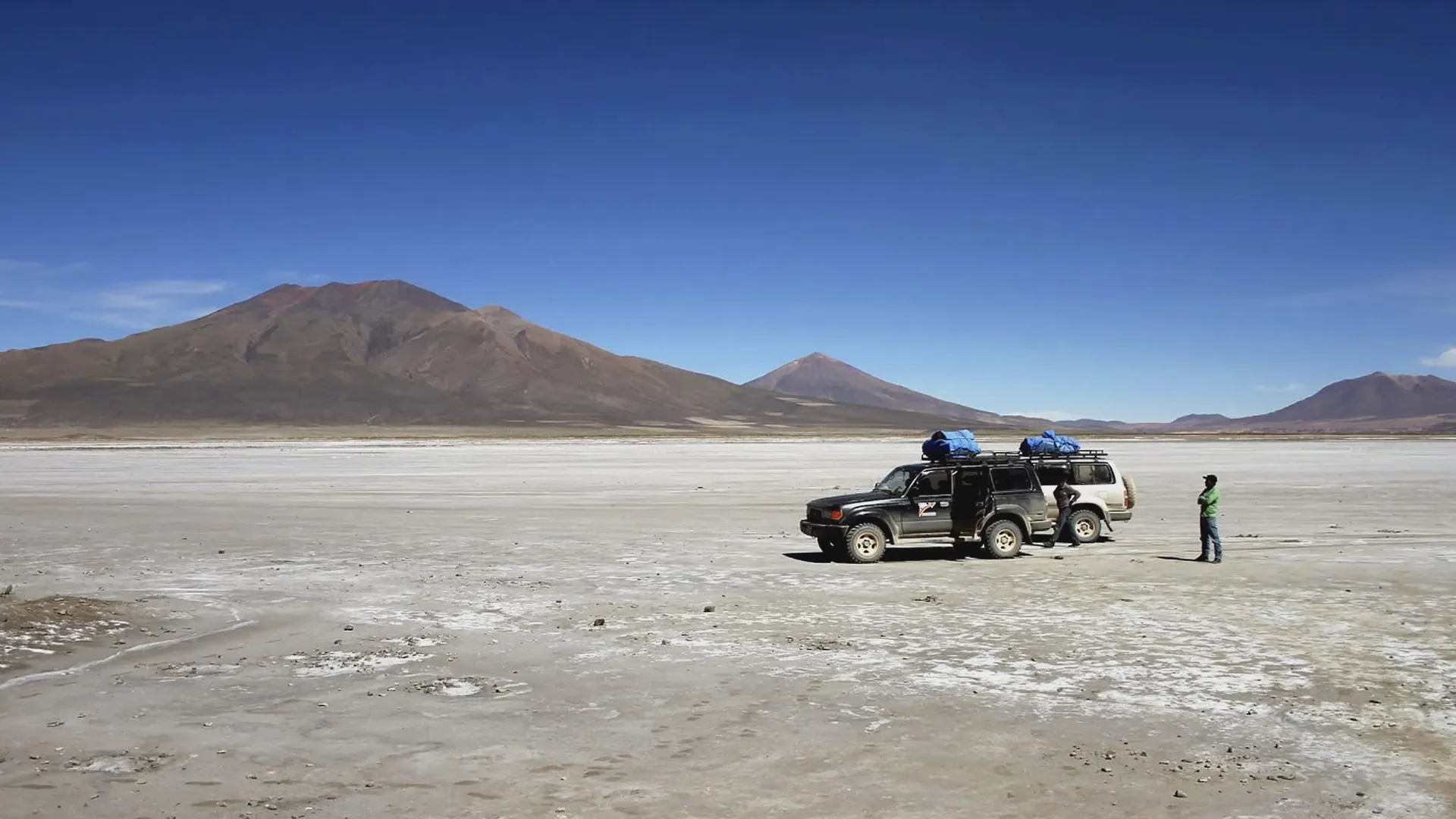
- From San Pedro de Atacama or Calama (Chile): You can cross into Bolivia via the Hito Cajón border. Chilean vans transfer passengers to the border post, where you complete immigration formalities and switch to a Bolivian 4x4 with a local driver-guide, as standard tourist transport cannot cross vehicle borders.
- From Tupiza (Bolivia): A popular alternative for 4-day circuits that approach the Eduardo Avaroa Reserve first, visiting the salt flat on the final day, typically with fewer crowds along the route.
Can I finish the tour in a different location from where I started?
Yes. Multi-day tours frequently operate as one-way transit routes:
- Uyuni to San Pedro de Atacama: Depart Uyuni, tour through the reserve, and conclude with drop-off at the Chilean border/San Pedro de Atacama.
- San Pedro de Atacama to Uyuni: Depart Chile, traverse the southwest circuit, and end in Uyuni town.
- Round-trip (Uyuni to Uyuni): Covers the entire circuit and returns to your starting point on day 3 or 4.
Is it mandatory to book a tour, or can I visit independently?
While independent self-driving is technically permitted by law, booking an experienced local operator is strongly recommended:
- Navigation: The salt flat has virtually zero landmarks, road signs, or cellular coverage. GPS can fail, and whiteouts make spatial orientation exceptionally difficult.
- Vehicle Hazards: Untreated salt brine rapidly corrodes electrical systems and brakes. In the wet season, deep salt crust fractures and water pockets swallow non-adapted vehicles.
- Logistics: Multi-day routes through the Eduardo Avaroa Reserve lack commercial gas stations and public lodging checkpoints. Licensed operators travel in convoys with mechanical spares, emergency fuel, and high-clearance 4x4s.
What are the risks of altitude sickness (soroche)?
The Salar de Uyuni rests at 3,656 meters (11,995 feet) above sea level. On standard 3-day and 4-day routes through southwestern Bolivia, you will climb even higher:
- Polques Hot Springs & Desert: ~4,200 m to 4,400 m
- Sol de Mañana Geysers: ~4,850 m to 4,950 m (nearly 16,000 feet)
Acclimatization Tips:
- Spend at least 48 hours at high altitude (e.g., in La Paz, Sucre, Potosí, or San Pedro de Atacama) before embarking on the tour.
- Drink plenty of water and avoid heavy meals, alcohol, and tobacco on your first 48 hours.
- Carry altitude medication (such as Acetazolamide/Diamox, after consulting a physician) or local herbal remedies such as mate de coca (coca tea) or sorojchi pills.
When is the best time to visit?
| Season | Months | Landscape & Conditions | Temperatures | ||
|---|---|---|---|---|---|
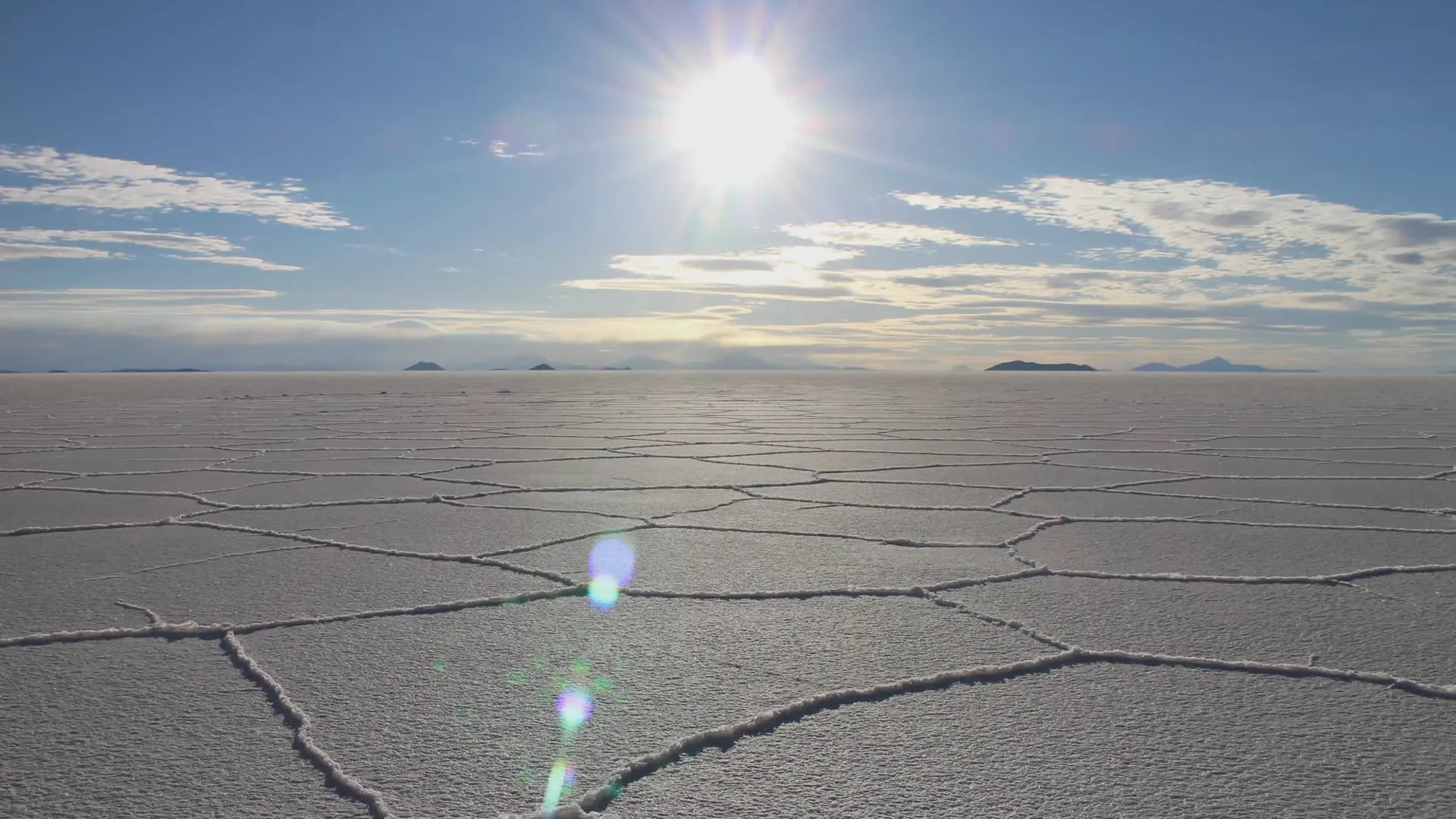
| Dry Season | May – November | Endless, bone-dry white salt crust forming geometric hexagonal patterns. Crisp blue skies; optimal conditions for forced-perspective photography. All areas (including Incahuasi Island) are accessible. | Day: 12°C to 18°C | Night: -5°C to -15°C (June–July are freezing) | |
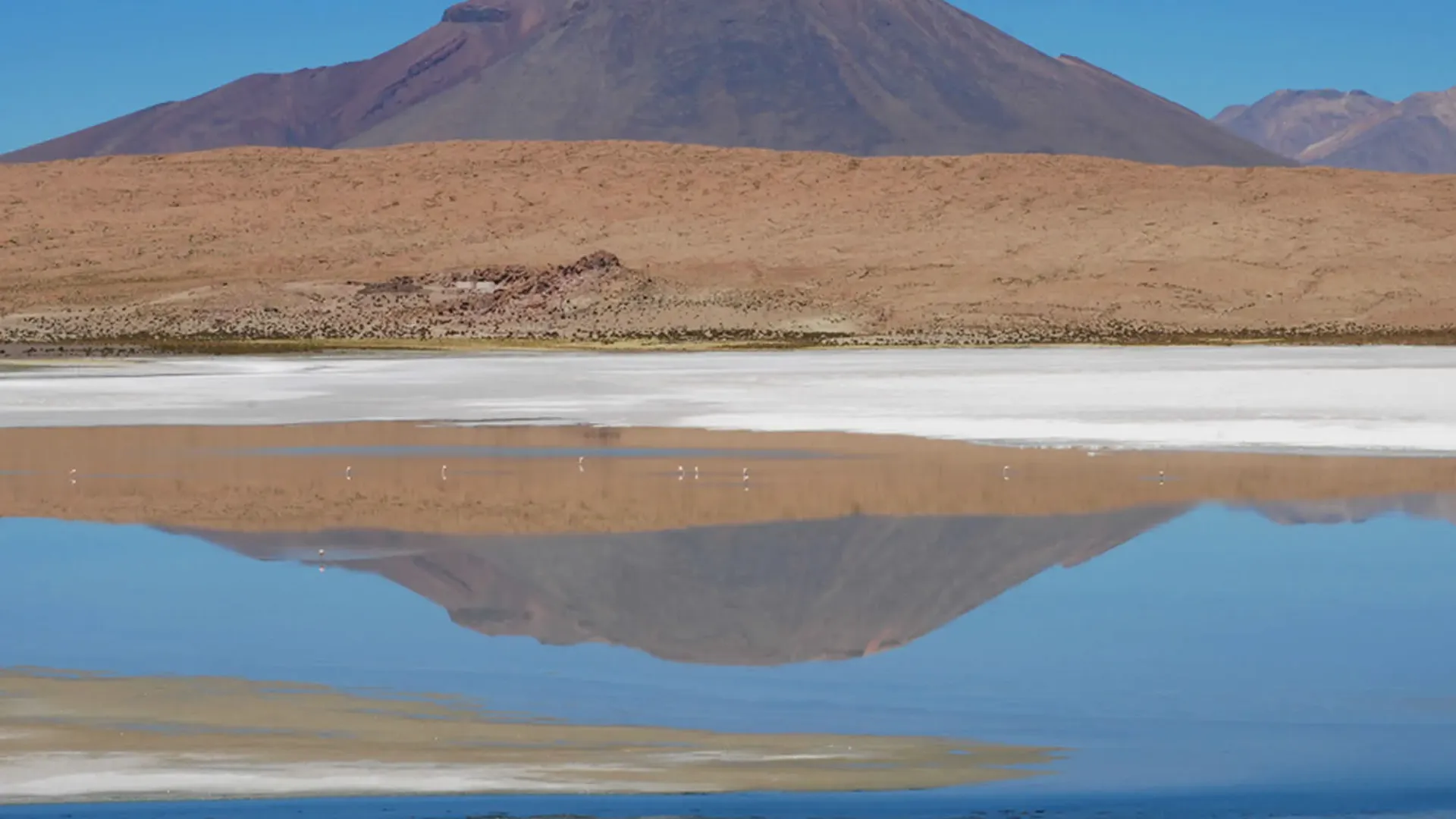
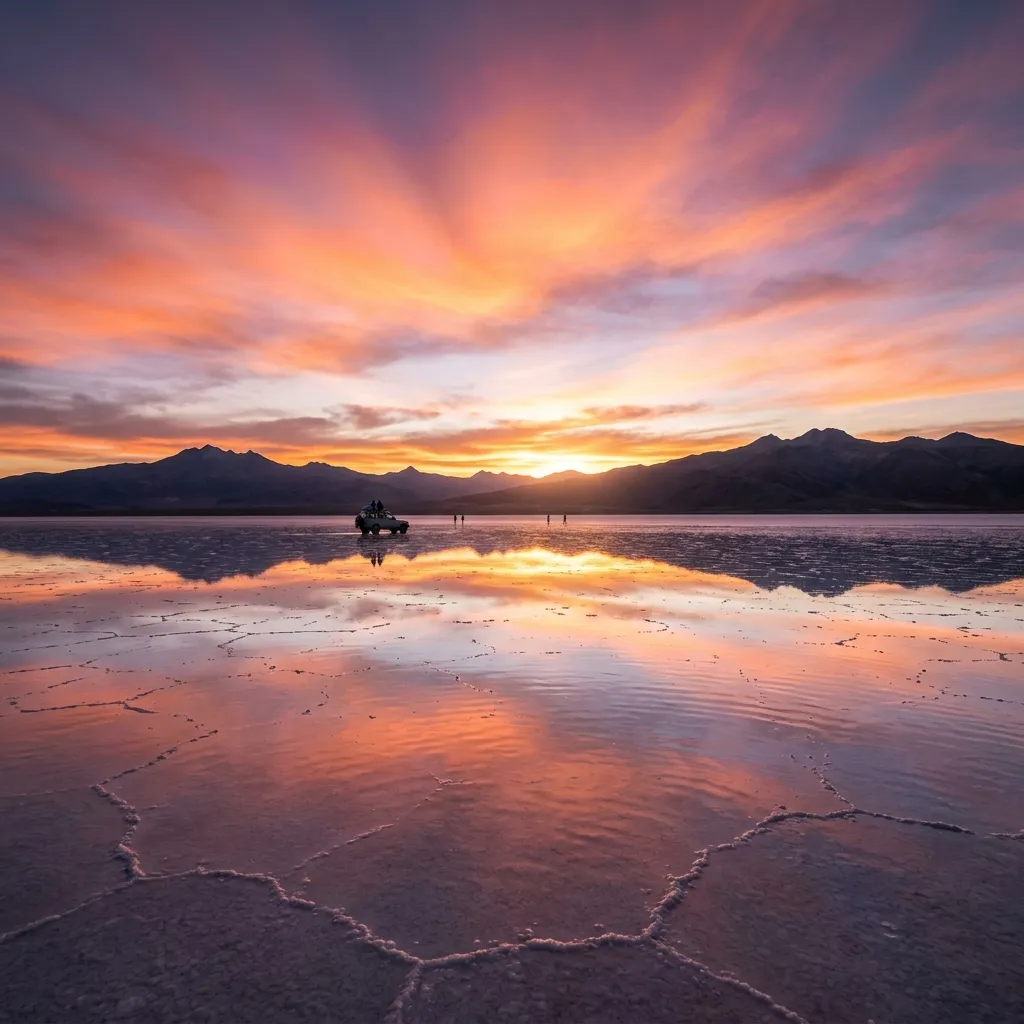
| Rainy Season | December – April | A thin layer of standing water creates the world-famous mirror effect, reflecting the sky seamlessly. Surreal sunsets and starlight reflections. Heavy rains may restrict vehicular access to the deep interior. | Day: 14°C to 19°C | Night: 2°C to 7°C |
What happens if it rains heavily?
During peak flooding, water dissolves soft salt margins, creating hidden mud traps. When water levels exceed safe vehicle clearance, access to Incahuasi Island and Isla del Pescado is suspended. In these cases, operators navigate along safe perimeter zones so you can still witness and photograph the mirror effect without risk of submersion.
Do I need a visa to enter Bolivia?
Bolivia categorizes foreign nationalities into three tiers:
- Group I (Visa-Free): Most European Union nations, the United Kingdom, Canada, Australia, New Zealand, Japan, and most South American countries do not require an entry visa for stays up to 30 days (extendable up to 90 days).
- Group II (Visa on Arrival / Advance Visa): Requires a tourist visa obtained online, at a consulate, or directly at land/airport border controls (approx. $30–$100 USD depending on bilateral reciprocity).
- Group III (Prior Approval Required): Specific nationalities must apply in advance through a Bolivian embassy or consulate.
- United States Citizens: Require an entry visa (costing $160 USD, valid for 10 years). You must present:
- A passport valid for at least 6 months.
- Hotel reservation or letter of invitation.
- Return ticket or proof of onward travel.
- Bank statement/proof of economic solvency.
- 2 passport-sized photos.
Note: Always verify current bilateral visa requirements with official consulate channels prior to arrival.
Do I need vaccinations?
- Salar de Uyuni & Altiplano: No mandatory vaccinations are required. The extreme elevation and cold climate prevent mosquito-borne vectors.
- Amazon Basin / Lowlands: If your itinerary continues to the Bolivian lowlands (Rurrenabaque, Madidi National Park, Santa Cruz, or the Yungas), a Yellow Fever vaccine is recommended and may be inspected at transit checkpoints.
Entrance Fees & Cash Requirements
National park and community site entrance fees are never included in tour packages. You must pay these in cash on-site using local currency (Bolivian Bolivianos / BOB). Foreign currency and credit cards are strictly not accepted.
| Attraction | Fee (Per Person) | Notes |
|---|---|---|
| Eduardo Avaroa Reserve (REA) | 150 BOB (~$22 USD) | Covers Laguna Colorada, Sol de Mañana, etc. |
| Incahuasi Island | 30 BOB (~$4.50 USD) | Maintained by the local community; dry season only |
| Polques Hot Springs | 6 BOB (~$1 USD) | Maintenance and facility fee |
| San Pedro Border Transfer Tax | 15–20 BOB (~$2–$3 USD) | Municipal exit fee (if exiting Bolivia into Chile) |
| Public Restrooms along the route | 2–5 BOB each | Keep small coins ready |
Tip: Bring at least 300–400 BOB in cash per person in small denominations for park admissions, hot spring access, restrooms, and artisanal souvenirs.
Accommodation Options: Where can I stay?
Accommodation varies sharply between budget shared tours and higher-end private tours:
- Budget / Shared Tours: Include basic community-run homestays or basic salt hostels. Facilities feature shared dormitory rooms, shared unheated bathrooms, and intermittent hot water (often an extra 10–15 BOB fee). Heating and electricity can be limited to a few hours per evening. A warm sleeping bag (rated to 0°C or below) is strongly advised from May to September.
- Mid-Range / Upgraded Tours: Private rooms with en-suite private bathrooms, guaranteed hot water, and rudimentary room heaters.
- Luxury Private Tours: High-end boutique salt hotels (such as Palacio de Sal, Hotel Luna Salada, or Cristal Samaña) on the salt flat perimeter, and heated desert eco-lodges (such as Hotel Tayka del Desierto in Ojo de Perdiz) offering full central heating, gourmet regional dining, and panoramic vistas.
What should I see? Top Highlights of the 3–4 Day Circuit
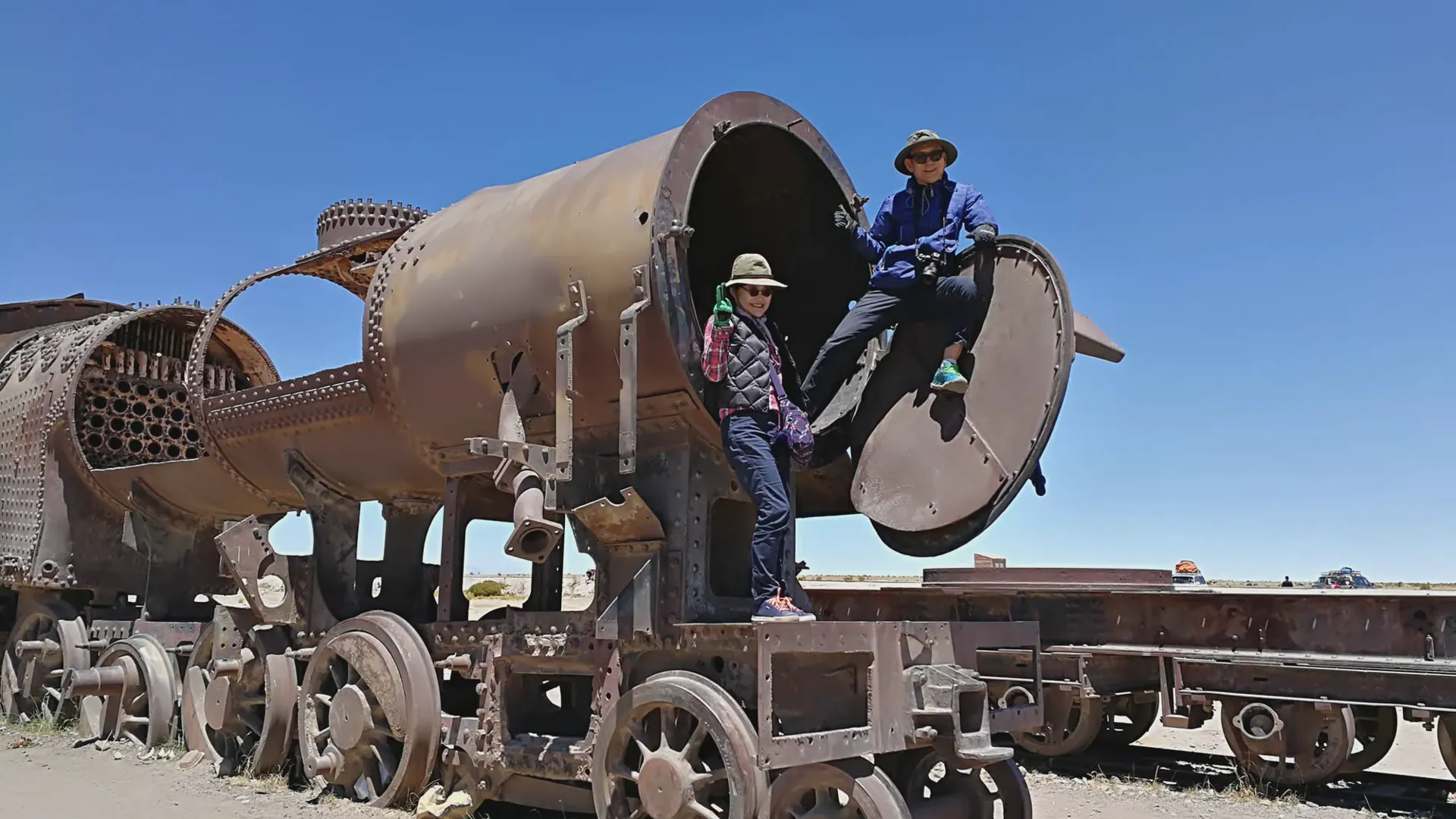
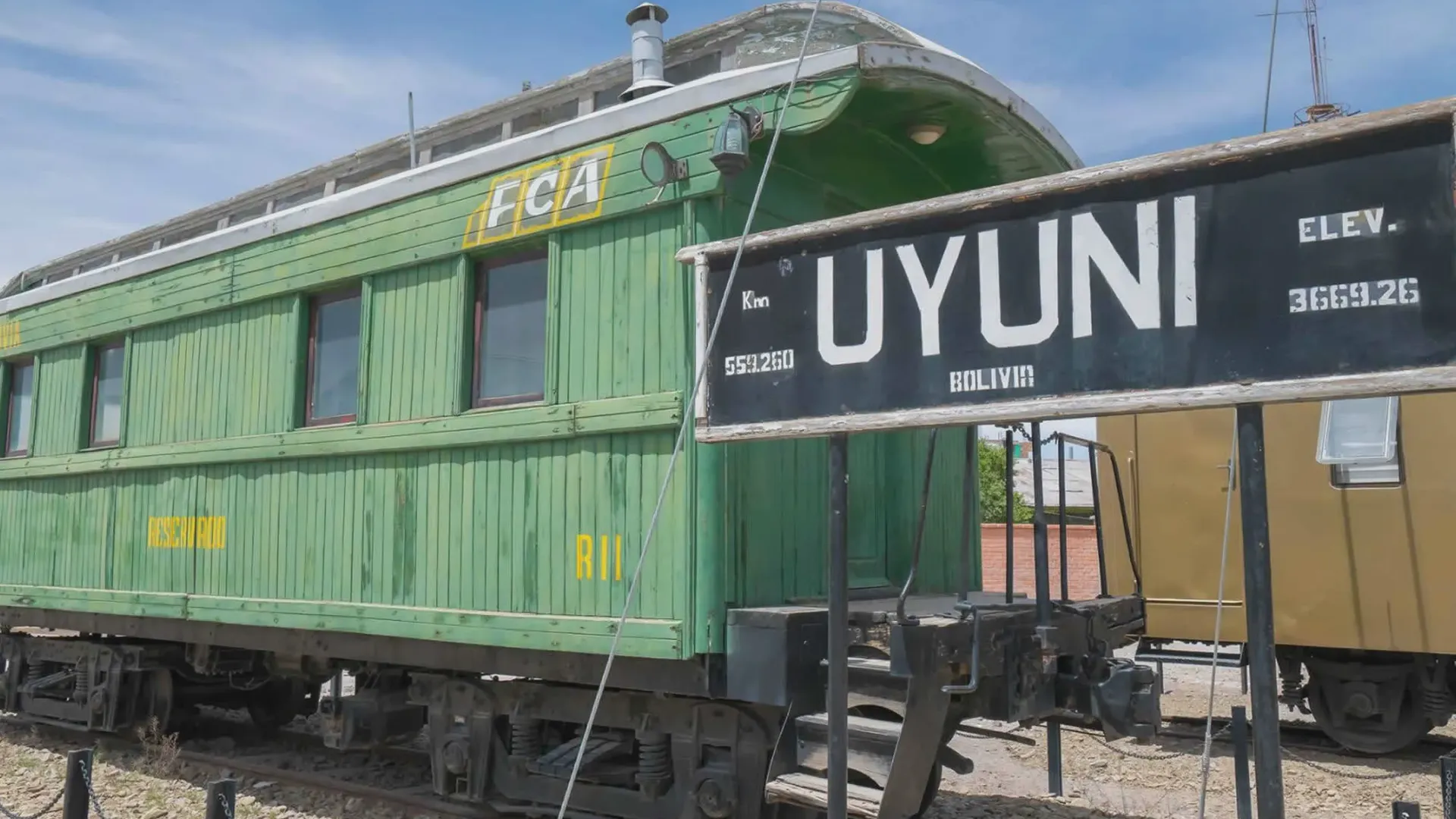
- Train Cemetery (Cementerio de Trenes): A rustic collection of abandoned 19th- and early 20th-century steam locomotives sitting just outside Uyuni.
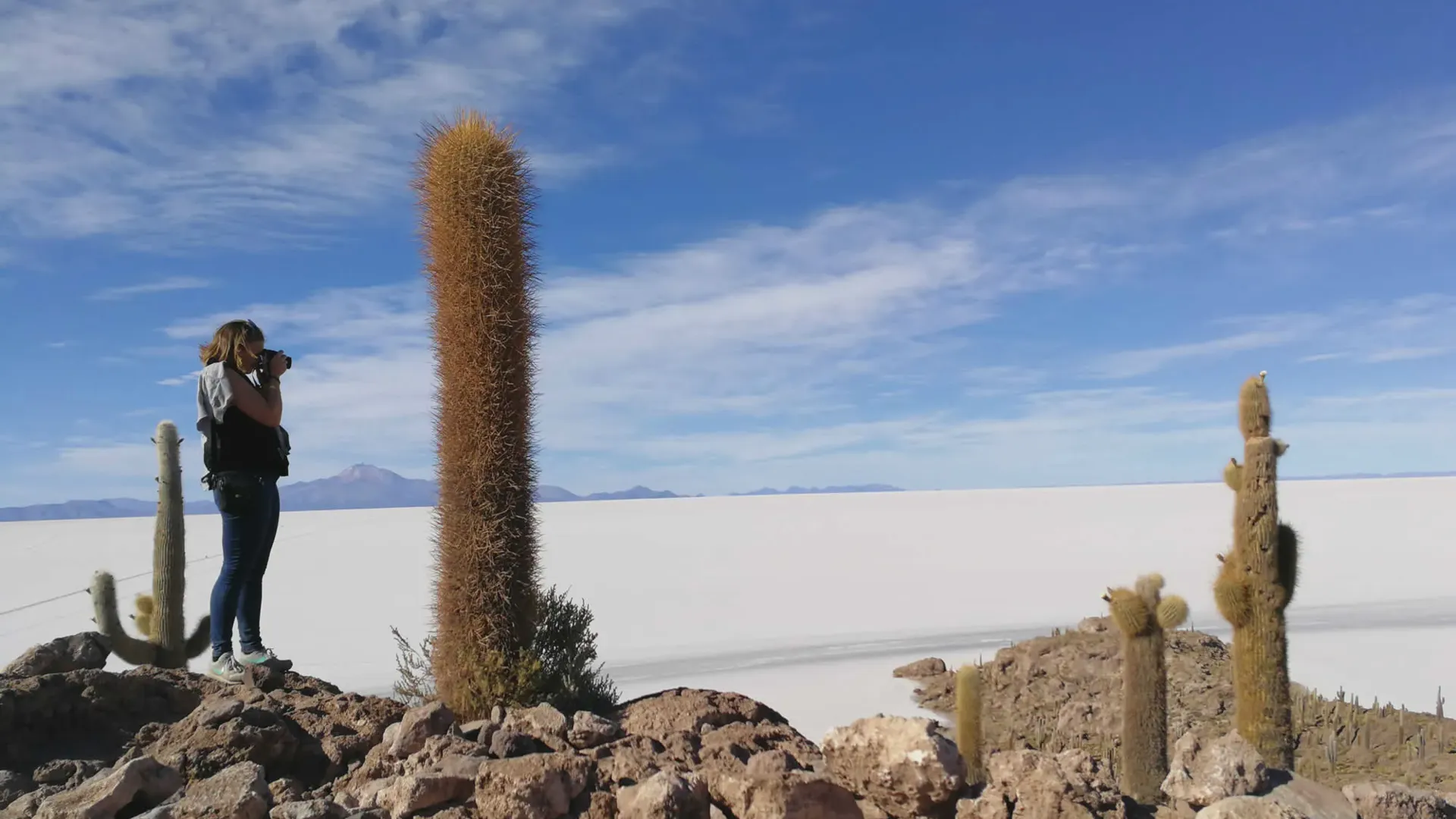
- Incahuasi Island: An ancient coral formation in the middle of the salt desert covered in giant columnar cacti, some over 1,000 years old.
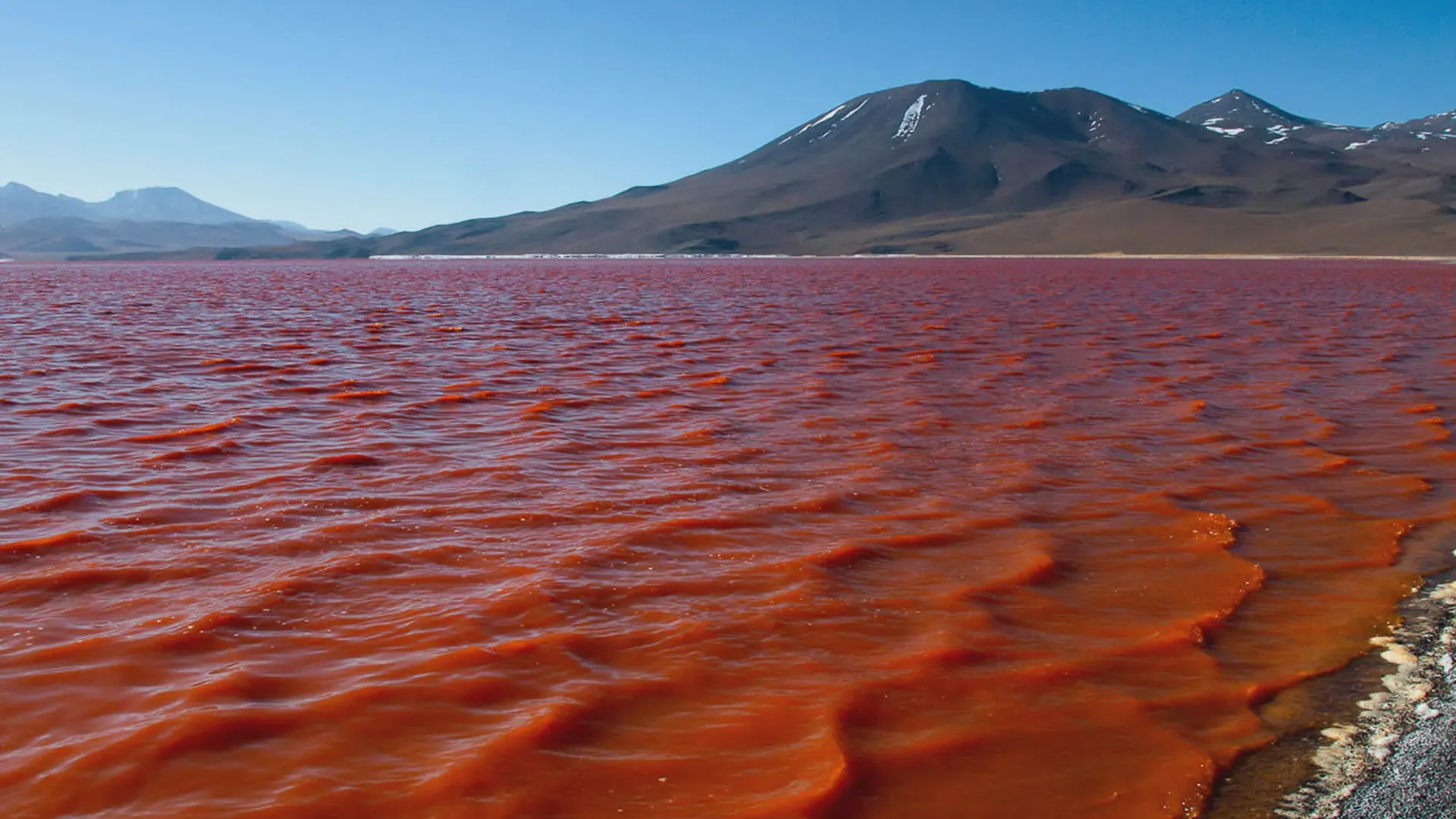
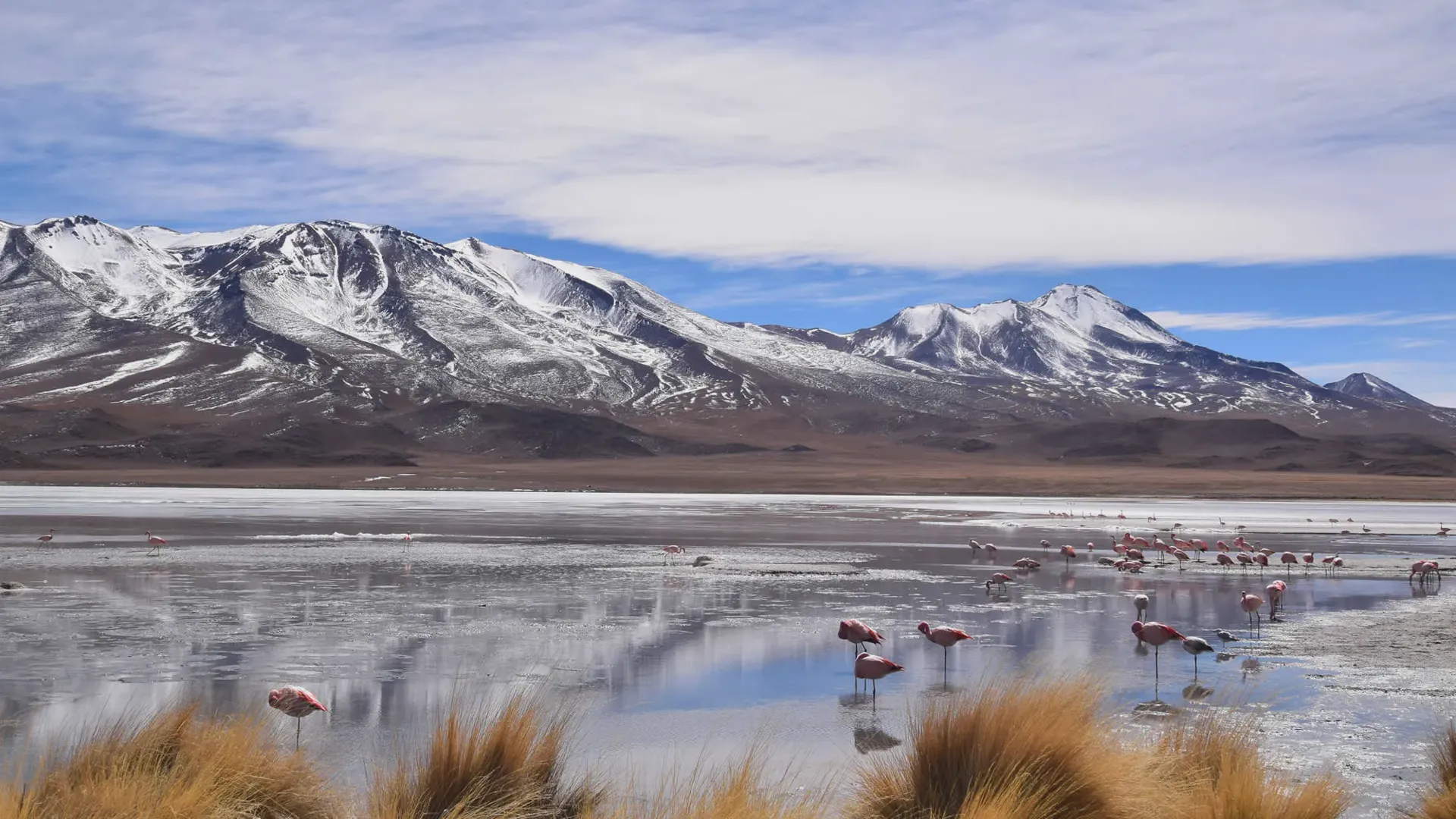
- Laguna Colorada (Red Lagoon): A shallow salt lake tinted crimson by red algae and sediment, home to thousands of James’s, Andean, and Chilean flamingos.
- Sol de Mañana Geysers: A geothermal field at nearly 4,900 meters elevation featuring boiling mud pots, sulfur vents, and pressurized steam fumaroles.
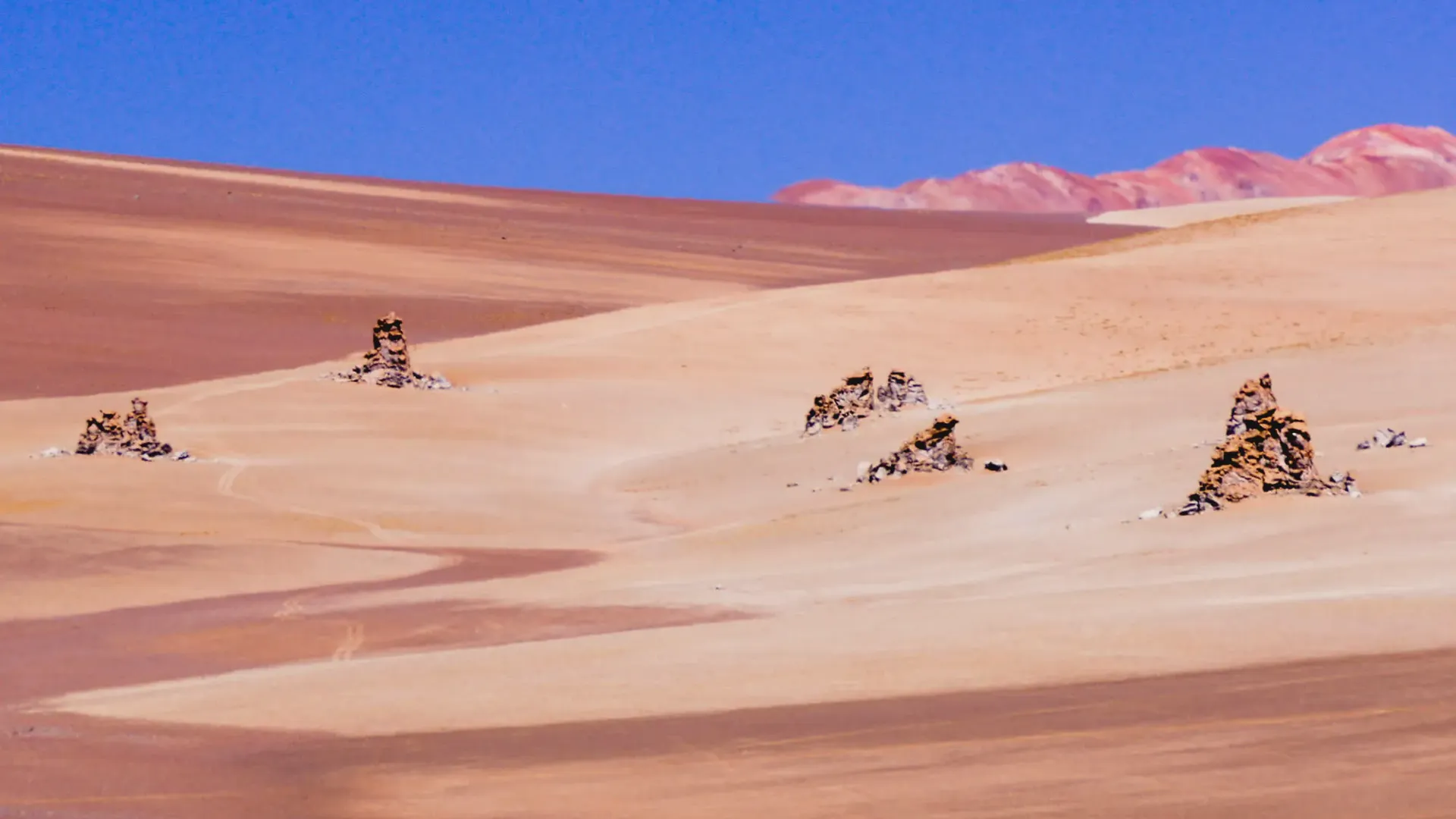
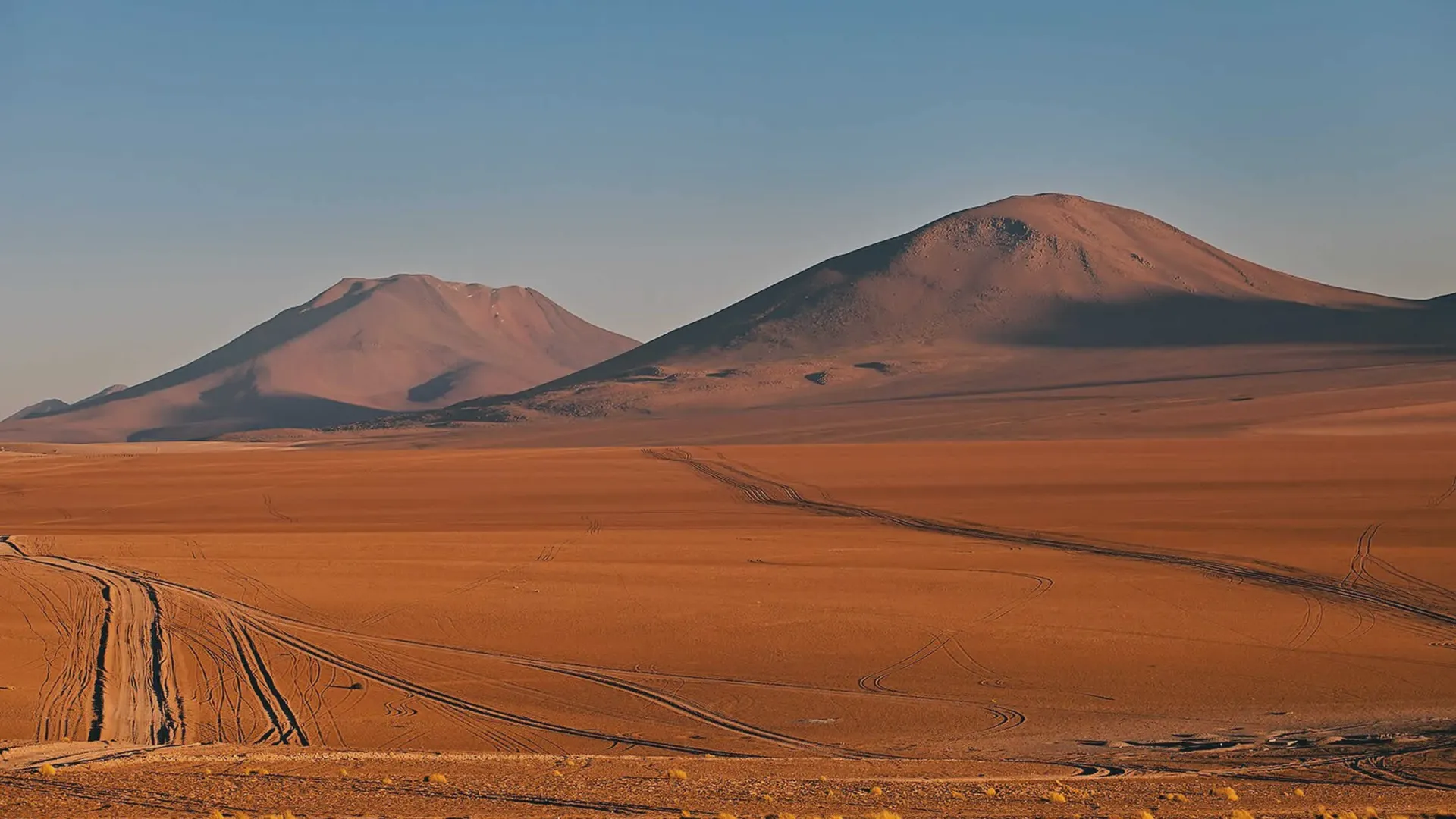
- Dalí Desert (Desierto de Salvador Dalí): A windswept, barren landscape whose ochre tones and sculpted rocks resemble paintings by the surrealist master.
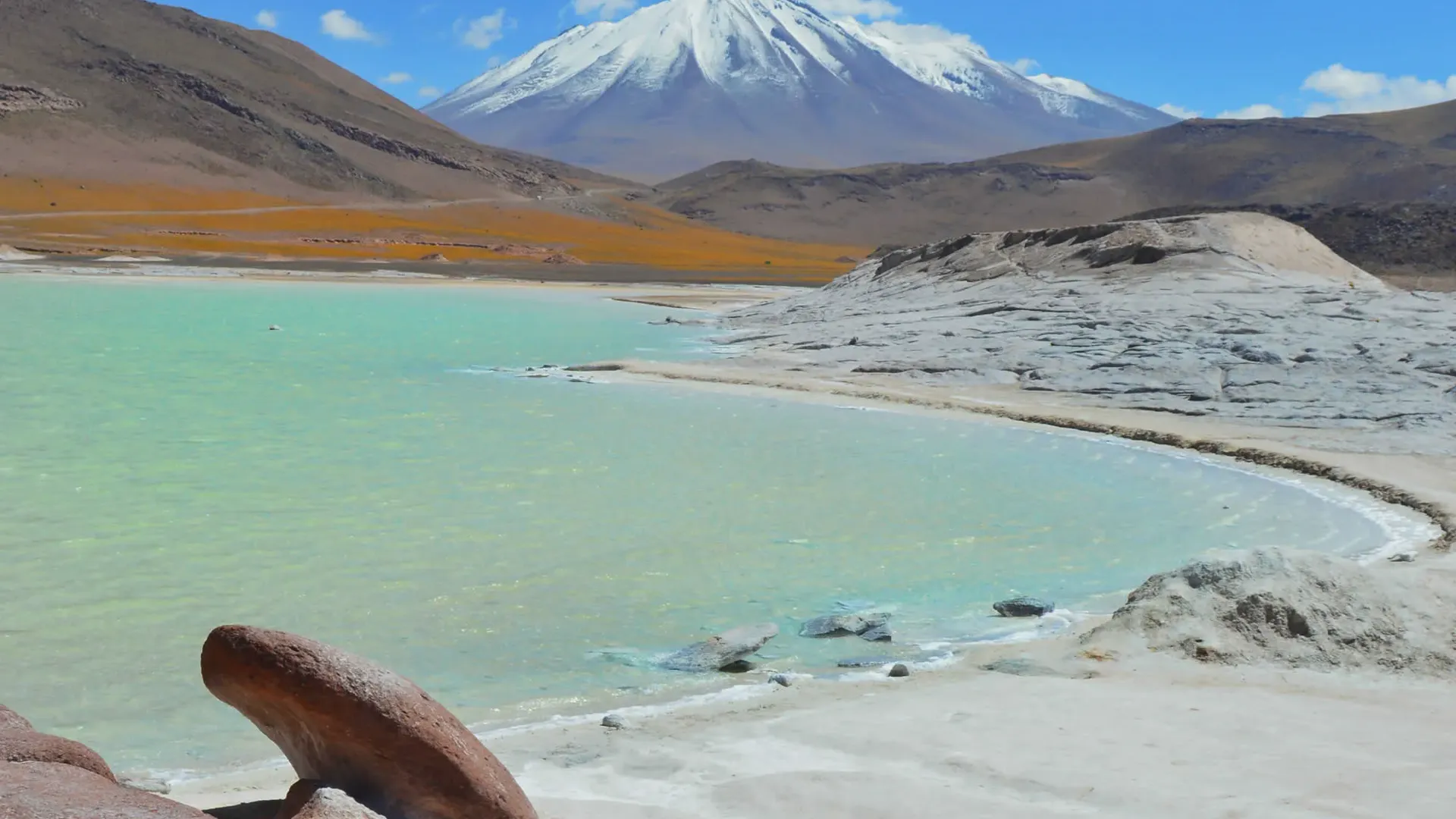
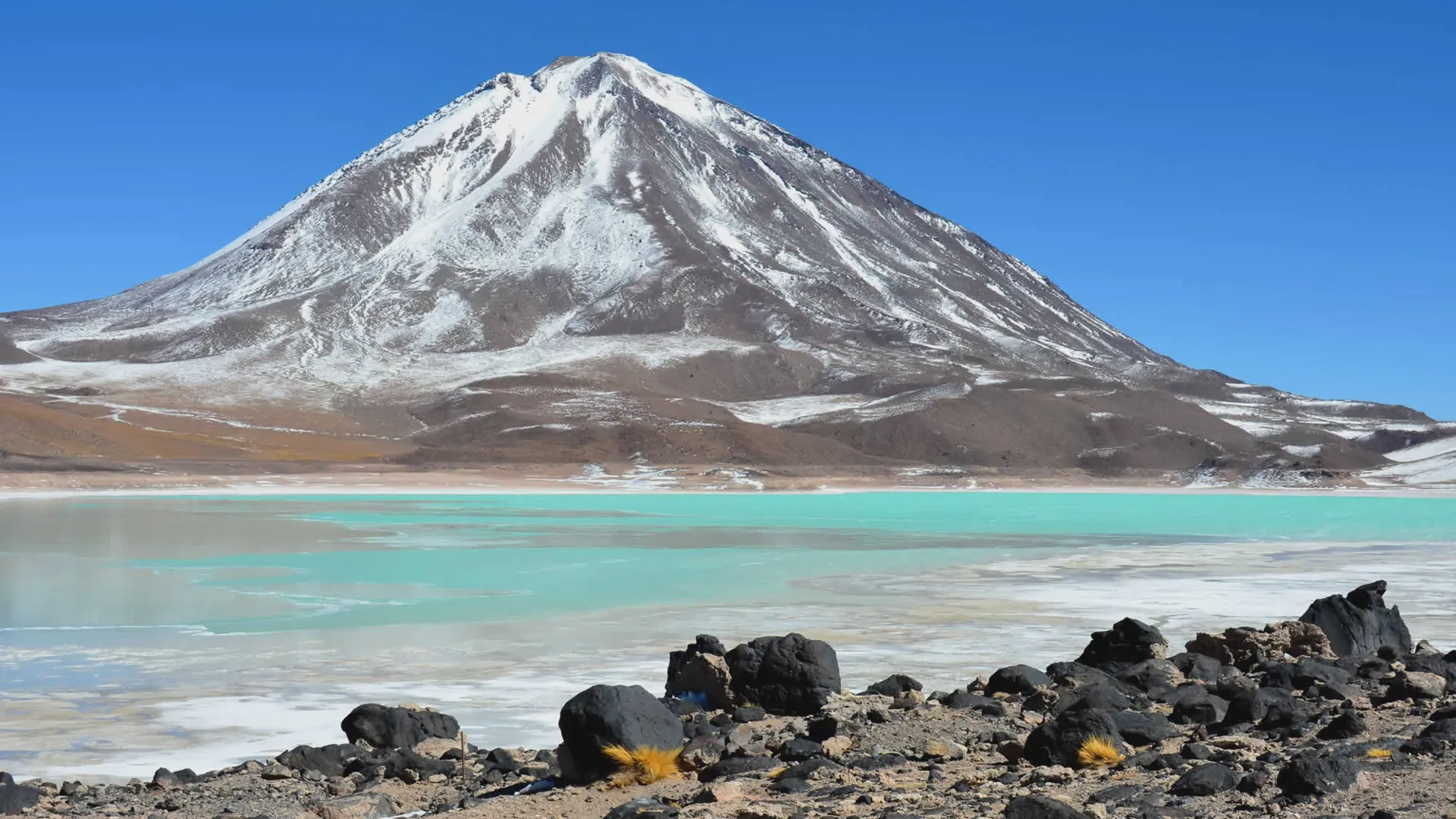
- Laguna Verde & Licancabur Volcano: A turquoise-green mineral lake resting beneath the conical Licancabur Volcano along the Chilean frontier.
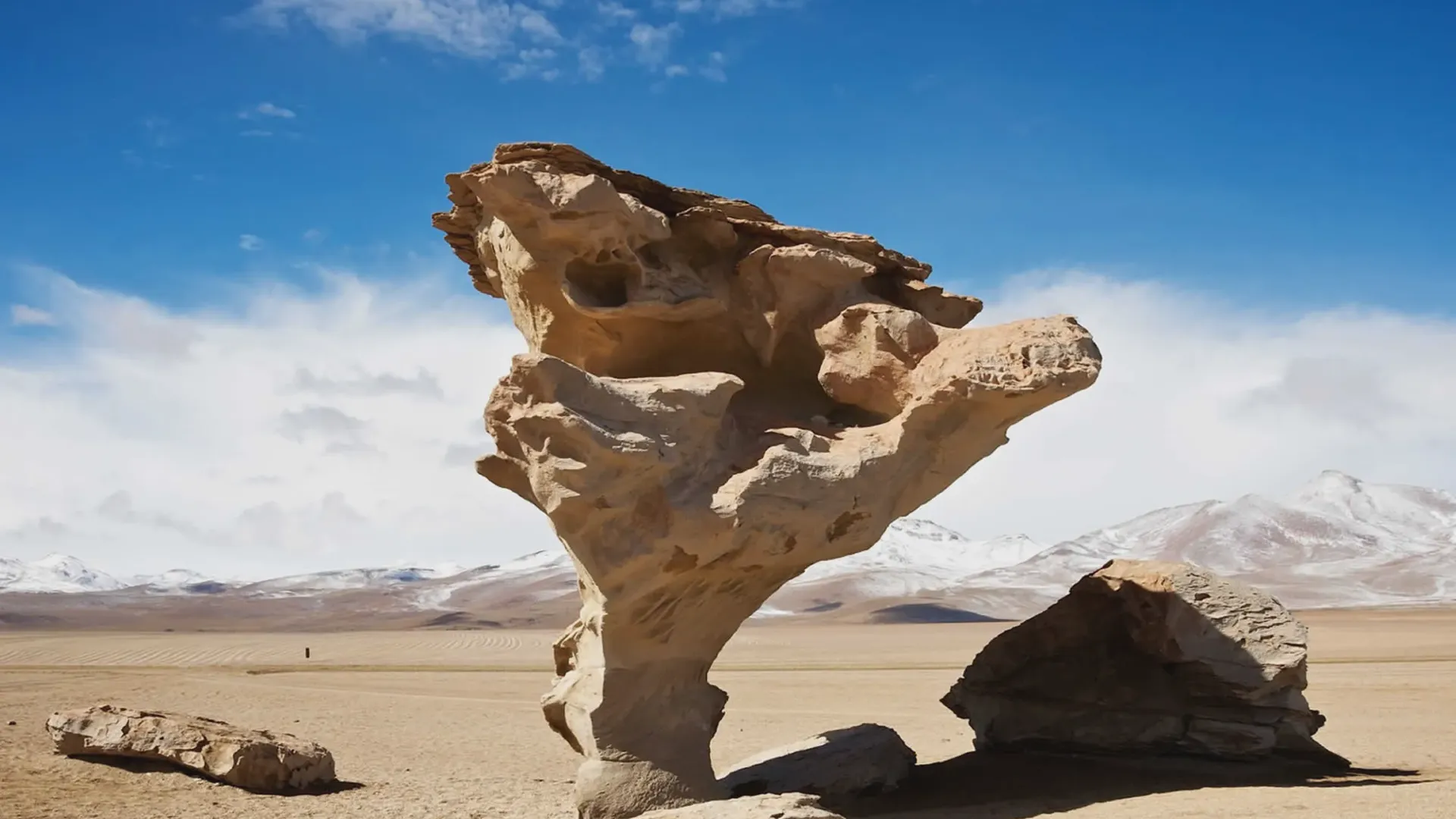
- Arbol de Piedra (Stone Tree): An isolated volcanic rock formation shaped like a tree by centuries of wind and sand erosion in the Siloli Desert.
Packing Checklist: What to Bring
Clothing & Layering
- Thermal base layer: Moisture-wicking thermal tops and bottoms (merino wool or synthetic).
- Mid-layer: Fleece jacket or lightweight down sweater.
- Outer shell: Windproof and waterproof breathable jacket.
- Thermal accessories: Fleece-lined beanie/toque, thermal gloves, neck gaiter, and thick wool socks.
- Footwear: Sturdy, broken-in trekking shoes or hiking boots. (Flip-flops or waterproof sandals are helpful for wet-season walking in salty water).
Sun & Eye Protection
- High-grade sunglasses (Category 3 or 4 / UV400): Glare off the white salt flat can cause photokeratitis (snow blindness).
- Broad-spectrum sunscreen (SPF 50+) and protective lip balm.
- Wide-brim hat or cap.
Essentials & Health
- Cash (BOB): In small bills (10, 20, 50 BOB notes). No ATMs exist outside Uyuni town.
- High-capacity power bank: Sub-zero night temperatures drain phone and camera batteries rapidly.
- Headlamp or small flashlight: Crucial for power-down hours in basic desert shelters.
- Wet wipes and hand sanitizer: Running water is limited along remote desert transit points.
- Fun perspective props: Small toys, action figures, or bottles for trick-perspective photography on the salt flat.