Incahuasi Island
Attraction

Incahuasi Island

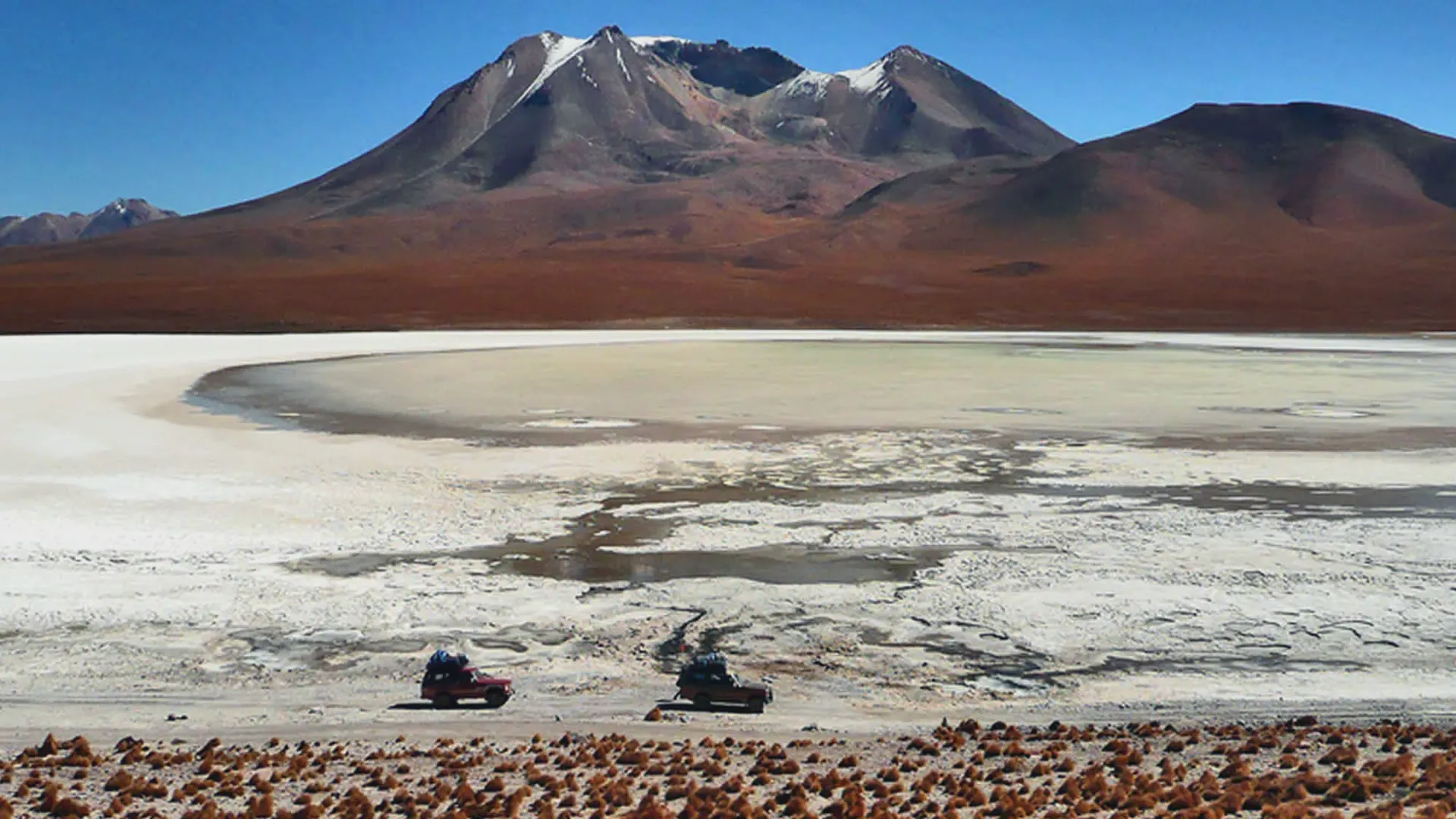
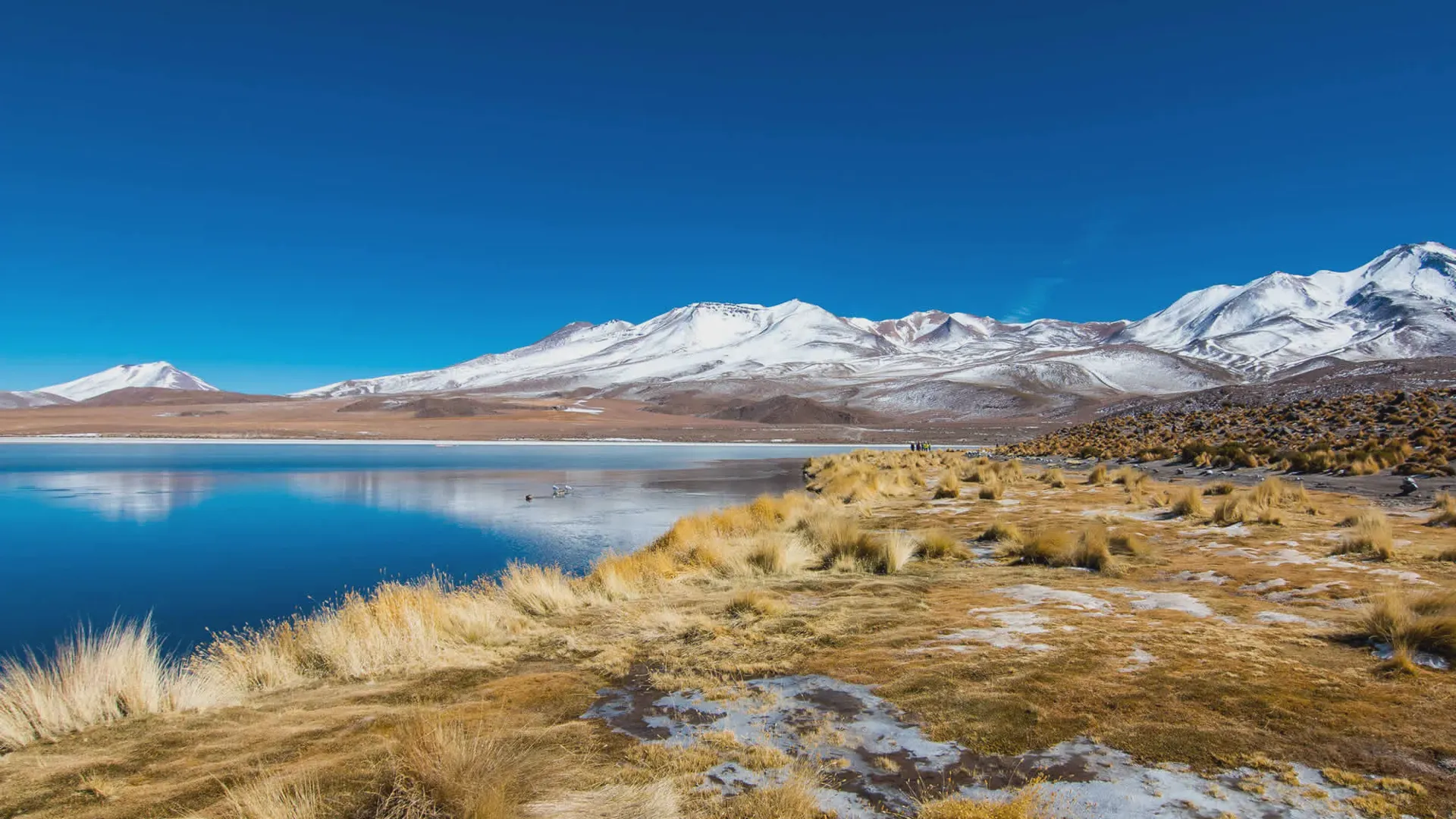
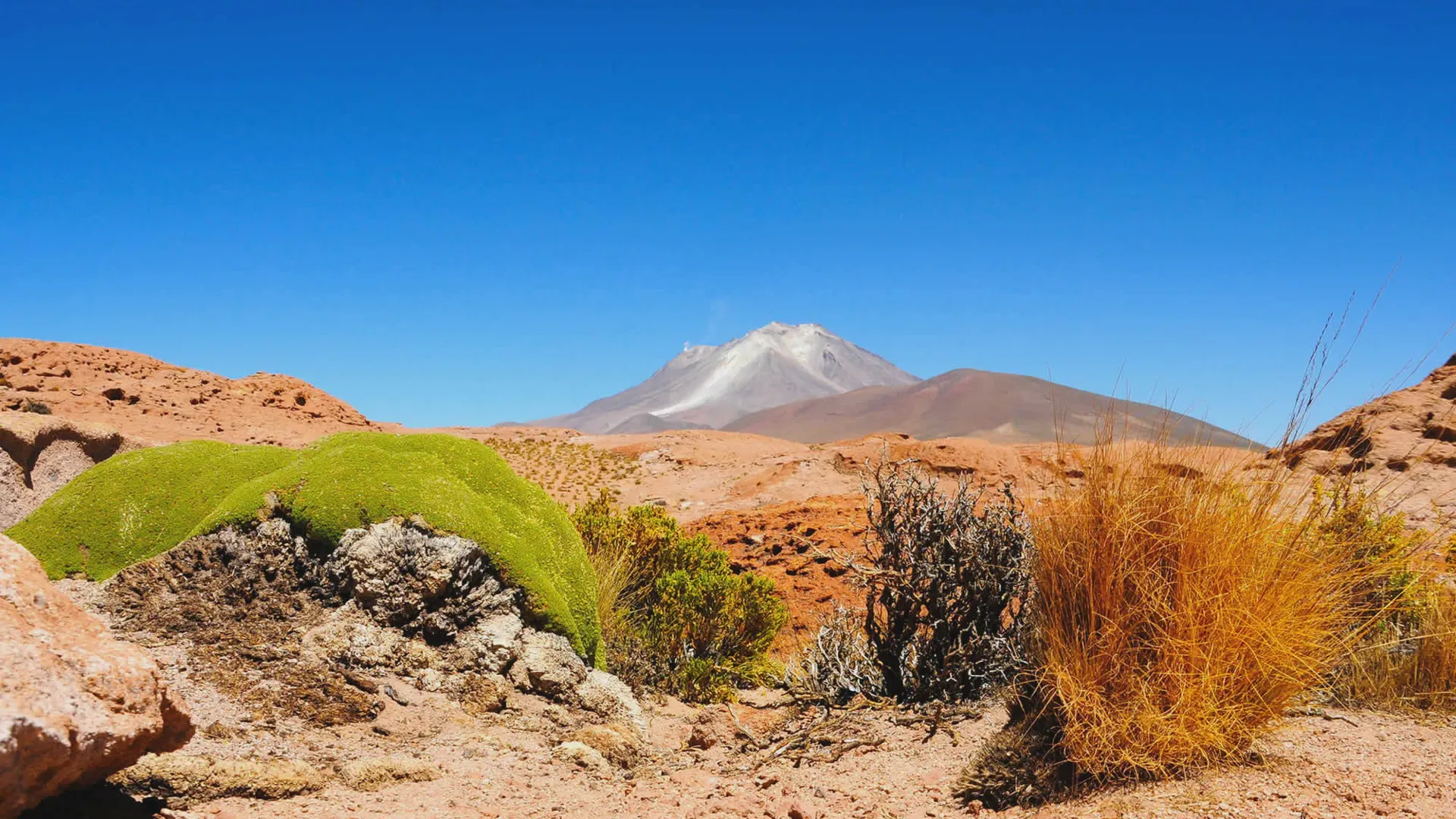
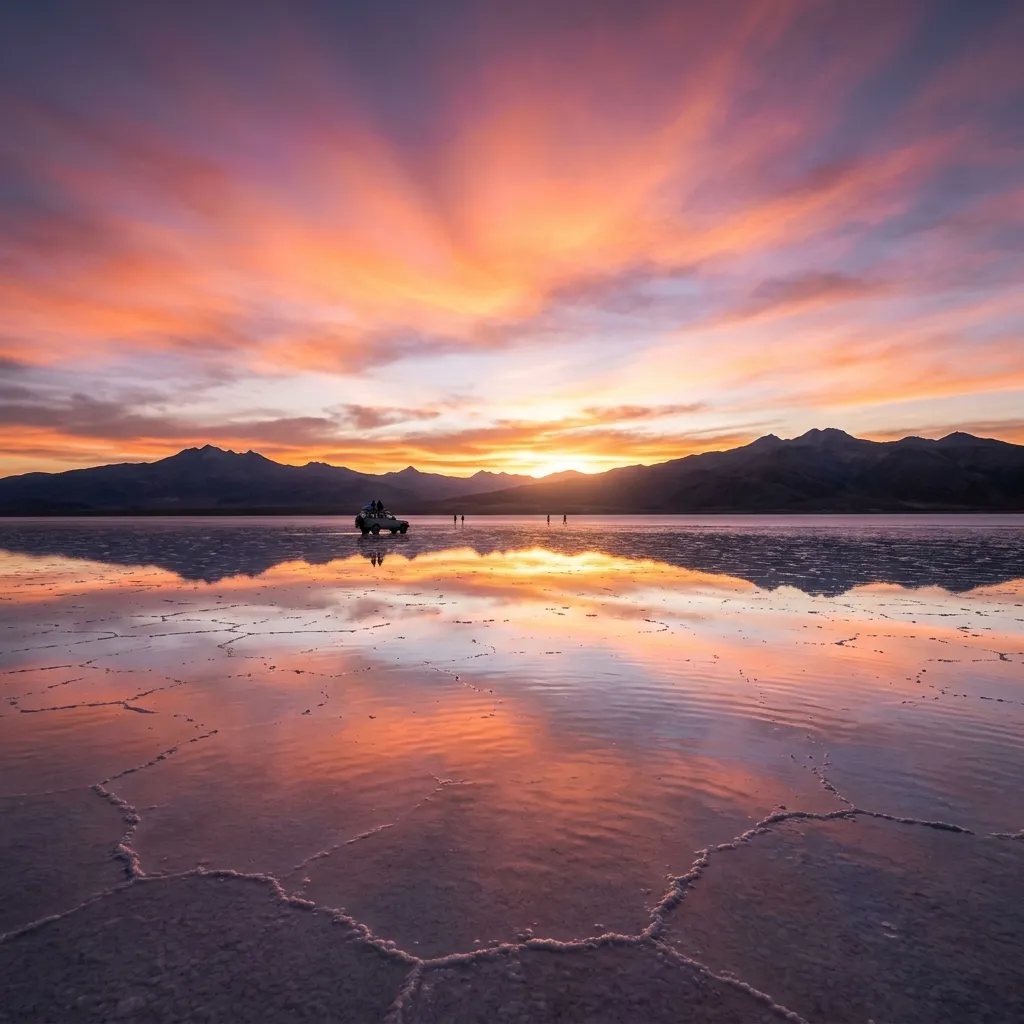
Incahuasi Island or house of the Inca is a usual stop for the tourists visiting the majestic Uyuni Salt Flat. It is part of the Llica and Tahua indigenous communities territory, located 99 kilometers to the southwest of Uyuni Town at 3822 m.a.s.l..

Updated: August 7, 2026
On this page

On this page:

At a glance

At a glance:

  • time
  • altitude

Incahuasi Island or house of the Inca is a usual stop for the tourists visiting the majestic Uyuni Salt Flat. It is part of the Llica and Tahua indigenous communities territory, located 99 kilometers to the southwest of Uyuni Town at 3822 m.a.s.l..

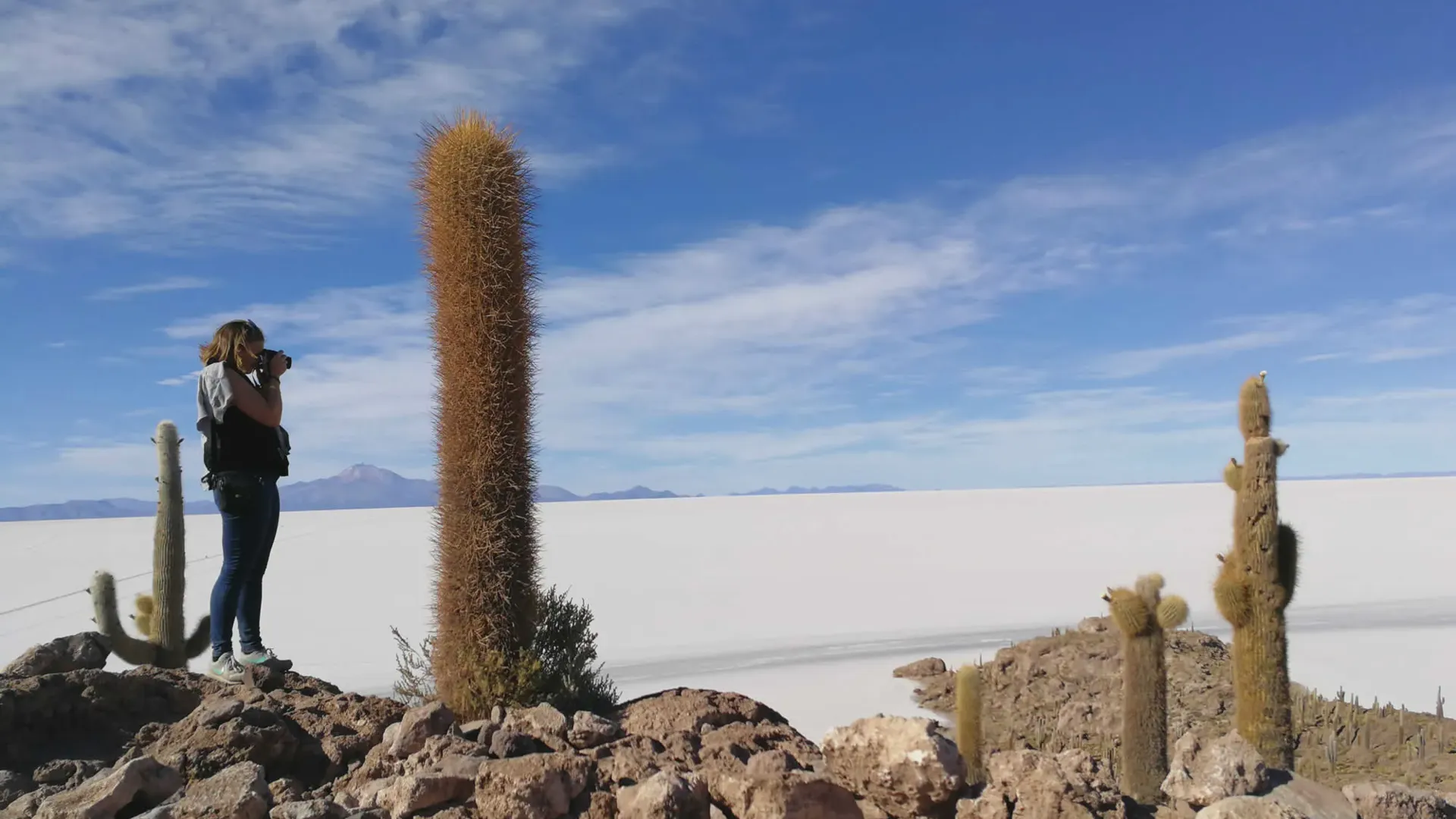
Surrounded by kilometers of salt, Incahuasi Island is situated in the center of the Salt Flat and at its highest point. This makes the island an ideal spot for the tourists to enjoy amazing 360 degree panoramic views of the Uyuni salt flat.

The Island is particularly interesting for being covered by giant cacti (Trichoreus cactus) approximately 700 years old and 10 meters high. The island offers a unique landscape in the middle of this vast white sea.

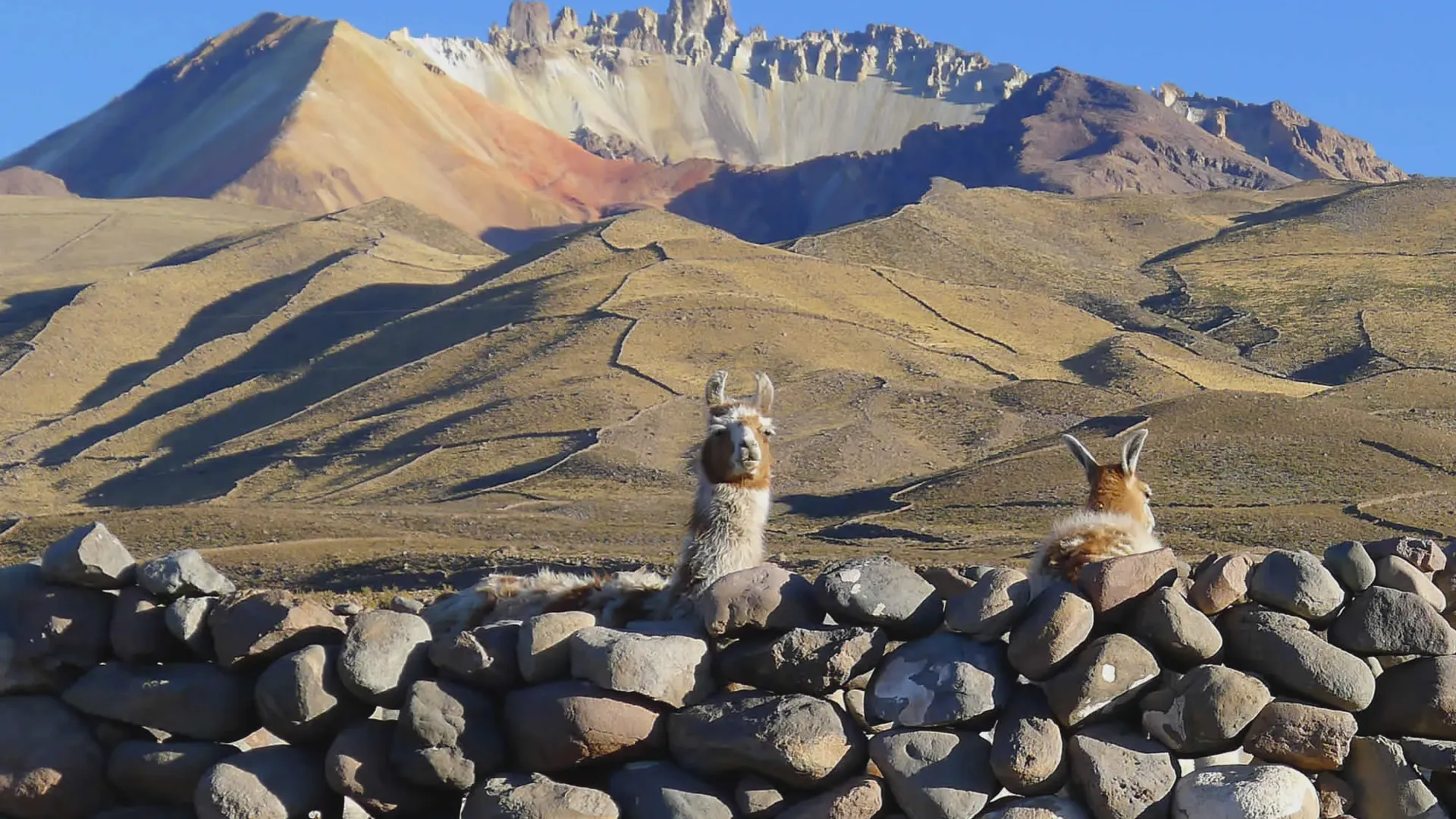
Incahuasi Island was used as a resting place for the Incas who crossed the lake with llamas loaded with goods for trade in Chile (border about 150 km to the west) and beyond.

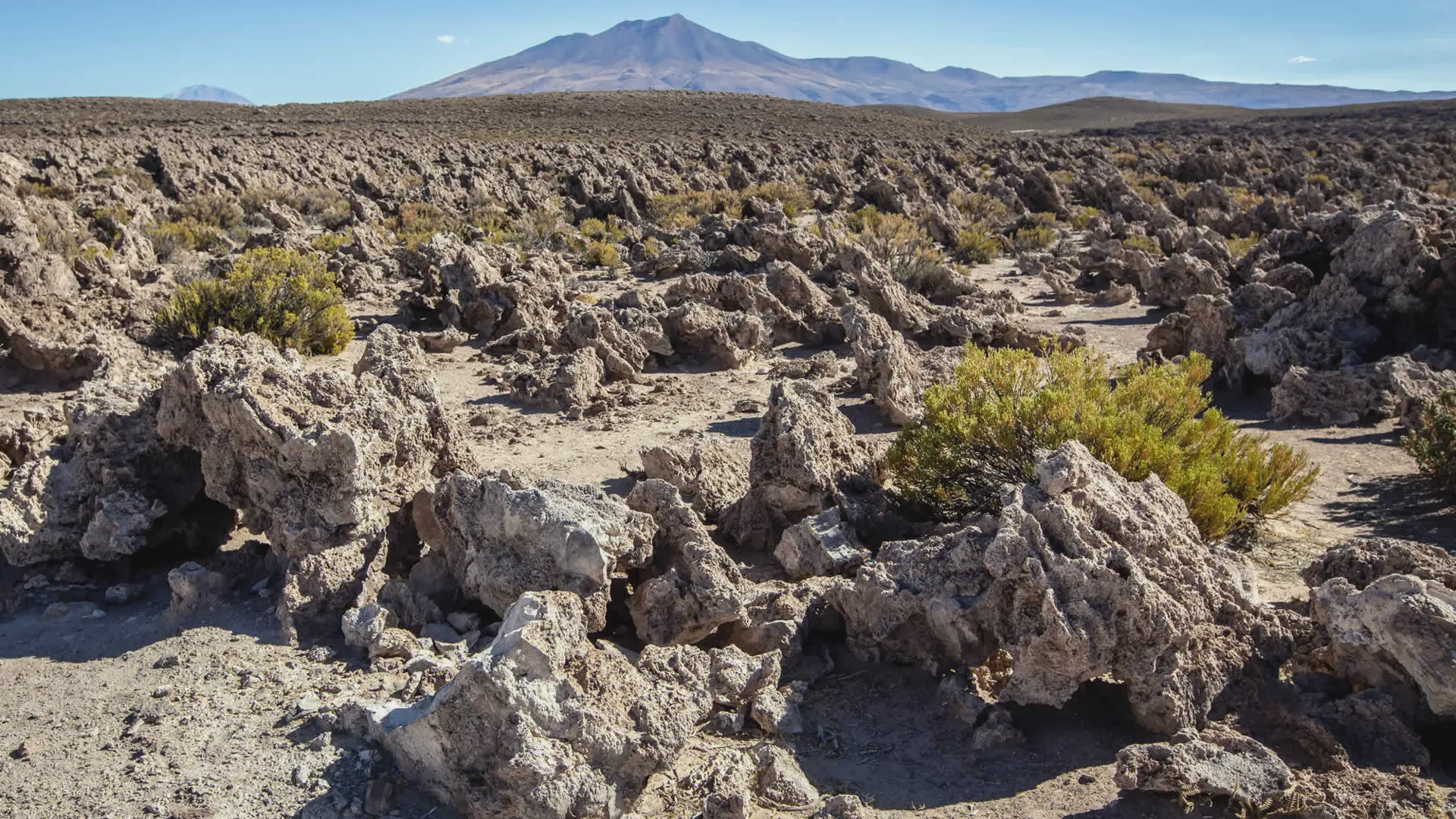
Set on the remains of a volcano, Incahuasi Island is a rocky formation of basalt and regolith that contains remains of corals and seashells: proof that the vast salt sea was once a sea full of life.

Note:

To gain access to the island tourists will need to purchase an entrance ticket (10 Bs.) on the island.
Tours Including This Destination

View All Tours →
San Pedro de Atacama - Uyuni - Calama Private Tour
3 Days
Potosi
Potosi

San Pedro de Atacama - Uyuni - Calama Private Tour

Take an exciting excursion into Bolivia from Chile and discover the wonders of the Uyuni Salt Flat and the Eduardo Avaroa Reserve!

Private Tour Majestic Uyuni Salt Flat
1 Day
Potosi
Potosi

Private Tour Majestic Uyuni Salt Flat

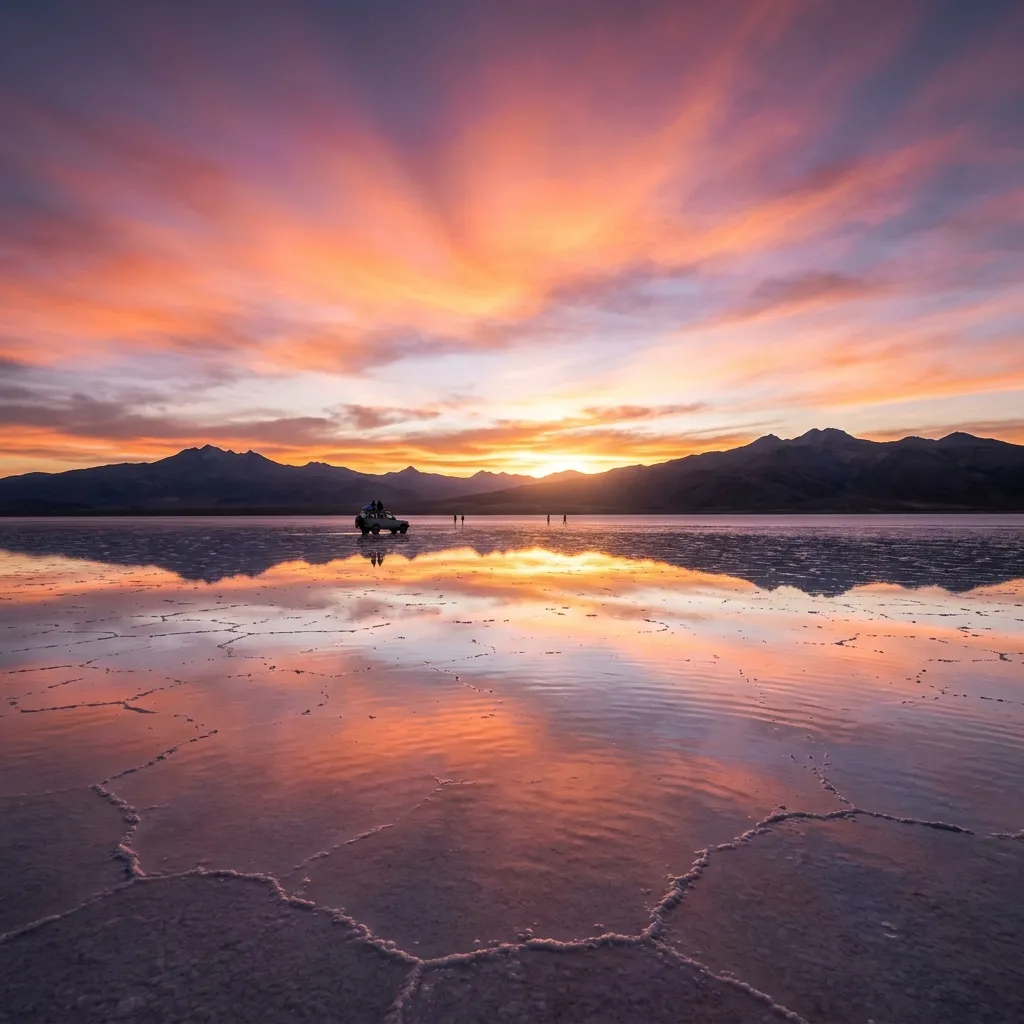
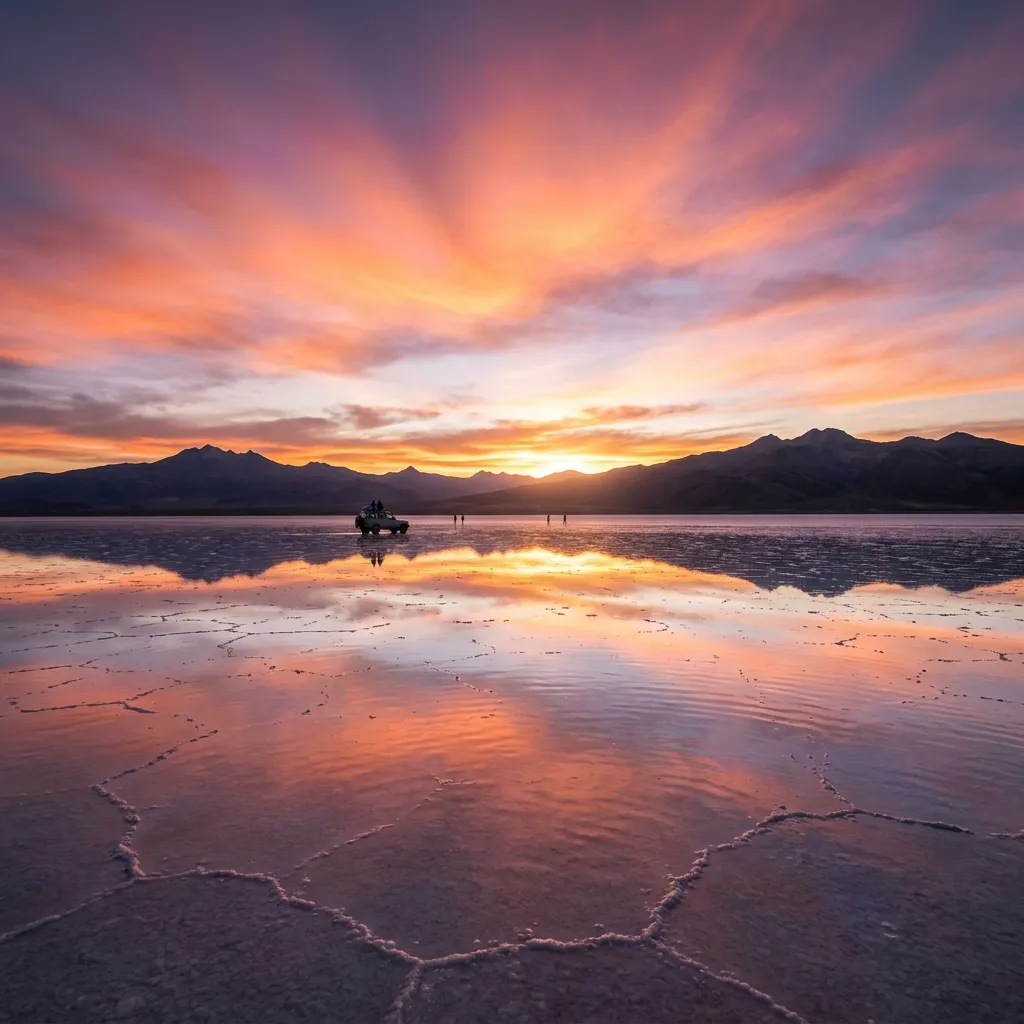
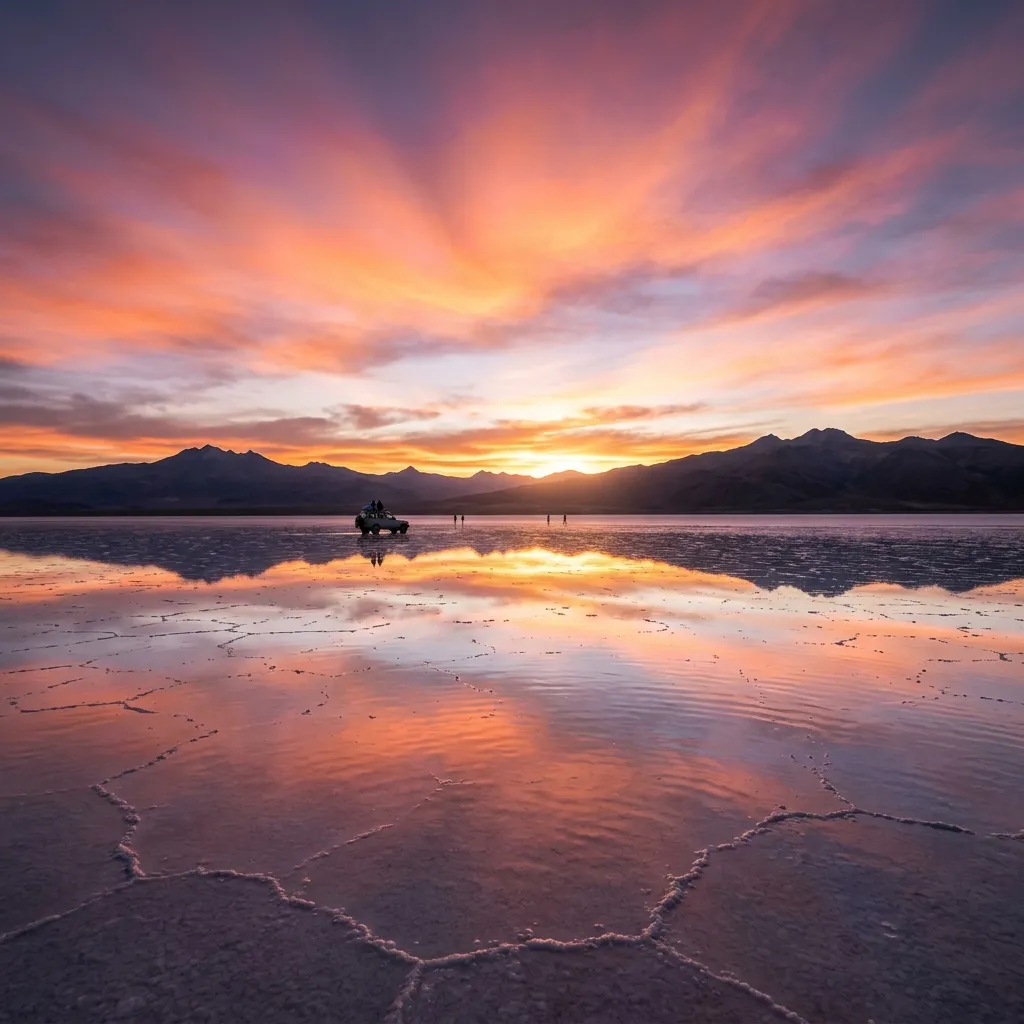
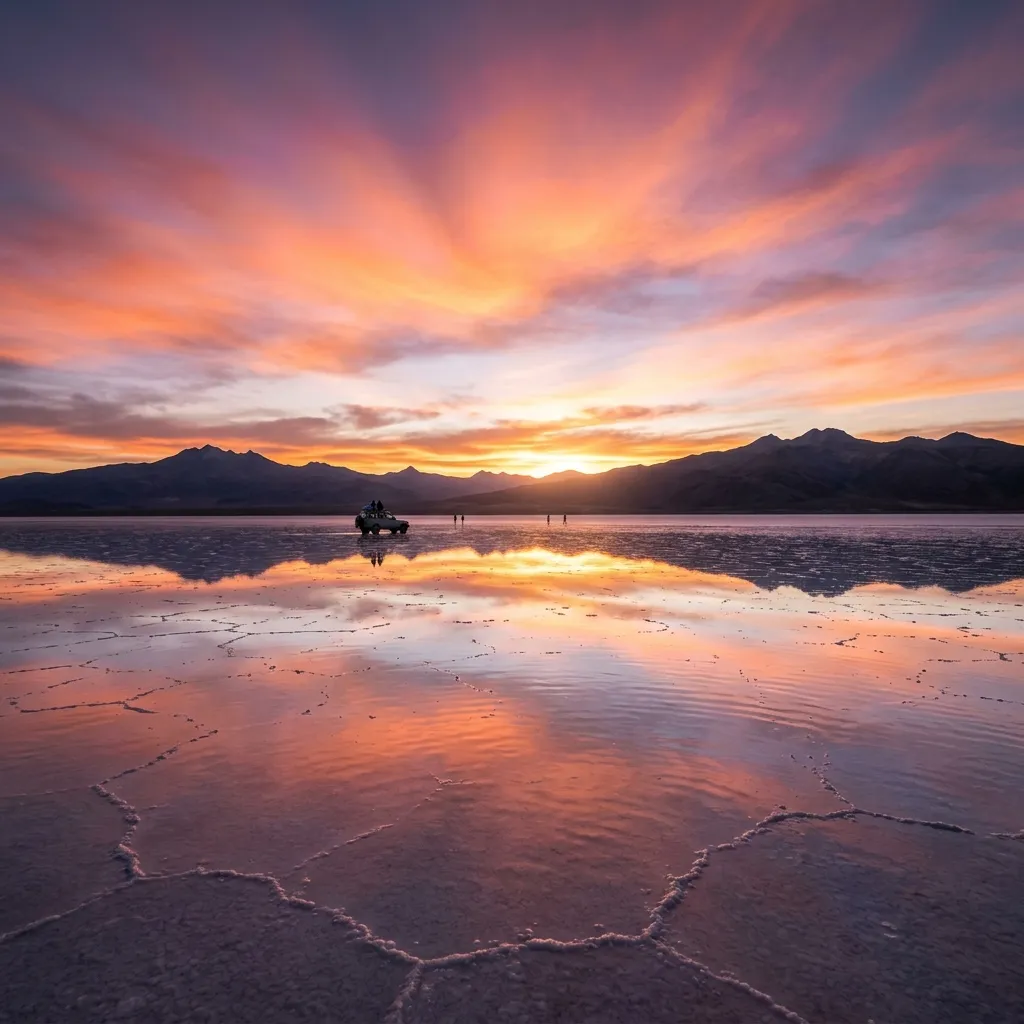
During your trip you will discover the largest salt desert in the world, the majestic Salar de Uyuni, as well as the Incahuasi Island, home of giant cacti. You will take fabulous photographs and enjoy a beautiful sunset inside the salar.

Frequently Asked Questions

What is the best month to visit Uyuni?

October is the best single month for most travellers. It is dry, warm enough at night to be comfortable, uncrowded compared to the June–August peak, and the daytime light is excellent for photography. If seeing the mirror effect is your priority, February offers the highest probability — but with more rain, crowds, and potential access restrictions.

Can you see the mirror effect in April?

Sometimes, yes. April is a transition month. In years with heavy rainfall, mirror conditions persist into early April. In drier years, the surface begins drying in late March. A knowledgeable local guide will know where remaining water pockets are. Late April is often recommended by Uyuni-based operators as a sweet-spot month — possible mirror, warmer nights, fewer tourists, and lower prices.

How cold does it get in Uyuni area?

During dry season nights in June, July, and August, temperatures regularly fall below -10°C and can reach -15°C on the open salt flat. Daytime is warmer — typically 13°C to 17°C in winter. From October through April, nights are significantly more manageable, rarely dropping below -5°C.

Is Uyuni worth visiting in July?

Yes, but go prepared. July is peak tourist season — book everything well in advance. The cold is serious and should not be underestimated. The trade-off is dry, clear skies and the best stargazing conditions of the year. If cold weather doesn't bother you and you've booked ahead, July is a spectacular month to visit

Where can I see flamingos in the Uyuni Salt Flat?

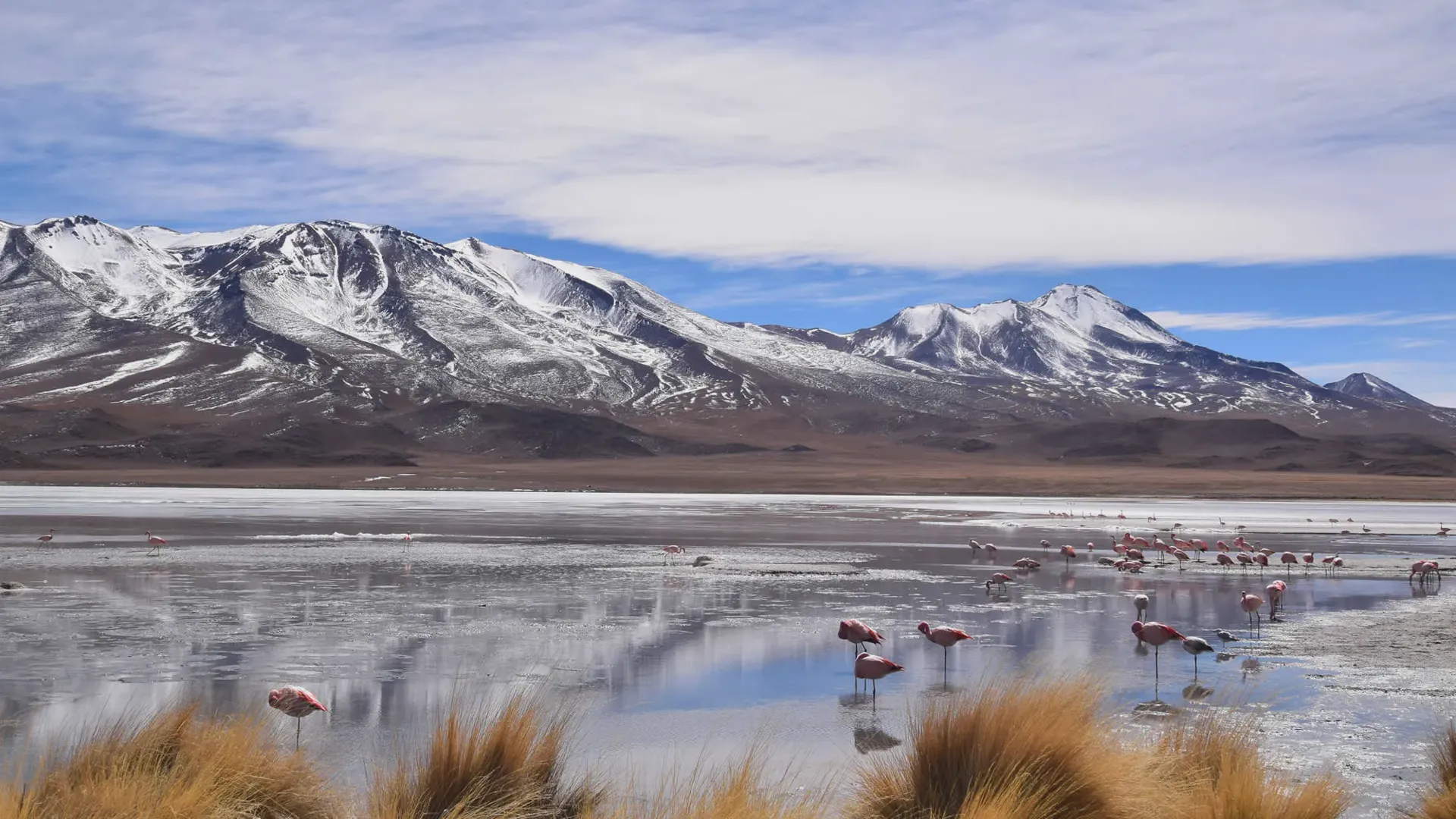
The flamingos are not on the Salar de Uyuni itself — they gather at Laguna Colorada in the Eduardo Avaroa National Reserve, approximately 4 hours south of Uyuni. Around 25,000 flamingos of three species (Chilean, Andean, and James) congregate there between November and March for breeding season. This reserve is visited on the standard 3-day Uyuni southwest circuit tour.

Can tours run year-round at the Uyuni Salt Flat and the Uyuni area?

Yes, with some limitations. Dry season tours operate across the full flat with no restrictions. Wet season tours adapt routes to water levels — some areas like Isla Incahuasi may be temporarily inaccessible after heavy rain. The Eduardo Avaroa Reserve southwest circuit occasionally closes during peak rainfall. Reputable operators monitor conditions daily and adapt accordingly.

Can you visit Incahuasi Island during the rainy season?

Generally no. When the salt crust dissolves into soft, muddy brine, heavy 4x4s risk sinking. Island access is typically restricted by park authorities between mid-January and late March.

Nearby Places & Attractions

Salar de Chiguana
Attraction

Salar de Chiguana

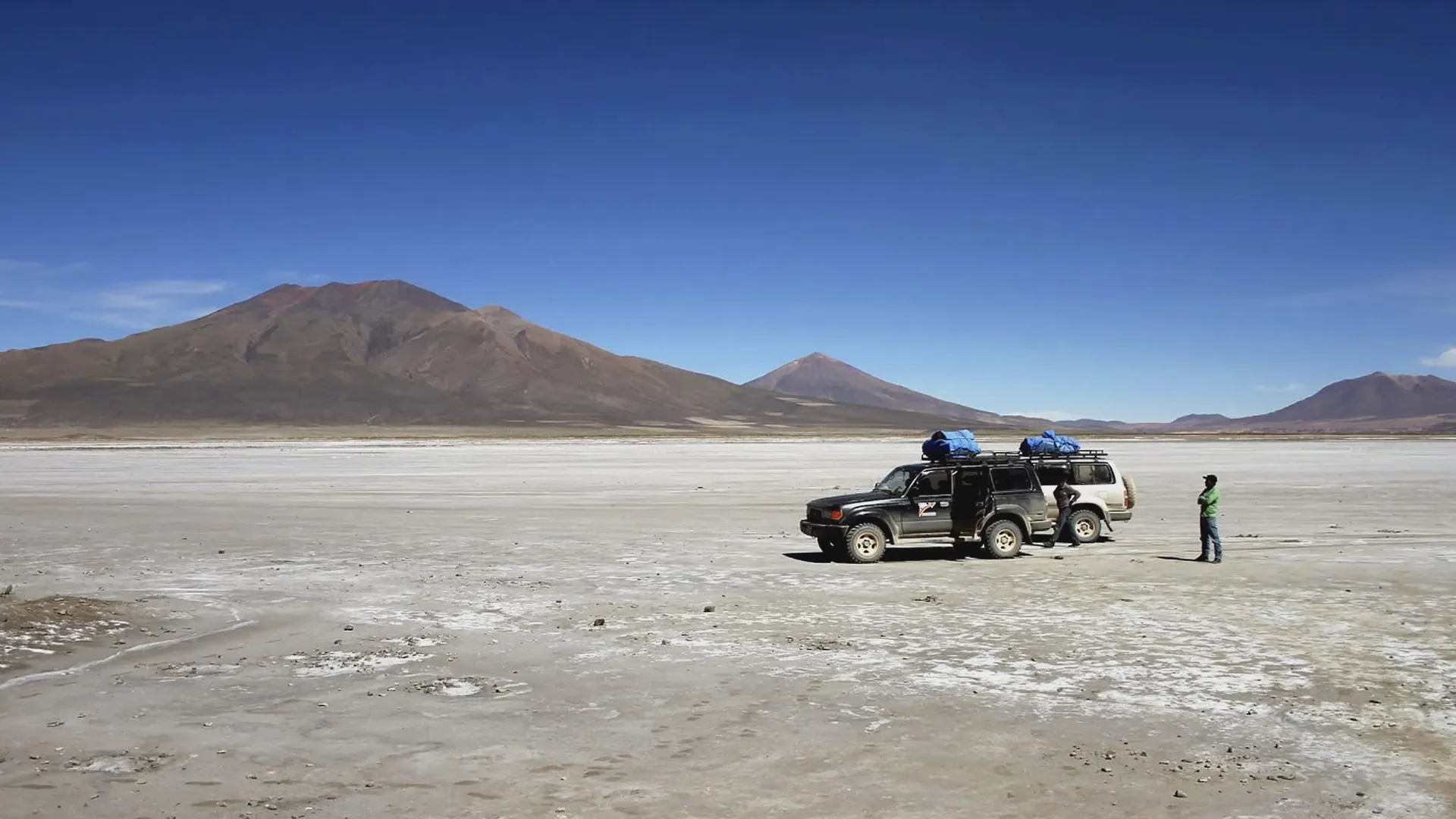
The Salar de Chiguana, not far from the border with Chile has a salt base, covered with brownish dust.

Salvador Dalí desert
Attraction

Salvador Dalí desert

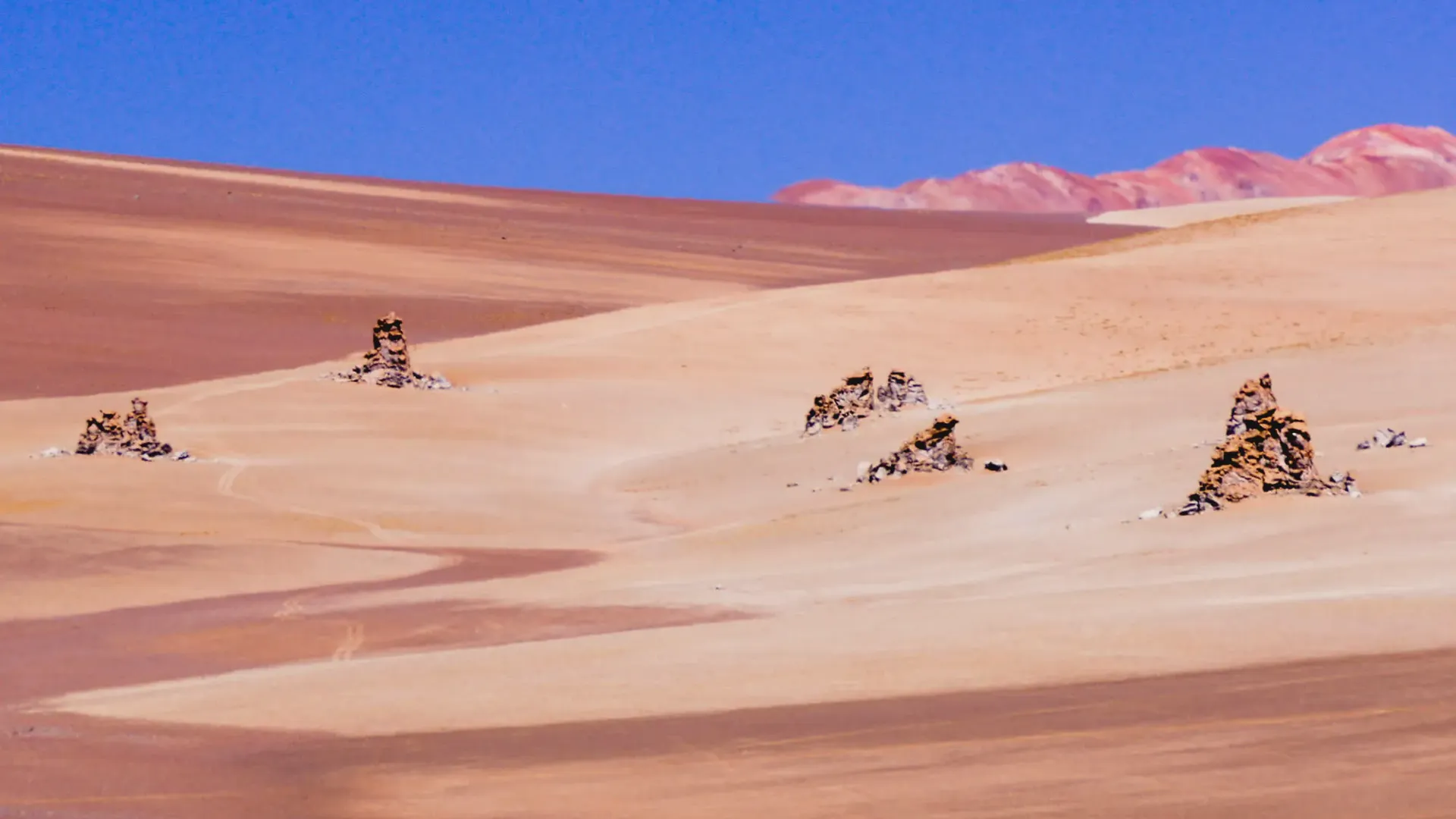
Salvador Dalí Desert (Desierto Salvador Dalí), also known as Dalí Valley (Valle de Dalí), is an extremely barren valley of southwestern Bolivia, in the Potosí Department.

Red Lagoon
Attraction

Red Lagoon

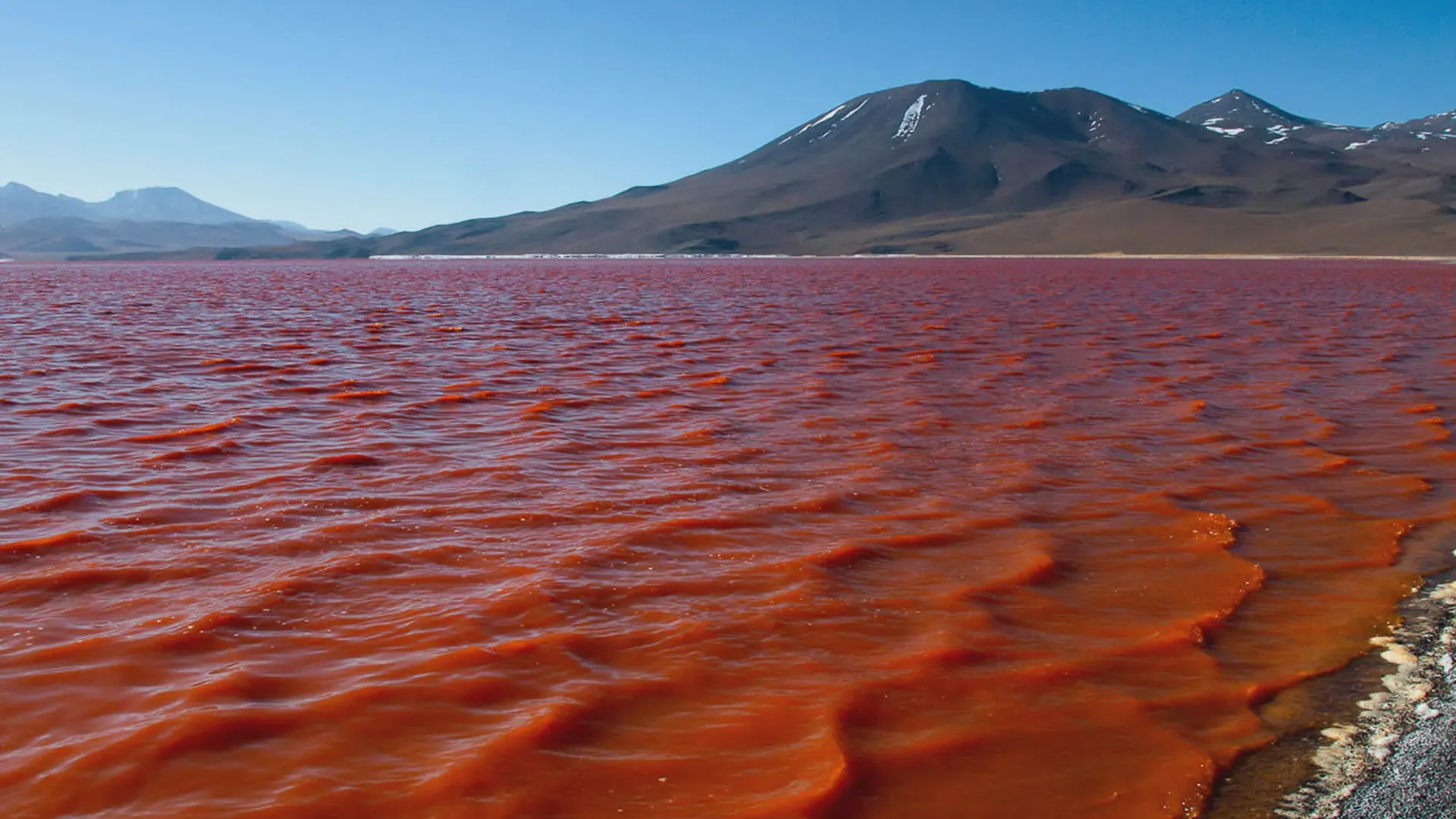
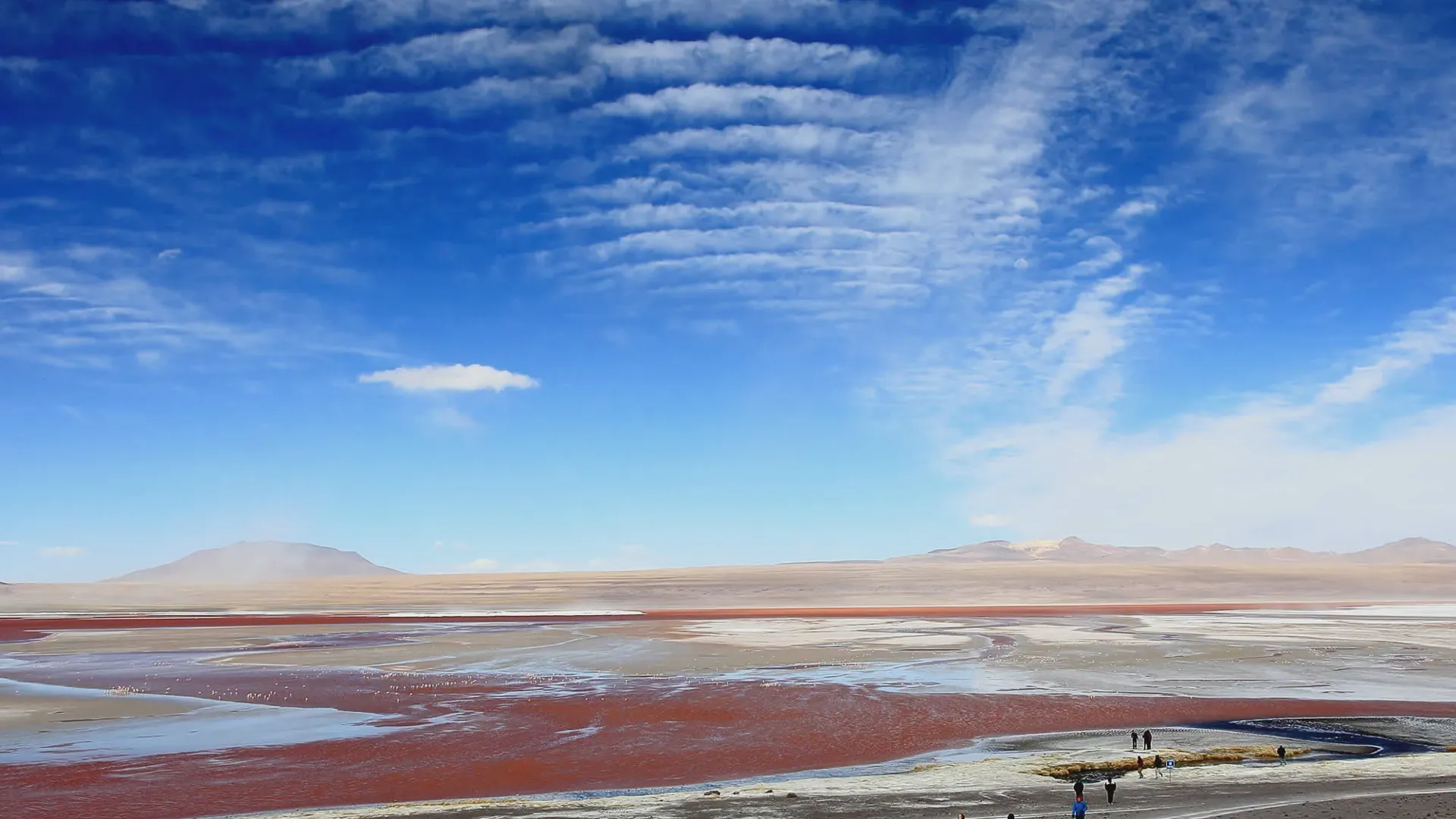
The Red lagoon (Laguna Colorada) is a shallow lake within the Eduardo Avaroa Andean Fauna National Reserve and close to the border with Chile. The lake is famous for its strong red colour caused by algae that provide food for large flocks of pink flamingos.

Green Lagoon
Attraction

Green Lagoon

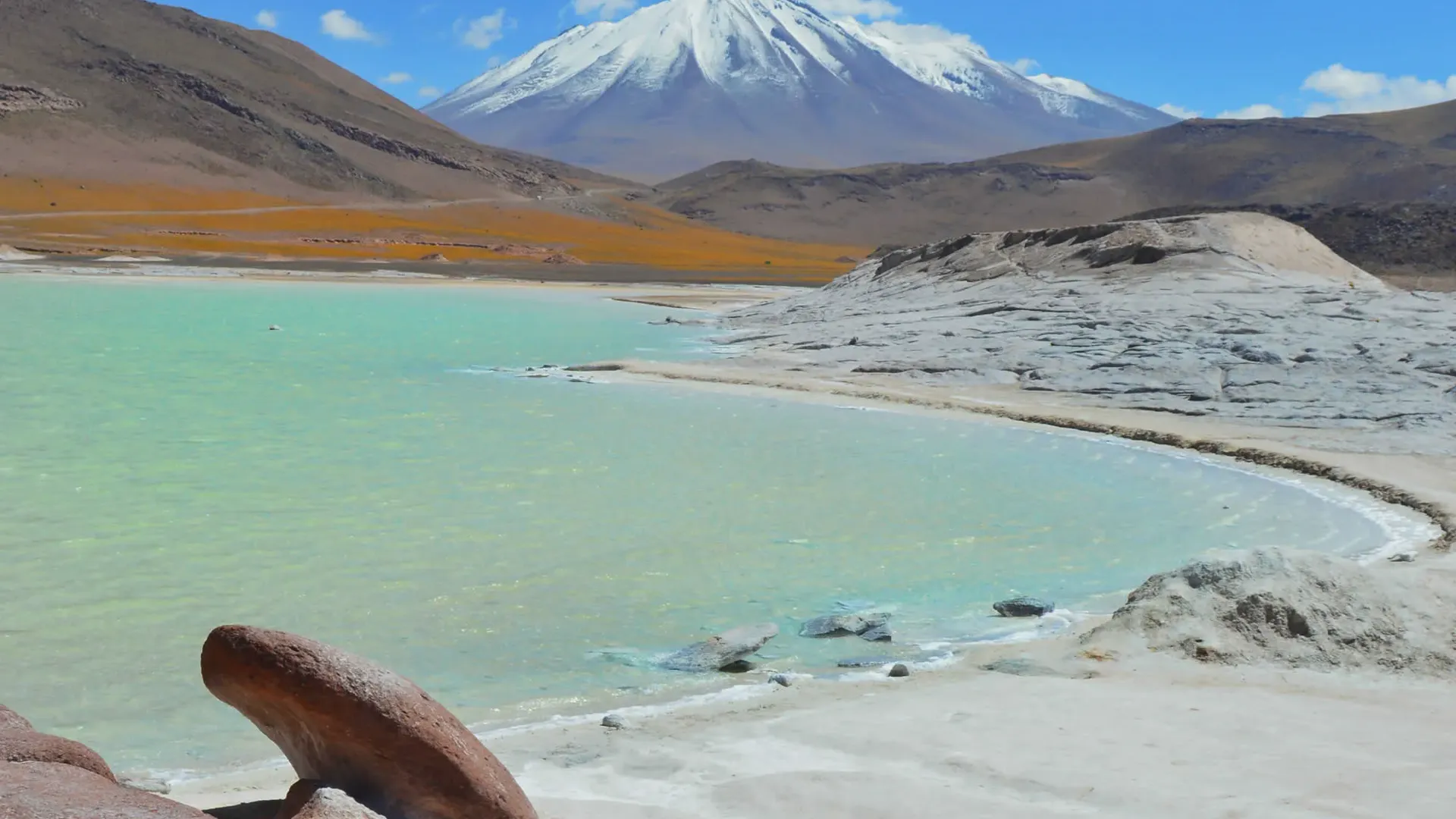
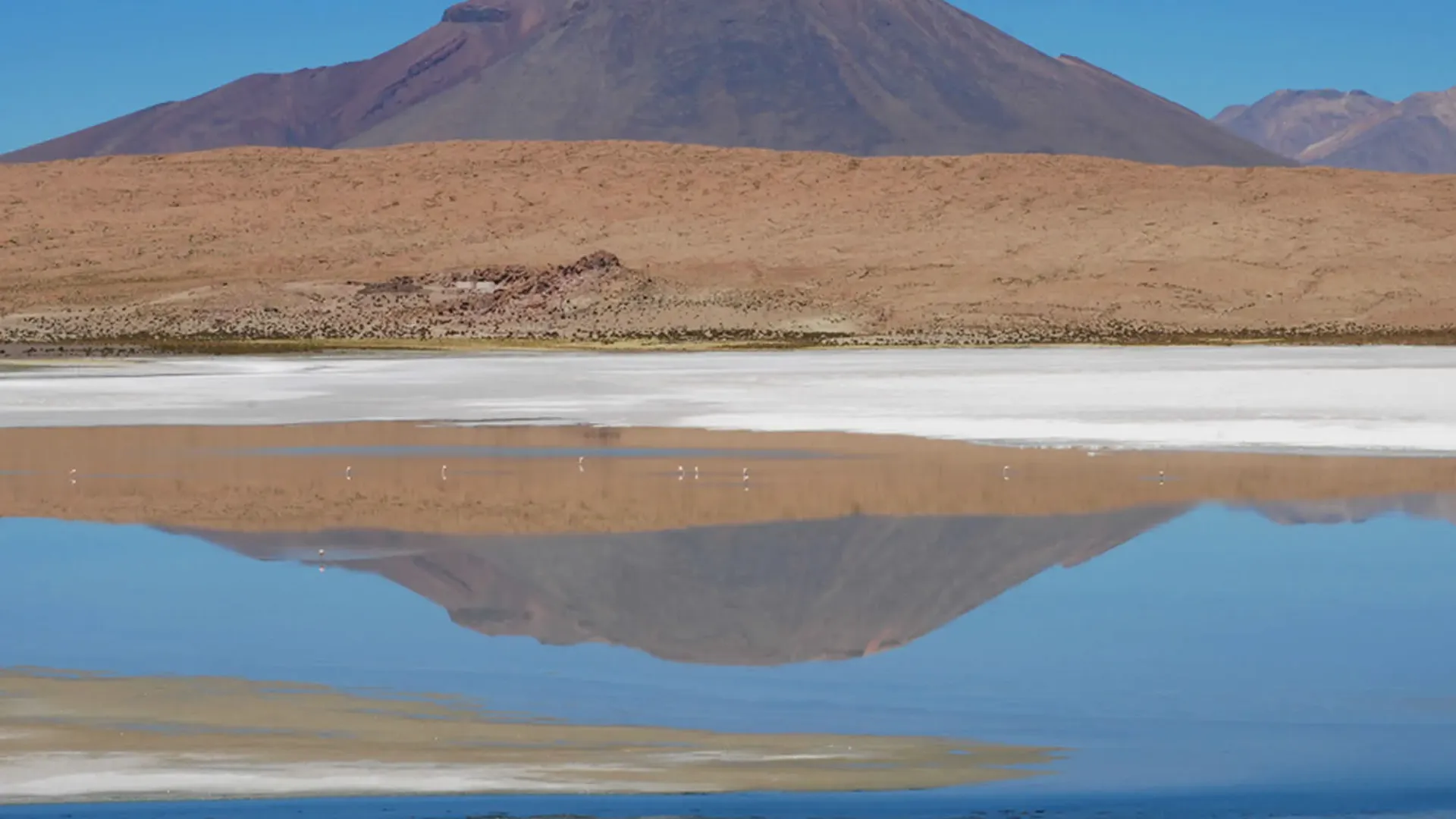
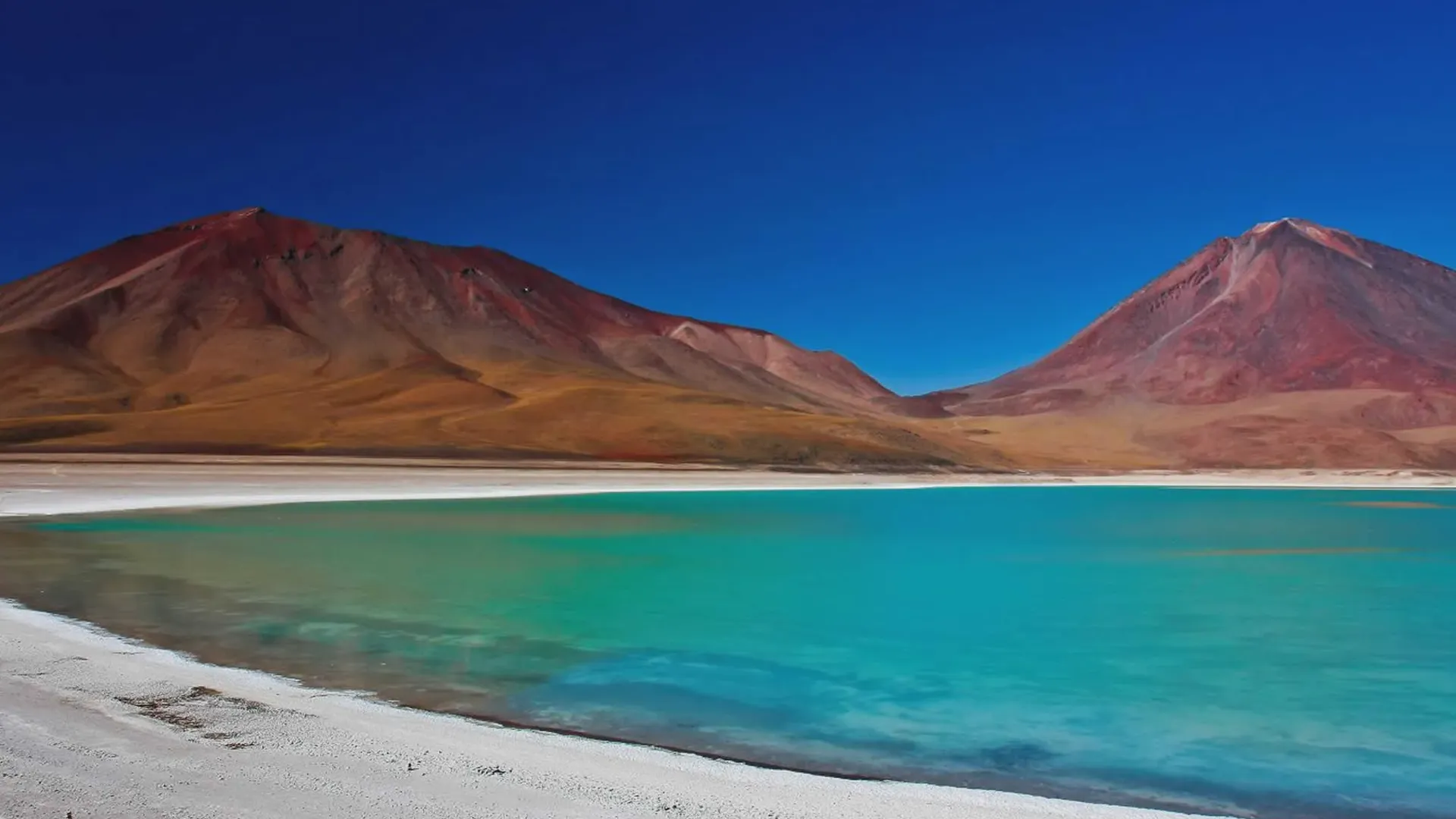
Green lagoon (Laguna Verde) is a high-altitude mineral lake in the Eduardo Avaroa Reserve, known for its beautiful green color. It sits at the foot of 2 volcanoes, Licancabur and Juriques, which straddle the border with Chile and are reflected in the water when the weather is calm.

Rock Tree
Attraction

Rock Tree

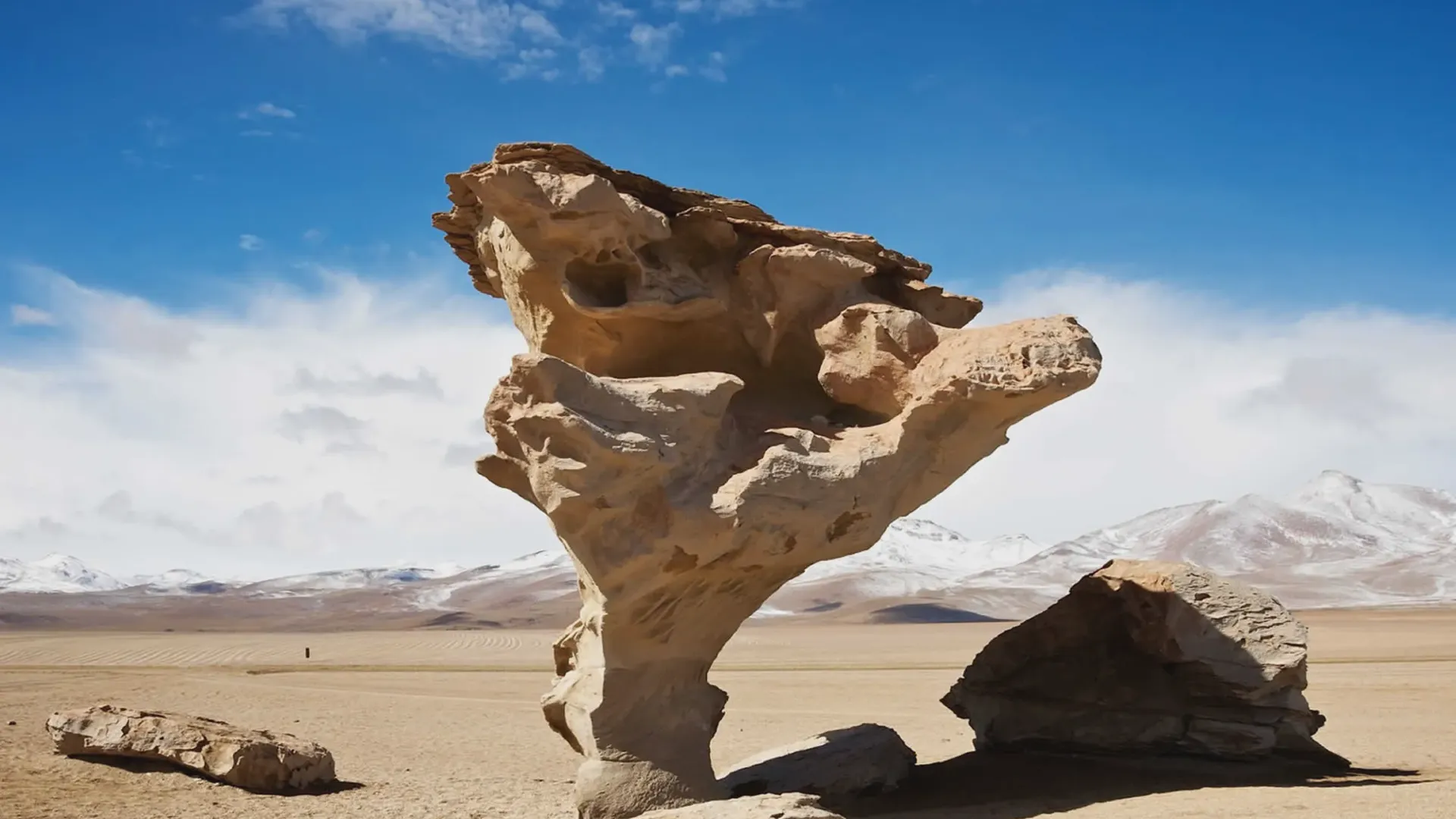
The Rock Tree (Árbol de Piedra) is a tree-like rock formation in the Siloli Desert desert that offers great photo opportunities!

Itas City
Attraction

Itas City

Itas city is located to the west of Toro Toro town. This unique place has huge rocky formations whose particular shape resembles a real city. The stone walls and roofs present cavities that create amazing visual effects with the help of sunlight.

Ready to visit Incahuasi Island?

We can help you organize the perfect trip to this incredible destination.