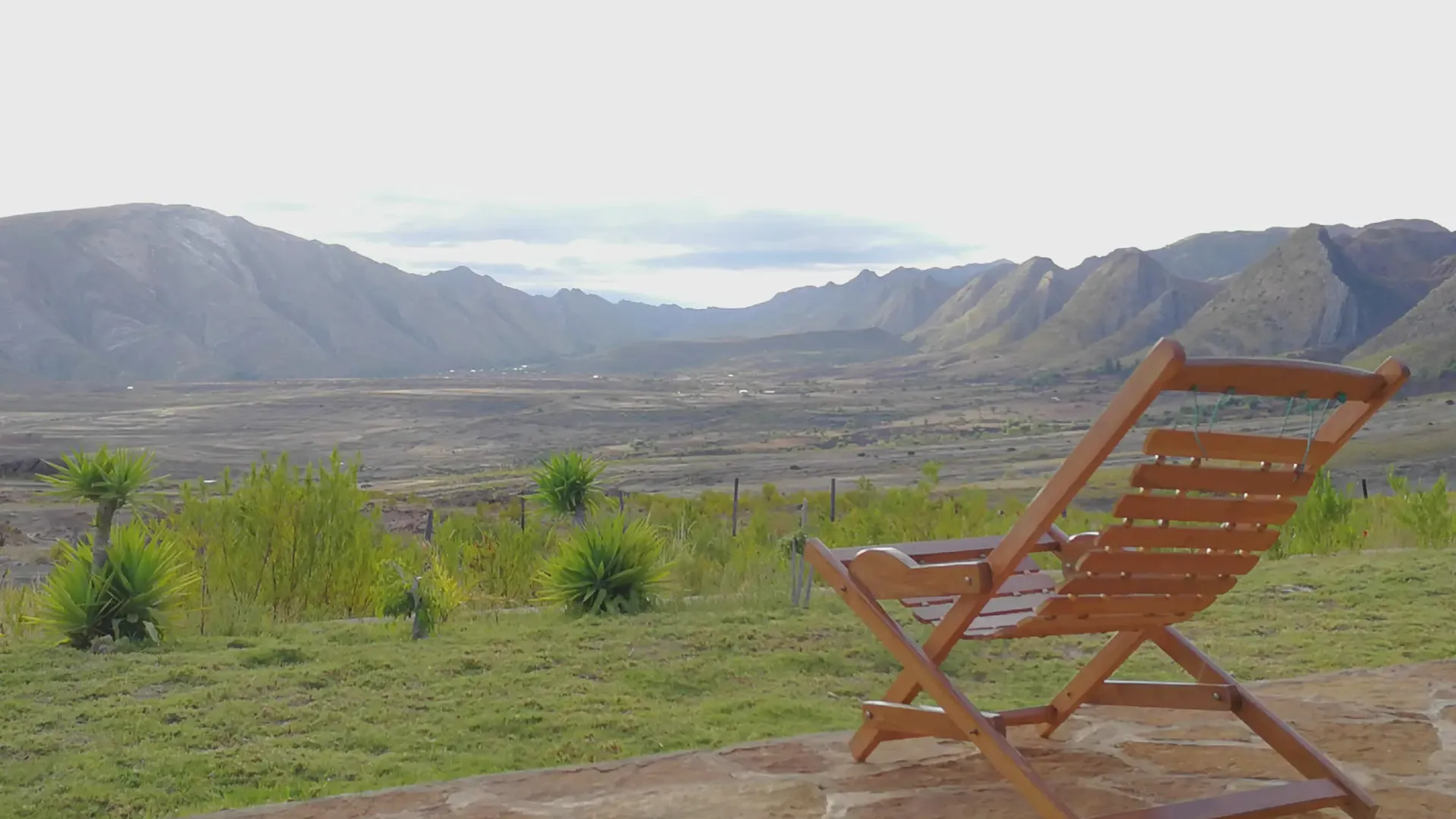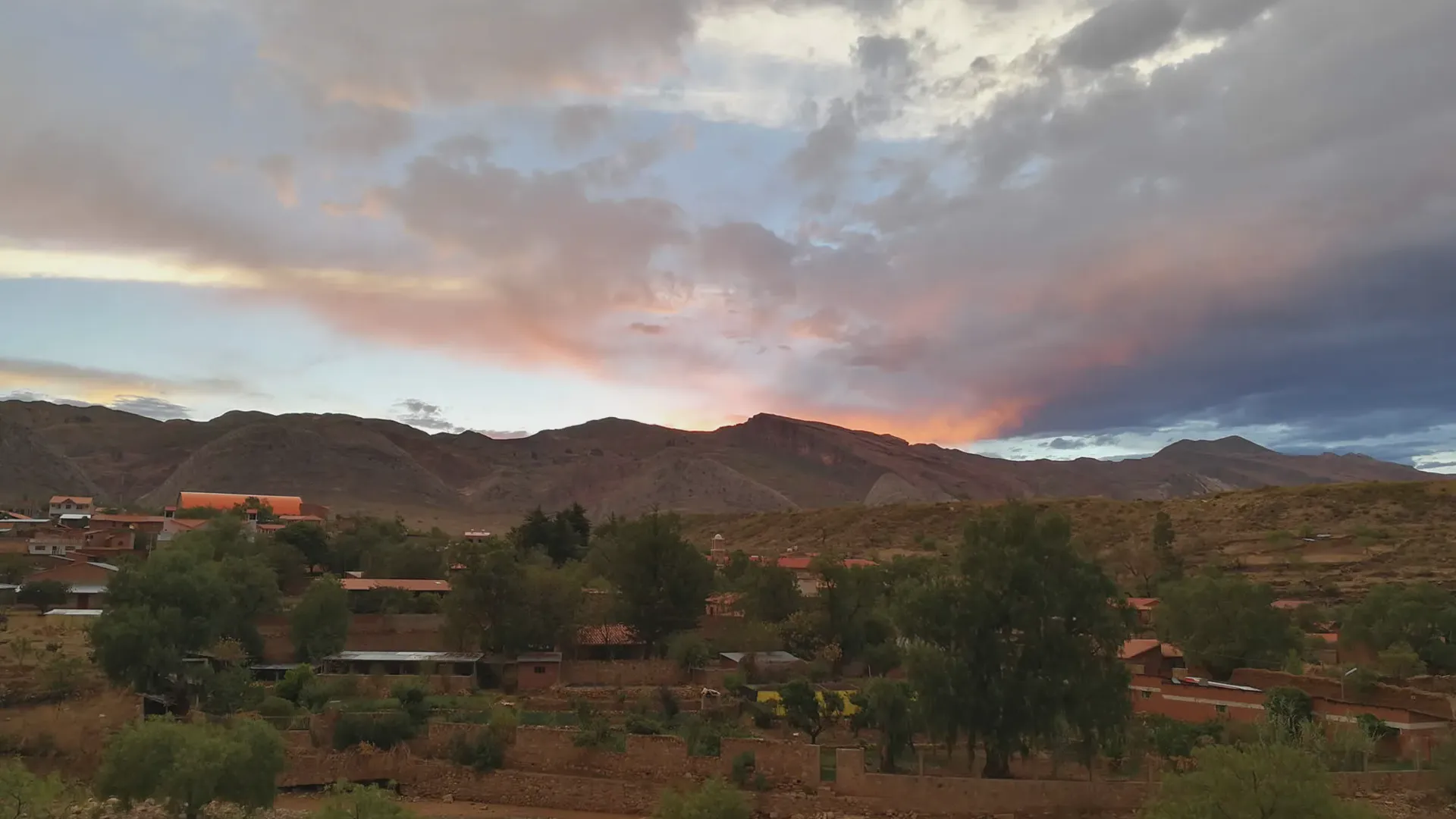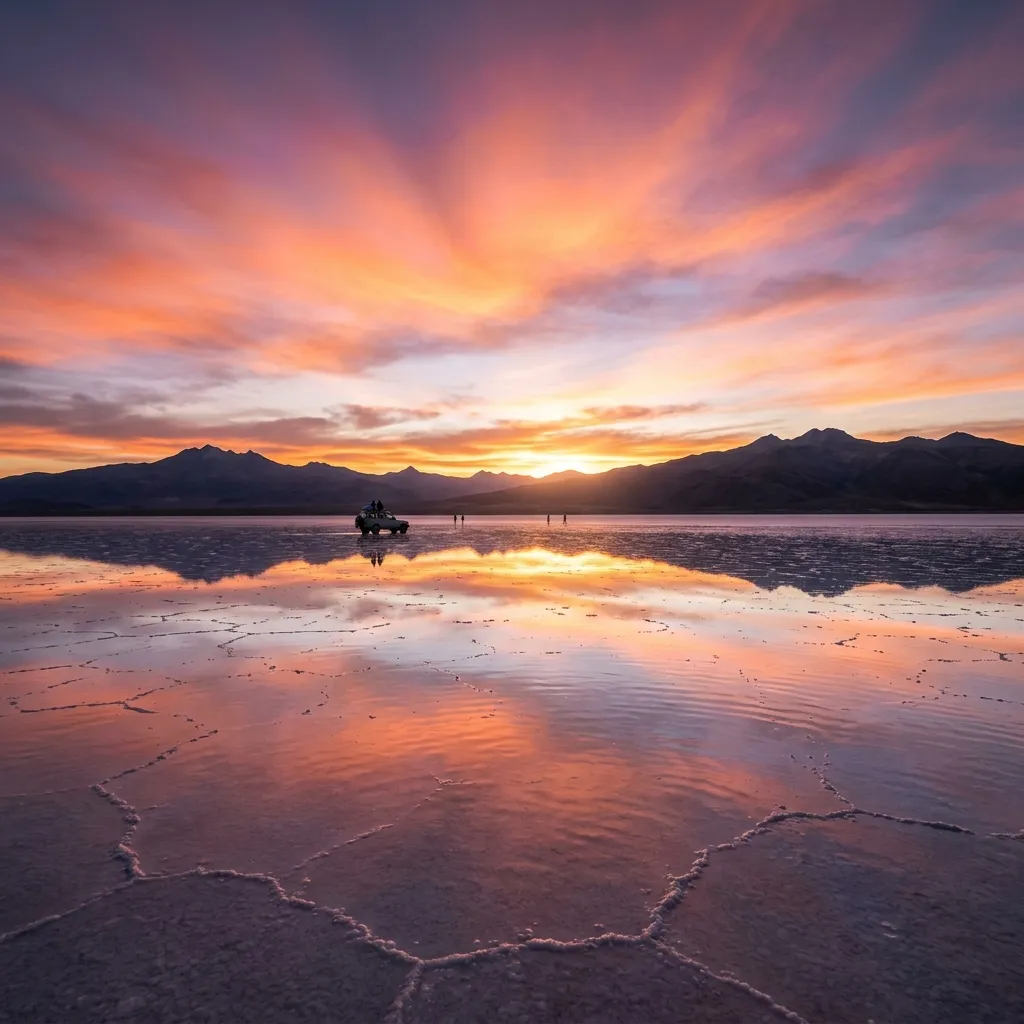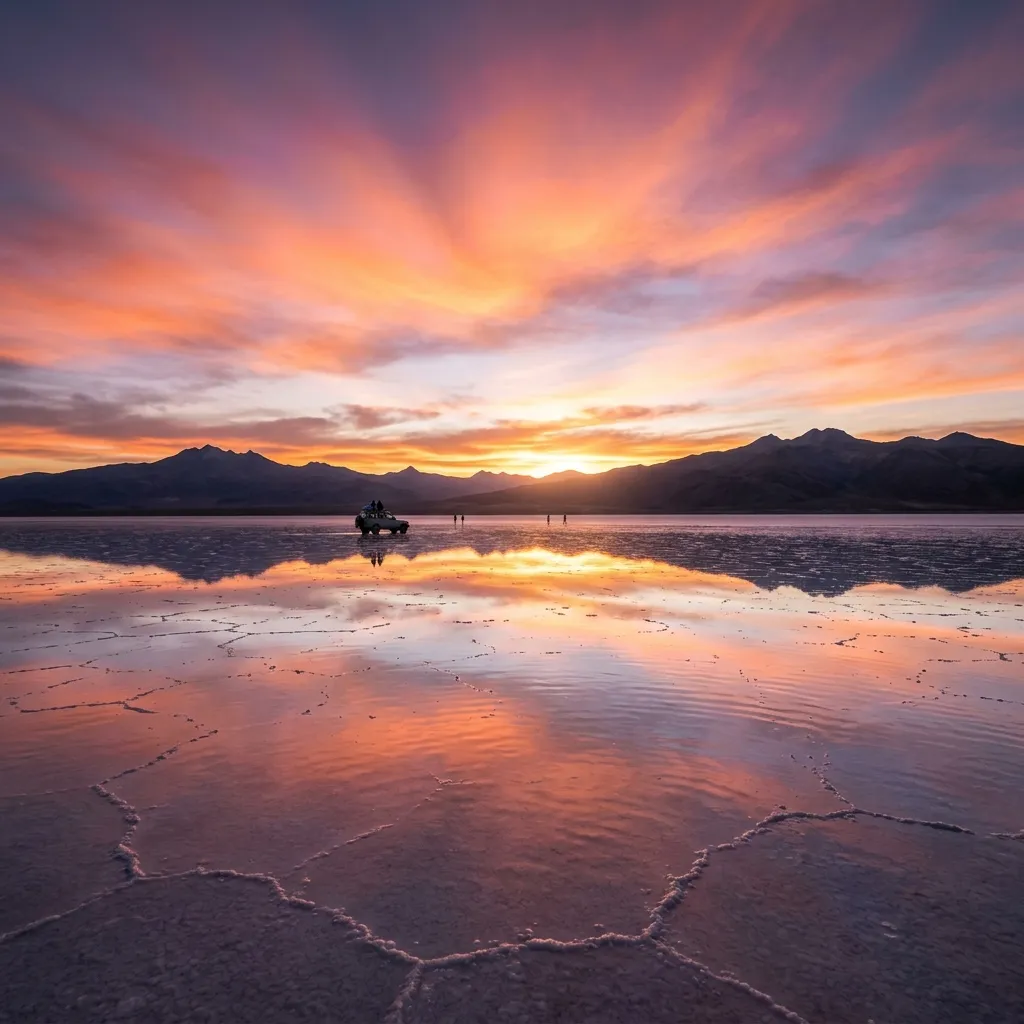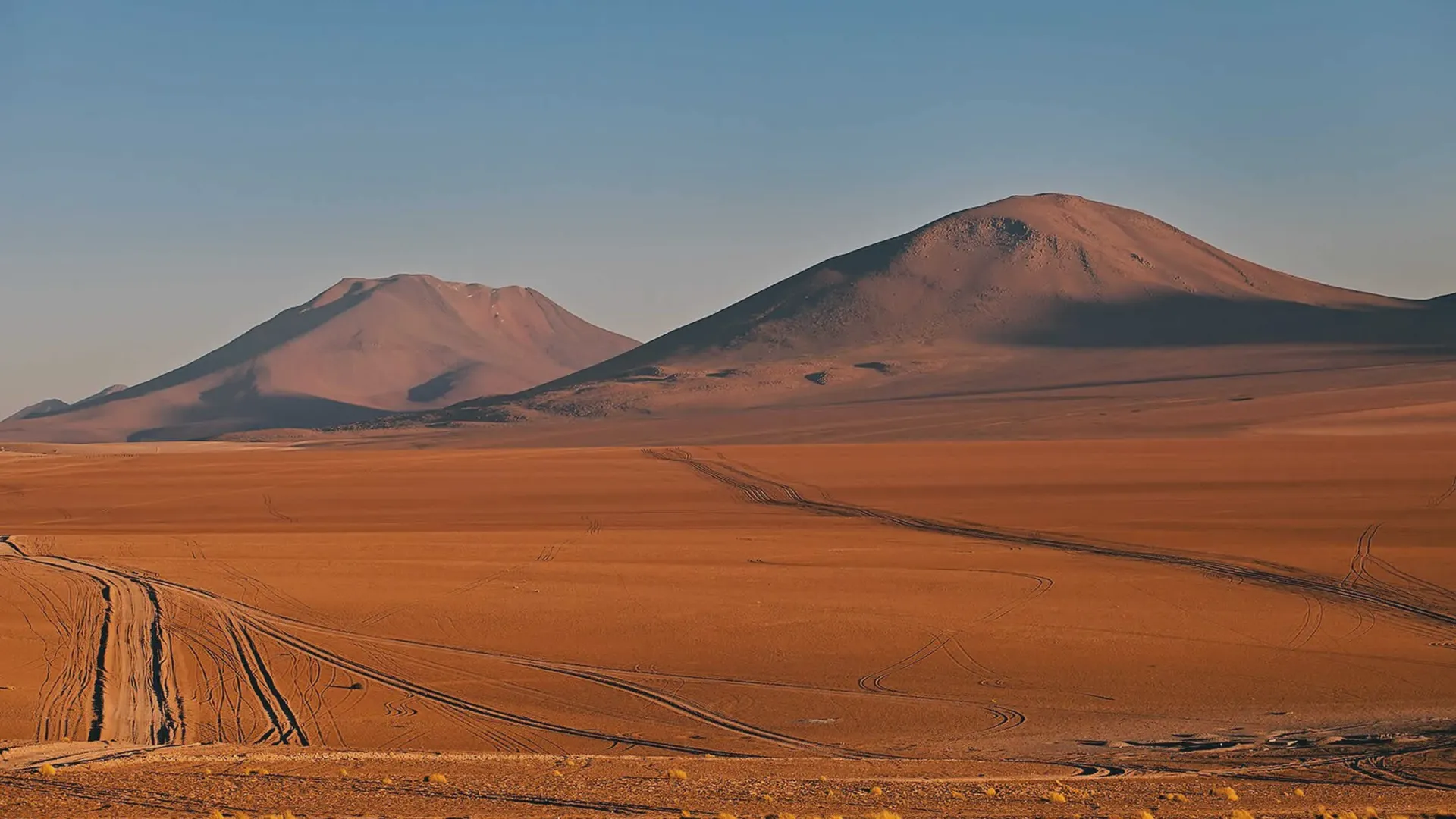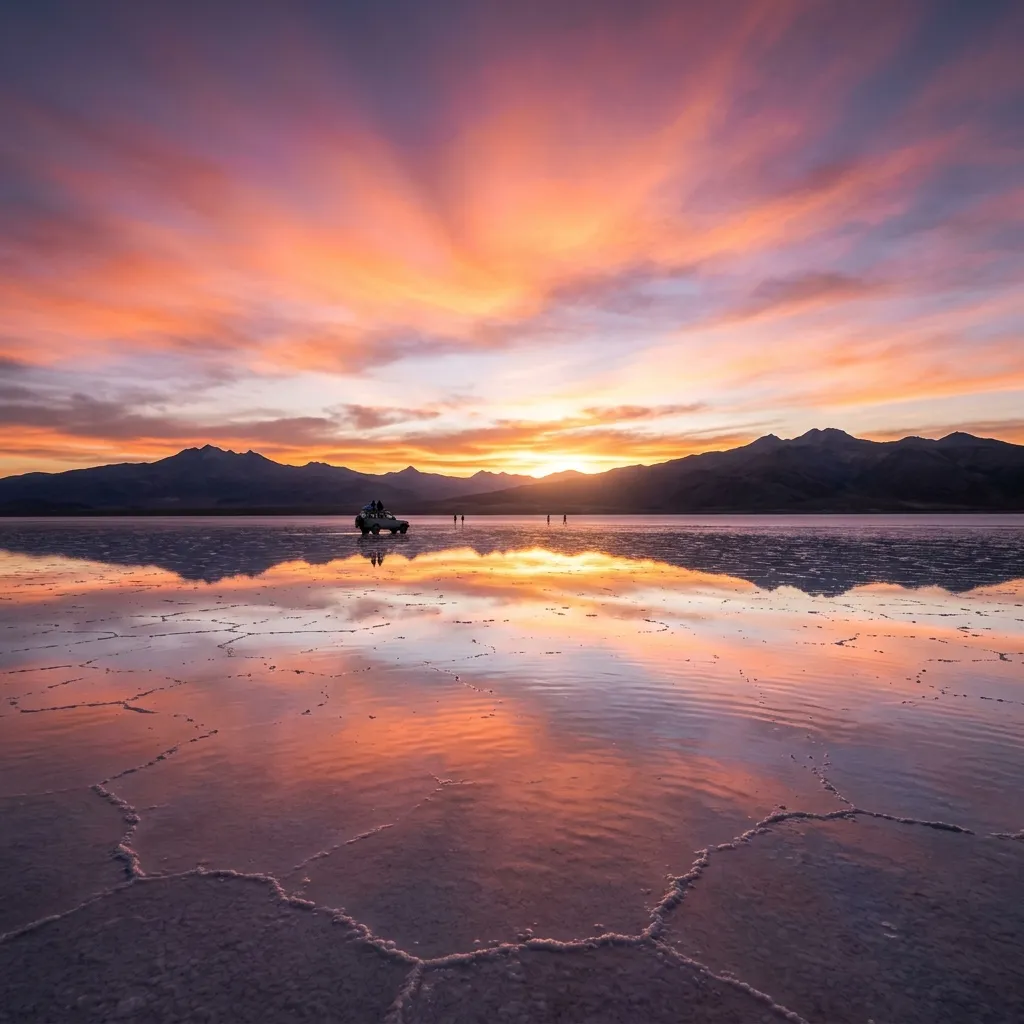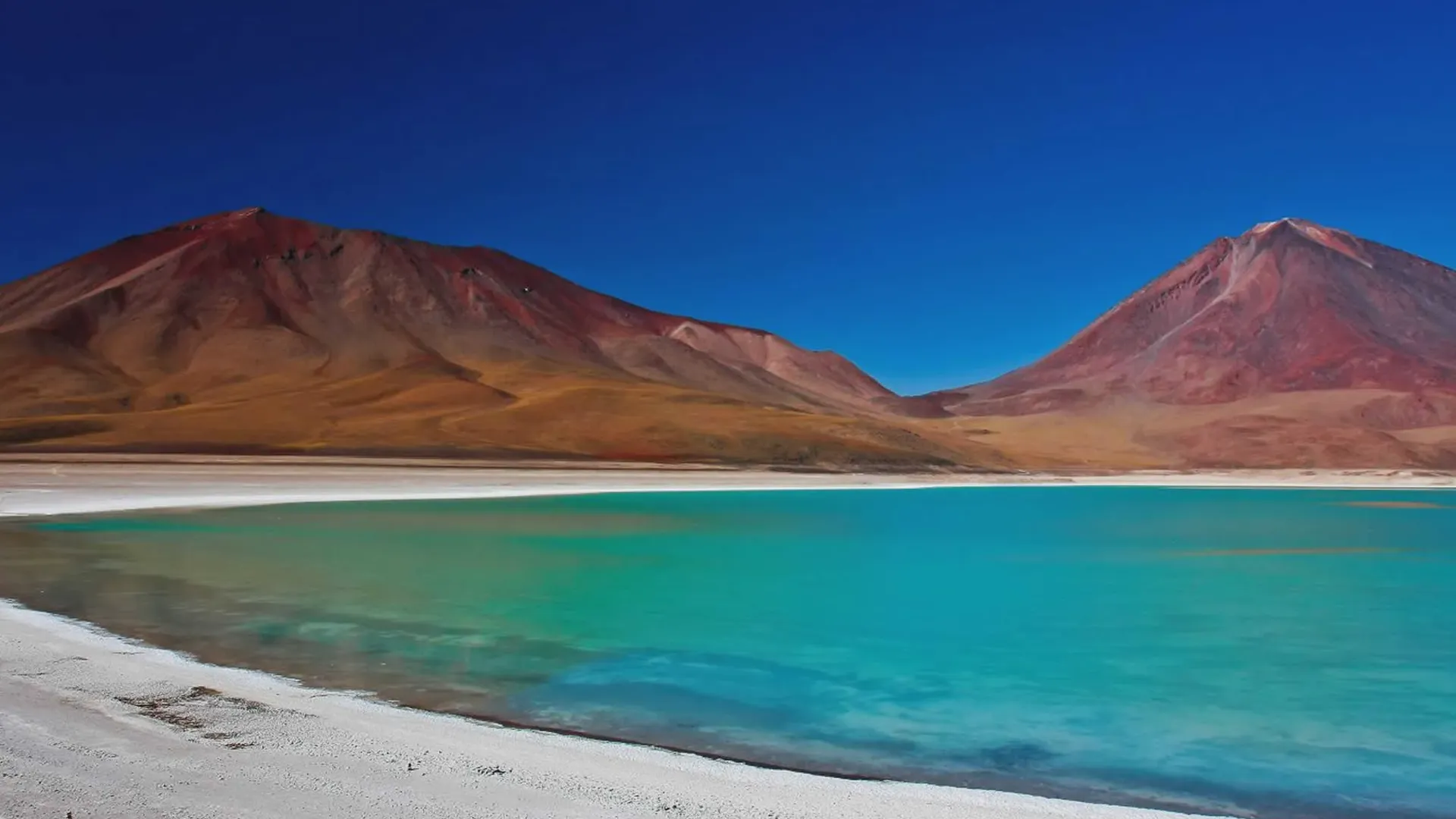
Carrasco boasts incredible cloud forests and mountain scenery, deep valleys and canyons, torrential rivers, waterfalls, and exuberant vegetation. There are reports of an uncontacted indigenous group called the Tuki who may live deep within the inaccessible regions of the park. Some of the main attractions are the wildlife sanctuary, the Repechon Caverns, and several other caves with extraordinary birdlife and bats. The San Rafael and San Mateo hot springs make for a relaxing dip.
There are also ruins called Incahaca one can visit. In Sehuencas orchids, alders, vines, and fabulous hanging flowers abound.
The National Park Carrasco is located to the east of Cochabamba. The park surrounds the Carrasco, Tiraque and Chapare, Villarroel Port, Chimore, Totora, Pocona, Pojo, and Coloma provinces. It has a surface of 622,600 hectares (6,226 km2). This park has a great scenic beauty characterized by the mountains by deep valleys, torrential rivers, water falls and exuberant vegetation. Inside the Area is the wildlife reserve Caverns of the Repechon.
This Protected Area is characterized by high biological diversity. There are around 3000 species of larger plants from which 614 have been registered. At the park it is easy to find quenua forests, la huaycha, nogal, yuraj, pinos de monte, coca silvestre, cedro, aliso, el Limache, coloradillo del monte, quina, cebillo, el isigo, cebil o bilka, bibosi, guitarrero, canelon, cedro, mara and palo maria. Besides these there are more than 300 species of orchids, from which 50 are endemic.
There are more than 382 registered species of fauna including 51 species of mammals. Among the fauna are the jucumari or eyeglasses bear, taruca or Andean dear, jaguar, Andean cat or titi, guacharo and a huge number of birds. Tthe park counts with more than 700 species of birds from which 247 are registered.