Written & Fact-Checked by Vivian Blanco
"I have coordinated private logistics, archaeological circuits to Incallajta and Totora, and tropical expeditions into the Chapare and Carrasco National Park for over 15 years. All route times from Jorge Wilstermann Airport, mountain highway updates, eco-lodge access, and local gastronomic tips below are verified monthly based on direct operations logs."
Before You Go
The six practical questions worth answering before exploring Bolivia's central fertile valleys and tropical rainforests.
Best Time to Visit
Dry winter sunshine (May–Oct) brings clear skies to the valleys (24°C) and accessible trails in the tropics.
How Many Days Do You Need?
From a 2-day city and Incallajta tour to 4 days including Villa Tunari and Carrasco National Park.
What to Pack
Spring clothing for the valley, swimwear and light rain gear for Villa Tunari, and sturdy walking shoes.
Ideal Valley Altitude: 2,558m
Sitting at a mild 2,558m, Cochabamba offers natural, gentle acclimatization before ascending to high-altitude Altiplano circuits.
Gastronomic Capital of Bolivia
Renowned for the richest culinary culture in Bolivia: taste giant Silpancho, Pique Macho, and artisanal Chicha.
Andes-to-Amazon Contrast
In just 3.5 hours, descend from 4,000m misty cloud forests down to 300m tropical rainforests in Chapare.
How to Get to Cochabamba
Explore commercial domestic flights, central highway links connecting La Paz, Santa Cruz, and Sucre, and scenic mountain descents.
By Air (CBB)
35–45 Mins · $$$Daily direct commercial flights land at Jorge Wilstermann International Airport (CBB) from La Paz, Santa Cruz, and Sucre.
Private 4x4 Transfer
3–6 Hours · $$Direct door-to-door scenic drives connecting Oruro (4.5 hrs), Torotoro (4.5 hrs), or east to Villa Tunari (3.5 hrs).
By Bus
7–9 Hours · $Frequent daytime and overnight sleeper buses connect Cochabamba with La Paz (7 hrs), Santa Cruz (9 hrs), and Sucre (8 hrs).
Getting to Cochabamba from Major Destinations
Direct commercial flight (40 mins) or paved mountain highway (7 hrs).
Direct commercial flight (45 mins) or new highway via Villa Tunari (8 hrs).
Scenic paved mountain descent through cloud forests (3.5 hrs drive).
Valle Alto highway via Tarata and Pocona (2.5 hrs to ruins).
Direct 4x4 gateway route into northern Potosí's dinosaur canyons (4.5 hrs).
Connected domestic flight or overnight paved bus route (~8 hrs).
What to See
Colossal panoramic monuments, massive Inca temples, colonial museum villages, and lush tropical national parks.
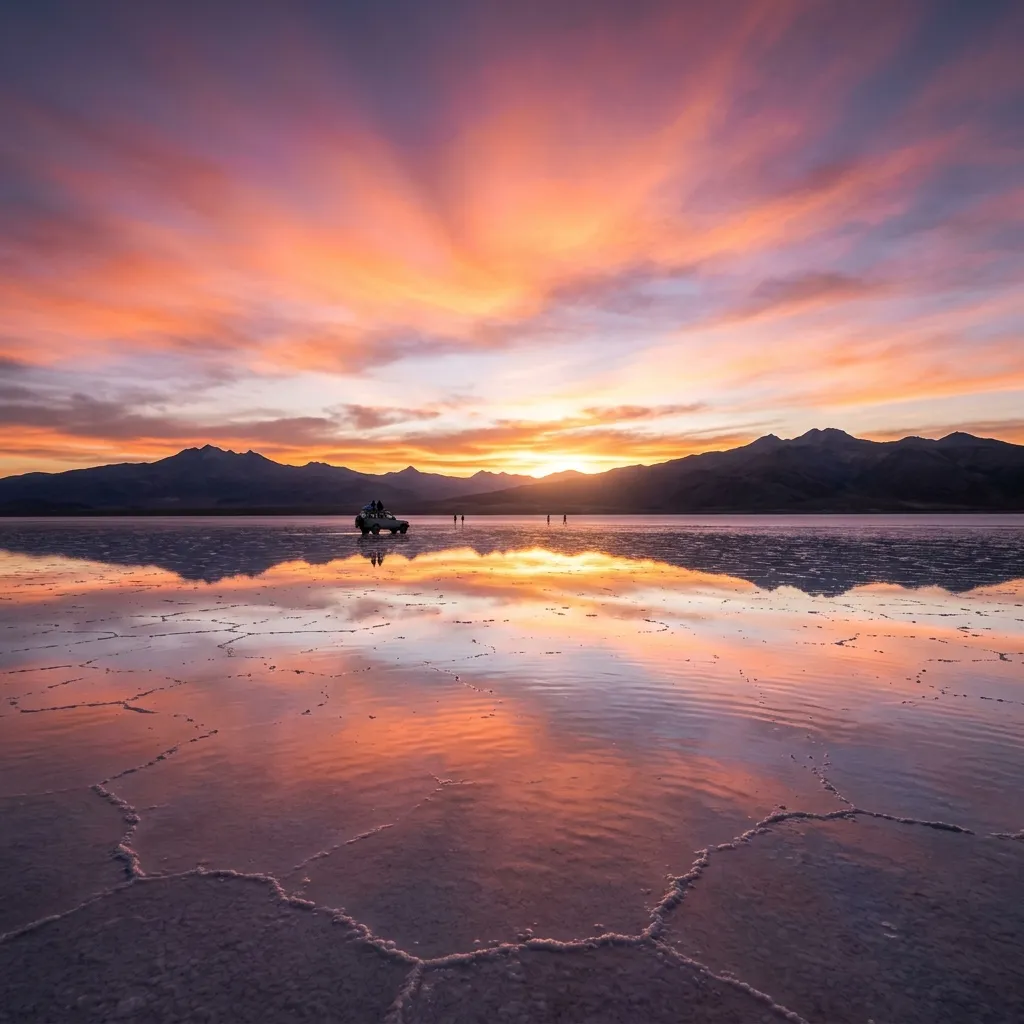
Itas City
Itas city is a unique place 21 kilometers to the west of Toro Toro town with huge rocky formations whose particular shape resembles a real city.
Itas city is located to the west of Toro Toro town. This unique place has huge rocky formations whose particular shape resembles a real city. The stone walls and roofs present cavities that create amazing visual effects with the help of sunlight.
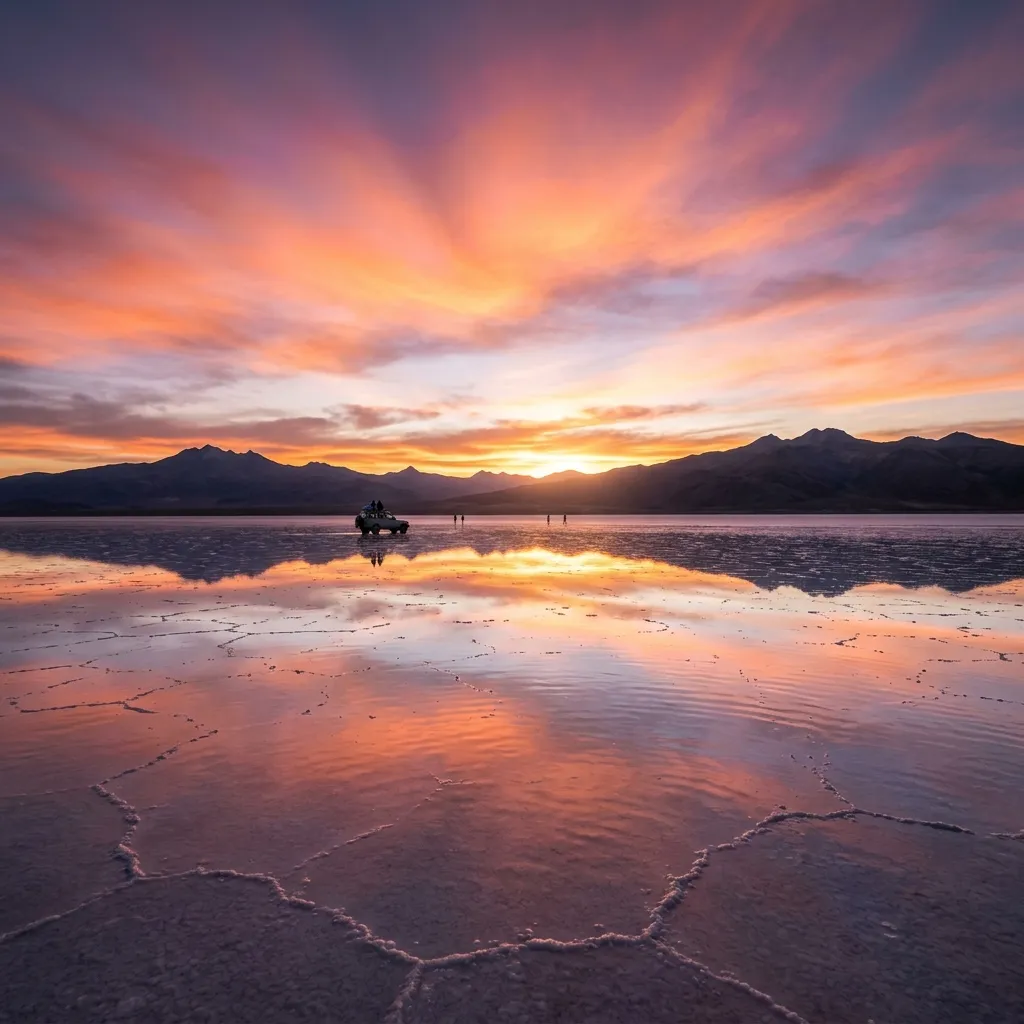
Umajalanta Cavern
The Umajalanta Cavern is located just 10 kilometers away from Toro Toro town. It is 4600 meters long and offers to its visitors impressive subterranean views of stalagmites and stalactites.
Umajalanta Cavern is one of the most visited natural attractions in the Toro Toro National Park. The cavern is located just 10 kilometers away from Toro Toro town. This amazing cavern offers particularly beautiful views.
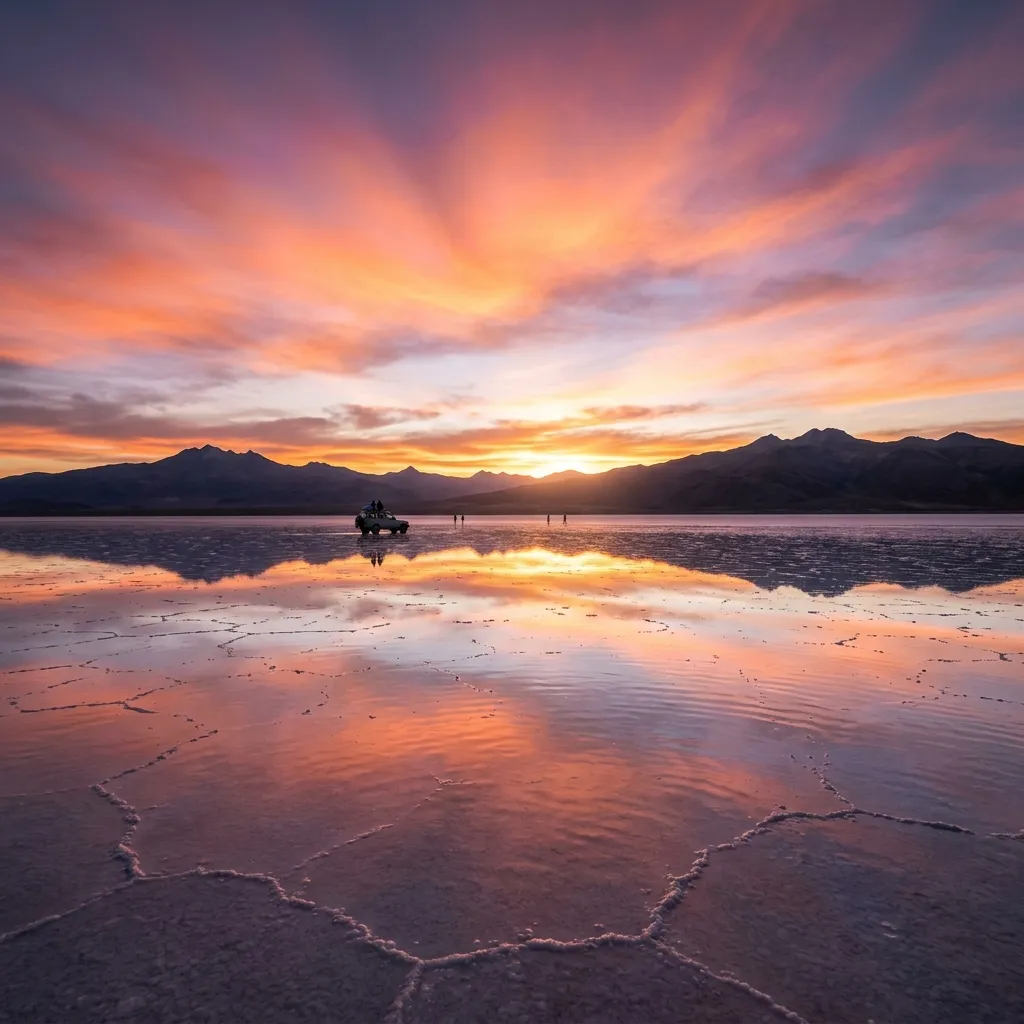
Huayllas Mountain and the Dinosaur footprints
Huallyas Mountain treasures 80 million year old dinosaur footprints and fossils just five minutes away from Toro Toro town by car.
Huayllas Mountain is located just five minutes away from Toro Toro town by car. This spot is particularly popular due the dinosaurs footprints located on the side wall of the mountain: proof that this rocky place was once a swamp full of life.
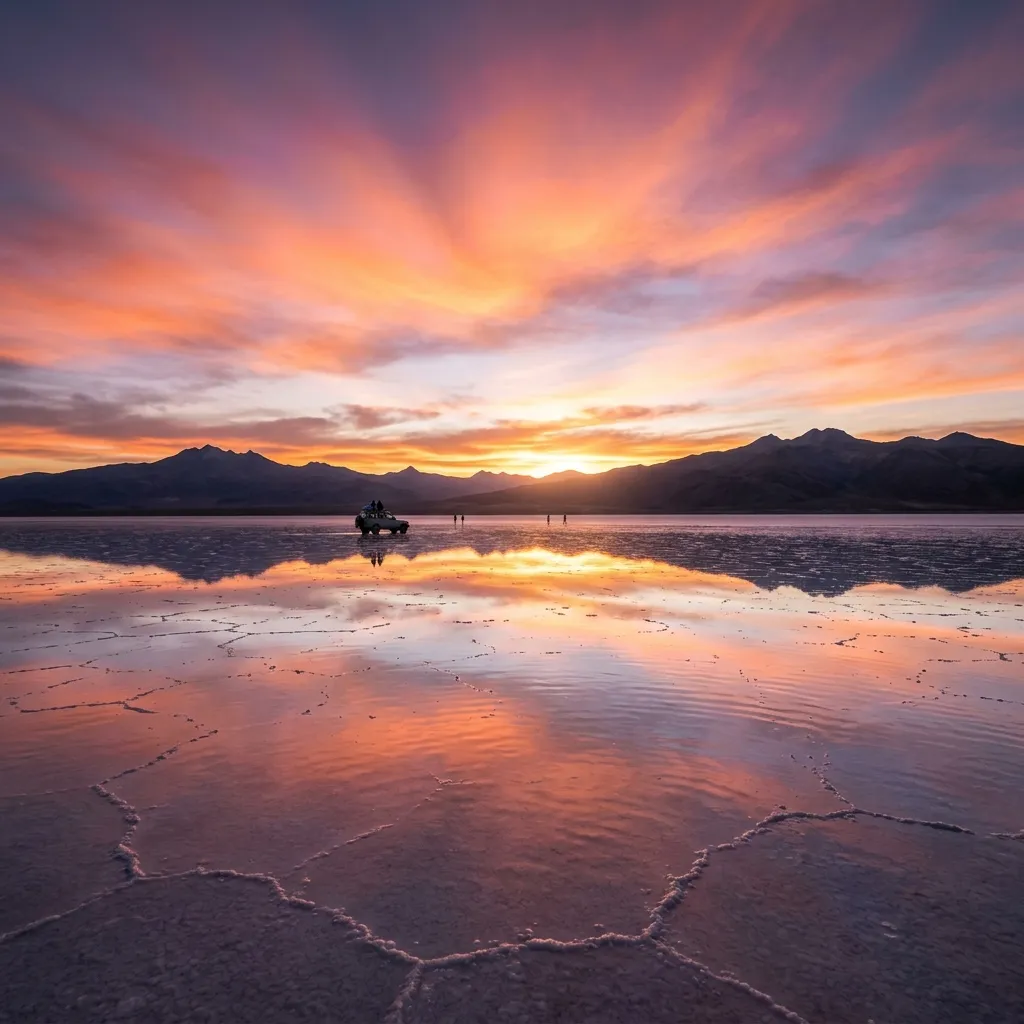
Vergel Waterfall
The Vergel waterfall is located just three kilometers to the north from Toro Toro Town and offers to its visitors a contrasting landscape after rocky canyon formations.
Located just three kilometers to the north from Toro Toro Town, the Vergel waterfall offers to its visitors a contrasting landscape after rocky canyon formations. The Vergel waterfall is fed by a subterranean spring that pours out over the side of the rock wall, forming a cool cavern that allows...
Plaza Colon and El Prado
The Alameda Colonial de Ingavi, was transformed into today's Plaza Colon and the Prado Avenue which is often host to parades and urban recreation in Cochabamba, Bolivia.
The Alameda Colonial de Ingavi, was transformed into today's Plaza Colon and the Prado Avenue which is often host to parades and urban recreation. Historically there was a small forest here that invited passers-by.
La Recoleta
On the Northern side of the Rio Rocha in Cochabamba, Bolivia is La Recoletta and Avenida Pando. La Recoletta is a modern and chic area and center of nightlife in Cochabamba.
On the Northern side of the Rio Rocha is La Recoleta and Avenida Pando. This is a modern and chic area, center of nightlife, where you'll find Cochabamba's 10-pin bowling alley, 10-screen movie theatre, a Mercedes-Benz dealership and many restaurants, cafes and nightclubs.
Archeological Museum
The Archeological Museum of Cochabamba, Bolivia, displays approximately 40,000 archaeological, ethnographic and paleontological pieces mostly from the Department of Cochabamba and some from Bolivia's other regions.
The Archeological Museum displays approximately 40,000 archaeological, ethnographic and paleontological pieces mostly from the Department of Cochabamba and some from Bolivia's other regions.
Cathedral of Cochabamba
Cathedral of Cochabamba, Bolivia. The facade reflects a mestizo fusion of Spanish Baroque and indigenous architectural styles.
The Main Plaza Cathedral's facade reflects a mestizo fusion of Spanish Baroque and indigenous architectural styles.
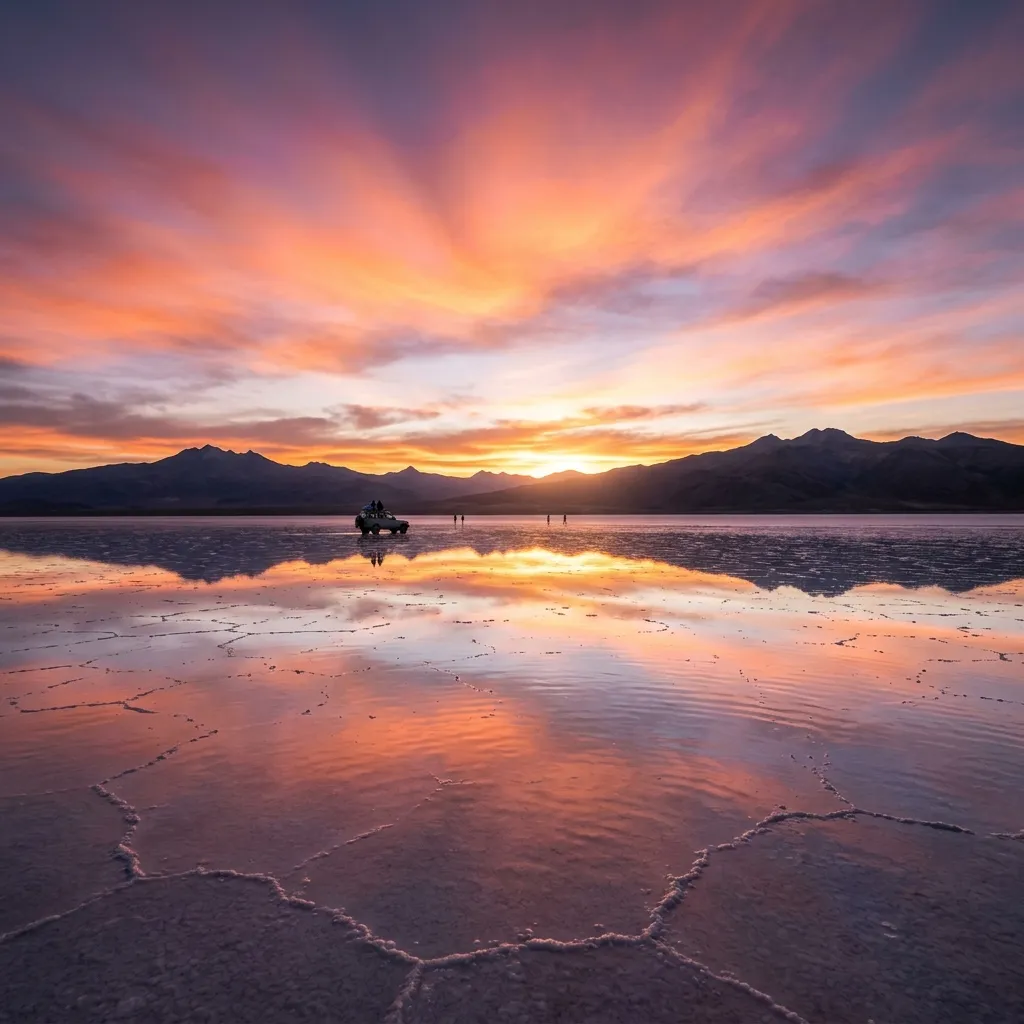
Tunari National Park
The Tunari National Park is located to the West of Cochabamba, Bolivia. The Tunari National Park features Mount Tunari reaching about 5,200 meters and numerous lakes.
The Tunari National Park with more than 400,000 hectares and its numerous lakes provides most of the water to the whole metropolitan area.
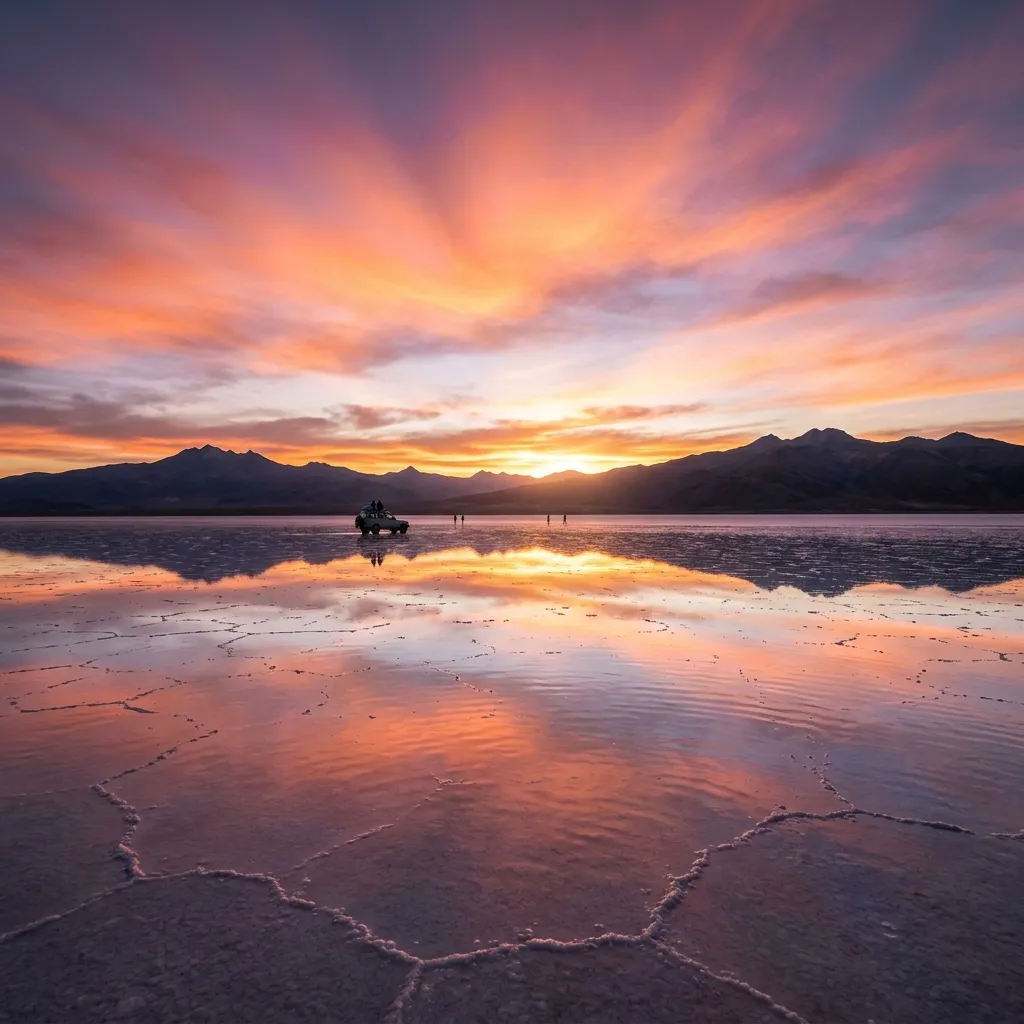
Torotoro National Park
The National Park Toro Toro is located to the north of Potosi, Bolivia. Among the attractions are the cavern of Huma Jalanta, Huaca Senka. There are tracks of dinosaurs, the Inca ruins of Flame Chaqui and cave paintings.
The Park is located to the north of Potosi, in the province Charcas, though it is more easily accessible from Cochabamba city. It has a surface of 16,570 hectares (166 km2). It is an authentic paradise for the lovers of geology and paleontology since tracks of large reptiles of the Mesozoic era a...
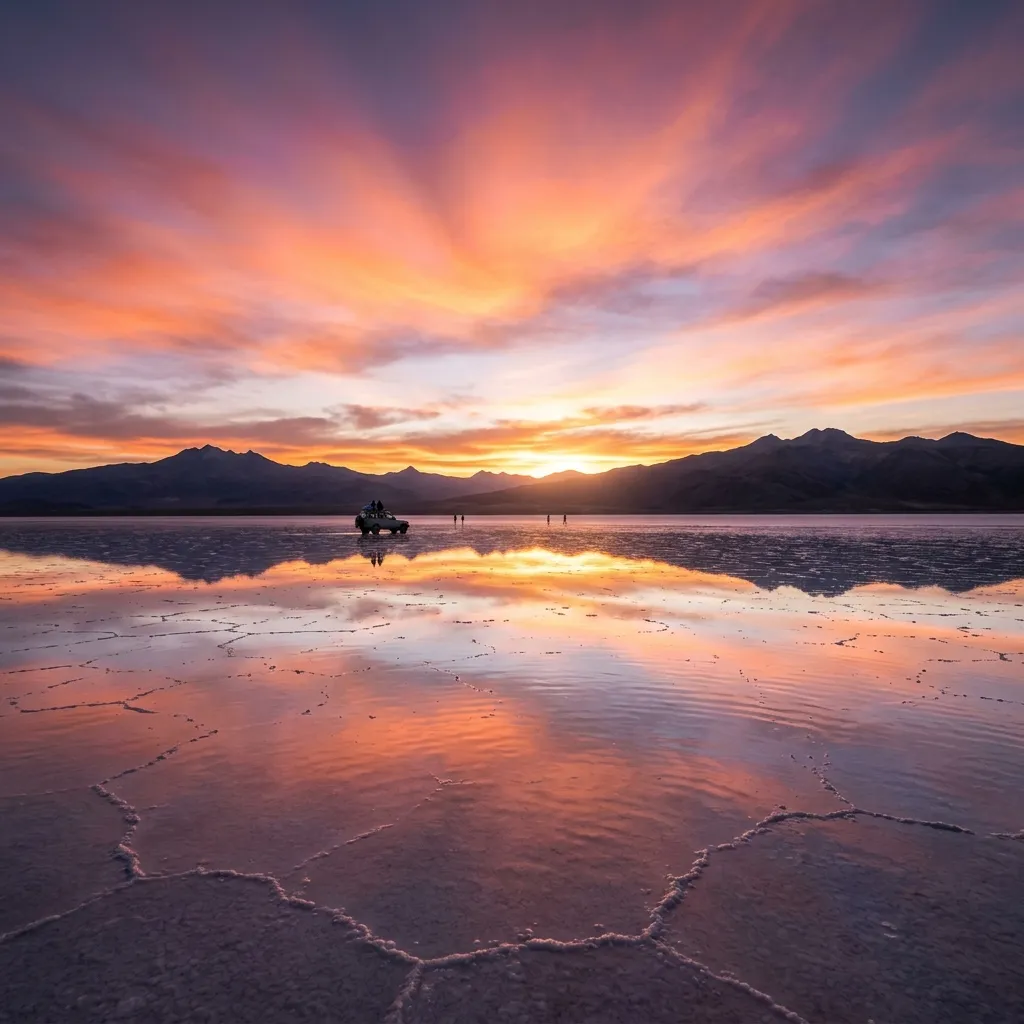
Carrasco National Park
The National Park Carrasco is located to the east of Cochabamba, Bolivia. Carrasco boasts incredible cloud forests and mountain scenery, deep valleys and canyons, torrential rivers, waterfalls, and exuberant vegetation.
Carrasco boasts incredible cloud forests and mountain scenery, deep valleys and canyons, torrential rivers, waterfalls, and exuberant vegetation. There are reports of an uncontacted indigenous group called the Tuki who may live deep within the inaccessible regions of the park. Some of the main at...
Choose Your Cochabamba Experience
Select between our signature Incallajta & Colonial Valley journey or an adventure-filled tropical rainforest escape into Chapare.
Inca Archaeology & Colonial Towns vs. Chapare Rainforest & Waterfalls?
Decide whether you want to explore monumental pre-Columbian history in the peaceful Valle Alto or plunge into tropical rivers and caves.
Incallajta Fortress & Totora Colonial Circuit
- • 2-Day / 1-Night private overland journey across the Valle Alto
- • Comprehensive guided tour of the monumental Inca citadel of Incallajta
- • Overnight stay in the museum town of Totora with cobbled street walk
- • Visit the Franciscan convents and pottery workshops of Tarata
Villa Tunari, Incachaca & Carrasco National Park
- • 2-Day / 1-Night tropical ecotourism excursion from Cochabamba
- • Hike through hanging bridges and waterfalls at Incachaca
- • Visit the nocturnal Guácharo bird caverns in Carrasco National Park
- • Explore Parque Machía trails and stay in tropical riverside eco-resorts
Incallajta Inca Citadel & Totora Colonial Tour
Hotel pickup in Cochabamba, scenic drive past Angostura Lake, guided exploration of the grand Kallanka at Incallajta, overnight in colonial Totora, walking tour of Tarata's colonial plaza and Franciscan convent, meals, and private transport included.
Villa Tunari, Incachaca & Carrasco National Park
Private transport descending the Andes into the tropics, hike through Incachaca's Devil's Throat waterfalls, explore the Guácharo oilbird caves in Carrasco National Park, walk the trails of Parque Machía, resort stay in Villa Tunari, and full board.
Practical Information
Site entrance tickets, cable car schedules, climate advice, and frequently asked questions for visiting Cochabamba.
Entrance Fees & Costs
Cristo Teleférico (11 Bs), Incallajta (20 Bs), Carrasco Park (100 Bs foreign), Incachaca (15 Bs).
Where to Stay
Luxury city hotels (Gran Hotel Cochabamba, Los Portales) or tropical eco-resorts in Villa Tunari.
Gateway to Torotoro
Cochabamba is the official starting point for all 4x4 expeditions into Torotoro National Park.