Written & Fact-Checked by Gabor Kosaras
"I have organized high-altitude routes through Sajama National Park and private logistics for the Oruro Carnival for over 15 years. All route times from La Paz and Uyuni, thermal bath conditions, mountain eco-lodge access, and carnival seating tips below are verified monthly based on direct driver logs."
Before You Go
The six practical questions worth answering before exploring the folklore capital and western volcanic highlands.
Best Time to Visit
Dry winter months (May–Oct) for crisp Sajama views; February/March for the world-famous Carnival.
How Many Days Do You Need?
From a 2D/1N Sajama immersion from La Paz to a full weekend for the Oruro Carnival.
What to Pack
Thermal layers, down jacket, windbreaker, and swimwear for natural volcanic hot springs.
High Elevation Realities
Oruro city sits at 3,710m; Sajama National Park base starts at 4,200m and peaks at 6,542m.
Carnival Booking Lead Time
Book hotel rooms and bleacher seating (graderías) 4 to 6 months in advance for Carnival weekend.
Strategic Altiplano Crossroads
Oruro is Bolivia's central railway and highway junction connecting La Paz, Uyuni, Potosí, and Chile.
How to Get to Oruro & Sajama
Explore the main transportation corridors linking Oruro from La Paz, Cochabamba, Uyuni, and the Chilean border.
Private 4x4 Transfer
3–4.5 Hours · $$Direct door-to-door paved highway drive from La Paz (3 hrs) or direct into Sajama National Park (4.5 hrs).
By Bus
3.5–5 Hours · $Frequent departures leave every 30 minutes between La Paz and Oruro, plus daily links to Cochabamba and Potosí.
Andean Train (Expreso del Sur)
Scenic Route · $$Ferroviaria Andina passenger train connects Oruro south to Uyuni, Tupiza, and the Argentine border at Villazón.
Getting to Oruro from Major Destinations
Paved double-lane highway across the Altiplano (3 hrs drive).
Scenic route via Patacamaya and Curahuara de Carangas (4.5 hrs).
Paved highway (~4.5 hrs) or passenger railway train (~7 hrs).
Paved mountain pass connecting valley and highlands (4.5 hrs).
Direct international crossing via the Tambo Quemado border (30 mins).
Paved highland highway via Challapata (4 hrs private transfer).
What to See
UNESCO World Masterpiece carnivals, snow-capped volcanoes, colonial fresco chapels, and natural hot springs.
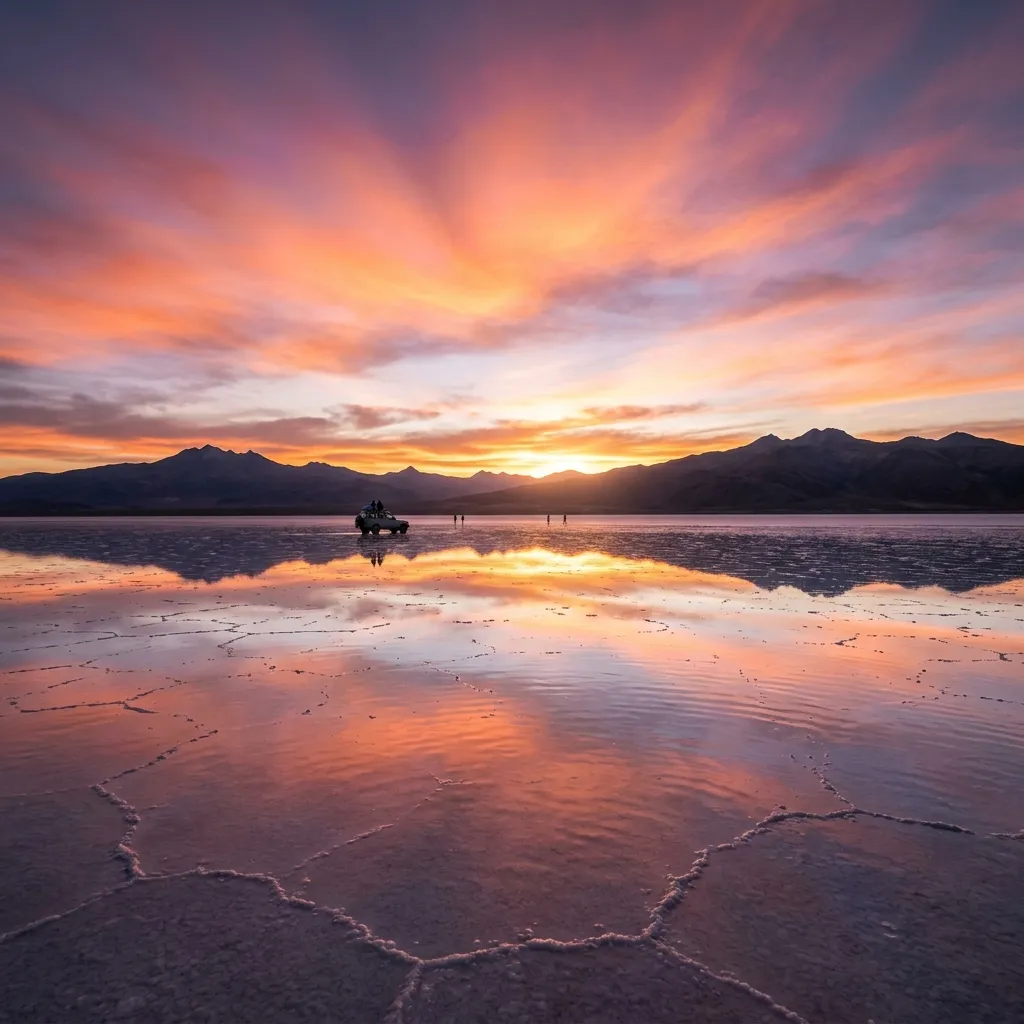
Lake Poopo
Lake Poopo is located at 65 kilometers from Oruro in Bolivia, on the route that leads to the neighboring department of Potosi. The biggest attraction is the island of Panza, an ideal place for hunting and fishing.
Lake Poopo is located at 65 kilometers from Oruro, on the route that leads to the neighboring department of Potosi. The biggest attraction is the island of Panza, an ideal place for hunting and fishing.
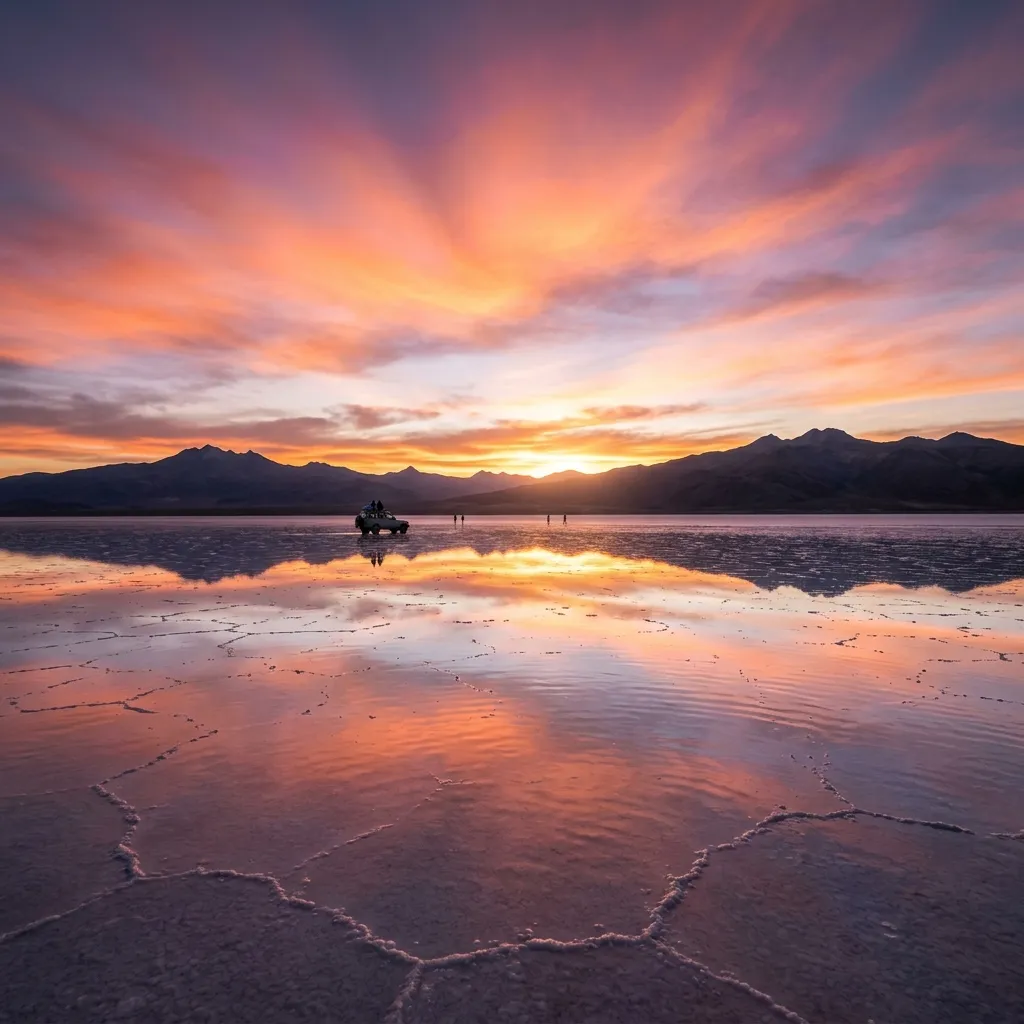
Chullpares bridge
From Chullpares bridge near Oruro, built in the colonial time, the beauty of the highlands of Bolivia can be appreciated.
From Chullpares bridge, built in the colonial time, the beauty of the highlands can be appreciated. The pre-hispanic necropolis of Chusaqueri, with its stone and mud funeral monuments, is located in its vicinities.
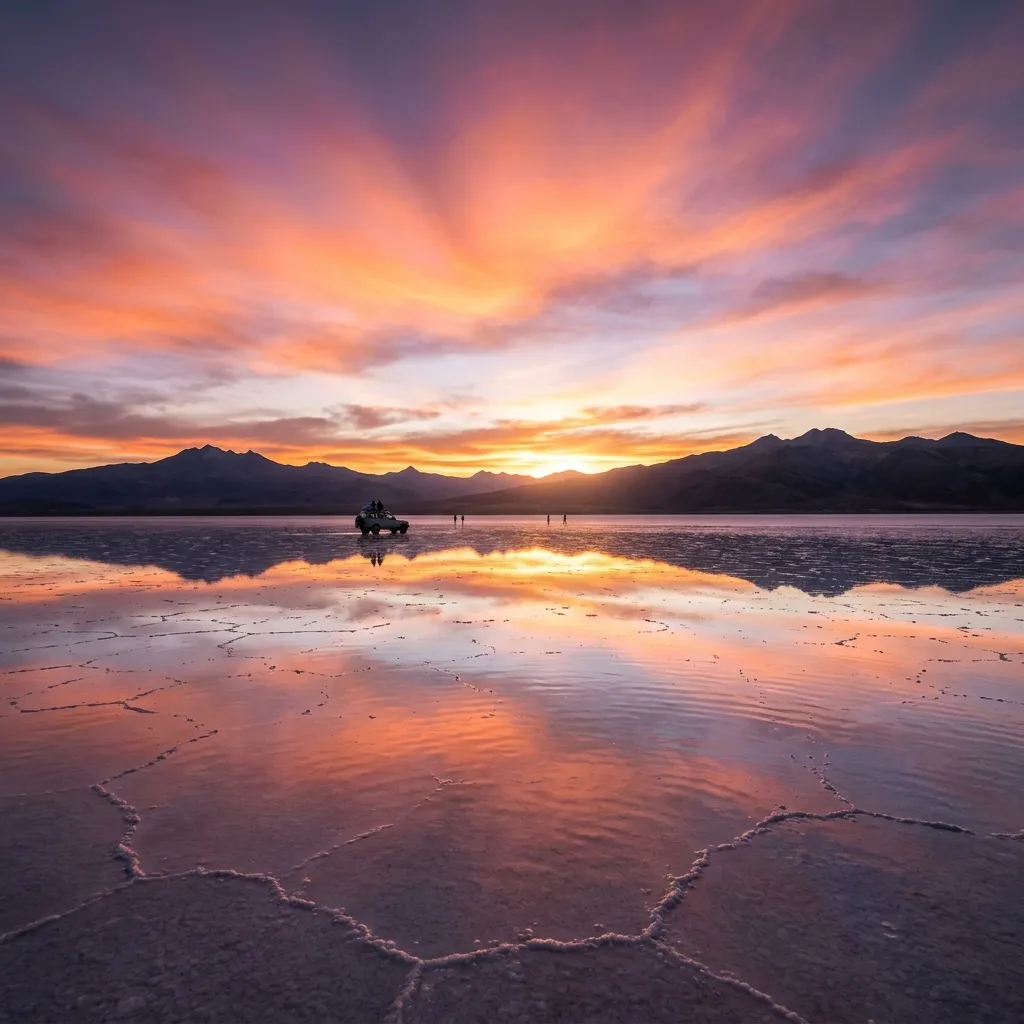
San Jose mine
The silver, lead and tin that were extracted of the tunnels of San Jose mine were very important for the economy of Bolivia. The mine, located at 5 kilometers from downtown Oruro, began to be exploited two centuries ago.
The silver, lead and tin that were extracted of their tunnels were very important for the economy of the country. The mine, located at 5 kilometers from downtown, began to be exploited two centuries ago.
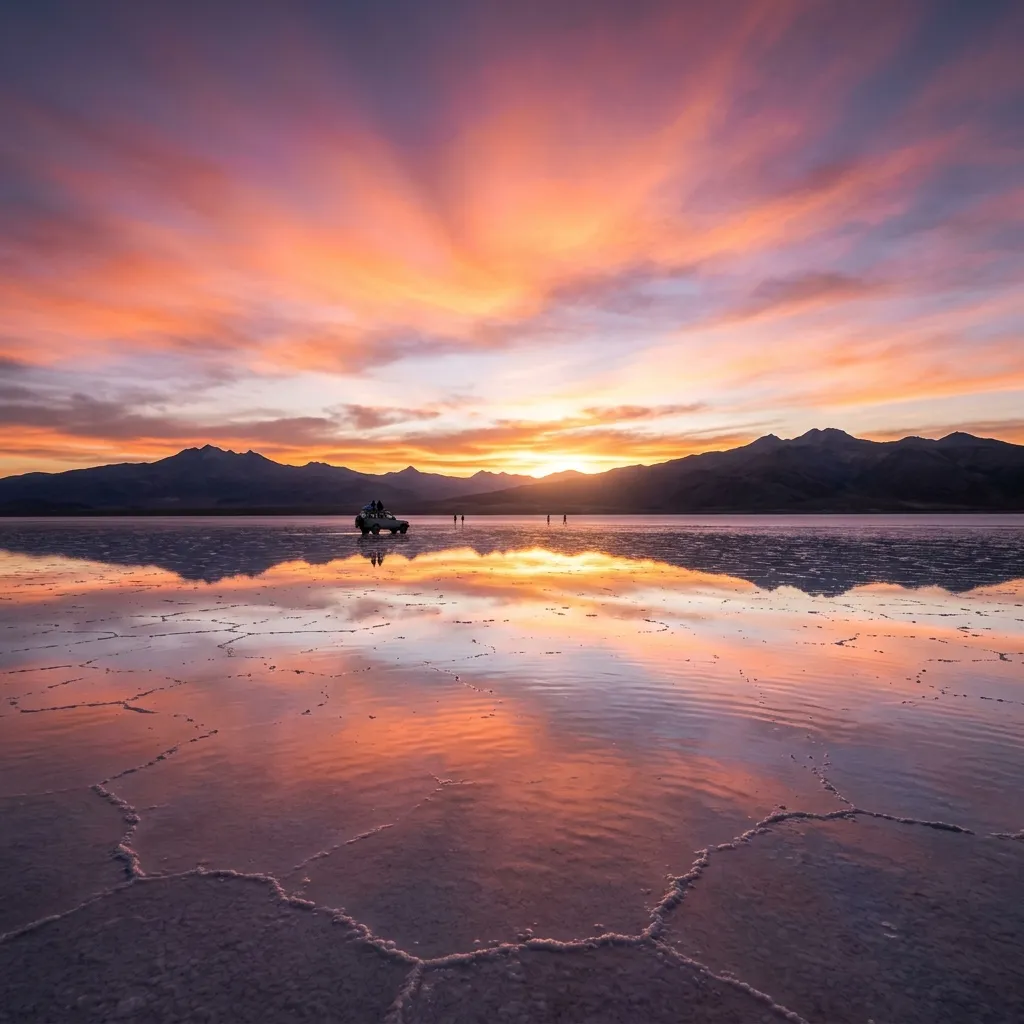
Yarvicoya Church
The Yarvicoya Church is another remarkable example of the mestizo Baroque art. It is located a few kilometers from Oruro in Bolivia. The church has been declared a national monument.
The Yarvicoya Church is another remarkable example of the halfbreed Baroque art. It is located a few kilometers from Oruro. The church was declared a national monument.
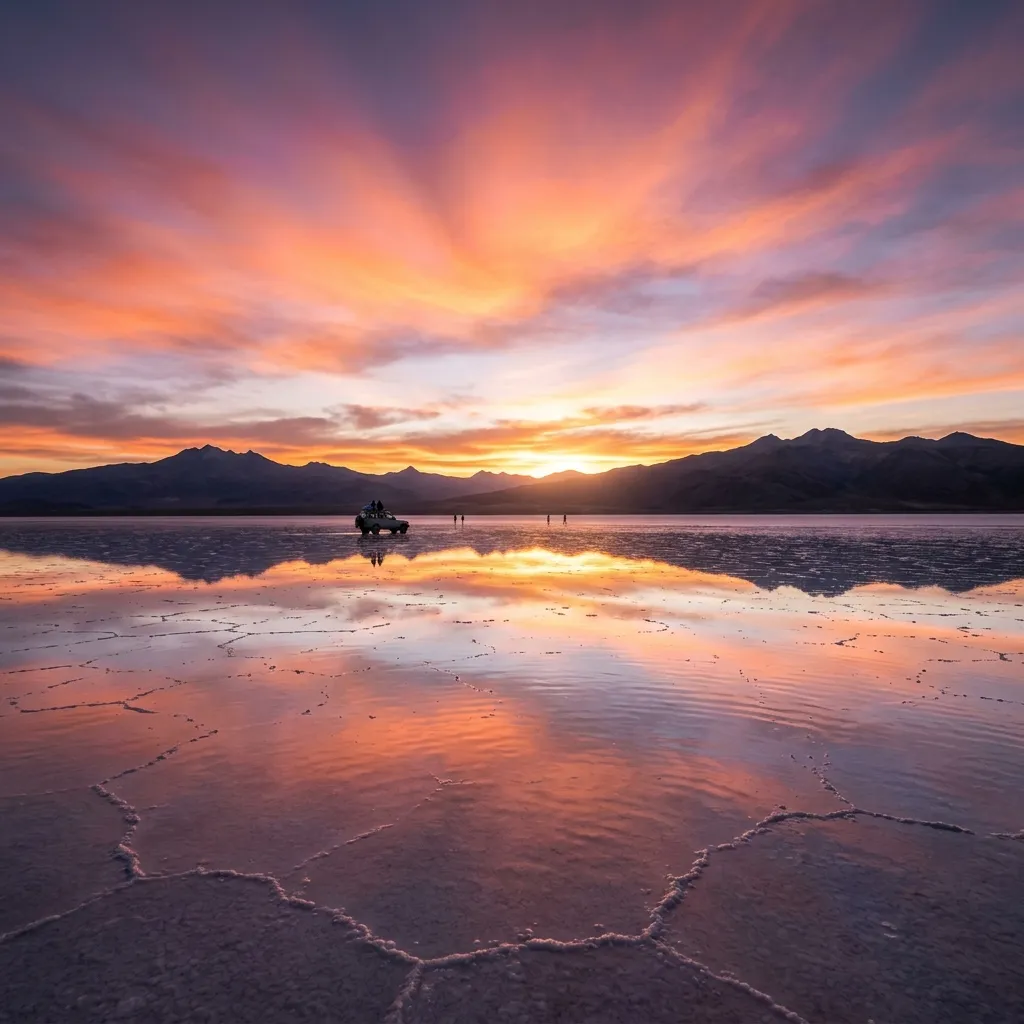
San Miguel de la Rancheria Church
San Miguel de la Rancheria is one of the oldest churches in the city of Oruro in Bolivia. It keeps paintings and sculptures of enormous sacred value.
San Miguel de la Rancheria is one of the oldest churches in the city. It keeps paintings and sculptures of enormous sacred value. One of these pieces, which has the image of Saint Michael Archangel, is attributed to Don Francisco de Medrano who had financed its construction.
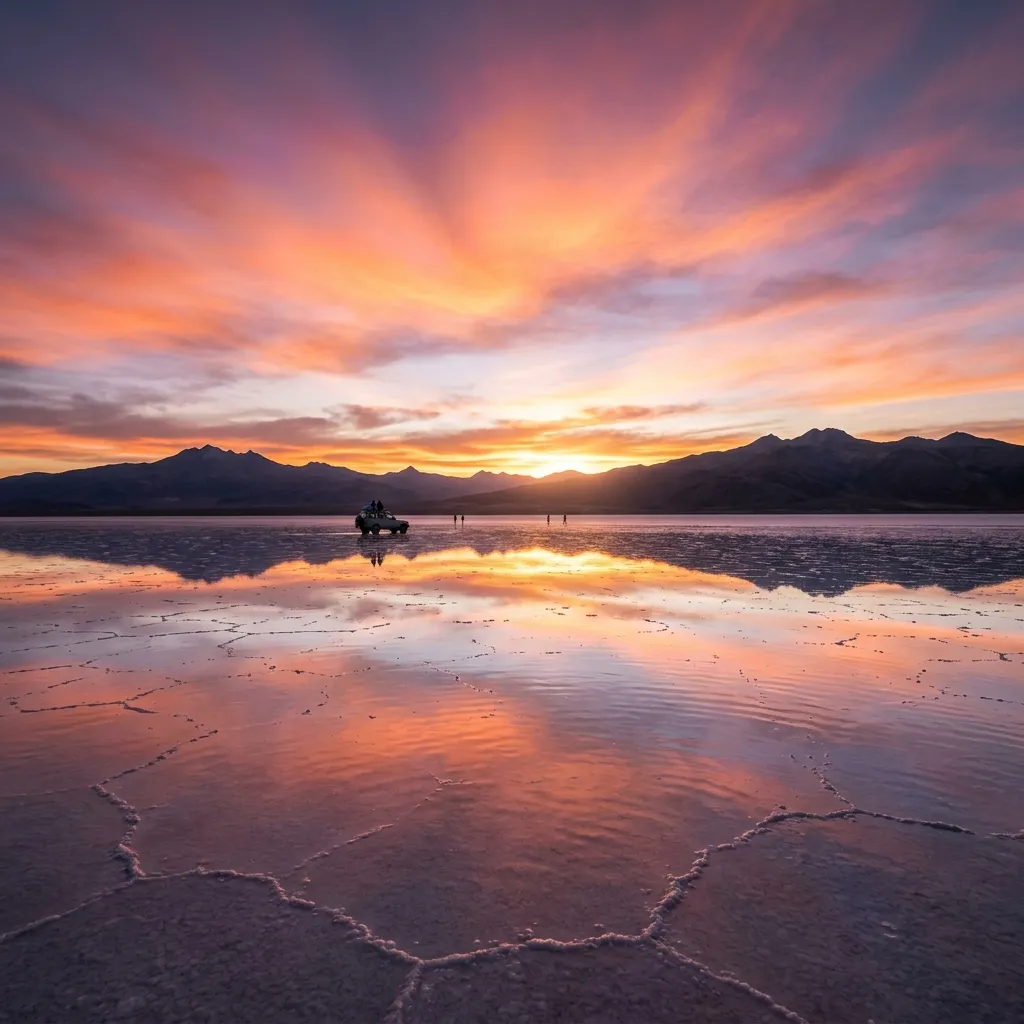
Lighthouse of Conchupata
Enjoy a panoramic view of the city of Oruro in Bolivia from the national monument called Lighthouse of Conchupata, where the current bolivian national emblem was hoisted for the first time on November 7th, 1851,
One can enjoy a panoramic view of the city of Oruro from the national monument called Lighthouse of Conchupata, where the current national emblem was hoisted for the first time on November 7th, 1851, during the government of Manuel Isidoro Belzu. Conchupata (previously called Corrralpata) is loca...
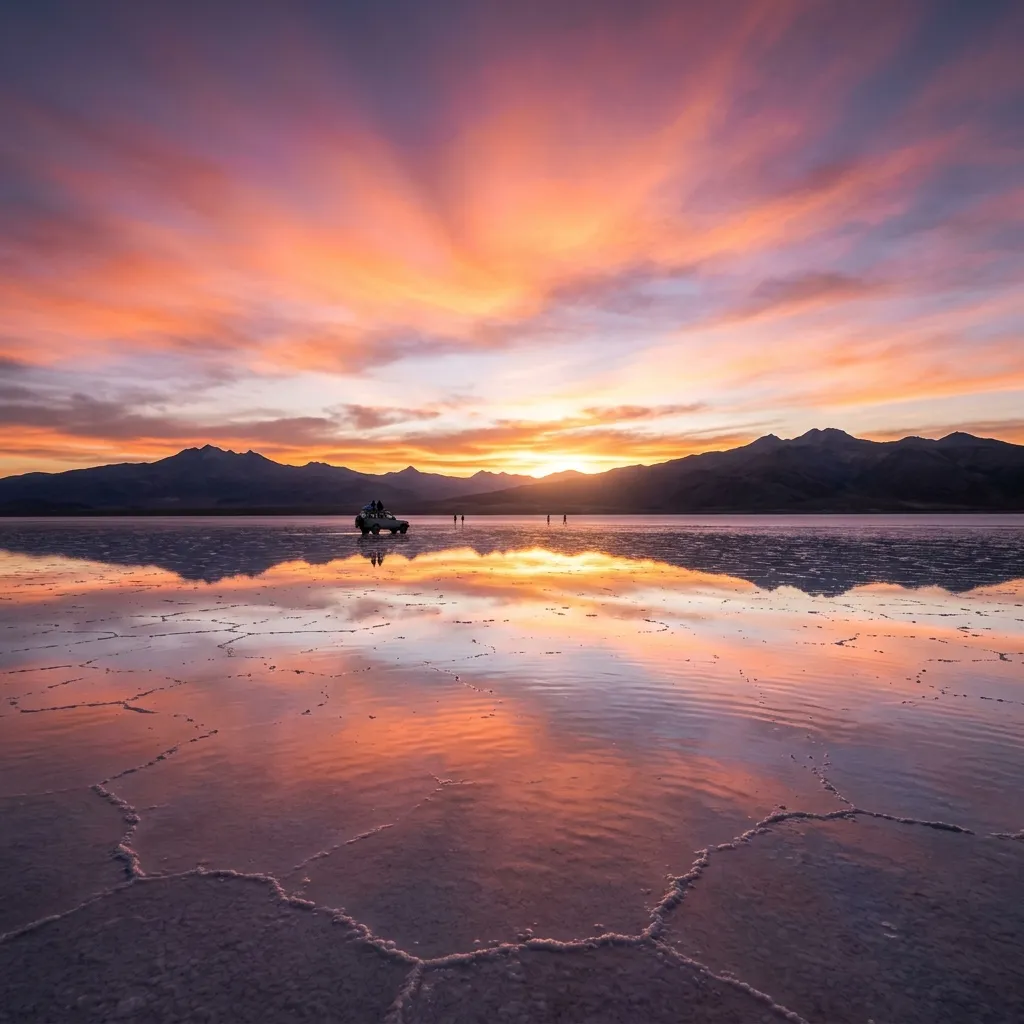
Sanctuary of Socavon
Santuario del Socavon is a religious temple of special devotion for the inhabitants of Oruro, where the Candlemas's Virgin is worshipped. The splendid Carnival of Oruro is carried out in her honor.
Santuario del Socavon is a religious temple of special devotion for the inhabitants of Oruro, where the Candlemas's Virgin is worshipped. She is the local patron of the miners and receives the name of Virgin of the Mineshaft. It is an extraordinary image, painted on some clay bricks that were pro...
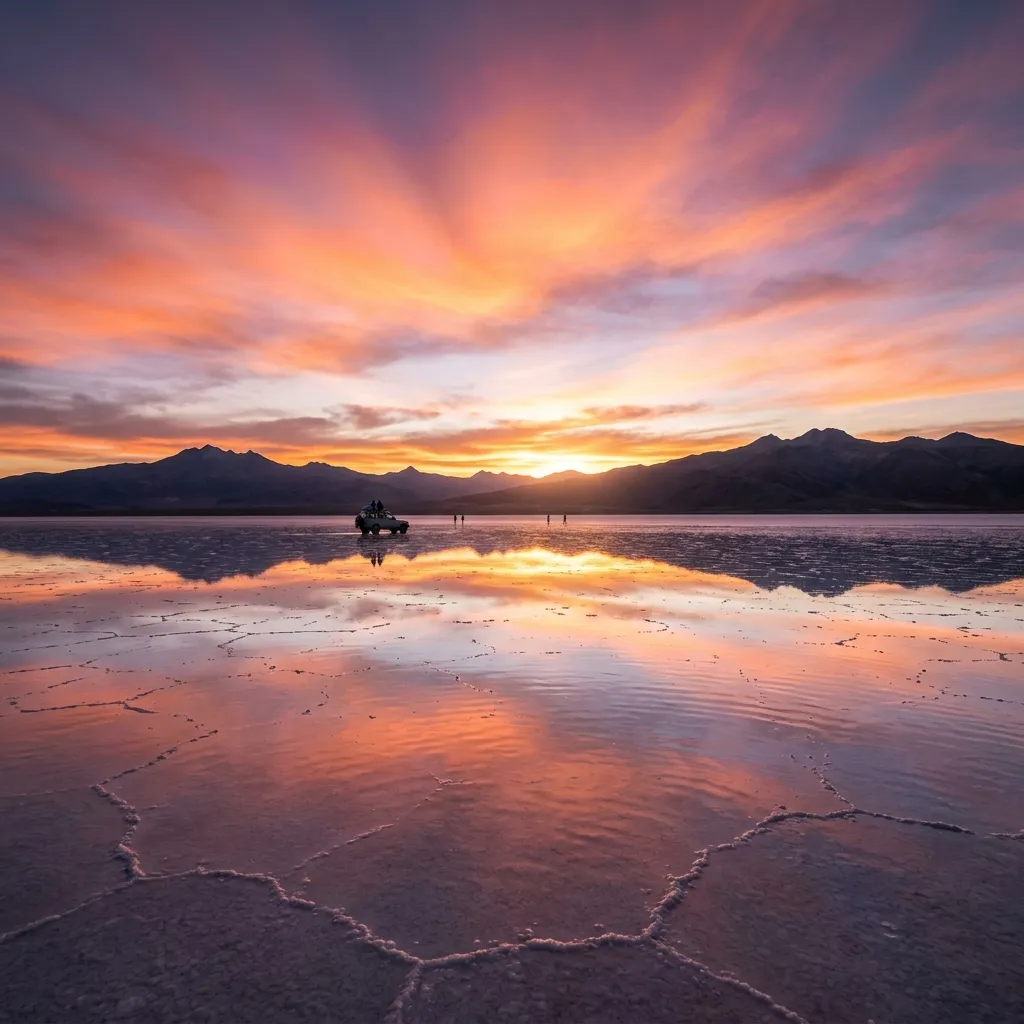
Salar de Coipasa
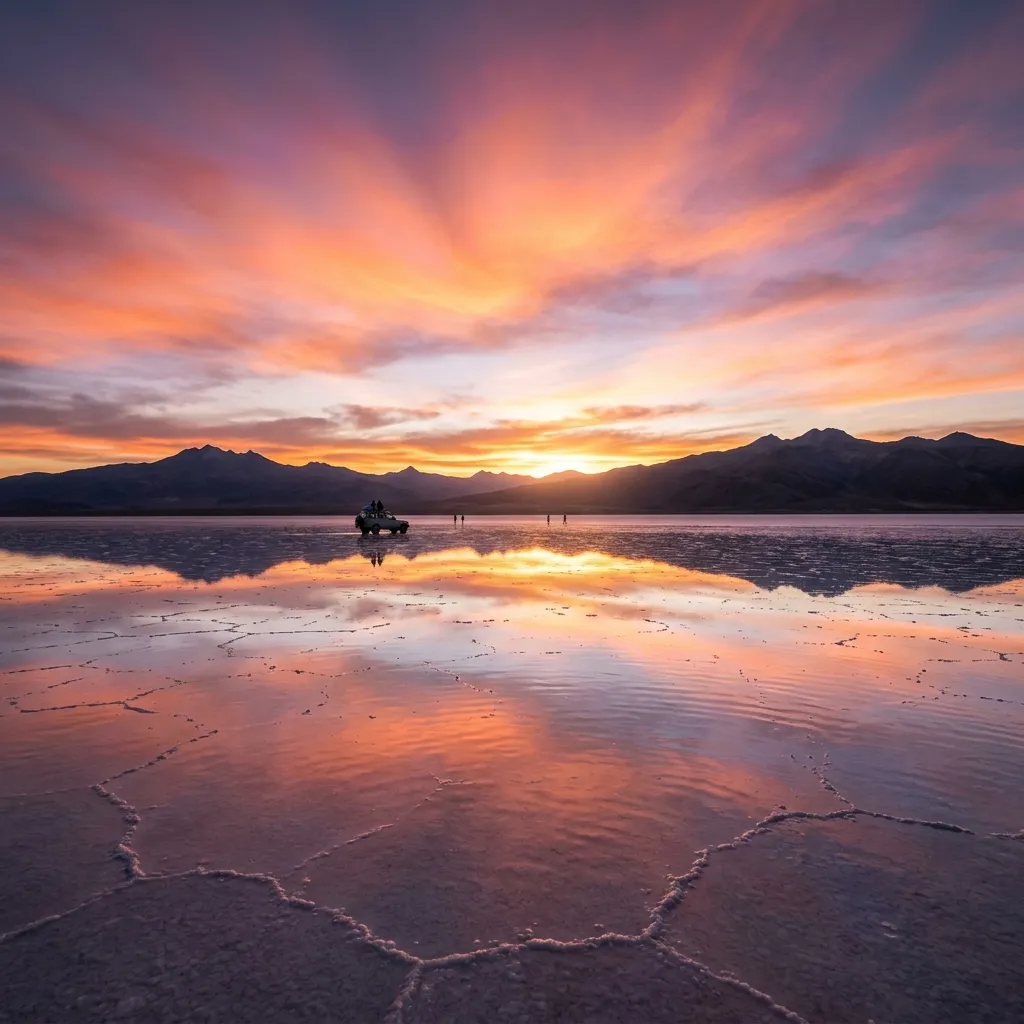
Coipasa is Bolivia's second largest salt flat, in the arid but colourful Altiplano of Bolivia, about 100 miles (160 km) southwest of the city of Oruro, near the Chilean border.
Coipasa is a salt flat in the arid but colourful Altiplano of Bolivia, about 100 miles (160 km) southwest of the city of Oruro, near the Chilean border. At an elevation of 12,073 feet (3,680 metres), the salt flat is Bolivia's second largest (after the Uyuni Salt Flat), occupies 856 square miles ...
Sajama National Park
The National Park Sajama is located to the Northwest of Oruro, Bolivia. Features the imposing snow covered Sajama mountain, altoandinas lagoons, thermal water and andinism routes.
The National Park Sajama is located to the Northwest of the Oruro Department in the Sajama Province. The municipalities involved are Turk and Curahuara de Carangas. The park has a surface of 100,230 hectares (1,002 km2).
Choose Your Oruro Experience
Select between our signature high-altitude volcanic expedition or the world-renowned UNESCO folklore carnival package.
Sajama High-Altitude Nature vs. Majestic Oruro Carnival?
Decide whether you want an overland expedition through alpine volcanoes and thermal springs or South America's most vibrant folkloric carnival.
Sajama Volcanic & Thermal Expedition
A high-altitude immersion into Bolivia's oldest national park and snow-capped volcanic landscapes.
- • 2-Day / 1-Night private 4x4 expedition from La Paz
- • Explore Mount Sajama (6,542m) and ancient Queñua dwarf forests
- • Thermal relaxation in open-air geothermal mineral pools
- • Visit the Renaissance fresco chapel of Curahuara de Carangas
UNESCO Oruro Carnival Cultural Experience
Experience South America's greatest folkloric celebration in comfort and VIP safety.
- • VIP reserved grandstand seats (graderías) on the main parade route
- • Over 20 hours of non-stop Diablada, Morenada, and Caporales dance
- • Roundtrip private transportation from La Paz with bilingual host
- • Visit the subterranean mining museum and Virgin of Socavón
Sajama National Park from La Paz
Mount Sajama (6,542m), Curahuara church, geysers, Queñua forests, and open-air hot springs.
Majestic Oruro Carnival Package
VIP reserved bleacher seating, private La Paz roundtrip transit, bilingual guide, and catering box.
Sajama to Salar de Uyuni Overland
Cross the western Altiplano from Sajama volcano through Oruro directly onto the Uyuni salt flats.
Sajama & Lauca (Chile) Crossing
Connect Bolivia's Sajama National Park across the Tambo Quemado border into Lauca Park and Arica.
Practical Information
Park entrance fees, Carnival dates, climate details, and frequently asked questions for visiting Oruro.
Entrance Fees & Costs
Sajama Park Ticket (100 Bs), Curahuara Chapel (25 Bs), Obrajes Thermal Baths (20–40 Bs).
Where to Stay
Centrally located hotels in Oruro for Carnival, or community eco-lodges inside Sajama village.
Transit to Uyuni & Chile
Daily private transfers to Salar de Uyuni or cross-border connections into Lauca / Arica (Chile).