La Diablada - Oruro Carnival Dance
Oruro Carnival Dance

La Diablada - Oruro Carnival Dance

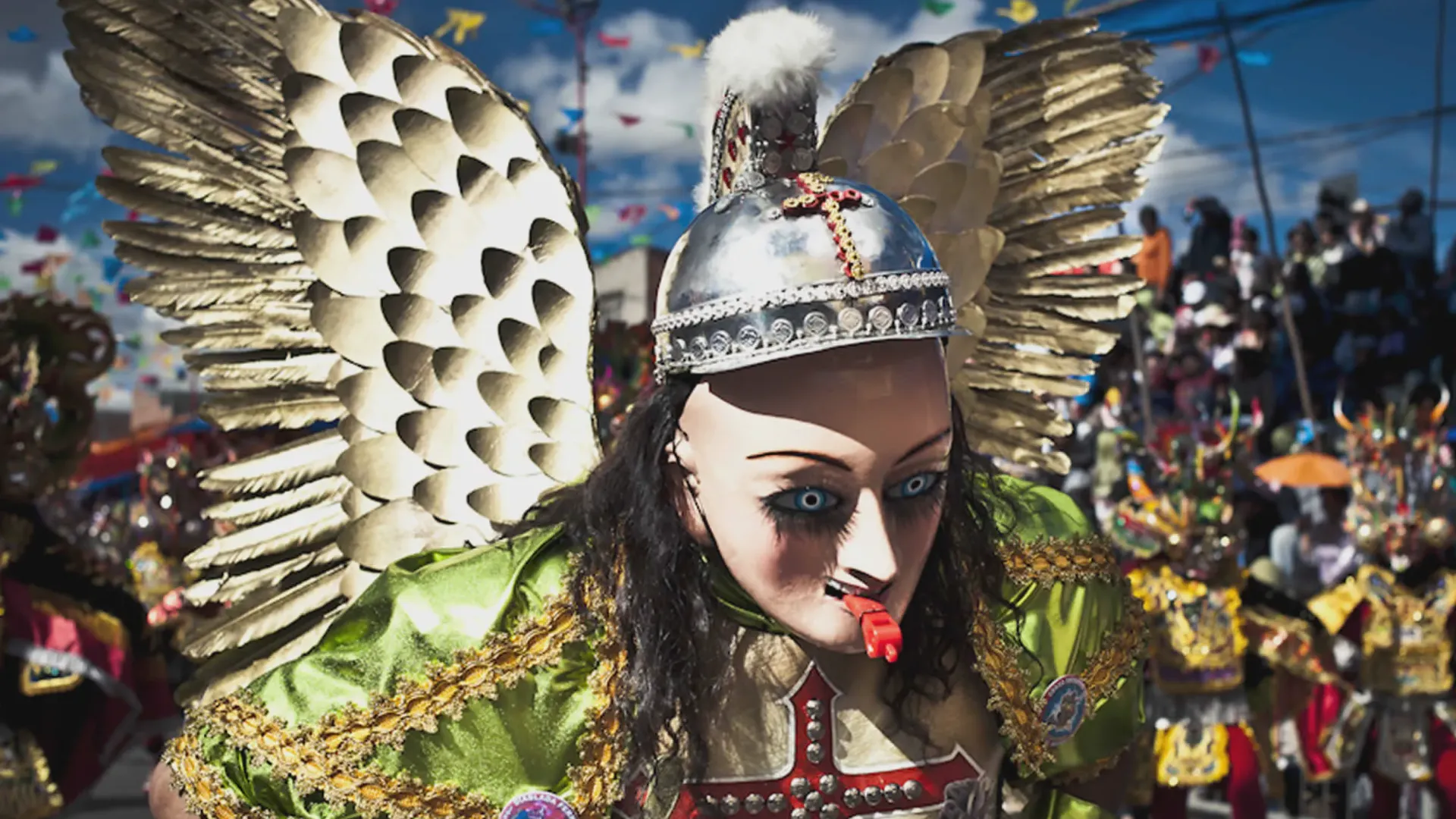
The Diablada is a dance that originally comes from Oruro and is a material representation of a deep religious inspiration. The choreography of the Diablada represents the struggle between good and evil and the defeat of the seven deadly sins. This dance is performed in all the artistic and folk expressions of Bolivia and particularly in Oruro during the Carnival time.

Updated: July 4, 2026

The Diablada is a dance that originally comes from Oruro and is a material representation of a deep religious inspiration.

This inspiration began with the discovery of the miraculous image of the Virgin Candelaria in the shelter of a famous thief called Nina Nina, probably in the 18th Century. The Oruro miners decided to declare said Virgin as the Patron Saint of the workers and to dance disguised as devils precisely to avoid provoking the anger of the mine's "Tio" (Uncle).


Diablada Dance at the Oruro Carnival Diablada Dance at the Oruro Carnival

The choreography of the Diablada represents the struggle between good and evil and the defeat of the seven deadly sins. This dance is performed in all the artistic and folk expressions of Bolivia and particularly in Oruro during the Carnival time.


Diablada Dance at the Oruro Carnival

Diablada Dance at the Oruro Carnival

Explore the full choreography, costume symbolism, and parade schedule for this and 18 other traditional festival dances at OruroCarnival.com Traditional Dances.
Tours Including This Destination

View All Tours →
Premium La Paz - Oruro Carnival Parade 2027 - La Paz Tour
1 Day
Oruro
Oruro

Premium La Paz - Oruro Carnival Parade 2027 - La Paz Tour

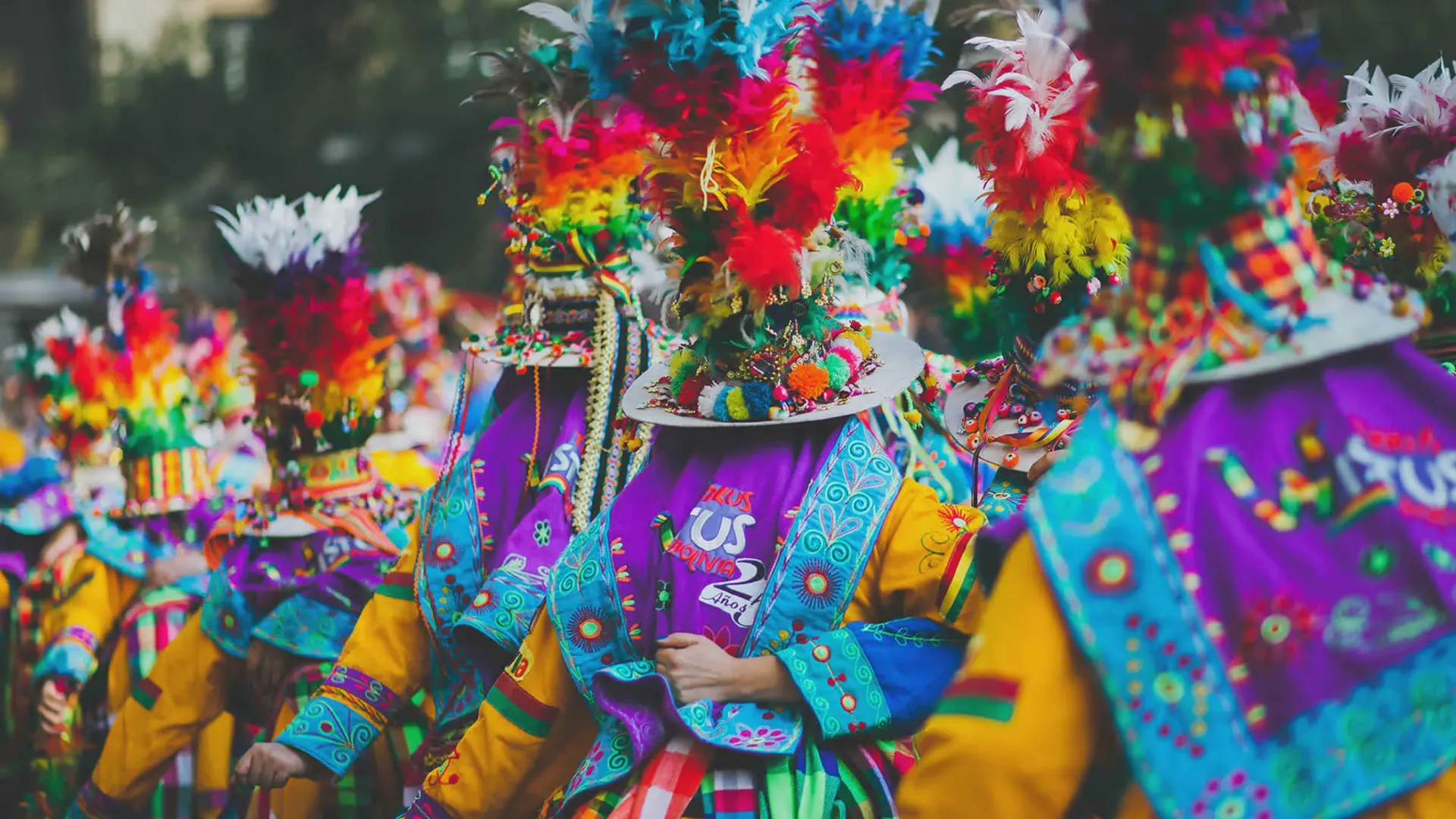
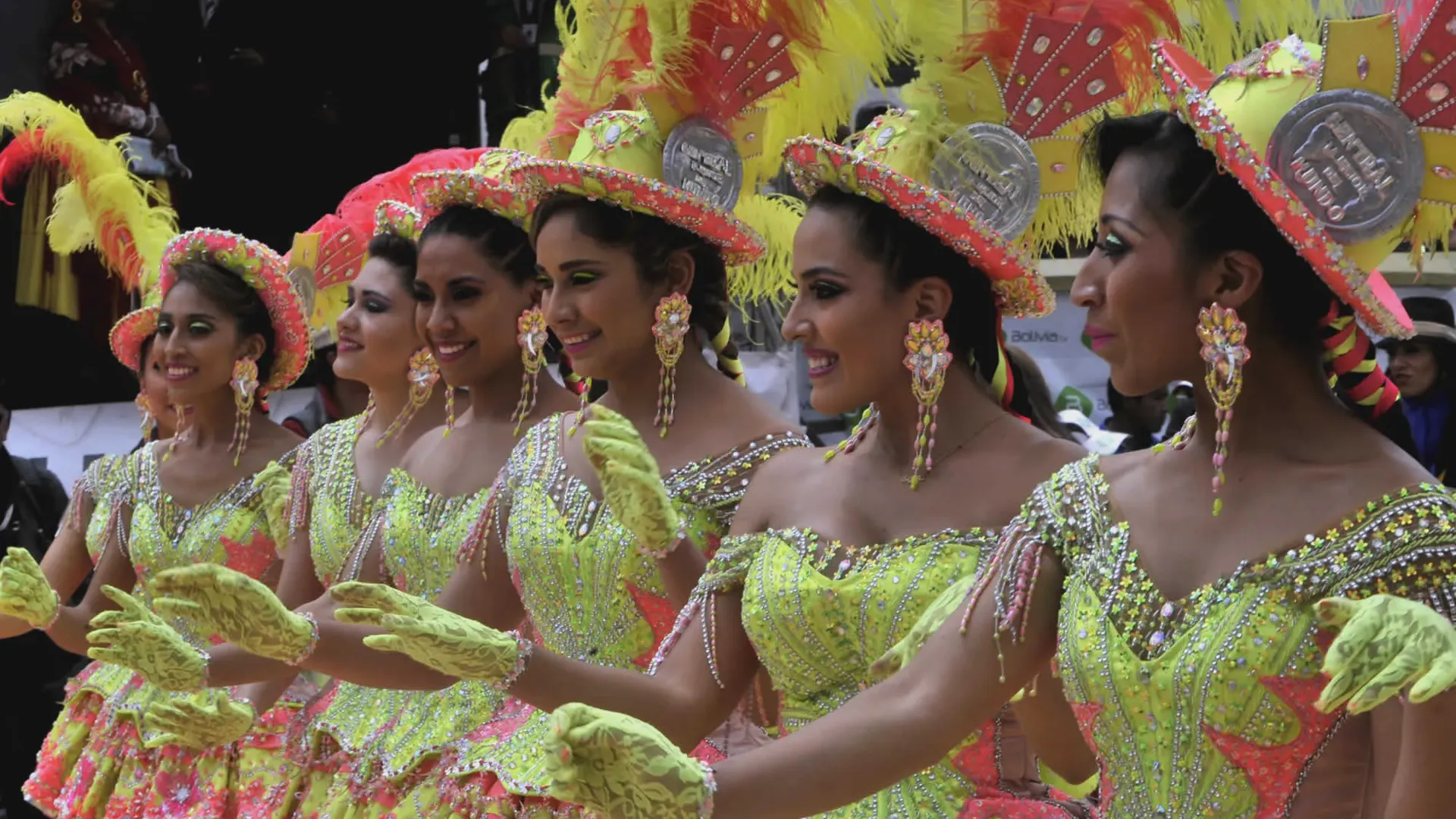
The Oruro Carnival is a cultural and religious celebration with shades of native influence. In 2001 the Oruro Carnival was declared by the UNESCO part of the 'Intangible Cultural Heritage of Humanity'.

La Paz - Oruro Carnival Parade 2027 – La Paz
1 Day
Oruro
Oruro

La Paz - Oruro Carnival Parade 2027 – La Paz

The Oruro Carnival is a cultural and religious celebration with hints of native influence. In 2001 the Oruro Carnival was declared by the UNESCO part of the 'Intangible Cultural Heritage of Humanity'.

Nearby Places & Attractions

Lake Poopo
Attraction

Lake Poopo

Lake Poopo is located at 65 kilometers from Oruro, on the route that leads to the neighboring department of Potosi. The biggest attraction is the island of Panza, an ideal place for hunting and fishing.

Chullpares bridge
Attraction

Chullpares bridge

From Chullpares bridge, built in the colonial time, the beauty of the highlands can be appreciated. The pre-hispanic necropolis of Chusaqueri, with its stone and mud funeral monuments, is located in its vicinities.

San Jose mine
Attraction

San Jose mine

The silver, lead and tin that were extracted of their tunnels were very important for the economy of the country. The mine, located at 5 kilometers from downtown, began to be exploited two centuries ago.

Yarvicoya Church
Attraction

Yarvicoya Church

The Yarvicoya Church is another remarkable example of the halfbreed Baroque art. It is located a few kilometers from Oruro. The church was declared a national monument.

San Miguel de la Rancheria Church
Attraction

San Miguel de la Rancheria Church

San Miguel de la Rancheria is one of the oldest churches in the city. It keeps paintings and sculptures of enormous sacred value. One of these pieces, which has the image of Saint Michael Archangel, is attributed to Don Francisco de Medrano who had financed its construction.

Lighthouse of Conchupata
Attraction

Lighthouse of Conchupata

One can enjoy a panoramic view of the city of Oruro from the national monument called Lighthouse of Conchupata, where the current national emblem was hoisted for the first time on November 7th, 1851, during the government of Manuel Isidoro Belzu. Conchupata (previously called Corrralpata) is loca...

Ready to visit La Diablada - Oruro Carnival Dance?

We can help you organize the perfect trip to this incredible destination.